The time it is set in
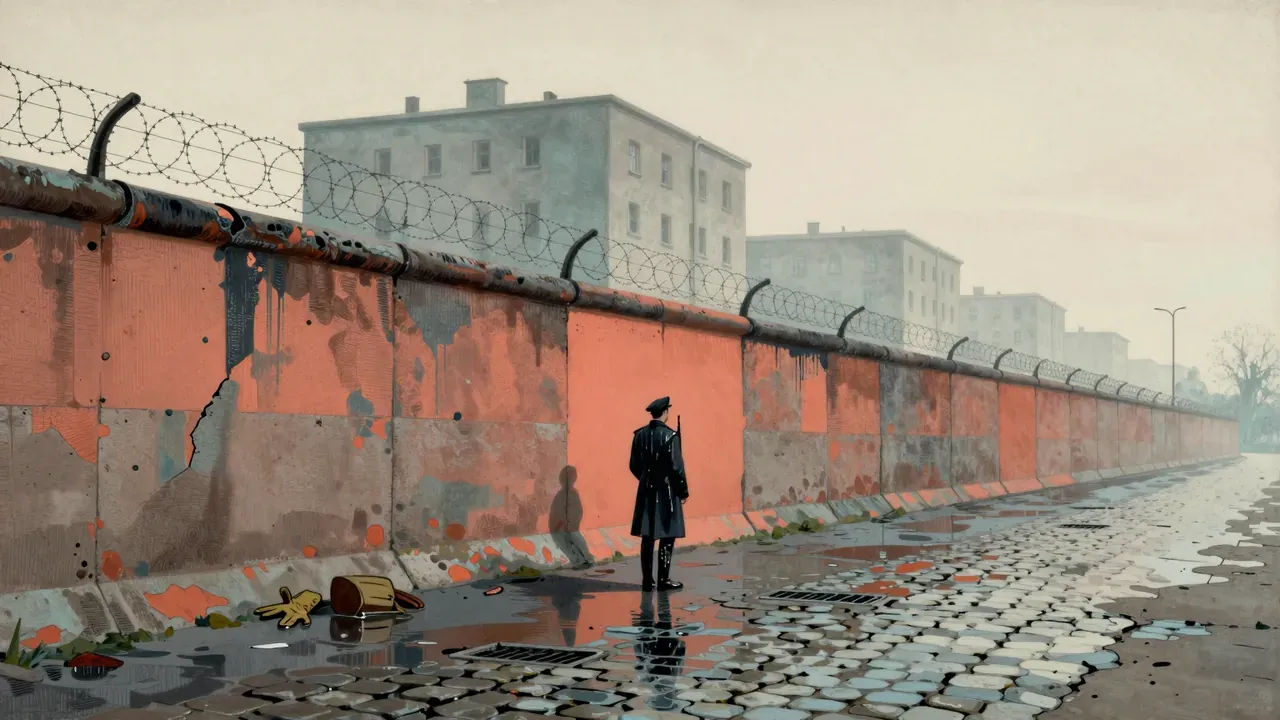
The Spirit of the Beehive is a Spanish drama from 1973, Víctor Erice’s first feature, set in a remote Castilian village in 1940 — the first year of Francoist rule. It follows six-year-old Ana as she navigates silence, absence, and unspoken tension in her family home and across the barren plateau. The film does not dramatise politics directly but holds them in suspension: through the father’s beehives, the mother’s letters to an unseen lover, the sister’s casual lies, and Ana’s solitary encounters with a fugitive Republican soldier. Its aim is not exposition but evocation — to render childhood perception as both porous and precise, a vessel for memory, dread, and fragile hope. It treats the postwar moment not as history to be recounted but as atmosphere to be inhabited: light falling through hexagonal windowpanes, wind moving across dry grass, the weight of a pocket watch handed to a man who will not live to use it. It is a film about what children absorb before they understand, and what adults suppress before they dare name it. (158 words)
The pace of it
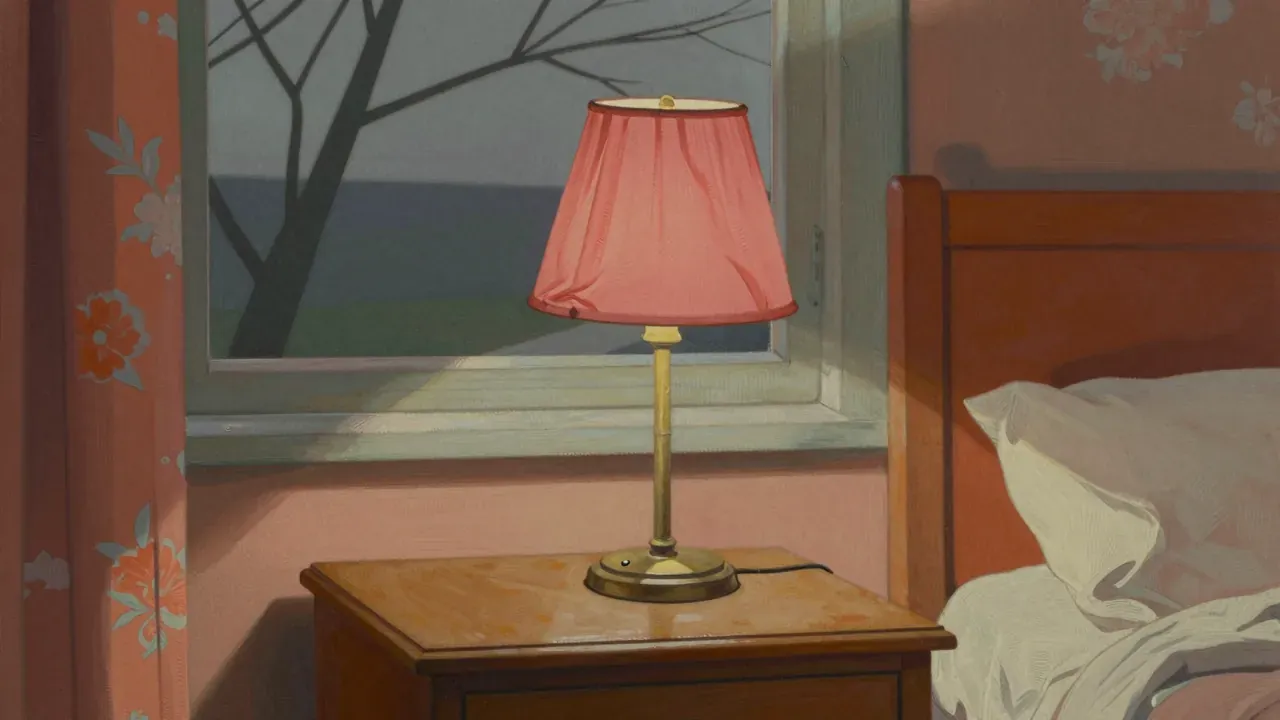
The story unfolds with minimal exposition and no voiceover, trusting image and rhythm to carry meaning. Ana Torrent, aged seven, performs with stillness rather than expression — her face registers shifts in light and sound more than emotion, which suits Erice’s method. Fernando Fernán Gómez and Teresa Gimpera play her parents with quiet disengagement, their distance felt in pauses between lines and in how often they turn away from each other. Luis Cuadrado’s cinematography uses natural light with deliberate restraint: interiors are honey-toned and underexposed, exteriors bleached by sun and wind. The editing by Pablo González del Amo avoids continuity cuts; scenes breathe in long takes, often ending before action resolves. Luis de Pablo’s score is sparse — strings held in suspension, piano notes spaced like footsteps on stone. The production design embeds symbolism without emphasis: the beehive motif appears in window geometry, in the father’s notebooks, in the hum beneath silence. There is no music cue for pathos, no close-up to signal revelation — only attention, sustained. (159 words)
The look of it
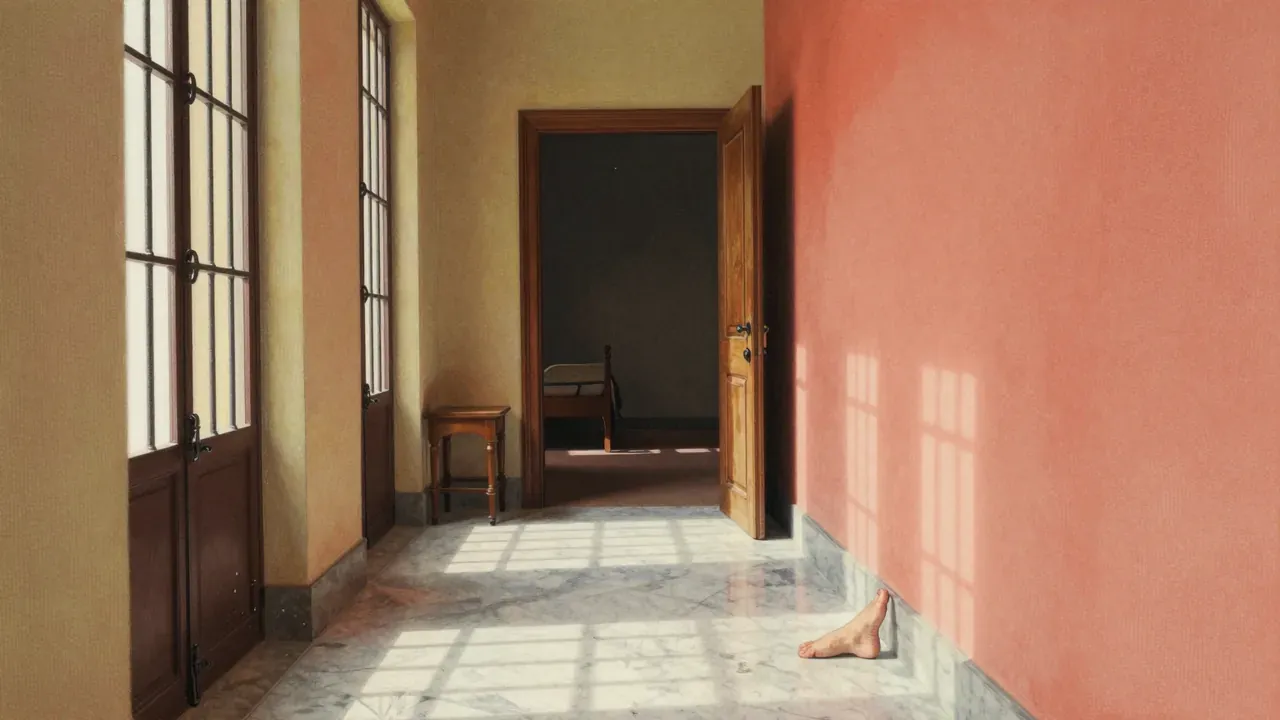
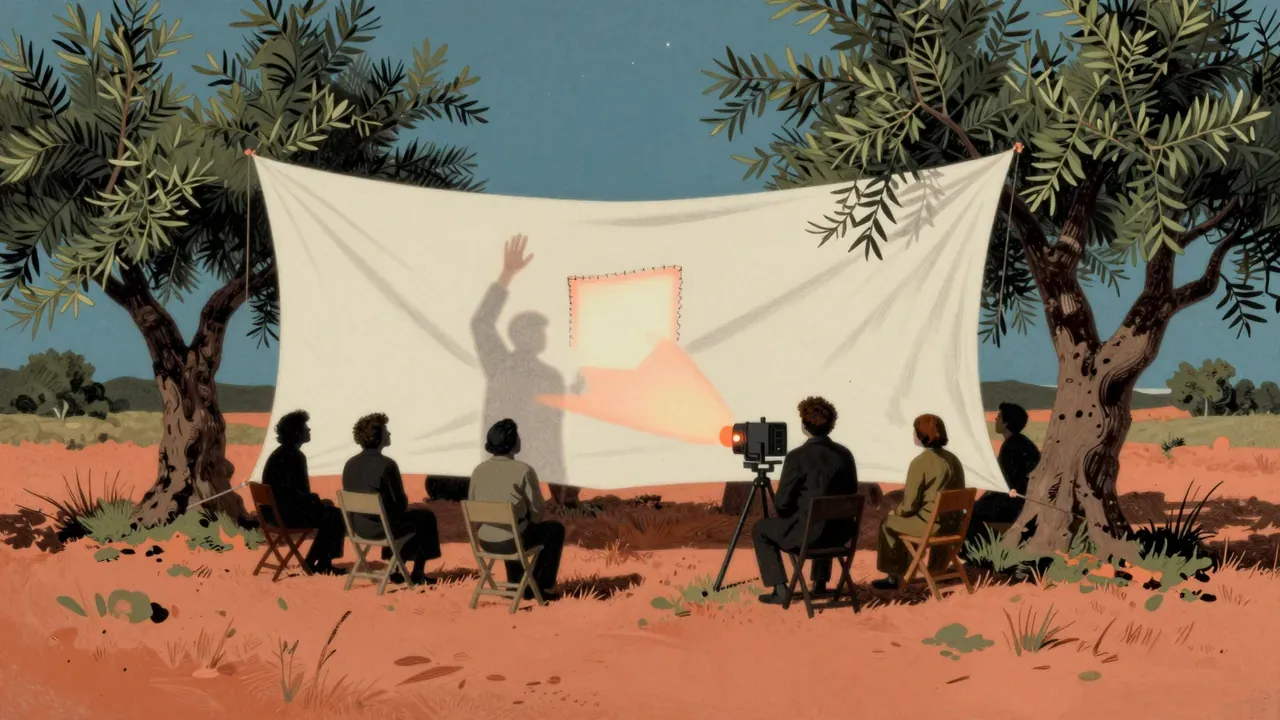
What lands is the fidelity to a child’s interior logic: how fear and wonder occupy the same space, how stories become real through repetition and belief, how kindness can be offered without language. Ana’s decision to feed the wounded soldier feels inevitable, not heroic — it follows the same quiet certainty with which she watches bees or listens to the wind. The film’s pacing, often described as slow, is instead calibrated to the tempo of observation: a glance held too long, a door left ajar, a coat folded and carried across fields. The visual grammar — low angles that make walls loom, shallow focus that blurs adult faces while sharpening textures of wool or stone — places the viewer inside Ana’s perceptual field. Even the mobile cinema showing Frankenstein functions not as plot device but as sensory imprint: the flicker of light on Ana’s face matters more than the narrative she sees. The film’s emotional weight accumulates in accumulation — in repeated motifs, in withheld explanations, in the way a single bloodstain on earth outlasts dialogue. It trusts the viewer to feel before they interpret, and that trust is repaid. (156 words)
The things it leaves unsaid
What does not land is any attempt to read the film as allegory on demand. Its political resonance depends on patience with ambiguity; viewers expecting clear moral positions or historical exposition will find it withholding. The father’s writing about bees, for instance, is never quoted in full — his revulsion remains implied, not argued. Similarly, the mother’s letters are seen only as envelopes, never opened. This refusal to clarify risks feeling like evasion to those who prefer thematic certainty. Isabel’s role as a conduit of misinformation — telling Ana the monster is not dead, then leading her to the sheepfold — carries symbolic weight but little psychological motivation beyond childish mimicry, and that thinness may frustrate viewers seeking layered character arcs. The film also assumes familiarity with the texture of rural Spain in the 1940s: the silence after war, the scarcity, the way authority moves in uniforms and boots just off-frame. Without that context, some gestures — like the police arriving at night without explanation — may register as atmospheric rather than urgent. Its restraint is its strength, but also its limit. (158 words)
The weight of it
The themes that matter are childhood as witness, silence as survival, and imagination as refuge. Ana’s world is defined by absences — of her sister’s honesty, of her father’s presence, of her mother’s attention — and her response is not rebellion but invention: she constructs a spirit, names it, calls to it. The beehive stands not for fascism alone but for any system that values order over empathy, activity over thought. The landscape — flat, stony, treeless — is not backdrop but condition: it shapes how people move, speak, and withhold. Time itself behaves differently: past and present blur in Ana’s mind, so that Frankenstein’s monster coexists with the Republican soldier, both figures of exile and misunderstood harm. The film treats trauma not as event but as residue — in the way Ana stops speaking, in how she stands at the window, in the way her father watches her without reaching. These are not metaphors for Spain alone but for any society learning to hold memory without breaking under its weight. (152 words)
Who it is for
This film is for viewers who value duration over exposition, who find meaning in light falling across a floor, who accept that a child’s perspective may be truer than an adult’s analysis. It rewards attention to texture — the grain of wood, the rustle of fabric, the pause before a line is spoken. It is not for those who require narrative propulsion, clear stakes, or resolution. Viewers who expect historical drama to explain its context or political cinema to argue its case will leave unsatisfied. Those who associate ‘arthouse’ with obscurity rather than precision may mistake its stillness for emptiness. A change in verdict would follow if the film were re-cut to tighten pacing or add exposition — but that would dissolve what makes it distinct. Its power lies precisely in its refusal to translate feeling into statement. Anyone who has ever watched a child stare at something unseen, or stood in silence after loss, will recognise its terms. (159 words)
What it asks of you
Yes, it is worth your evening — provided you give it your undivided attention and accept its terms. It asks for ninety-eight minutes of stillness, not as a test but as invitation: to notice how light changes at dusk, how a child’s hand hesitates before touching something unknown, how silence can hold more tension than shouting. It is not entertainment in the conventional sense, nor is it didactic. Its value is cumulative, built in glances, in the weight of a watch placed in a stranger’s palm, in the way Ana’s final call into empty air feels less like surrender than quiet insistence. Those who dislike slow films, or who find ambiguity frustrating, will not warm to it — and that is fair. But for those who believe cinema can hold grief and wonder in the same frame, this remains one of the few films that does so without ornament or apology. Its economy is absolute: every shot serves perception, every silence serves meaning. (158 words)