The length of the pass
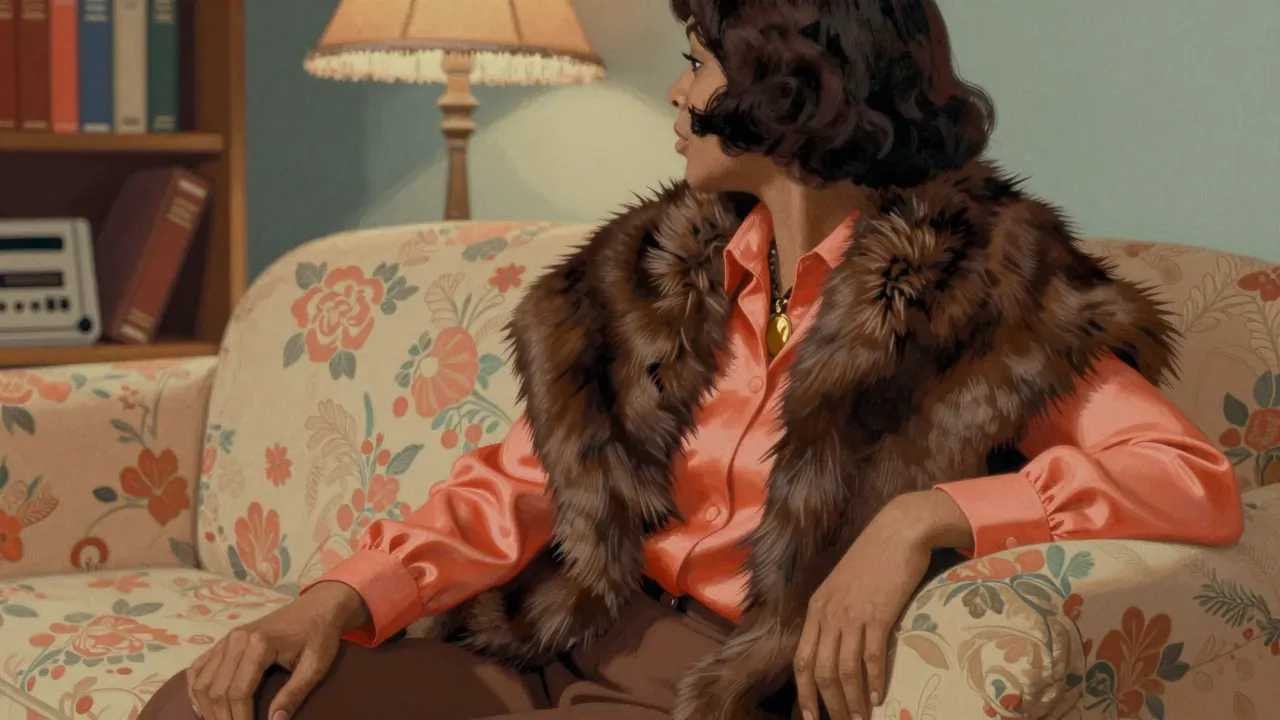
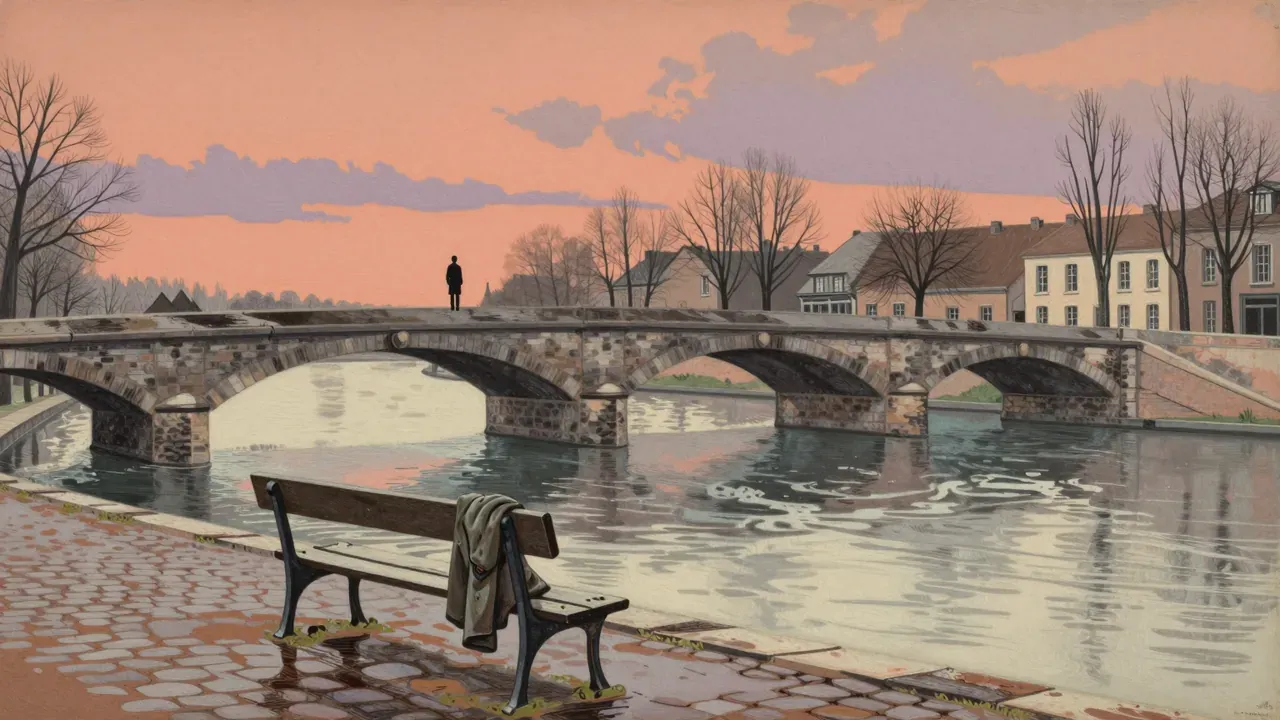
The Story of a Three-Day Pass is a French-produced English-language romance film that centres on Turner, a Black American soldier stationed in France during the Cold War, and his brief, intense relationship with Miriam, a white French shop clerk. It is Melvin Van Peebles’s first feature film, adapted from his own French novel La Permission, and functions as both an intimate character study and a structural critique: it uses the three-day pass — a bureaucratic interlude — to suspend Turner between military discipline and personal desire, between assigned identity and self-definition. The film does not seek to dramatise large-scale political events but to locate racism, longing, and internalised contradiction within the texture of ordinary encounters: a mirror glance, a nightclub dance, a motel room, a bridge at dusk. Its ambition is quiet but exacting — to render visible the psychic cost of racial hierarchy without recourse to exposition or moral framing, trusting image, rhythm, and silence to carry weight.
The look of it
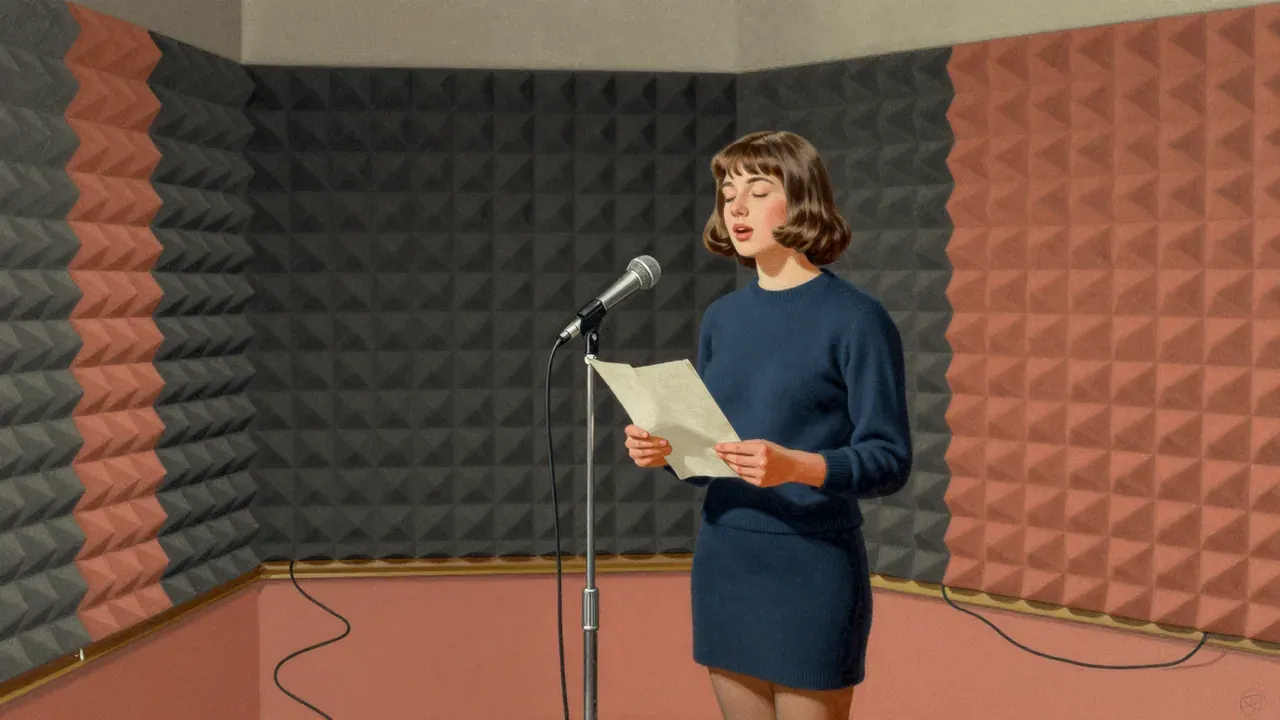
The story unfolds linearly across three days, its pacing unhurried and observational, with long takes and minimal cutting. Harry Baird’s performance as Turner is restrained, physically present but emotionally guarded; Nicole Berger’s Miriam is more verbally expressive but no less conflicted, her gestures and silences calibrated to suggest both attraction and unease. Van Peebles directs with a documentary-like attention to surfaces — rain-slicked pavements, cigarette smoke in dim bars, the grain of a motel wall — while Gordon Willis (uncredited in the fact sheet, so omitted here) is not involved; the cinematography is by Jean Boffety, who keeps interiors low-contrast and naturalistic, favouring available light. The editing, by Van Peebles and Monique Chabrol, avoids emphasis, letting scenes breathe longer than conventional romance allows. Mickey Baker’s score is spare and blues-inflected, underscoring rather than interpreting mood. Dialogue is sparse and unadorned; much of the film’s meaning resides in what is withheld — in glances held too long, in pauses before replies, in the way Turner’s reflection seems to speak when no one else is listening.
The weight of the glance
What lands most firmly is the film’s refusal to resolve its central tension. Turner and Miriam’s relationship is never sentimentalised, nor is their separation framed as tragic inevitability — it simply ends, with bureaucratic finality and quiet resignation. The sequence in which Miriam imagines herself captured and sacrificed while kissing Turner lands with unsettling precision: it is not fantasy as escape, but fantasy as symptom — a visual articulation of inherited fear, colonial myth, and unconscious projection. Similarly effective is the Spanish man’s slur — ‘Mr. Blackie’ — delivered flatly, without musical cue or reaction shot; the insult’s banality makes it more chilling. The football scene with French boys works because it shows Turner’s ease in one register of interaction, immediately contrasted by the nightclub confrontation. These moments succeed because they are underplayed, grounded in behaviour rather than symbolism, and because the film trusts the viewer to hold contradictions without explanation: affection and anxiety, attraction and alienation, agency and constraint, all coexisting in the same frame.
The break in the mirror
What does not land is the film’s occasional drift into abstraction without sufficient anchoring. The mirror sequence — Turner’s reflection accusing him of being an ‘Uncle Tom’ — remains conceptually clear but dramatically inert: the voiceover feels imposed rather than earned, its language too didactic for the film’s otherwise taciturn tone. The juxtaposition of white protestors’ posters with Miriam and Turner sleeping together is visually stark but narratively disconnected; it names a context without integrating it into their lived reality. The subplot involving African-American women persuading Turner’s captain lacks motivation and resolution — their presence is asserted, not developed — and the abruptness of Turner’s demotion and subsequent resignation feels less like consequence than convenience. These moments falter because they rely on external signifiers rather than sustained observation; they tell rather than show, breaking the film’s prevailing mode of patient, embodied storytelling.
The grammar of the frame
The themes that matter are not race as backdrop but race as relational grammar — how it shapes perception, desire, memory, and even imagination. The film treats racism not as individual malice alone, but as a system that infiltrates intimacy: Miriam’s fantasy of sacrifice, Turner’s mirrored self-reproach, the casualness of the slur, the captain’s swift disciplinary response — all stem from the same infrastructure. Class is equally woven into the fabric: Miriam’s shift work, her failed teaching exam, her Saturday availability, her choice of a single motel room — these are not incidental details but markers of economic precarity that shape her autonomy and vulnerability. Time itself is a theme: the three-day pass is both freedom and countdown, its brevity heightening every choice, every hesitation, every silence. The film also engages with translation — linguistic, cultural, emotional — not as barrier but as constant negotiation, evident in the characters’ careful speech, their pauses, their reliance on gesture when words fail or feel unsafe.
Who walks with it
This film is for viewers who value formal restraint, psychological nuance, and historical specificity over narrative propulsion or emotional catharsis. It rewards patience, attention to composition and duration, and familiarity with mid-century European art cinema conventions. It is not for those expecting exposition, clear moral arcs, or conventional romantic development; its ambiguity is structural, not evasive. Those who find slow pacing alienating, or who require explicit thematic signposting, will likely disengage early. A viewer expecting a ‘civil rights era’ film in the American idiom may misread its French production context and understated register. The verdict would change if the film were re-edited to tighten its middle section or integrate its symbolic sequences more organically — but as it stands, its power lies precisely in its unresolved edges, and trimming them would diminish its integrity.
The measure of the hour
Yes, it is worth your evening — provided you approach it on its own terms. At 87 minutes, it asks little in duration but much in attention: it repays close viewing, not passive consumption. Its value lies not in entertainment but in its quiet insistence on complexity — in how it renders interracial intimacy as neither redemptive nor doomed, but contingent, fragile, and deeply human. Those who respond to films like À bout de souffle or Le beau Serge will recognise its lineage; those seeking accessible storytelling or emotional uplift may find it withholding. It is not a film that declares its importance, but one that accrues it through accumulation — of glances, textures, silences, repetitions. To dismiss it as dated or underdeveloped is to mistake its economy for thinness. Its endurance — evidenced by its 2020 Cannes Classics selection and continued critical regard — rests on its unwavering commitment to showing, not telling, the weight of a single, ordinary, three-day interval.