The look of it
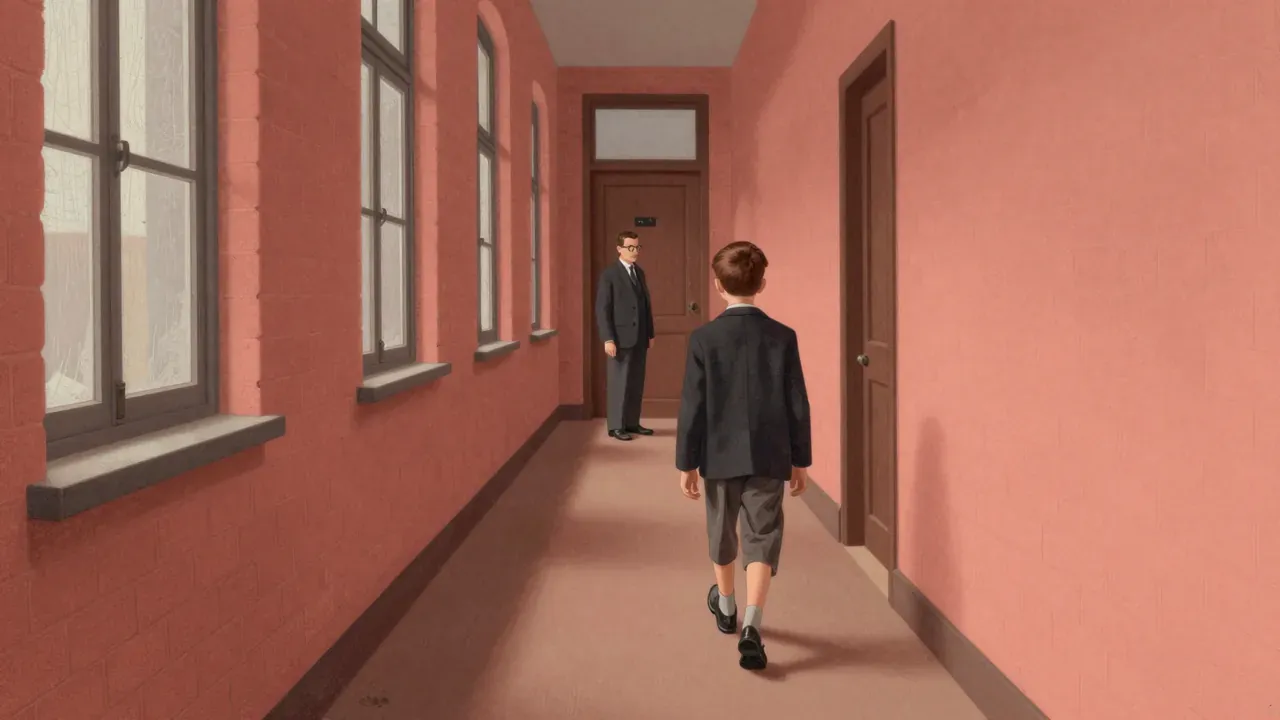
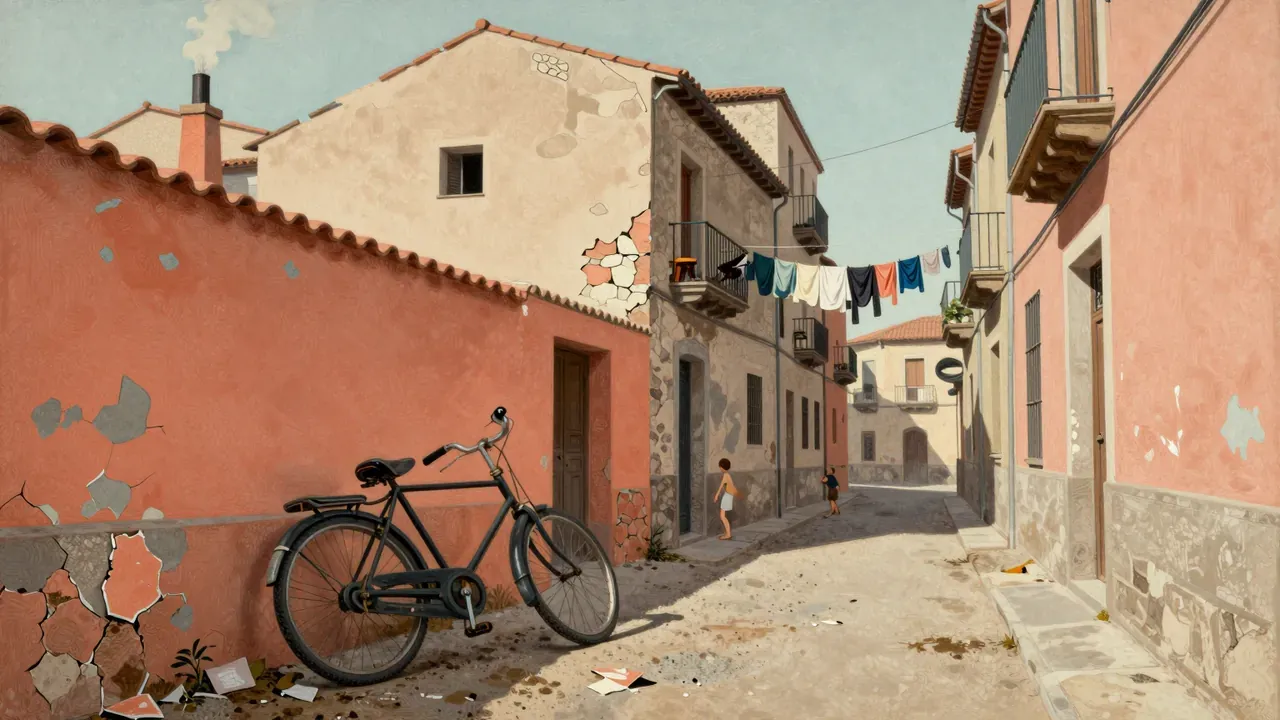
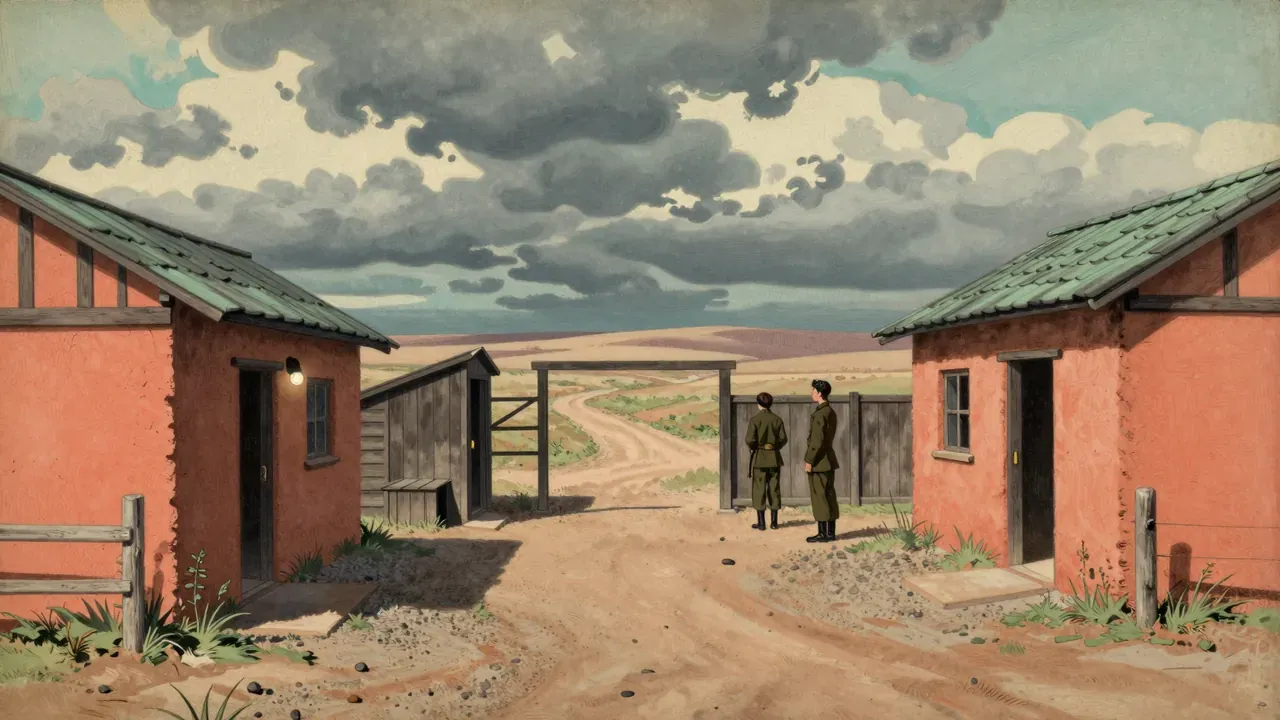
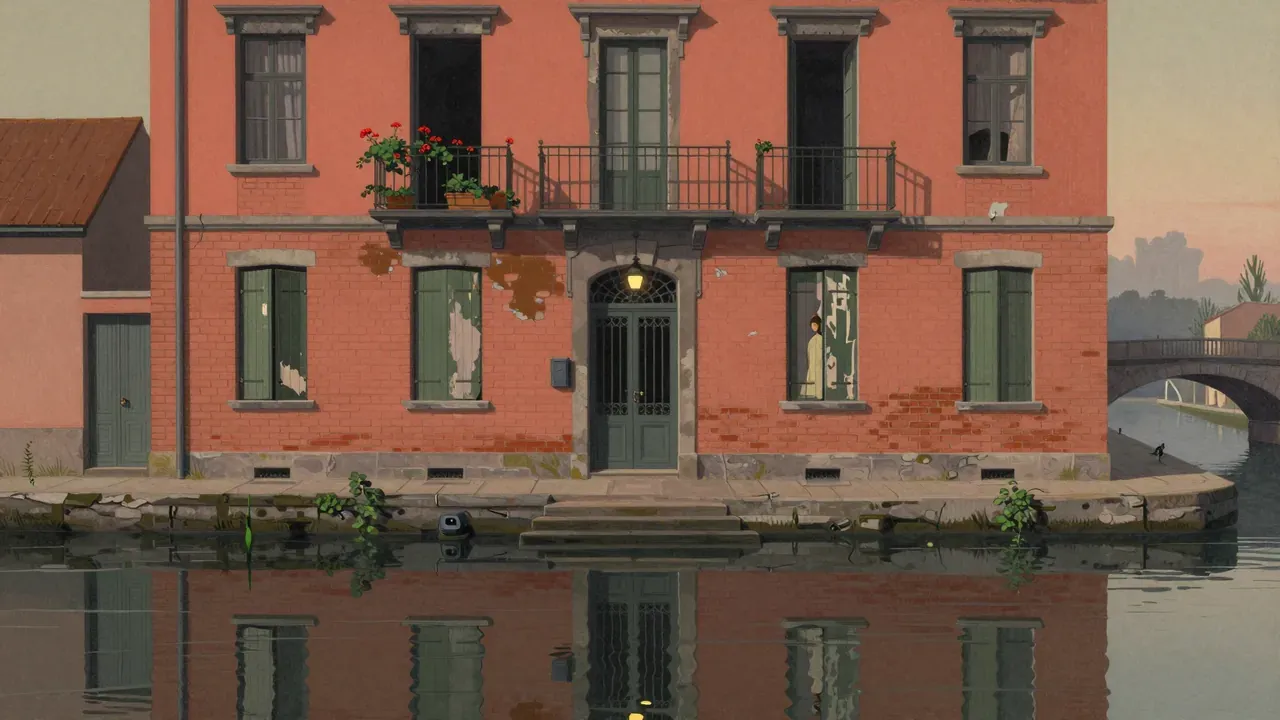
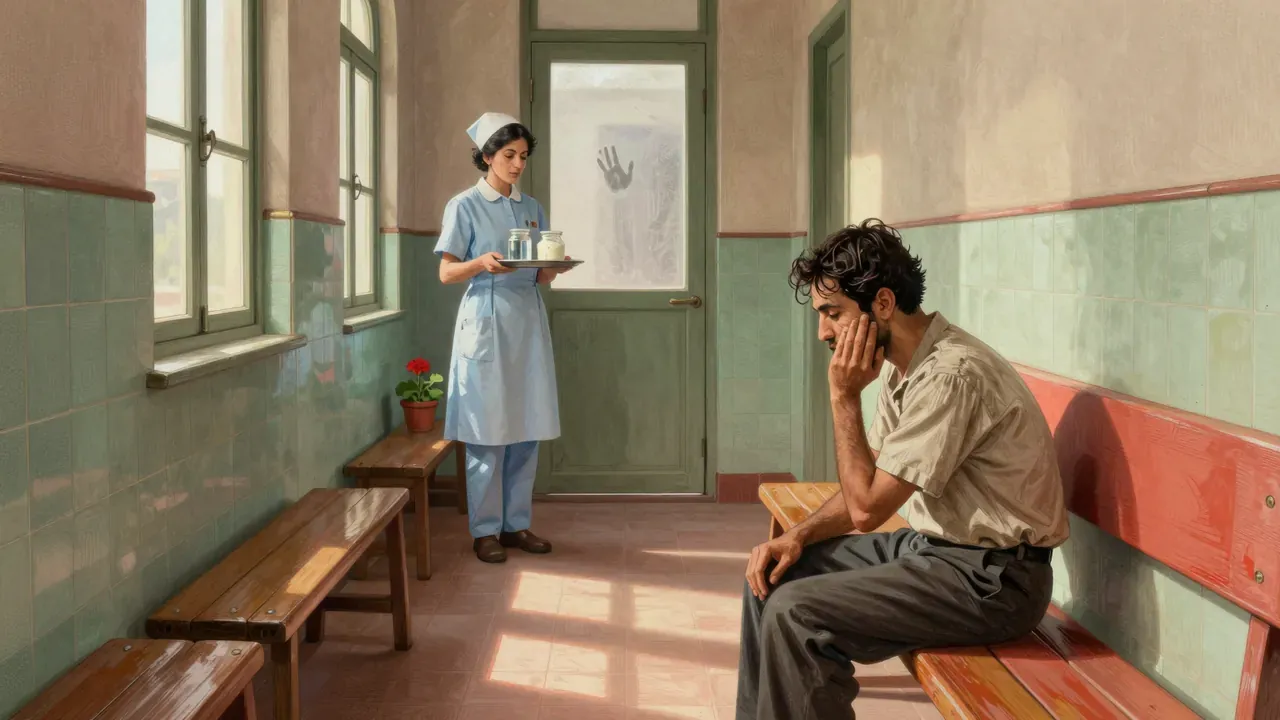
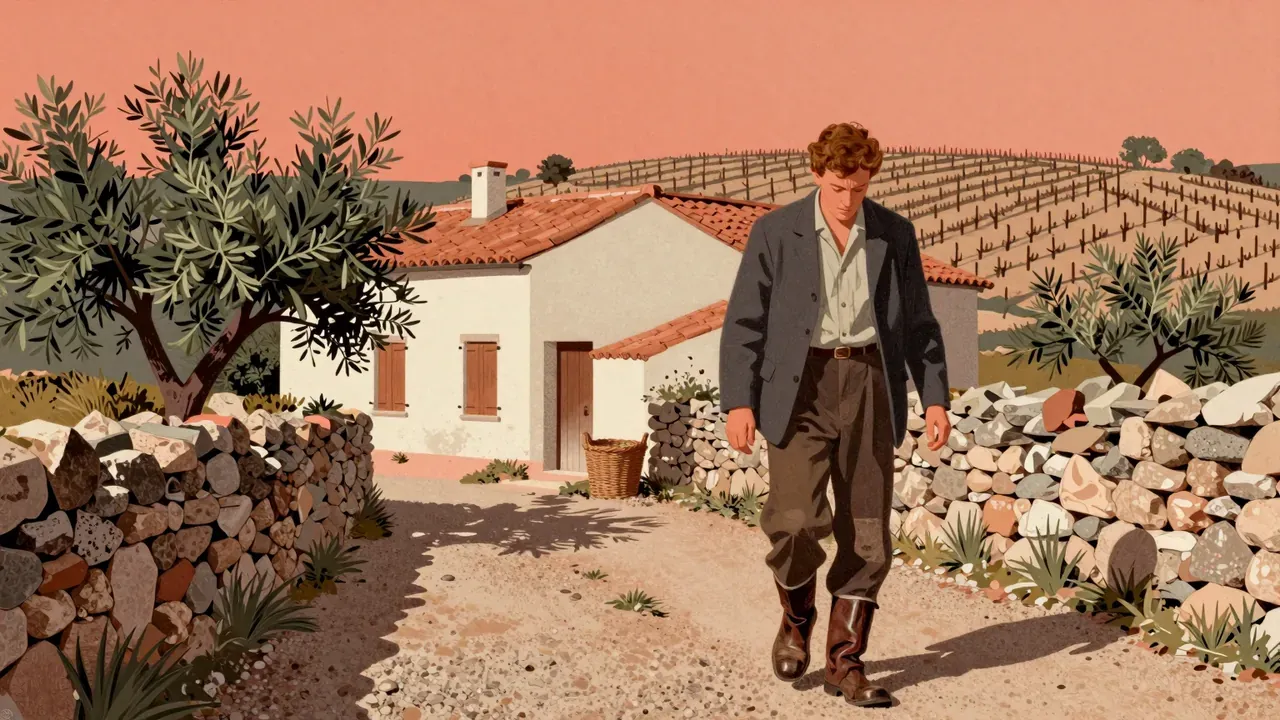
Toni is a 1935 French drama shot on location in Provence, centred on Antonio ‘Toni’ Canova, an Italian migrant labourer working near a quarry and farm. It sets out to observe, without moralising, the emotional and economic pressures on a transient, multi-origin community — Italians, Spaniards, northerners, Provençaux — bound by work but divided by language, class and aspiration. Jean Renoir and Carl Einstein’s script treats romantic entanglement as a function of scarcity: love is not chosen freely but shaped by housing, wages, literacy, and proximity. The film avoids studio artifice entirely; Marcel Pagnol’s Marseille base served only as administrative cover for full exterior shooting. Its ambition is structural as much as thematic: to embed narrative in place, to let non-professional actors carry weight through presence rather than technique, and to treat working life not as backdrop but as grammar. It does not seek to explain migration, but to register its daily texture — the dust on boots, the pause before answering, the silence after a refusal.
How it moves
The story unfolds with deliberate, uninflected pacing: Toni arrives, lodges with Marie, falls for Josefa, endures her choice of Albert, then spirals into passive obsession. There are no flashbacks, no voiceover, no symbolic objects — only action, reaction, and weather. Charles Blavette, a non-professional, holds the frame with physical stillness and delayed response; Celia Montalván conveys Josefa’s quiet calculation in glances and withheld gestures. Claude Renoir’s cinematography keeps light low and grain visible, favouring medium shots that include landscape as participant — hills press in, quarry walls cut horizons, farmyards absorb sound. Editing avoids emphasis: cuts follow breath or movement, not emotion. Sound is sparse and diegetic — wind, distant tools, guitar strummed once, then dropped. The double wedding scene contains no music, no close-ups on faces, only bodies arranging themselves in a sunlit yard. Performance and craft align in restraint: nothing is heightened, nothing underlined. What registers is accumulation — how many times Toni walks past Josefa’s house, how often Albert’s hand rests near Marie’s shoulder before it tightens.
Where it holds
What lands is the film’s unblinking attention to consequence. Toni’s self-sacrifice at the end does not read as noble but as inevitable — the logical terminus of a man stripped of agency, whose only remaining act is to absorb blame. The murder of Albert feels less like climax than collapse: a single gunshot, then silence, then Josefa’s face registering not triumph but exhaustion. The camera stays wide during the killing, refusing intimacy, making the violence procedural rather than cathartic. Similarly, the use of non-professionals works because their hesitations and flat tones are never smoothed over; they are the texture of the world, not a stylistic flourish. The location work pays off in granular authenticity — the way light falls across uneven stone, how voices carry differently across scrubland versus courtyard, how heat blurs edges. These are not atmospheric effects but structural choices: the environment dictates rhythm, tone, even morality. Nothing feels staged, because nothing is. The film’s gravity comes from its refusal to dramatise what it already trusts the viewer to feel.
Where it lets go
What does not land is the schematic rigidity of the romantic quadrangle. Marie, Albert, Josefa and Toni occupy positions more than personalities: tenant, landlord, outsider, interloper. Their motivations narrow as the plot tightens — Marie’s anger feels abrupt, Albert’s cruelty unmoored from prior cues, Gabi’s betrayal lacks preparation. The script gives Andrex little to do beyond functional exposition, and Max Dalban’s Albert remains a cipher until his final turn, which arrives without psychological scaffolding. There is also a tonal inconsistency in the handling of class: Fernand (Édouard Delmont) speaks fluent French, reads newspapers, and moves easily between groups, yet his role is purely reactive — he observes but never interprets, and his presence underscores gaps the film declines to fill. The film’s commitment to surface realism occasionally becomes a barrier: we see Toni’s isolation, but rarely grasp the internal logic of his fixation. His final run toward Josefa’s meeting point is physically convincing but emotionally opaque — less a choice than a reflex, and one the film declines to illuminate.
What it says about people
The themes that matter are displacement as condition, not crisis; desire as misdirection; and dignity as endurance rather than resistance. Toni does not fight his circumstances — he adapts, watches, waits, then acts when no other option remains. The film treats immigration not as journey but as settlement-in-advance: characters arrive already displaced from their own expectations, carrying habits and hopes ill-suited to their new terrain. Language barriers are shown not through subtitles but through pauses, mistranslations, and the weight of untranslated words. Class operates laterally: Albert’s northern origin grants him status, but his wealth is paper-thin, his authority performative. The quarry and farm are not metaphors — they are employers, landlords, arbiters of time and movement. Love here is transactional not in cynicism but in necessity: Marie offers shelter, Josefa seeks security, Toni seeks belonging, and all three bargain with what they have — bodies, labour, silence. The film’s quietest theme is patience: the patience of waiting for work, for rain, for a letter, for a glance to return.
Who it meets
It is for viewers who value observation over explanation, who find tension in stillness and weight in unspoken decisions. It rewards attention to gesture, to light on stone, to the rhythm of footsteps on gravel. It is not for those who require narrative propulsion, psychological exposition, or resolution that clarifies rather than compounds. Some will find its pace inert, its characters underwritten, its ending fatalistic without catharsis. A viewer expecting Renoir’s later warmth or irony — or the moral clarity of Italian neorealism — may mistake Toni’s austerity for indifference. That reading would miss its precision: this is not a film about people failing to connect, but about connection persisting despite every structural obstacle. Its power lies in what it refuses to supply — motivation, backstory, redemption — and that refusal is deliberate, not deficient.
Why it lasts
Yes, it is worth your evening — provided you watch it as a document of method as much as story. At 81 minutes, it asks little in duration but demands sustained attention to texture: the grain of film stock, the cadence of regional French, the way a character’s posture shifts when entering a room where they do not belong. It repays rewatching not for hidden clues but for accumulated detail — how Marie’s apron changes across scenes, how Toni’s hands move differently when holding tools versus holding a glass. Those who approach it as precursor — to neorealism, to the Left Bank — may overlook its singularity: it is not practice for something else, but a complete statement in its own terms. To dismiss it as ‘early Renoir’ is to misread its confidence. It is slow, yes, but never slack; restrained, never empty. Its economy is absolute — every shot serves place, class, or consequence. That economy makes it durable, not dated.