The shape of it
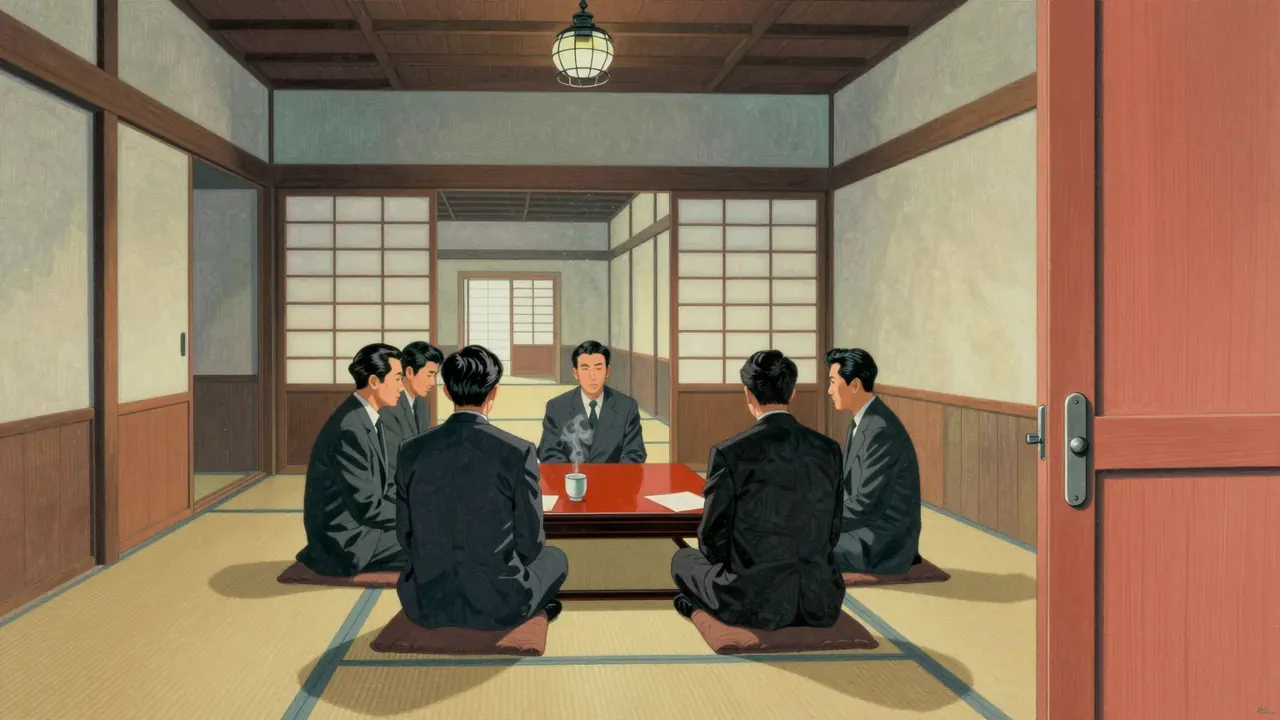
Throne of Blood is Akira Kurosawa’s 1957 transposition of Shakespeare’s Macbeth into feudal Japan, co-written with Hideo Oguni, Shinobu Hashimoto and Ryūzō Kikushima, and produced by Sōjirō Motoki for Toho. It does not aim to translate the play literally, nor to mimic its language or setting, but to test whether its central mechanism — ambition as self-annihilation — holds across cultures and centuries. Kurosawa replaces Scottish heaths with volcanic slopes near Mount Fuji, medieval castles with stark Noh-influenced sets, and iambic verse with silence punctuated by flute and drum. The film treats Macbeth not as a period relic but as a structural warning: what happens when power is seized without legitimacy, and when moral hesitation is mistaken for weakness. Its fidelity is to consequence, not quotation — the murder, the paranoia, the isolation, the arrows. It assumes the audience knows the shape of the tragedy, then tightens the screws on its psychology rather than its plot. This is adaptation as forensic reassembly, not homage.
The look of it
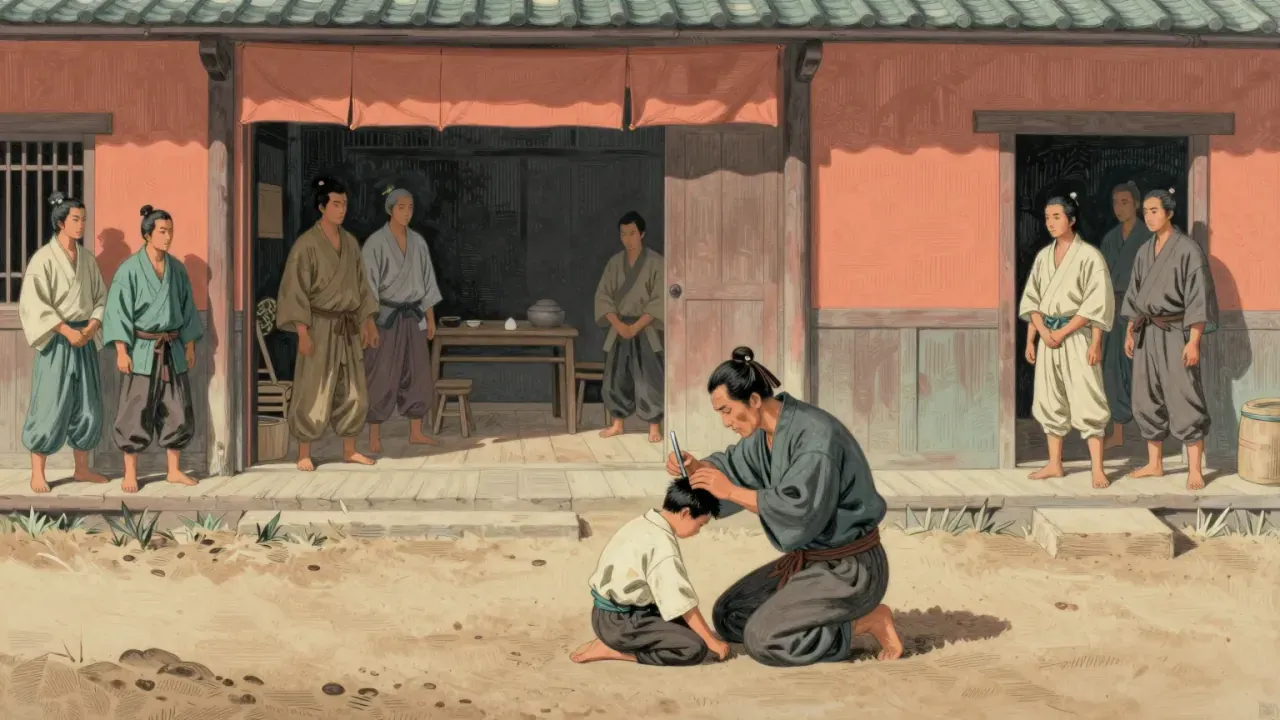
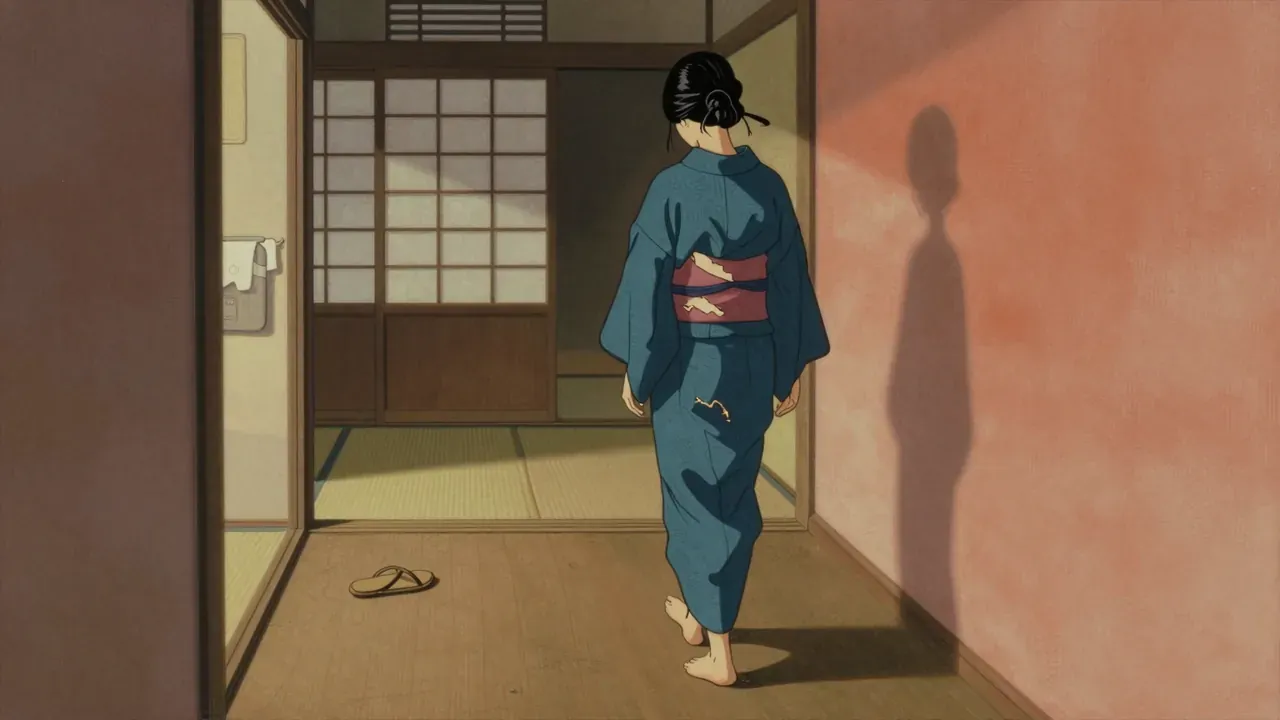
The story follows Washizu (Toshirō Mifune), a samurai who hears a prophecy in the Spider’s Web Forest and kills his lord to fulfil it; his wife Asaji (Isuzu Yamada) steers him with stillness and suggestion, not rhetoric. Mifune’s performance is physical compression — shoulders hunched, breath shallow, eyes darting like trapped birds — while Yamada moves with glacial precision, her face barely shifting even as her voice hollows out. Asakazu Nakai’s cinematography uses fog not as atmosphere but as obstruction: faces emerge and vanish, decisions are made in half-light, corridors narrow without moving. Kurosawa’s editing cuts away from reaction shots, holding instead on empty doorways or trembling hands. The Noh influence appears in posture, mask-like stillness, and the chorus-like narration that frames Washizu’s fate as inevitable. Masaru Sato’s score avoids melody, favouring percussive dread and breathless flute phrases that stop mid-sentence. There are no close-ups of tears; grief is measured in how long a character waits before speaking.
What holds
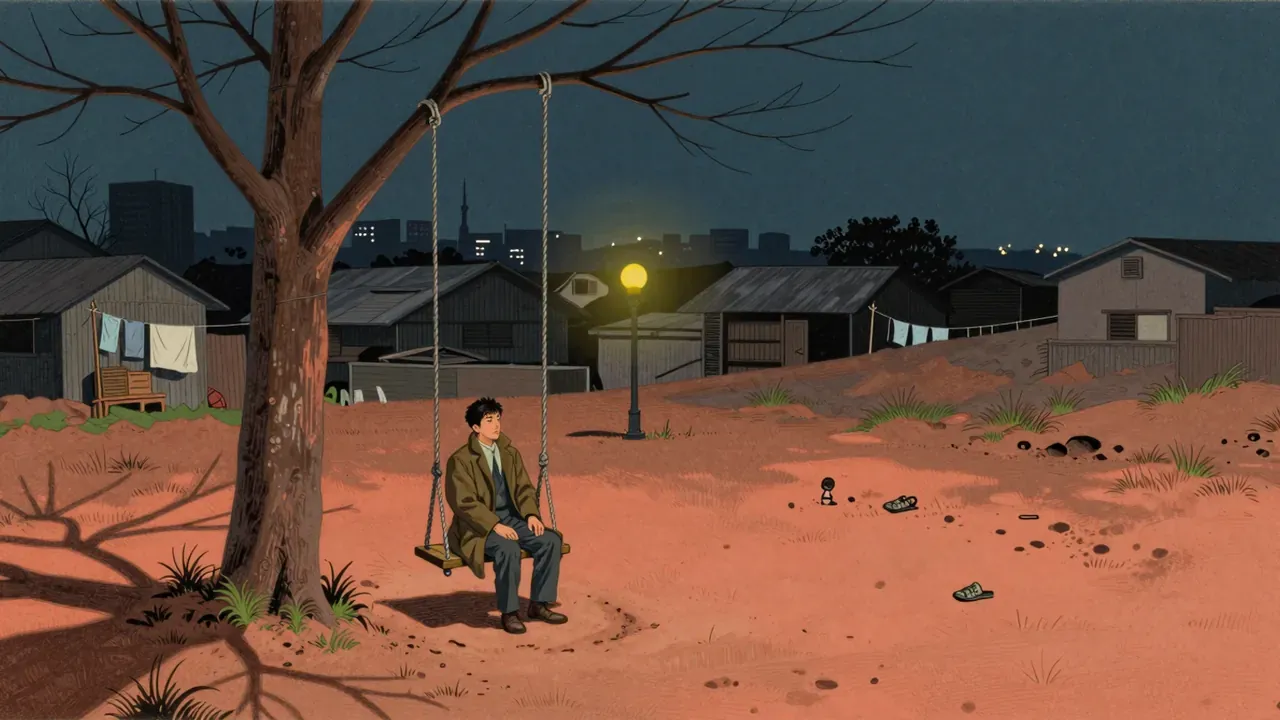
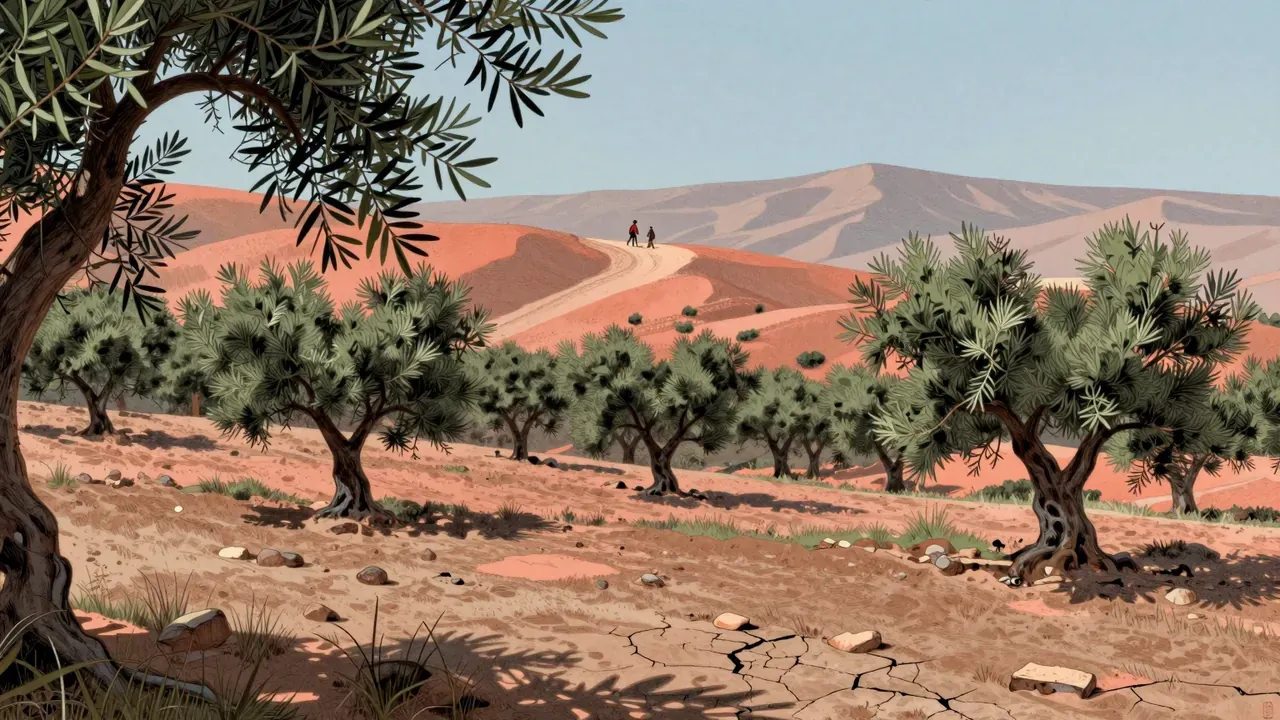
What lands most decisively is the film’s spatial and psychological claustrophobia. The castle built on Mount Fuji’s slope — stunted pines, volcanic soil, perpetual mist — makes ambition feel physically suffocating, not aspirational. Washizu’s descent is charted not in soliloquies but in shrinking space: from open battlefield to fog-choked forest to courtyard to chamber to finally, a single doorway where arrows find him. The archery sequence works because it is literal, not symbolic: real arrows, real distance, real risk — Mifune’s arm-waving is visible, unedited, a gesture of mortal limitation. The Noh-inflected restraint of Yamada’s Asaji gives her menace weight: she does not shout or scheme visibly; she waits, and the silence between her lines becomes more dangerous than any vow. The fog does not obscure meaning — it clarifies it, reducing the world to silhouette and sound, forcing attention onto gesture, rhythm, timing. Even the trees that ‘march’ on the castle (a special-effects sequence Kurosawa shortened but kept) land because they move with unnatural slowness, like time itself turning against Washizu.
What slips
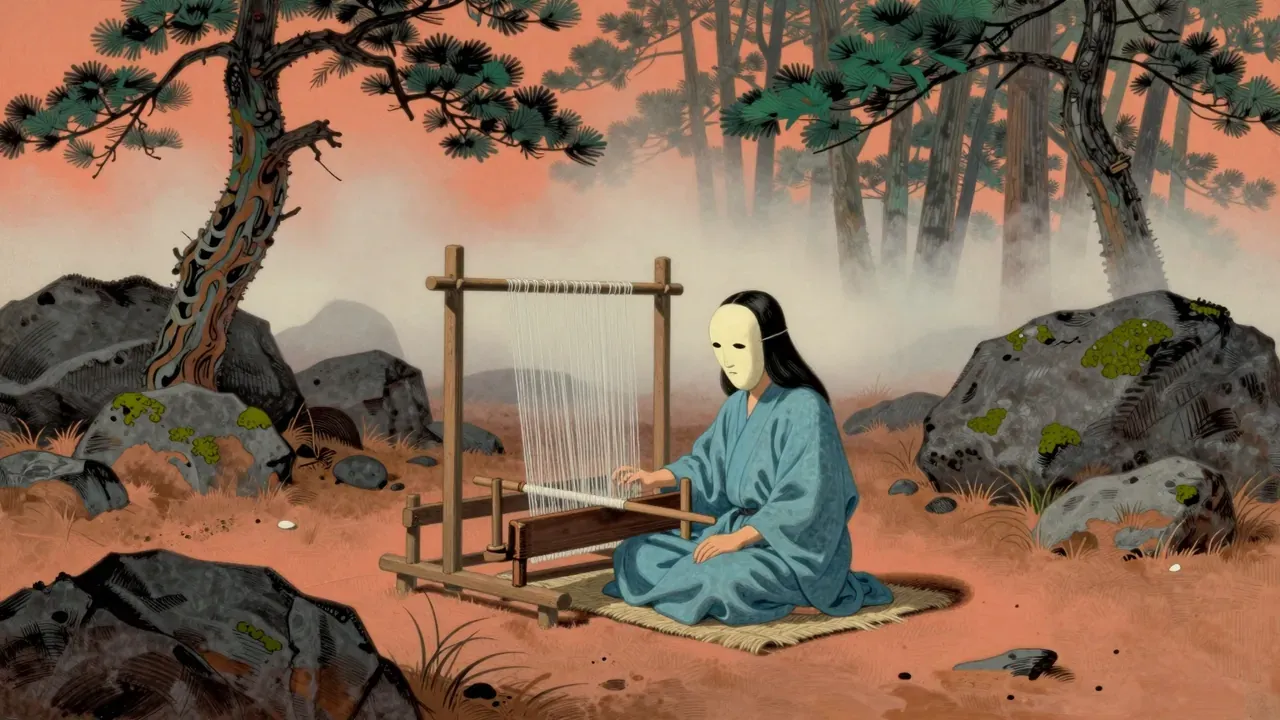
What does not land is the film’s attempt to sustain ambiguity around Miki’s loyalty. The script positions him as loyal but cautious, yet his refusal to believe Kunimaru and Noriyasu feels less like prudence and more like narrative convenience — a gap left open so Washizu’s paranoia can widen without contradiction. The subplot involving Yoshiteru’s succession never acquires emotional traction; his presence is structural, not felt. Some of the Noh stylisation, particularly the masked spirit’s appearances, risks abstraction over resonance: the yaseonna face is potent once, less so on repetition, and its Buddhist framing — impermanence, denied salvation — remains external to Washizu’s lived panic. The film’s austerity works against moments requiring warmth or contrast: Asaji’s pregnancy revelation arrives without tonal shift, flattening its dramatic weight. And while the fog is masterful as motif, it occasionally blurs action beyond legibility — a sword thrust, a guard’s fall — not as obfuscation but as practical limitation of the medium at the time.
The weight of it
The themes that matter are not ambition or fate in the abstract, but the erosion of agency through incremental complicity. Washizu does not seize power in a single act; he accepts each step — the prophecy, the reward, the murder, the cover-up — as reaction, not choice. His tragedy is that he mistakes obedience to circumstance for control. Closely tied is the theme of speechlessness: characters speak less as guilt accumulates, until Washizu is reduced to animal grunts and Asaji to silence so complete it becomes accusation. The film treats language not as tool but as liability — every word risks exposure, so silence becomes both weapon and wound. Buddhism here is not doctrine but texture: the impermanence of rank, the futility of clinging, the ghostly persistence of deeds. But the strongest thread is architecture as morality: the castle is not a home but a cage Washizu builds himself, stone by stone, then cannot leave. Power is shown not as possession but as enclosure — and the fog outside is not weather, but consequence made visible.
Who walks in
It is for viewers who tolerate slow accumulation over exposition, who find tension in withheld information and weight in stillness, and who accept that a film may refuse catharsis in favour of recurrence. It is not for those who require psychological explanation, narrative symmetry, or emotional release — the film offers none of these. Someone who values clear cause-and-effect storytelling, or who expects historical drama to prioritise context over mood, will find it withholding. A viewer who dislikes long takes, minimal dialogue, or non-Western performance conventions may mistake its discipline for coldness. That said, the verdict would change if the film were recut to tighten Miki’s arc or restore some of the excised forest-movement shots — not for spectacle, but to reinforce the idea that the world itself is closing in. Without those adjustments, its rigour remains absolute, but its accessibility does not.
What stays
Yes, it is worth your evening — not as entertainment but as calibration. Watching Throne of Blood recalibrates how much can be conveyed without speech, how much dread can live in a pause, how much moral gravity can reside in a single, unmoving face. It demands attention, not passive viewing, and rewards it with a clarity few films achieve: power corrupts not by changing character, but by narrowing perception until only one path — however ruinous — remains visible. Those who find this too austere may prefer Kurosawa’s Seven Samurai or Rashomon, which offer broader social texture and more varied pacing. But for anyone willing to sit with its pace and precision, it is not merely worth the time — it reshapes how time feels on screen. Its 105 minutes do not pass; they settle, like ash after fire. To watch it is to understand why some films endure not despite their difficulty, but because of it.