The rhythm of rain
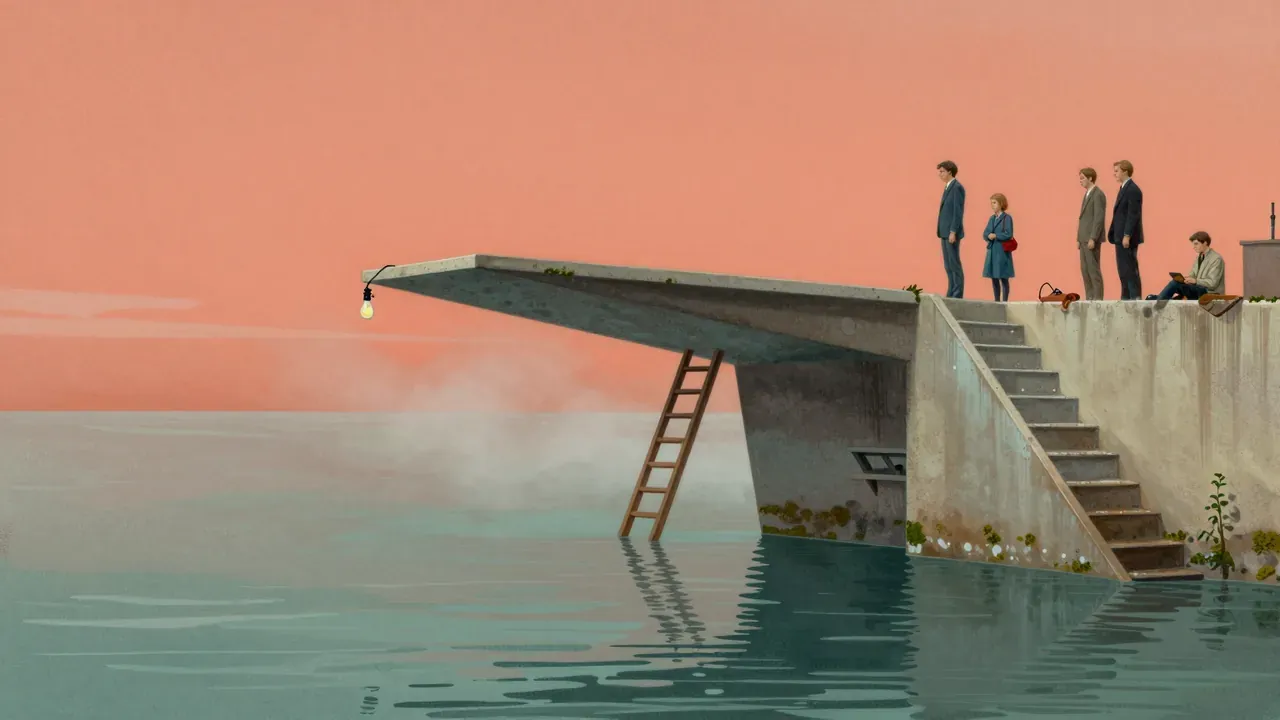
Capricious Summer is a Czechoslovak comedy film in colour, directed by Jiří Menzel and released in May 1968. It adapts Vladislav Vančura’s novel Rozmarné léto, shifting its tone from the writer’s modernist density to something lighter, more observational, and deliberately unhurried. The film does not aim for narrative propulsion or satirical bite, but for a slow accumulation of minor human contradictions — desire, dignity, boredom, self-deception — played out over three rainy summer days at an abandoned swimming resort. Its method is structural: three men, three nights, three encounters with Anna, each followed by a quiet return to routine. Menzel and co-writer Václav Nývlt strip away plot machinery; there are no stakes beyond personal embarrassment or fleeting satisfaction. The film tries to hold still long enough for absurdity to settle like dust — not as farce, but as atmosphere. It treats middle age not as decline but as a series of small, reversible missteps. Its ambition lies in restraint: to let behaviour speak without commentary, and to trust that the rhythm of repetition — of conversation, of rain, of interrupted meals — carries its own weight. (158 words)
The shape of repetition
The story unfolds in gentle loops, anchored by Jaromír Šofr’s soft-focus cinematography, which keeps the washed-out palette of late-summer Czech countryside consistent across interiors and exteriors. Rudolf Hrušínský, Vlastimil Brodský and František Řehák play their roles with minimal inflection: Antonín Dura’s restless charm, Major Hugo’s brittle authority and Canon Roch’s weary piety all emerge through posture and pause rather than speech. Jiří Menzel’s performance as Arnoštek is physically precise but emotionally opaque — a deliberate choice, making him less a character than a catalyst. Jiří Šust’s score is sparse, often absent, allowing silence and ambient sound — dripping water, distant laughter, clinking glasses — to carry texture. Jiřina Lukešová’s editing avoids emphasis: cuts land where attention naturally drifts, not where drama demands it. There are no close-ups to signal importance, no music swells to cue feeling. The craft works by subtraction — refusing to underline what it shows, trusting the viewer to notice how often a man looks away, or how long a silence lasts before someone fills it. (159 words)
The grammar of dignity
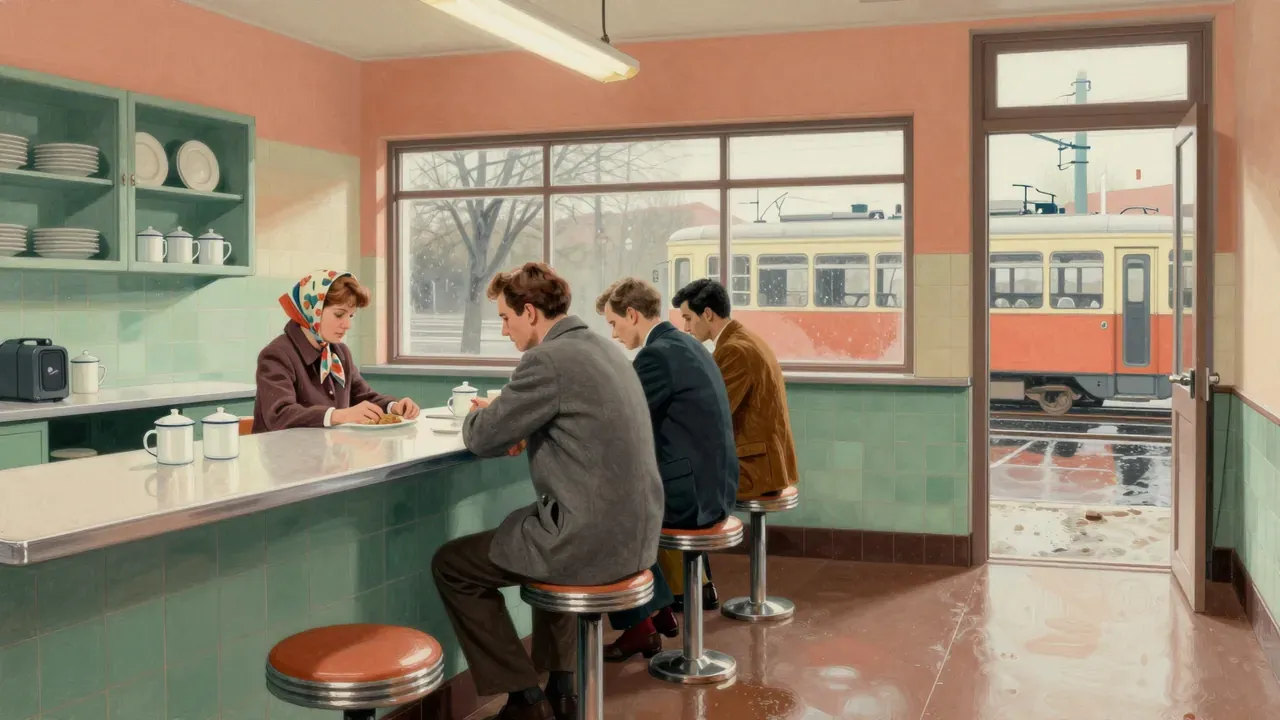
What lands is the cumulative effect of minor humiliations handled without shame. The ear-stitching scene, for instance, lands because it is played straight: no mockery, no irony, just three men bent over a candlelighted table, needle in hand, talking about the weather while blood dries on a napkin. The film’s humour comes from fidelity to social ritual — how a priest accepts wine even after being dragged from a caravan, how a major insists on correct military terminology while lying half-dressed in a woman’s lap. The performances never wink; they inhabit their characters’ self-regard so fully that their vanities become tender rather than ridiculous. Anna remains elusive not because she is mysterious, but because the men project onto her what they lack: youth, spontaneity, freedom from consequence. Her dance at the end lands precisely because it is unexplained — graceful, unaccompanied, indifferent to who watches. The film trusts that watching people try, fail, recover and try again — all within the same damp, sun-flecked frame — is enough. It lands when it stops trying to be anything other than what it is: a patient inventory of summer’s slack hours. (157 words)
The figure in the caravan
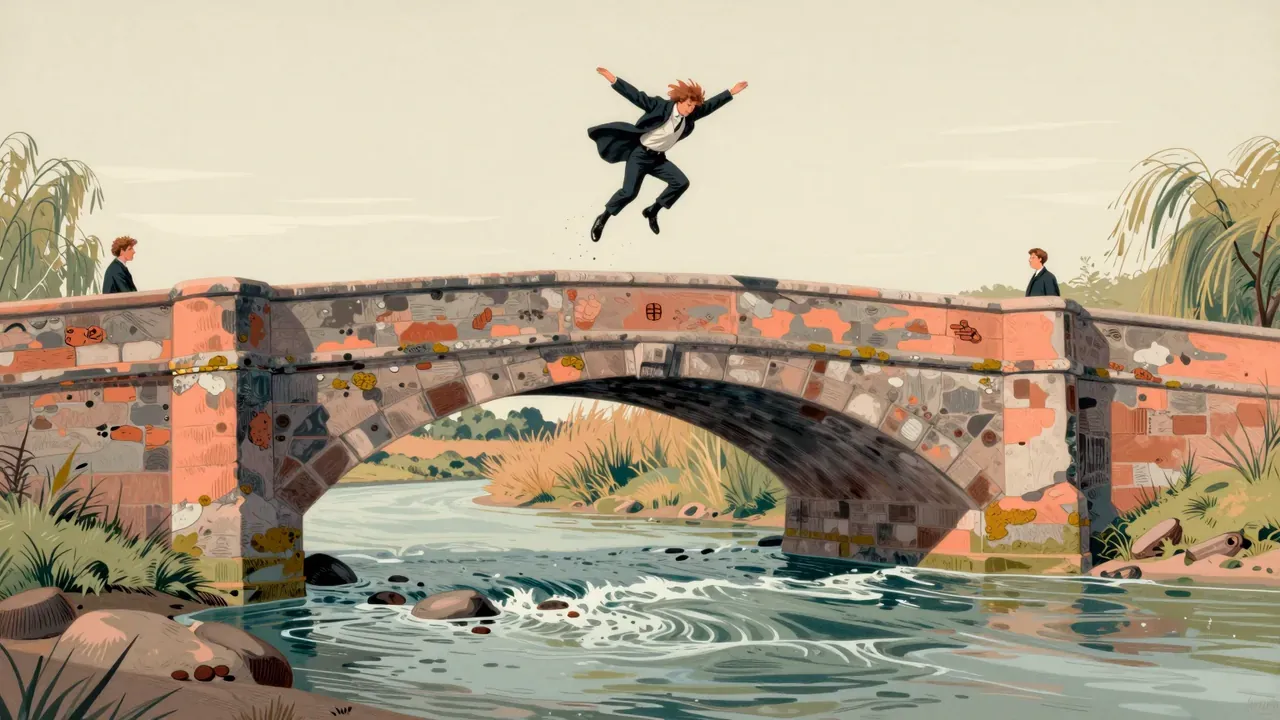
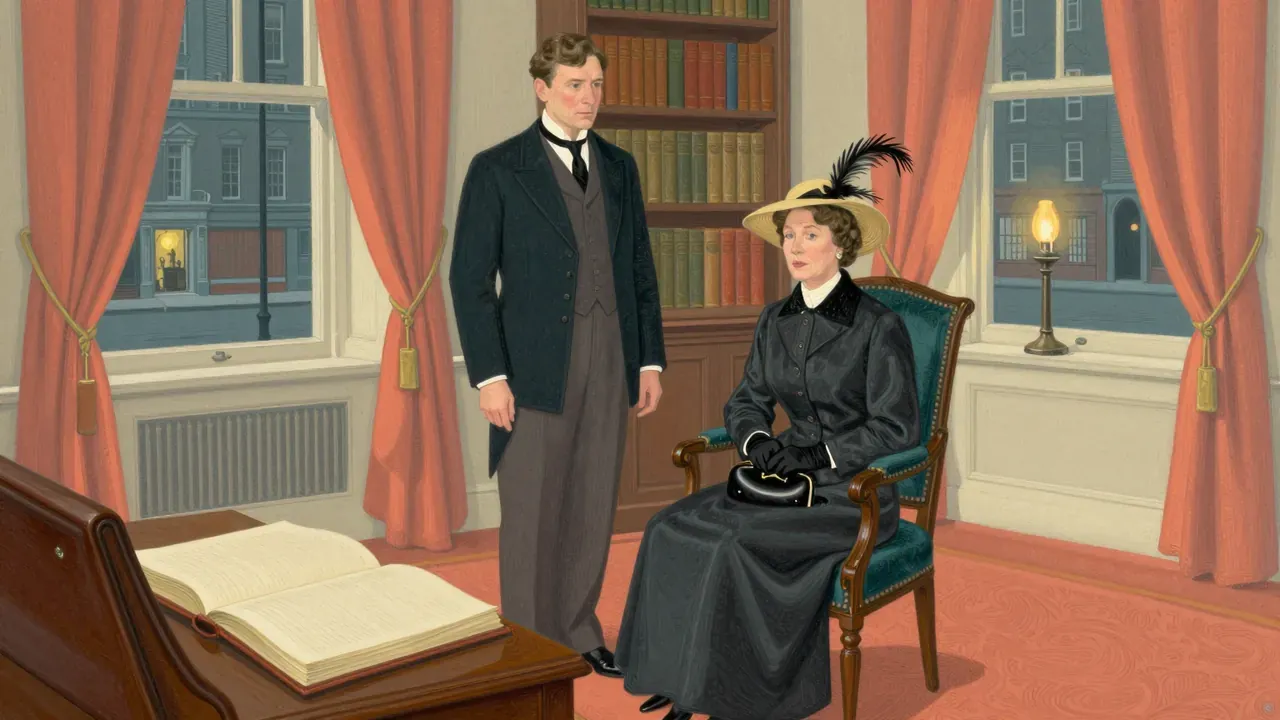
What does not land is the framing device of Arnoštek’s circus act, which feels structurally necessary but tonally alien. His tightrope walk arrives without build-up and ends without resonance; the fall is underplayed to the point of invisibility, and the old man’s warning lacks weight because he appears only once, with no prior presence to anchor his voice. The film’s refusal to dramatise consequence also weakens its final movement: Kateřina’s departure and return happen off-screen, leaving her agency unresolved and her motivations opaque. Without clearer grounding in her perspective — or even a single sustained shot of her face in reaction — her arc reads as functional rather than felt. Similarly, the mob assault on Canon Roch plays as abrupt, its motivation unexamined beyond village gossip. The film assumes familiarity with Czech rural social codes that may not travel; what reads as gentle satire in Prague may register as vagueness elsewhere. The pacing, though deliberate, risks monotony for viewers expecting escalation or payoff — the third night repeats the pattern of the first two without sufficient variation in rhythm or revelation. (156 words)
The art of mending
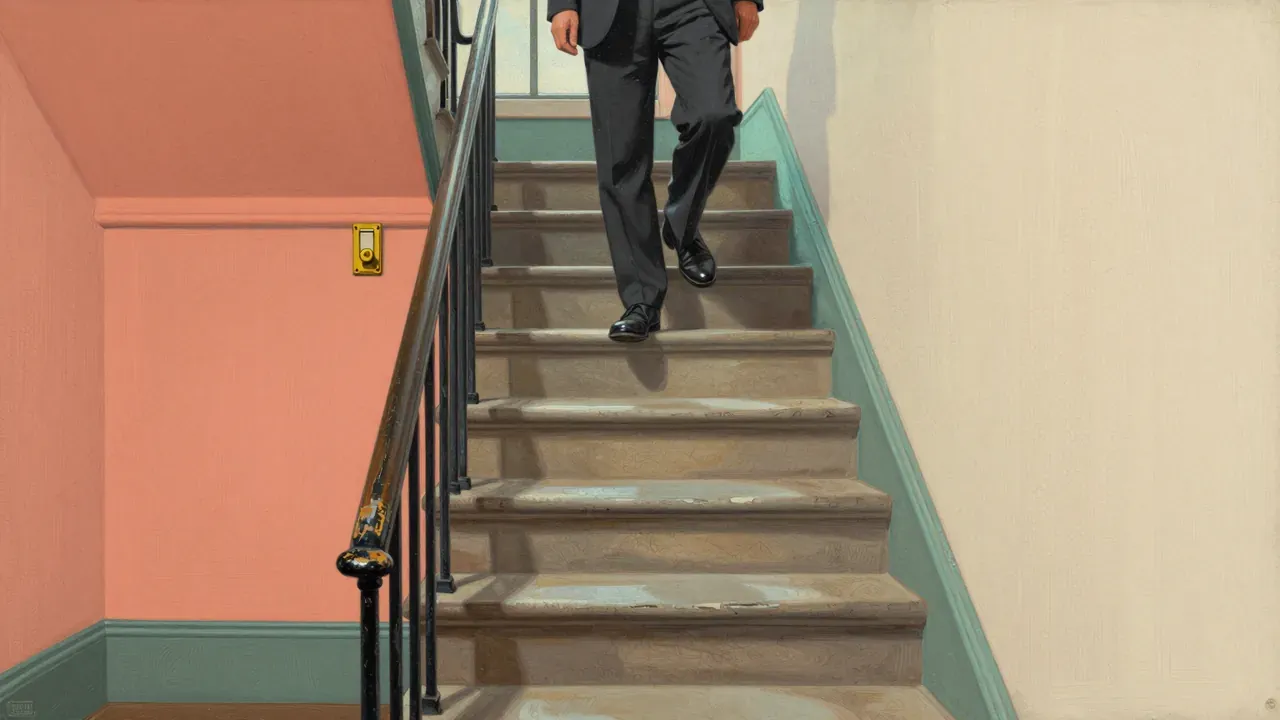
The themes that matter are those embedded in habit: the persistence of routine amid disruption, the quiet negotiation of desire within constraint, and the way dignity survives not through triumph but through repair — stitching ears, retying shoelaces, refilling glasses. Ageing is treated not as loss but as recalibration: these men have stopped believing in grand gestures, yet still reach for small ones — a shared meal, a glance held too long, a dance watched from the edge of a square. The film explores how institutions — church, army, civic life — leave residue in posture and speech long after their authority fades. Religion, rank and respectability are worn like slightly ill-fitting jackets: kept on not out of conviction but because removing them would require explanation. There is no critique of these structures, only observation of their lingering grammar. Even infidelity is presented as a kind of weather — something that happens, is noted, causes temporary disarray, then passes. The central theme is endurance without heroism: the capacity to resume, day after day, even when nothing has been settled and nothing has changed. (154 words)
The weight of a pause
This film is for viewers who value precision of tone over momentum, who find pleasure in the weight of a pause or the texture of a faded wall. It suits those familiar with Czech New Wave conventions — its anti-spectacle stance, its fondness for minor-key epiphanies — or those willing to meet it on its own unhurried terms. It is not for viewers who need clear cause-and-effect, moral resolution or psychological exposition. Someone expecting the wit of early Forman or the irony of Chytilová will find it too muted; someone seeking emotional catharsis will find its restraint frustrating. A viewer who dislikes ambiguity in motivation or resists films that withhold context — why the resort is abandoned, why Anna stays, why the mob acts — will feel adrift. The film’s worth depends on willingness to accept its premise: that a summer can be capricious not because of drama, but because of rain, a glance, a missed step, and the quiet decision to carry on regardless. (158 words)
The last light on the wire
Yes, it is worth your evening — provided you watch it without expectation of event. Its seventy-four minutes pass lightly, never straining, never overstaying. It rewards attention to detail: the way light falls on a wet cobblestone, how a man adjusts his collar before speaking, the slight hesitation before a lie is told. Those who dislike its pace will say it meanders; they are not wrong, but the meandering is the point. Someone who values narrative efficiency or emotional clarity may prefer something tighter. But if you accept that a film can be about the space between intentions and actions — and find beauty in that gap — then Capricious Summer offers a rare consistency of mood and execution. It does not ask for investment in outcome, only in observation. Its modesty is not weakness but discipline. To dismiss it as slight is to miss how much care goes into holding a moment just long enough for its meaning to settle, then letting it go. (159 words)