The space they share
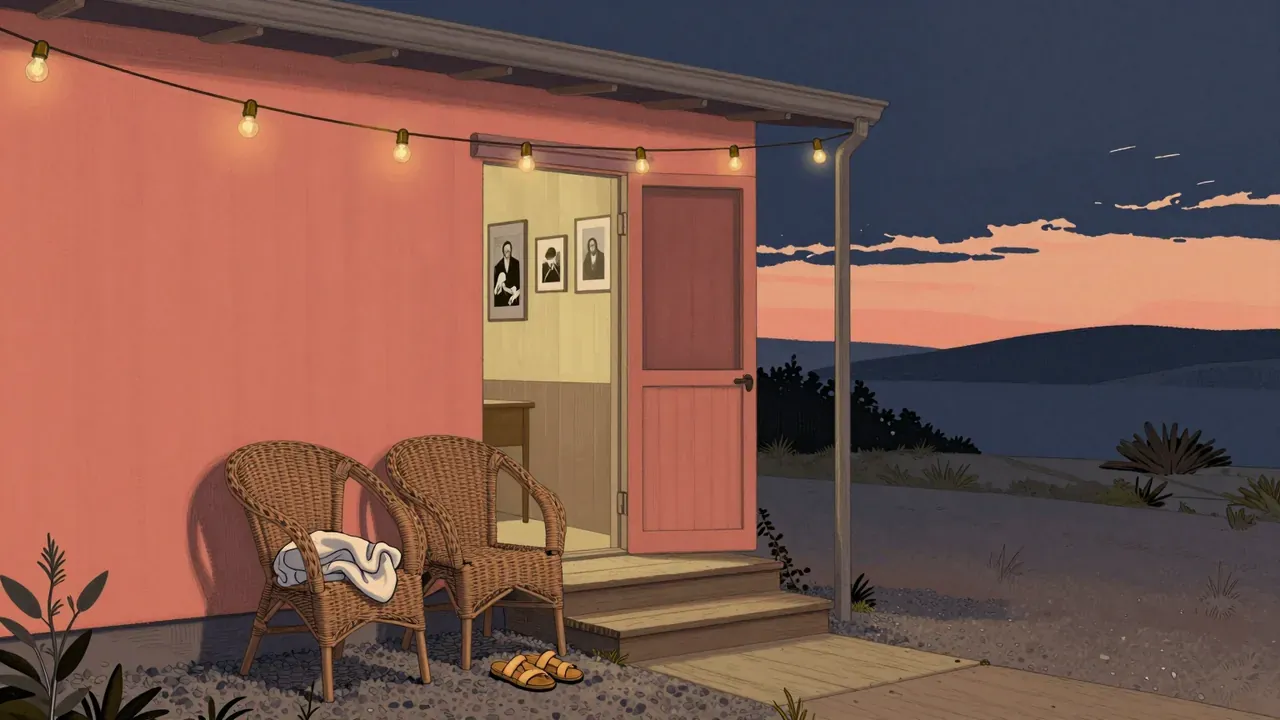
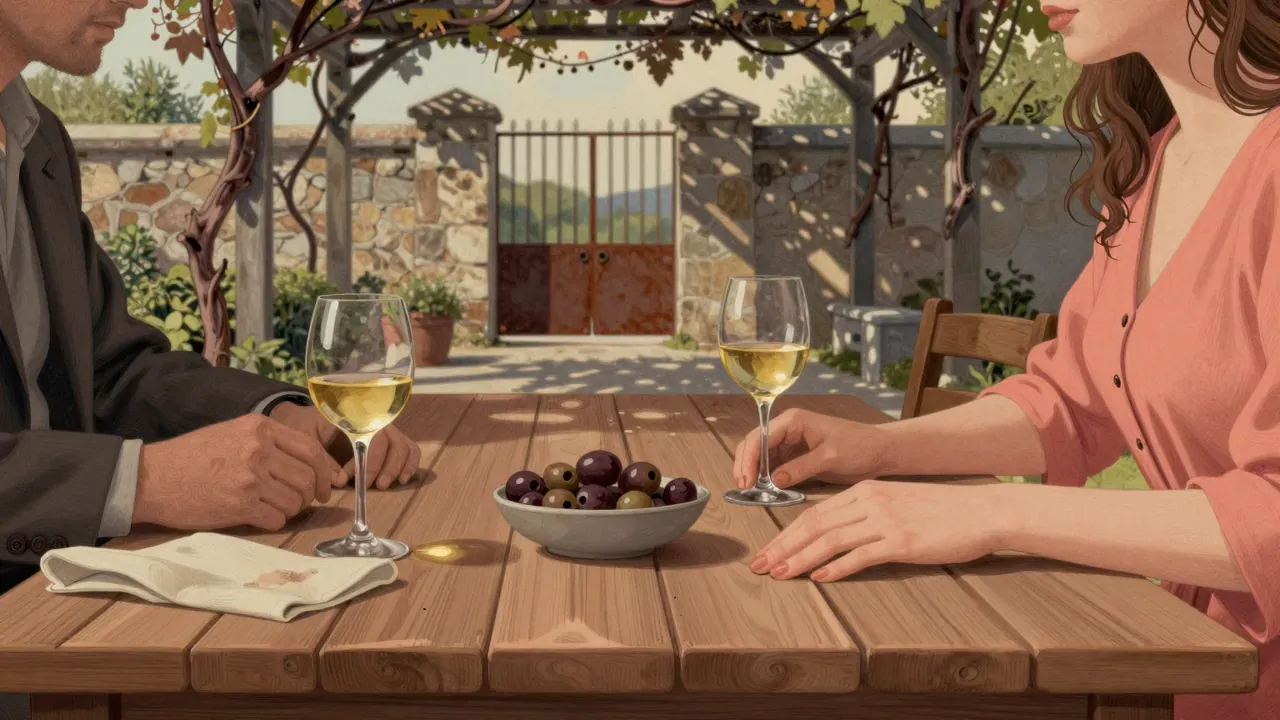
Bed and Board is the fourth Antoine Doinel film, continuing the life of a man whose romantic and professional missteps are chronicled with quiet persistence across fifteen years. It attempts something modest but precise: to show married life not as crisis or climax, but as accumulation — of small compromises, unspoken resentments, half-hearted affections, and the slow erosion of self-deception. Truffaut does not frame Antoine’s infidelity as moral failure so much as behavioural drift; his boredom is structural, not psychological. The film avoids satire, melodrama, and confession. Instead, it treats domestic routine as terrain for observation: the way light falls on a baby’s crib, how a husband folds laundry while rehearsing lies, the silence between spouses who still share a kitchen but no longer a bed. It is not trying to explain marriage, nor to judge it, but to register its texture — the damp wool of routine, the faint scent of compromise lingering in a Paris apartment.
The look of it
The story moves without urgency, following Antoine’s job loss, accidental hiring, affair with Kyoko, and eventual return to Christine — all rendered without narrative emphasis. Néstor Almendros’ cinematography keeps interiors soft-edged and slightly underexposed, favouring natural light through tall windows and shallow depth of field that blurs background detail without obscuring gesture. Claude Jade’s performance anchors the film: her Christine is watchful, weary, and never theatrical — she registers betrayal not in tears but in how she places a spoon down. Jean-Pierre Léaud remains physically restless, his Antoine fidgeting, adjusting collars, glancing away mid-conversation. Agnès Guillemot’s editing sustains this rhythm: scenes end before resolution, cuts land on empty chairs or closed doors. Antoine Duhamel’s score is sparse, mostly piano motifs that repeat without variation — like habits one cannot break. There is no dramatic music cue when the tulip notes fall; the camera holds on Christine’s face as she reads them, then cuts to a kettle boiling.
The weight of small things
What lands is the film’s refusal to elevate its material. The scene where Antoine’s father-in-law sees him leaving a brothel and offers only mild, pragmatic approval — ‘It happens’ — lands because it is spoken without irony or judgment, and because the camera does not linger on Antoine’s shame. The naming of the baby — Alphonse over Ghislain — lands not as comedy but as quiet evidence of Antoine’s need to assert identity where he has none elsewhere. The final shot, of the older neighbours watching Antoine and Christine play with their son, lands because their quiet certainty — ‘Now they’re truly in love’ — feels earned by the film’s accumulated restraint. Even Kyoko’s ‘Drop dead’ note works because it arrives without fanfare, slipped into a coat pocket, discovered later by the audience as Antoine does — not as revelation, but as paperwork. These moments land because they are treated as ordinary, not symbolic.
The woman who isn’t there
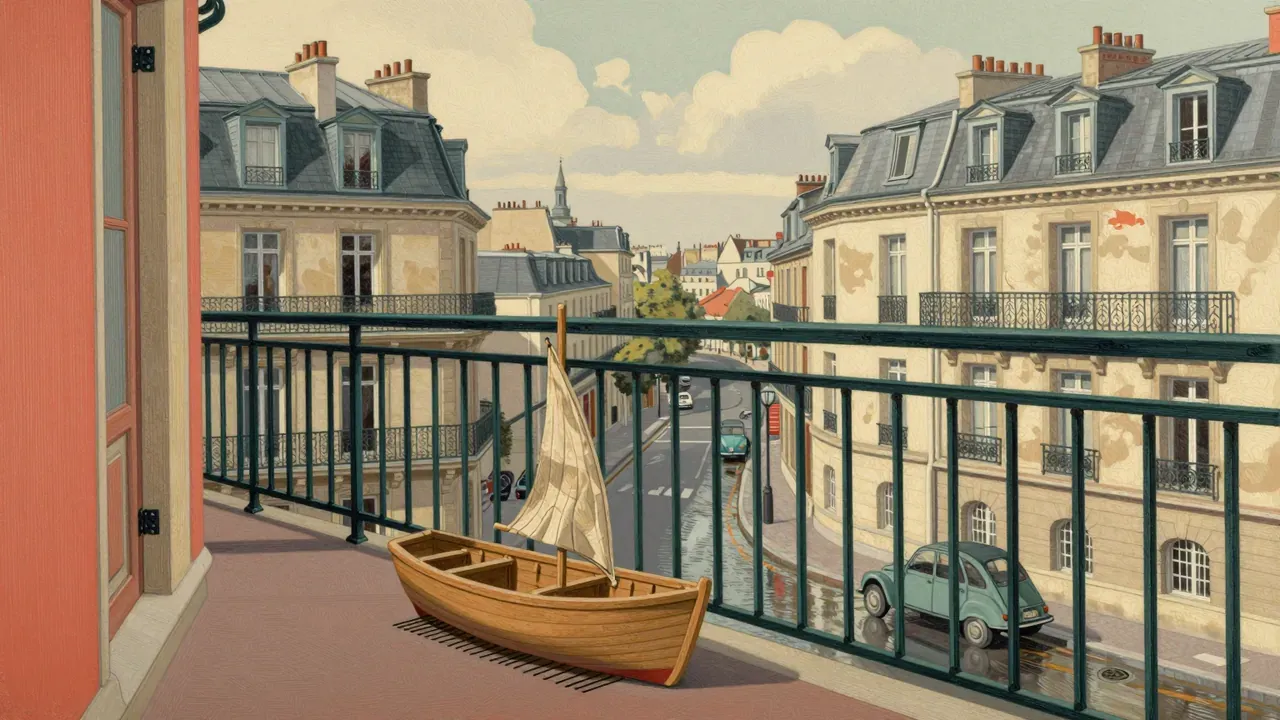
What does not land is the film’s treatment of Kyoko. Her character exists almost entirely as surface: a smile, a dropped bracelet, a bouquet, a note. She has no interiority, no language beyond French, no context beyond being Japanese and young — a function rather than a person. Truffaut gives her no line of dialogue that reveals thought or contradiction; her love is presented as pure, passive, and ultimately disposable. This flattens the emotional stakes of Antoine’s affair, making it less a rupture than a detour. The subplot with the American hydraulics firm also fails to cohere: the mistaken letter of recommendation hinges on visual confusion the film never establishes, and the model-boat demonstrations feel like set dressing rather than metaphor. These elements do not integrate — they sit beside the central relationship, unilluminated and unexamined, as if Truffaut ran out of patience with them before shooting.
How time settles
The themes that matter are endurance, habit, and the quiet violence of normalcy. Not the violence of argument or betrayal, but of repetition: Antoine dyeing carnations, Christine tuning violins, both folding laundry in silence. The film treats time not as progression but as sediment — layers of small choices settling into routine. Parenting appears not as transformation but as another domestic task, folded into the same rhythm as grocery shopping and rent payments. Language itself becomes thematic: Antoine’s broken English at work mirrors his inarticulacy at home; Kyoko’s silence is not exoticism but a structural absence — she cannot speak back into the narrative. The film’s deepest concern is how people live inside roles they did not choose: husband, father, employee, lover — not as identities, but as uniforms worn so long they become skin. There is no epiphany, only adjustment — and in that, a kind of dignity.
Who watches it, and why
This film is for viewers who value observation over explanation, who find interest in how a character holds a teacup or pauses before answering, and who accept that some relationships endure not because they deepen but because alternatives require more energy than they are worth. It is not for those who need narrative propulsion, moral clarity, or characters who articulate their inner lives. Anyone expecting the wit of Stolen Kisses or the elegiac tone of Love on the Run may find Bed and Board inert — its pacing assumes patience, its structure resists summary. A viewer who dislikes ambiguity in motivation or finds emotional withholding alienating will likely disengage early. That said, the film’s verdict would change if Kyoko were given dialogue, agency, or even a single scene outside Antoine’s gaze — but Truffaut chose not to grant her that space, and the film stands or falls on that choice.
Is it worth your evening
Yes, it is worth your evening — provided you watch it without expectation of payoff, as one might listen to rain on a roof: not for what it leads to, but for the consistency of its rhythm. Its ninety-three minutes pass without strain because nothing is forced — no twist, no confession, no crescendo. You leave not with answers but with a clearer sense of how certain kinds of people inhabit certain kinds of time. Those who prefer films that argue, instruct, or surprise may find it thin; those who trust slowness as a form of attention will find it rich. It rewards rewatching not for hidden clues but for new details — the pattern on a wallpaper, the way Christine’s hairline changes between scenes, the exact shade of blue in Kyoko’s scarf. Its value lies in its fidelity to a particular truth: that most lives are lived in the middle of things, neither beginning nor ending, just continuing — quietly, unevenly, persistently.