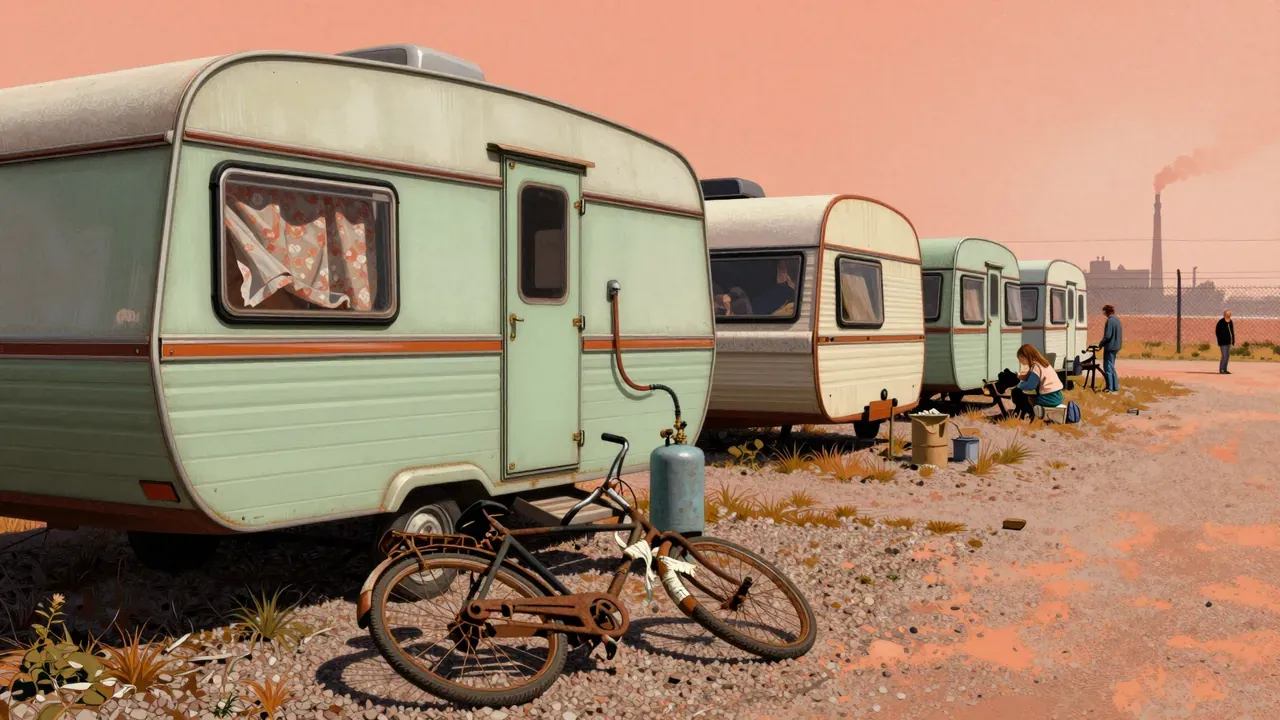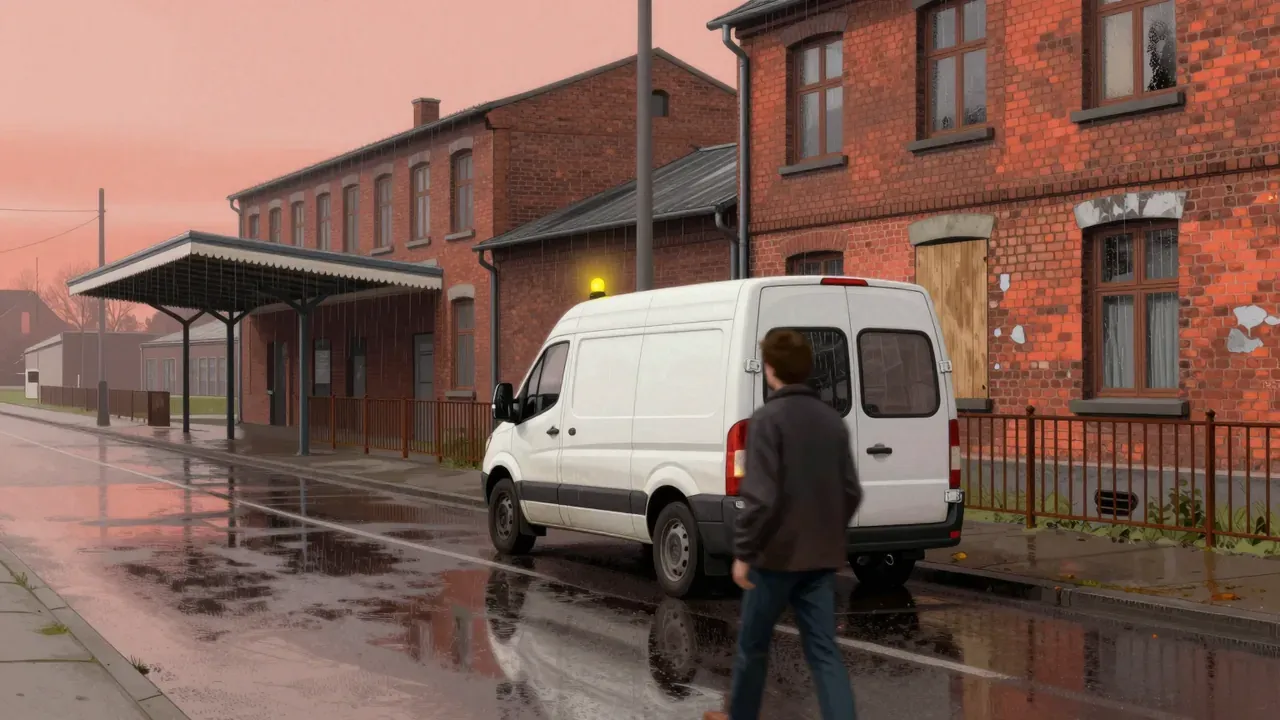
The opening shot
La Promesse is a Belgian-French drama filmed in Seraing, a post-industrial city in Wallonia, that follows a teenage mechanic named Igor as he becomes complicit in his father’s exploitation of undocumented migrants and then faces the moral rupture of witnessing a death he helps conceal. The Dardenne brothers aim to render ethical awakening not as epiphany but as slow, bodily resistance — a series of small refusals made under pressure, without rhetoric or interior monologue. They reject exposition, backstory, and psychological explanation; instead, they build tension through duration, proximity, and the weight of unspoken obligation. The film works within strict formal constraints: natural light only, handheld camera, no non-diegetic music, chronological shooting order. Its ambition is not to diagnose social failure but to place the viewer inside the physical and temporal reality of a young man whose moral compass shifts not through ideology but through repeated, irreversible acts — handing over a passport, tightening a tourniquet, lying to a woman about her husband’s body. It is a film about promise as burden, not vow.
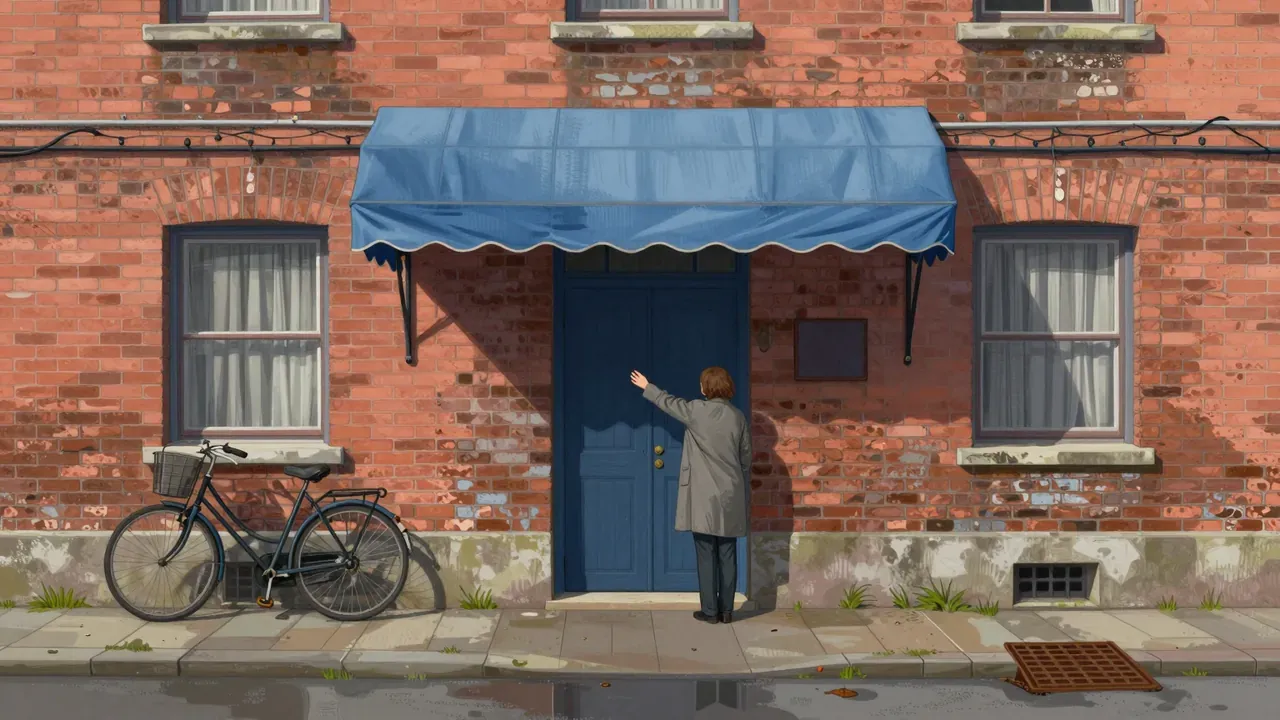
The look of it
The story unfolds with minimal exposition: Igor’s apprenticeship, his father Roger’s trafficking operation, and the arrival of Assita and Hamidou are established in the first ten minutes through gesture, spatial arrangement, and overheard dialogue. Jérémie Renier performs Igor with a tightly coiled stillness — his face rarely opens, his eyes often downcast, his movements economical and hesitant until decisive action forces itself. Olivier Gourmet gives Roger a low, uninflected authority; he never raises his voice, yet every instruction lands like a physical weight. Alain Marcoen’s cinematography stays close, often at shoulder height, using shallow focus to isolate faces in cramped interiors or follow characters through narrow stairwells and garages. Marie-Hélène Dozo’s editing avoids cuts on action, favouring sustained takes that let discomfort accumulate — a long shot of Igor watching Hamidou fall, then waiting for him to stop moving before reacting. There are no establishing shots, no score, no flashbacks. The craft serves restraint: what is withheld — motivation, context, resolution — is as deliberate as what is shown.
The turning point
What lands is the cumulative force of moral exhaustion. Igor’s turning point is not a speech or a confrontation but a sequence of quiet failures: failing to get Hamidou to hospital, failing to hide the body convincingly, failing to lie plausibly to Assita about the baby’s fever. Each misstep tightens the film’s grip. The scene where Igor chains Roger to machinery does not read as triumph but as last-resort mechanics — a literal locking-in of consequence. Assita Ouedraogo’s performance grounds the film’s ethical centre: her grief is not performative but procedural — checking doors, walking streets, repeating names, trusting ritual before evidence. The hospital sequence lands because it refuses catharsis: Rosalie’s intervention is practical, not redemptive; the cost remains unpaid; the baby’s fever lingers off-screen. Even the final walk to the station avoids closure — Igor speaks, Assita walks, the train does not arrive on screen. The film trusts its audience to hold the silence after the last line, to feel the weight of the unspoken truth settling between them rather than resolving it. That restraint is where its integrity resides.
The convenient moment
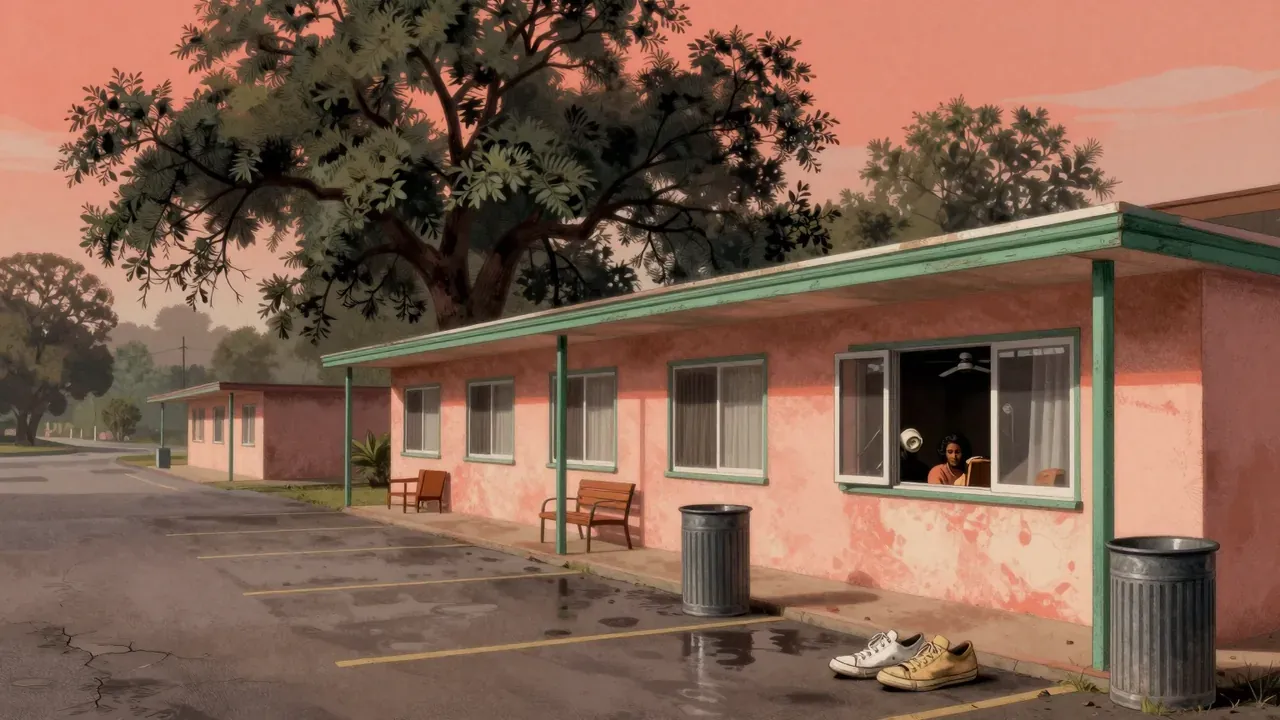
What does not land is the film’s occasional reliance on narrative convenience disguised as realism. Igor’s sudden competence — driving the van, negotiating with police, pawning the ring — arrives without groundwork, making his agency feel willed rather than earned. The subplot involving Nabil’s betrayal and subsequent assault on Assita functions less as character logic and more as plot catalyst, its timing too precise to sustain the film’s otherwise scrupulous avoidance of contrivance. The seer’s appearance, though brief, introduces a symbolic register the rest of the film pointedly rejects: ritual here is not metaphor but lived practice, yet the scene leans into mysticism just enough to dilute the material stakes. Likewise, Roger’s final assault and quick incapacitation by Assita strains credibility — not because violence is implausible, but because the film has spent ninety minutes avoiding physical escalation until this moment, which then resolves too cleanly. These moments do not break the film, but they puncture its otherwise unwavering commitment to cause-and-effect causality.
The weight of responsibility
The themes that matter are responsibility as inheritance, silence as complicity, and care as labour. Igor does not choose morality; he inherits it through proximity — to Assita’s child, to Hamidou’s blood, to the weight of his father’s belt used as a tourniquet. The film treats language not as expression but as tool or weapon: Roger lies with bureaucratic precision; Igor lies to protect; Assita speaks in fragments, her words tied to ritual and survival. Migration is not abstract policy but embodied condition — cold apartments, broken heaters, unprocessed passports, the physical strain of carrying a baby up concrete stairs. Class is rendered through texture: grease on Igor’s hands, the damp plaster of the white house, the worn soles of Assita’s shoes. The Dardennes avoid allegory: this is not ‘about’ Belgium or Europe, but about one city, one garage, one apartment block — and within that, the granular reality of how power circulates when legal protection is absent and moral accountability must be self-imposed.
Who it is for
This film is for viewers who value sustained attention over exposition, who find moral complexity in hesitation rather than declaration, and who accept that justice may look like a van parked outside a station rather than a courtroom verdict. It is not for those who require narrative symmetry, psychological explanation, or emotional release — there are no speeches of reckoning, no reconciliations, no earned peace. Some will find its austerity alienating, its pacing withholding, its refusal of catharsis a failure of empathy. Those who expect migration stories to foreground trauma spectacle or heroic rescue will be frustrated: Assita’s suffering is structural, not sensational. A viewer who needs clarity of motive or resolution of consequence will leave unsettled, not unsatisfied — but that unsettlement is the point. Change the film’s formal rigour — add voiceover, widen the frame, introduce music — and the moral weight dissolves.
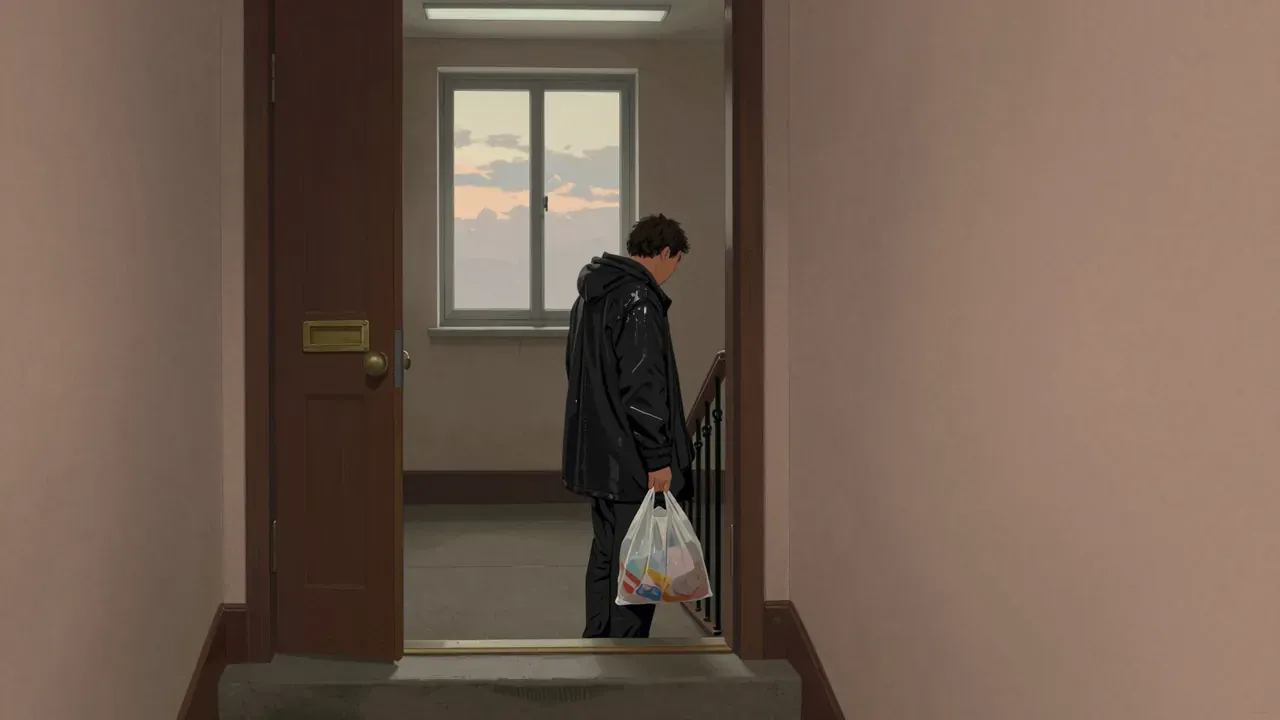
The last walk
Yes, it is worth your evening — not as relief or diversion, but as calibration. Its ninety minutes recalibrate what ethical urgency looks and sounds like: not grand pronouncements, but the sound of a belt tightening, a phone ringing unanswered, footsteps on wet pavement at night. It demands nothing beyond attention, yet repays that attention with rare fidelity to how conscience forms in real time — not in solitude, but in relation, under pressure, with limited options. Those who watch it once may miss the precision of its construction; those who return notice how every cut, every pause, every withheld glance serves the same principle: that dignity is not conferred, but defended, inch by inch. It is not an easy watch, but it is an honest one — and honesty, in this register, is rare enough to warrant the time. To call it ‘difficult’ mistakes its discipline for distance; to call it ‘bleak’ mistakes its clarity for despair.