The shape of the plot
Made in U.S.A is a French crime film from 1966 that uses the skeleton of a detective plot—not as narrative scaffolding, but as a framework for political provocation, linguistic play, and stylistic rupture. It adapts, without permission, Richard Stark’s novel The Jugger, though it bears little resemblance to its source beyond a lone protagonist investigating a death. Godard treats the genre not as a vessel for suspense but as a set of conventions to dismantle: names are borrowed from real figures—Widmark, Siegel, Nixon, McNamara—while locations like Atlantic-Cité exist only as typographic signs. The film attempts no realism; instead, it stages a collision between Cold War politics, Marxist theory, American pop culture, and the mechanics of cinema itself. Its ambition is not coherence but confrontation: with narrative expectation, with ideological certainty, with the authority of both the state and the studio. It is less a story about Paula Nelson than a series of interventions—verbal, visual, editorial—made through her presence.
The look of it
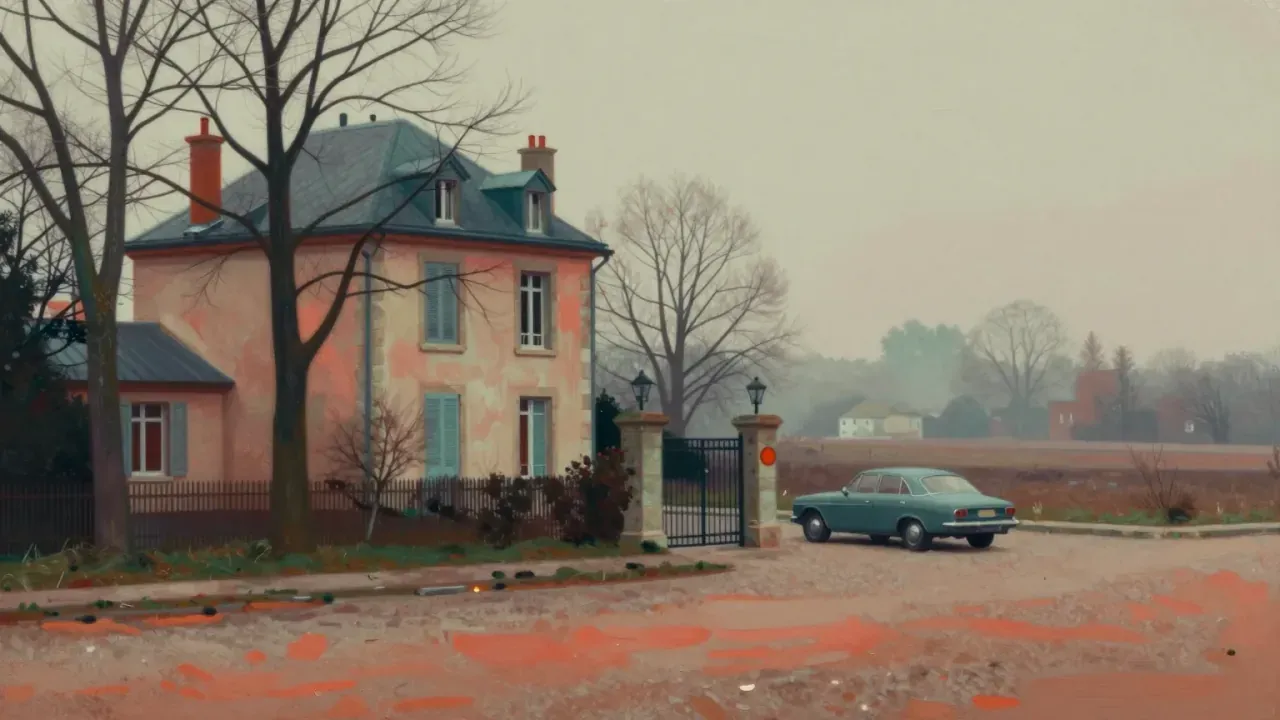
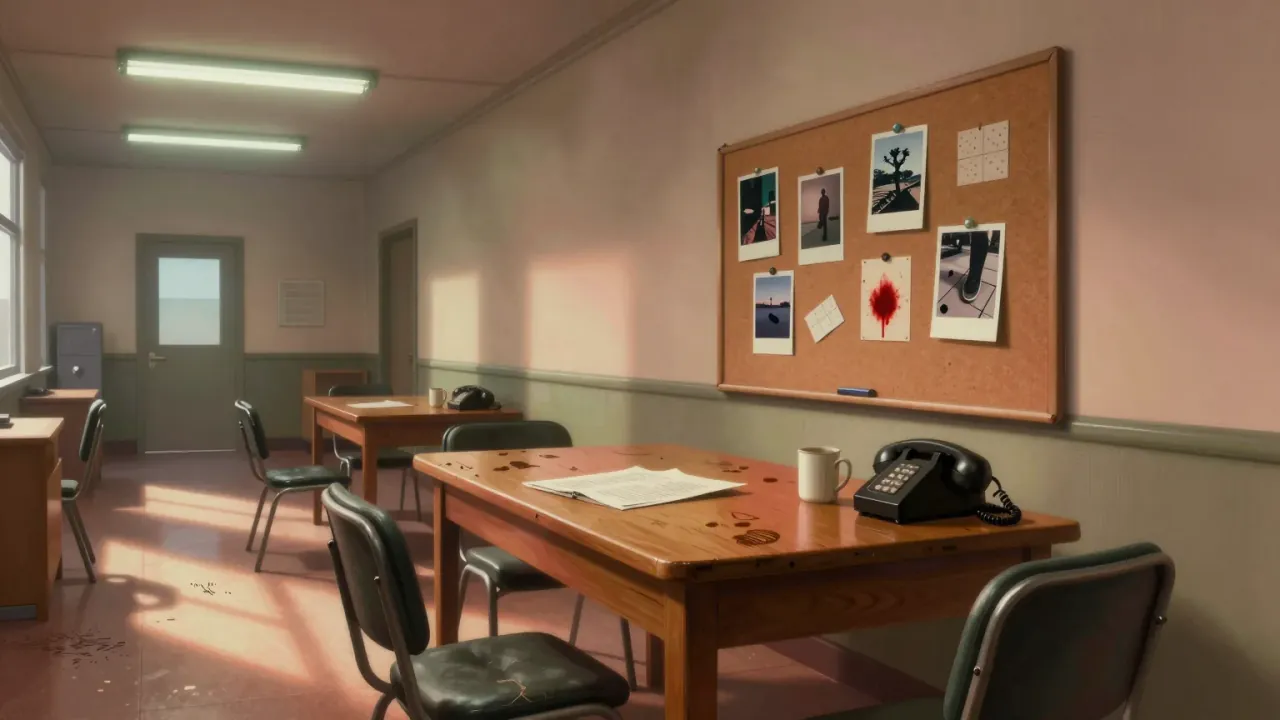
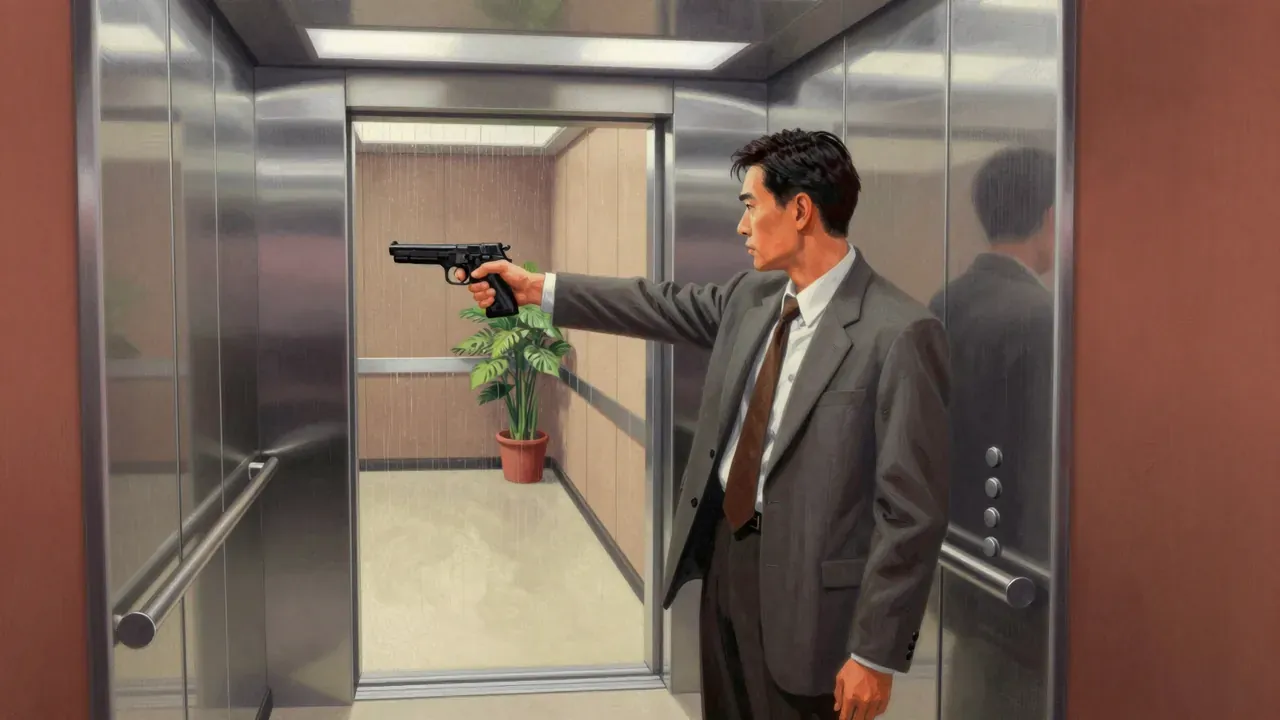
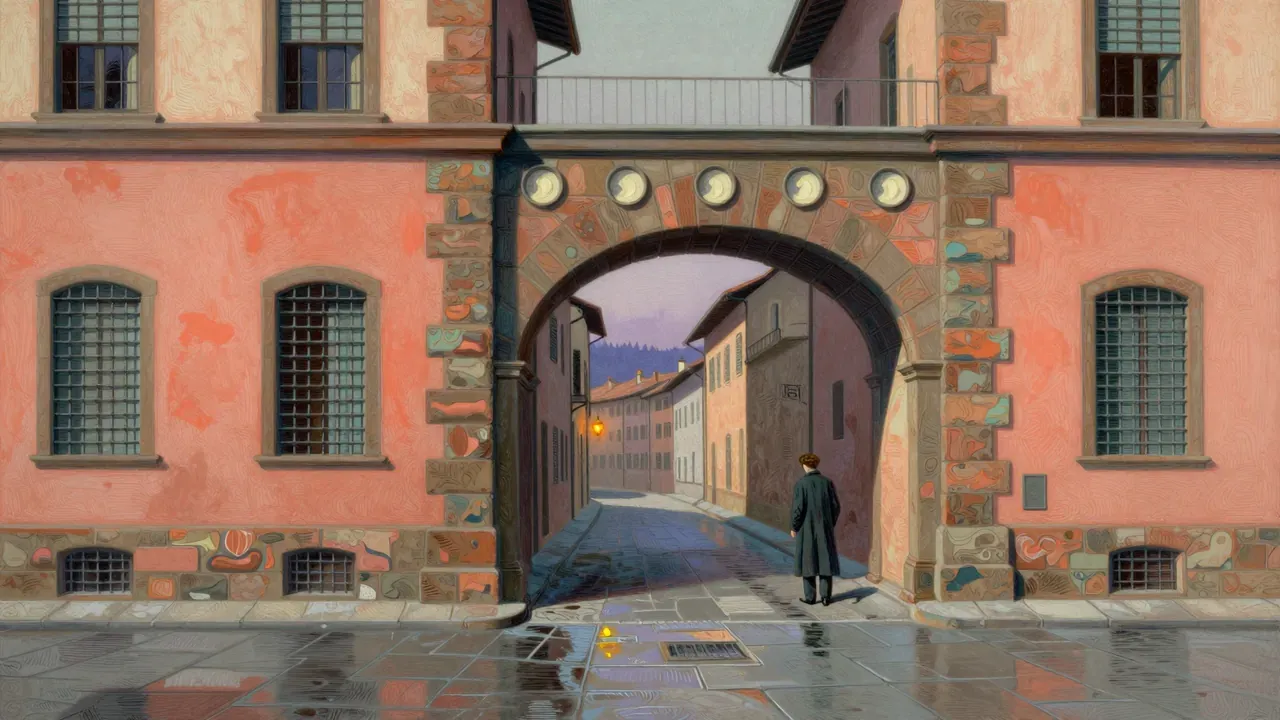
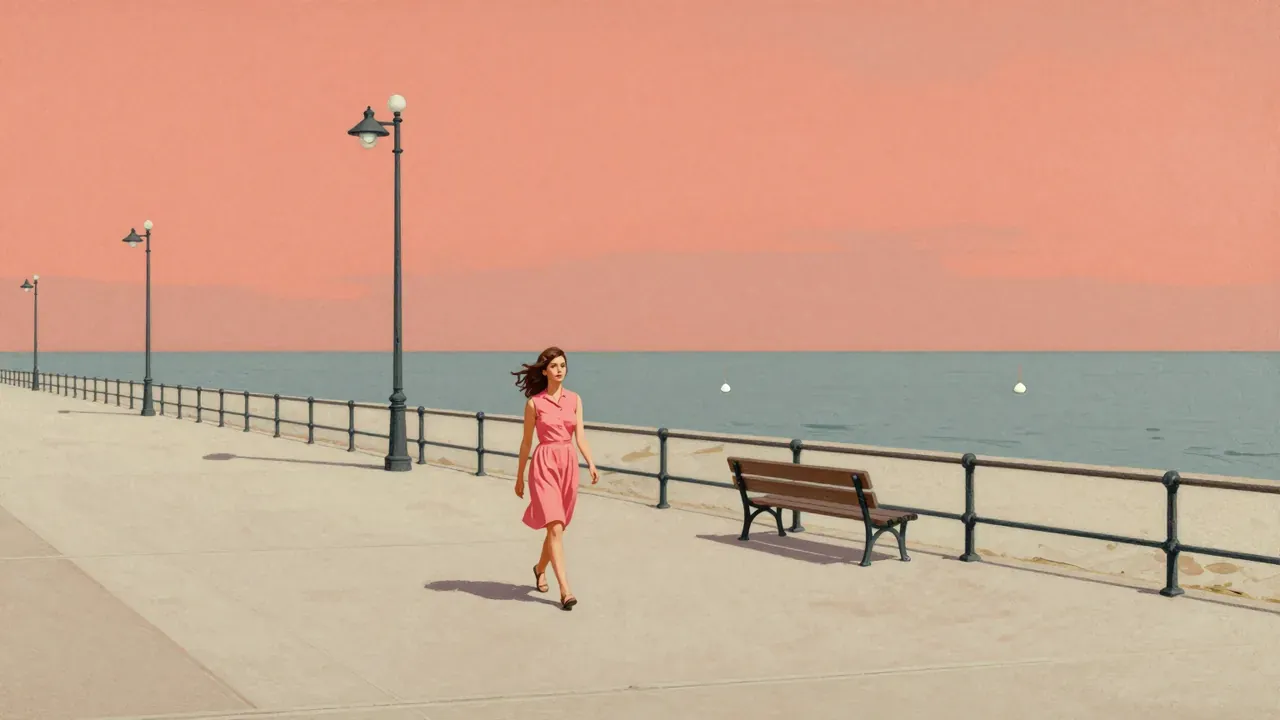
The story unfolds in jagged, discontinuous episodes, with exposition delivered via squawk-box speeches, off-screen tapes, and abrupt title cards. Anna Karina moves through it with deliberate physicality—her gestures precise, her pauses weighted—but never settles into psychological continuity; she is a node, not a character. Jean-Pierre Léaud and Marianne Faithfull appear briefly, their roles more emblematic than developed. Raoul Coutard’s cinematography alternates between crisp, high-contrast colour and grainy, handheld urgency, often framing characters against flat, graphic backdrops or empty seaside promenades. Agnès Guillemot’s editing cuts across logic: a line of dialogue may land over a shot of a tollbooth, a political rant interrupts a chase. Robert Schumann’s music appears sparingly, mostly as ironic counterpoint. Godard’s voice, heard only on tape as Richard Politzer, is dry and disembodied—a ghost in the machine of his own fiction.
What holds it together
What lands is the film’s tonal consistency: its refusal to soften, explain, or accommodate. The Pop-colour palette—electric blues, sun-bleached pinks, sharp yellows—feels deliberately artificial, a rebuke to naturalism. Karina’s presence holds the film together not through empathy but through sheer insistence: her gaze meets the camera, her walk has rhythm, her silences carry weight. The political references—McNamara, Nixon, communist factionalism—land with documentary immediacy, even when detached from plot function. The bar scene where Faithfull sings ‘As Tears Go By’ a cappella works because it is unmoored: a moment of raw, unmediated performance amid layers of artifice. Coutard’s lighting keeps faces legible even in shadow, and the sound design—sparse, punctuated, often muffled—makes every spoken word feel tactical. These are not flourishes; they are structural choices that cohere into a sustained, unsentimental intelligence.
Where it breaks away
What does not land is any sustained investment in the mystery itself. The plot mechanics—Richard’s death, Lacroix’s murder, the villa’s secret—function only as MacGuffins, and the film offers no satisfaction in their resolution. Characters shift allegiance or motivation without warning, not as irony but as indifference to cause-and-effect. Some viewers will find the political theorising didactic rather than dialectical, especially when delivered via loudspeaker or intertitle. The film’s dedication to Nick and Sam (Ray and Fuller) remains cryptic without context, and its allusions to Hawks and Chandler require prior knowledge to register as homage rather than evasion. The pacing, too, resists immersion: scenes begin mid-thought, end mid-sentence, and leave gaps no amount of attention can bridge. This is not ambiguity by accident—it is exclusion by design.
The weight of names
The themes that matter are not those named in the plot—communism, fascism, conspiracy—but those enacted in the film’s form: the instability of language, the violence of naming, the exhaustion of political binaries. Characters bear the names of real people not to honour them but to test how meaning adheres—or fails to—to proper nouns. The repeated invocation of American figures and institutions (U.S.A., Widmark, Siegel) is less about critique than about estrangement: making the familiar alien through repetition and misplacement. The film questions whether political action is possible when language has been hollowed out by ideology, media, and bureaucracy. Its final exchange—Paula and Labro debating whether new terms are needed—does not resolve anything; it insists that naming is the first act of resistance, and also the first act of capture.
Who it speaks to
This film is for viewers who approach cinema as argument, not entertainment—those willing to sit with dissonance, to read titles aloud, to track references across disciplines, and to accept that some questions are posed only to be held, not answered. It is not for those seeking narrative clarity, emotional identification, or tonal consistency. A viewer expecting a crime thriller will find only its parody; one looking for Godard’s later essay-film rigour may miss the playful anarchy here. Those who value craft as visible labour—Coutard’s light, Guillemot’s cuts, Karina’s timing—will find reward. But if you need a protagonist whose motives remain legible, or a world whose rules hold for more than two scenes, this will frustrate. Its value lies not in accessibility but in its uncompromising articulation of a moment: 1966 France, mid–New Wave, pre–May ’68, thinking aloud in public.
Why it stays with you
It is worth your evening if you treat it as a document of intellectual restlessness rather than a story to follow. Ninety minutes pass quickly—not because it is propulsive, but because its density demands constant recalibration: of attention, of expectation, of what counts as evidence. It rewards rewatching not to solve puzzles but to notice shifts in tone, in font, in who speaks when. Those who dislike it tend to cite its opacity—but opacity is the point, not a flaw to be corrected. A viewer who values thematic precision over narrative fluency, who finds pleasure in formal risk, and who accepts that political films need not offer solutions will find it urgent and alive. Others will see only fragmentation. The verdict rests not on whether it succeeds as genre, but whether you accept its premise: that cinema, at this moment, must unsettle before it can speak.