The setting of it
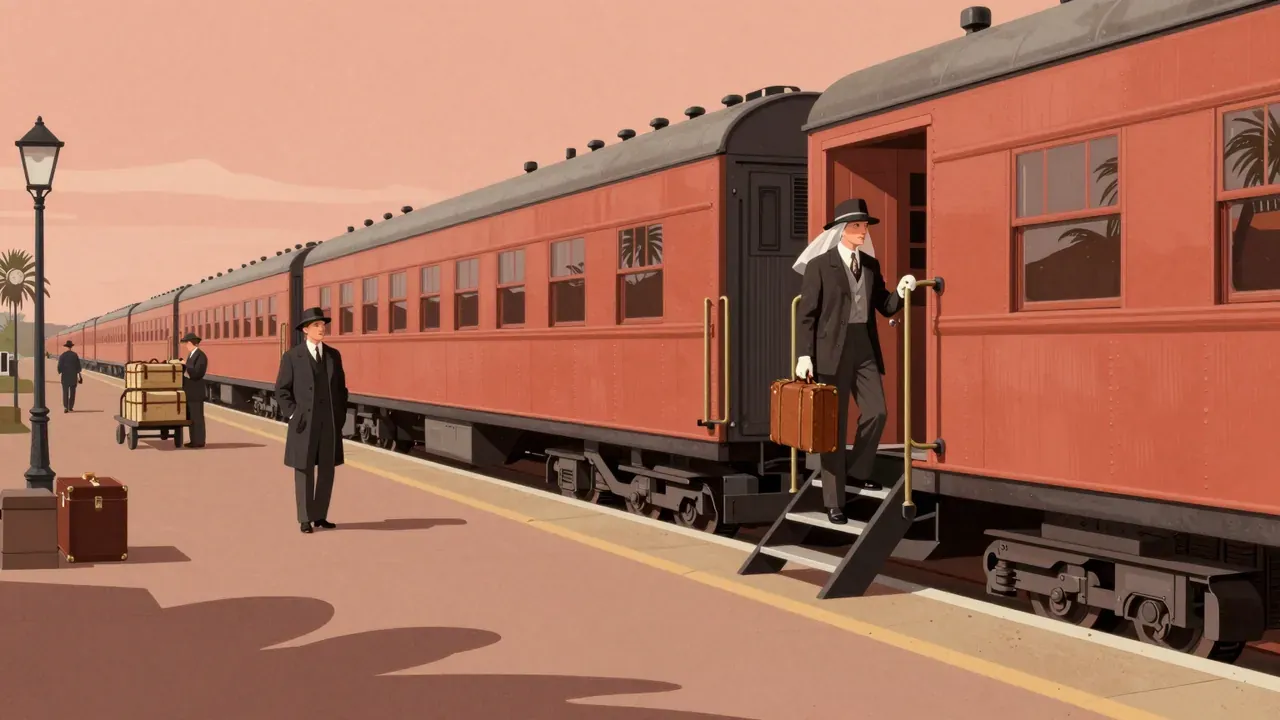
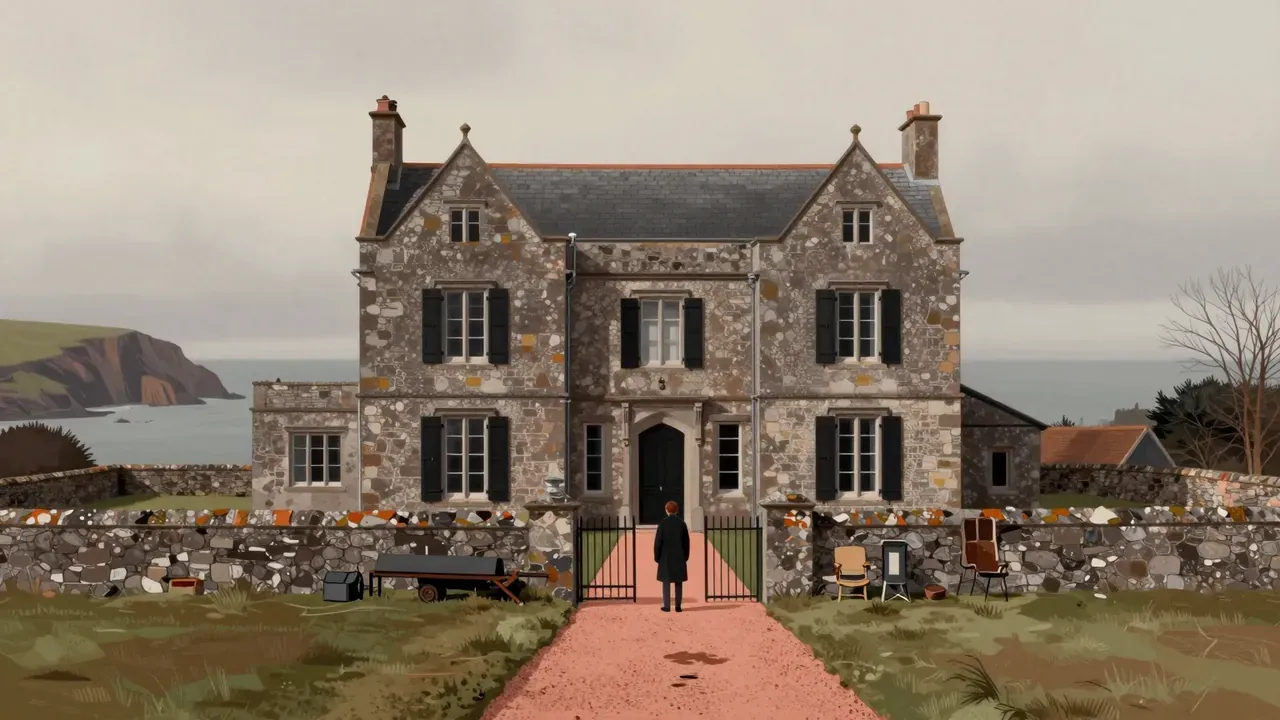
The Others is a psychological horror film set in 1945 Jersey, built around a rigid domestic architecture of belief, light, and silence. It attempts to generate dread not through intrusion but through containment: a mother’s certainty, a house’s boundaries, a faith that insists on order even as evidence mounts against it. Alejandro Amenábar writes and directs with deliberate restraint, avoiding jump scares or visible spectres in favour of sustained unease — the weight of unspoken grief, the friction between Catholic doctrine and supernatural ambiguity, the slow erosion of what Grace Stewart takes as real. The film does not ask whether ghosts exist, but whether perception can be trusted when memory, guilt and theology all pull in different directions. Its ambition lies in sustaining a single, tightly wound tone across ninety minutes: sepia-toned, hushed, morally claustrophobic. It treats horror as a condition of consciousness rather than a genre convention — less about what lurks in the shadows than what the mind insists must be there, and why.
The look of it
The story unfolds in measured, almost ritualistic increments: curtains drawn, doors closed, prayers recited, photographs examined. Nicole Kidman anchors every scene with physical precision — her posture, her pauses, the way she holds silence — making Grace’s rigidity feel both principled and brittle. Javier Aguirresarobe’s cinematography keeps interiors dim but legible, using natural light only where it threatens: sunlight bleaching skin, revealing dust motes, exposing cracks in plaster and composure. Amenábar’s score is sparse, mostly piano and strings, never underlining but often anticipating shifts in mood. Editing by Nacho Ruiz Capillas avoids cuts that signal danger; transitions are held just long enough to unsettle. The children — Alakina Mann and James Bentley — perform without affectation, their vulnerability unvarnished. Fionnula Flanagan and Elaine Cassidy shape their roles with quiet authority, letting subtext accumulate in glances and withheld words. Every craft choice serves the same end: to make the house feel like a character whose logic is internal, immutable, and slowly revealed.
The weight of it
What lands most firmly is the film’s atmosphere — a palpable sense of compression, of air thickened by unspoken history and suppressed feeling. The production design, recognised with a Goya for Art Direction, makes the manor feel lived-in yet alien: heavy drapes, tarnished silver, peeling wallpaper, candlelight that pools but never illuminates fully. The central twist works because it is earned not by misdirection but by consistency — every earlier detail fits once the frame flips. Grace’s devotion, her fastidiousness, her fury at disobedience: all cohere as symptoms of denial rather than madness. The performances land because they avoid theatricality; Kidman’s breakdown is internalised, her final acceptance quiet, not histrionic. The sound design — footsteps on floorboards, distant piano keys, the rustle of fabric — sustains tension without amplification. Even the period detail feels purposeful: post-war Jersey, German occupation recently ended, mirrors the characters’ own occupation by grief and memory. Nothing here feels decorative; everything accrues meaning.
The turn of it
What does not land is the film’s late-stage exposition — the séance sequence and the automatic writing revelation — which shifts from implication to explanation too abruptly. The medium’s presence feels narratively convenient rather than dramatically inevitable, and the mechanics of how the ‘living’ family came to occupy the house remain vague. Some viewers may find the pacing slackens after the midpoint, as Grace’s suspicions harden into conviction without sufficient new texture or variation in setting or rhythm. The servants’ backstories, though evocative, are sketched rather than developed, leaving their motives and inner lives opaque. A few plot points rely on Grace’s isolation being absolute — no neighbours, no church authorities, no official records consulted — which strains plausibility without being acknowledged in the text. The film’s commitment to ambiguity occasionally tips into obscurity, particularly in how time operates across the two layers of reality. These are not flaws in execution, but limits of its chosen method: it trusts mood over motive, and some viewers will want more scaffolding.
The logic of it
The themes that matter are those bound to embodiment and erasure: light as both truth and violence, faith as both anchor and cage, motherhood as devotion and dominion. The photosensitivity of the children is not metaphorical — it is physiological, literal, and therefore inescapable. That condition structures every decision, every argument, every act of care or control. The film treats religion not as dogma but as infrastructure: Grace’s prayers, her rosary, her insistence on confession — all are tools she uses to impose order, and their failure is structural, not personal. Grief is rendered as spatial: the house expands to hold absence, then contracts to punish it. Memory is unreliable not because it fades, but because it rewrites itself to survive. The film’s Gothic inheritance is clear — the decaying manor, the spectral visitors, the buried past — but it reframes those elements through psychology rather than folklore. What haunts the house is not a ghost, but a moment that refuses to stay past.
The pace of it
This film is for viewers who value atmosphere over action, who tolerate slow accumulation and find tension in stillness. It suits those accustomed to European art cinema pacing, or to literary horror where dread builds sentence by sentence. It rewards attention to gesture, silence, and composition. It is not for viewers who require narrative propulsion, clear cause-and-effect, or visual spectacle — the film contains no CGI, no chase sequences, no bloodletting. Those expecting a conventional ghost story may feel misled by its restraint. Viewers sensitive to sustained low-light visuals or prolonged quiet may find it physically taxing. It also assumes familiarity with Catholic ritual and post-war British social context — not as exposition, but as ambient grammar. Someone who disliked The Sixth Sense for its emotional withholding, or Rosemary’s Baby for its slow burn, would likely find The Others similarly demanding. Its pleasures are cumulative, not immediate.
The end of it
Yes, it is worth your evening — provided you watch it on a screen large enough to register the gradations of shadow, in a room quiet enough to hear the spaces between lines. Its 101 minutes pass without hurry but never drag, and its final image — sunlight falling across a child’s face, unharmed — carries weight precisely because it arrives so late. It is not a film that entertains, but one that settles: a quiet, exacting piece of craftsmanship that lingers because it refuses to explain itself away. Those who prefer horror as catharsis or spectacle will find it austere; those who value precision of tone and performance will find it rare. Its budget was $17 million, its global box office $209.9 million — a sign not of mass appeal, but of word-of-mouth resonance among a specific audience. It remains distinctive twenty years on not because it reinvented horror, but because it narrowed its focus to a single, unwavering frequency and held it true.