The look of it
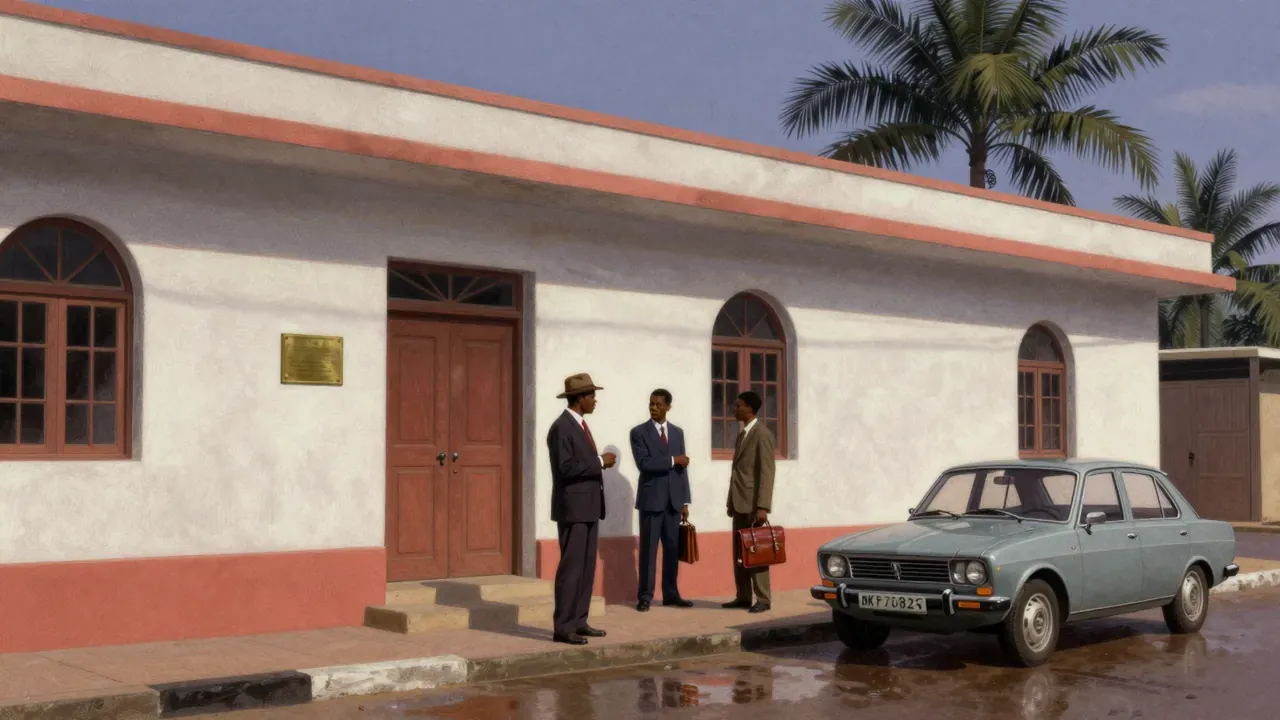
The Pornographers is a 1966 Japanese satirical comedy-drama directed by Shohei Imamura, adapted from Akiyuki Nosaka’s novel. It sets out to anatomise post-war Osaka not through industry or politics but through the margins: small-time pornographers, drifting kin, superstitious landladies, and opportunistic gangsters. Its aim is anthropological — the original Japanese title frames it as ‘An Introduction to Anthropology Through Pornographers’ — treating desire, shame, ritual and survival as observable social facts rather than moral failings. It refuses uplift or condemnation, instead holding steady on how human systems — familial, economic, spiritual — persist, adapt and fray under pressure. The film does not ask whether Subuyan Ogata is good or bad, but how he functions: as a node in a network of need, habit and evasion. It treats pornography not as transgression but as infrastructure — crude, transactional, embedded. This is not satire that mocks folly; it is satire that maps terrain. It assumes no shared morality between viewer and subject, and declines to supply one. Its method is immersion, its tone unblinking. (158 words)
How it holds attention
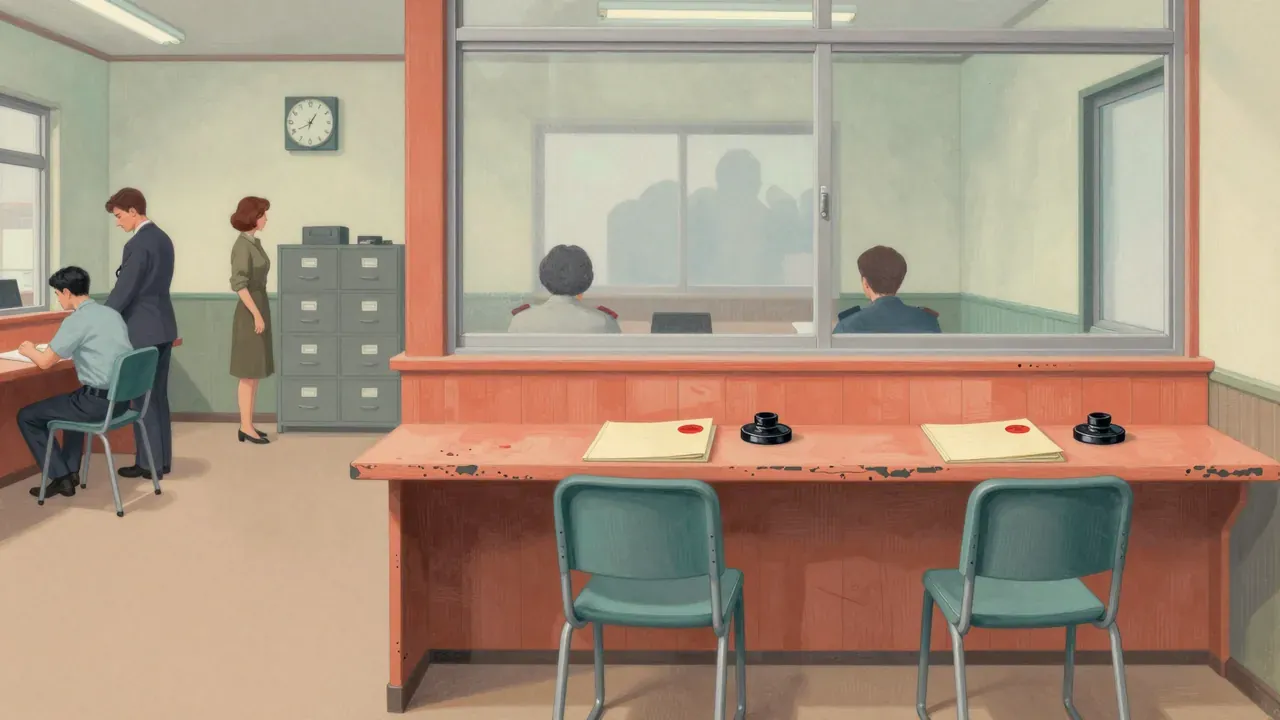
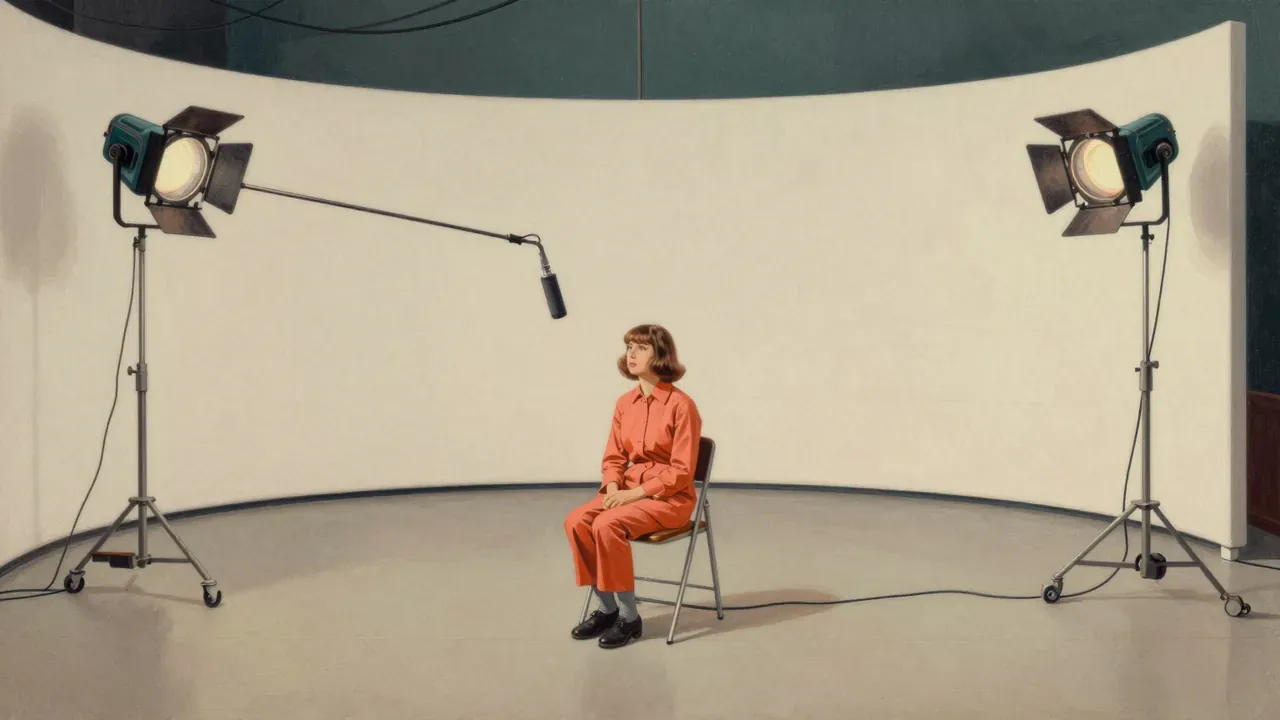
Shoichi Ozawa plays Subuyan Ogata with a weary, matter-of-fact physicality: stooped shoulders, slow blinks, hands that gesture not for emphasis but to fill silence. Sumiko Sakamoto’s Haru moves with ritualised slowness, her belief in the carp-spirit never played for laughs but as lived logic. Shinsaku Himeda’s cinematography avoids both gloss and grit: interiors are lit like cramped rooms actually are — flat, functional, slightly dusty — with long takes that follow characters through doorways and across tatami without editorial commentary. The script, co-written by Nosaka and Imamura, layers banal dialogue with sudden, unexplained ruptures — a son’s quiet confession, a detective’s offhand threat — that land because they are underplayed. There is no score; diegetic sound dominates: street noise, radio static, the clink of tea cups. Performances avoid psychology; motivations remain opaque, actions unexplained. This is not realism as fidelity to life, but realism as resistance to interpretation. The film trusts the viewer to sit with ambiguity, to notice how a glance lingers too long, how a business ledger sits beside a shrine. (159 words)
What sticks
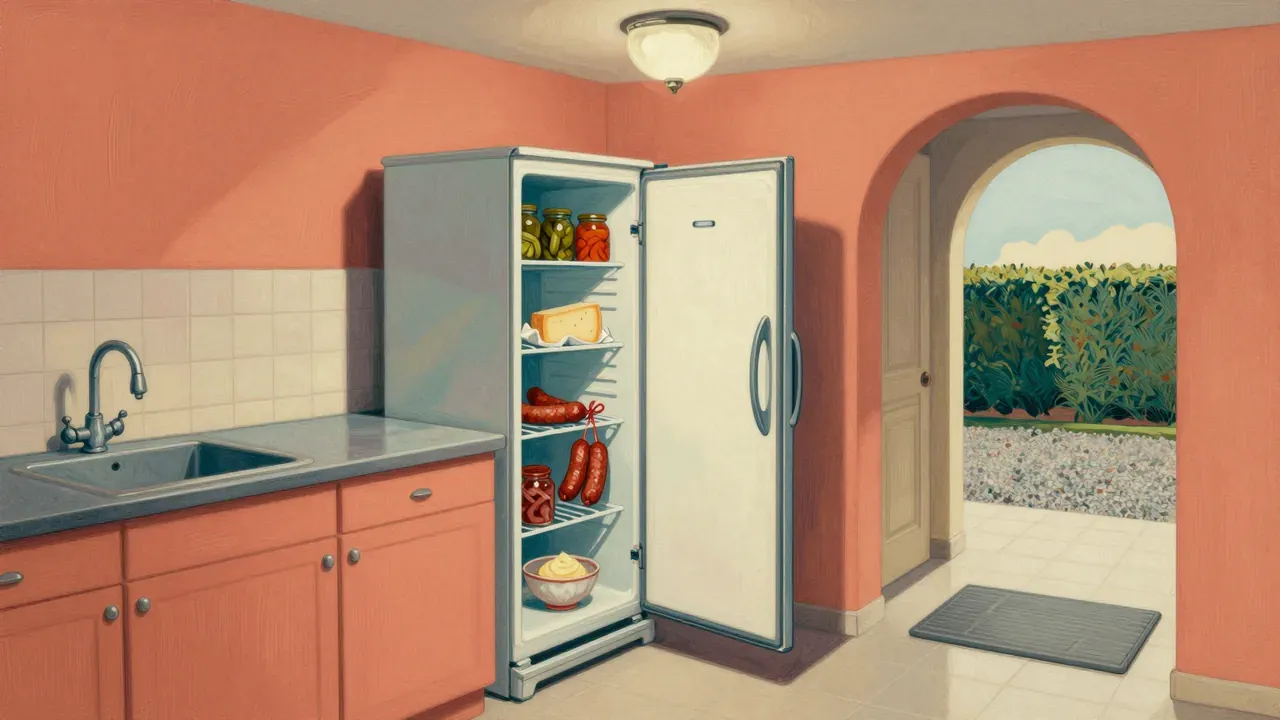
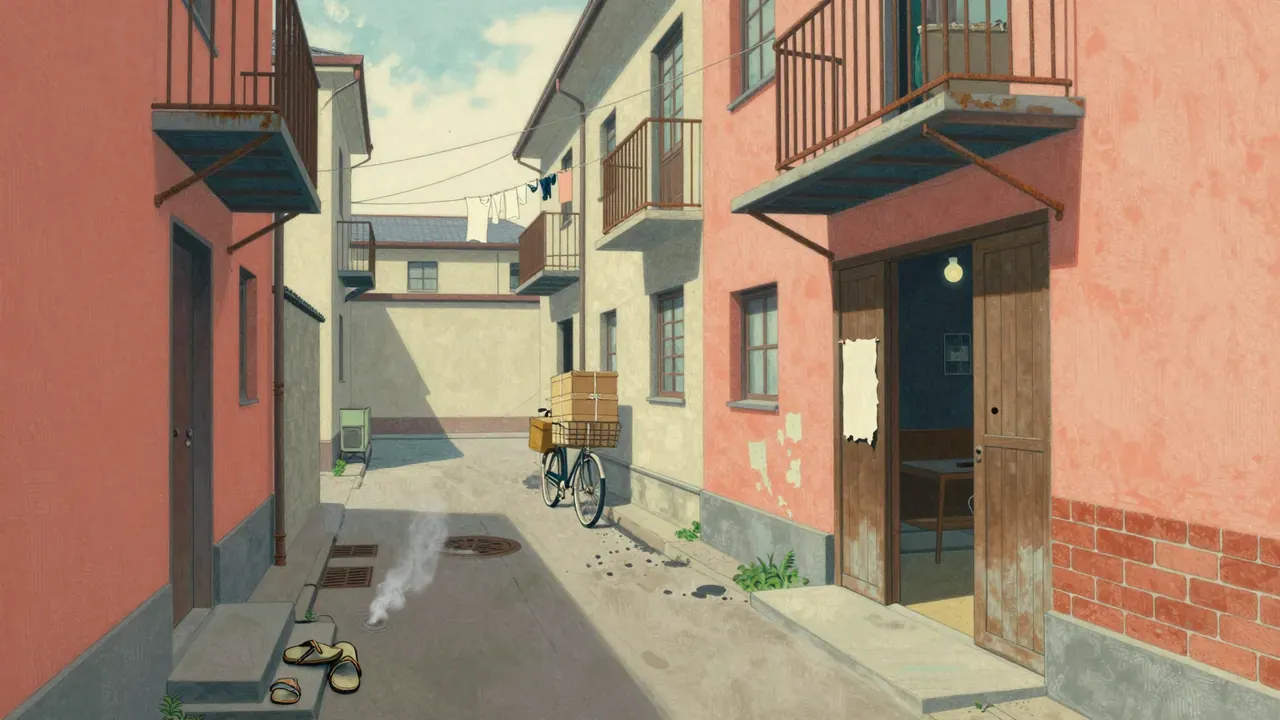
What lands is the sheer, unvarnished density of lived detail: the way Subuyan folds film reels with the same care he uses to wrap rice balls; how Keiko’s school uniform hangs loose on her frame while she watches stag reels with detached curiosity; the precise rhythm of Haru’s morning prayers before the carp bowl. These are not symbolic gestures but behavioural signatures — habits that reveal more than exposition could. The film’s refusal to judge makes its moral weight heavier, not lighter: when Subuyan rationalises exploitation as ‘natural’, the line carries weight because it is delivered without flourish, as if stating weather. The Osaka setting feels inhabited, not illustrated — alleyways smell of damp concrete and frying oil, not metaphor. Even minor figures — the elderly executive from Hakucho Company, the Virgin House Madame — occupy space with unforced specificity. The satire works because it is grounded in texture, not premise: the absurdity emerges from accumulation, not setup. Nothing is forced into thematic shape. The film’s patience — its willingness to hold on a face for ten seconds after dialogue ends — builds a quiet authority no punchline could match. (157 words)
Where it slips
What does not land is the structural looseness of the final third. Subuyan’s arrest and brief imprisonment arrive without narrative consequence; his return to business feels less like development than repetition. The film’s commitment to anti-climax begins to read as drift, particularly around Kōichi Matsuda’s arc, which fades without resolution. Some secondary characters — Shinun Ogata, the detective — remain sketches, their presence justified by plot necessity rather than dramatic function. The anthropological framing risks detachment: at times the camera observes Subuyan’s emotional collapse with such equanimity that pathos recedes, leaving only clinical interest. A viewer expecting psychological causality may find the cause-and-effect deliberately obscured — not as a stylistic choice but as a gap. The film assumes familiarity with Imamura’s method; without that context, its refusal to explain Haru’s carp belief or Subuyan’s self-deception can read as evasion rather than economy. Those who require clear stakes or moral pivot points will feel stranded in the murk. The satire’s power depends on sustained attention; fatigue sets in if the viewer stops trusting the film’s internal logic. (156 words)
What it’s really about
The themes that matter are not abstraction but recurrence: the persistence of desire beneath social forms, the elasticity of family as both shelter and trap, the way superstition and bureaucracy coexist without contradiction. The film treats capitalism not as ideology but as behaviour — Subuyan negotiates film stock like a wholesaler haggling over soybeans. Class is shown in spatial terms: the cramped house versus the executive’s office, not in speeches about inequality. Sexuality is neither liberated nor repressed but routine — a commodity, a habit, a biological fact that leaks into every corner of domestic life. The carp spirit is not magical realism but ethnographic observation: belief as social glue, however fragile. Imamura resists binaries — tradition versus modernity, innocence versus corruption — preferring layered coexistence. What matters is how people adapt, not whether they should. The film’s anthropology is non-judgemental but not neutral: it insists that human nature includes exploitation, tenderness, rationalisation and superstition, all operating simultaneously, none cancelling the others. Its central claim is that civilisation is thinner than we pretend — not a veneer, but a tissue, constantly rewoven. (159 words)
Who it’s for
This film is for viewers who tolerate ambiguity, who find value in sustained observation over explanation, and who accept that satire need not be loud to be sharp. It suits those familiar with Japanese New Wave pacing or with Imamura’s other work — particularly those who appreciate films where character psychology remains partially withheld. It is not for viewers who require narrative propulsion, clear moral arcs or emotional catharsis. Those who expect comedy to deliver punchlines or drama to resolve tension will leave frustrated. Anyone needing explicit thematic signposting — voiceover, symbolic objects, musical cues — will find the film withholding. A viewer who values craft over story may still resist its deliberate slackness. The film’s endurance depends on trust in its method; withdraw that trust, and the scenes blur into inertia. Change the verdict? Tighten the third act, clarify one or two secondary motivations, or add a single scene that dramatises Subuyan’s internal shift — not his thoughts, but his body language changing — and the balance shifts. As it stands, its rigour is also its barrier. (158 words)
What stays with you
Yes, it is worth your evening — but only if you commit to its tempo and accept its terms. It repays attention not with revelation but with recalibration: after watching, the ordinary feels denser, motives less legible, routines more charged. Its 128 minutes do not fly, but they settle — like dust in sunlight — revealing patterns you hadn’t noticed. It is not entertainment in the conventional sense, nor is it arduous; it occupies a middle ground where attention becomes its own reward. Those who dislike slow cinema or distrust irony without a target may find it alienating. But for the right viewer, its refusal to simplify is precisely its generosity: it treats the audience as capable of holding complexity without resolution. The film does not waste time, but it does demand time. Its value lies not in what it says but in how it trains perception — to see the carp in the bowl, the film reel in the drawer, the unspoken thing in the silence. That training lasts longer than the credits. (159 words)