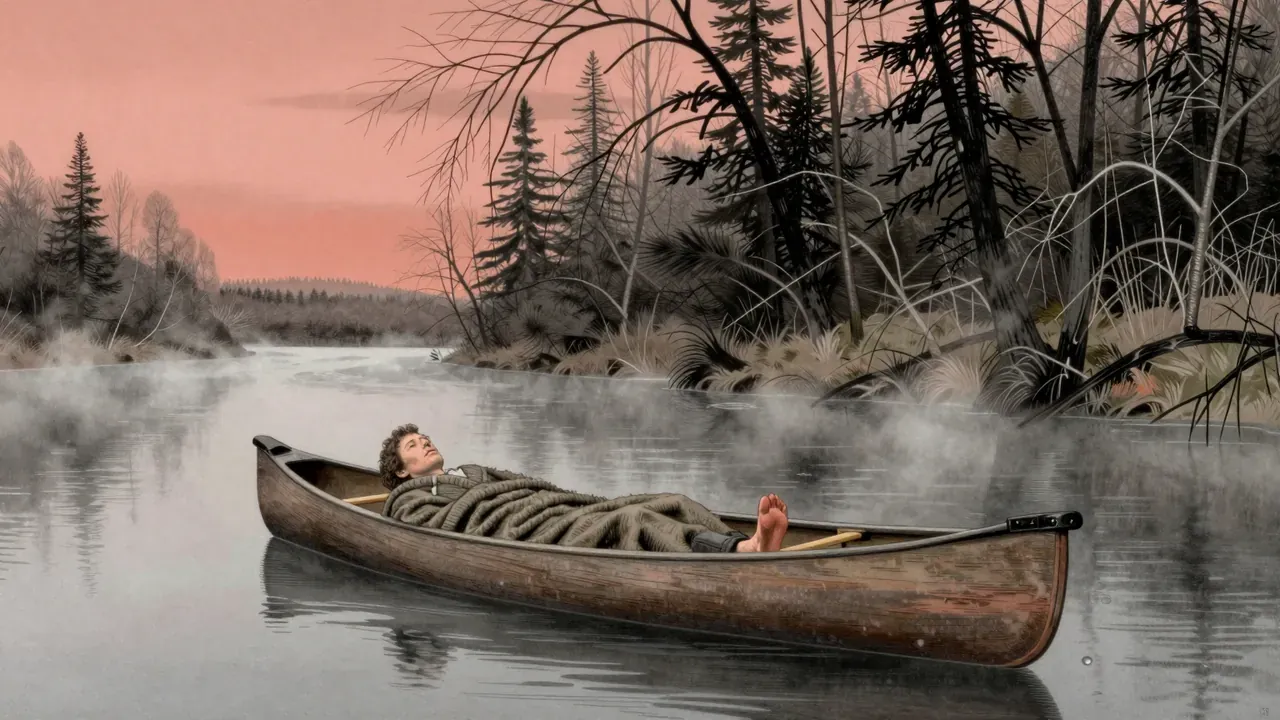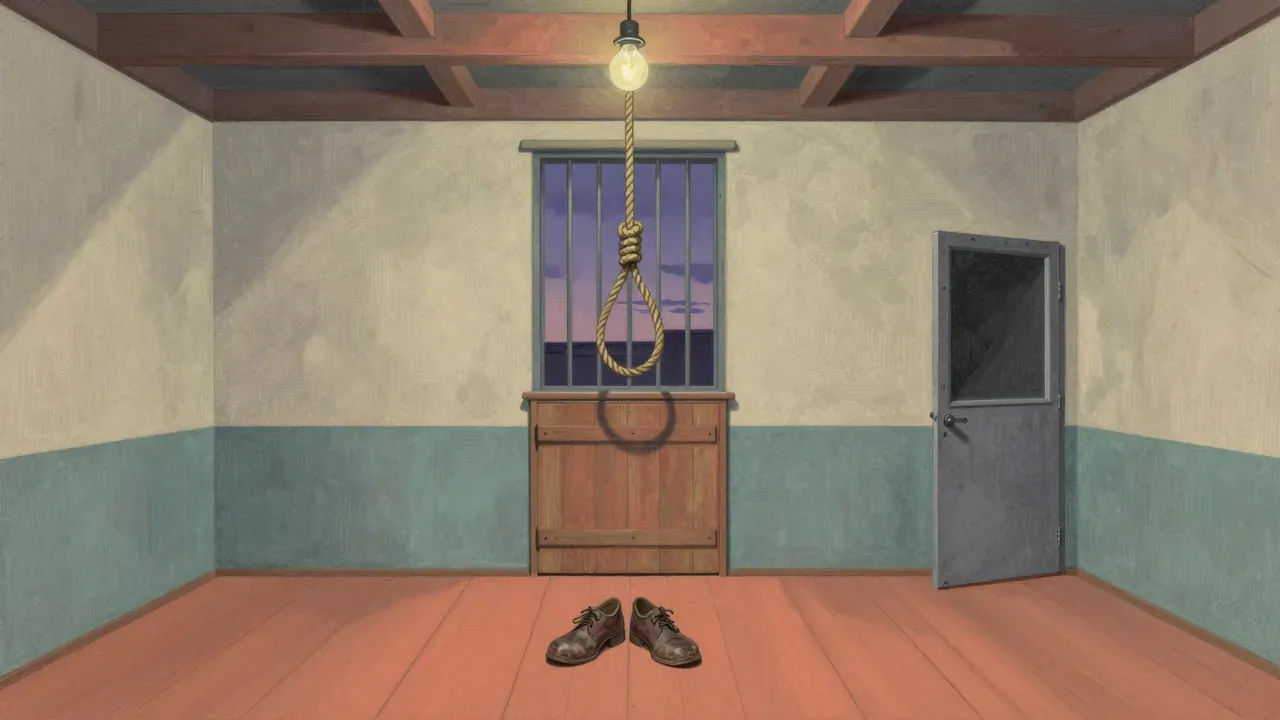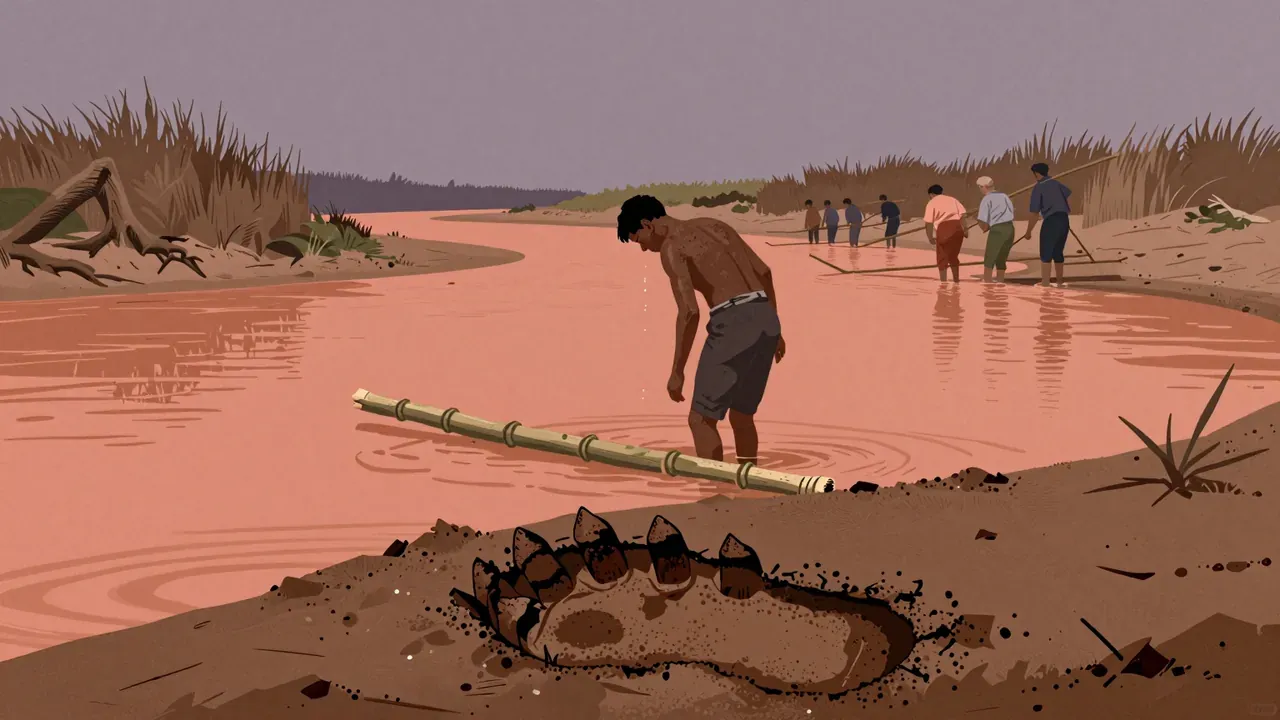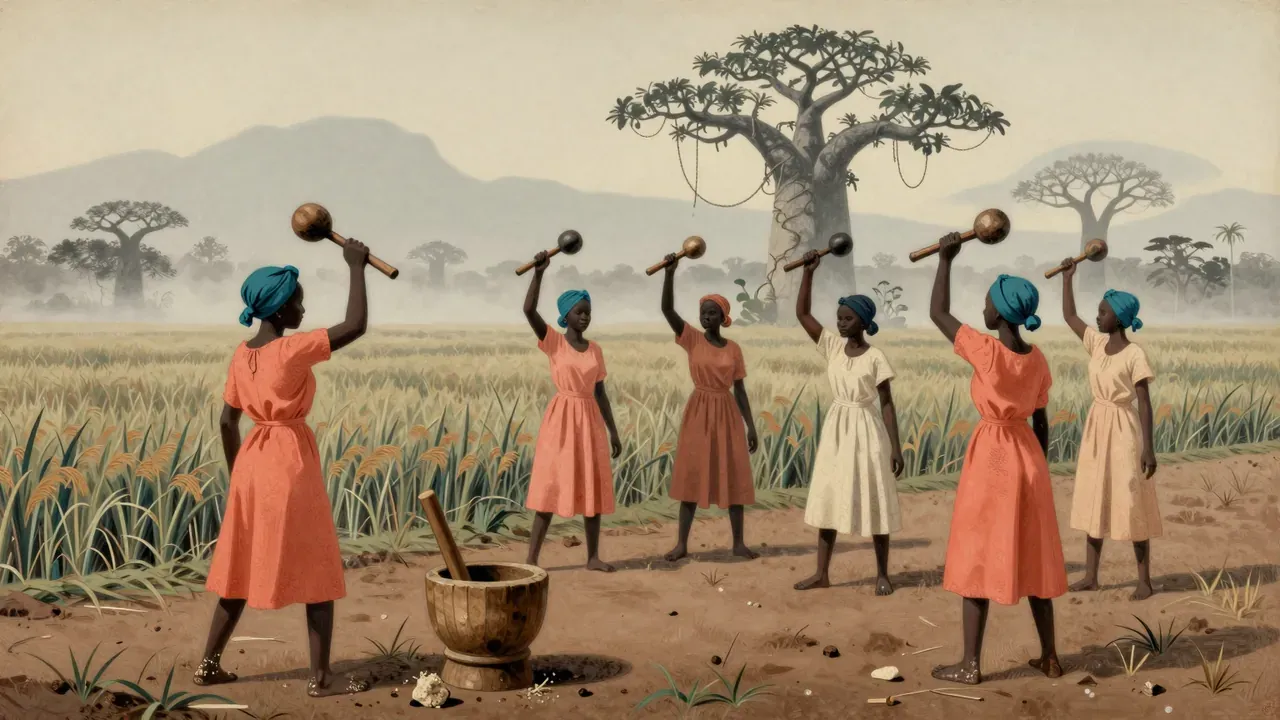
filmbriefs
Topic

Colonialism

Settlement, extraction and the argument still being had about both.

102
in film
13:00
average
1326 min
in total
284
across the network
Colonialism across the network →
All briefs102
13:00

Beau Travail

Claire Denis · 1999

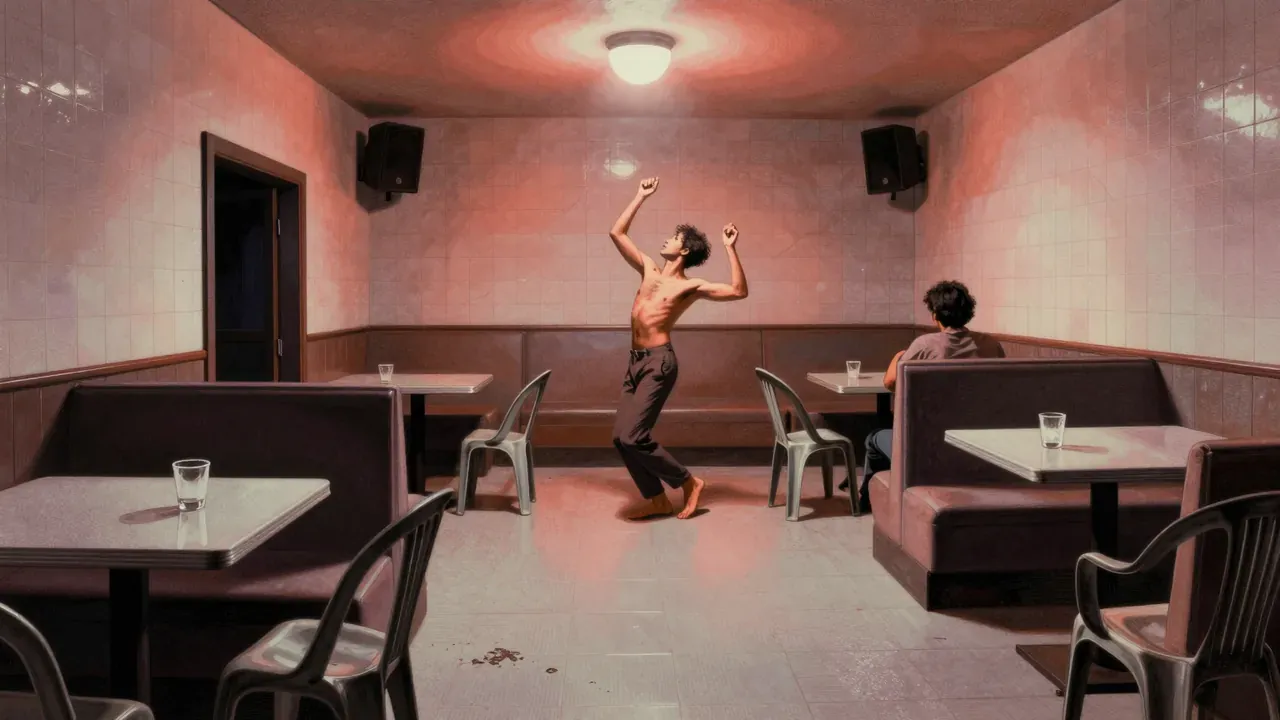
Claire Denis’s 1999 arthouse drama relocates Herman Melville’s Billy Budd to the French Foreign Legion in Djibouti, tracing Adjudant-Chef Galoup’s psychological unravelling as he fixates on a new recruit. Shot by Agnès Godard and edited by Nelly Quettier, it relies on physicality, repetition and withheld motivation to explore power, masculinity and colonial space — culminating in a solitary, ecstatic nightclub dance that resolves nothing but everything.
13:00

Black Girl

Ousmane Sembène · 1966

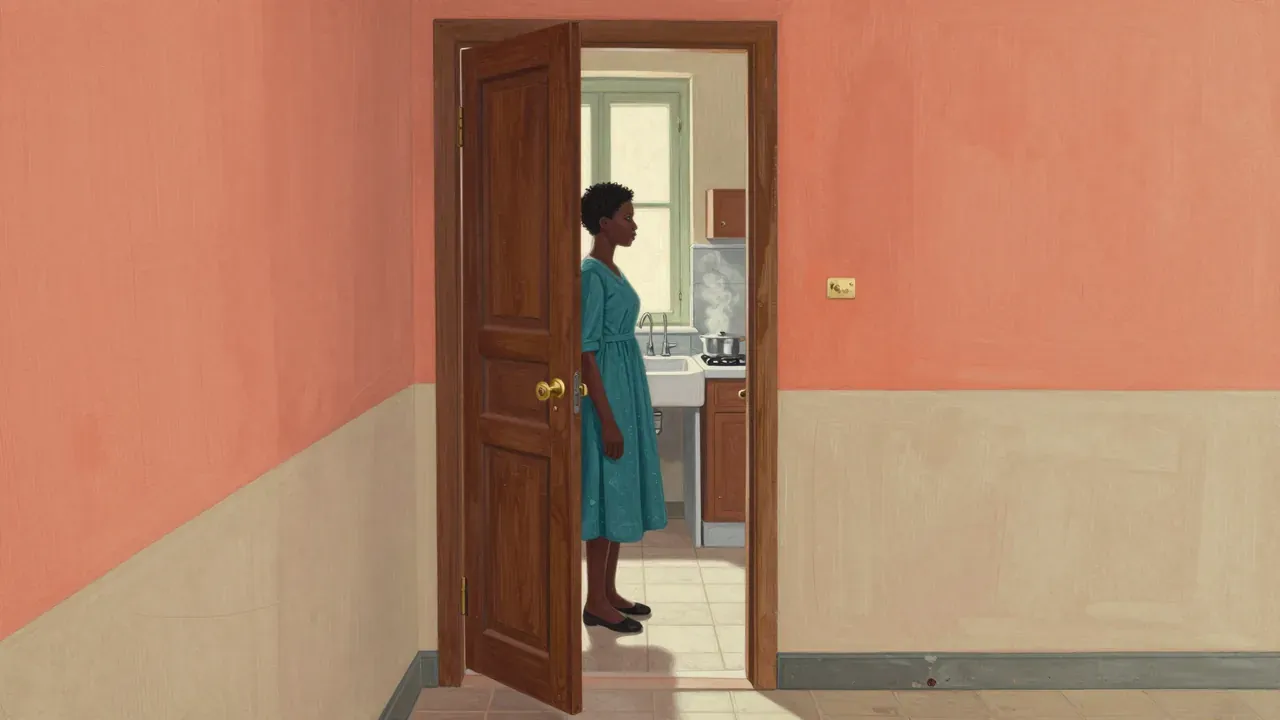
Ousmane Sembène’s 1966 feature debut follows Diouana, a young Senegalese woman who moves to France to work for a French couple, only to find her identity stripped away by isolation, linguistic erasure, and routine condescension. Shot in Senegal with a minimal crew and dubbed dialogue, the film uses stark visual contrast and elliptical editing to trace the psychological toll of colonial labour. Its power lies in restraint: no score, no exposition, no redemption—just the quiet accumulation of small violences, culminating in an act of final autonomy. Widely regarded as the first Sub-Saharan African feature by an African filmmaker to gain international attention, it remains a foundational text of anti-colonial cinema.

13:00

Black River

Masaki Kobayashi · 1957

Masaki Kobayashi’s 1957 drama Black River follows a university student and a waitress in a Tokyo district shadowed by a US military base. When she is raped by a local gangster and forced into a coercive relationship, and when both are evicted as part of a development scheme, their fragile bond culminates in an act of desperate, unsentimental violence. Shot with stark realism and performed with restrained intensity, the film treats systemic oppression as atmosphere rather than argument.

13:00

Breaker Morant

Bruce Beresford · 1980

Breaker Morant (1980), directed by Bruce Beresford, dramatises the 1902 court martial of three Australian lieutenants accused of war crimes in the Boer War. Structured around courtroom testimony and fragmented flashbacks, it foregrounds procedural injustice over moral verdict, using restrained craft to expose how military justice serves political ends. Adapted from Kenneth G. Ross’s play, it won ten Australian Film Institute Awards and remains a benchmark of Australian cinema’s engagement with colonial accountability.

13:00

Calcutta

Louis Malle · 1969

Louis Malle’s 1969 documentary Calcutta observes the city over 105 minutes without narration, interviews, or explanatory text. Shot on location in 1967–68, it relies on long takes, ambient sound, and unmediated access to street life, ritual, and labour. Its method is observational, its stance unflinching but unjudging. It offers no synthesis — only duration, texture, and the quiet insistence of the real.

13:00

Captain Blood

Michael Curtiz · 1935

Michael Curtiz’s 1935 swashbuckler launched Errol Flynn as a star and redefined Hollywood adventure cinema. Adapted from Rafael Sabatini’s novel by Casey Robinson, it follows Irish doctor Peter Blood, unjustly enslaved and turned pirate, whose moral rigour and tactical brilliance make him both outlaw and redeemer. Shot largely on sound stages with a symphonic Korngold score, it prioritises narrative economy, physical authenticity, and ethical coherence over historical nuance or psychological complexity. Its enduring power lies in its unwavering commitment to craft as conscience.

13:00

Ceddo

Ousmane Sembène · 1977

Ousmane Sembène’s 1977 Ceddo is a Senegalese historical drama set in a pre-colonial West African village torn between animist tradition, Islam, Christianity, and the slave trade. When the ceddo — the outsiders — abduct the king’s daughter to protest forced conversion, the conflict escalates into violence, conversion, and regicide. Shot in French with Wolof cultural grammar, the film refuses exposition, moral simplification, or sentimental resolution. Its power lies in its formal rigour, political clarity, and unwavering centreing of African epistemic autonomy.

13:00

Chronicle of the Years of Fire

Mohammed Lakhdar-Hamina · 1975

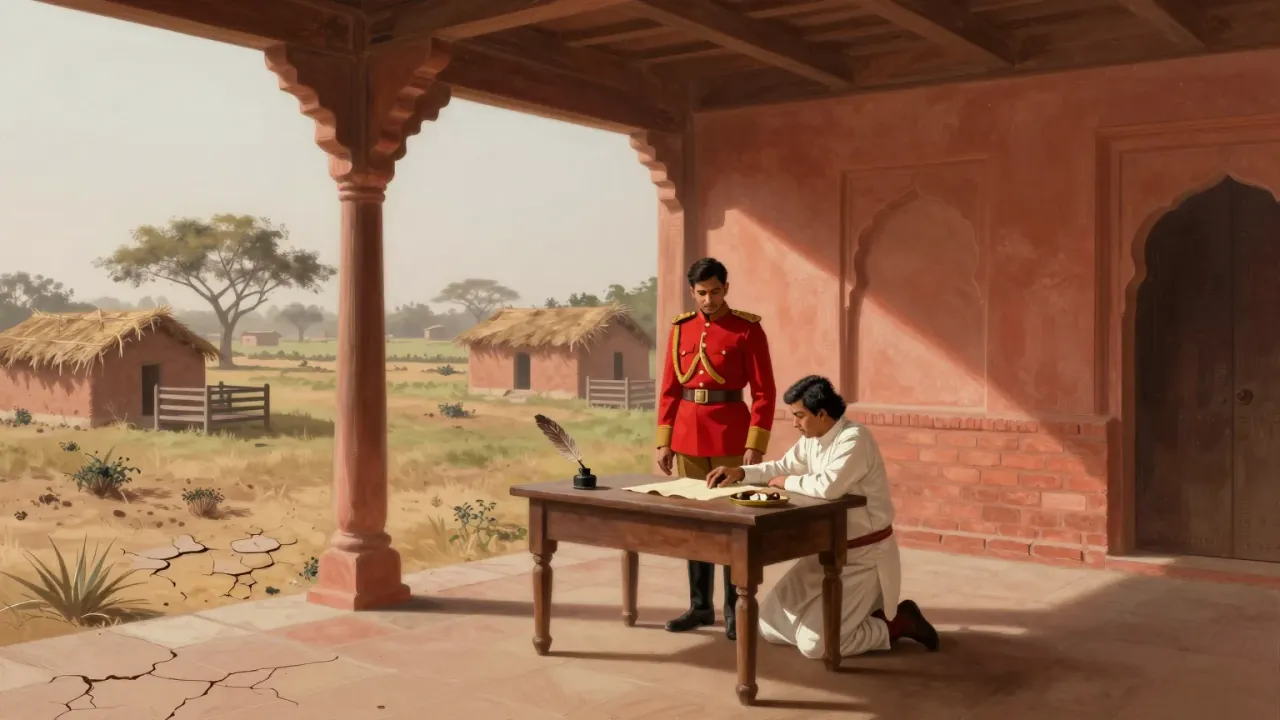
Chronicle of the Years of Fire (1975), directed by Mohammed Lakhdar-Hamina, follows Ahmed, an Algerian peasant, across seventeen years leading to the 1954 uprising against French rule. Structured in six chapters, it charts the slow, embodied formation of national consciousness under colonialism — through drought, conscription, broken promises and massacre. Shot by Marcello Gatti and scored by Philippe Arthuys, it favours duration over drama, collective experience over individual psychology. It won the Palme d’Or at Cannes and remains a landmark of postcolonial cinema.

13:00

Colossal Youth

Pedro Costa · 2006

Pedro Costa’s 2006 Colossal Youth is a DV-shot, static-take meditation on ageing, memory and displacement in Lisbon’s Fontainhas district. Starring non-professional Cape Verdean residents — especially the 75-year-old Ventura — it blends documentary observation with scripted recitation, refusing narrative clarity in favour of durational presence. Shot in high-contrast interiors and stark new housing blocks, it explores the aftermath of Portugal’s Carnation Revolution through quiet encounters, repeated phrases and sustained silences.

13:00

Coup de Torchon

Bertrand Tavernier · 1981

Bertrand Tavernier’s 1981 adaptation of Jim Thompson’s Pop. 1280 relocates the story to French West Africa in 1938, following a lethargic, humiliated police chief who begins murdering local figures to assert control. Starring Philippe Noiret and Isabelle Huppert, it is a satirical neo-noir dark comedy that treats violence as bureaucratic procedure and colonialism as ambient condition — dry, exact, and morally unflinching.

13:00

Days of Being Wild

Wong Kar-wai · 1990

Wong Kar-wai’s 1990 romantic drama follows drifting young people in 1960 Hong Kong — a playboy searching for his birth mother, a ticket seller holding onto a lost moment, a policeman turning to the sea — bound not by plot but by shared unease. Christopher Doyle’s cinematography, Chan Ming-Diy’s score, and a cast including Leslie Cheung and Maggie Cheung build a world of suspended time and unfulfilled desire. It is the first in an informal trilogy, and the foundation of Wong’s singular style.

13:00

Dead Man

Jim Jarmusch · 1995

Dead Man (1995) is Jim Jarmusch’s monochrome acid western starring Johnny Depp as a fatally wounded accountant guided west by Gary Farmer’s enigmatic Native American spirit-guide Nobody. Shot by Robby Müller and scored by Neil Young, it rejects narrative convention in favour of ritual, silence, and poetic logic — foregrounding Indigenous epistemology, untranslated Cree and Blackfoot dialogue, and a vision of landscape as sentient participant. Though critically divisive on release, it has since been reassessed as a singular, austere meditation on mortality, colonialism, and perception.

13:00

Death by Hanging

Nagisa Ōshima · 1968

Nagisa Ōshima’s 1968 film follows the botched hanging of an ethnic Korean man known only as R. When he survives but loses his memory, prison officials attempt to reconstruct his past — and his guilt — through increasingly absurd re-enactments. Using Brechtian techniques, stark staging and deliberate artifice, the film interrogates the death penalty not as a moral question but as a mechanism of racial and political control.

13:00

Elephant Boy

Robert J. Flaherty, Zoltan Korda · 1937

Elephant Boy (1937), directed by Robert J. Flaherty and Zoltan Korda, adapts Kipling’s 'Toomai of the Elephants' with location footage shot in Mysore and studio work at Denham. Twelve-year-old Sabu stars as a boy whose quiet observation of elephants earns him recognition among mahouts. The film balances documentary realism with narrative simplicity, avoiding sensationalism in favour of physical authenticity and restrained craft.

13:00

Emitaï

Ousmane Sembène · 1971

Ousmane Sembène’s 1971 drama Emitaï depicts a Diola village in Senegal resisting forced grain requisitions first by Vichy France, then by Free French forces during the Second World War. Shot in French with Diola-speaking non-professionals, it centres women’s labour, ancestral consultation, and the brutal continuity of colonial administration — culminating in a massacre that arrives without fanfare or framing. The film’s formal restraint, moral clarity, and anti-colonial urgency make it a landmark of African cinema.

13:00

Enter the Dragon

Robert Clouse · 1973

A 1973 martial arts action film directed by Robert Clouse, Enter the Dragon stars Bruce Lee as a Shaolin monk infiltrating a criminal island tournament. Produced by Warner Bros. and Golden Harvest on a $850,000 budget, it fused spy-thriller structure, blaxploitation casting, and Lee’s choreographed philosophy. Though its script leans on genre shorthand and its themes remain gestural, its physical grammar — in fight staging, performance, and Schifrin’s score — endures as a benchmark. It grossed $90 million worldwide and remains culturally pivotal, preserved in the US National Film Registry.

13:00

Gate of Flesh

Seijun Suzuki · 1964

Seijun Suzuki’s 1964 Nikkatsu drama follows a group of sex workers enforcing rigid communal rules in a bombed-out Tokyo building. When a wounded ex-soldier arrives, their fragile order fractures. Shot on a rushed schedule with deliberately artificial sets, the film uses formal restraint and allegorical structure to critique the continuity of militarised social control under Occupation. Performances are muted, editing jarring, and the ending offers no resolution — only repetition.

13:00

General Idi Amin Dada: A Self Portrait

Barbet Schroeder · 1974

Barbet Schroeder’s 1974 documentary follows Idi Amin across military drills, cabinet meetings, and staged spectacles, all filmed with Amin’s full cooperation and direction. Shot by Néstor Almendros, it presents Amin’s self-mythology without commentary, letting his rhetoric, gestures, and contradictions accumulate as evidence. Though stripped of historical context or moral framing, its rigour lies in sustained observation — a portrait not of a man, but of power performing itself.

13:00

Godland

Hlynur Pálmason · 2022

Set in late-19th-century Iceland, Godland follows a Danish priest sent to build a church in a remote settlement. His inability to speak Icelandic, his failing health, and the indifference of the land gradually dismantle his authority and certainty. Shot in stark wet-plate-inspired visuals, the film renders colonial encounter as slow sensory erosion — of language, theology, and bodily endurance — rather than political confrontation.

13:00

Hearts and Minds

Peter Davis · 1974

Hearts and Minds (1974), directed by Peter Davis, is a fiercely focused documentary about the Vietnam War that builds its argument through juxtaposition rather than narration. Shot by Richard Pearce and edited by Lynzee Klingman, it assembles interviews with American officials, veterans, and Vietnamese civilians into a sustained critique of US assumptions about race, power, and civilisation. Winning the 1975 Academy Award for Best Documentary, it remains polarising: praised for its moral urgency and condemned for its selectivity. Its enduring significance lies not in balance, but in its unflinching exposure of how language enables violence—and how footage, once recorded, outlives intention.

13:00

I Walked with a Zombie

Jacques Tourneur · 1943

I Walked with a Zombie (1943), directed by Jacques Tourneur and produced by Val Lewton, follows a Canadian nurse who travels to a Caribbean sugar plantation and becomes entangled in the mystery of her employer’s catatonic wife. Shot on a shoestring budget, it sustains dread through atmosphere, implication, and moral ambiguity rather than gore or spectacle. Drawing on Charlotte Brontë’s Jane Eyre and Inez Wallace’s article on Haitian 'zombies', it treats Vodou as a system of belief entwined with power and history — not exotic fantasy. Its strength lies in its restrained craft, evocative cinematography, and unflinching engagement with colonial legacy, though its narrative vagueness may frustrate some viewers.

13:00

India Song

Marguerite Duras · 1975

Marguerite Duras’s 1975 India Song is a radically elliptical drama set in 1930s Calcutta but filmed in decaying French châteaux and apartments. Delphine Seyrig’s voice narrates the life of Anne-Marie Stretter, wife of the French ambassador, over slow, empty images. Bruno Nuytten’s cinematography avoids intimacy; Carlos d’Alessio’s score hovers beneath dialogue; all performances are pre-recorded and detached. It is less a narrative than a sonic and spatial composition — austere, hypnotic, and uncompromising.

13:00

Island of Lost Souls

Erle C. Kenton · 1932

Island of Lost Souls (1932), directed by Erle C. Kenton and starring Charles Laughton as the tyrannical Dr. Moreau, adapts H. G. Wells’ novel into a stark, atmospheric horror about vivisection, control, and the instability of the human form. Shot by Karl Struss and written by Philip Wylie and Waldemar Young, it sustains dread through Laughton’s chillingly rational performance, the beast-men’s halting recitation of ‘The Law’, and a rigorous 70-minute structure. Though some elements feel dated or underdeveloped, its central inquiry—into power as pedagogy, language as coercion, and civilisation as performance—remains unnervingly precise.

13:00

Japanese Girls At The Harbor

Hiroshi Shimizu · 1933

Japanese Girls at the Harbor (1933), directed by Hiroshi Shimizu, follows Sunako Kurokawa, a mixed-race teenager in Yokohama whose life fractures after a jealous shooting in a church. Years later, living as a bar worker and companion to an unsuccessful painter, she confronts the people she once loved—including the man who left her and the girl she shot. With no spoken dialogue and minimal intertitles, the film relies on composition, gesture, and duration to chart moral consequence without judgment or resolution.

13:00

Jericho

Thornton Freeland · 1937

Jericho (1937), directed by Thornton Freeland, follows Paul Robeson as Jericho Jackson, a medical student court-martialed after saving trapped soldiers during World War I. Fleeing to North Africa, he earns acceptance among the Tuareg through healing and leadership, culminating in his guidance of their annual salt caravan. When a British officer recognises him in an anthropological film, he chooses not to reassert jurisdiction. Shot by John W. Boyle, the film balances courtroom tension with expansive desert realism — anchored by Robeson’s restrained, physically commanding performance.

13:00

Kalpana

Uday Shankar · 1948

Uday Shankar’s 1948 Hindi-language film Kalpana is a pioneering dance ballet structured around a young dancer’s dream of founding an academy. Starring Shankar and his wife Amala Shankar, with music by Vishnudas Shirali and lyrics by Sumitranandan Pant and Devilal Samar, it treats choreography as primary language — rejecting conventional narrative in favour of rhythmic, symbolic, and spatial logic. Restored by NFAI and the World Cinema Foundation, it remains the first Indian feature to place classical and folk dance at its formal and philosophical core.

13:00

Killers of the Flower Moon

Martin Scorsese · 2023

Killers of the Flower Moon (2023) is Martin Scorsese’s 206-minute crime drama adapting David Grann’s book on the 1920s Osage murders. Shifting focus from FBI investigation to the marriage of Ernest Burkhart and Mollie Kyle, it uses restrained craft — Rodrigo Prieto’s muted cinematography, Thelma Schoonmaker’s unhurried editing, Robbie Robertson’s sparse score — to situate colonial violence in domestic routine. Lily Gladstone’s performance grounds the film ethically and emotionally; Leonardo DiCaprio and Robert De Niro offer layered, unsettling turns. Though its length and ambiguity divide viewers, its commitment to Osage perspective and structural patience make it a singular, demanding work.

13:00

La Llorona

Jayro Bustamante · 2019

La Llorona (2019) is a Guatemalan thriller directed by Jayro Bustamante, set in the home of a former dictator convicted then exonerated for genocide against Mayan communities. As protests rage outside, a young Kaqchikel maid named Alma arrives, and supernatural disturbances — centred on water and weeping — begin to unsettle the household. The film blends political allegory with folklore, using restraint and precision to explore impunity, memory and intergenerational accountability.

13:00

Le Petit Soldat

Jean-Luc Godard · 1963

Made in 1960 but banned until 1963, Le Petit Soldat follows a French deserter in Geneva drawn into political violence on both sides of the Algerian War. Directed by Jean-Luc Godard and shot by Raoul Coutard, it is a formally restrained, morally ambiguous study of coercion, silence, and the instability of truth — both cinematic and political.

13:00

Lewat Djam Malam

Usmar Ismail · 1954

Lewat Djam Malam (1954), directed by Usmar Ismail and written by Asrul Sani, follows ex-soldier Iskandar’s rapid unraveling in post-independence Bandung. Haunted by wartime violence and alienated by peacetime hypocrisy, he moves through a landscape of compromised comrades — a contractor, a pimp, a former commander — before killing the man he once followed. Shot by Max Tera in restrained, atmospheric black-and-white, the film avoids spectacle in favour of psychological accumulation. Restored in 2012 after decades of deterioration, it remains a landmark of Indonesian arthouse realism.

13:00

Magellan

Lav Diaz · 2025

Lav Diaz’s *Magellan* is a 156-minute Portuguese-language historical epic filmed in the Philippines, Portugal and Spain. It follows Ferdinand Magellan’s expedition not as triumph but as narrative construction, proposing that Datu Lapu-Lapu was a myth invented by Rajah Humabon to resist conversion and consolidate authority. Starring Gael García Bernal and Hazel Orencio, the film uses tableau vivant cinematography, minimal dialogue and rigorous historical research to interrogate how power shapes memory. It premiered at Cannes 2025 and was selected as the Philippines’ Oscar submission.

13:00

Mandabi

Ousmane Sembène · 1968

Ousmane Sembène’s 1968 Wolof-language debut follows Ibrahima Dieng, an illiterate Dakar resident, as he attempts to collect a money order from his nephew in Paris. Blocked at every turn by identity requirements, administrative fees, and familial obligations, he sinks deeper into debt — culminating in theft by a relative. Shot with documentary restraint and rooted in Senegalese social reality, Mandabi is a foundational work of African cinema that treats bureaucracy as violence and language as power.

13:00

Mister Johnson

Bruce Beresford · 1990

Bruce Beresford’s 1990 drama adapts Joyce Cary’s 1939 novel, following Maynard Eziashi’s Mister Johnson — a Nigerian clerk in 1929 colonial Nigeria who fervently adopts English manners, language, and bureaucracy in pursuit of status and belonging. Shot on location in Toro, Nigeria, the film observes his gradual unraveling as loyalty to colonial ideals clashes with material reality, kinship obligations, and administrative scrutiny. With restrained craft and a career-launching performance, it avoids easy moral binaries, instead tracing the quiet, logical collapse of a worldview built on mimicry.

13:00

Muna Moto

Jean-Pierre Dikongué Pipa · 1975

A 1975 Cameroonian drama by Jean-Pierre Dikongué Pipa, set in a rural community where Ngando’s love for Ndomé is undone by the unyielding requirement of dowry payment. When she bears his child, the village arranges her marriage to his uncle — a man who can fulfil the custom. Ngando’s final act is to take his daughter on the day of the feast. Shot in French with minimal music or camera movement, the film observes ritual, silence, and social consequence without explanation or judgement.

13:00

Muriel

Alain Resnais · 1963

Alain Resnais’s 1963 film Muriel follows a widow, her traumatised stepson, and two visitors over fifteen fragmented days in Boulogne-sur-Mer. Shot in static colour with rigorous editing and sparse dialogue, it explores memory, guilt, and the unspoken legacy of the Algerian War — not through exposition, but through architectural detail, temporal disjunction, and withheld emotion.

13:00

Once Upon a Time in China II

Tsui Hark · 1992

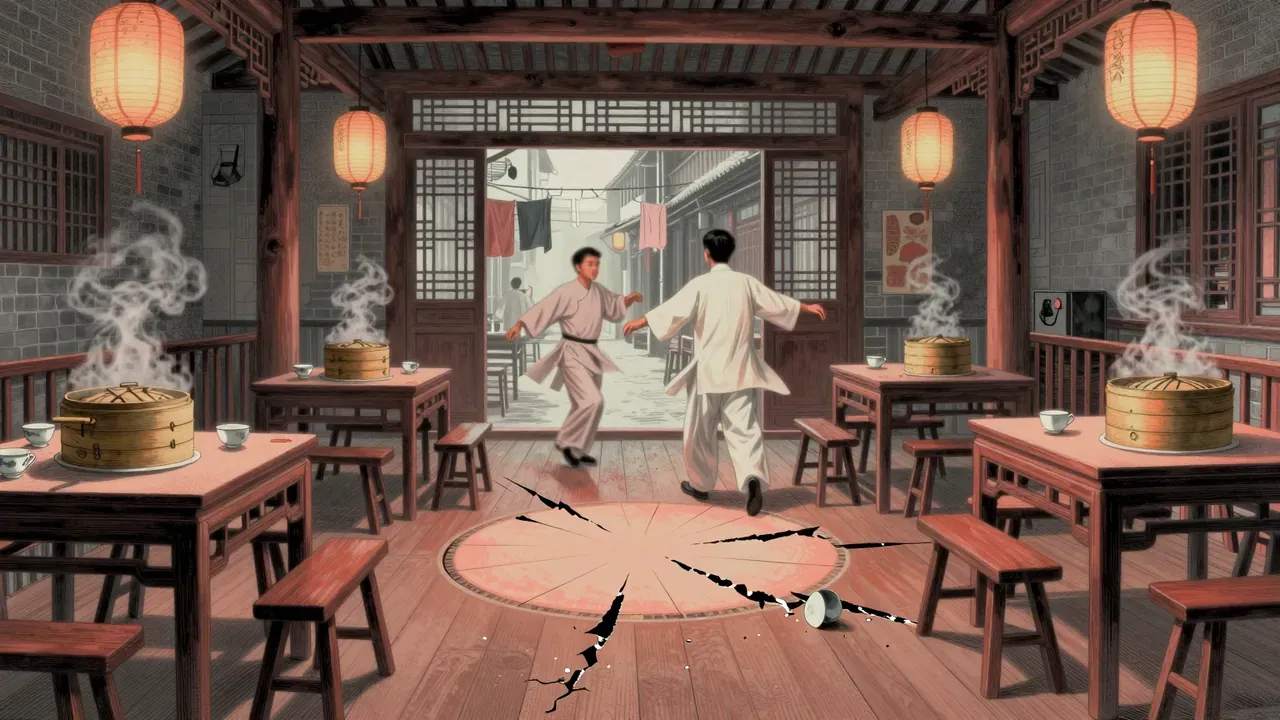
Tsui Hark’s 1992 sequel follows Jet Li’s Wong Fei-hung through 1895 Canton, where acupuncture seminars are stormed by cultists, British consulates are breached by Qing soldiers, and revolution is passed hand-to-hand on a scrap of cloth. With Arthur Wong’s restrained cinematography and Yuen Woo-ping’s grounded choreography, it frames wuxia not as fantasy but as embodied history — urgent, unresolved, and materially precise.

13:00

Once Upon a Time in China III

Tsui Hark · 1993

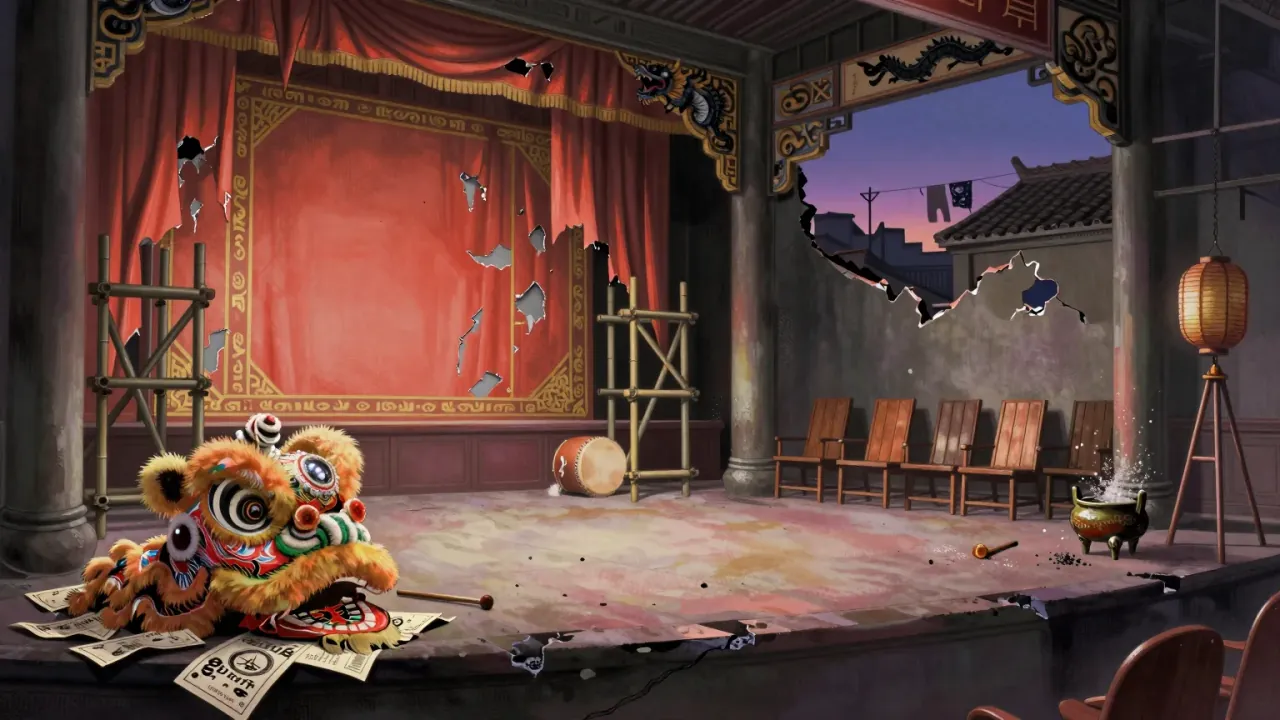
Once Upon a Time in China III (1993), directed by Tsui Hark, follows Wong Fei-hung to Beijing for a state-sponsored lion dance competition meant to restore Chinese prestige amid foreign imperialism. Jet Li anchors a tightly plotted narrative where choreography, moral choice, and historical constraint converge — culminating in a scaffold battle and a rejected medal. Andrew Lau’s cinematography and Marco Mak’s editing serve clarity over flourish. The film works best when action carries meaning and falters when plot relies on underdeveloped antagonists or external conspiracies.

13:00

Once Upon a Time in China IV

Yuen Bun · 1993

Once Upon a Time in China IV (1993) replaces Jet Li with Vincent Zhao and Tsui Hark with Yuen Bun, shifting focus from moral authority to symbolic performance. Set in Beijing during the Boxer Rebellion, it pits Wong Fei-hung against a xenophobic cult and an international lion dance competition rigged by colonial powers. Arthur Wong’s functional cinematography and Yuen Bun’s weapon-focused choreography anchor a thin script, where political stakes remain vague but physical detail — rope, lantern smoke, masked formations — carries real weight.

13:00

Ossos

Pedro Costa · 1997

Pedro Costa’s 1997 debut Ossos observes life in Lisbon’s Fontainhas shanty district with austere, long-take precision. Set among residents of African descent living in precarious conditions, it follows Tina, a young mother in crisis; her unnamed partner; her sister Clotilde; and Eduarda, a woman who gradually assumes responsibility for the baby. There is little dialogue, no exposition, and no narrative resolution — only sustained attention to gesture, silence, and endurance. Emmanuel Machuel’s grainy, low-light cinematography and Jackie Bastide’s unhurried editing reinforce the film’s ethical commitment to presence over interpretation.

13:00

Phantom India

Louis Malle · 1969

Louis Malle’s 1969 seven-part documentary Phantom India is a 378-minute observational record of India, filmed over four months in 1968 with a crew of two. Shot in French, it avoids narration, explanation, or advocacy, relying instead on long takes, ambient sound, and unmediated presence. Though praised as Malle’s most personal work, it drew criticism from the Indian government and diaspora for its focus on poverty and ritual at the expense of modernity and agency. Its endurance lies not in completeness but in its unwavering, ambiguous attention.

13:00

Pigs and Battleships

Shohei Imamura · 1961

Shohei Imamura’s 1961 film Pigs and Battleships follows Kinta, a low-level yakuza operative in post-occupation Yokosuka, and Haruko, his girlfriend, as both are ground down by intersecting systems of crime, military presence, and poverty. Shot by Shinsaku Himeda and scored by Toshiro Mayuzumi, it uses satire not for laughter but for forensic clarity — tracking how pigs, corpses, yen, and bodies circulate under the same logic. Its climax releases hundreds of pigs into city streets during a gang confrontation, culminating in chaos that kills the syndicate but leaves Haruko to walk away, unaccompanied and unexplained, towards an uncertain future.

13:00

Prisioneros de la tierra

Mario Soffici · 1939

Prisioneros de la tierra (1939), directed by Mario Soffici, follows Esteban Podeley, a mensú labourer trapped on a remote yerba mate plantation owned by the ruthless Köhner. Through restrained performances, dense cinematography by Pablo Tabernero, and Lucio Demare’s austere score, the film renders systemic oppression as bodily fact — heat, debt, silence, and jungle as active forces. Its tragedy lies not in grand betrayal but in accumulated erosion: a father’s drunken misstep, a lover’s missed rendezvous, a bullet that ends not a struggle but a question. Restored in 2019 from prints held abroad, it remains a foundational work of Argentine social realism — uncompromising, unsentimental, and enduringly urgent.

13:00

Sambizanga

Sarah Maldoror · 1972

Sarah Maldoror’s 1972 Sambizanga follows Maria’s search for her arrested husband Domingos across Luanda’s colonial prisons, intercut with his silent detention and death. Shot in the Congo with non-professional actors linked to African liberation movements, it adapts José Luandino Vieira’s novella into a stark, unsentimental record of early Angolan resistance — where political force resides in persistence, not proclamation.

13:00

Sanders of the River

Zoltan Korda · 1935

Sanders of the River (1935) is a British colonial drama directed by Zoltán Korda, starring Leslie Banks and Paul Robeson. Set in Nigeria, it portrays imperial administration as benevolent and necessary, centring Commissioner Sanders as a stabilising force among fractious tribes. Though technically accomplished and commercially successful, it was condemned by Robeson, Nigerian officials, and anti-colonial thinkers for its pro-imperial message and cultural distortions. Its legacy rests less on artistic merit than on its stark documentation of how empire narrated itself — and how collaborators came to reject that narration.

13:00

Shanghai Express

Josef von Sternberg · 1932

Shanghai Express (1932) is a tightly wound pre-Code drama set aboard a train commandeered by a warlord during China’s civil war. Directed by Josef von Sternberg and starring Marlene Dietrich and Anna May Wong, it uses stark black-and-white cinematography and precise performances to explore reputation, agency, and colonial blindness. Though visually commanding and thematically sharp on gender and performance, its portrayal of China relies on stereotype and omission. It remains a landmark of studio-era craft — compelling, coherent, and compromised.

13:00

Soleil Ô

Med Hondo · 1967

Soleil Ô (1970) is a French-Mauritanian essay-film written and directed by Med Hondo. Shot in 1967 and released after its 1970 Cannes premiere, it follows a Black West African man arriving in Paris in search of Gaulish ancestry — a premise that exposes the absurdity of colonial logic. Blending documentary, musical, and absurdist elements, it critiques institutional racism, linguistic erasure, and bureaucratic violence. François Catonné’s cinematography and George Anderson’s score reinforce its fractured, argumentative form. Restored in 2017, it remains a rigorous, unsentimental work of decolonial cinema.

13:00

Stagecoach

John Ford · 1939

John Ford’s 1939 Stagecoach adapts Ernest Haycox’s short story into a tightly wound Western about nine strangers travelling by stagecoach from Arizona to New Mexico. Trapped together by geography and danger, their prejudices and pretensions erode under shared risk — culminating in childbirth, battle, and quiet acts of grace. Shot in Monument Valley, it launched John Wayne’s stardom and redefined the Western as a vehicle for moral and social inquiry. Its formal rigour remains unmatched; its omissions, particularly regarding Apache people, remain consequential.

13:00

State of Siege

Costa-Gavras · 1972

Costa-Gavras’s State of Siege (1972) dramatises the kidnapping and execution of a US official by Uruguayan guerrillas, using the real-life Dan Mitrione case as a framework to examine Cold War counterinsurgency, torture training, and the bureaucratic laundering of violence. Shot in Chile under Allende, it stars Yves Montand and employs rigorous structure, restrained performance, and precise craft to mount a sustained argument about power, language, and continuity.

13:00

The Baron of Arizona

Samuel Fuller · 1950

Samuel Fuller’s 1950 film tells the true-ish story of James Reavis, a conman who forged documents to claim the Arizona Territory as his personal fiefdom. Starring Vincent Price as the fastidious fraudster, it unfolds as a procedural drama of paper, precedent, and institutional hesitation — less a Western than a forensic study of how authority is manufactured, authenticated, and eventually unmade.

13:00

The Burmese Harp

Kon Ichikawa · 1956

Kon Ichikawa’s 1956 drama follows Japanese soldiers in Burma at the end of World War II, narrowing to one man’s solitary mission to bury the dead and become a Buddhist monk. Adapted from Michio Takeyama’s novel by Natto Wada, it uses monochrome restraint, deliberate pacing and Akira Ifukube’s haunting score to explore grief, duty and spiritual transformation — not as transcendence, but as daily labour.

13:00

The Choice

Idrissa Ouédraogo · 1986

Idrissa Ouédraogo’s 1986 debut, shot in Mooré in rural Burkina Faso, follows a peasant family navigating pregnancy, death, banishment, and reconciliation. Its quiet, observational style resists moral framing, instead anchoring drama in agricultural labour, kinship duty, and the stark contrast between village and city. Though structurally uneven — particularly in its handling of an urban subplot — it remains a rigorous, humane study of constraint as social condition.

13:00

The Drum

Zoltan Korda · 1938

The Drum (1938), directed by Zoltan Korda, is a British Technicolor adventure set on the North-West Frontier during the Raj. It follows Prince Azim’s flight after his uncle’s coup, his alliance with British officer Carruthers, and his climactic warning on the Sacred Drum. Filmed partly on location in Chitral and North Wales, it foregrounds military detail and imperial certainty — making it a revealing artefact of pre-war British cinema, not a neutral period piece.

13:00

The Emperor Jones

Dudley Murphy · 1933

Dudley Murphy’s 1933 adaptation of Eugene O’Neill’s play stars Paul Robeson as Brutus Jones, a charismatic Black man whose self-made empire on a Caribbean island collapses under guilt, fear and colonial myth. Made independently in New York with a Black-led creative core, it attempts avant-garde cinematic translation — using music, rhythm and stylised performance — but is hampered by Hays Office censorship, budget limits and narrative additions. Though structurally uneven, Robeson’s performance and the film’s formal ambition secure its place as a culturally significant, aesthetically urgent work.

13:00

The Emperor's Naked Army Marches On

Kazuo Hara · 1987

Kazuo Hara’s 1987 documentary follows Kenzō Okuzaki, a 62-year-old Japanese veteran, as he confronts former comrades over the unexplained deaths of two soldiers in New Guinea during the Second World War. Using unobtrusive, long-take observation, the film records Okuzaki’s aggressive, often physically coercive interviews, his indictment of the Shōwa Emperor, and fragmented, contradictory testimonies about starvation, execution, and cannibalism. It ends with an epilogue detailing Okuzaki’s imprisonment for attempted murder—a stark contrast to the impunity of those he pursued.

13:00

The English Patient

Anthony Minghella · 1996

Anthony Minghella’s 1996 adaptation of Michael Ondaatje’s novel follows a severely burned man in postwar Italy whose fragmented memories reveal a pre-war love affair in the Sahara. Built on Walter Murch’s groundbreaking editing, John Seale’s restrained cinematography, and Gabriel Yared’s evocative score, it explores desire, guilt and the collapse of imperial certainties across three interwoven timelines. Though criticised for its length and narrative opacity, its formal unity and emotional precision have secured its place as a defining romance-war hybrid of the 1990s.

13:00

The Fall of Otrar

Ardak Amirkulov · 1991

The Fall of Otrar (1991) is a Kazakh historical war film directed by Ardak Amirkulov, depicting the political and military collapse of the Central Asian city-state of Otrar before Genghis Khan’s invasion. Shot on location in Kazakhstan over four turbulent years amid Soviet dissolution and chronic underfunding, it prioritises architectural and procedural realism over psychological drama. Restored in 4K in 2024, it offers a stark, unsentimental vision of empire as erosion — not conquest — and history as accumulated weight rather than turning points.

13:00

The Four Feathers

Zoltan Korda · 1939

Zoltan Korda’s 1939 Technicolor adaptation of A. E. W. Mason’s novel follows a disgraced British officer who journeys to Sudan to redeem himself through acts of courage during the Mahdist War. Shot on location with meticulous craft, it balances physical spectacle with psychological restraint — though its treatment of Sudanese characters remains strictly functional and its imperial framework unquestioned.

13:00

The Golden Coach

Jean Renoir · 1952

Jean Renoir’s 1952 film follows an Italian commedia troupe arriving in colonial Peru, where their performances intersect with the Viceroy’s court, local bullfighting culture, and a magnificent golden coach. Shot in Technicolor at Cinecittà, it uses Vivaldi’s music, Claude Renoir’s cinematography, and Anna Magnani’s precise performance to explore the porous boundary between acting and living — not as a critique of illusion, but as an affirmation of its necessity.

13:00

The Home and the World

Satyajit Ray · 1984

Satyajit Ray’s 1984 adaptation of Rabindranath Tagore’s Ghare Baire follows Bimala, a sheltered Bengali wife whose worldview fractures when her husband’s charismatic friend Sandip draws her into the Swadeshi movement. Set in 1907 Bengal, the film charts her slow, painful awakening amid rising communal tension, culminating in personal and political rupture. With restrained performances, Soumendu Roy’s luminous cinematography, and Ray’s own spare score, it prioritises interiority over incident — a quiet, demanding portrait of conscience in crisis.

13:00

The Human Condition I: No Greater Love

Masaki Kobayashi · 1959

Masaki Kobayashi’s 1959 epic opens The Human Condition trilogy with Tatsuya Nakadai as Kaji, a Japanese idealist who moves to Manchuria to avoid conscription, only to confront the moral rot of colonial labour management. Shot by Yoshio Miyajima and edited by Keiichi Uraoka, it uses duration and restraint to show how systems degrade conscience — not through sudden violence, but through paperwork, silence, and incremental surrender.

13:00

The Immortal Story

Orson Welles · 1968

Orson Welles’ 1968 French-language drama adapts Karen Blixen’s short story into a tightly wound fable set in nineteenth-century Macao. A dying merchant forces a sailor and a young woman to enact a seafaring legend, testing whether myth can survive embodiment. Shot in Spain with a small cast and sparse design, it foregrounds stillness, silence, and the instability of narrative authority — not as flaws, but as principles.

13:00

The Last Wave

Peter Weir · 1977

Peter Weir’s 1977 film follows Sydney solicitor David Burton as he defends four Aboriginal men accused of murder — and finds his grip on reality loosening amid inexplicable weather, prophetic dreams and encounters with Dreamtime logic. Shot in Adelaide and Sydney by Russell Boyd, it sustains a mood of ontological unease without resorting to exposition or resolution.

13:00

The Naked Prey

Cornel Wilde · 1966

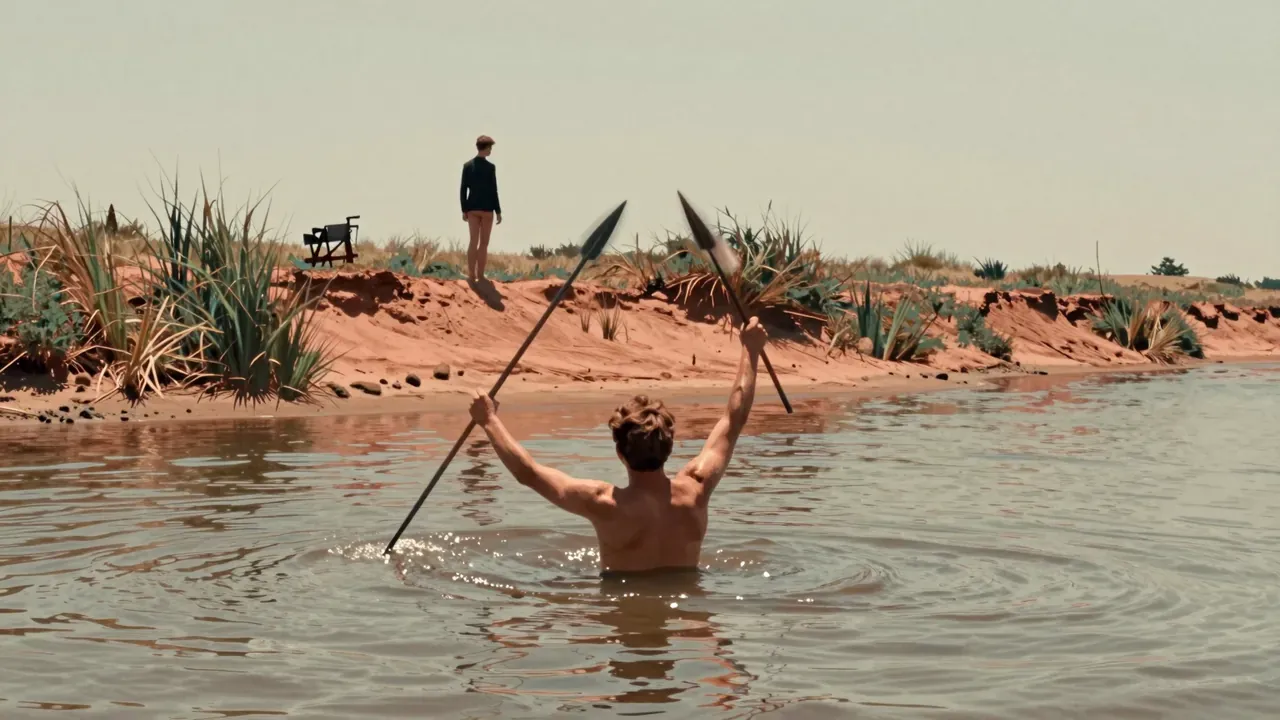
Cornel Wilde’s 1966 survival film follows a safari guide stripped naked and hunted across the South African veldt after his expedition offends a local tribe. Shot on location with minimal dialogue and a documentary sensibility, it sustains tension through rhythm, terrain, and endurance rather than character or exposition. Its reputation has grown for formal rigour and visceral immediacy, though its colonial framing remains contested.

13:00

The New Land

Jan Troell · 1972

Jan Troell’s 1972 epic The New Land completes his adaptation of Vilhelm Moberg’s emigration novels, following Swedish settlers in 1850s Minnesota as they clear land, raise children, suffer loss, and confront violence — including the Dakota War of 1862. Shot concurrently with its predecessor The Emigrants, it shares the same cast, crew, and patient, tactile realism. At 204 minutes, it unfolds with deliberate slowness, trusting duration over drama. Though acclaimed for its performances and craft, its portrayal of Indigenous people remains framed entirely through settler consciousness — a limitation neither disguised nor addressed.

13:00

The New World

Terrence Malick · 2006

Terrence Malick’s 2006 biographical film follows Pocahontas, John Smith and John Rolfe across the founding of Jamestown, the forests of Tsenacommacah and the courts of Jacobean London. Shot by Emmanuel Lubezki and scored partly by James Horner, it privileges sensory immersion over exposition, using reconstructed Powhatan language, natural light and elliptical editing to evoke the moral and perceptual instability of early colonial encounter. Though its final act falters in narrative cohesion, its sustained tonal discipline and commitment to ambiguity make it a singular achievement in arthouse cinema.

13:00

The River

Jean Renoir · 1951

Jean Renoir’s 1951 Technicolor drama, adapted from Rumer Godden’s novel, follows Harriet, an English teenager in colonial Bengal, as she navigates first love, sibling rivalry, and sudden loss. Shot on location in Calcutta with non-professional actors and muted, reflective cinematography by Claude Renoir, the film unfolds in unhurried, poetic episodes centred on the river as both setting and silent witness. Its power lies in restraint: in what is withheld, observed, and allowed to linger.

13:00

Trances

Ahmed El Maanouni · 1981

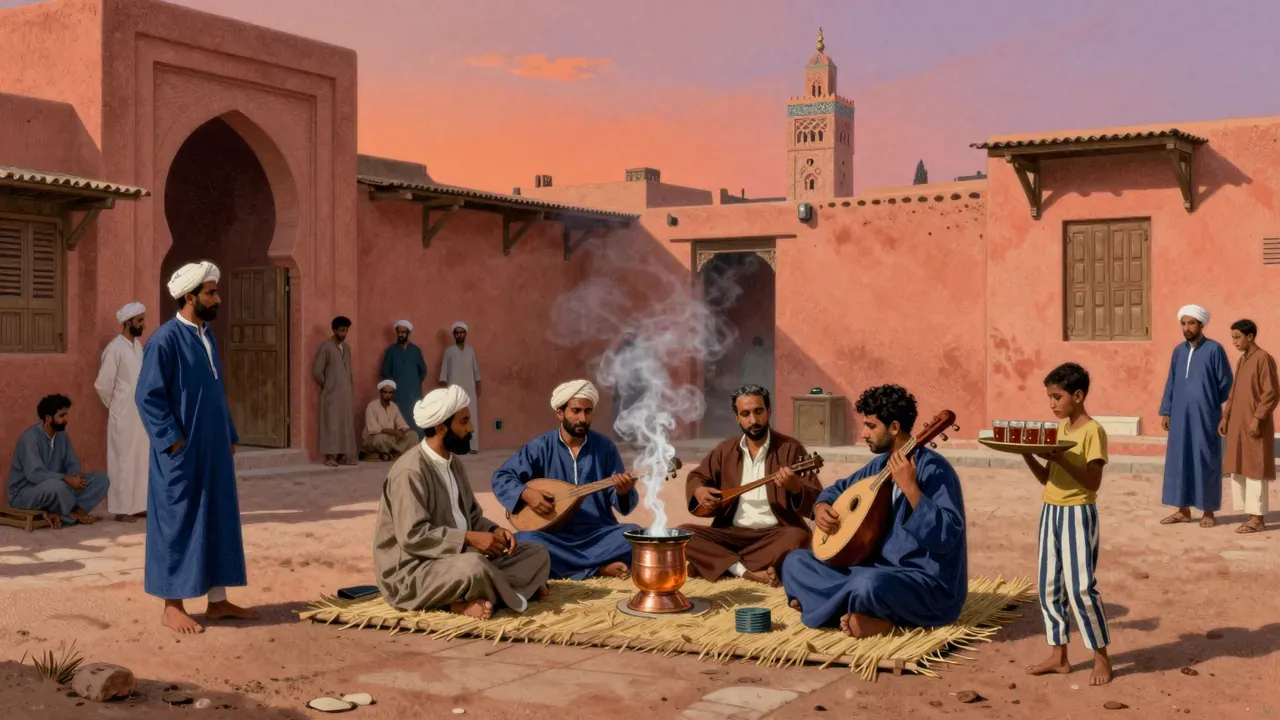
Trances (1981) is Ahmed El Maanouni’s docufiction portrait of Moroccan band Nass El Ghiwane, filmed in Morocco during live performances, interviews, and everyday moments. Blending contemporary footage with silent colonial-era archival clips, it foregrounds voice, rhythm, and communal presence over narrative or exposition. Restored in 2007 and distributed by Criterion, it remains a singular work of musical and cultural testimony.

13:00

Walkabout

Nicolas Roeg · 1971

Walkabout (1971), directed by Nicolas Roeg, follows a teenage girl and her younger brother after their father’s suicide in the Australian desert. They meet an Aboriginal boy who helps them survive, but communication remains partial and understanding elusive. Shot by Roeg himself, edited by Antony Gibbs, and scored by John Barry, the film uses stark imagery, elliptical structure, and near-silence to explore mutability, colonial distance, and the limits of language. Its power lies in what it withholds — names, motives, explanations — making it a landmark of arthouse cinema and a persistent subject of ethical debate.

13:00

Walker

Alex Cox · 1987

Alex Cox’s 1987 film Walker tells the story of American mercenary William Walker’s 1855–57 invasion of Nicaragua—but reframes it through deliberate, jarring anachronisms (helicopters, Diet Coke, modern rifles) to draw direct parallels with US policy during the Contra War. Starring Ed Harris and scored by Joe Strummer, it was shot in Granada with Sandinista cooperation and edited in situ. Uncompromising in its politics and formal rigour, it rejects historical realism in favour of structural critique.

13:00

West Indies

Med Hondo · 1979

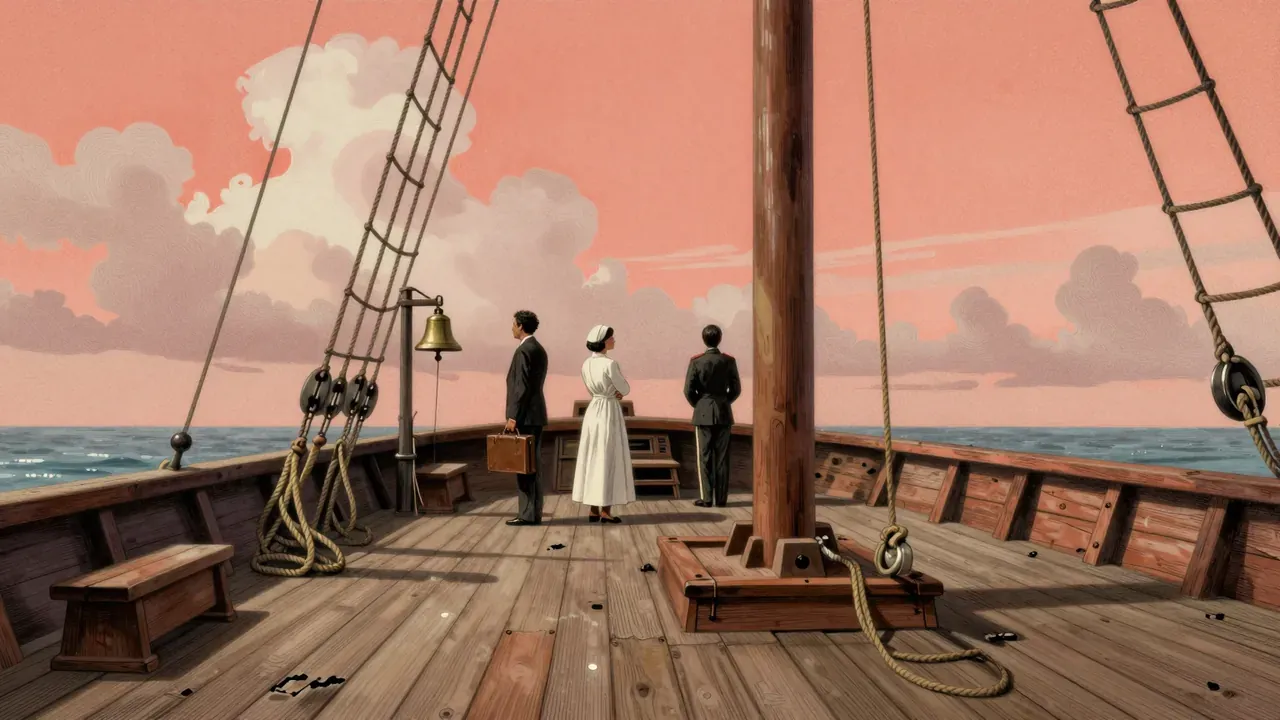
Med Hondo’s West Indies (1979) is a French-language arthouse drama filmed in Mauritania. Adapted from Daniel Boukman’s play Les négriers, it stages the transatlantic slave trade aboard a ship that doubles as theatre, using song, satire, and Brechtian technique to expose the administrative, theological, and linguistic scaffolding of French imperialism. Starring Fernand Berset, Roland Bertin, Gérard Bloncourt, Toto Bissainthe, and Hélène Vincent, it rejects historical realism in favour of forensic allegory.

13:00

White Material

Claire Denis · 2009

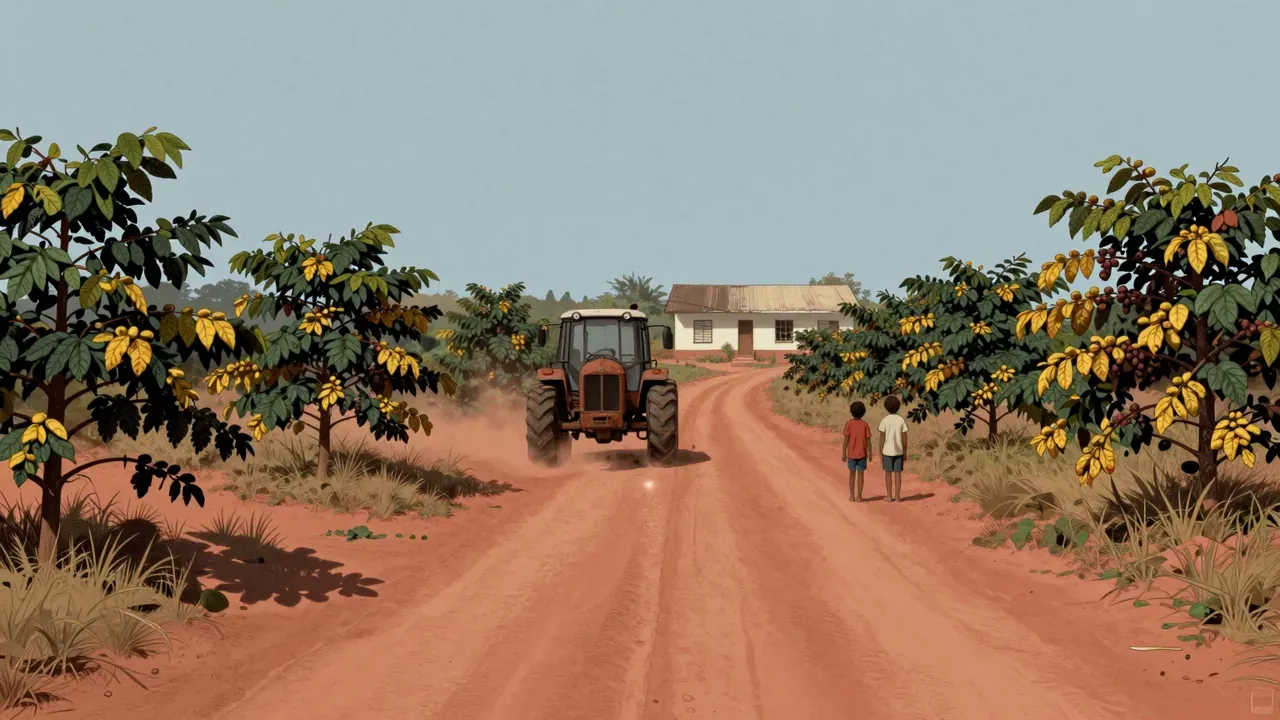
Claire Denis’s 2009 drama follows Maria Vial, a French coffee farmer in an unnamed African country, as she refuses to evacuate her failing plantation amid civil war. Anchored by Isabelle Huppert’s tightly coiled performance and Yves Cape’s humid, unvarnished cinematography, the film traces the slow, logical collapse of agency, inheritance, and meaning — not as tragedy, but as process. It avoids exposition, moral framing, and historical specificity, focusing instead on the material weight of objects, the silence between warnings, and the quiet violence of persistence.

13:00

Drunken Master II

Lau Kar-leung · 1994

Drunken Master II is a 1994 Hong Kong martial arts film directed by Lau Kar-leung and starring Jackie Chan as Wong Fei-hung. Set in early 20th-century Canton, it follows Wong’s moral and physical trial after accidentally acquiring an Imperial Seal targeted by British colonial agents. Built around formally distinct fight scenes — Hung Ga, Shaolin, Drunken Boxing, Taekwondo — the film anchors comedy in consequence and action in lineage. Its unflinching final image of Wong’s disability remains controversial, but its choreographic rigour and ethical structure mark it as a high point of the genre.

13:00

The Skin

Liliana Cavani · 1981

Liliana Cavani’s 1981 adaptation of Curzio Malaparte’s novel *The Skin* depicts Naples in the immediate aftermath of Allied liberation, where survival depends on transaction, dignity is measured in kilos, and liberation feels indistinguishable from conquest. Starring Marcello Mastroianni and Burt Lancaster, it uses stark cinematography, dissonant music and unflinching vignettes to trace the corrosion of morality under occupation — not as breakdown but as system.

13:00

The Witch

Robert Eggers · 2015

Robert Eggers’s 2015 debut is a meticulously researched Puritan folktale set in 1630s New England. After a family is banished and settles near a forbidding forest, the disappearance of their infant son triggers theological panic, mutual suspicion and spiritual unraveling. Shot in natural light with Early Modern English dialogue, period-accurate costumes and a dissonant, instrumentally unconventional score, the film builds dread through restraint, silence and escalating ambiguity — culminating not in terror, but in a chilling, ecstatic surrender.

13:00

Black Narcissus

Emeric Pressburger, Michael Powell · 1947

Black Narcissus (1947) is a British psychological drama directed by Michael Powell and Emeric Pressburger, adapted from Rumer Godden’s novel. Set in a remote Himalayan palace converted from a harem, it follows a group of Anglican nuns whose mission unravels under isolation, climate and unspoken desire. Shot almost entirely at Pinewood Studios using matte paintings and expressive Technicolor, it prioritises mood and interiority over realism or cultural specificity. Jack Cardiff’s cinematography won an Academy Award, as did Alfred Junge’s production design. The film remains a landmark of studio craft — formally rigorous, emotionally precise, ethically circumscribed.

13:00

Charulata

Satyajit Ray · 1964

Satyajit Ray’s 1964 adaptation of Tagore’s Nastanirh follows Charu, an intelligent Bengali wife in 1879 Calcutta, whose intellectual isolation deepens when her husband invites his cousin Amal into their home. As Charu and Amal bond over literature and writing, unspoken feelings grow — but Ray refuses melodrama, resolving nothing. Shot by Subrata Mitra, scored by Ray, and performed with meticulous restraint, it is a film built on stillness, composition, and the weight of what goes unsaid.
13:00

Floating Clouds

Mikio Naruse · 1955

Mikio Naruse’s 1955 drama Floating Clouds follows Yukiko (Hideko Takamine) as she navigates love, poverty, and disillusionment in post-war Japan. Returning from French Indochina, she renews an affair with married engineer Kengo (Masayuki Mori), only to find his promises hollowed by circumstance. With no grand speeches or dramatic turns, the film traces her slow attrition through walks, waits, and silences—anchored by Takamine’s physically precise performance and Naruse’s unwavering restraint.

13:00

Heat and Dust

James Ivory · 1983

Heat and Dust (1983), directed by James Ivory from Ruth Prawer Jhabvala’s adapted screenplay, interweaves two women’s lives across 1920s and 1982 India. Greta Scacchi and Julie Christie play Olivia and Anne, whose parallel affairs with Indian men expose enduring structures of power, desire and silence. Walter Lassally’s restrained cinematography and Humphrey Dixon’s measured editing sustain a mood of quiet inevitability. It is less a romance than a forensic study of inheritance — of privilege, of trauma, of the unspeakable things passed down with letters and land.

13:00

King Kong

Peter Jackson · 2005

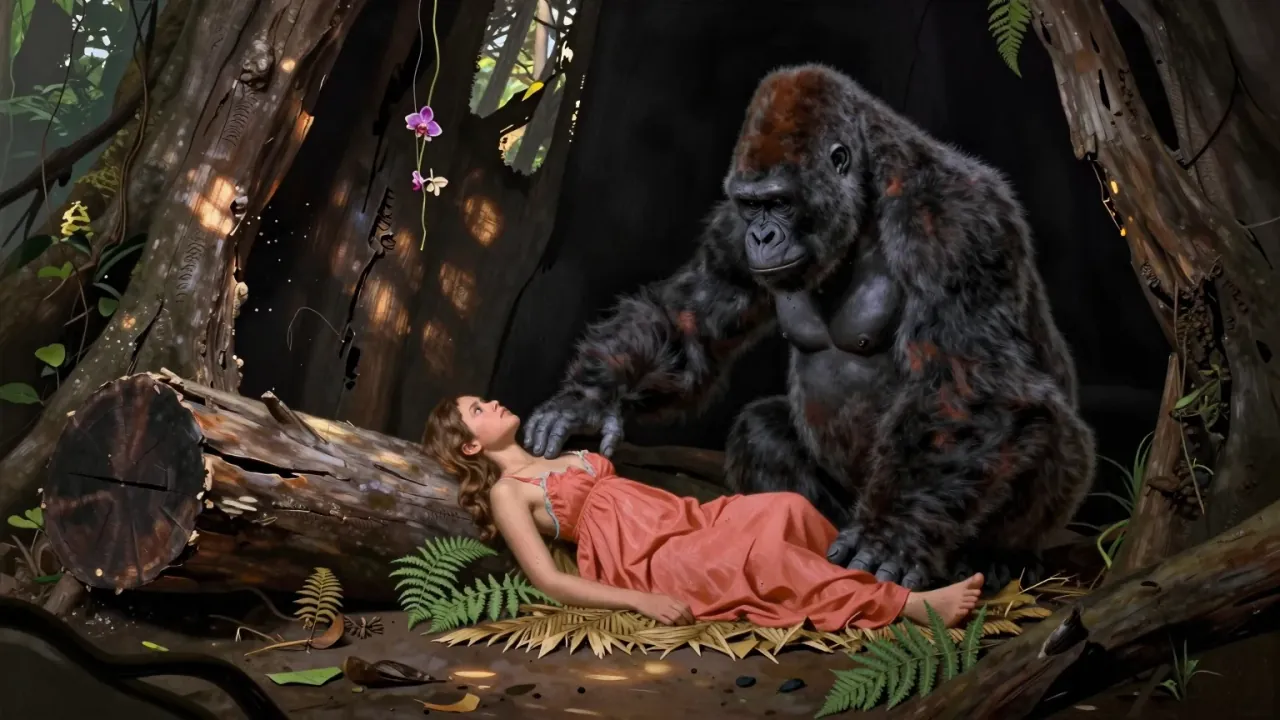
Peter Jackson’s 2005 King Kong is a 187-minute expansion of the 1933 original, set in 1933 and starring Naomi Watts, Jack Black and Andy Serkis as Kong. It balances spectacle with emotional precision, grounding its giant gorilla in behavioural realism and its human drama in period texture. Though criticised for length and uneven character development, it succeeds in making Kong feel alive, vulnerable and irreplaceable — a feat of performance, sound design and sustained vision.

13:00

Lagaan

Ashutosh Gowariker · 2001

A 2001 Hindi-language epic set in 1893 colonial India, where villagers challenged to a cricket match against British officers wager their land tax. Directed by Ashutosh Gowariker and starring Aamir Khan, it blends musical form with historical allegory, foregrounding collective discipline over individual heroism. Shot over months in Gujarat’s Kutch district, its 224-minute runtime sustains drought, training, and match with patient craft — Anil Mehta’s cinematography, A. R. Rahman’s score, Bhanu Athaiya’s costumes. Critically acclaimed, it was India’s third Oscar submission for Best Foreign Language Film.

13:00

Lawrence of Arabia

David Lean · 1962

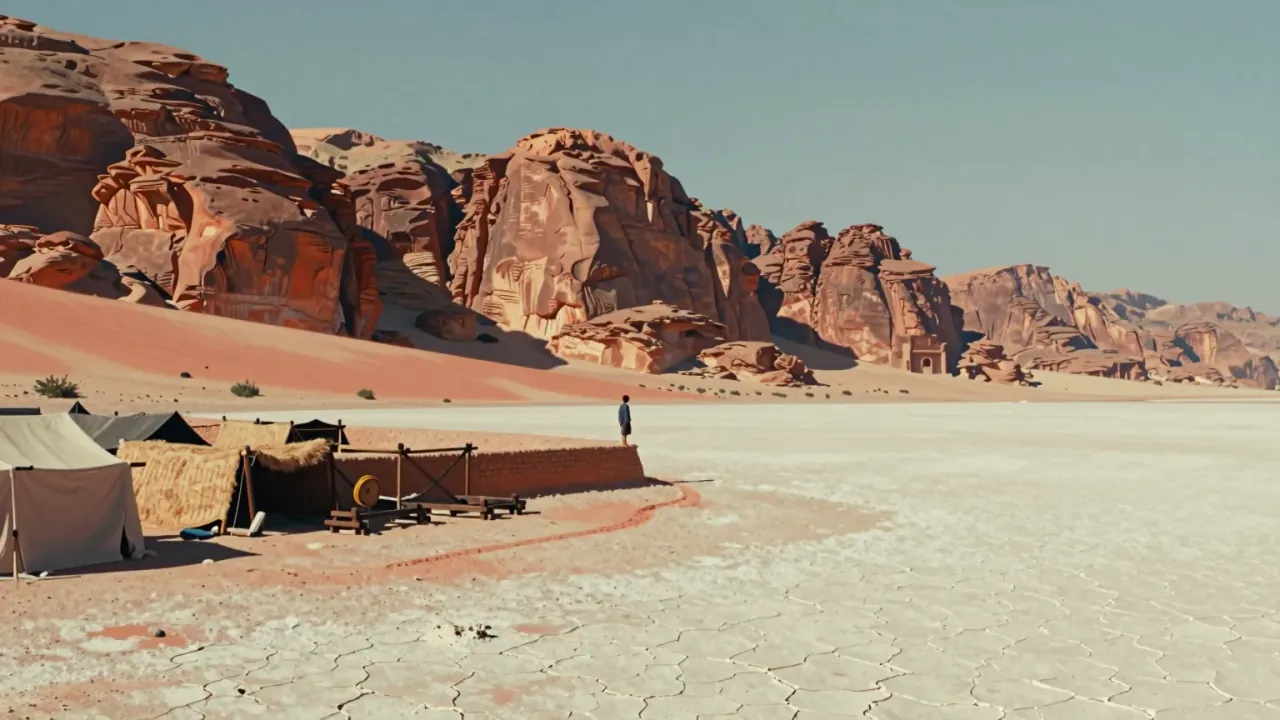
David Lean’s 1962 epic follows T. E. Lawrence’s immersion in the Arab Revolt during the First World War. Peter O'Toole stars in a performance defined by restraint and volatility, supported by Freddie Young’s monumental Super Panavision 70 cinematography and Maurice Jarre’s evocative score. The film prioritises atmosphere over exposition, using vast, still landscapes to chart internal collapse and reinvention. Though rooted in history, it functions as a psychological portrait — of identity, allegiance and the cost of translation between worlds.

13:00

Mother India

Mehboob Khan · 1957

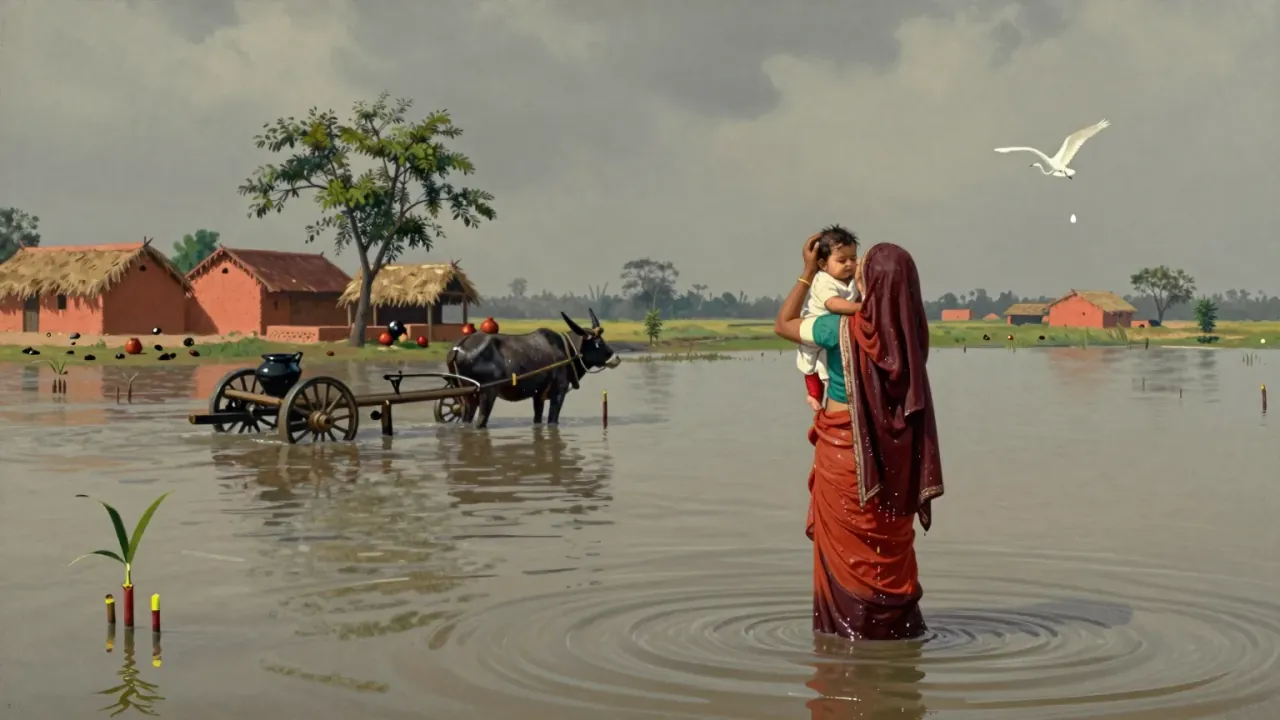
Mother India (1957), directed by Mehboob Khan, is a Hindi-language drama starring Nargis as Radha, a woman who withstands drought, debt, and betrayal to uphold dignity in a newly independent India. Adapted from Khan’s 1940 film Aurat and written by S. Ali Raza, it counters Katherine Mayo’s polemical 1927 book of the same name by casting rural motherhood as the ethical core of the nation. Shot across villages in Maharashtra, Gujarat, and Uttar Pradesh, with music by Naushad and cinematography by Faredoon Irani, it blends vernacular realism and Hindu mythic framing. At 172 minutes, it moves deliberately, anchoring its vision of resilience in agricultural labour, moral choice, and communal endurance.
13:00

Nanook of the North

Robert J. Flaherty · 1922
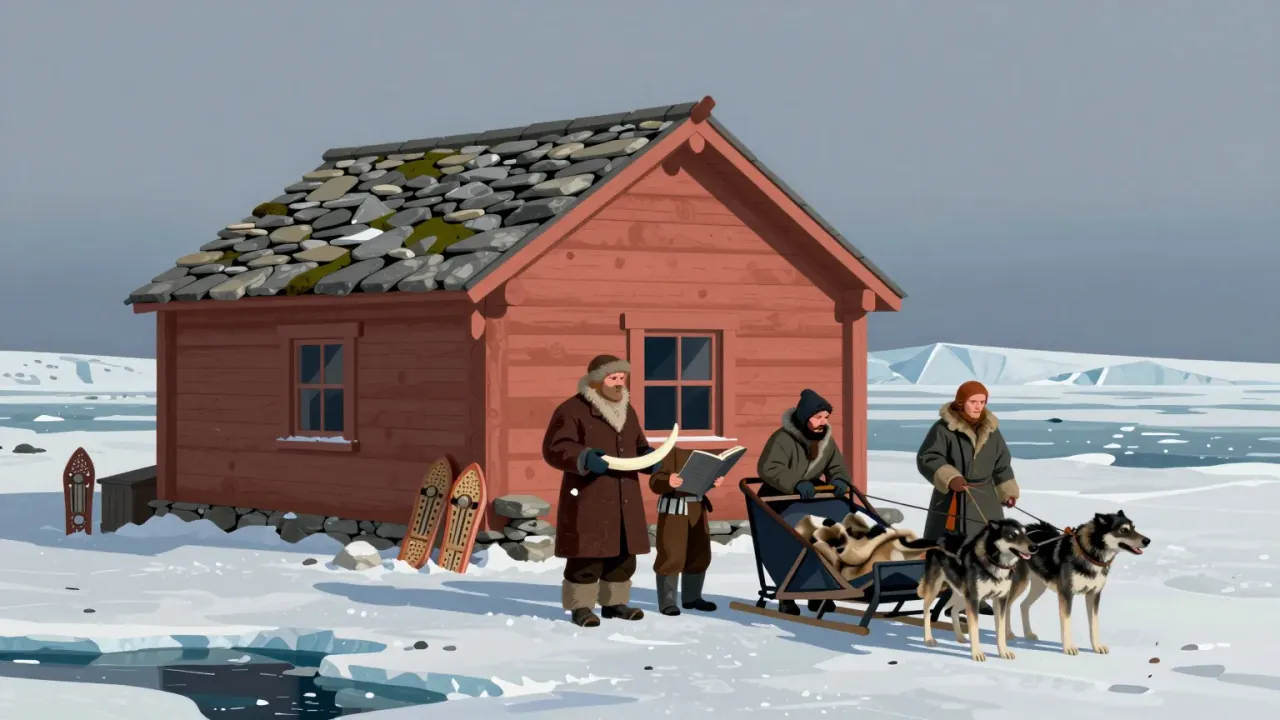
A 1922 silent film directed by Robert J. Flaherty, Nanook of the North follows an Inuk man named Nanook (Allakariallak) and his family in northern Quebec. Shot over fourteen months with one camera and no artificial light, it stages key sequences — including igloo-building and walrus hunting — to render Inuit life visible to southern audiences. Though celebrated as the first commercially successful feature-length documentary, it has been widely critiqued for misrepresenting relationships, omitting colonial context, and romanticising timelessness. Preserved by the Library of Congress in 1989, it remains essential not as ethnography but as a landmark in the ethics and aesthetics of non-fiction cinema.

13:00

Notre musique

Jean-Luc Godard · 2004

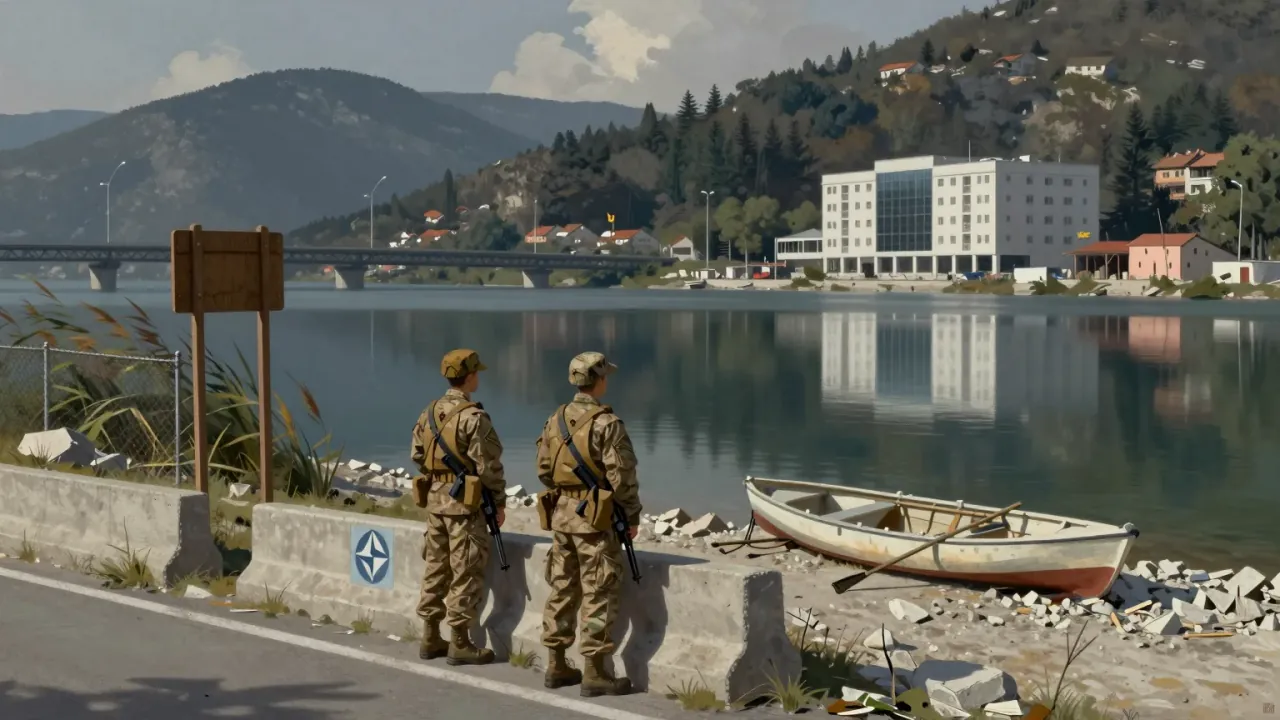
Jean-Luc Godard’s 2004 essay-film Notre musique uses Dante’s tripartite structure — Hell, Purgatory, Heaven — to examine how violence, language, and image condition moral perception. Set around a Sarajevo arts conference, it stages encounters between Israeli and Palestinian voices, philosophers and poets, while critiquing cinematic conventions like shot/reverse shot. Julien Hirsch’s restrained cinematography and Godard’s elliptical editing foreground ethics over exposition. Though formally demanding and emotionally austere, it rewards sustained attention with a rare rigour in thinking through representation itself.

13:00

Once Upon a Time in China

Tsui Hark · 1991

Tsui Hark’s 1991 Hong Kong action-drama stars Jet Li as Wong Fei-hung, a physician and martial artist navigating colonial pressure, legal collapse and local corruption in late-19th-century Foshan. Built around his Po-chi-lam clinic, the film treats kung fu as inseparable from ethics, education and civic responsibility — with fights that serve character, not spectacle, and a climax resolved through perception, not firepower.

13:00

Storm over Asia

Vsevolod Pudovkin · 1928

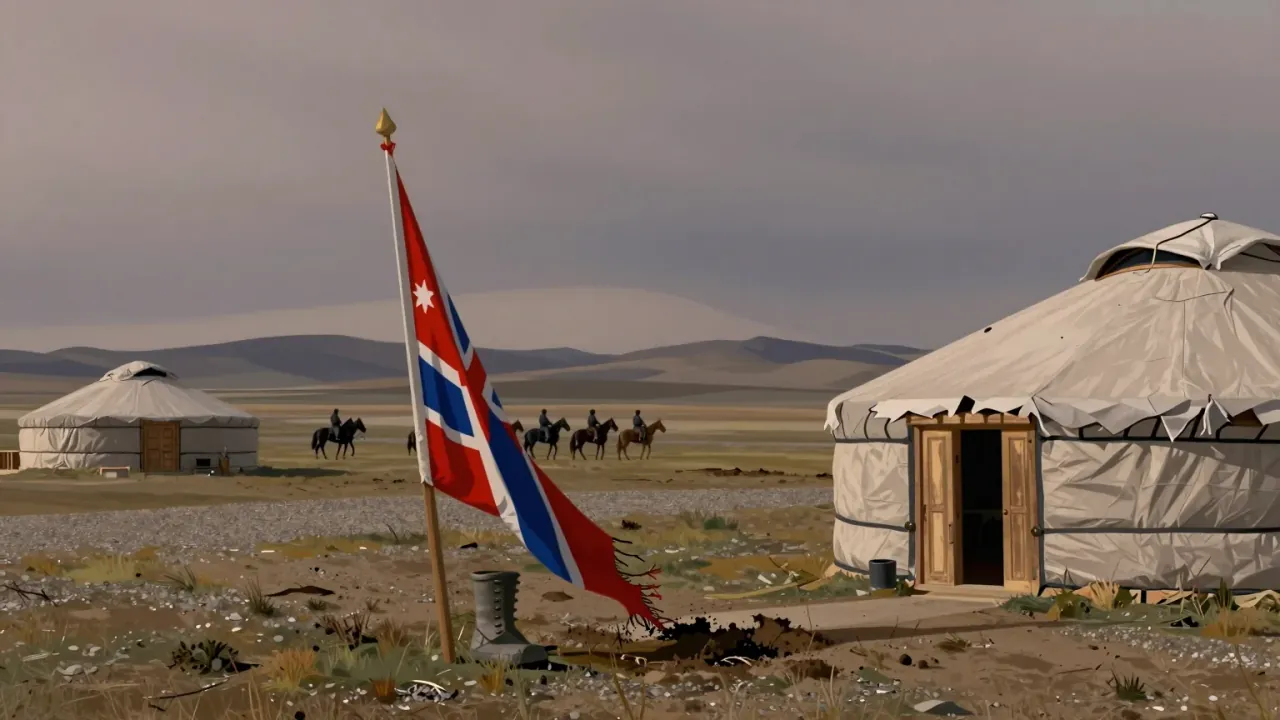
Storm over Asia (1928), directed by Vsevolod Pudovkin, is the final film of his revolutionary trilogy. Set in a fictionalised Mongolia under British occupation, it follows a Mongol trapper elevated to puppet ruler — then turned against his masters. Made by Mezhrabpom-Film with cinematography by Anatoli Golovnya, it uses real Cham dance footage and a tightly controlled visual style to argue that legitimacy is performative, and resistance begins when the performance is reclaimed.

13:00

Swimming to Cambodia

Jonathan Demme · 1987

Spalding Gray sits alone at a table and speaks for eighty-five minutes about filming The Killing Fields, the Khmer Rouge’s rise, and his own search for meaning amid atrocity. Directed by Jonathan Demme and scored by Laurie Anderson, it is a formally austere essay-film built on voice, silence, and the moral weight of first-person recollection—neither documentary nor drama, but something stricter and stranger.

13:00

The African Queen

John Huston · 1951

John Huston’s 1951 drama follows a Methodist missionary and a Canadian boat mechanic who convert a small steamboat into a torpedo vessel to attack a German gunboat in East Africa during the First World War. Shot partly on location in Uganda and the Belgian Congo, it stars Humphrey Bogart (who won Best Actor) and Katharine Hepburn. Its strength lies in restrained performances, Jack Cardiff’s unsentimental Technicolor, and a story that values incremental change over grand revelation — though its colonial framing remains structurally incomplete.

13:00

The Bridge on the River Kwai

David Lean · 1957

David Lean’s 1957 war drama follows British POWs forced to build a railway bridge for their Japanese captors in Thailand. At its centre is Colonel Nicholson, whose obsession with discipline and engineering excellence leads him to collaborate with the enemy — not out of weakness, but conviction. With Alec Guinness, William Holden and Sessue Hayakawa, it is a tightly wound study of pride, obedience and the porous line between order and complicity.

13:00

The Handmaiden

Park Chan-wook · 2016

Park Chan-wook’s 2016 adaptation of Sarah Waters’s Fingersmith relocates the Victorian con plot to 1930s Japanese-occupied Korea, where a handmaiden and a secluded heiress navigate deception, trauma, and liberation across three interlocking narrative sections. Shot by Chung Chung-Hoon and scored by Jo Yeong-wook, it uses meticulous craft to explore literacy as coercion, intimacy as resistance, and colonial complicity as inherited architecture.

13:00

The Leopard

Luchino Visconti · 1963

Luchino Visconti’s 1963 adaptation of Tomasi di Lampedusa’s novel follows Sicilian Prince Don Fabrizio Corbera as he observes — without intervening — the slow displacement of aristocracy by a rising bourgeoisie during the Italian unification of 1860. Starring Burt Lancaster, Claudia Cardinale, and Alain Delon, it is a visually sumptuous, deliberately paced drama whose power resides in accumulation, restraint, and the physical texture of decay.

13:00

The Man Who Would Be King

John Huston · 1975

John Huston’s 1975 film adapts Kipling’s novella into a morally austere, visually grounded account of two British ex-soldiers who impersonate gods in Kafiristan. Michael Caine and Sean Connery anchor a story about ritual, sovereignty, and the material conditions of belief — shot in Morocco and France, scored by Maurice Jarre, and edited with deliberate restraint. It avoids moralising, instead tracing the slow, logical erosion of a lie until only consequence remains.

13:00

The Piano

Jane Campion · 1993

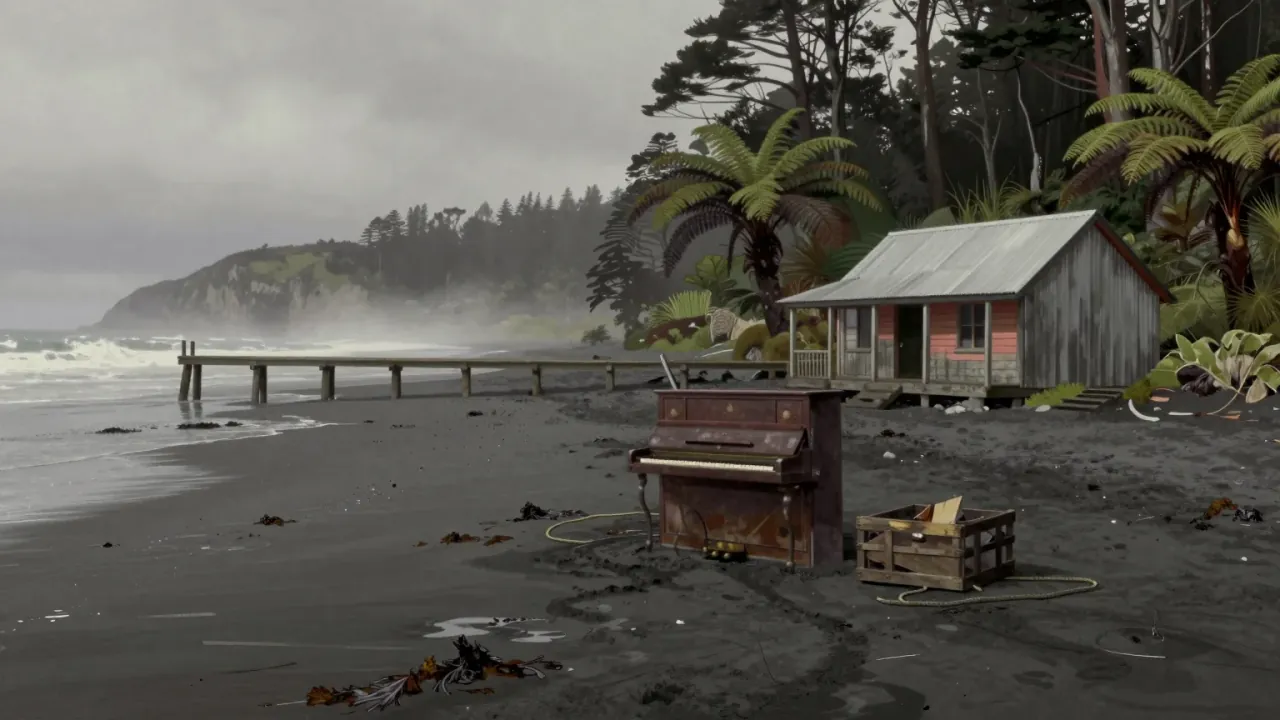
Jane Campion’s 1993 drama follows Ada McGrath, a mute Scottish woman who travels to colonial New Zealand for an arranged marriage, carrying only her daughter and a piano. When her instrument is abandoned on the beach, she negotiates its return with a neighbouring settler — a transaction that unravels into desire, betrayal, violence, and self-reclamation. Anchored by Holly Hunter’s physically exacting performance and Michael Nyman’s insistent score, the film renders interiority through gesture, sound, and resistance rather than speech.

13:00

Aguirre, the Wrath of God

Werner Herzog · 1972

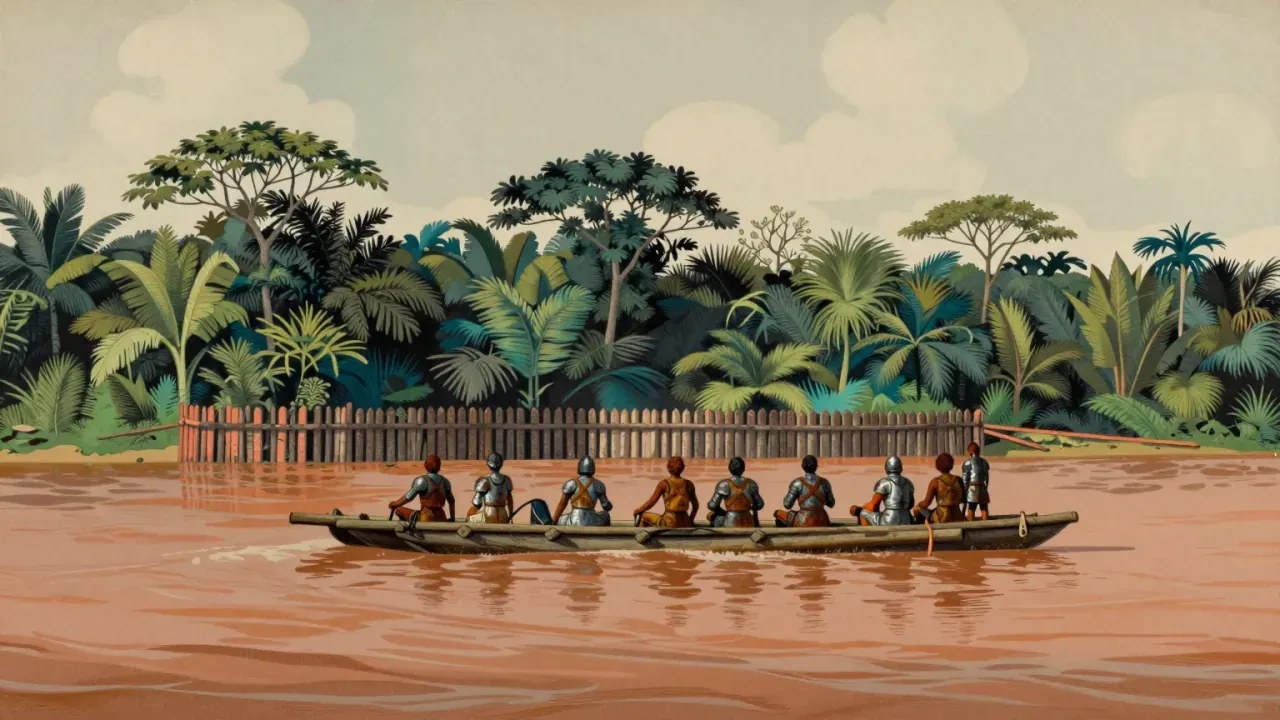
Werner Herzog's 1972 film follows Spanish conquistador Lope de Aguirre, played by Klaus Kinski in the first of five collaborations between the two, as he leads a splinter group of Spanish soldiers deeper into the Amazon in a doomed search for the mythical city of gold, El Dorado. Written in under three days, shot chronologically over five weeks entirely on location in the Peruvian rainforest on a budget of roughly $370,000, and scored by Popol Vuh, the film became a cult favourite whose off-screen production stories, including Kinski's on-set volatility, are nearly as well known as the film itself.

13:00

Apocalypse Now

Francis Ford Coppola · 1979

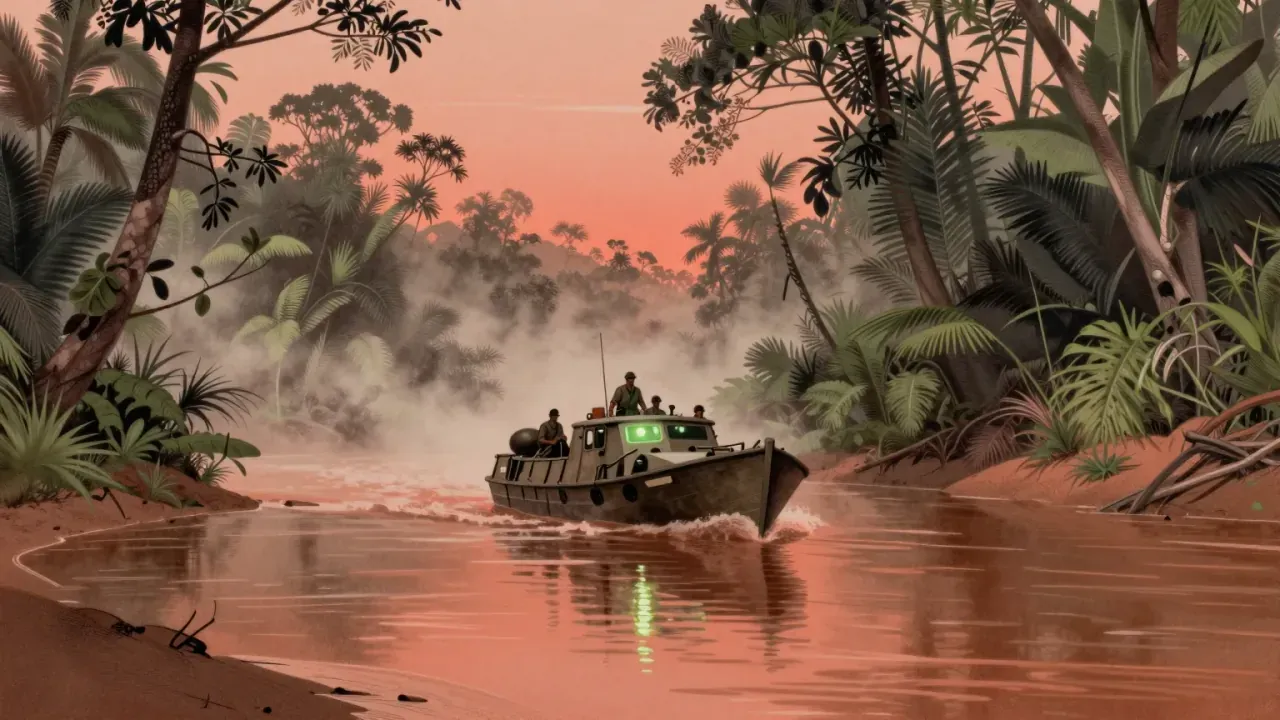
Francis Ford Coppola's 1979 film relocates Joseph Conrad's Heart of Darkness to the Vietnam War, sending Captain Willard up a river into Cambodia to assassinate Colonel Kurtz, a decorated officer who has gone rogue and established himself as a warlord among a private army. Shot by Vittorio Storaro on a production in the Philippines that ran a year over schedule, battered by a typhoon, a leading actor's heart attack and an unprepared, overweight Marlon Brando, it premiered unfinished at Cannes to win the Palme d'Or, and later took home Oscars for cinematography and sound on a budget of $31.5 million against an $83.5 million return.

13:00

Fantastic Planet

René Laloux · 1973

On the planet Ygam, humans called Oms are kept as pets or exterminated as vermin by the giant Draags, until an orphaned Om named Terr escapes his owner with a stolen education headset and helps organise a rebellion. René Laloux directed this 1973 French-Czechoslovak co-production, animated at Prague's Jiří Trnka Studio from designs by Roland Topor, based on Stefan Wul's 1957 novel Oms en série.

13:00

Fitzcarraldo

Werner Herzog · 1982

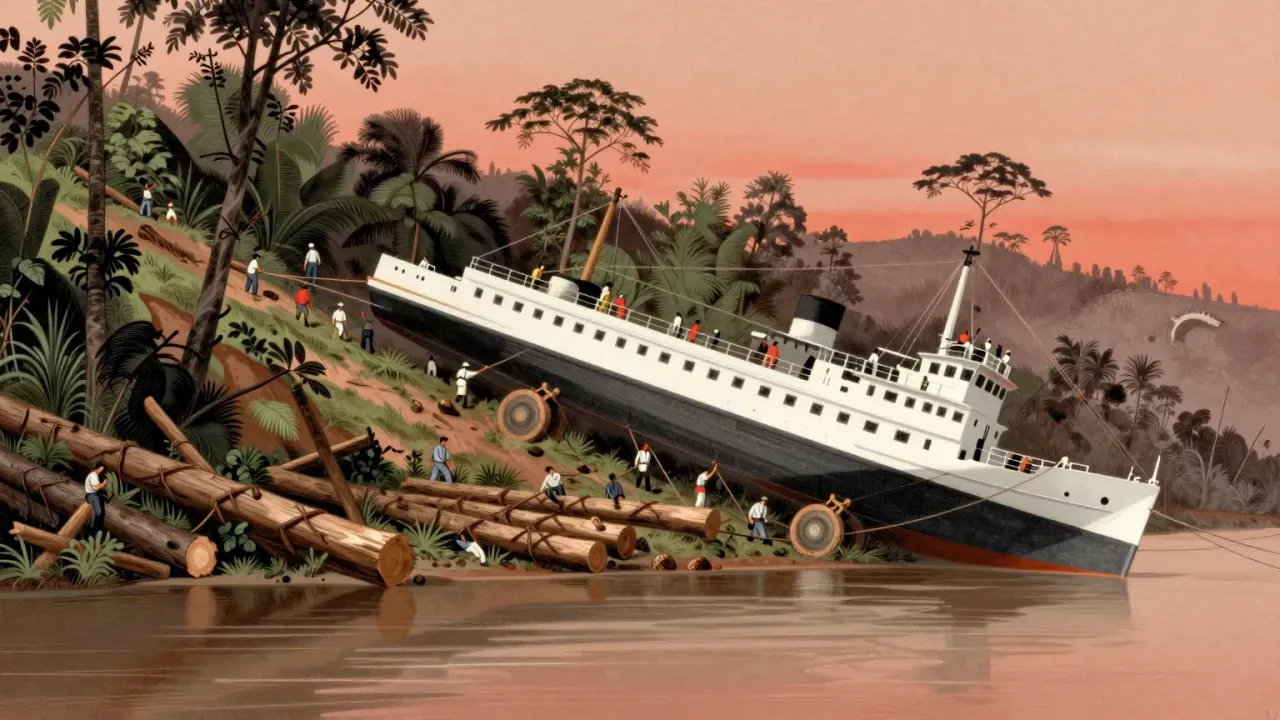
Werner Herzog's 1982 account of an Irish rubber-boom dreamer who portages a real steamship over a Peruvian hillside to fund an opera house, filmed with a real ship, a volatile Klaus Kinski, and none of the effects that would have made it easier.

13:00

Peter Pan

Clyde Geronimi, Wilfred Jackson, Hamilton Luske · 1953

Wendy Darling and her brothers follow Peter Pan to Never Land to escape growing up, then have to help him outwit Captain Hook once they're there. Disney bought the animation rights from Paramount in 1938 and began preliminary work almost immediately, only for the Second World War to divert the studio into government propaganda work for years; production finally resumed after 1945 and the finished film, made for $4 million, became a solid commercial success while carrying a depiction of its Native American characters that has drawn deserved criticism since.

13:00

Raiders of the Lost Ark

Steven Spielberg · 1981

Steven Spielberg's 1981 adventure sends archaeologist Indiana Jones after the Ark of the Covenant, racing Nazi treasure hunters across three continents. Financed by Lucasfilm rather than a studio, built from a George Lucas story and a Lawrence Kasdan script, it swept the technical Academy Awards and became the year's biggest earner despite tracking that predicted it would be overshadowed.

13:00

The Battle of Algiers

Gillo Pontecorvo · 1966

Gillo Pontecorvo's 1966 film reconstructs the Algerian independence struggle against French rule between 1954 and 1957, following FLN fighter Ali La Pointe and the French colonel sent to break the resistance through mass arrest and torture. Cast almost entirely with non-professionals, many of whom had lived through the real events, and shot in a black-and-white newsreel style, the film won the Golden Lion at Venice and was banned in France for years for the discomfort of its subject.

13:00

The Jungle Book

Wolfgang Reitherman · 1967

Mowgli, a boy raised by wolves in the Indian jungle, is walked toward the safety of a human village by the panther Bagheera and the bear Baloo while the tiger Shere Khan hunts him. Story artist Bill Peet developed an early, darker treatment closer to Rudyard Kipling's original stories before Walt Disney rejected it as unsuited to a family audience, replacing Peet with a new writing team who leaned into comedy and music instead. It became the last animated feature Disney oversaw personally before his death partway through production.

13:00

Wolfwalkers

Tomm Moore, Ross Stewart · 2020

Robyn, an English hunter's daughter in occupied Ireland, is sent to help exterminate the last wolf pack outside Kilkenny and instead befriends Mebh, a girl from a wolf-linked tribe whose spirit runs as a wolf by night, discovering along the way that a bite has made her one of them too. Tomm Moore and Ross Stewart's Cartoon Saloon feature, the third in Moore's Irish folklore trilogy, builds its visual design and its politics from the same conflict, an authoritarian Lord Protector's rule against nature versus everything the forest represents.