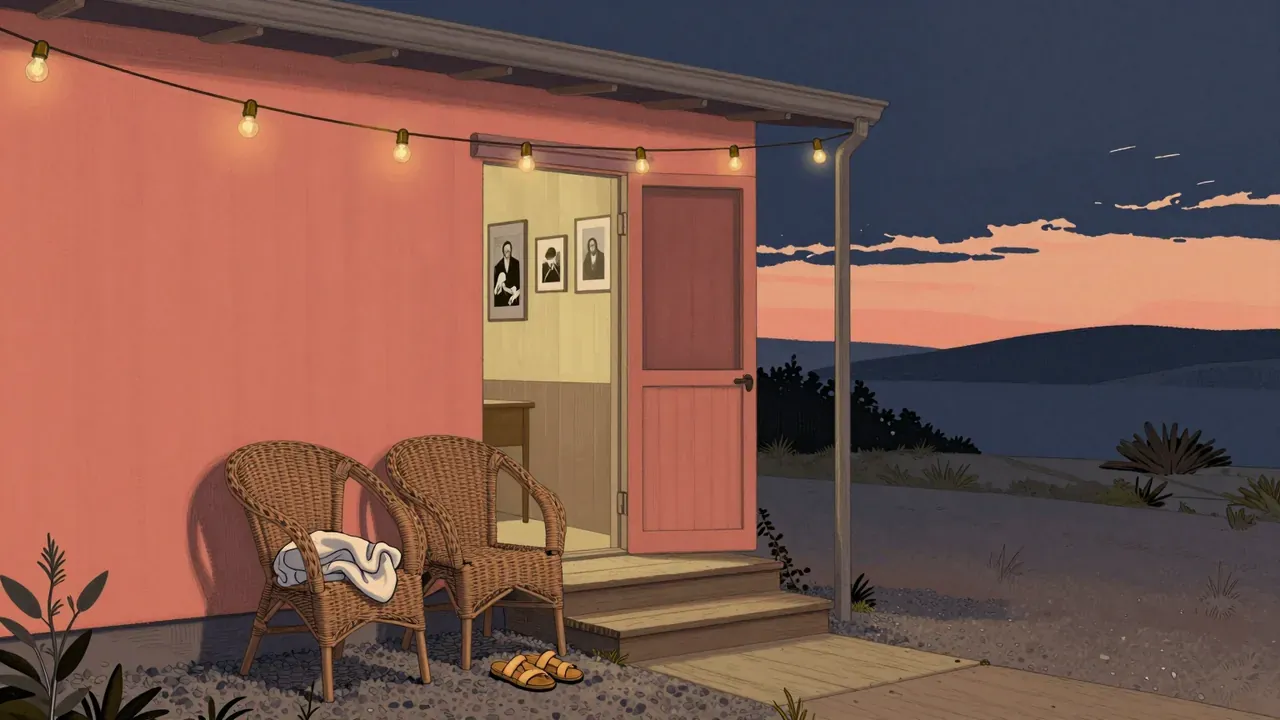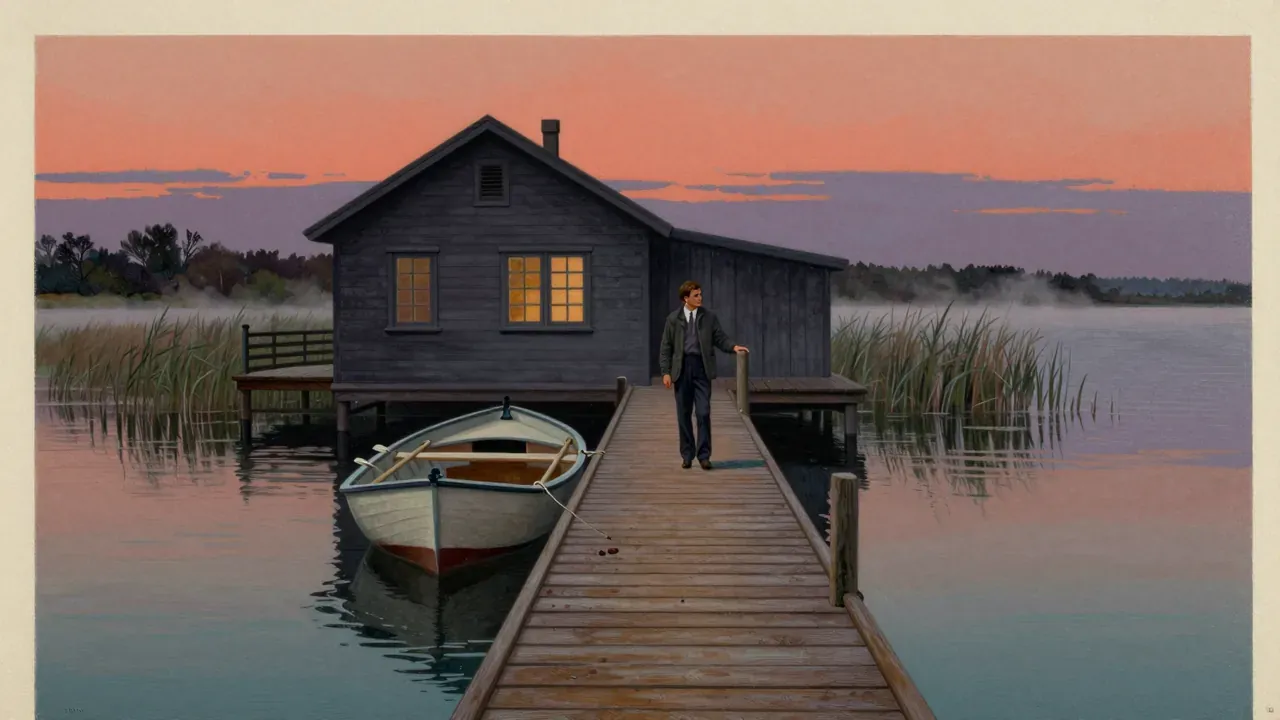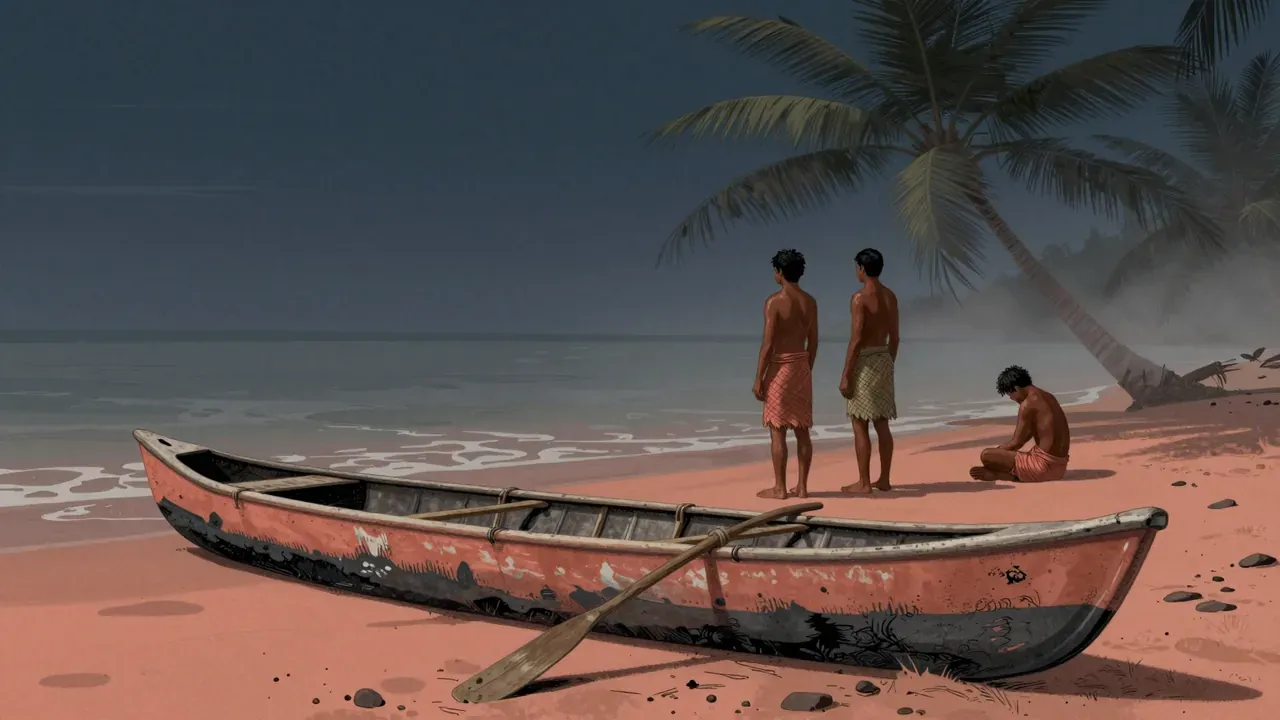
The look of it
Magellan is a historical epic that reframes the 1519–1521 Magellan expedition not as discovery but as myth-making — specifically, as an act of colonial narrative fabrication. Lav Diaz sets out to dismantle the official record by treating Lapulapu not as a documented resistance leader but as a rhetorical device invented by Rajah Humabon to manipulate belief and consolidate power. The film’s ambition is structural as much as thematic: it uses the biopic form against itself, hollowing out Magellan’s agency while amplifying the silence around Beatriz, Enrique, Juana and other figures erased or flattened in chronicles. Shot across the Philippines, Portugal and Spain, it treats geography as palimpsest — the same coastal light in Mauban and Cádiz becomes a visual echo chamber for repetition, erasure and return. Diaz does not reconstruct history; he re-archives it, using slow cinema’s durational logic to expose how time itself is colonised in the telling. The Portuguese-language script, Gael García Bernal’s deliberate, uncharismatic Magellan and Hazel Orencio’s quietly observant Juana all serve this recalibration. This is not revisionism as correction, but revisionism as method.
The weight of speech
The story unfolds in long, static tableaux lit with chiaroscuro precision by Arthur Tort and Diaz, each shot held until its weight settles — a wounded Magellan on a Malacca dock, Enrique praying silently before a carved anito, Humabon’s face half in shadow as he whispers the name ‘Lapu-Lapu’ into the dark. Performances avoid psychology in favour of posture and pause: Bernal moves with bureaucratic stiffness, Dario Yazbek Bernal’s Enrique speaks little but watches everything, Brontis Jodorowsky’s Humabon delivers lines like incantations. The editing — also by Diaz — refuses montage, instead stitching scenes through duration and ambient sound: wind over water, fire crackling, distant chants. Cinematography favours 4:3 framing and Panasonic GH7 sensors, yielding grainy, tactile images that recall Renaissance altarpieces more than documentary realism. There is no score; music enters only diegetically — a hymn, a drum, a child’s lullaby in Cebuano. Costume, production design and language use (Portuguese, Cebuano, Spanish) are rigorously sourced, yet never offered as authenticity — rather, as evidence of translation’s violence.
The shape of the lie
What lands most firmly is the film’s central conceit: that Lapulapu is a fiction deployed as political technology. Diaz renders this not as provocation but as quiet inevitability — the camera holds on Juana’s face as she warns of divine retribution, then cuts to Humabon’s men rehearsing the wak-wak legend under palm fronds. The sequence where Magellan’s crew first hear the name ‘Lapu-Lapu’ is played without irony, as if the word itself carries gravitational force. The battle at Mactan arrives not with spectacle but with disorientation: off-screen shouts, sudden silence, then Enrique’s voice-over, calm and uninflected, dismantling the myth just as it has been built. The film’s slowness is functional, not aesthetic — it forces attention onto what is omitted from official accounts, particularly the labour of translation, the weight of pregnancy deferred, the ritual logic of conversion. Even the replica Victoria ship feels less like set dressing than a relic whose presence questions what counts as evidence. These choices cohere into something rare: a historical film that treats history as process, not product.
The length of the voyage
What does not land is the film’s attempt to sustain dramatic tension across its 156 minutes without recourse to conventional stakes or character arcs. Magellan remains stubbornly opaque — not enigmatic, but inert — and while this serves the thesis, it leaves little emotional purchase for viewers unfamiliar with Diaz’s practice. The extended sequences aboard ship, though visually exacting, risk monotony when divorced from psychological or narrative escalation. Some transitions between locations feel abrupt, not elliptical: the jump from Lisbon to Seville, for instance, lacks the textural continuity that anchors the Philippine and Spanish coastal passages. The decision to shoot in Portuguese — a language neither Bernal nor most of the Filipino cast speak natively — results in moments of audible strain that undercut immersion without adding semantic layering. And while the film’s refusal of heroic framing is consistent, it occasionally slips into detachment: Juana’s grief over her stillborn child is rendered in a single, motionless shot that reads as austerity rather than restraint. These are not flaws in isolation, but accumulations — small resistances to engagement that compound over time.
The grammar of power
The themes that matter are not colonialism as event but colonialism as epistemic infrastructure — how power shapes what can be known, who gets to name, and which absences become foundational. Diaz treats myth not as falsehood but as operational tool: Humabon’s invention of Lapu-Lapu functions like a legal fiction or a financial derivative — real in its effects, unverifiable in its origin. Language is equally instrumental: Enrique’s bilingualism is both lifeline and trap, his translation enabling conversion while erasing nuance. The film also interrogates time as discipline — the voyage’s length is not measured in leagues but in diminishing rations, decaying bodies, accumulating superstition. Christianity enters not as doctrine but as administrative protocol, its rituals mirroring the blood compact or the burning of anitos. Even Beatriz’s absence — present only in Magellan’s dreams and in the nine-hour cut Beatriz The Wife, still unreleased — becomes a structural argument about historiography: her story is literally excised from the theatrical version, leaving a void the viewer must inhabit. These are not themes illustrated but enacted, embedded in rhythm, silence and framing.
The terms of entry
This film is for viewers who treat duration as material — those accustomed to the pacing of Pedro Costa, Albert Serra or early Tarkovsky, and who read long takes as propositions, not tests. It rewards attention to texture: the grain of skin in low light, the tremor in a hand holding a Santo Niño statuette, the way smoke curls from a burnt idol. It is not for those who require narrative propulsion, psychological exposition or moral clarity — viewers expecting a critique of colonialism delivered through clear cause-and-effect will find the film withholding. Those who associate ‘epic’ with scale rather than scope may misread its austerity as emptiness. The film assumes familiarity with slow cinema grammar; without that context, its repetitions feel arbitrary, not dialectical. Its rigour is uncompromising — there is no concession to accessibility beyond the 156-minute runtime, which remains dense and demanding. A viewer who values historical fidelity over historical interrogation will likely reject its premises outright. Nothing in the film softens its stance; its value lies precisely in that refusal.
The cost of attention
Yes, it is worth your evening — but only if you arrive prepared to sit inside its silences, not wait for them to resolve. Its 156 minutes ask for sustained attention, not passive consumption, and reward that attention with cumulative, unsentimental insight. It is not entertainment, nor is it didactic; it occupies a third space — one where history is treated as contested ground, and every frame is a citation. Those who find value in films that retrain perception — that make the familiar strange, the official uncertain — will leave unsettled but clarified. Anyone seeking catharsis, resolution or even a coherent portrait of Magellan will leave frustrated. The verdict rests on whether you accept that a film can be politically urgent without raising its voice — and whether you trust slowness not as delay, but as method. If you do, this is among the most rigorously conceived historical films of the decade. If you do not, no amount of critical acclaim will bridge the gap.