The look of it
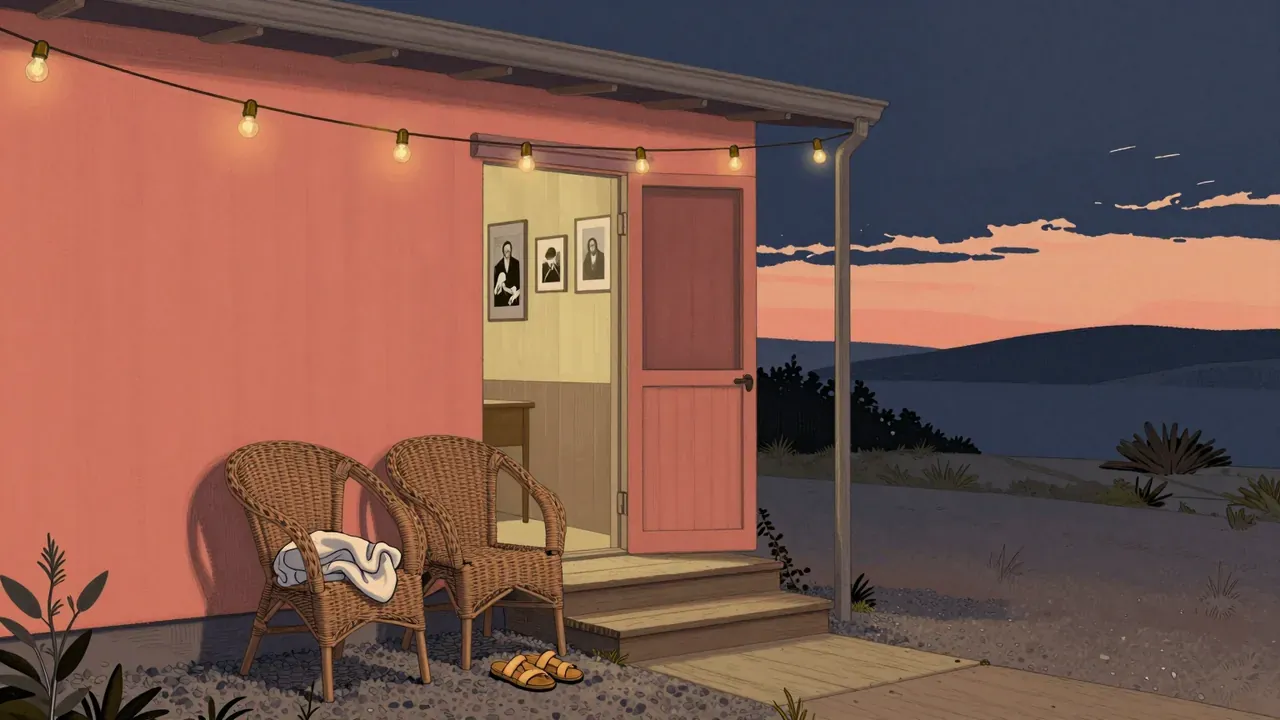
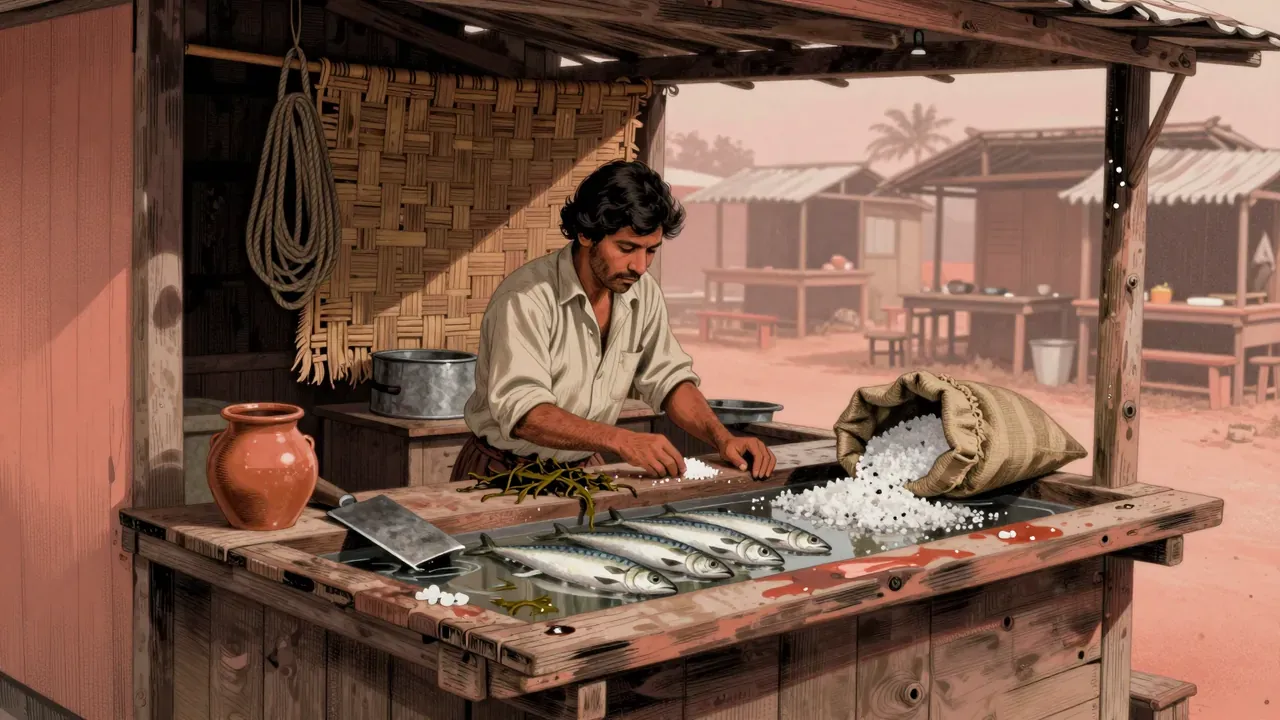
Insiang is a 1976 Philippine drama set in the slums of Tondo, Manila, and it attempts to render urban poverty not as backdrop but as structural force — shaping desire, distorting kinship, and corroding moral choice. It does so without recourse to exposition or voiceover, anchoring its argument in the physical reality of cramped rooms, open drains, fish-market stench, and laundry hung over alleyways. The film’s ambition is neither sociological survey nor symbolic allegory, but something narrower and sharper: to trace how betrayal becomes habitual, how revenge arrives not as catharsis but as exhaustion, and how love and violation can occupy the same gesture. Its formal restraint — long takes, minimal music, unvarnished performances — serves this aim. It refuses uplift, avoids moral framing, and declines to position Insiang as either victim or heroine. Instead, it holds her actions at arm’s length, letting cause and consequence unfold in sequence, not in judgment. This is not a film about injustice being exposed; it is one in which injustice is the air the characters breathe, and the script gives them no vocabulary to name it.
How it holds its breath
The story follows Insiang’s slow, unheroic hardening after rape and abandonment, structured around three violations — by Dado, by Bebot, and finally by Tonya’s complicity — each met not with protest but recalibration. Hilda Koronel, then 18, performs with a stillness that reads less as technique than as containment: her face rarely opens, her eyes stay low, her body stays small until the moment it doesn’t. Mona Lisa’s Tonya is all brittle volubility, her resentment coiled like wire; Ruel Vernal’s Dado moves with the casual menace of someone who has never had to justify himself. Conrado Baltazar’s cinematography keeps the light flat and the frames tight — no establishing shots, no scenic relief. The camera stays close, often at shoulder height, refusing distance or hierarchy between observer and observed. There are no score swells, no cutaways to signify emotion. Even the rape scene is shot in two unbroken takes: one from the doorway, one from the bed’s edge, both withholding more than they reveal. The editing is functional, almost documentary — scenes end when action ends, not when meaning settles.
Where the weight settles
What lands is the cumulative weight of routine cruelty — the way Tonya’s slap lands not as shock but as punctuation, the way Insiang’s silence after Bebot abandons her registers not as grief but as recalibration. The film’s power lies in its refusal to separate moral failure from material constraint: Tonya’s bitterness is legible as consequence, not character flaw; Dado’s entitlement feels less like pathology than like the default setting of a system that rewards male mobility and punishes female visibility. The final prison visit lands because it offers no resolution — only Insiang’s tearful hug, Tonya’s cold admission, and the unspoken fact that neither woman has gained ground. The restoration sharpens these effects: grain is present but not oppressive, contrast is held in check, and the Tagalog dialogue retains its dry, uninflected cadence. Critics responded to this precision — the 100% Tomatometer reflects consensus on execution, not sentiment. It is a film that earns its bleakness through accumulation, not assertion.
What it leaves out
What does not land is any sense of interiority beyond what action and reaction provide. Insiang’s thoughts remain inaccessible; her motivations are inferred, never voiced. Some viewers will find this withholding alienating, particularly where emotional turning points occur off-screen — Bebot’s departure, Dado’s confession, even the murder itself happens just outside frame. The film assumes fluency in its social grammar: the significance of market hierarchies, the unspoken rules of shared shanty housing, the gendered labour of laundry and fish-selling. Without that context, gestures read as opaque rather than economical. The pacing, too, resists modern attention economies — scenes hold longer than expected, transitions lack emphasis, and the absence of musical cues means mood must be parsed from posture and pause. It is not that the film lacks craft, but that its craft serves a specific, unsentimental purpose: to deny the viewer the comfort of interpretation. That discipline may read as austerity, or worse, indifference.
What it says about justice
The themes that matter are not abstract but embedded: how poverty reshapes time (waiting, enduring, surviving), how kinship becomes transactional under scarcity, and how vengeance fails to restore agency — it merely redistributes harm. The film treats rape not as singular trauma but as one node in a network of coercions: economic, generational, sexual. Tonya’s resentment is not displaced; it is redirected, with full awareness of its cost. Insiang’s revenge is not triumphant but recursive — she engineers Bebot’s beating knowing it will deepen her isolation. The film’s most persistent theme is the erosion of choice: every decision is made within narrowing margins, and every ‘freedom’ (Dado’s mobility, Bebot’s flight, Tonya’s knife) reveals itself as another form of entrapment. There is no exit, only recalibration. The Tondo setting is not metaphorical — it is literal, lived, and inescapable. The film’s political force lies in this refusal to universalise: it speaks of one place, one class, one moment, and makes no claim to represent anything beyond it.
Who it meets halfway
This film is for viewers who value narrative economy over exposition, who trust performance over psychology, and who accept that some stories conclude not with clarity but with quiet collapse. It suits those accustomed to arthouse pacing and unmediated sound design, and those interested in postcolonial urban realism outside Western frameworks. It is not for viewers who require moral signposting, emotional payoff, or character arcs that resolve. Those expecting catharsis from the revenge plot will be disappointed; those seeking historical context or sociological analysis will find none. It is also not suited to first-time viewers of Philippine cinema unfamiliar with Brocka’s stripped-down style, or to those sensitive to prolonged depictions of coercive control without narrative intervention. A viewer who values thematic coherence over emotional release will find it rigorous; one who relies on affective cues will find it withholding. Its demands are formal and ethical, not technical.
Why it lasts
Yes, it is worth your evening — provided you approach it as a study in compression, not catharsis. Its 95 minutes pass without flourish, but they accumulate with weight: each scene tightens the knot, each silence deepens the implication. It repays attention not through revelation but through repetition — the same alley, the same market stall, the same gesture of dismissal — until pattern becomes structure. Those who dismiss it as ‘bleak’ miss its precision; those who call it ‘gritty’ mistake texture for message. Its value lies in what it refuses: uplift, explanation, redemption. It is not for everyone — but for those willing to sit with discomfort without resolution, it remains unmatched in its economy and authority. Anyone who has watched Manila in the Claws of Light and found its lyricism persuasive will recognise Insiang’s austerity as the same filmmaker’s other register. To skip it is to miss half of Brocka’s vision.