filmbriefs
Topic

Existentialism

Freedom without instructions, and the anxiety that comes with it.

86
in film
13:00
average
1118 min
in total
106
across the network
Existentialism across the network →
All briefs86
13:00

About Dry Grasses

Nuri Bilge Ceylan · 2023

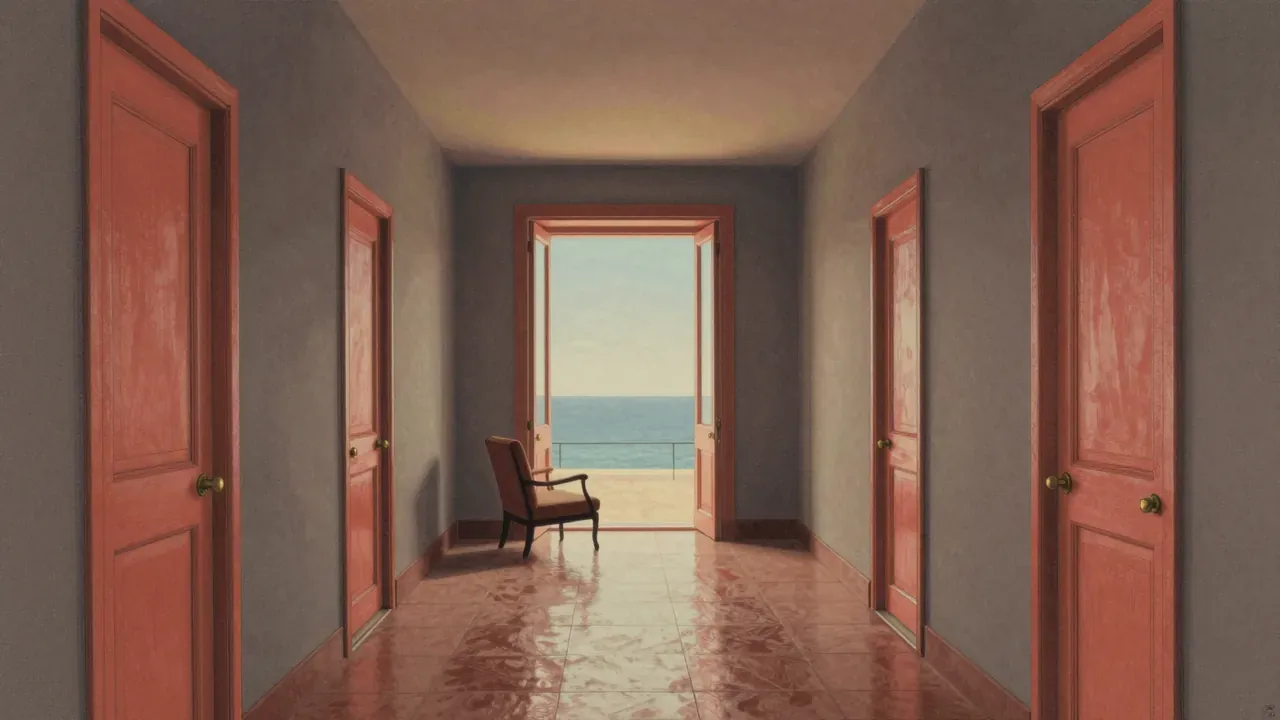
Nuri Bilge Ceylan’s About Dry Grasses follows a disillusioned Istanbul teacher stationed in eastern Anatolia after he and a colleague face student accusations. Shot in Erzurum and Adıyaman by Kürşat Üresin and Cehavir Şahin, the film unfolds across winter in long takes and muted tones, anchored by Merve Dizdar’s Cannes-winning performance. Co-written by Ceylan, Ebru Ceylan and Akın Aksu, it resists narrative resolution in favour of sustained atmosphere, probing education, geography and epistemic limits without recourse to exposition or catharsis.

13:00

Anna's Meetings

Chantal Akerman · 1978

Chantal Akerman’s 1978 film follows Anne Silver, a Belgian filmmaker travelling across Western Europe to promote her work. She meets lovers, friends, family and strangers, but remains emotionally detached. Shot in restrained, observational style by Jean Penzer and edited by Francine Sandberg, the film builds its power through duration, repetition and unspoken tension — culminating in Anne alone, listening to unanswered messages. It is a study in autonomy, exhaustion and the quiet persistence of loneliness.

13:00

Baxter, Vera Baxter

Marguerite Duras · 1977

Baxter, Vera Baxter (1977) is a French arthouse drama written and directed by Marguerite Duras. Set largely in a rented seaside villa, it follows Vera Baxter as she receives two visitors and recounts fragments of her marriage. With Delphine Seyrig, Noëlle Châtelet, and Claudine Gabay, the film uses stillness, repetition, and architectural framing to explore existential exhaustion, bourgeois entrapment, and the silent circuits of duty. Carlos d’Alessio’s sparse score and unhurried editing reinforce its austere tone.

13:00

Before Sunrise

Richard Linklater · 1995

Two strangers meet on a train, disembark in Vienna, and spend twelve hours walking the city, talking, hesitating, revealing, and connecting. There is no plot beyond that; no music swells, no camera lingers on faces for effect, no external drama intrudes. What remains is the texture of real conversation, the weight of time passing, and the quiet ache of something meaningful that cannot last.

13:00

Beware of a Holy Whore

Rainer Werner Fassbinder · 1971

Rainer Werner Fassbinder’s 1971 drama Beware of a Holy Whore stages the slow disintegration of a film crew stranded in a Spanish hotel, awaiting production that never begins in earnest. Shot by Michael Ballhaus and edited by Fassbinder and Thea Eymèsz, it uses repetition, confinement and unresolved tension to explore self-deception, dependency and the violence of creative collaboration.

13:00

Beyond the Law

Norman Mailer · 1968

Norman Mailer’s 1968 film is a self-financed, largely unscripted experiment set over one night in a Manhattan police station, following detectives and suspects through interrogations, lineups, and personal fallout. Shot with three crews over four nights, it uses improvisation to probe the psychological and ethical continuities between law enforcement and criminality — a theme Mailer pursued across his writing. Though technically rough and narratively diffuse, its rawness serves its purpose: to show power not as policy but as habit, posture, and proximity.

13:00

Blast of Silence

Allen Baron · 1961

Blast of Silence is a 1961 American neo-noir crime film written, directed by, and starring Allen Baron. Set over Christmas week in New York City, it follows Frankie Bono, a hitman returning to his hometown to carry out a contract killing. Shot on location without permits and scored with stark minimalism, the film leans on atmosphere, silence, and moral ambiguity rather than plot mechanics. Its narration — written by blacklisted Waldo Salt and voiced uncredited by Lionel Stander — adds a layer of literary distance. Though modest in budget and scope, it endures as a precise, unsparing study of alienation and consequence.

13:00

Boy Meets Girl

Leos Carax · 1984

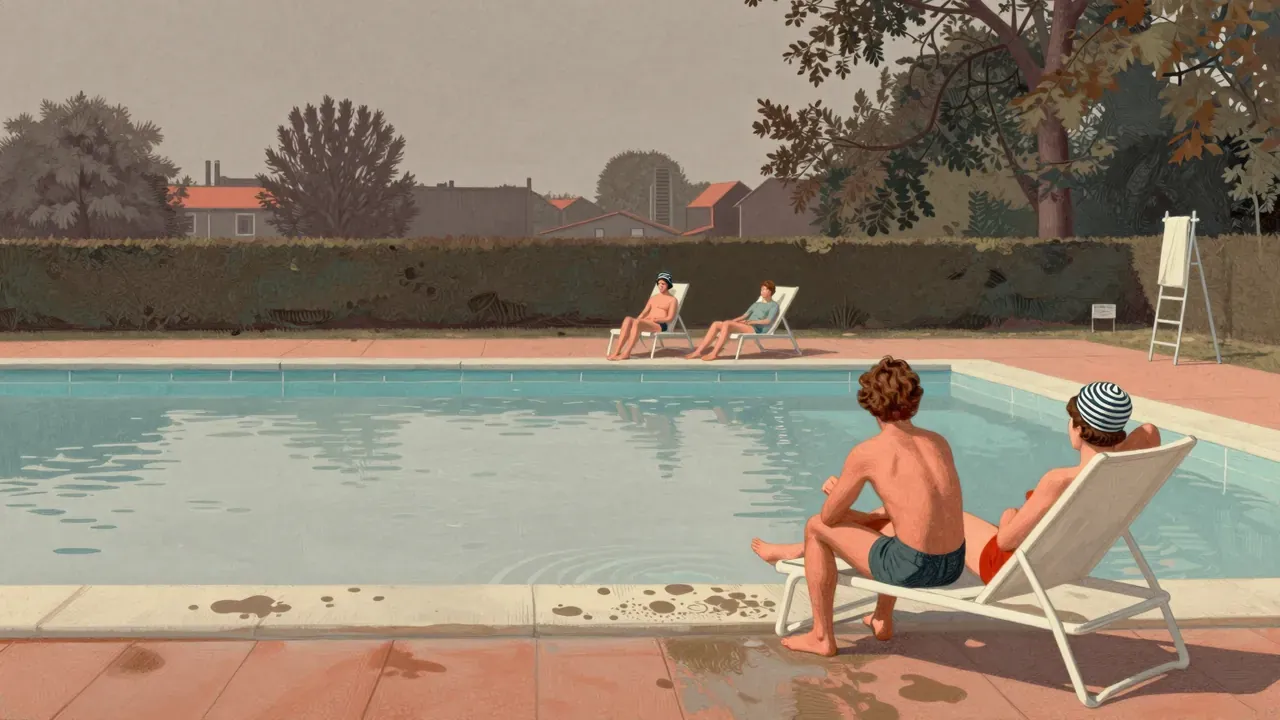
Leos Carax’s 1984 debut is a black-and-white French drama following Alex, a jaded aspiring filmmaker, and Mireille, a woman teetering on self-erasure, as their paths intersect in a heat-struck Paris. Built on eavesdropping, misdirection, and withheld emotion, it privileges texture over trajectory—using tight framing, sparse sound, and restrained performances to evoke post-adolescent stasis. Though structurally reliant on coincidence and stylistically indebted to the French New Wave, its emotional precision and formal control mark an unmistakable arrival.
13:00

Cléo from 5 to 7

Agnès Varda · 1962

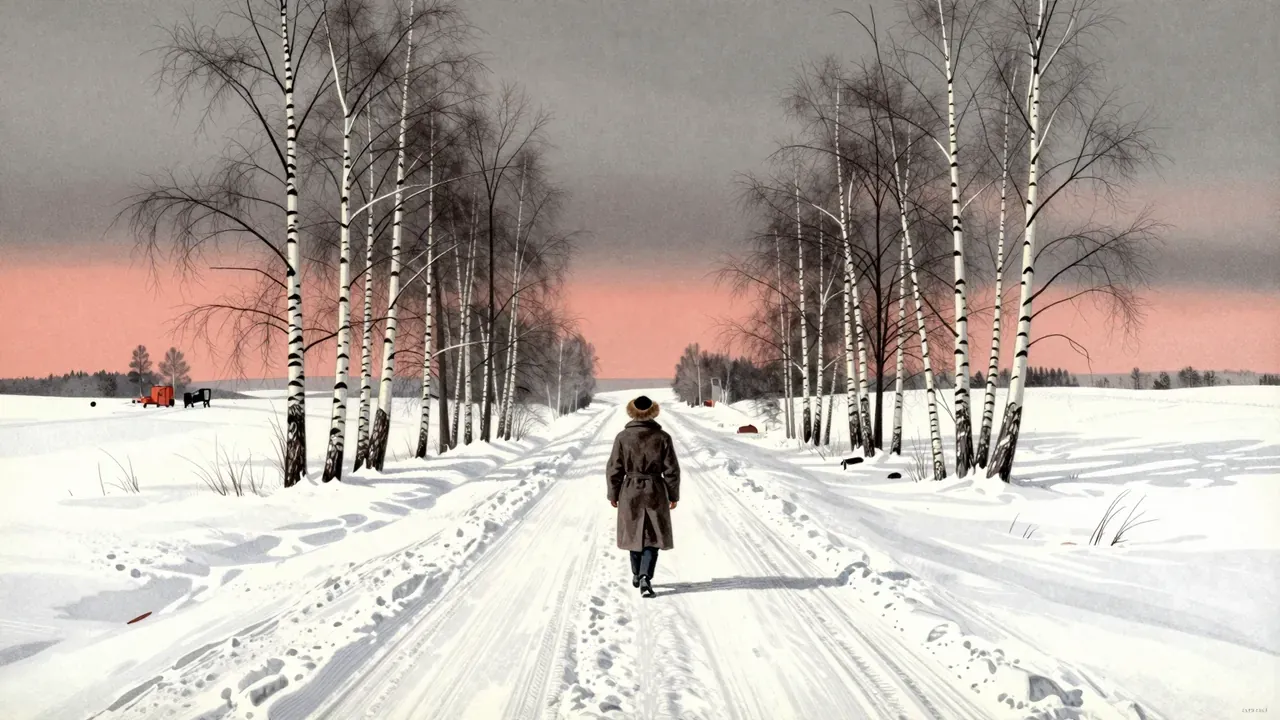
Agnès Varda’s 1962 French New Wave drama follows singer Cléo Victoire across 90 minutes of real time in Paris as she awaits biopsy results. Shot in natural light with minimal score, it centres Corinne Marchand’s physically precise performance and treats dread, identity, and connection as textures to be observed, not resolved. Structurally rigorous and emotionally unhurried, it remains a landmark of feminist, humanist filmmaking.
13:00

Cul-de-sac

Roman Polanski · 1966

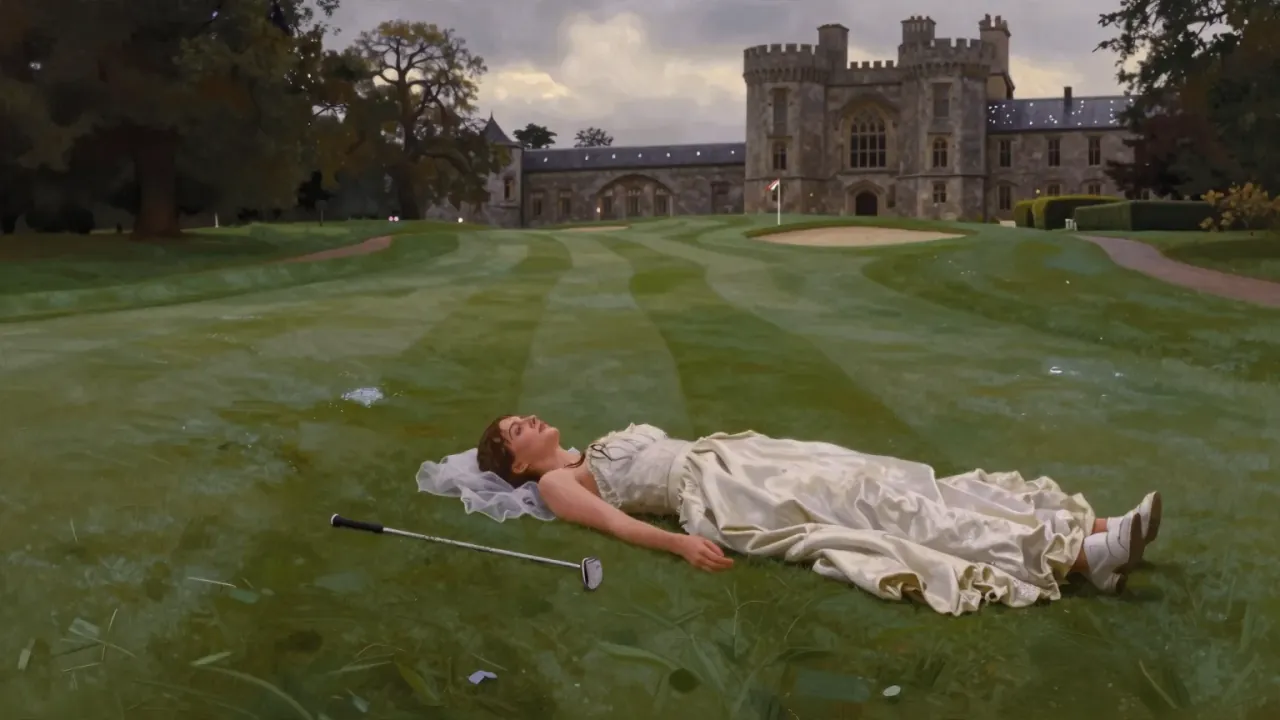
Roman Polanski’s 1966 Cul-de-sac follows two injured American gangsters who take refuge in a remote Northumberland castle owned by a brittle Englishman and his French wife. Trapped by the tide and their own unraveling composure, the four characters enact a series of increasingly absurd rituals — a beachside wake, a forced dinner party, a futile escape attempt — until all pretence collapses. Shot on location at Lindisfarne Castle, the film uses geography, silence, and precise performance to explore alienation, failed masculinity, and the fragility of domestic order. It won the Golden Bear at Berlin in 1966.

13:00

Dillinger Is Dead

Marco Ferreri · 1969

Marco Ferreri’s 1969 Italian drama follows Glauco — a gas-mask designer played by Michel Piccoli — over one night in his Milan apartment. He cooks, watches films, cleans a revolver found in a 1934 newspaper, seduces the maid, rehearses suicide, and finally kills his sleeping wife before fleeing to Tahiti as a yacht chef. Shot by Mario Vulpiani with clinical detachment and scored sparingly by Teo Usuelli, the film treats bourgeois comfort as a sealed, suffocating environment. It is arthouse cinema at its most austere: refusing psychology, satire, or resolution, it renders alienation not as theme but as physical law.

13:00

Every Man for Himself

Jean-Luc Godard · 1980

Every Man for Himself (1980) is Jean-Luc Godard’s rigorously structured drama, composed in four parts like a musical work. Following three protagonists — a filmmaker, a journalist, and a sex worker — across intersecting lives in Switzerland, it examines alienation, commodification, and the erosion of time and intimacy under capitalism. Shot by Renato Berta and William Lubtchansky, edited by Godard himself, and scored by Gabriel Yared, it employs deliberate decelerations, sparse dialogue, and the recurring aria Suicidio! as structural motif. Nathalie Baye won the César Award for Best Supporting Actress.

13:00

Fists in the Pocket

Marco Bellocchio · 1965

Marco Bellocchio’s 1965 debut is a stark, black-and-white drama about a young epileptic man who plots to kill his dysfunctional family. Set in a provincial Italian villa, it uses rigorous composition, sparse sound, and restrained performances to explore inheritance, enclosure, and moral inertia — not as ideas, but as lived conditions.

13:00

Five Easy Pieces

Bob Rafelson · 1970

Bob Rafelson’s 1970 drama follows Jack Nicholson as Bobby Dupea, a former piano prodigy working on an oil rig in California, who abandons his rootless life to visit his ailing, estranged father in Washington. Accompanied by his girlfriend Rayette (Karen Black), he re-enters the cultured, musically rigorous world he fled — confronting his siblings, his brother’s fiancée, and the unspoken reasons for his departure. László Kovács’ naturalistic cinematography and Carole Eastman and Rafelson’s sparse script anchor the film in behavioural realism, treating class, alienation, and self-erasure as physical facts rather than abstractions.

13:00

From the Life of the Marionettes

Ingmar Bergman · 1980

Ingmar Bergman’s 1980 German-language television film reimagines the troubled couple from Scenes from a Marriage as Peter and Katarina Egermann, a Munich-based pair whose emotional disintegration culminates in Peter’s murder of a prostitute. Shot in black and white by Sven Nykvist, with a dissonant score by Rolf Alexander Wilhelm, the film unfolds through clinical interrogations and restrained performances. It is less a crime drama than a psychological case study — austere, unsentimental, and formally exacting.

13:00

Harold and Maude

Hal Ashby · 1971

Hal Ashby’s 1971 film follows Harold Chasen, a young man obsessed with staging his own death, and Maude, a 79-year-old woman who lives with irreverent joy in a railroad car. Their relationship unfolds across San Francisco locations — cemeteries, ruins, hospitals, and highways — to a soundtrack by Cat Stevens. Written by Colin Higgins, it balances black comedy, romance, and existential reflection without resolving its central tension. Initially unsuccessful, it gained cult status and was preserved in the National Film Registry in 1997.

13:00

Japón

Carlos Reygadas · 2002

Japón (2002), Carlos Reygadas’s debut, follows a man fleeing existential collapse to a remote Mexican canyon, where he stays with an elderly indigenous widow. Shot on anamorphic 16mm in an extreme widescreen ratio, it unfolds in long, unbroken takes, prioritising physical presence over psychology. With minimal dialogue and a score drawn from Bach, Pärt, and Shostakovich, the film confronts mortality, desire, and ethical ambiguity through durational immersion — including unsimulated animal acts that drew UK censorship cuts. Its power lies in restraint, not revelation.

13:00

Jigoku

Nobuo Nakagawa · 1960

Nobuo Nakagawa’s 1960 Jigoku is Shintōh’s final film: a stark, morally absolute horror that charts the descent of student Shirō Shimizu from hit-and-run guilt to eternal punishment in Hell. Rejecting folklore and ambiguity, it stages damnation as literal, repetitive, and socially contagious — sins committed in a retirement home ripple outward until every character is damned. Crude in execution but relentless in argument, it uses wide shots, sparse music, and a single dirt-covered soundstage to build a vision of consequence that admits no escape, no grace, and no pause.

13:00

Journey to Italy

Roberto Rossellini · 1954

Roberto Rossellini’s 1954 Journey to Italy follows an English couple drifting through Naples, their marriage fraying in silence. With Ingrid Bergman and George Sanders, it abandons plot for duration, psychology for texture, and exposition for atmosphere. Its influence on the French New Wave and modernist cinema is profound — not because it tells a story well, but because it stops trying to tell one at all.

13:00

Katzelmacher

Rainer Werner Fassbinder · 1969

Katzelmacher (1969) is Rainer Werner Fassbinder’s stark, black-and-white drama about a group of idle Munich neighbours unsettled by the arrival of Jorgos, a Greek migrant worker. Shot with surgical restraint and performed with deliberate flatness, it uses repetition, static framing and sparse sound to expose the mechanics of exclusion, xenophobia and group conformity — not as aberrations but as habits. Dietrich Lohmann’s cinematography and Peer Raben’s music reinforce its estranging effect.

13:00

Kings of the Road

Wim Wenders · 1976

Wim Wenders’ 1976 Kings of the Road follows a projection-equipment repairman driving along West Germany’s side of the inner-German border, fixing decaying cinemas and sharing his cab with a man recovering from emotional collapse. Shot in black and white by Robby Müller, with sparse dialogue and long, observational takes, it is less a story than a sustained mood — one of quiet endurance, technical care, and landscape-as-character. Its 168-minute runtime tests attention but rewards it with granular detail and unsentimental humanity.

13:00

La Collectionneuse

Éric Rohmer · 1967

Éric Rohmer’s 1967 La Collectionneuse, his first in colour and fourth of the Six Moral Tales, follows Adrien as he spends a summer at a villa near Saint-Tropez with friends and a younger woman named Haydée. Through restrained performances, natural-light cinematography by Néstor Almendros, and dialogue-driven scenes, the film traces subtle shifts in power, self-perception, and attraction — refusing resolution, explanation, or moral verdict. It won the Silver Bear Grand Jury Prize at Berlin and remains a benchmark of French arthouse precision.

13:00

La Notte

Michelangelo Antonioni · 1961

Michelangelo Antonioni’s 1961 drama follows a novelist and his wife across one day and night in Milan, observing their emotional detachment without exposition or resolution. Shot by Gianni Di Venanzo and scored by Giorgio Gaslini, it relies on composition, silence, and sustained takes to render modern isolation as a physical condition. Winner of the Golden Bear at Berlin, it forms the central film of Antonioni’s 'Trilogy of Incommunicability'.

13:00

La Strada

Federico Fellini · 1954

Federico Fellini’s 1954 drama follows Gelsomina, a young woman bought by strongman Zampanò and taken on the road, where she encounters brutality, absurdity and fleeting grace. Shot in rural Italy by Otello Martelli, scored by Nino Rota and anchored by Giulietta Masina’s restrained performance, it rejects narrative resolution in favour of sustained, tactile presence. It won the first Academy Award for Best International Feature Film.

13:00

Life During Wartime

Todd Solondz · 2009

Todd Solondz’s 2009 film revisits the Jordan family from Happiness and Welcome to the Dollhouse with new actors and a bleaker, more metaphysical tone. Trish raises her children while hiding her imprisoned ex-husband Bill’s crime; Bill returns seeking absolution he won’t receive; Joy drifts between visions of dead men. Edward Lachman’s restrained cinematography and Solondz’s unsparing script refuse catharsis, treating trauma, accountability, and time as layered, unresolved conditions rather than narrative problems to solve.

13:00

Love Is Colder Than Death

Rainer Werner Fassbinder · 1969

Rainer Werner Fassbinder’s 1969 debut is a stark, low-budget crime drama shot in Munich with his Anti-Theater ensemble. It follows a pimp, a sex worker, and a syndicate enforcer caught in a cycle of betrayal and violence. With flat cinematography by Dietrich Lohmann, sparse music by Peer Raben, and editing by Fassbinder himself, it prioritises structure over sentiment — a rigorous, unsentimental examination of transactional relationships in post-war West Germany.

13:00

My Dinner with Andre

Louis Malle · 1981

My Dinner with Andre (1981) is a 111-minute filmed dialogue between Wallace Shawn and Andre Gregory, playing fictionalised versions of themselves over dinner in a Manhattan restaurant. Directed by Louis Malle, it unfolds as a single, sustained exchange about theatre, mysticism, fear, and everyday life — with no subplot, no visual digression, and no resolution beyond mutual understanding. Shot in Richmond, Virginia, and edited for rhythmic continuity rather than emphasis, it relies entirely on performance, writing, and acoustic intimacy. Its reputation rests on its formal rigour and philosophical candour.

13:00

My Life to Live

Jean-Luc Godard · 1962

Jean-Luc Godard’s 1962 My Life to Live follows Nana, a 22-year-old Parisian who abandons her son and husband to pursue acting, then drifts into prostitution. Structured in twelve titled episodes, it uses intertitles, jump cuts, and stark cinematography by Raoul Coutard to examine visibility, labour, and language. Anna Karina’s performance anchors its formal rigour. Shot in four weeks for $40,000, it won the Grand Jury Prize at Venice and remains a cornerstone of French New Wave arthouse cinema.

13:00

Naked

Mike Leigh · 1993

Mike Leigh’s 1993 drama follows Johnny, a fugitive intellectual played by David Thewlis, over two days in London. Moving between borrowed flats, night-shift jobs, and street corners, he dominates conversations with erudite cruelty while his own life unravels. Shot by Dick Pope and edited by Jon Gregory, the film uses Leigh’s signature improvisational method to build raw, unsentimental performances. It is a study in alienation, masculinity, and moral exhaustion — stark, unrelenting, and formally precise.

13:00

Pale Flower

Masahiro Shinoda · 1964

Masahiro Shinoda’s 1964 yakuza drama follows Muraki, a hitman released from prison, drawn into a fatal attraction with Saeko, a thrill-seeking gambler. Set against Tokyo’s underground gambling dens and nocturnal streets, the film replaces plot with rhythm, silence with tension, and character psychology with physical precision. Tōru Takemitsu’s dissonant score and Shinsaku Himeda’s restrained cinematography deepen its mood of existential exhaustion. It is a foundational Japanese New Wave work — austere, hypnotic, and unrelenting in its formal control.

13:00

Paris Belongs to Us

Jacques Rivette · 1961

Jacques Rivette’s 1961 debut is a slow-burning, enigmatic drama set among Parisian artists haunted by unexplained deaths and whispered conspiracies. Shot in natural light and real locations, it sustains a mood of existential and political unease without offering explanations — treating paranoia as ambient, collective, and structurally embedded.

13:00

Pitfall

Hiroshi Teshigahara · 1962

Hiroshi Teshigahara’s 1962 debut, written by Kōbō Abe, follows a miner murdered in a Kyūshū ghost town, then resurrected as a silent ghost while a man in white manipulates evidence to frame a union leader. Shot in stark black-and-white with Tōru Takemitsu’s percussive score, it uses surreal structure and deliberate opacity to articulate systemic erasure — not as metaphor but as lived, repeatable condition.

13:00

Red Beard

Akira Kurosawa · 1965

Akira Kurosawa’s 1965 drama follows a privileged young doctor’s moral education under the stern but compassionate mentorship of Red Beard, a rural clinic director in Edo-era Japan. Through patient vignettes—including a rescued brothel girl and a grieving townsman—the film traces quiet, hard-won shifts in perception, responsibility, and care. Shot in black-and-white with meticulous historical detail, it is Kurosawa’s last film with Toshirō Mifune and his most sustained meditation on humanism as daily practice.

13:00

Sawdust and Tinsel

Ingmar Bergman · 1953

Ingmar Bergman’s 1953 drama follows a struggling travelling circus in early-twentieth-century Scania. Ringmaster Albert Johansson and his mistress Anne confront financial ruin, marital rupture, and public humiliation, while clown Frost endures private shame. Shot by Sven Nykvist and Hilding Bladh in muted, unadorned compositions, the film treats the circus not as spectacle but as a site of embodied vulnerability — where dignity is performed, not possessed, and endurance replaces resolution.

13:00

Shame

Ingmar Bergman · 1968

Ingmar Bergman’s 1968 Shame follows violinist-turned-farmer couple Jan and Eva Rosenberg as civil war invades their isolated Swedish island life. With no named factions or ideologies, the film traces how violence corrodes language, intimacy, and moral coherence — not through spectacle, but through withheld gestures, miniature war effects, and Sven Nykvist’s bleached, claustrophobic cinematography. Liv Ullmann and Max von Sydow perform with devastating restraint, embodying shame not as emotion but as structural failure.

13:00

Stranger Than Paradise

Jim Jarmusch · 1984

Jim Jarmusch’s 1984 debut is a black-and-white, three-act film built from fixed long takes and two-second blackouts. It follows Willie, his cousin Eva, and his friend Eddie across Brooklyn, Cleveland, and Florida — not as a journey of discovery, but as a study in duration, repetition, and the quiet absurdity of routine. With minimal dialogue, no score, and no conventional coverage, it asks the viewer to attend to stillness itself.

13:00

Suzanne's Career

Éric Rohmer · 1963

Éric Rohmer’s 1963 film follows two Parisian students — the timid Bertrand and the brash Guillaume — as they encounter Suzanne, a working woman studying Italian at night. Guillaume seduces and discards her; Bertrand watches, judges, and gradually finds his certainties undermined when Suzanne moves on — not in defeat, but in quiet self-determination. Shot in black-and-white with non-professional actors, it is the second of Rohmer’s Six Moral Tales: a precise, unsentimental study of self-deception, class, and the asymmetry of moral attention.

13:00

Testament of Orpheus

Jean Cocteau · 1960

Testament of Orpheus (1960) is Jean Cocteau’s black-and-white fantasy film starring himself as an 18th-century poet moving through a mythic France. With cameos from Picasso, Marais, Brynner and others, it forms the third part of his Orphic Trilogy. Structured as a series of symbolic vignettes rather than a narrative, it reflects on mortality, authorship and artistic legacy through repetition, doubling and formal restraint. Georges Auric composed the score; Marie-Josèphe Yoyotte edited it. It is an essay-film in cinematic form — elliptical, self-referential, and addressed to those already familiar with Cocteau’s work.

13:00

The American Friend

Wim Wenders · 1977

Wim Wenders’ 1977 adaptation of Patricia Highsmith’s Ripley’s Game stars Bruno Ganz as a terminally ill picture framer drawn into murder by Dennis Hopper’s enigmatic American, Tom Ripley. Shot in Hamburg and Paris by Robby Müller, with a sparse score by Jürgen Knieper, the film treats the thriller form as a vessel for existential portraiture — prioritising texture, hesitation, and linguistic nuance over plot mechanics. Its power lies in accumulation, not revelation.

13:00

The Ascent

Larisa Shepitko · 1977

Larisa Shepitko’s 1977 film The Ascent adapts Vasil Bykaŭ’s novel Sotnikov into a stark, black-and-white study of endurance and betrayal among Soviet partisans in Nazi-occupied Belarus. Starring Anatoly Solonitsyn and Boris Plotnikov, it follows two men captured after a failed mission, charting their divergent responses to torture and moral pressure. Shot in brutal winter conditions, with a dissonant score by Alfred Schnittke, the film rejects narrative convention in favour of sustained, embodied tension. It won the Golden Bear at Berlin and remains Shepitko’s final completed work.

13:00

The Face of Another

Hiroshi Teshigahara · 1966

Hiroshi Teshigahara’s 1966 adaptation of Kōbō Abe’s novel follows an engineer who, disfigured by industrial accident, receives a lifelike prosthetic mask. As he lives a double life — one masked, one bandaged — his sense of self fractures. Interwoven is a parallel story of a woman scarred by war. With Tōru Takemitsu’s sparse score, Hiroshi Segawa’s austere cinematography, and Arata Isozaki’s glass-walled sets, the film explores identity as social contract, not essence. It is a rigorous, unsettling inquiry into visibility, recognition, and the violence of normalcy.

13:00

The Fire Within

Louis Malle · 1963

Louis Malle’s 1963 drama follows a recovering alcoholic over his final day in Paris, as he revisits old friends and tests whether any connection might hold him to life. With Maurice Ronet in a performance of profound stillness, and Ghislain Cloquet’s muted cinematography, the film registers despair not as explosion but as slow attrition — a portrait of desire’s disappearance.

13:00

The Hit

Stephen Frears · 1984

Stephen Frears’ 1984 British crime film follows a retired informant, a world-weary hit man, and his volatile apprentice on a slow, sun-bleached drive across Spain toward an unseen reckoning. With Terence Stamp, John Hurt, and Tim Roth in career-defining roles, and Paco de Lucía’s flamenco-inflected score, it replaces thriller mechanics with existential weight — finding dread not in danger, but in duration.

13:00

The Last Temptation of Christ

Martin Scorsese · 1988

Martin Scorsese’s 1988 adaptation of Nikos Kazantzakis’s novel imagines Jesus not as divine certainty but as a man besieged by doubt, desire, and exhaustion. Willem Dafoe stars in a performance defined by physical and vocal restraint, supported by Michael Ballhaus’s muted cinematography and Peter Gabriel’s world-music score. Shot in Morocco on a $7m budget, it avoids spectacle in favour of psychological texture — from the dusty realism of Nazareth to the hallucinatory austerity of the desert. Controversial on release for its humanisation of Christ, it endures as a rare studio film that treats spiritual struggle with existential seriousness, not dogma.

13:00

The Mother and the Whore

Jean Eustache · 1973

Jean Eustache’s 1973 debut is a 217-minute French arthouse drama following three Parisians — an unemployed intellectual, his partner and her rival — through conversations, silences and small betrayals. Shot in real locations with no musical score, it builds meaning through accumulation of speech and gesture rather than plot. Though labelled a comedy, its tone is unsparing and its structure anti-dramatic. It won the Grand Prix at Cannes and has since been canonised as a pinnacle of post-New Wave realism.

13:00

The Passion of Anna

Ingmar Bergman · 1969

Set on Fårö in 1969, Ingmar Bergman’s The Passion of Anna traces the slow collapse of four isolated people — Andreas, Anna, Eva, and Elis — bound by grief, deception, and unspoken violence. Shot by Sven Nykvist and performed with austere precision by Max von Sydow and Liv Ullmann, it uses fractured chronology, direct-to-camera interviews, and recurring images of cruelty to examine how moral failure migrates through relationships. Not a sequel but a companion to Shame, it offers no catharsis — only stark articulation.

13:00

The Pleasures of the Flesh

Nagisa Ōshima · 1965

Directed by Nagisa Ōshima and released in 1965, The Pleasures of the Flesh follows a university graduate’s gradual withdrawal from responsibility, relationships, and self. Starring Katsuo Nakamura and Toshiko Higuchi, and scored by Joji Yuasa, it uses restraint, duration, and environmental texture to chart a descent that feels less like tragedy than quiet attrition. It belongs to Ōshima’s early, formally disciplined period — observational, unsentimental, and resistant to interpretation.

13:00

The Seventh Continent

Michael Haneke · 1989

Michael Haneke’s 1989 debut follows an Austrian family over three years as they live, then methodically erase, their middle-class existence. Using repetition, silence, and clinical precision, the film charts their descent not into madness but into consistency — culminating in a planned, passionless suicide. Its power lies in what it refuses: explanation, empathy, relief.

13:00

The Seventh Victim

Mark Robson · 1943

The Seventh Victim (1943) is a Val Lewton-produced RKO horror film directed by Mark Robson, following a young woman’s search for her missing sister in New York City, which leads her to a secretive Satanic cult called the Palladists. Shot in 24 days with restrained performances, Nicholas Musuraca’s shadow-heavy cinematography, and Roy Webb’s dissonant score, it sustains unease through implication and omission. Four scenes were cut in post-production, leaving narrative gaps that critics have long noted. Though commercially unsuccessful on release, it gained stature as a moody, morally ambiguous precursor to modern psychological horror.

13:00

The Shooting

Monte Hellman · 1966

Monte Hellman’s 1966 low-budget Western The Shooting follows two men and a mysterious woman across the Utah desert, trailed by a black-clad gunman. With no exposition, minimal music, and cinematography shot entirely in available light, it sustains a mood of unresolved tension. Written by Carole Eastman (as Adrien Joyce), it stars Warren Oates, Millie Perkins, Will Hutchins, and Jack Nicholson, and was produced by Hellman and Nicholson for $75,000. Though initially ignored by US distributors, it found arthouse success in Paris and remains a touchstone of minimalist, existential Western filmmaking.

13:00

The Sword of Doom

Kihachi Okamoto · 1966

Kihachi Okamoto’s 1966 jidaigeki adapts Kaizan Nakazato’s unfinished novel as a stark, episodic descent: Tatsuya Nakadai’s Ryunosuke Tsukue, an amoral master swordsman, moves from calculated killings to haunted delusion, culminating in a freeze-frame mid-massacre. With minimal dialogue, tight compositions, and Masaru Sato’s percussive score, the film renders nihilism as physical fact — not through exposition, but posture, timing, and repetition. Its power lies in what it refuses: explanation, redemption, or release.

13:00

The Trial

Orson Welles · 1962

Orson Welles’s 1962 *The Trial*, filmed in France with Anthony Perkins and Jeanne Moreau, reworks Kafka’s novel into a stark, spatially disorienting vision of systemic power. Shot in abandoned stations and exposition halls, it uses scale, sound and silence to evoke procedural dread — not as metaphor but as lived atmosphere. Its enduring force lies in its refusal of explanation, catharsis or comfort.

13:00

The Unbearable Lightness of Being

Philip Kaufman · 1988

Philip Kaufman’s 1988 adaptation of Milan Kundera’s novel follows brain surgeon Tomas, his wife Tereza, and his lover Sabina across Prague, Geneva, and rural Czechoslovakia during and after the 1968 Soviet invasion. Shot in France with Sven Nykvist’s understated cinematography and scored largely with Janáček’s piano works, it explores eroticism, political constraint, and the paradoxes of freedom—not through exposition, but through gesture, silence, and weathered surfaces.

13:00

The Wages of Fear

Henri-Georges Clouzot · 1953

Henri-Georges Clouzot’s 1953 thriller follows four desperate men hired to drive nitroglycerin across treacherous South American roads. With minimal dialogue and relentless physical detail, it sustains unbearable tension through craft rather than plot — a masterclass in cinematic endurance that won both the Palme d’Or and Golden Bear.

13:00

The Woman in the Dunes

Hiroshi Teshigahara · 1964

Hiroshi Teshigahara’s 1964 drama adapts Kōbō Abe’s novel into a stark, physically immersive allegory. Eiji Okada and Kyōko Kishida play a man and a woman trapped in a sand dune, bound by labour, thirst, and slow adaptation. Shot on location in Shizuoka by Hiroshi Segawa, with a dissonant score by Tōru Takemitsu, it refuses exposition and embraces repetition as both narrative and philosophical method.

13:00

Two-Lane Blacktop

Monte Hellman · 1971

Monte Hellman’s 1971 road film follows unnamed racers — Driver, Mechanic, Girl and GTO — across the American Southwest in a stripped-down, near-silent contest with no clear stakes and no resolution. Shot on location over eight weeks, edited by Hellman and photographed by John Bailey, it treats motion, machinery and landscape as primary subjects, not backdrops. Its rigour is formal and philosophical: no backstory, no score, no names, no climax. Over time, it has been reassessed not as a commercial misfire but as a defining work of New Hollywood minimalism.

13:00

Two Monks

Juan Bustillo Oro · 1934

Two Monks (1934) is a Mexican expressionist drama set in a Gothic monastery, where two monks — one dying, one newly arrived — confront a shared past through contradictory flashbacks. Directed by Juan Bustillo Oro and shot by Agustín Jiménez, it uses stark black-and-white cinematography and claustrophobic production design to explore memory, guilt, and the impossibility of objective truth. Its structural innovation — presenting two mutually exclusive accounts of a fatal love triangle — predates Rashomon by sixteen years. Though austere and demanding, it remains a landmark of early Latin American modernist cinema.

13:00

Under the Volcano

John Huston, Danny Huston · 1984

John Huston’s 1984 adaptation of Malcolm Lowry’s novel follows one Day of the Dead in 1938, as British consul Geoffrey Firmin — played by Albert Finney — unravels across the streets and cantinas of Quauhnahuac. Shot in sequence with Gabriel Figueroa’s restrained cinematography and Alex North’s brooding score, it commits fully to the novel’s psychological density and temporal claustrophobia. The film’s strength lies in its unflinching portrayal of addiction as embodied decay, not moral failure.

13:00

Werckmeister Harmonies

Béla Tarr, Ágnes Hranitzky · 2000

Werckmeister Harmonies is a 2000 Hungarian arthouse drama directed by Béla Tarr and Ágnes Hranitzky, adapted from László Krasznahorkai’s novel. Shot in black-and-white across thirty-nine long takes, it follows János Valuska and his uncle György Eszter in a desolate winter town unsettled by a sinister circus and its rotting whale. The film explores entropy, failed idealism and mob psychology through atmosphere and duration rather than exposition or narrative drive.

13:00

Wrong Move

Wim Wenders · 1975

Wrong Move (1975), directed by Wim Wenders and written with Peter Handke, follows Wilhelm Meister’s journey across West Germany as he attempts to become a writer. Shot by Robby Müller with stark, painterly compositions, the film reframes Goethe’s Bildungsroman as a critique of Romantic self-making. Its sparse dialogue, detached performances, and refusal of catharsis make it the most philosophically dense and emotionally austere entry in Wenders’ Road Movie trilogy.

13:00

Faust (2011 film)

Alexander Sokurov · 2011

Alexander Sokurov’s 2011 Faust is a Russian-German co-production, shot across the Czech Republic, Germany and Iceland, and set in an indeterminate 19th-century Europe. Johannes Zeiler stars as Faust, a scholar dissecting corpses in search of the soul, drawn into a pact with Anton Adasinsky’s moneylender — a grotesque, worldly Mephistopheles. Bruno Delbonnel’s cinematography renders the world in Flemish-toned greys and ochres; Andrey Sigle’s score is sparse and resonant. The film won the Golden Lion at Venice and was lauded for its visual rigour and philosophical gravity, though its deliberate opacity divided critics.

13:00

Blowup

Michelangelo Antonioni · 1966

Michelangelo Antonioni’s 1966 English-language debut follows a London fashion photographer who believes he has photographed a murder — only to find that each enlargement deepens uncertainty rather than clarifying truth. Shot on location across Swinging London, with Carlo Di Palma’s restrained cinematography and Herbie Hancock’s sparse jazz score, Blowup uses photographic process as metaphor for perception itself. It won the Palme d’Or, helped end Hollywood’s Production Code, and remains a touchstone for films about mediation, alienation, and the instability of the image.

13:00

Eclipse

Michelangelo Antonioni · 1962

Michelangelo Antonioni’s 1962 film Eclipse follows Vittoria, a young translator in Rome, as she moves through relationships, family, and the city’s modern architecture without ever anchoring herself emotionally or narratively. Shot by Gianni Di Venanzo and scored by Giovanni Fusco, it is the final part of Antonioni’s existential trilogy, notable for its radical ellipses, its unbending pace, and its famously wordless final sequence.

13:00

L'Avventura

Michelangelo Antonioni · 1960

Michelangelo Antonioni’s 1960 drama L'Avventura follows the aftermath of a woman’s disappearance during a Mediterranean yachting trip. Rather than pursuing mystery or motive, it lingers in the emotional drift of those left behind — particularly Sandro and Claudia — using long takes, austere compositions, and restrained performances to explore alienation, moral inertia, and the quiet collapse of shared meaning. Shot on location across Sicily and the Aeolian Islands under difficult conditions, it marked a turning point in arthouse cinema and remains a benchmark for formal rigour and emotional precision.

13:00

Nostalghia

Andrei Tarkovsky · 1983

Andrei Tarkovsky’s 1983 film follows a Russian writer adrift in Italy, where research into a forgotten composer dissolves into a metaphysical pilgrimage. Shot in Tuscany and Lazio with long takes, sparse dialogue, and a soundscape built from silence and classical music, it treats homesickness not as emotion but as bodily fact — a rift in perception that alters gravity, light, and time. Oleg Yankovsky and Erland Josephson anchor its meditative rhythm, while Giuseppe Lanci’s cinematography renders landscape as psychic terrain. It won Best Director at Cannes and remains a defining work of arthouse cinema — demanding, austere, and deeply resonant for those willing to dwell in its stillness.

13:00

Wings of Desire

Wim Wenders · 1987

Wings of Desire (1987) is a West German–French arthouse fantasy set in Cold War Berlin, following an angel who abandons immortality to experience human sensation. Shot in black-and-white for the angels’ perspective and colour for human life, it uses poetic narration, restrained performances, and location-based realism to explore silence, memory, and embodiment. Directed by Wim Wenders with cinematography by Henri Alekan and music by Jürgen Knieper, it won European Film Awards and critical acclaim, though its deliberate pace and abstract structure divide viewers.

13:00

Au Hasard Balthazar

Robert Bresson · 1966

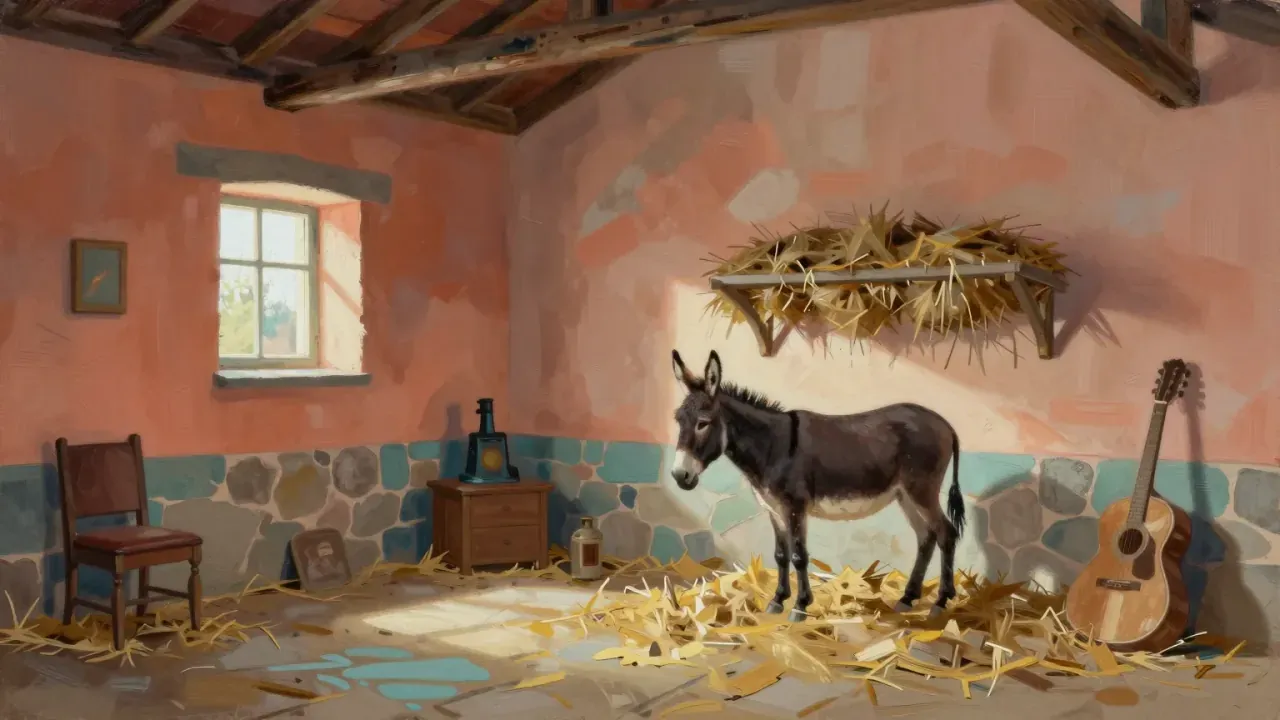
Robert Bresson’s 1966 film follows Balthazar, a donkey, through successive owners in rural France. Told with austere precision, it uses non-professional actors, restrained cinematography by Ghislain Cloquet, and near-silent observation to trace endurance, indifference, and quiet violation. Marie, played by Anne Wiazemsky, ages alongside Balthazar, her decline mirroring his — though neither is granted interiority. The film’s power lies in accumulation, not exposition; its final image — Balthazar dying among sheep — lands not as tragedy but as quiet, inevitable fact.

13:00

Faraway, So Close!

Wim Wenders · 1993

Wim Wenders’ 1993 fantasy sequel Faraway, So Close! follows the angel Cassiel as he becomes human in reunified Berlin, navigating bureaucracy, addiction, and criminal enterprise. Shot by Jürgen Jürges and scored by Laurent Petitgand, it trades the poetic stillness of Wings of Desire for a grittier, more fragmented register — one that reflects the city’s uncertain new reality. Though it won the Grand Prix at Cannes, its loose structure and tonal shifts divided critics. It is a film of texture over trajectory, best approached as a sustained meditation on presence, not a story with stakes.

13:00

First Reformed

Paul Schrader · 2017

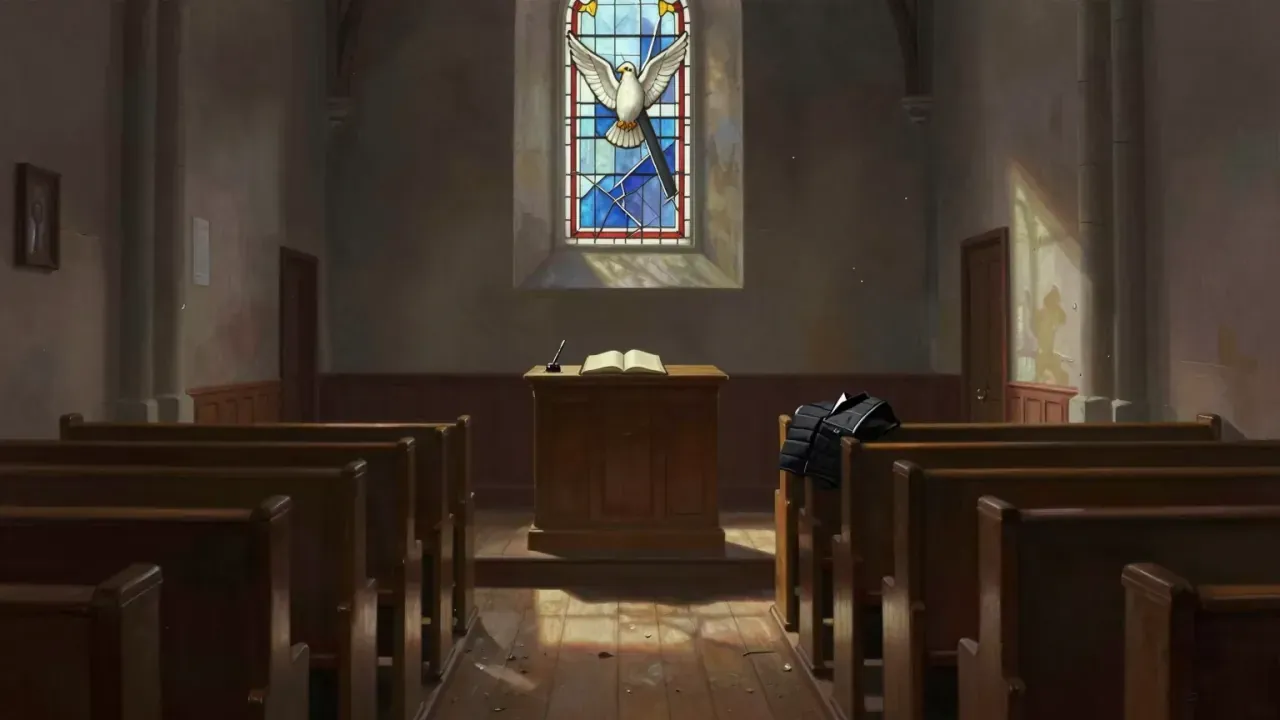
Paul Schrader’s First Reformed follows Reverend Ernst Toller, a pastor of a dwindling Dutch Reformed church in upstate New York, as he confronts alcoholism, grief over his son’s death in Iraq, and escalating despair over climate catastrophe. When a pregnant parishioner seeks counsel for her radical-environmentalist husband, Toller is drawn into a crisis of faith, vocation, and bodily integrity. Shot in strict 1.33:1 aspect ratio with austere compositions and near-silent sound design, the film unfolds with liturgical slowness, building toward a climax that rejects catharsis in favour of raw, unresolved human contact.

13:00

Hiroshima mon amour

Alain Resnais · 1959

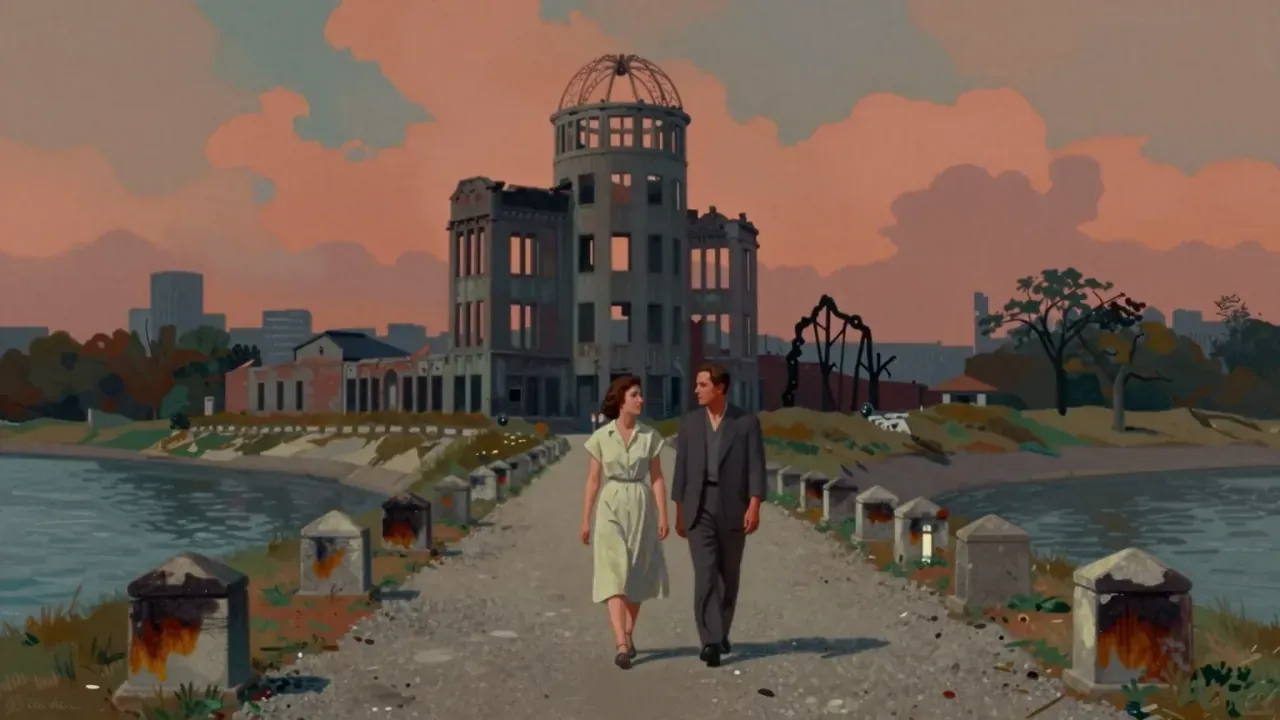
Alain Resnais’ 1959 debut, written by Marguerite Duras, traces a fleeting encounter between a French actress and a Japanese architect in Hiroshima. Through tightly composed images, fragmented flashbacks, and restrained performances, it explores how personal and historical trauma intertwine — not as metaphor, but as embodied experience. Shot in France and Japan, edited with surgical precision, and scored with near-silence, it treats love, memory, and forgetting as inseparable forces.

13:00

Melancholia

Lars von Trier · 2011

Lars von Trier’s 2011 science fiction drama Melancholia uses an inevitable planetary collision to examine how two sisters—one depressive, one anxious—respond when all future is cancelled. Kirsten Dunst and Charlotte Gainsbourg anchor its two-part structure, supported by Manuel Alberto Claro’s restrained cinematography and Richard Wagner’s Tristan und Isolde prelude, which dictates the film’s rhythm. Made by Zentropa with co-producers across Europe, it premiered at Cannes, where Dunst won Best Actress. Its power lies in tonal certainty, not plot mechanics: it asks how consciousness persists when meaning has no horizon.

13:00

Pierrot le Fou

Jean-Luc Godard · 1965

Jean-Luc Godard’s 1965 Pierrot le Fou stars Jean-Paul Belmondo and Anna Karina as a couple fleeing Paris for the Mediterranean, pursued by gangsters and their own unraveling ideals. Shot by Raoul Coutard in vivid primary colours and edited with jarring, associative cuts, it abandons its source novel’s noir framework to become a pop-art-inflected meditation on love, language, and political fatigue. Its power lies in sensation over sense: the weight of a glance, the shock of blue paint, the silence after a firework.

13:00

Scenes from a Marriage

Ingmar Bergman · 1974

Ingmar Bergman’s 1974 Scenes from a Marriage follows a Swedish couple’s decade-long marital unraveling through six intimate, dialogue-driven episodes. Shot by Sven Nykvist and performed with unsparing naturalism by Liv Ullmann and Erland Josephson, it treats domestic life as a site of existential exposure — where love, resentment, and habit coexist without hierarchy. Its power lies in cumulative detail, not plot.

13:00

Synecdoche, New York

Charlie Kaufman · 2008

Charlie Kaufman’s 2008 directorial debut follows theatre director Caden Cotard as he constructs an ever-expanding, hyper-real stage production inside a Manhattan warehouse — a project that blurs life and art until neither remains distinct. Starring Philip Seymour Hoffman and featuring Catherine Keener, Samantha Morton, and Emily Watson, the film uses recursive structure, deliberate ambiguity, and physical decay to explore mortality, identity, and the exhausting persistence of self-making. Shot by Frederick Elmes and scored by Jon Brion, it premiered at Cannes and polarised critics — some calling it a masterpiece, others pretentious — but has since gained stature as a defining arthouse work of the 21st century.

13:00

Taste of Cherry

Abbas Kiarostami · 1997

Abbas Kiarostami’s 1997 Palme d’Or winner follows Badii, a Tehran man driving the city’s fringes in search of someone to bury him after he kills himself. With Homayoun Ershadi in a performance of near-total restraint, and Homayoun Payvar’s cinematography holding space without emphasis, the film builds meaning through repetition, silence, and landscape. Its power lies in what it omits — backstory, score, explanation — and in its radical final shift to documentary-style footage of the crew. It is arthouse cinema at its most disciplined: austere, ambiguous, and deeply humane.

13:00

The Element of Crime

Lars von Trier · 1984

Lars von Trier’s 1984 debut is a neo-noir experiment shot almost entirely in sodium-vapour light, following a detective who replicates a serial killer’s movements to solve a case — only to absorb his compulsions. With its decaying European cityscapes, repetitive motifs, and hypnotic pacing, the film frames investigation as psychological possession rather than rational deduction.

13:00

The Lighthouse

Robert Eggers · 2019

Robert Eggers’ 2019 black-and-white horror follows two lighthouse keepers—Willem Dafoe and Robert Pattinson—stranded together in isolation, their relationship fracturing under storm, duty, and buried desire. Shot in a near-square 1.19:1 aspect ratio on 35 mm film with custom optical filters, it uses period-accurate dialect, oppressive sound design, and unrelenting close-ups to render descent as sensory inevitability. Its themes orbit masculinity, hierarchy, myth, and the sea as unconscious force.

13:00

The Man Who Wasn't There

Joel Coen · 2001

Set in 1949 California, The Man Who Wasn’t There follows barber Ed Crane as he stumbles into crime, not from greed or passion, but from a quiet, accumulating sense of irrelevance. Shot in black-and-white by Roger Deakins and narrated with detached precision by Billy Bob Thornton, the film reworks noir conventions into an existential parable about postwar uncertainty, determinism, and the illusion of control. Its themes — drawn from Camus, Heisenberg, and James M. Cain — land through restraint, not exposition.

13:00

Winter Light

Ingmar Bergman · 1963

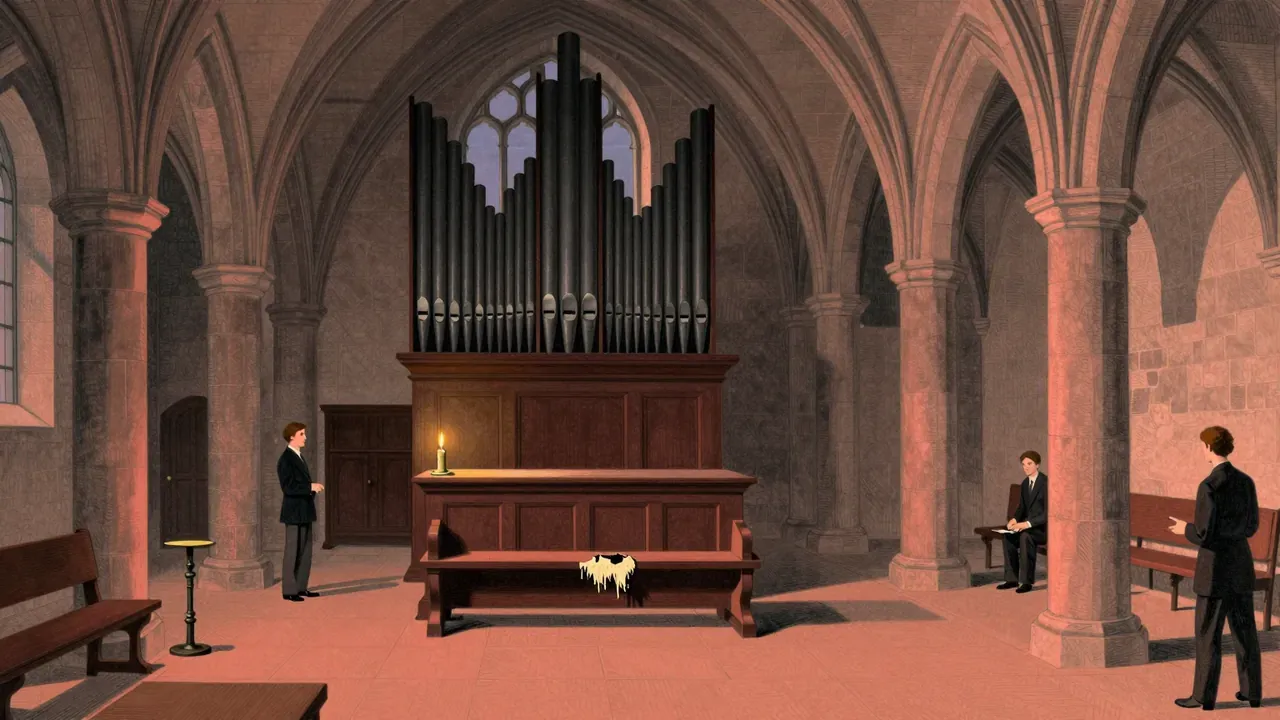
Ingmar Bergman’s 1963 drama follows a Swedish pastor through a single day of spiritual collapse—failing his congregation, his lover, and himself. Shot in austere black-and-white by Sven Nykvist, with no score beyond diegetic organ music, it is a rigorously restrained chamber piece about the physical and moral cost of sustaining belief when conviction has already vanished.

13:00

2001: A Space Odyssey

Stanley Kubrick · 1968

Stanley Kubrick's 1968 film, written with Arthur C. Clarke, tracks a black monolith's appearances across four million years, from a tribe of prehistoric hominids to a Jupiter mission overseen by the calm computer HAL 9000. Shot by Geoffrey Unsworth with in-camera effects that took over a year to complete, and scored with existing classical pieces by Strauss, Khachaturian and Ligeti rather than an original soundtrack, it cost MGM $10.5 million, returned over $190 million, and won Kubrick his only competitive Oscar, for visual effects.

13:00

Everything Everywhere All at Once

Dan Kwan, Daniel Scheinert · 2022

Michelle Yeoh plays a laundromat owner dragged into a battle across parallel universes while her actual life — a failing business, a strained daughter, a tax audit — keeps intruding on the spectacle. Written for Jackie Chan before Kwan and Scheinert rebuilt it around a mother and daughter, the film pairs handmade, in-house visual effects with a script that keeps returning to a marriage and a laundromat no matter how far the story wanders.

13:00

Ghost in the Shell

Mamoru Oshii · 1995

Ghost in the Shell follows Major Motoko Kusanagi, a cyborg security agent, as she pursues a mysterious hacker called the Puppet Master through a near-future city modelled on Hong Kong, a case that increasingly unsettles her sense of what makes her identity her own. Mamoru Oshii directed the adaptation of Masamune Shirow's manga for Production I.G, using a hybrid digital animation process and a score by Kenji Kawai built around classical Japanese vocals. Initially considered a box-office disappointment, it became a defining cult film, influencing The Matrix and drawing praise from James Cameron as one of animation's first truly adult works.

13:00

Soul

Pete Docter · 2020

Joe Gardner, a middle-school band teacher on the verge of his first real break as a jazz pianist, falls into a coma and finds his soul on the way to the Great Beyond, prompting a scramble to get back to his body paired with an unwilling mentee soul named 22 who has never wanted to be born. Pete Docter's Pixar feature, co-written and co-directed by Kemp Powers, spends four years of production building an afterlife bureaucracy in order to undercut the very idea, common to Docter's own earlier films, that a person needs a defining passion to justify their existence.

13:00

Stalker

Andrei Tarkovsky · 1979

Andrei Tarkovsky's 1979 film follows a guide known only as Stalker as he leads a writer and a scientist illegally into the Zone, a restricted area said to contain a room that grants a visitor's innermost desire, and the three spend most of the journey arguing about faith, art and science rather than confronting any visible danger. Adapted loosely from a novel by Arkady and Boris Strugatsky and scored by Eduard Artemyev, the production required three different cinematographers after an early batch of footage was ruined during processing, forcing much of the film to be shot again from scratch over the following year.

13:00

The Seventh Seal

Ingmar Bergman · 1957

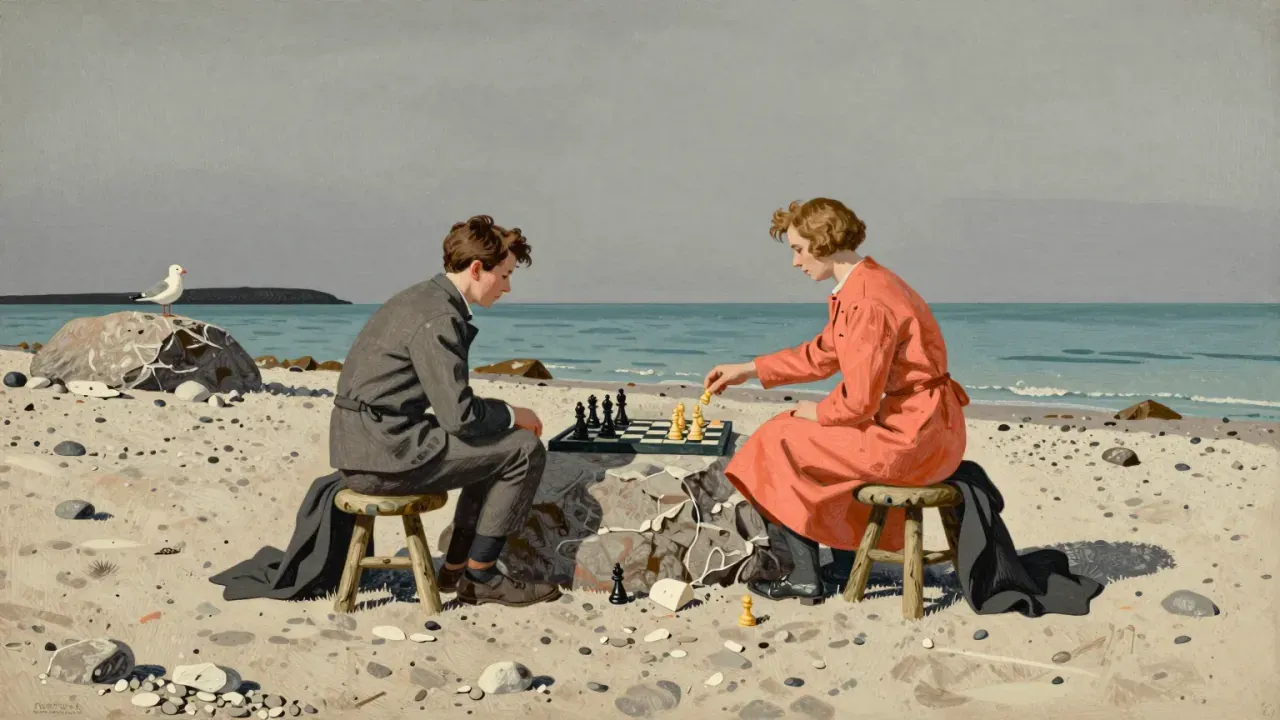
Ingmar Bergman turned a one-act play he had written for drama students into this 1957 fable of a crusader who challenges Death to chess while the plague empties his country. Shot in thirty-five days on a modest budget, with Max von Sydow beginning his long partnership with Bergman, it became one of cinema's most quoted images and won the Special Jury Prize at Cannes.

13:00

Toy Story 4

Josh Cooley, John Lasseter · 2019

Woody, no longer Bonnie's favourite toy, follows a homemade spork named Forky on a road trip and is reunited with the long-lost Bo Peep, who has built an independent life as a lost toy rather than an owned one. Josh Cooley, who replaced original director John Lasseter partway through a lengthy development process, uses that reunion to reopen a question Toy Story 3 seemed to have already settled: what a toy is actually for once being loved by a child stops being guaranteed.