The shape of the unseen
The Seventh Victim is a low-budget RKO horror film from 1943, produced by Val Lewton and directed by Mark Robson in his debut. It attempts to sustain dread not through spectacle or gore but through implication, atmosphere, and moral ambiguity — a continuation of the Lewton unit’s strategy of withholding the monstrous while foregrounding psychological unease and social isolation. Its central device is a Satanic cult, the Palladists, not as supernatural agents but as a tightly wound secular sect whose power lies in silence, surveillance, and the quiet enforcement of despair. The film positions itself as a prequel to Cat People (1942), reusing Tom Conway’s Dr. Judd to anchor its world, yet it abandons that film’s psychosexual allegory for something leaner and colder: a study of how belief systems collapse under scrutiny, and how grief, guilt, and resignation can be more contagious than any creed. It is not trying to scare with shocks, but to unsettle with ellipsis — with what is omitted, deferred, or left hanging, literally and otherwise. Word count: 148
The pace of dread
The story follows Mary Gibson as she searches New York City for her missing sister Jacqueline, uncovering a web of evasions, half-truths, and institutional indifference. DeWitt Bodeen’s script builds tension through accumulation rather than escalation: each new contact — Esther Redi, Jason Hoag, Gregory Ward, Dr. Judd — adds another layer of opacity, not clarity. Nicholas Musuraca’s cinematography keeps interiors dim and corridors narrow, using deep focus and long takes to make rooms feel like holding cells. Roy Webb’s score avoids melody, favouring dissonant chords and abrupt silences; its minor-key final cadence lingers without resolution. Performances are restrained: Jean Brooks conveys Mary’s growing exhaustion without broadening into hysteria; Tom Conway’s Judd is all dry wit and withheld menace; Isabel Jewell’s Esther moves with the calm of someone who has already surrendered. Editing, however, works against coherence: four scenes were cut, including key expository moments about how the Palladists locate Jacqueline, leaving narrative gaps that no amount of mood can fully paper over. Word count: 156
The weight of the empty chair
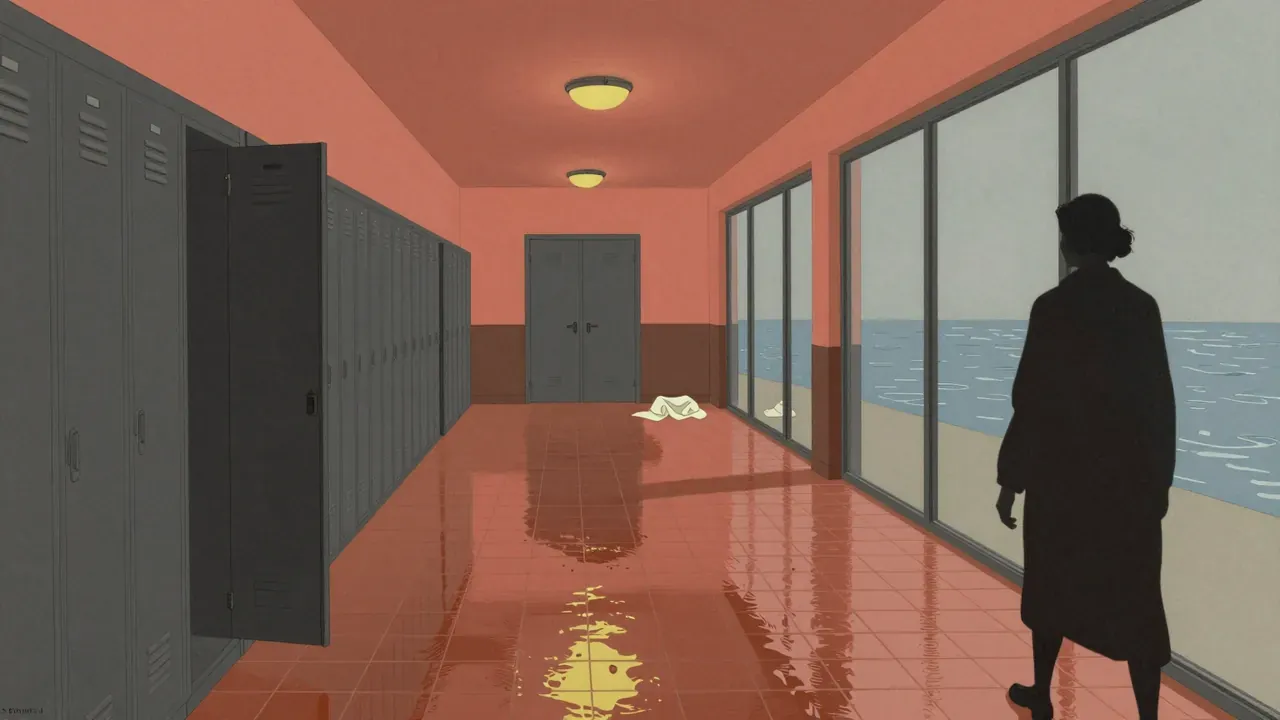
What lands is the texture of urban alienation — the way Greenwich Village feels both intimate and indifferent, a place where people pass each other on stairwells but never truly connect. The boarding school opening, shot on The Magnificent Ambersons’ set, establishes a tone of genteel decay before the film shifts to New York’s muted streets and cramped apartments. The Palladists’ rituals are never shown, only referenced: their power comes from what they don’t do, not what they enact. That restraint makes the final image — a chair falling after a suicide — land with unnerving weight, because it arrives without fanfare or music, just a single sound followed by silence. The film’s sense of fatalism is persuasive: characters do not choose evil so much as drift into its orbit, mistaking resignation for agency. Even the romantic subplot between Mary and Jason feels less like hope than shared inertia. The lighting, the pauses, the refusal to explain — these cohere into something more durable than plot. They build a world where dread is ambient, not episodic. Word count: 152
The cut places
What does not land is narrative legibility. The cuts rob the film of cause-and-effect logic: we never see how the Palladists track Jacqueline to Mary’s rooming house, nor do we understand why Judd, having treated Jacqueline, would later betray her to them. The truncated ending leaves Jason’s arc unresolved — his final line about Dante and Beatrice is absent, stripping his character of its intended irony and pathos. Some performances suffer from this fragmentation: Kim Hunter’s brief role as Frances Fallon feels unmoored, her warning to Mary landing without context. The script’s pivot from California murder mystery to New York cult thriller also leaves structural seams — the private detective Irving August is introduced then abruptly removed mid-scene, his stabbing occurring off-screen with no follow-up. These are not ambiguities but absences, and they undermine the film’s otherwise precise control over tone. Word count: 154
The logic of surrender
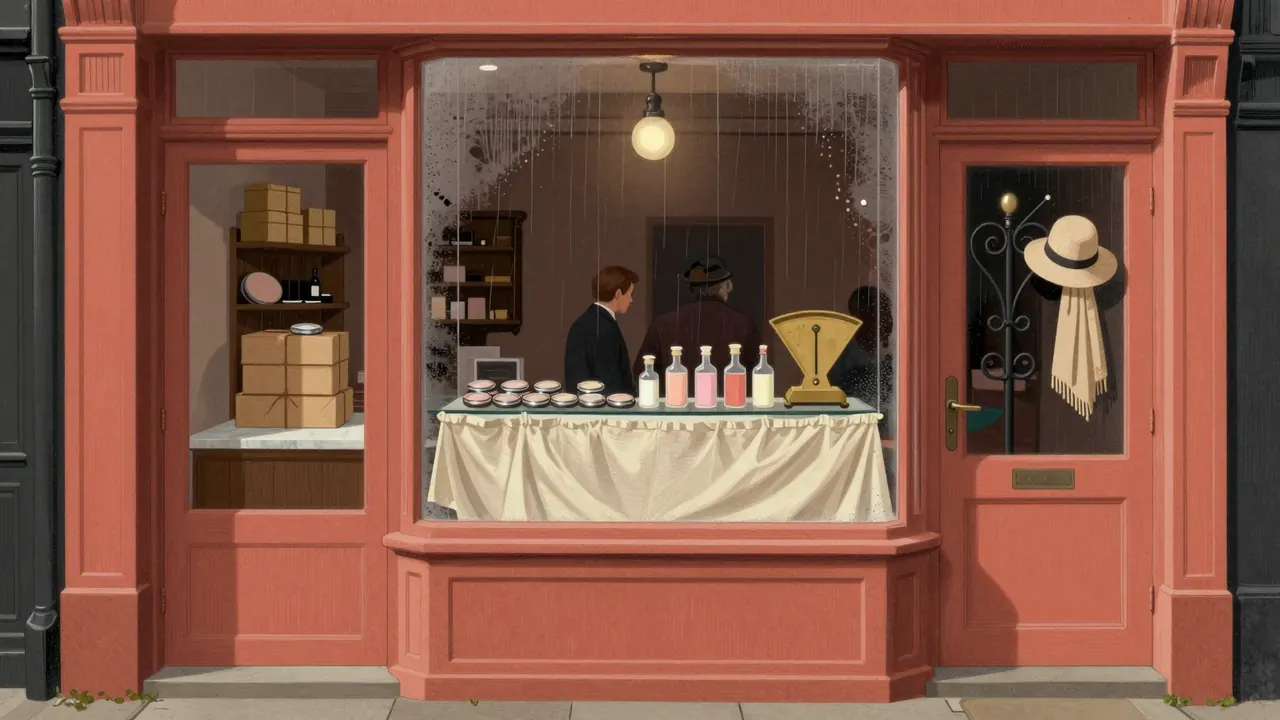
The themes that matter are voluntary disappearance, the seduction of nihilism, and the quiet violence of institutions that claim to offer meaning. Jacqueline does not flee the Palladists — she returns to them, choosing ritualised death over the exhausting work of living. The cult offers not transcendence but symmetry: if life is betrayal, then evil becomes a logical response. This is not theological horror but existential horror dressed in gothic trappings. The film treats depression not as illness but as epistemology — a rational conclusion drawn from evidence. Mary’s search is less about rescue than about confirming whether her sister’s choice was coherent. The cosmetics business La Sagesse, named for wisdom, becomes ironic: its products promise surface control while its staff orchestrate spiritual surrender. The Palladists are not outsiders but insiders — former colleagues, lovers, doctors — which makes their influence more plausible and more chilling. Their doctrine is sparse, their methods bureaucratic: they do not coerce, they wait. Word count: 150
Who stays in the room
This film is for viewers who value mood over mechanics, who find unease in stillness and resonance in omission. It rewards attention to composition, pacing, and subtext — particularly those familiar with Lewton’s other RKO films or with post-war European art cinema. It is not for viewers who require clear causality, defined stakes, or emotional catharsis. Those expecting the visceral charge of Universal’s monster movies or the procedural satisfaction of a detective thriller will find it frustrating. A viewer who values exposition, closure, or even consistent character motivation may leave dissatisfied. The film assumes patience and tolerates ambiguity — qualities not all audiences bring. Its cult reputation in England stemmed partly from post-war audiences attuned to its themes of disillusionment and quiet collapse, not from universal accessibility. Word count: 152
The length of the silence
Yes, it is worth your evening — but only if you watch it as a piece of studio-era formal experimentation, not as conventional narrative. Its seventy-one minutes move slowly, deliberately, and its power accumulates in glances, shadows, and silences. It repays close viewing: Musuraca’s lighting, Webb’s score, and Robson’s framing all reward attention. Someone who prefers brisk plotting or explicit genre payoffs will likely find it thin. A viewer who values craft over story, or who finds horror in the erosion of self rather than in physical threat, will find it rich. Its flaws — the cuts, the gaps — are real, but they do not erase its achievement: a sustained, intelligent, and deeply unsettling meditation on despair as a collective practice. Word count: 150