What the film is
Girls of the Night is a 1961 Japanese drama directed by Kinuyo Tanaka for Toho, adapting Sumie Tanaka’s screenplay about Kuniko, a woman repeatedly released from a reformatory under Japan’s Prostitution Prevention Law and repeatedly rejected by society. It is not a protest film in the manner of postwar social realism, nor a psychological study in the mode of Naruse or Ozu; it works as a cumulative moral inventory, measuring how each institution — family, workplace, reform system, romance — responds to a woman whose past is known. The film assumes no innocence to restore, no redemption arc to complete. Its aim is structural: to show how stigma operates not through single acts of cruelty but through layered, quiet withdrawals of consent — from employment, from marriage, from shared space. It treats rehabilitation not as personal transformation but as a series of conditional permissions, each revoked the moment the subject names her history. At ninety-three minutes, it moves without flourish, its pacing calibrated to the rhythm of bureaucratic delay and emotional attrition.
How it works
The story unfolds in three discrete placements — domestic service, factory labour, rose gardening — each ending with Kuniko’s expulsion or withdrawal. Chisako Hara plays Kuniko with minimal inflection: her face registers fatigue before emotion, her posture stiffens before she speaks. Asakazu Nakai’s cinematography avoids contrast; interiors are evenly lit, exteriors washed in flat daylight, denying visual metaphors for inner turmoil. Hikaru Hayashi’s score is sparse, often absent for minutes at a time, leaving silence to hold the weight of unspoken judgement. Sumie Tanaka’s script refuses exposition: characters do not explain their motives, and Kuniko never justifies herself. Mrs. Nogami, the reformatory director, appears only twice, yet her presence structures the film’s moral gravity — not as saviour but as sole institutional figure who neither punishes nor pardons, but observes consequence. The supporting cast — Akemi Kita, Chieko Naniwa, Chieko Seki — play roles defined by function: employer, co-worker, superior. Their performances are restrained, almost procedural, reinforcing the film’s thesis that social roles are performed long before they are believed.
What lands
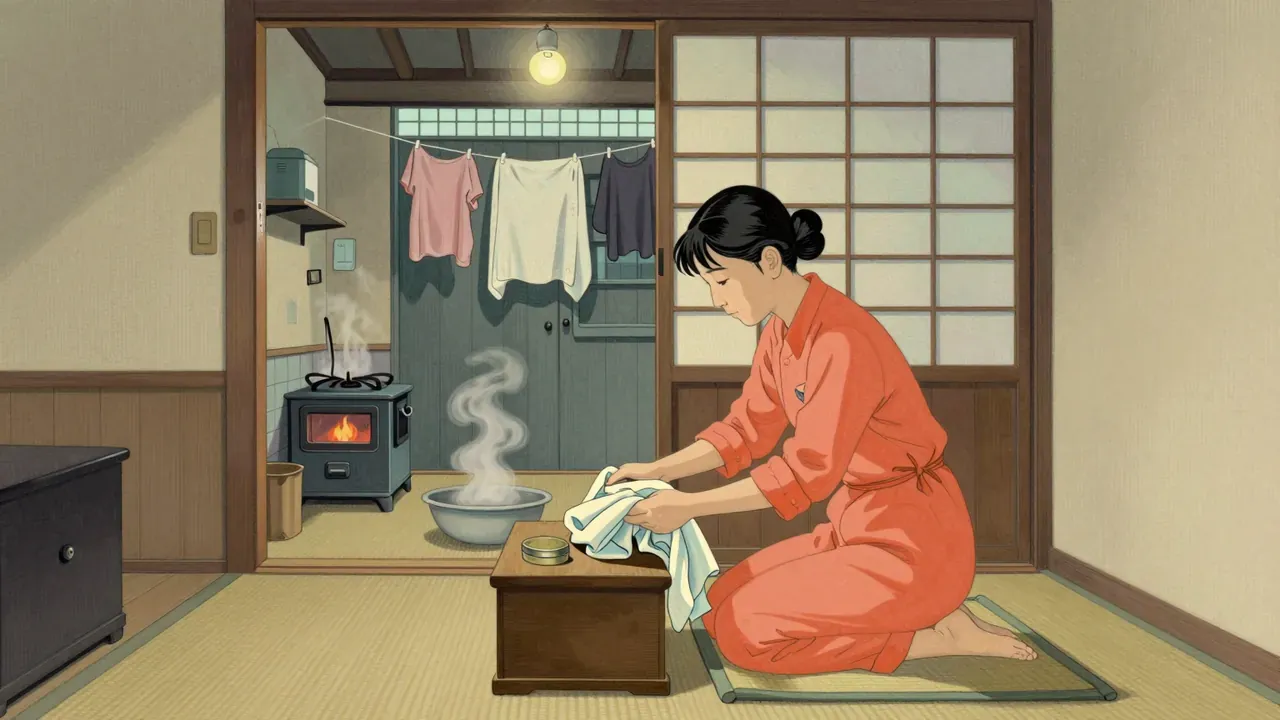
What lands is the cumulative exhaustion of being perpetually legible. Kuniko’s past is never hidden, never debated, never disputed — it simply functions as a fixed datum, like weather or tax law. Each employer learns it differently: Mrs. Takagi discovers it accidentally; the factory foreman is told outright; the Shimas know it before hiring. The film’s power lies in how little changes between these scenes: the same pause, the same slight recoil, the same shift in tone when the word ‘reformatory’ is spoken. The final sequence — Kuniko working as an ama in Bōsō — does not offer resolution but relocation: she exchanges one form of sanctioned female labour for another, both physically demanding and socially marginalised. There is no triumph in this, only continuity. The film lands because it refuses catharsis, treating dignity not as something regained but as something persistently asserted in small, unremarked gestures: folding laundry, pruning roses, holding a letter without tearing it. These are not victories, but acts of duration.
What does not
What does not land is the framing of Tsukasa’s proposal and subsequent disavowal. His declaration of intent — to marry Kuniko despite familial opposition — arrives without prior psychological groundwork. His character lacks interiority; his devotion reads less as conviction than as narrative necessity, a device to test the limits of acceptance rather than explore love. The letter from his mother feels bureaucratically delivered, not emotionally charged; the Shimas’ revelation of kinship carries no dramatic weight, as their relationship to Tsukasa has never been established. These scenes rely on plot mechanics rather than character logic. Similarly, the factory sequence — where Kuniko’s co-workers reveal their own sex work — risks flattening moral complexity into symmetry: their pragmatism is neither condemned nor examined, merely presented as parallel fact. The film’s refusal to interpret leaves this moment inert, not ambiguous. A viewer expecting ethical reckoning may find it evasive; a viewer attuned to Tanaka’s restraint may read it as deliberate omission — but the omission does not generate meaning on its own.
The themes that matter
The themes that matter are not redemption or resilience but accountability and visibility. The film interrogates who bears responsibility when legal reform outpaces social habit: the Prostitution Prevention Law closes brothels but does not alter how employers assess risk, how families vet spouses, how women negotiate safety. Kuniko is never asked what she wants — only whether she complies. The reformatory does not seek to change her but to certify her as manageable, a distinction the film treats with quiet irony. Gender is not abstracted into ideology but grounded in routine: Kuniko’s labour is always physical, always supervised, always contingent. Class operates without fanfare — the Takagis’ grocery, the Shimas’ rose garden, the factory floor — all are sites where economic dependency and moral surveillance overlap. The film’s most persistent theme is the cost of honesty: Kuniko’s frankness about her past is met not with relief but with recalibration of distance. Truth here is not liberating; it is a boundary marker, redrawn each time it is spoken.
Who should watch it
This film is for viewers who value precision over propulsion, who find tension in withheld reaction rather than plotted escalation. It suits those accustomed to Japanese postwar drama’s economy of gesture — fans of Mikio Naruse’s late work or early Shohei Imamura — and those interested in how legal frameworks shape intimate life. It is not for viewers who require narrative momentum, psychological exposition, or moral clarity. Those who expect Kuniko to resist, organise, or articulate a political consciousness will be frustrated; the film offers no solidarity beyond Mrs. Nogami’s quiet intervention, and even that is administrative, not ideological. A viewer who values character-driven development over systemic critique may find the protagonist under-served. The verdict shifts if one approaches it as sociological document rather than personal drama — but that shift must be chosen, not prompted. Without that frame, the film’s austerity reads as detachment.
Is it worth your evening
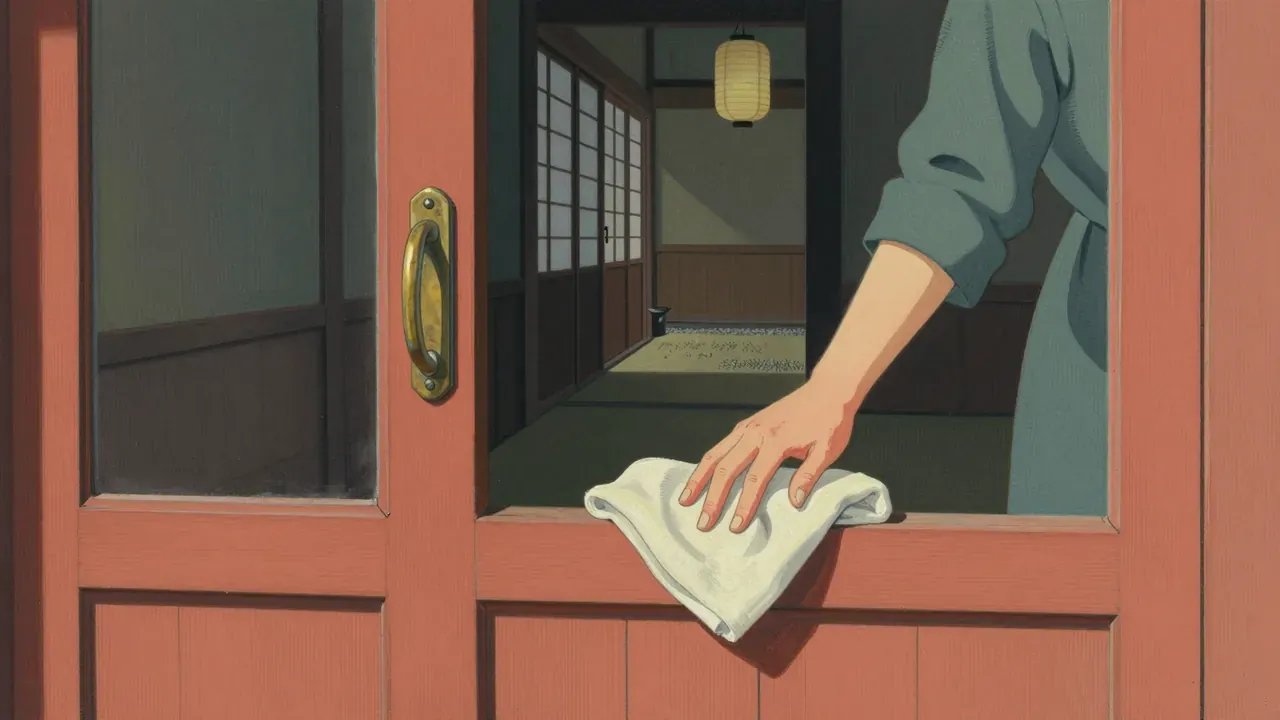
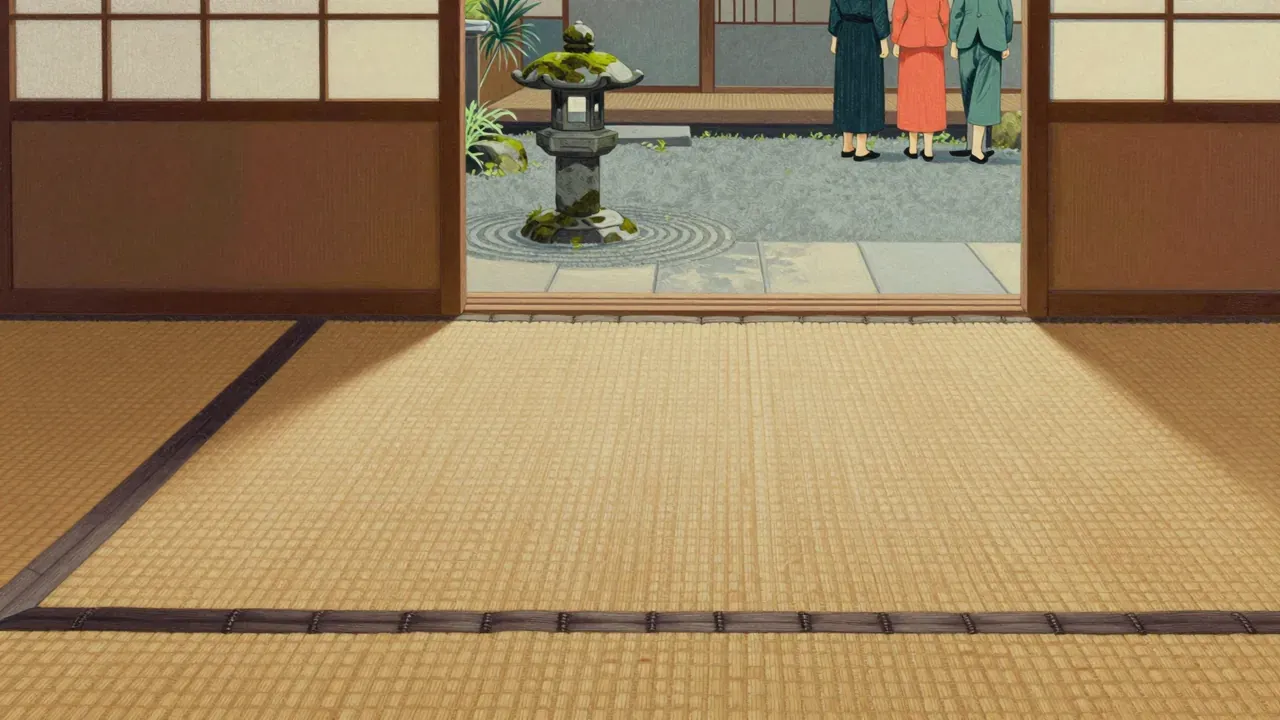
Yes, it is worth your evening — provided you watch it without expectation of resolution or uplift. Its ninety-three minutes accumulate like ledger entries: each rejection, each silence, each return to the reformatory adds to a ledger of social debt that no individual can settle. It rewards attention to texture — the sound of cloth brushing against wood, the way light falls across a tatami mat during a confrontation, the weight of a letter held in trembling hands. Those who find value in films that refuse to flatter the viewer’s desire for justice or closure will recognise its rigour. Others may call it bleak, and they would not be wrong — but its bleakness is methodical, not nihilistic. It does not deny possibility; it charts the narrow, unlit corridors through which possibility must pass. A second viewing reveals how much is conveyed in glances withheld, doors left ajar, letters unread. That is not austerity for its own sake. It is discipline in service of accuracy.