filmbriefs
Oldest

All briefs

2035 briefs · 26452 min · 481–576 on page 6 of 22
13:00

Until the End of the World

Wim Wenders · 1991

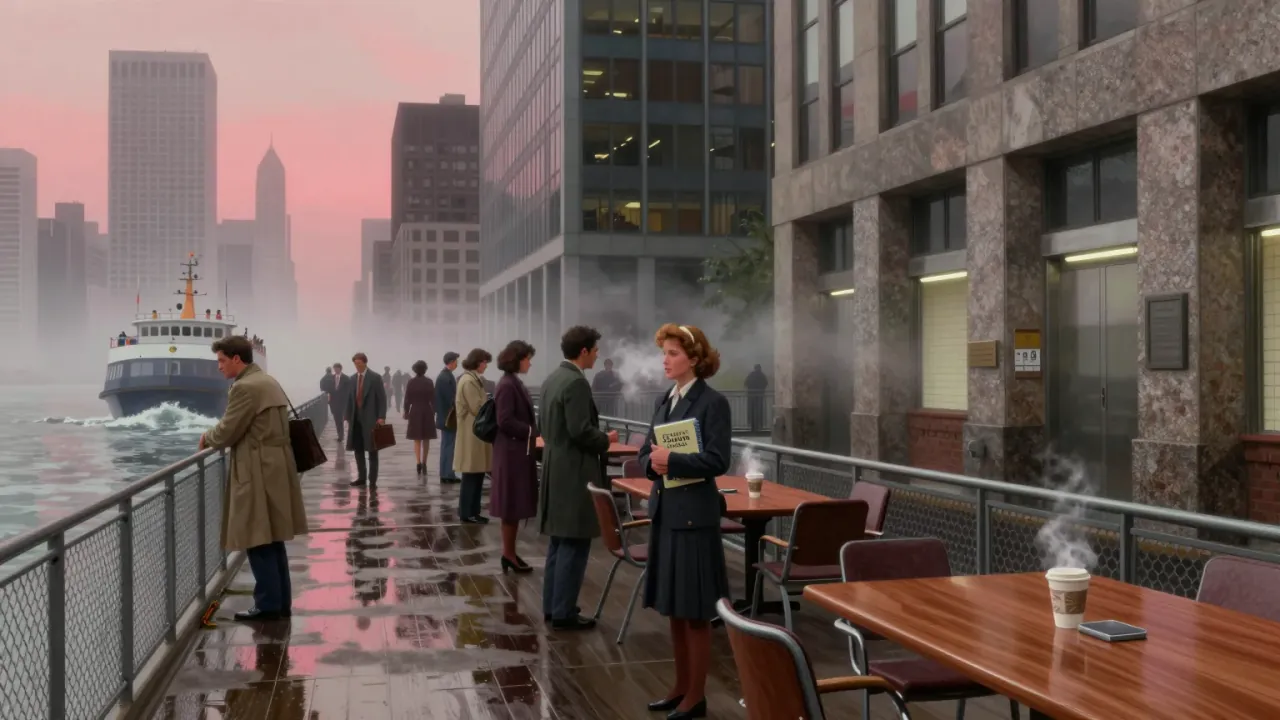
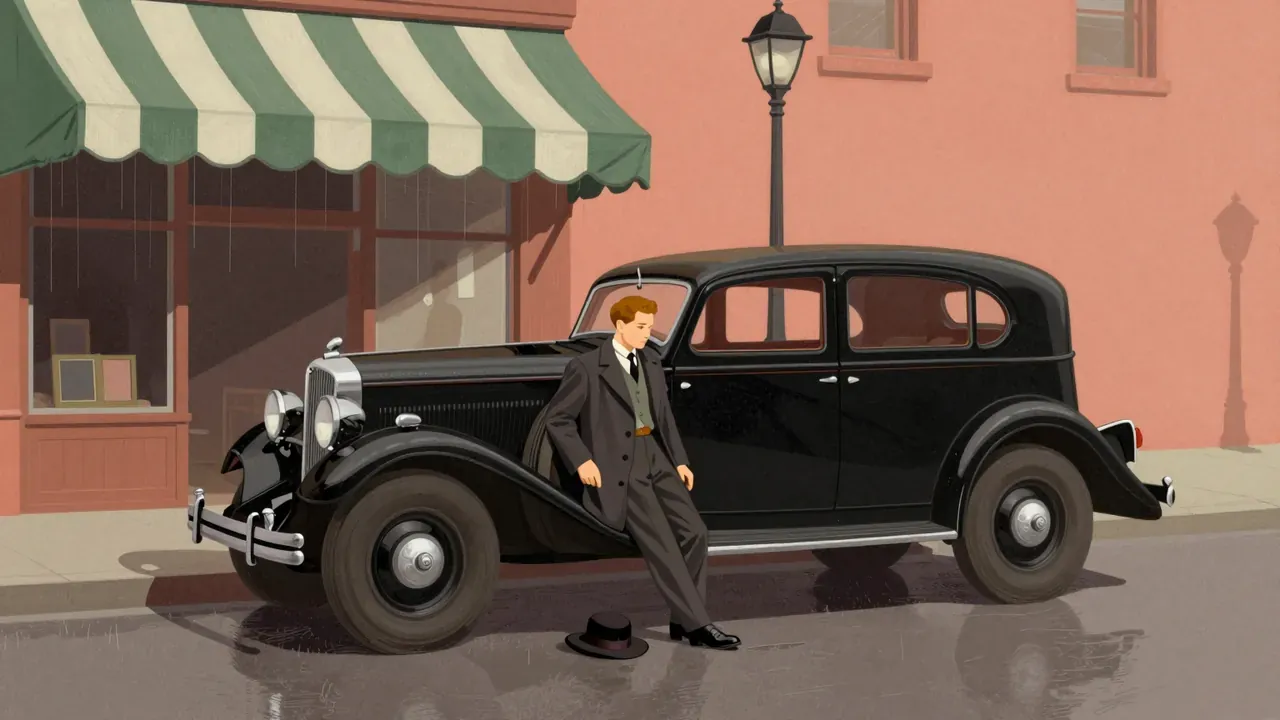
Wim Wenders’ 1991 epic follows Claire and Sam across continents as they evade bounty hunters and test a camera that lets the blind see recorded experiences. Shot across eleven countries with Robby Müller, it treats the road movie as philosophical drift — prioritising texture, duration, and the fragility of perception over plot or resolution.
13:00

Vampyr

Carl Theodor Dreyer · 1932

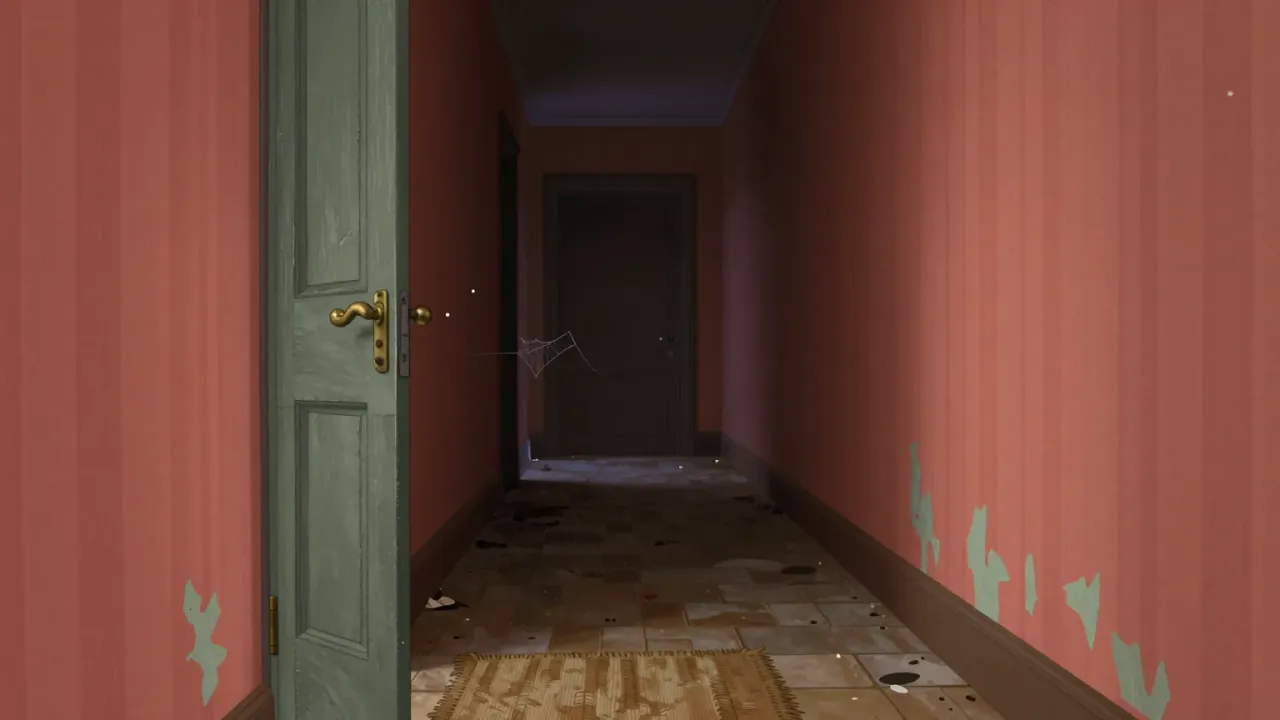
Carl Theodor Dreyer’s 1932 Vampyr is a Gothic horror film shot on location in France, starring amateur actor Nicolas de Gunzburg as Allan Gray, a student of the occult who enters a cursed village. With minimal dialogue, gauze-diffused cinematography by Rudolph Maté, and a sparse score by Wolfgang Zeller, it builds dread through atmosphere, not exposition. Adapted loosely from Sheridan Le Fanu, it treats vampirism as a perceptual condition — blurring boundaries between dream and wakefulness, self and other, presence and absence.

13:00

Weekend

Jean-Luc Godard · 1967

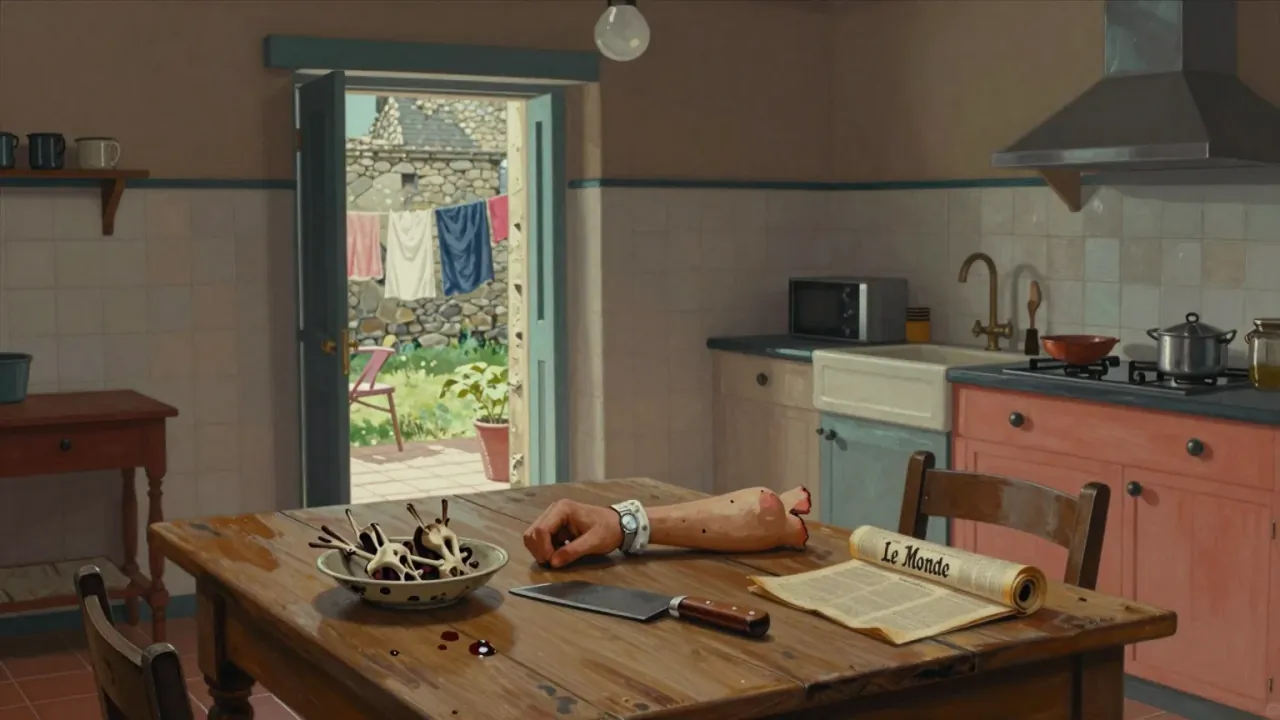
Jean-Luc Godard’s 1967 Weekend follows a bourgeois couple’s disastrous road trip through a hallucinatory French countryside, where narrative collapses into allegory, history bleeds into farce, and revolution ends in cannibalism. Shot by Raoul Coutard and edited by Agnès Guillemot, it is a formally radical, politically abrasive essay-film that treats cinema as a site of ideological combat — not storytelling.

13:00

What We Do in the Shadows

Taika Waititi, Jemaine Clement · 2014

What We Do in the Shadows is a 2014 New Zealand mockumentary co-written and co-directed by Taika Waititi and Jemaine Clement. It follows four centuries-old vampires sharing a flat in Wellington, navigating mundane cohabitation — rent, chores, dating, tech support — while trying to maintain their supernatural identities. Shot on a $1.6m budget, it premiered at Sundance and earned $5.9m globally. Its comedy emerges from rigorous adherence to documentary realism and the quiet absurdity of immortal beings negotiating modern life.

13:00

When a Woman Ascends the Stairs

Mikio Naruse · 1960

Mikio Naruse’s 1960 drama follows Keiko Yashiro, a Ginza hostess in her late twenties, as she navigates debt, familial obligation, sexual coercion and professional rivalry while trying to open her own bar. With quiet precision, it charts her daily endurance — not as heroism but as habit — against a society that treats her age, grief and autonomy as liabilities. Hideko Takamine’s restrained performance and Naruse’s unadorned direction make the ordinary unbearable and unforgettable.

13:00

Winter Light

Ingmar Bergman · 1963

Ingmar Bergman’s 1963 drama follows a Swedish pastor through a single day of spiritual collapse—failing his congregation, his lover, and himself. Shot in austere black-and-white by Sven Nykvist, with no score beyond diegetic organ music, it is a rigorously restrained chamber piece about the physical and moral cost of sustaining belief when conviction has already vanished.

13:00

Wuthering Heights

William Wyler · 1939

William Wyler’s 1939 Wuthering Heights, produced by Samuel Goldwyn and shot by Gregg Toland, condenses Emily Brontë’s novel into a stark, atmospheric drama centred on Heathcliff and Cathy’s destructive bond. It omits the novel’s second generation and shifts the setting to the mid-19th century, prioritising visual mood over textual fidelity. Laurence Olivier and Merle Oberon anchor a tightly paced, formally assured adaptation whose power lies in its restraint, shadow, and silence — though its sentimental ending and flattened class dynamics remain contested.

13:00

Yi Yi

Edward Yang · 2000

Edward Yang’s 2000 Taiwanese drama follows the Jian family in Taipei over several months of quiet upheaval: a comatose grandmother, a father’s unresolved past, a daughter’s first heartbreak, a son’s search for meaning through photography. Shot in Mandarin, it unfolds with patient realism, refusing exposition or climax in favour of emotional fidelity. Its 173-minute runtime is structural, not indulgent—each scene a deliberate unit in a sequence built on duration, silence, and the asymmetry of perception across generations.

13:00

Zero Dark Thirty

Kathryn Bigelow · 2012

Zero Dark Thirty follows CIA analyst Maya across ten years of intelligence work leading to the 2011 raid on Osama bin Laden’s Abbottabad compound. Directed by Kathryn Bigelow and written by Mark Boal, it foregrounds process over personality, using chronology, repetition, and restraint to depict a hunt defined by uncertainty, attrition, and contested methods. Its strengths lie in its procedural fidelity and understated performances; its weaknesses stem from its refusal to contextualise torture or reckon with the broader consequences of the operation.

13:00

A Better Tomorrow

John Woo · 1986

John Woo’s 1986 crime film redefined Hong Kong action cinema by fusing wuxia ethics with urban fatalism. Ti Lung, Leslie Cheung, and Chow Yun-fat play three men bound by blood, betrayal, and bullets. Its influence on 'heroic bloodshed' is foundational; its emotional logic remains uncompromising.

13:00

A Trip to the Moon

Georges Méliès · 1902

Georges Méliès’s 1902 A Trip to the Moon is a 16-minute silent French fantasy built from theatrical illusion, hand-painted sets, substitution splices, and hand-coloured frames. It follows astronomers who cannon-launch to the Moon, land in its eye, battle Selenites, and return with a captive. Made at Méliès’s Montreuil studio, it synthesises Verne, Wells, Offenbach, and Buffalo exposition spectacle into a self-contained world of visual puns and mechanical magic. Its power lies not in narrative or realism but in the sustained ingenuity of its craft—and its unwavering assertion that cinema is, first, a maker’s medium.

13:00

A Woman Under the Influence

John Cassavetes · 1974

John Cassavetes’ 1974 drama follows Mabel Longhetti, a Los Angeles housewife whose behaviour grows increasingly erratic, straining her marriage and triggering her involuntary commitment. Starring Gena Rowlands and Peter Falk, it was independently financed, shot on location with non-professional actors, and edited from a three-hour cut to 155 minutes. Its power lies in sustained, unflinching observation — not psychological exposition — rendering mental distress as lived, domestic, and profoundly relational.

13:00

An American in Paris

Vincente Minnelli · 1951

An American in Paris (1951) is a Metro-Goldwyn-Mayer musical directed by Vincente Minnelli, starring Gene Kelly and Leslie Caron. Built around George Gershwin’s music and Alan Jay Lerner’s screenplay, it follows an American painter in post-war Paris caught between two women — a ballerina and a patron — culminating in a seventeen-minute ballet sequence designed in homage to French painters. Its achievement lies in the integration of dance, design, and score into a single aesthetic statement, rather than in psychological depth or narrative innovation.

13:00

Antichrist

Lars von Trier · 2009

Lars von Trier’s 2009 film Antichrist stars Willem Dafoe and Charlotte Gainsbourg as a grieving couple who retreat to a forest cabin, only to confront psychological disintegration, theological dread, and nature’s indifference. Shot digitally in Germany with precise, unrelenting craft, it divides itself into symbolic chapters and refuses narrative or emotional release. Though polarising and widely debated for its imagery and themes, it remains a benchmark of arthouse extremity — technically controlled, thematically uncompromising, and ethically demanding.

13:00

Apur Sansar

Satyajit Ray · 1959

Satyajit Ray’s 1959 Apur Sansar concludes the Apu Trilogy with quiet rigour: Soumitra Chatterjee’s debut as the adult Apu traces a path from drifting graduate to bereft father to tentative parent, shaped by Subrata Mitra’s restrained cinematography and Ravi Shankar’s sparse score. Adapted from Bibhutibhushan Bandopadhyay’s novel, it finds emotional gravity in understatement — in shared meals, unspoken decisions, and the slow reassembly of a life after loss.

13:00

Bad Lieutenant

Abel Ferrara · 1992

Abel Ferrara’s 1992 Bad Lieutenant follows a New York police officer over a single day of spiralling addiction, abuse of power, and spiritual erosion. With Harvey Keitel in a physically uncompromising performance, the film rejects redemption arcs and procedural logic in favour of sustained, unsparing immersion in ethical collapse. Shot on gritty 16mm by Ken Kelsch and scored sparsely by Joe Delia, it treats Catholic iconography and police authority as hollowed-out symbols. Not a thriller, but a forensic study of vacancy wearing a badge.

13:00

Barton Fink

Joel Coen, Ethan Coen · 1991

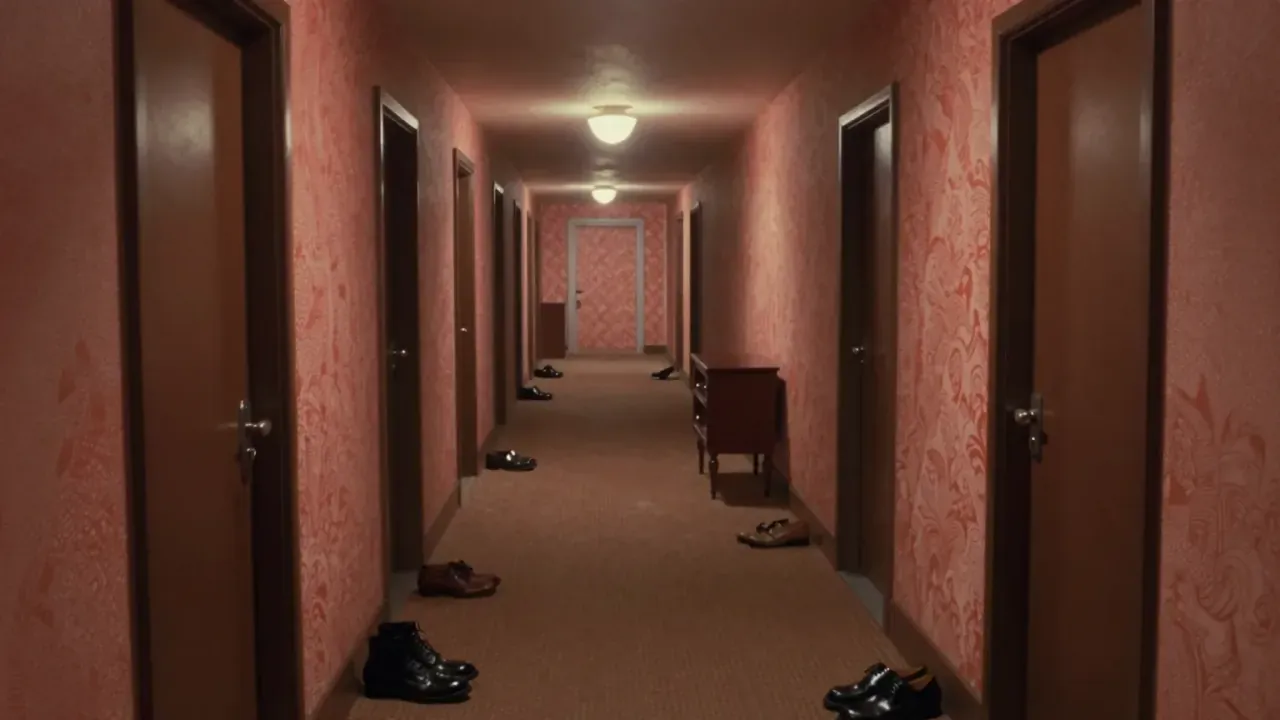
Barton Fink (1991) is a neo-noir arthouse thriller set in 1941, following a New York playwright’s unsettling stay at the decaying Hotel Earle while writing for a Hollywood studio. Directed by Joel and Ethan Coen, it stars John Turturro and John Goodman, with cinematography by Roger Deakins and music by Carter Burwell. Its power lies in sustained atmosphere, recursive imagery, and psychological compression — less a narrative than a meticulously constructed state of mind.

13:00

Blackhat

Michael Mann · 2015

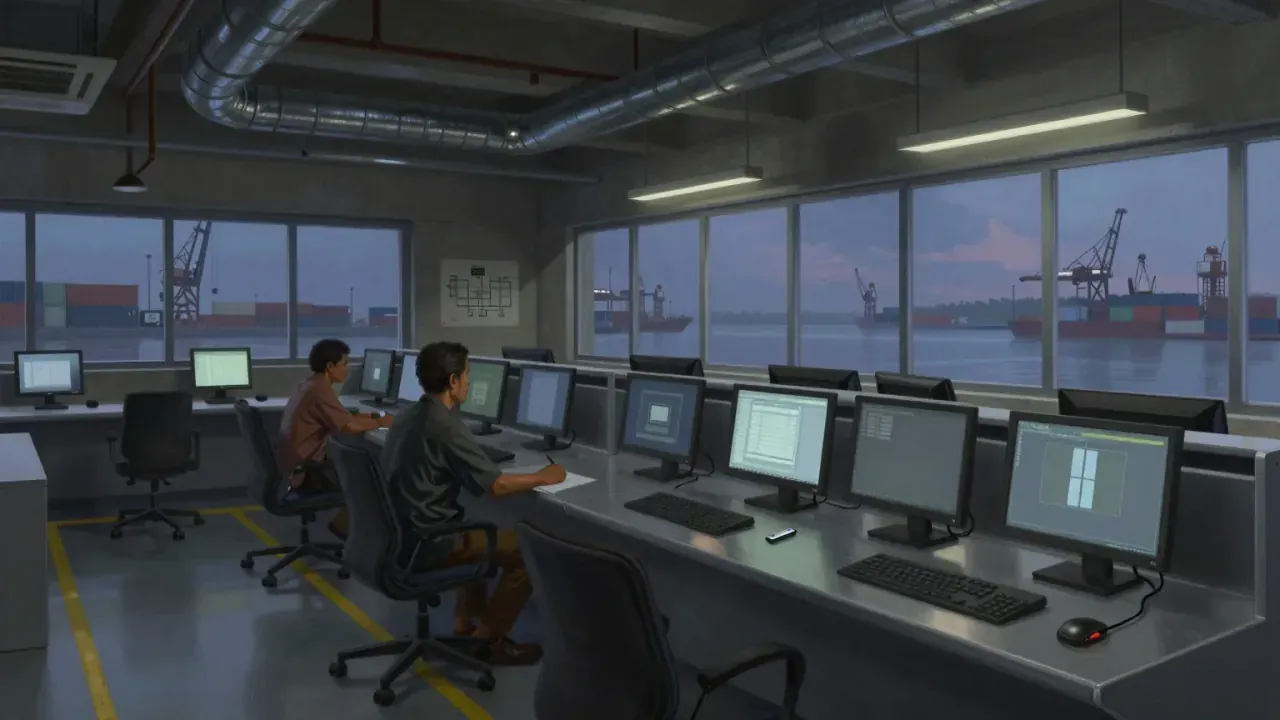
Michael Mann’s 2015 thriller Blackhat follows a convicted hacker released to track a global cyberattack spanning nuclear plants, ports, and financial markets. Shot entirely digitally across Los Angeles, Hong Kong, Jakarta, and Kuala Lumpur, it prioritises procedural realism and atmospheric tension over conventional plotting or emotional exposition. Though critically divided and commercially unsuccessful, it stands as a formally rigorous, thematically coherent attempt to render networked threat as physical, geopolitical, and human-scaled.

13:00

Blowup

Michelangelo Antonioni · 1966

Michelangelo Antonioni’s 1966 English-language debut follows a London fashion photographer who believes he has photographed a murder — only to find that each enlargement deepens uncertainty rather than clarifying truth. Shot on location across Swinging London, with Carlo Di Palma’s restrained cinematography and Herbie Hancock’s sparse jazz score, Blowup uses photographic process as metaphor for perception itself. It won the Palme d’Or, helped end Hollywood’s Production Code, and remains a touchstone for films about mediation, alienation, and the instability of the image.

13:00

City Lights

Charlie Chaplin · 1931

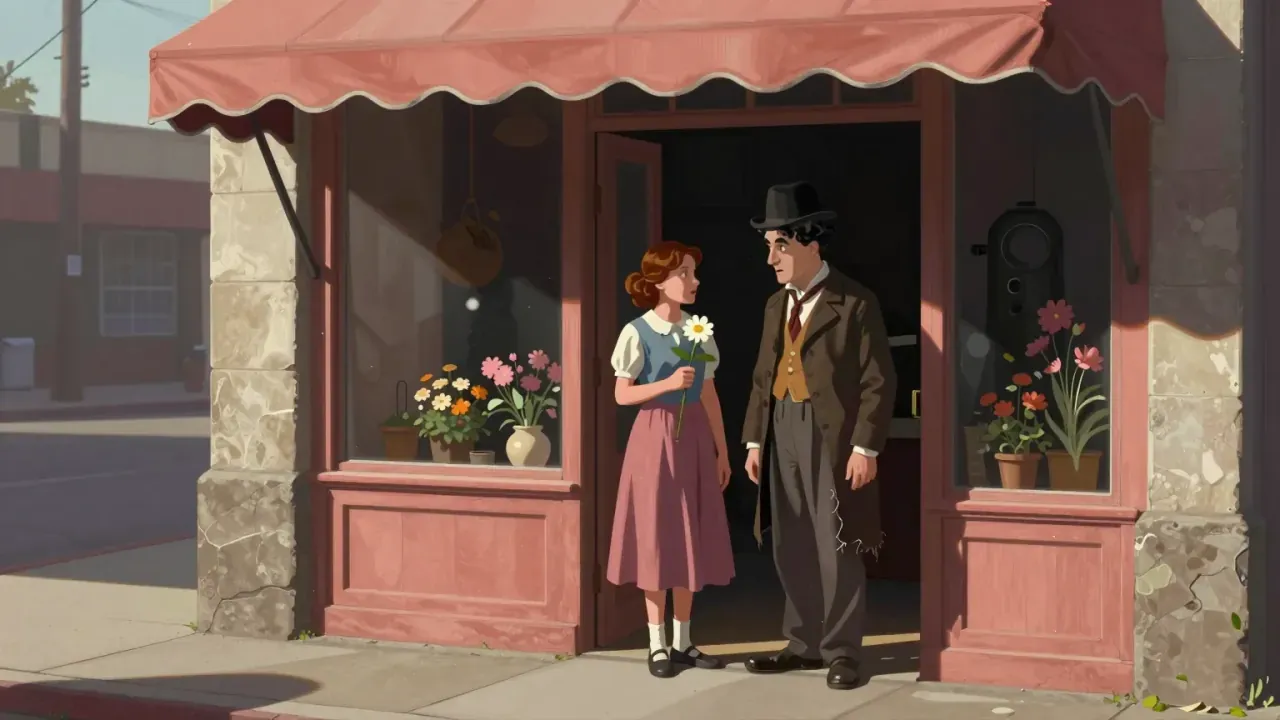
A 1931 silent romantic comedy-drama written, directed by and starring Charlie Chaplin. Though released after the arrival of sound cinema, it uses no spoken dialogue, relying instead on physical performance, intertitles, and a composed musical score. The Tramp falls for a blind flower seller and forms a volatile bond with a drunken millionaire. Its final scene — the flower girl’s first sighted meeting with the Tramp — is widely regarded as one of cinema’s most accomplished moments of wordless emotional storytelling.

13:00

Columbus

Kogonada · 2017

A Korean-American translator and a young architecture enthusiast meet in Columbus, Indiana, and spend several days walking among its landmark Modernist buildings. Their conversations about design gradually open onto unspoken grief, filial duty, and the quiet courage of choosing oneself. Kogonada’s debut is composed with architectural rigour: still, precise, attentive to negative space, and anchored by restrained, deeply felt performances from John Cho and Haley Lu Richardson.

13:00

Come Drink with Me

King Hu · 1966

King Hu’s 1966 wuxia classic Come Drink with Me redefined martial arts cinema through disciplined choreography, spatial economy, and restrained storytelling. Starring Cheng Pei-pei as Golden Swallow, it follows her rescue of a kidnapped magistrate’s son amid Buddhist temples, inns, and coded songs — all staged with balletic precision and shot by Tadashi Nishimoto for Shaw Brothers Studio. Its influence is foundational, but its power lies in what it refuses: exposition, sentimentality, and speed.

13:00

Daisies

Věra Chytilová, Rudolf Jaroš · 1966

A 1966 Czechoslovak avant-garde landmark, Daisies follows two young women named Marie as they enact escalating acts of sabotage — against men, meals, manners, and meaning. Co-directed by Věra Chytilová and Rudolf Jaroš, it deploys rapid-fire editing, shifting colour palettes, and deliberately artificial performances to dismantle patriarchal and socialist realist conventions. Banned upon release for its 'nihilism', it remains a fiercely intelligent, formally audacious assault on well-mannered spectatorship — less a film to follow than one to withstand and reassemble.

13:00

Detour

Edgar G. Ulmer · 1945

A broke pianist hitchhikes west, accidentally kills a stranger, assumes his identity, and is then blackmailed by a woman who knew the dead man — all narrated in weary voiceover as if the outcome were settled before the first frame. Made in 1945 on a tight budget by Edgar G. Ulmer for PRC, it distils noir fatalism into stark, economical form: minimal sets, precise sound design, and performances that refuse empathy. Its power lies in repetition, inevitability, and the quiet horror of consequences that arrive not with fanfare but with the hum of a police siren.

13:00

Drunken Angel

Akira Kurosawa · 1948

Drunken Angel (1948), Akira Kurosawa’s first major work, follows an alcoholic doctor and a tubercular yakuza enforcer locked in a tense, unsentimental relationship amid the black-market ruins of postwar Osaka. Shot in stark black-and-white by Takeo Itō, scored with ironic waltzes by Fumio Hayasaka, and anchored by Takashi Shimura and Toshirō Mifune’s tightly coiled performances, the film locates moral urgency not in grand gestures but in recurring details — a sump, a cough, a trembling hand. It is a foundational work of Japanese cinema: unsparing, unadorned, and deeply concerned with what happens when systems fail and only broken people remain to tend the wounds.

13:00

Drunken Master

Yuen Woo-ping · 1978

Drunken Master (1978) is a Hong Kong action comedy directed by Yuen Woo-ping and starring Jackie Chan as the young Wong Fei-hung. Forced into brutal tutelage under the eccentric Beggar So (Yuen Siu-tien), Wong endures punishing training in a fictionalised 'Drunken Boxing' style before facing a lethal rival. The film’s enduring power lies in its choreographic intelligence, its commitment to physical cause-and-effect, and its depiction of skill as something metabolised through repetition, failure, and synthesis — not bestowed or discovered.

13:00

Eclipse

Michelangelo Antonioni · 1962

Michelangelo Antonioni’s 1962 film Eclipse follows Vittoria, a young translator in Rome, as she moves through relationships, family, and the city’s modern architecture without ever anchoring herself emotionally or narratively. Shot by Gianni Di Venanzo and scored by Giovanni Fusco, it is the final part of Antonioni’s existential trilogy, notable for its radical ellipses, its unbending pace, and its famously wordless final sequence.

13:00

Face/Off

John Woo · 1997

John Woo’s 1997 action thriller Face/Off stars John Travolta and Nicolas Cage as an FBI agent and terrorist who swap faces via experimental surgery. Built on operatic violence, precise choreography, and dual performances of startling commitment, it uses identity exchange as narrative engine rather than philosophical probe. Shot by Oliver Wood and scored by John Powell, it balances absurd premise with rigorous craft — delivering coherent, emotionally charged set pieces across 133 minutes. Though thin on thematic depth and scientific rigour, its confidence, control, and clarity make it a durable artefact of late-20th-century studio action cinema.

13:00

Flowers of Shanghai

Hou Hsiao-Hsien · 1998

Set in 1884 Shanghai’s elite brothels, Hou Hsiao-Hsien’s Flowers of Shanghai adapts Han Bangqing’s novel via Eileen Chang’s translation. Shot entirely on Taiwanese soundstages under candlelight, it unfolds across thirty-eight long takes, tracing the constrained lives and negotiated intimacies of ‘flower girls’ and their patrons. With no outdoor scenes, minimal dialogue, and fades replacing cuts, it constructs a world governed by ritual, debt, and quiet endurance—not historical recreation, but emotional archaeology.

13:00

Force of Evil

Abraham Polonsky · 1948

Abraham Polonsky’s 1948 Force of Evil follows lawyer Joe Morse as he helps gangster Ben Tucker rig the numbers racket in New York, only to confront the human cost when his brother Leo is drawn in. Shot by George Barnes and scored by David Raksin, it is a tightly wound, linguistically dense crime film that treats corruption as arithmetic and kinship as collateral. Preserved in the US National Film Registry, it remains a benchmark of film noir’s intellectual rigour.

13:00

Four Nights of a Dreamer

Robert Bresson · 1971

Robert Bresson’s 1971 Four Nights of a Dreamer adapts Dostoyevsky’s 'White Nights' into a restrained, colour-saturated study of two Parisians who meet for four consecutive evenings. Jacques, a withdrawn artist, tries to keep Marthe from suicide; she listens, shares memories, and gradually draws him into her orbit — only to choose her former lover when he reappears. Shot by Pierre Lhomme and scored by F. R. David, the film favours quiet observation over exposition, using tape recordings, city textures and hesitant performances to trace the asymmetry of attachment.

13:00

Grass

Merian C. Cooper, Ernest B. Schoedsack · 1925

A 1925 silent documentary following the Bakhtiari tribe’s seasonal migration across Iran and Turkey, Grass records the physical scale and hardship of the journey without narration, analysis, or intervention — a landmark of early ethnographic cinema and a stark, enduring portrait of collective endurance.

13:00

Hard Boiled

John Woo · 1992

John Woo’s 1992 Hong Kong action film stars Chow Yun-fat as Inspector Tequila, a jazz-playing cop pursuing a Triad syndicate alongside undercover officer Alan (Tony Leung). Shot over 123 days, its defining sequence — a five-minute hospital shootout — exemplifies its commitment to spatial coherence and physical storytelling. Though conceived as a ‘Dirty Harry’-style police centrepiece, its improvisational production left thematic threads unresolved. Still, its influence on action cinema remains foundational.

13:00

Hero

Zhang Yimou · 2002

Zhang Yimou’s 2002 Hero uses competing narratives and strict chromatic divisions — red, blue, white, green, black — to explore how truth is shaped by perspective and authority. Starring Jet Li, Tony Leung and Maggie Cheung, and shot by Christopher Doyle with a score by Tan Dun, it reframes the wuxia genre as a formal investigation into storytelling itself: who tells, who believes, and what gets erased in the name of peace.

13:00

Holy Motors

Leos Carax · 2012

A man named Oscar spends a day in Paris performing nine radically different roles — beggar, assassin, dying patriarch, sewer-dweller — in a white limousine driven by Céline. There are no cameras, no audiences, no explanations. Directed by Leos Carax and starring Denis Lavant, the film treats acting as endurance, identity as costume, and technology as both tool and tomb. Shot digitally in Paris, it premiered at Cannes in 2012 and won Best Feature at Sitges.

13:00

Howards End

James Ivory · 1992

James Ivory’s 1992 adaptation of E. M. Forster’s novel traces class, inheritance, and quiet moral reckoning across Edwardian Britain. Emma Thompson, Anthony Hopkins, and Vanessa Redgrave anchor a precisely observed world where property, language, and silence carry equal weight. Tony Pierce-Roberts’ cinematography and Luciana Arrighi’s production design ground the film in tactile reality, while Richard Robbins’ score underscores its restraint. Though some subplots lack depth and its pacing demands patience, the film rewards close attention with cumulative emotional and intellectual resonance.

13:00

Hunt for the Wilderpeople

Taika Waititi · 2016

Taika Waititi’s 2016 film follows Ricky Baker, a defiant foster child, and Hector, the taciturn man reluctantly tasked with caring for him. After Bella — Hector’s wife and Ricky’s first real anchor — dies, Ricky flees into the bush, and Hector follows. What begins as a simple search becomes a nationwide manhunt, reframing their bond as both tender and subversive. Shot across New Zealand’s Central Plateau and Waitākere Ranges, the film balances deadpan comedy, adolescent anxiety, and quiet grief without recourse to sentiment or spectacle.

13:00

Intolerance

D. W. Griffith · 1916

D. W. Griffith’s 1916 Intolerance intercuts four historical stories — Babylonian, Judean, French, and American — to argue that intolerance is a persistent, transhistorical mechanism of power. Shot by Billy Bitzer and Karl Brown, edited by Griffith and the Smiths, and scored by Joseph Carl Breil, it uses colour-tinting, symbolic naming, and accelerating cross-cutting to bind eras through visual and rhythmic repetition. Though uneven in dramatic weight and demanding in pace, its formal ambition and influence on global cinema remain unmatched in the silent era.

13:00

It Happened One Night

Frank Capra · 1934

A 1934 romantic comedy starring Claudette Colbert and Clark Gable, directed by Frank Capra. A runaway heiress and a jobless reporter share a cross-country bus journey, negotiating class, gender and growing affection under tight comic constraints. Adapted from a short story, it won the Academy Award 'Big Five' and remains a benchmark of economical, actor-led storytelling.

13:00

Jalsaghar

Satyajit Ray · 1958

Satyajit Ray’s 1958 Bengali drama follows Biswambhar Roy, a zamindar clinging to ritual and prestige as his estate crumbles. Shot at Nimtita Rajbari and a studio-built music room, it uses Chhabi Biswas’s restrained performance, Subrata Mitra’s deep-focus cinematography and Vilayat Khan’s diegetic classical score to chart decline not as crisis but as quiet, inevitable erosion. Awarded India’s National Film Award for Second Best Feature and Best Bengali Film in 1959, it has since been ranked among the greatest films ever made.

13:00

Joyless Street

Georg Wilhelm Pabst · 1925

Georg Wilhelm Pabst’s 1925 silent film Joyless Street observes life in a Viennese alley during hyperinflation, following Marie, Grete, and Else as they navigate hunger, exploitation, and eroded dignity. Adapted from Hugo Bettauer by Willy Haas, it rejects expressionist exaggeration for a flatter, denser realism—studio sets by Erdmann and Sohnle, cinematography by Seeber, Oertel and Lach, editing by Mark Sorkin. Its power lies in accumulation, not climax: small choices, shared spaces, systemic pressure. Restored in the 1990s, it remains a key work of New Objectivity—and a demanding, unsentimental record of societal breakdown.

13:00

Jules and Jim

François Truffaut · 1962

François Truffaut’s 1962 romance follows Frenchman Jim, Austrian Jules, and the enigmatic Catherine across pre-war Paris, wartime separation, and uneasy post-war cohabitation. Shot by Raoul Coutard with lyrical looseness and scored by Georges Delerue, it treats love not as choice or conquest but as atmosphere — pervasive, shifting, and ultimately ungovernable.

13:00

L'Arrivée d'un train en gare de La Ciotat

Auguste Lumière, Louis Lumière · 1896

L'Arrivée d'un train en gare de La Ciotat (1896) is a fifty-second silent actuality film by Auguste and Louis Lumière, recording a steam locomotive arriving at La Ciotat station. Shot in a single unedited take with the Cinématographe, it exemplifies early cinema’s documentary impulse and technical ambition. Though often mythologised for causing audience panic, no contemporary evidence supports this. Its significance lies in its formal restraint, its demonstration of cinematic continuity, and its role in establishing the medium’s foundational grammar.

13:00

Last Year at Marienbad

Alain Resnais · 1961

Last Year at Marienbad (1961) is a French avant-garde drama directed by Alain Resnais from a screenplay by Alain Robbe-Grillet. Set in an ornate, unnamed hotel, it follows a man’s insistent claim that he and a woman met there the previous year — a claim she denies. With no named characters, nonlinear editing, repetitive dialogue and meticulously composed black-and-white imagery, it explores memory, persuasion and the instability of time. Shot in Munich palaces using Dyaliscope widescreen, it won the Golden Lion at Venice and remains a landmark of modernist cinema.

13:00

L'Avventura

Michelangelo Antonioni · 1960

Michelangelo Antonioni’s 1960 drama L'Avventura follows the aftermath of a woman’s disappearance during a Mediterranean yachting trip. Rather than pursuing mystery or motive, it lingers in the emotional drift of those left behind — particularly Sandro and Claudia — using long takes, austere compositions, and restrained performances to explore alienation, moral inertia, and the quiet collapse of shared meaning. Shot on location across Sicily and the Aeolian Islands under difficult conditions, it marked a turning point in arthouse cinema and remains a benchmark for formal rigour and emotional precision.

13:00

Man with a Movie Camera

Dziga Vertov · 1929

Man with a Movie Camera (1929) is a Soviet silent documentary directed by Dziga Vertov, filmed by Mikhail Kaufman and edited by Vertov and Yelizaveta Svilova. Shot across Moscow, Kiev, Kharkov and Odessa, it presents urban life through radical montage, self-reflexive technique and zero intertitles — aiming to forge a pure cinematic language. With over 1,775 shots in 68 minutes, it remains a foundational essay-film on perception, machinery and the modern city.

13:00

Meshes of the Afternoon

Maya Deren, Alexandr Hackenschmied · 1943

A fourteen-minute 1943 American experimental film directed by Maya Deren and Alexandr Hackenschmied, starring Deren and shot by Hackenschmied. It uses repetition, recursive editing, and shifting subjectivity to map the interior logic of anxiety and dissociation—not as metaphor but as cinematic structure. Silent on release, later scored by Teiji Ito. Preserved in the US National Film Registry for cultural and aesthetic significance.

13:00

Miami Vice

Michael Mann · 2006

Michael Mann’s 2006 Miami Vice is a digitally shot, atmospherically dense crime film starring Colin Farrell and Jamie Foxx as Miami-Dade detectives infiltrating a transnational drug operation. Shot on location across the Caribbean and South Florida, it trades the 1980s TV series’ stylisation for a muted, immersive realism — prioritising surveillance aesthetics, ambient sound, and moral ambiguity over exposition or catharsis. Though polarising on release, its reputation has grown for its formal rigour and sensory coherence.

13:00

Miller's Crossing

Ethan Coen, Joel Coen · 1990

A 1990 neo-noir gangster film directed by the Coen brothers, set in an unnamed Prohibition-era city. Gabriel Byrne stars as Tom Reagan, a strategist caught between rival mob bosses Albert Finney and Jon Polito. Built on Hammett’s The Glass Key, it prioritises formal rigour over emotional exposition — its dialogue elliptical, its violence understated, its moral universe amoral. Shot in New Orleans by Barry Sonnenfeld, with a restrained score by Carter Burwell, it is a study in control: of image, rhythm, and implication.

13:00

Nights of Cabiria

Federico Fellini · 1957

Federico Fellini’s 1957 drama follows Cabiria, a Roman sex worker, through a series of encounters that test but never extinguish her capacity for hope. Giulietta Masina’s performance anchors a film that favours duration over plot, quiet observation over exposition, and emotional fidelity over resolution. Shot on location across Rome and its outskirts, with cinematography by Aldo Tonti and Otello Martelli and music by Nino Rota, it won the 1958 Academy Award for Best International Feature Film.

13:00

Nikita

Luc Besson · 1990

A convicted junkie is erased from official record and retrained as a government assassin. Under the supervision of a shadowy agency, she masters weapons, languages and deception — then begins a fragile relationship with a man who knows nothing of her past. When duty and desire collide, she must choose between two irreconcilable lives. Luc Besson’s 1990 French thriller is a study in control, performance and the cost of competence.

13:00

Nostalghia

Andrei Tarkovsky · 1983

Andrei Tarkovsky’s 1983 film follows a Russian writer adrift in Italy, where research into a forgotten composer dissolves into a metaphysical pilgrimage. Shot in Tuscany and Lazio with long takes, sparse dialogue, and a soundscape built from silence and classical music, it treats homesickness not as emotion but as bodily fact — a rift in perception that alters gravity, light, and time. Oleg Yankovsky and Erland Josephson anchor its meditative rhythm, while Giuseppe Lanci’s cinematography renders landscape as psychic terrain. It won Best Director at Cannes and remains a defining work of arthouse cinema — demanding, austere, and deeply resonant for those willing to dwell in its stillness.

13:00

Nymphomaniac

Lars von Trier · 2013

Lars von Trier’s Nymphomaniac is a two-part, four-hour English-language drama in which a woman recounts her sexual history to a celibate man who interprets it through analogies drawn from mathematics, music, and natural history. Starring Charlotte Gainsbourg and Stacy Martin as different ages of the same woman, it is structured as a series of titled chapters, filmed by Manuel Alberto Claro and edited by Molly Malene Stensgaard. Produced by Zentropa in France, it asks not whether desire can be understood, but how interpretation inevitably distorts it.

13:00

O Brother, Where Art Thou?

Joel Coen, Ethan Coen · 2000

O Brother, Where Art Thou? (2000) transplants the Odyssey’s structure to Depression-era Mississippi, following three escaped convicts on a rambling quest. Directed by Joel and Ethan Coen, it features George Clooney, John Turturro, and Tim Blake Nelson, with cinematography by Roger Deakins and music curated by T Bone Burnett. Its sepia-toned digital look was pioneering; its soundtrack, rooted in period folk and gospel, won a Grammy. Though loosely plotted and deliberately arch, the film sustains a unified tone — dry, musical, mythic — that rewards attentive viewing.

13:00

Offside

Jafar Panahi · 2006

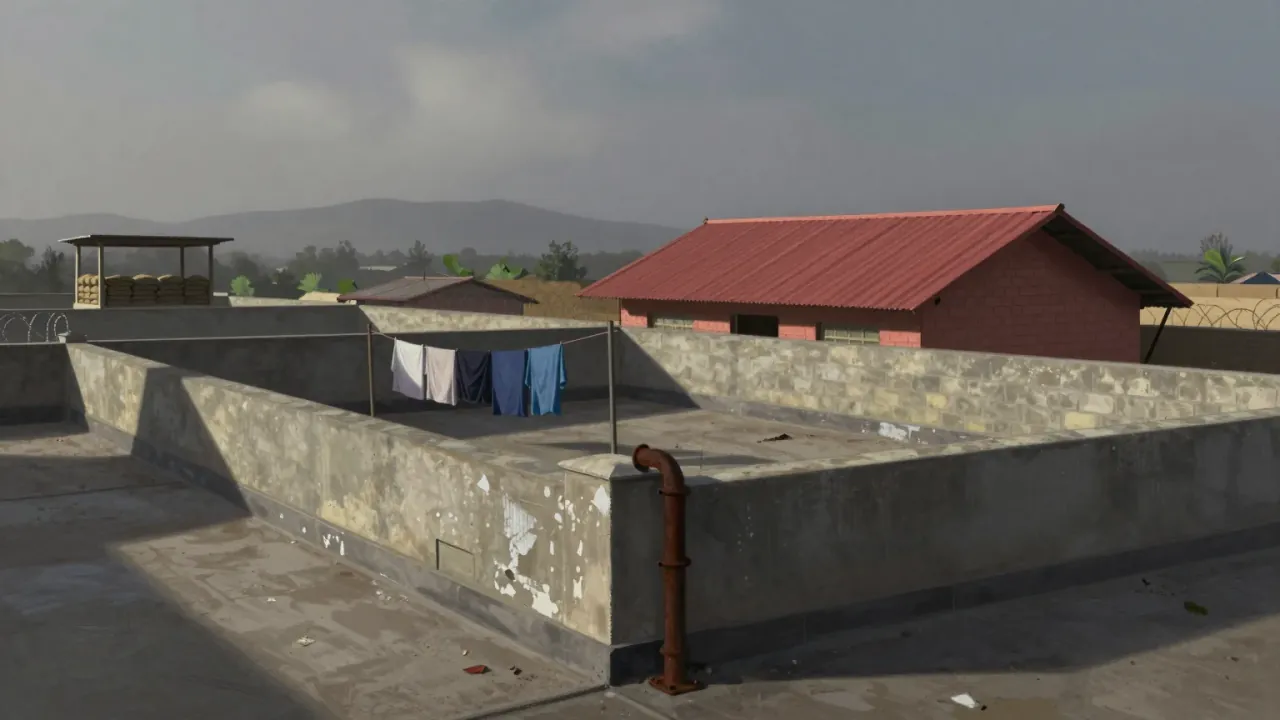
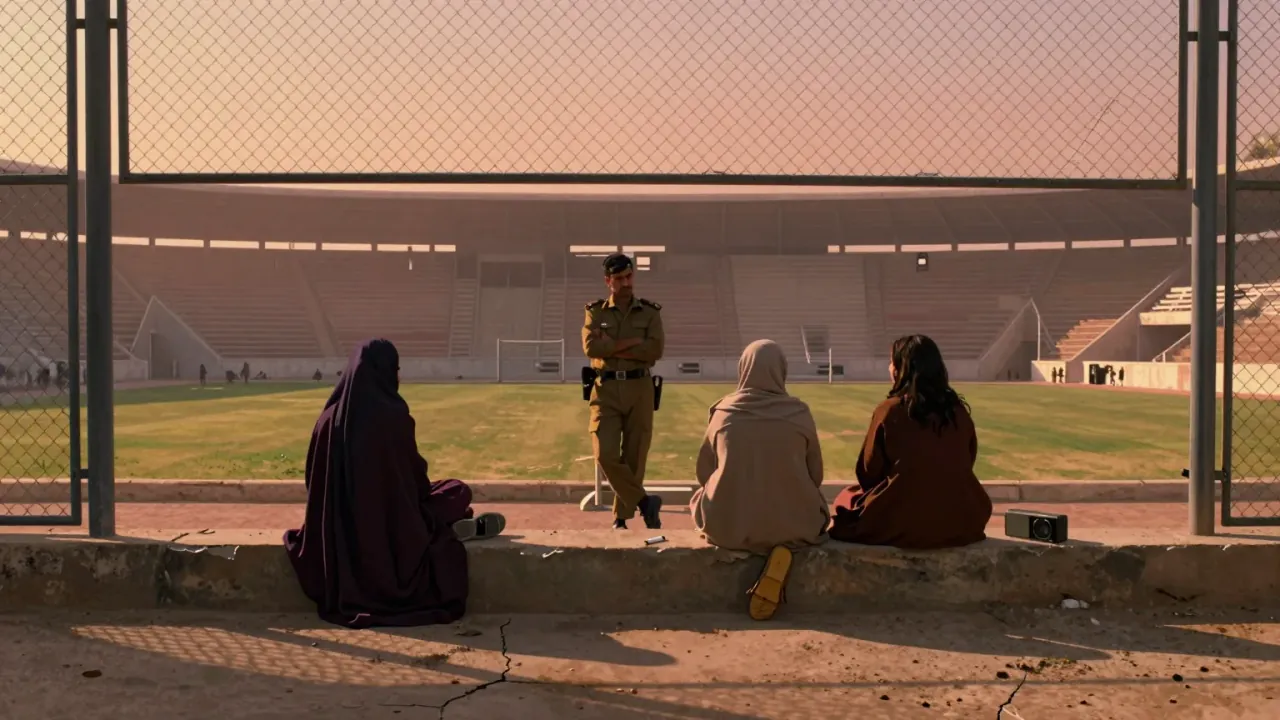
Offside (2006), directed by Jafar Panahi, follows a group of Iranian women arrested for trying to enter Azadi Stadium to watch a World Cup qualifier. Confined to a rooftop holding pen, they listen to the match through soldiers’ commentary and the distant roar of the crowd. Shot during the actual Iran–Bahrain game, the film blends documentary immediacy with scripted tension, examining gender exclusion through proximity, boredom, and fleeting solidarity — not protest or resolution.
13:00

Police Story

Jackie Chan · 1985

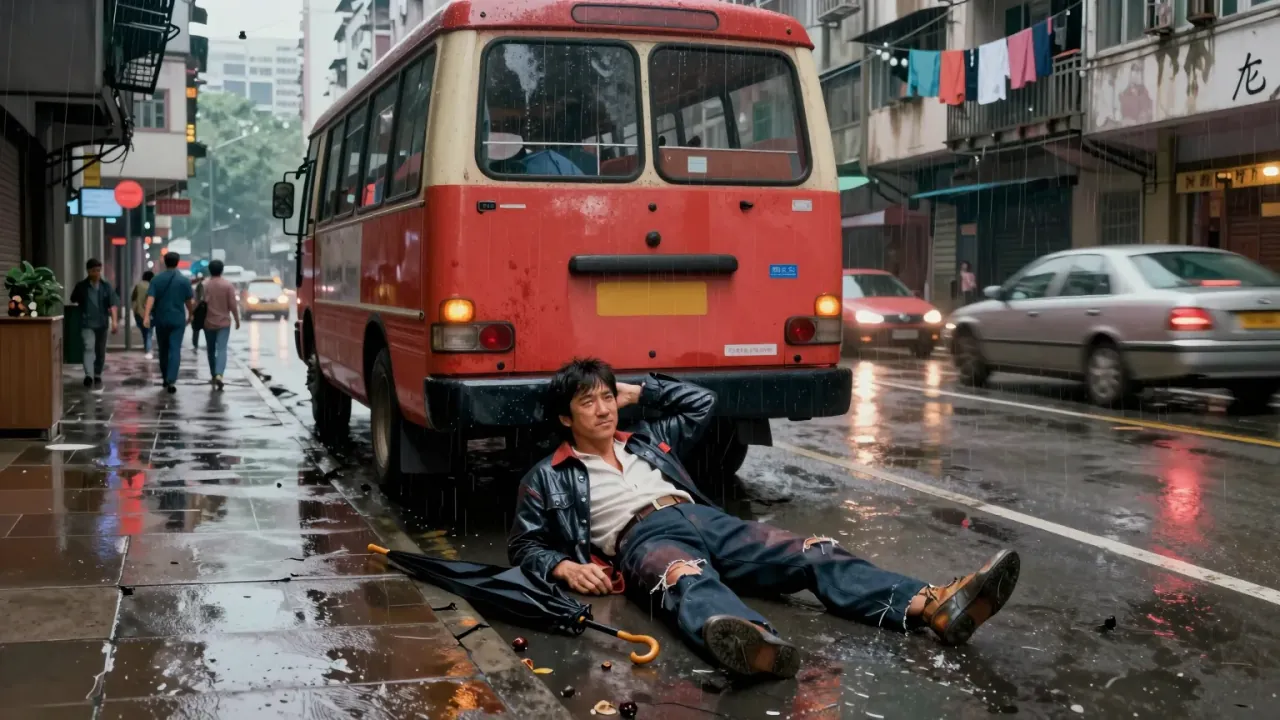
Jackie Chan’s 1985 Police Story is a Hong Kong action comedy structured around large-scale, practical stunts — a shantytown chase, a bus stop, and a shopping mall fight culminating in a pole slide through exploding lights. Written by Chan and Edward Tang, it follows Sergeant Chan Ka-Kui as he clears his name after being framed, using physical endurance rather than procedural logic. Yiu-Tsou Cheung’s cinematography and Peter Cheung’s editing prioritise legibility over flair, grounding each stunt in cause and consequence. It won Best Film at the 1986 Hong Kong Film Awards and remains influential for its commitment to tangible risk.

13:00

Raise the Red Lantern

Zhang Yimou · 1991

A 1991 Mandarin-language period drama directed by Zhang Yimou and adapted by Ni Zhen from Su Tong’s novella, Raise the Red Lantern follows Songlian (Gong Li), a young woman forced into becoming the fourth wife of a wealthy patriarch in 1920s Republican China. Set within the rigid confines of the Qiao Family Compound, the film charts her gradual subjection to a system where status is signalled by red lanterns, nightly visits, and foot massages — all governed by unspoken rules and silent hierarchies. Zhao Fei’s cinematography, Zhao Jiping’s score and Gong Li’s restrained performance cohere into a portrait of enclosure, repetition and eroded agency.

13:00

Ran

Akira Kurosawa · 1985

Akira Kurosawa’s 1985 epic reimagines King Lear as a Sengoku-period warlord’s collapse, grounded in Japanese history and his own artistic mortality. Shot across volcanic plains and ancient castles, it uses wide compositions, deliberate pacing, and Emi Wada’s award-winning costumes to build a world where chaos is not disorder but the inevitable residue of violence. With Tatsuya Nakadai’s monumental performance and Toru Takemitsu’s dissonant score, Ran sustains its 160-minute duration through material conviction rather than exposition — a film that trusts time, silence, and scale to carry meaning.

13:00

Rang De Basanti

Rakeysh Omprakash Mehra · 2006

Rang De Basanti (2006) follows five Delhi students drawn into a British filmmaker’s documentary about 1920s Indian revolutionaries. As they rehearse acts of defiance, real-world corruption forces them to confront their own passivity. Directed by Rakeysh Omprakash Mehra, with cinematography by Binod Pradhan and music by A. R. Rahman, it blends contemporary realism with historical re-enactment to ask what civic courage costs today. Though its climax strains credibility, its emotional logic and ensemble performances sustain its 157-minute runtime.

13:00

Rififi

Jules Dassin · 1955

Rififi (1955), directed by Jules Dassin, is a French crime film centred on a meticulously detailed, nearly silent jewellery heist in Paris. Made on a low budget after Dassin’s Hollywood blacklist, it strips away music, exposition, and glamour to focus on process, consequence, and the collapse of a thieves’ code. Its enduring power lies in its restraint: no score during the heist, no close-ups for emphasis, no redemption offered.

13:00

Shadow

Zhang Yimou · 2018

Zhang Yimou’s Shadow is a 2018 Chinese wuxia film shot in near-monochrome to emulate classical ink painting. Deng Chao plays both a wounded general and his decoy, Jingzhou, who must impersonate him to reclaim a lost territory. Set against rain-dampened courts and mist-shrouded duels, the film prioritises visual cohesion and philosophical combat over exposition or emotional catharsis. Zhao Xiaoding’s cinematography and the deliberate, yin-inflected fight choreography anchor its formal ambition.

13:00

Shadows

John Cassavetes · 1958

John Cassavetes’s 1958 debut is a foundational American independent film shot on 16mm in New York with non-professional actors. It traces two weeks in the lives of three Black siblings — two struggling jazz musicians and their light-skinned sister — as she navigates relationships across racial lines. Made for $40,000 with no script, no permits, and improvised performances guided by situation rather than dialogue, it privileges gesture, silence, and rhythmic editing over exposition. Though technically rough and narratively elliptical, its enduring power lies in its unwavering commitment to emotional truth over dramatic convenience.

13:00

Shakespeare in Love

John Madden · 1998

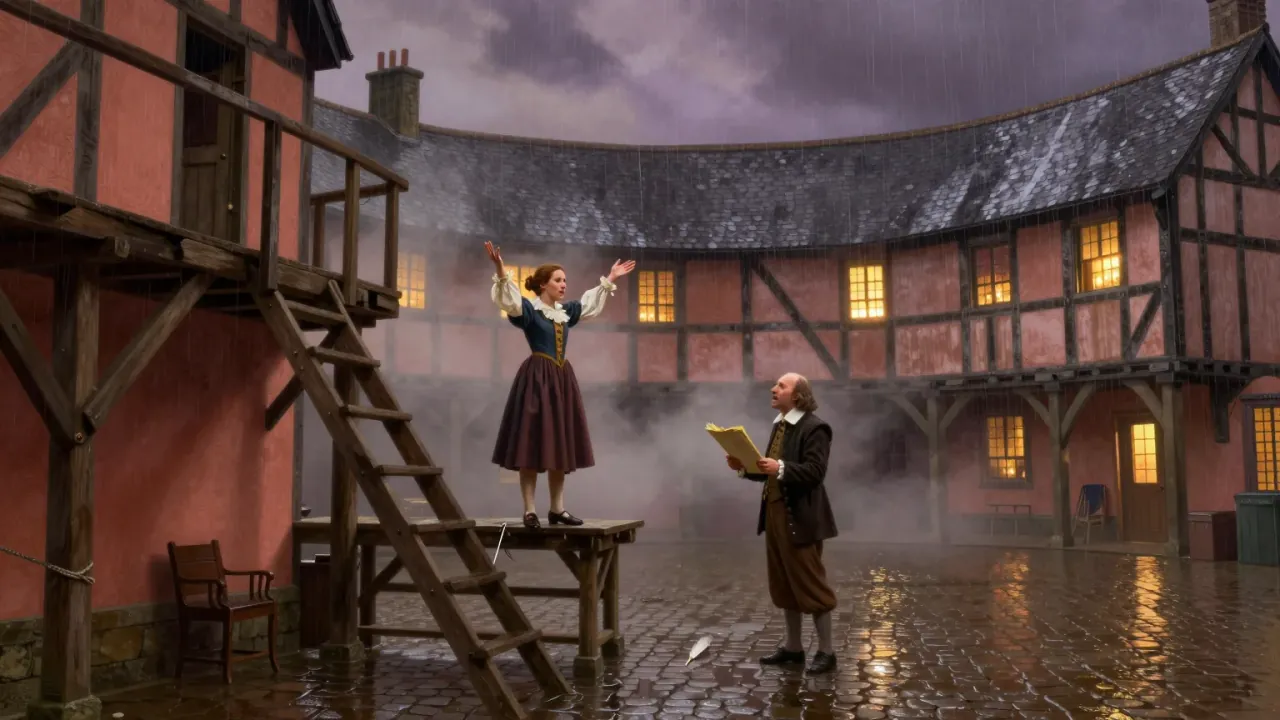
Shakespeare in Love (1998) imagines a love affair between a blocked William Shakespeare and the noblewoman Viola de Lesseps, whose secret presence in his company inspires Romeo and Juliet. Directed by John Madden and written by Marc Norman and Tom Stoppard, it blends period detail with theatrical wit, winning seven Academy Awards including Best Picture and Best Actress. Its strength lies in craft and chemistry; its limitation, in narrative convenience that softens moral and emotional stakes.

13:00

Singin' in the Rain

Gene Kelly, Stanley Donen · 1952

Singin’ in the Rain (1952) is a Metro-Goldwyn-Mayer musical directed by Gene Kelly and Stanley Donen, set during Hollywood’s transition from silent films to sound. With a script by Betty Comden and Adolph Green, it follows a leading man, his vaudevillian friend and a rising actress as they salvage a failing production by turning it into a musical. Built around pre-existing songs by Nacio Herb Brown and Arthur Freed, the film treats song-and-dance as narrative logic, not decoration. Its enduring reputation rests on choreographic precision, structural wit and an unironic belief in collective skill — not nostalgia.

13:00

Sometimes Happiness Sometimes Sadness

Karan Johar · 2001

Sometimes Happiness Sometimes Sadness (2001) is a Hindi-language family drama directed by Karan Johar, following the Raichand family across Delhi, London, and Cairo. When adopted son Rahul marries outside his class, his father Yash disowns him, triggering a decade-long estrangement. His younger brother Rohan engineers a reunion, culminating in public apology and dual weddings. Anchored by performances from Amitabh and Jaya Bachchan, Shah Rukh Khan, and Kajol, the film uses music, costume, and ritual to explore inheritance, visibility, and the slow labour of belonging.

13:00

Sweet Smell of Success

Alexander Mackendrick · 1957

Sweet Smell of Success (1957) is a tightly wound New York drama about a press agent’s moral collapse under the influence of a ruthless columnist. Directed by Alexander Mackendrick, with a screenplay restructured by Clifford Odets and Ernest Lehman, it stars Burt Lancaster and Tony Curtis in career-defining roles. James Wong Howe’s high-contrast cinematography and Elmer Bernstein’s jagged score deepen its portrait of media power as systemic, not personal. Though commercially unsuccessful on release, it is now regarded as a landmark of American cinema—culturally preserved, critically revered, and formally uncompromising.

13:00

The Birth of a Nation

D. W. Griffith · 1915

D. W. Griffith’s 1915 silent epic pioneered cinematic grammar while propagating a violently racist revision of Reconstruction history. Adapted from Thomas Dixon Jr.’s The Clansman, it glorifies the Ku Klux Klan as saviours of white womanhood and Southern order. Though lauded for its editing, scale, and orchestral score, its depictions of Black Americans—many performed in blackface—are dehumanising fabrications that incited protest on release and continue to shape debates about film preservation, pedagogy, and responsibility.

13:00

The Decalogue

Krzysztof Kieślowski · 1989

Krzysztof Kieślowski’s 1989 ten-part Polish television series The Decalogue explores everyday ethical dilemmas in a Warsaw housing estate. Each self-contained episode, written with Krzysztof Piesiewicz and shot by three cinematographers, treats a moral question loosely linked to one of the Ten Commandments — without naming them, without preaching, and without resolution. Starring Artur Barciś, Krystyna Janda, and others, and scored by Zbigniew Preisner, it is a study in restraint: in performance, image, sound, and consequence.

13:00

The Exterminating Angel

Luis Buñuel · 1962

Luis Buñuel’s 1962 Mexican surrealist film follows eighteen wealthy guests trapped in a mansion after a dinner party, unable to cross the threshold despite no physical barrier. Shot in six weeks by Gabriel Figueroa, with a sparse score by Raúl Lavista and editing by Carlos Savage, it uses repetition, stillness, and behavioural precision to dissect ritual, class, and collective inertia. It premiered at Cannes, won the FIPRESCI Prize, and remains a cornerstone of arthouse and comic-horror traditions.

13:00

The Fireman's Ball

Miloš Forman · 1967

Miloš Forman’s 1967 Czechoslovak comedy follows a provincial fire brigade’s annual ball as it slowly derails under the weight of its own good intentions, indifference and procedural inertia. Shot at Barrandov Studios by Miroslav Ondříček and scored by Karel Mareš, it observes without judging, repeats without explaining, and ends without resolving — making its case for the quiet absurdity of communal life through restraint, not rhetoric.

13:00

The Fountain

Darren Aronofsky · 2006

Darren Aronofsky’s 2006 film interweaves three timelines—a conquistador, a neurosurgeon, and a space traveller—all played by Hugh Jackman, bound to Rachel Weisz across centuries by love and loss. Shot on a Montreal soundstage with macro photography and a tightly controlled palette, it uses repetition, motif, and Clint Mansell’s score to explore mortality not as endpoint but as condition. Though commercially unsuccessful and critically divided, it has endured as a precise, austere, and emotionally resonant study of devotion in the face of time’s erosion.

13:00

The Graduate

Mike Nichols · 1967

Mike Nichols’ 1967 comedy-drama follows Benjamin Braddock, a recent graduate adrift in his parents’ Pasadena home, as he navigates seduction by Mrs. Robinson and infatuation with her daughter Elaine. Built on Dustin Hoffman’s restrained performance, Robert L. Surtees’ unadorned cinematography, and a Simon & Garfunkel–scored soundscape, it treats transition not as progress but as suspension — holding still long enough to see how social scripts smother agency.

13:00

The Killer

John Woo · 1989

John Woo’s 1989 Hong Kong action film follows a professional assassin who, after accidentally blinding a nightclub singer, pledges to fund her corneal transplant — a promise that draws him into lethal conflict with both triads and police. Stylised, morally austere, and formally rigorous, it treats violence as ritual and loyalty as sacred debt. Shot by Peter Pau and scored by Lowell Lo, it stars Chow Yun-fat, Sally Yeh, and Danny Lee.

13:00

The Naked City

Jules Dassin · 1948

The Naked City (1948) follows NYPD detectives investigating the murder of a model across real New York locations. Directed by Jules Dassin and written by Albert Maltz, it prioritises procedural fidelity over character depth or moral commentary. William H. Daniels’ cinematography and Paul Weatherwax’s editing anchor the film in tangible urban space, while Miklós Rózsa’s score underscores its climactic bridge chase and elegiac epilogue. Winner of two Academy Awards, it remains influential for its documentary rigour and structural clarity — a film less about crime than about how cities and institutions absorb and resolve it.

13:00

The Passion of Joan of Arc

Carl Theodor Dreyer · 1928

Carl Theodor Dreyer’s 1928 silent film distils Joan of Arc’s trial into a single, suffocating day, using radical close-ups, unvarnished performances and a stark concrete set to render her spiritual and physical ordeal with unnerving intimacy. Renée Falconetti’s legendary performance anchors a work of formal and theological rigour — austere, unrelenting, and profoundly human.

13:00

The Phantom Carriage

Victor Sjöström · 1921

Victor Sjöström’s 1921 adaptation of Selma Lagerlöf’s Körkarlen follows a dying drunkard forced by Death’s carriage to confront the damage he has wrought — on his wife, children, friends, and community. Shot by Julius Jaenzon with pioneering double exposures, it uses silence, shadow, and nested flashbacks to build a moral architecture where consequence is spatial, time is debt, and reform is earned in real time. Not horror in the genre sense, but in its unflinching gaze.

13:00

The Red Shoes

Emeric Pressburger, Michael Powell · 1948

The Red Shoes (1948) is a British dance drama directed by Powell and Pressburger, following ballerina Victoria Page as she joins a prestigious company, falls in love with a composer, and faces an ultimatum from her domineering director. Built around a fifteen-minute ballet adaptation of the Hans Christian Andersen fairy tale, the film uses saturated Technicolor, disciplined choreography, and a tightly wound narrative to explore the cost of artistic commitment. Moira Shearer stars in her film debut, supported by Anton Walbrook and Marius Goring. Shot largely in Paris and at Pinewood Studios, it won two Academy Awards and remains a landmark of cinematic integration of dance and drama.

13:00

The Rules of the Game

Jean Renoir · 1939

Jean Renoir’s 1939 ensemble drama follows aristocrats and servants over two days at a French château, using deep-focus cinematography, fluid camera movement, and layered sound to trace intersecting deceptions on the eve of war. Its formal rigour and moral clarity have made it a touchstone of arthouse cinema — though its deliberate pace and unexplained social codes demand patience and contextual awareness.

13:00

The Sacrifice

Andrei Tarkovsky · 1986

Andrei Tarkovsky’s 1986 Swedish-language drama The Sacrifice follows Alexander, an intellectual who vows to renounce all he loves if God will undo the outbreak of nuclear war. Shot by Sven Nykvist on Gotland, it uses long takes, Bach’s St Matthew Passion, and radical colour reduction to build a poetic parable about language, faith and consequence. Though awarded the Cannes Grand Prix, its austere form divides viewers: some find its silence profound, others its resolution evasive. It is Tarkovsky’s last completed film.

13:00

The Skin

Liliana Cavani · 1981

Liliana Cavani’s 1981 adaptation of Curzio Malaparte’s novel *The Skin* depicts Naples in the immediate aftermath of Allied liberation, where survival depends on transaction, dignity is measured in kilos, and liberation feels indistinguishable from conquest. Starring Marcello Mastroianni and Burt Lancaster, it uses stark cinematography, dissonant music and unflinching vignettes to trace the corrosion of morality under occupation — not as breakdown but as system.

13:00

The Son's Room

Nanni Moretti · 2001

Nanni Moretti’s 2001 drama follows a psychoanalyst and his family in Ancona after their teenage son drowns. Shot with unadorned naturalism by Giuseppe Lanci and edited with deliberate restraint by Esmeralda Calabria, the film charts the quiet disintegration of routine, language, and professional distance. Its power lies in accumulation—not revelation—in how photographs, letters, and unspoken silences reconfigure daily life. It won the Palme d’Or and David di Donatello for Best Film.

13:00

The Tales of Hoffmann

Michael Powell, Emeric Pressburger · 1951

Michael Powell and Emeric Pressburger’s 1951 Technicolor opera film transcribes Offenbach’s score into pure cinematic language—no dialogue, only sung text, stylised movement, symbolic colour and deliberately artificial sets. Framed by Hoffmann’s drunken recollection, three tales (Olympia, Giulietta, Antonia) unfold as tonal variations on obsession, each governed by a dominant hue and choreographed to Sir Thomas Beecham’s conducting. It is less a story about love than a demonstration of how film can function like music: through repetition, contrast, texture and timing.

13:00

The White Balloon

Jafar Panahi · 1994

Set on the eve of the Iranian New Year, Jafar Panahi’s 1994 debut follows seven-year-old Razieh as she tries to buy a goldfish with her mother’s last banknote. When the money slips through a street grate, she and her brother enlist the help of a young Afghan balloon seller to retrieve it. Filmed in natural light, with no score and minimal dialogue, the film observes childhood not as innocence but as embodied negotiation — with space, time, language, and adult indifference.

13:00

The White Sheik

Federico Fellini · 1952

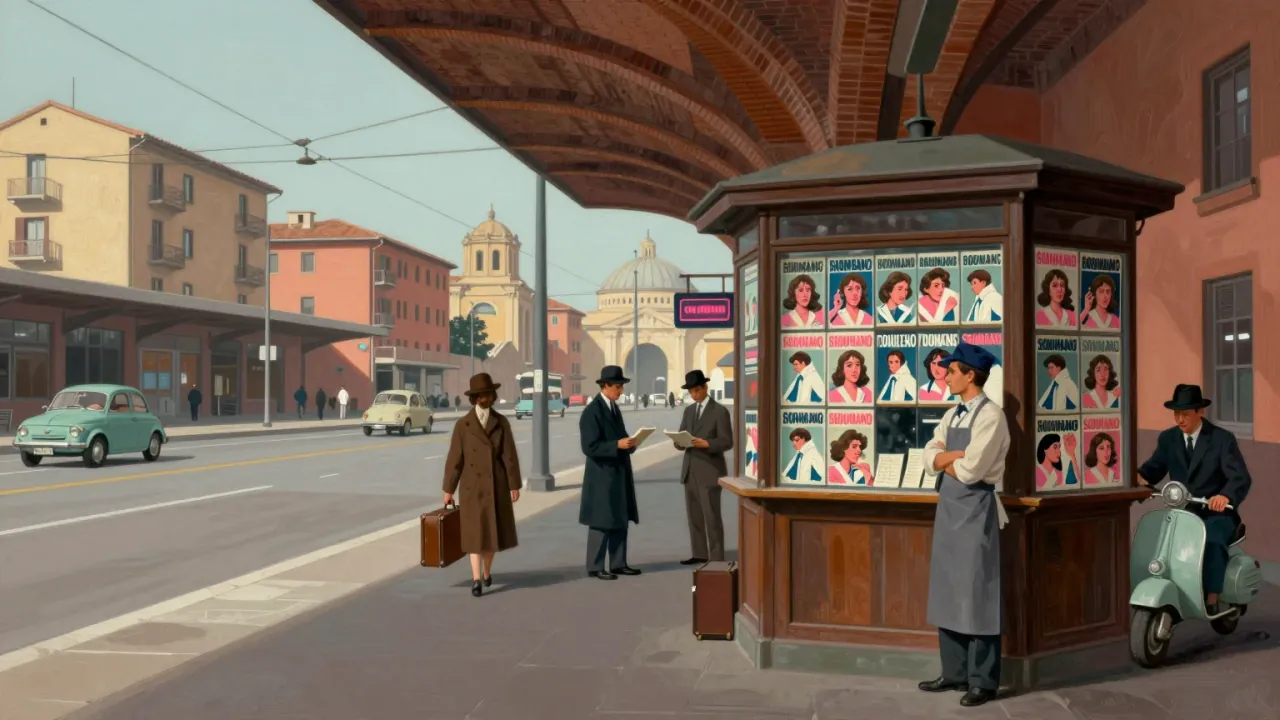
Federico Fellini’s 1952 debut as sole director follows a nervous groom whose bride vanishes in Rome to meet the hero of her favourite photo-strip. Built around the mechanics of Italian fotoromanzi, the film uses crisp comic timing, stylised cinematography and Nino Rota’s light score to dissect how mass fantasy reshapes desire, class performance and marital expectation — without sentiment or resolution.
13:00

The Witch

Robert Eggers · 2015

Robert Eggers’s 2015 debut is a meticulously researched Puritan folktale set in 1630s New England. After a family is banished and settles near a forbidding forest, the disappearance of their infant son triggers theological panic, mutual suspicion and spiritual unraveling. Shot in natural light with Early Modern English dialogue, period-accurate costumes and a dissonant, instrumentally unconventional score, the film builds dread through restraint, silence and escalating ambiguity — culminating not in terror, but in a chilling, ecstatic surrender.

13:00

The Wrestler

Darren Aronofsky · 2008

Darren Aronofsky’s 2008 drama follows Randy 'The Ram' Robinson, an ageing professional wrestler clinging to identity through performance as his body fails and his relationships fray. Shot on 16mm by Maryse Alberti and scored by Clint Mansell, it stars Mickey Rourke in a physically exacting performance that revitalised his career. The film won the Golden Lion at Venice and received critical acclaim for its restraint, realism, and unsentimental treatment of ageing, labour, and obsolescence.

13:00

Tokyo Drifter

Seijun Suzuki · 1966

Tokyo Drifter (1966) is Seijun Suzuki’s formally audacious crime film for Nikkatsu, starring Tetsuya Watari as a drifting hitman navigating shifting loyalties and surreal cityscapes. Made under tight budget constraints, it responds with heightened artifice: pop-art colour, abrupt editing, musical interludes, and stylised violence. Rather than a conventional underworld drama, it functions as a parody and deconstruction of the ninkyo eiga tradition — using genre tropes as raw material for visual and rhythmic experimentation. Its themes centre on performative identity, the fragility of allegiance, and the constructed nature of place. Though narratively elliptical, its consistency of tone and design makes it a landmark of Japanese arthouse cinema.
13:00

Top Gun

Tony Scott · 1986

A 1986 Paramount action film directed by Tony Scott, Top Gun follows naval aviator Pete ‘Maverick’ Mitchell through the Navy’s elite fighter weapons school. Built around real F-14 flight footage and a synth-heavy score, it prioritises kinetic clarity and visual rhythm over psychological depth or political nuance. Though critically mixed on release, its formal coherence and cultural resonance have secured its status as a defining artefact of 1980s studio filmmaking.

13:00

Touch of Evil

Orson Welles · 1958

Orson Welles’s 1958 *Touch of Evil*, shot by Russell Metty and scored by Henry Mancini, follows Mexican narcotics officer Miguel Vargas as he investigates a cross-border bombing amid institutional obstruction and moral decay. Though compromised by studio edits, its formal rigour, layered performances, and unsentimental treatment of power make it a cornerstone of American crime cinema.

13:00

True Romance

Tony Scott · 1993

Tony Scott’s 1993 True Romance, written by Quentin Tarantino, follows newlyweds Clarence and Alabama as they flee Detroit with stolen cocaine, pursued by the Mafia and compromised by police informants. Anchored by Christian Slater and Patricia Arquette’s intimate, physically committed performances, the film balances stylised violence, pop-cultural wit, and genuine romantic urgency. Jeffrey L. Kimball’s saturated cinematography and Hans Zimmer’s looping Orff-based score reinforce its fable-like intensity. Though structurally uneven — strongest in its Detroit origins, thinner in its LA climax — it sustains tone and emotional logic across 120 minutes. A cult favourite, it rewards viewers attuned to its specific blend of pulp sincerity and visual bravado.

13:00

Two or Three Things I Know About Her

Jean-Luc Godard · 1967

Jean-Luc Godard’s 1967 essay-film follows a Parisian housewife who prostitutes herself by day, using her routine as a lens to examine consumerism, advertising, the Vietnam War, and the banlieue as ideological infrastructure. Built from fragmented scenes, whispered narration, and deliberate interruptions, it rejects narrative for inquiry — asking not what happens next, but how meaning is produced, circulated, and dissolved in modern life.

13:00

Viridiana

Luis Buñuel · 1961

Luis Buñuel’s 1961 Palme d’Or winner adapts Pérez Galdós into a stark Mexican drama about a novice nun whose vow of poverty unravels when she tries to run an almshouse for beggars. Shot in flat, frontal compositions by José Fernández Aguayo and edited with deliberate stillness by Pedro del Rey, it uses silence, repetition, and ritual mimicry to expose the fragility of moral systems. The film’s power lies in its refusal to explain, judge, or resolve — making it essential arthouse viewing, though demanding for those who seek narrative clarity or psychological warmth.

13:00

West Side Story

Robert Wise, Jerome Robbins · 1961

West Side Story (1961) adapts the Broadway musical into a formally rigorous film where dance, editing and colour articulate racial tension and adolescent love in 1950s New York. Directed by Robert Wise and Jerome Robbins, it stars Natalie Wood and Richard Beymer, with music by Leonard Bernstein and choreography rooted in Robbins’s stage vision. Though its dramatic interludes lack the same force as its musical sequences, its sustained formal intelligence — in cinematography, editing and staging — secures its place as a benchmark for the genre.
13:00

Wings of Desire

Wim Wenders · 1987

Wings of Desire (1987) is a West German–French arthouse fantasy set in Cold War Berlin, following an angel who abandons immortality to experience human sensation. Shot in black-and-white for the angels’ perspective and colour for human life, it uses poetic narration, restrained performances, and location-based realism to explore silence, memory, and embodiment. Directed by Wim Wenders with cinematography by Henri Alekan and music by Jürgen Knieper, it won European Film Awards and critical acclaim, though its deliberate pace and abstract structure divide viewers.

13:00

Working Girl

Mike Nichols · 1988

Working Girl (1988), directed by Mike Nichols, follows Tess McGill, a Staten Island secretary with a night-school business degree, as she navigates corporate Manhattan. After being fired from one brokerage, she lands a job with Katharine Parker at Petty Marsh — only to discover her boss intends to steal her idea for a radio-network acquisition. When Katharine breaks her leg, Tess steps in, borrows her wardrobe, and executes the deal herself. Melanie Griffith, Harrison Ford, and Sigourney Weaver anchor a tightly written, visually controlled film that treats ambition as procedural, not mythical — and success as earned, narrow, and reversible.
9:51

The Roaring Twenties

Raoul Walsh · 1939

The Roaring Twenties (1939) is a studio-crafted gangster film that uses the interwar years as architecture—not archive. It honours early-1930s genre conventions while narrowing the decade to a single masculine trajectory: rise, rule, ruin. Its specificity (1919–1933, Hellinger source, Walsh direction) makes it a useful artifact—not of the twenties, but of how Hollywood repackaged them on the cusp of war.