The scale of it
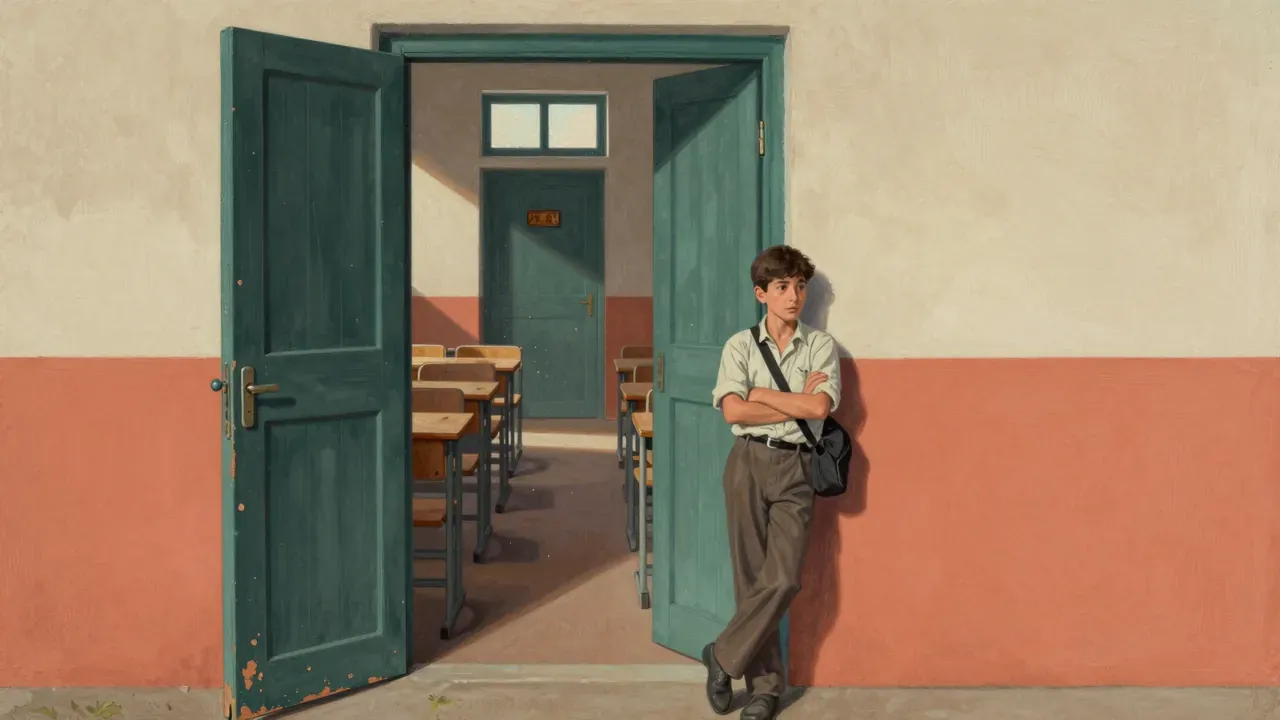
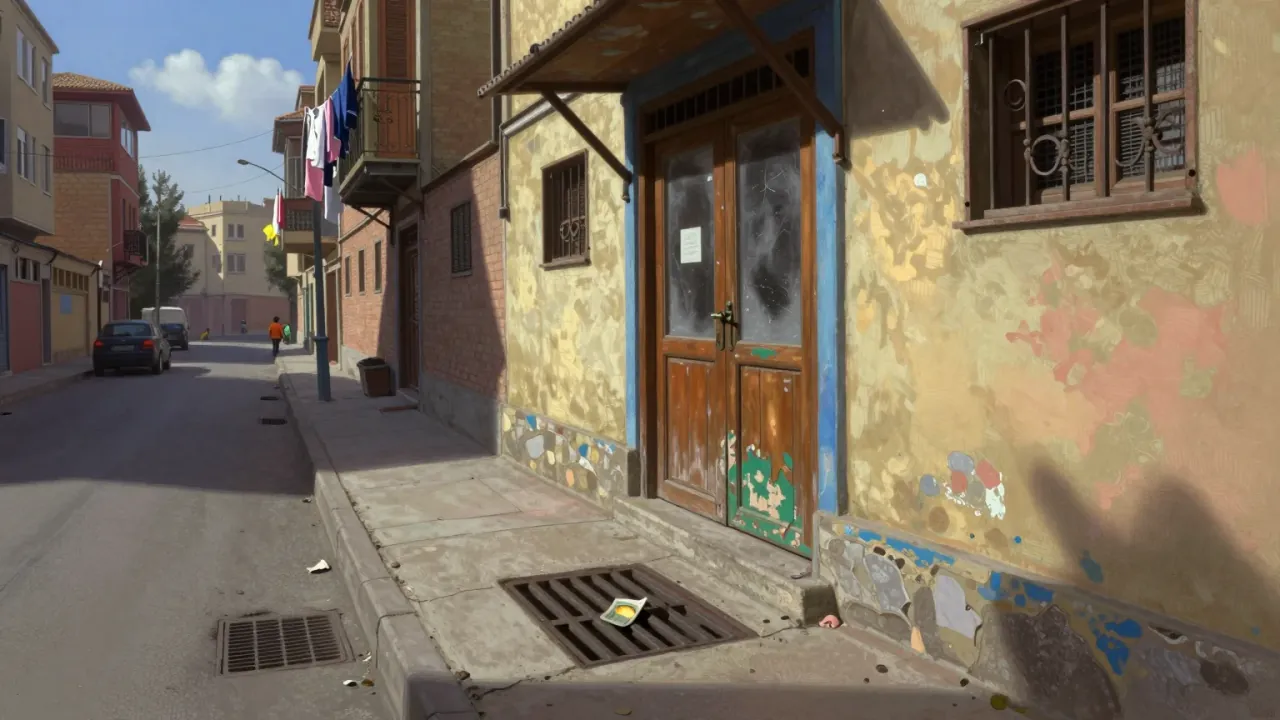
The White Balloon is a tightly observed, single-day Iranian children’s film set on the eve of Nowruz. It follows seven-year-old Razieh as she attempts to buy a goldfish with her mother’s last 500-toman note — a task that unravels into a quiet odyssey across a Tehran neighbourhood. Jafar Panahi, directing his first feature and co-writing with Abbas Kiarostami and Parviz Shahbazi, works within strict formal limits: no music, no close-ups on faces for emotional emphasis, no exposition beyond what Razieh sees or hears. The film does not seek to dramatise childhood innocence so much as to hold steady on the physical and social terrain a child must navigate unaided — a street, a grate, a language barrier, a currency note slipping from small fingers. Its ambition is structural and ethical: to let narrative pressure build not from plot turns but from spatial constraint, time pressure, and the incremental exhaustion of agency. It treats childhood not as metaphor but as condition — one defined by scale, dependency, and the slow dawning of reciprocity.
The look of it
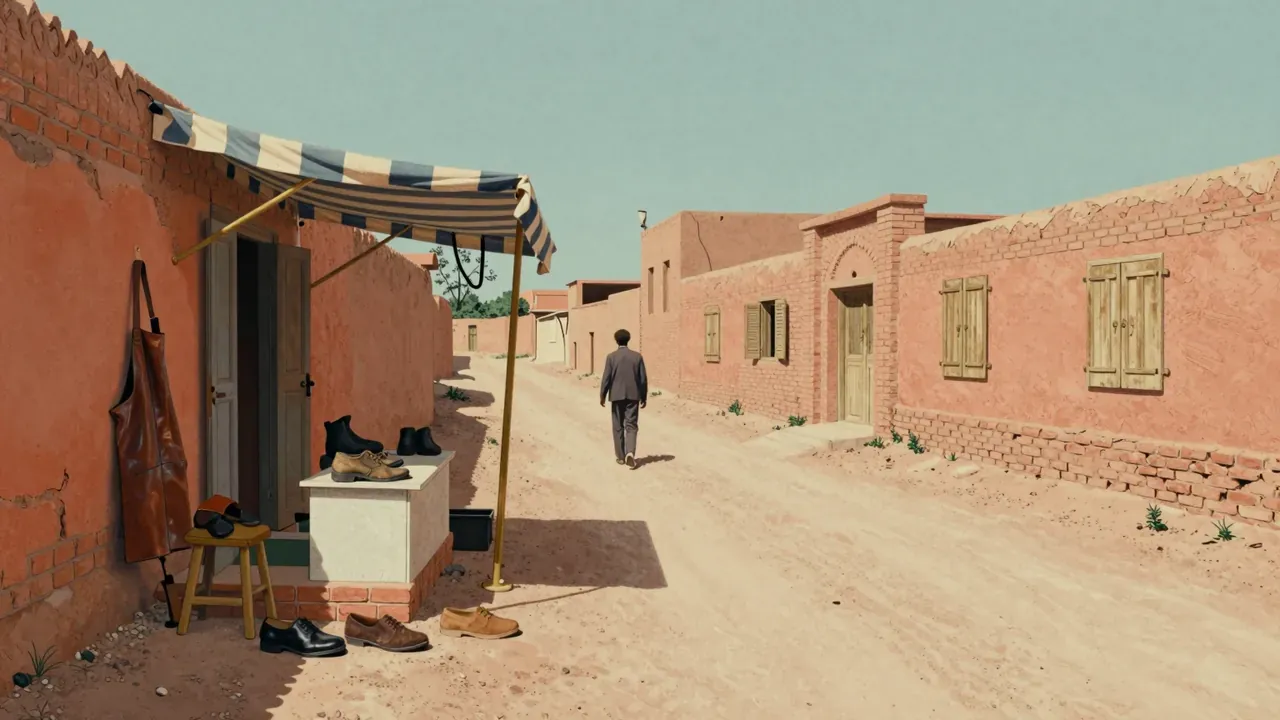
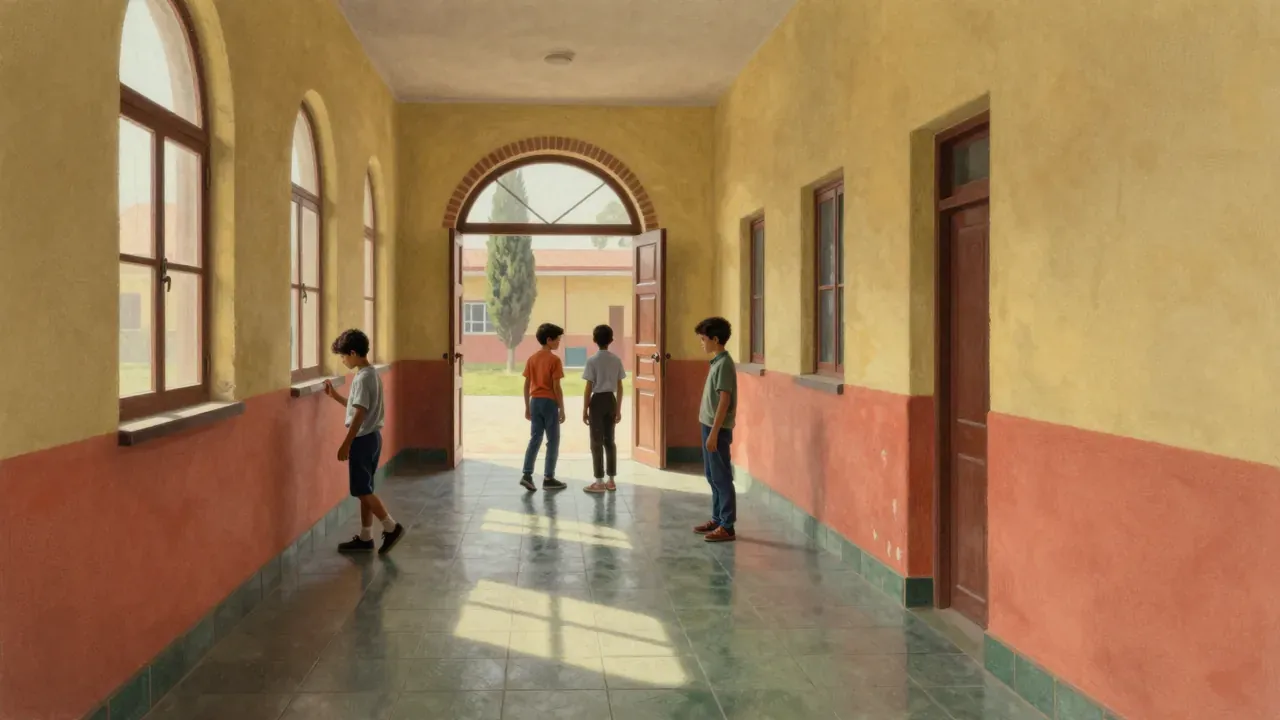
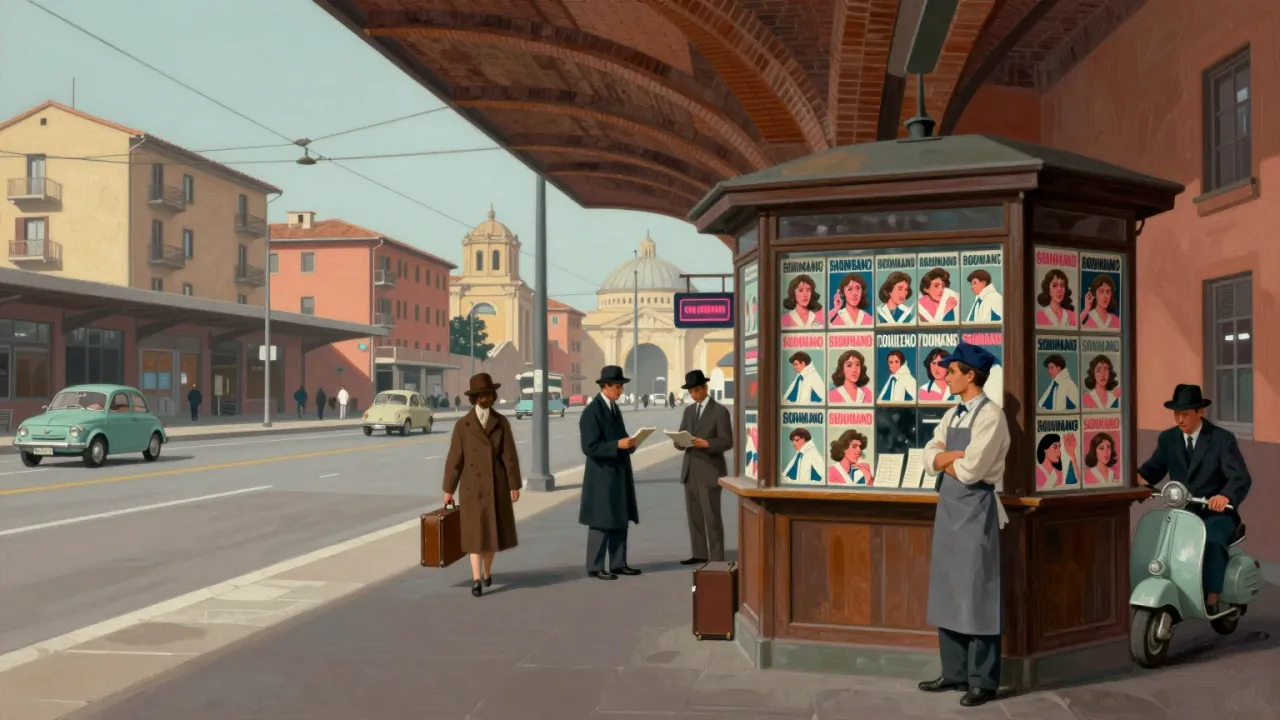
The story unfolds in real time across roughly 85 minutes, anchored to Razieh’s perspective without voiceover or subjective editing. Aida Mohammadkhani, non-professional and seven years old, performs with unselfconscious attention — her expressions shift not for the camera but in response to surfaces, sounds, and adult indifference. Fereshteh Sadre-Orafaee as the mother gives a performance of weary practicality, never softened for sympathy. The craft is restrained: Mikado’s production design keeps interiors modest and exteriors unvarnished; the camera, operated with patient neutrality, stays at child height or just above, avoiding crane shots or tracking moves that would impose interpretation. Editing by Panahi sustains duration — a long take at the grate lasts over two minutes, not for effect but because the problem takes that long to solve. Sound design is diegetic and sparse: street noise, distant chanting, the clink of coins, the rustle of paper. There are no score cues, no symbolic motifs — only the weight of waiting, the friction of surfaces, the grammar of small negotiations.
The work of it
What lands is the accumulated gravity of minor obstacles. The loss of money through the grate is not comic misfortune but a genuine impasse — one that demands collaboration, ingenuity, and patience from three people who share no language, no status, and no claim on each other’s time. The Afghan boy’s return with gum and his single white balloon carries no sentimental uplift; it lands because it is preceded by his earlier departure, by Ali’s failed errand, by Razieh’s silent vigil. The film trusts the audience to register cause and consequence without underlining them. The final still of the boy, alone as the new year begins, lands not as irony or pity but as quiet acknowledgment: he remains outside the family ritual, outside the shop, outside the frame of celebration — yet central to the act that made it possible. This restraint avoids condescension toward either child or viewer. The film’s moral architecture is built not in speeches but in who bends down, who waits, who shares gum, and who walks away after.
The tone of it
What does not land is any attempt to read the film as light comedy. Though Wikidata classifies it as a comedy film, the tone resists levity — there is no punchline, no caricature, no release through laughter. The humour, if present, is dry and situational: the soap thrown at Ali, the mother’s deadpan refusal, the bureaucratic precision of a shopkeeper refusing credit. But these moments do not accumulate into comic rhythm; they are interruptions in a procedural logic. Nor does the film succeed as political allegory — its references to migration (the Afghan vendor), bureaucracy (the closed shop), or economic scarcity (the single banknote) are presented as facts of environment, not arguments. Attempts to extract a thesis about Iranian society or refugee precarity founder on the film’s refusal to name or explain. It offers no context for why the shop is closed, no backstory for the soldier, no commentary on the snake charmers — and that omission, while formally coherent, leaves some viewers wanting orientation that the film deliberately withholds.
The shape of it
The themes that matter are scale, access, and reciprocity. Scale operates literally — doorways too tall, grates too narrow, adults too fast-moving — and socially — Razieh’s authority is measured in tomans, not words. Access is physical (the grate), linguistic (the Afghan boy’s Persian is hesitant), and institutional (the fish shop’s fixed price, the closed store’s locked gate). Reciprocity emerges not as exchange but as temporary alignment: Ali helps Razieh not out of duty but because she offers a balloon; the Afghan boy returns not out of obligation but because the problem remains unsolved and he has the right tool. These are not grand ideas but daily conditions — how children learn to negotiate space, how strangers coordinate without shared history, how help arrives without fanfare or record. The film treats time itself as a theme: the New Year looms as deadline, not symbol. Its urgency is calendrical, not metaphysical — the clock is ticking because the shops will shut, not because childhood is fleeting.
The audience for it
It is for viewers who accept that a child’s errand can carry narrative weight without escalation, who trust long takes over exposition, and who find tension in stillness rather than speed. It suits those accustomed to arthouse pacing — fans of early Kiarostami, or of later works like A Separation — and those interested in Iranian cinema outside the framework of state censorship or protest. It is not for viewers who require character arcs, thematic resolution, or emotional payoff calibrated to Western dramatic conventions. Parents expecting ‘family film’ warmth may find its reserve alienating; students looking for clear sociopolitical messaging will find its silence frustrating. Its value lies in what it refuses: explanation, embellishment, and the assumption that small stakes need amplification. That refusal is deliberate — and those who dislike it are not wrong, only mismatched to its terms.
The weight of it
Yes, it is worth your evening — provided you watch it as it asks to be watched: without anticipation of climax, without demand for closure, and with tolerance for ambiguity that lingers after the final frame. Its 85 minutes pass without strain because its rhythm is that of pedestrian time — stops, waits, recalibrations. It repays attention not with revelation but with recalibration: the way a pavement looks when you’re knee-high, the weight of a banknote in a small palm, the effort required to lift a stick just high enough. Those who find this inert have a valid response — the film makes no plea for engagement. But its discipline is precise, its empathy unsentimental, and its vision of childhood grounded in physics, not poetry. To call it slight is to mistake economy for thinness. It is slender, yes — but structurally sound, and quietly insistent.