filmbriefs
Oldest

All briefs

2035 briefs · 26452 min · 1057–1152 on page 12 of 22
13:00

Hunger

Steve McQueen · 2008

Steve McQueen’s 2008 debut dramatises the 1981 IRA hunger strike in Maze Prison, focusing on Bobby Sands’s final weeks. Shot in stark, immersive style by Sean Bobbitt and edited by Joe Walker, it privileges physical detail over exposition, using long takes, minimal dialogue, and unflinching attention to the body’s decay and resilience. Michael Fassbender lost significant weight for the role. The film premiered at Cannes, winning the Caméra d’Or, and received widespread critical acclaim for its formal rigour and moral gravity.
13:00

I Am Cuba

Mikhail Kalatozov · 1964

I Am Cuba (1964) is a Soviet-Cuban co-production directed by Mikhail Kalatozov, presenting four interwoven stories of Cuban life before the Revolution. Shot in stark black and white with groundbreaking long takes and extreme wide-angle lenses by Sergey Urusevsky, it traces dispossession, resistance, and political awakening through the lives of a prostitute, a sugar farmer, student activists, and a reluctant rebel. Though initially dismissed in both Havana and Moscow for its perceived detachment and ideological ambiguity, it was rediscovered in the 1990s and acclaimed for its formal daring and political gravity.
13:00

I Am Curious (Blue)

Vilgot Sjöman · 1968

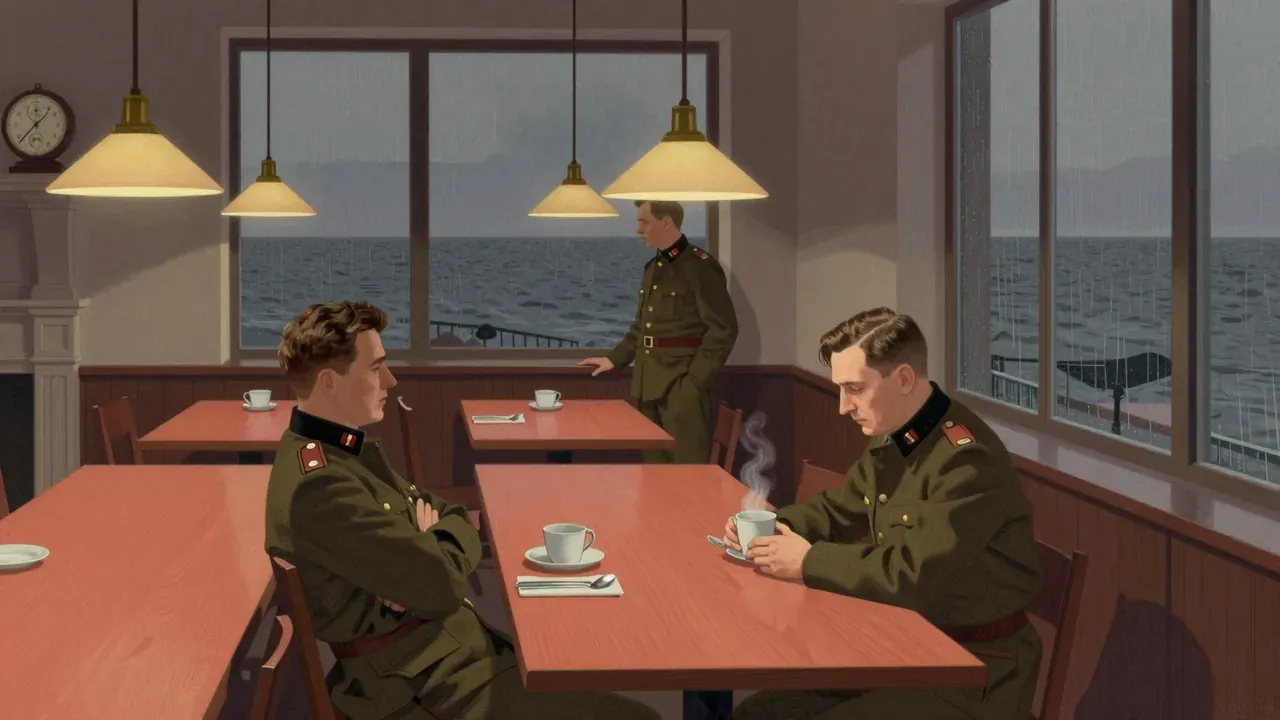
I Am Curious (Blue) is Vilgot Sjöman’s 1968 companion to Yellow, recutting and retoning the same material into a colder, more fragmented inquiry. Starring Lena Nyman as a version of herself, it follows her sexual and political reckoning across Stockholm and rural Sweden, using documentary interludes, staged debates and bodily realism — notably a scabies outbreak — to test the limits of nonviolence, meritocracy and personal authenticity. Peter Wester’s underlit cinematography and Bengt Ernryd’s sparse score reinforce its sombre, unsentimental tone.

13:00

I Am Curious (Yellow)

Vilgot Sjöman · 1967

I Am Curious (Yellow) is Vilgot Sjöman’s 1967 Swedish art film starring Lena Nyman as a politically engaged theatre student conducting street interviews while navigating a fraught relationship and family history. Shot in naturalistic style by Peter Wester and edited with deliberate fragmentation by Wic’ Kjellin, it blends documentary impulse with autobiographical exposure. Notorious for its nudity and legal battles over obscenity, its real subject is the entanglement of ideology and intimacy — how class, race and war live in the body and the bedroom. Though uneven and dated in places, it remains a singular document of 1960s political cinema’s ambition to make thought visible, tactile and unresolved.

13:00

I Am Waiting

Koreyoshi Kurahara · 1957

Directed by Koreyoshi Kurahara and released in 1957, I Am Waiting follows a disgraced boxer and a failing cabaret singer as they shelter together in a Tokyo restaurant, evading gangsters and their own pasts. Written by Shintarō Ishihara and starring Yūjirō Ishihara and Mie Kitahara, it is a tightly wound drama of quiet desperation, built on withheld information, atmospheric tension, and the weight of unspoken histories. Part of Nikkatsu’s early noir wave, it trades plot mechanics for psychological compression and visual restraint.

13:00

I, Daniel Blake

Ken Loach · 2016

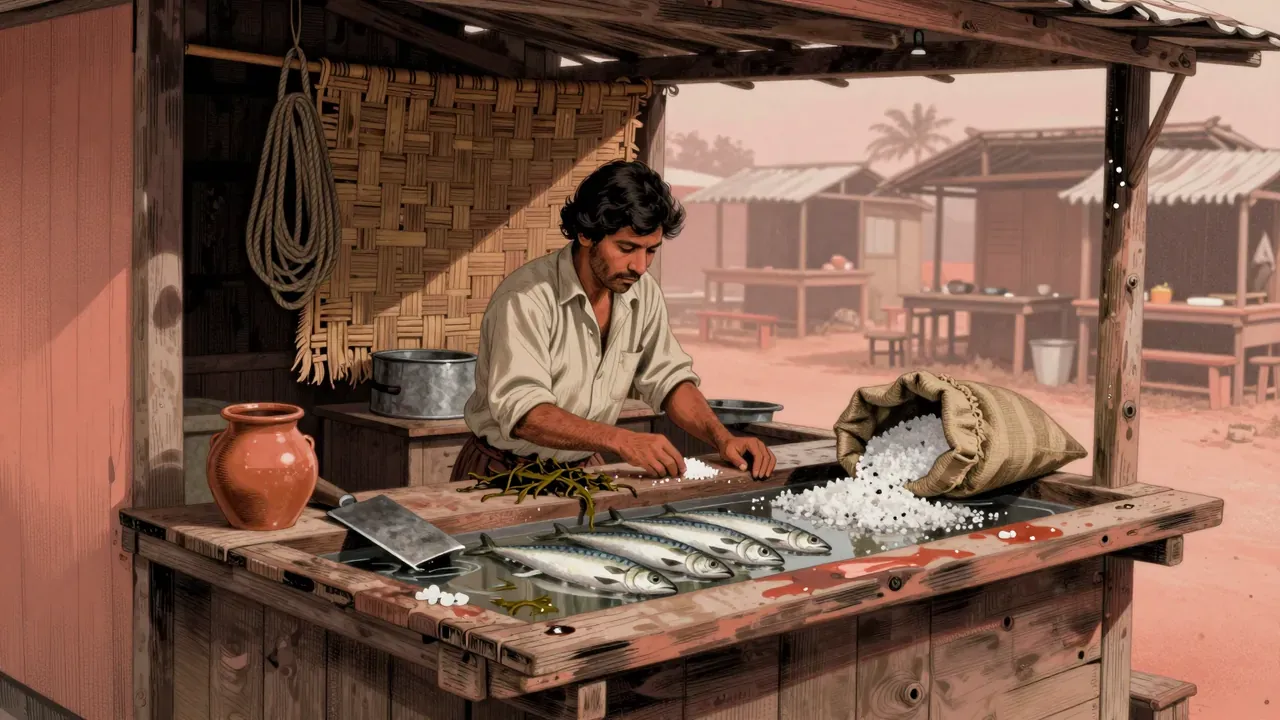
Ken Loach’s 2016 drama follows a Newcastle joiner denied benefits after a heart attack, and a single mother navigating homelessness and sanctions. Built from real testimonies and shot with documentary restraint, it charts how digital mandates, punitive rules, and institutional indifference corrode health, time, and dignity. Winning the Palme d’Or, it remains a stark, unsentimental record of austerity’s human toll.
13:00

I Figli di nessuno

Raffaello Matarazzo · 1951

I Figli di nessuno (1951), directed by Raffaello Matarazzo, follows a marble quarry owner and the daughter of his employee whose relationship and child provoke familial rejection and tragic consequences. Starring Amedeo Nazzari and Yvonne Sanson, it is a formally precise, studio-bound drama rooted in postwar Italian melodrama conventions — prioritising emotional legibility, moral structure, and quiet endurance over psychological nuance or social critique.

13:00

I Hate But Love

Koreyoshi Kurahara · 1962

I Hate But Love (1962), directed by Koreyoshi Kurahara, is a Japanese teen drama centred on two high-school students whose bickering masks mutual attraction. Shot with restraint and performed with understated nuance, it prioritises behavioural detail over exposition or narrative escalation. Set against early-1960s Tokyo middle-class life, it offers no grand statements — only a patient, tactile portrait of how young people learn to read, misread, and withhold feeling.

13:00

I Knew Her Well

Antonio Pietrangeli · 1965

Antonio Pietrangeli’s I Knew Her Well follows Adriana Astarelli, a provincial woman navigating Rome’s celebrity fringes in 1965. With Stefania Sandrelli in a performance of quiet intensity, the film avoids plot in favour of cumulative observation: each encounter reveals how attention is rationed, gender shapes access, and ambition functions as rational response to constraint. Armando Nannuzzi’s cinematography and Benedetto Ghiglia’s restrained score support a structure built on repetition, silence, and unexplained exits. It is arthouse realism at its most patient — a portrait that asks the viewer to attend, not interpret.

13:00

I Know Where I'm Going!

Michael Powell, Emeric Pressburger · 1945

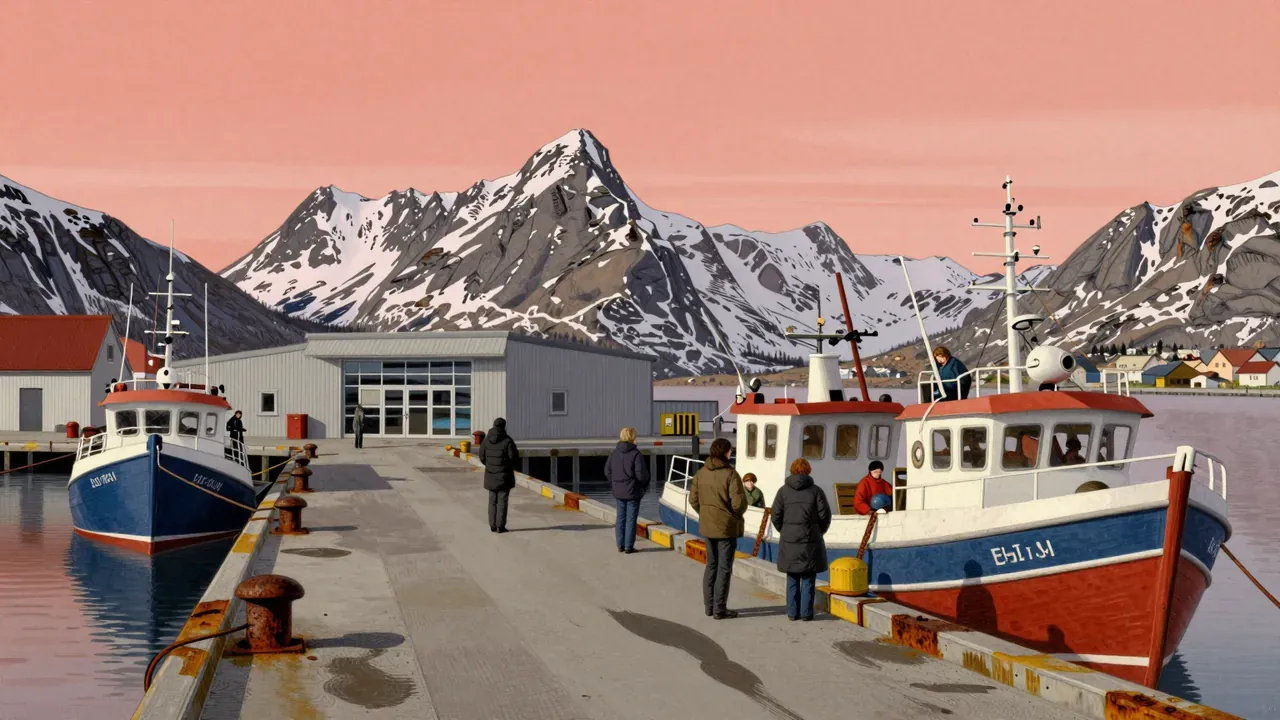
Made in 1945 by Powell and Pressburger, I Know Where I'm Going! follows Joan Webster, a determined Englishwoman whose plans to marry a wealthy industrialist on a Hebridean island are stalled by gales and community. Stuck on Mull, she meets Torquil MacNeil and begins to question the life she assumed was fixed. Shot on location and at Denham Studios, with Erwin Hillier’s restrained cinematography and Allan Gray’s folk-inflected score, the film is a precisely engineered argument against instrumental thinking — where place, time and tradition act not as scenery but as quiet, persistent agents of change.
13:00

I Live in Fear

Akira Kurosawa · 1955

Akira Kurosawa’s 1955 drama follows Kiichi Nakajima (Toshirō Mifune), an ageing foundry owner convinced that nuclear war is inevitable, and his desperate, legally contested plan to move his family to Brazil. Framed by a family arbitration and ending in psychiatric confinement, the film avoids sensationalism, using restrained performances, precise black-and-white cinematography by Asakazu Nakai, and Masaru Sato’s austere score to examine fear, competence, and the social cost of foresight in postwar Japan.

13:00

I Married a Witch

René Clair · 1942

René Clair’s 1942 I Married a Witch is a tightly wound romantic fantasy starring Veronica Lake as a resurrected witch who disrupts the engagement of politician Wallace Wooley (Fredric March). Adapted from Thorne Smith’s unfinished novel, it uses magic not for wonder but as a scalpel to dissect marriage, politics, and gender. Ted Tetzlaff’s cinematography, Roy Webb’s score, and Clair’s economical staging sustain a tone of wry, unhurried absurdity — one that rewards attention to rhythm and restraint over plot or sentiment.

13:00

I Shot Jesse James

Samuel Fuller · 1949

Samuel Fuller’s 1949 directorial debut tells the story of Bob Ford, the man who murdered Jesse James—not as a folk villain but as a psychologically fraying opportunist. Shot cheaply and quickly, it uses stark black-and-white cinematography and tightly written scenes to trace Ford’s moral disintegration after the killing, his failed attempts at respectability, and his inevitable downfall. With John Ireland in a defining early role and Fuller’s signature moral directness, it remains a lean, unsentimental study of infamy, reputation, and the cost of self-deception.

13:00

I Vitelloni

Federico Fellini · 1953

Federico Fellini’s 1953 film follows five idle young men in a provincial Italian town as summer ends and inertia sets in. With no grand plot, only accumulated moments — a shotgun wedding, a masquerade ball, a seaside walk — it observes how lives persist without direction. Otello Martelli’s understated cinematography and Nino Rota’s delicate score reinforce its mood of suspended time. Though some subplots falter and its pacing resists conventional engagement, its power lies in its fidelity to a specific, unromantic truth: that growing up is often less about leaping forward than learning to bear the weight of staying still.

13:00

I Walked with a Zombie

Jacques Tourneur · 1943

I Walked with a Zombie (1943), directed by Jacques Tourneur and produced by Val Lewton, follows a Canadian nurse who travels to a Caribbean sugar plantation and becomes entangled in the mystery of her employer’s catatonic wife. Shot on a shoestring budget, it sustains dread through atmosphere, implication, and moral ambiguity rather than gore or spectacle. Drawing on Charlotte Brontë’s Jane Eyre and Inez Wallace’s article on Haitian 'zombies', it treats Vodou as a system of belief entwined with power and history — not exotic fantasy. Its strength lies in its restrained craft, evocative cinematography, and unflinching engagement with colonial legacy, though its narrative vagueness may frustrate some viewers.

13:00

I Wanna Hold Your Hand

Robert Zemeckis · 1978

Set over one day in February 1964, I Wanna Hold Your Hand follows six New Jersey teenagers converging on New York City to witness the Beatles’ Ed Sullivan Show debut — without ever showing the band. Directed by Robert Zemeckis in his feature debut, it uses tight plotting, period-accurate detail, and ensemble performances to map fandom as a system of access, exclusion, and improvised agency. Though commercially unsuccessful on release, it has endured as a cult object for its structural rigour and humane farce.

13:00

I Was Born, But...

Yasujirō Ozu · 1932

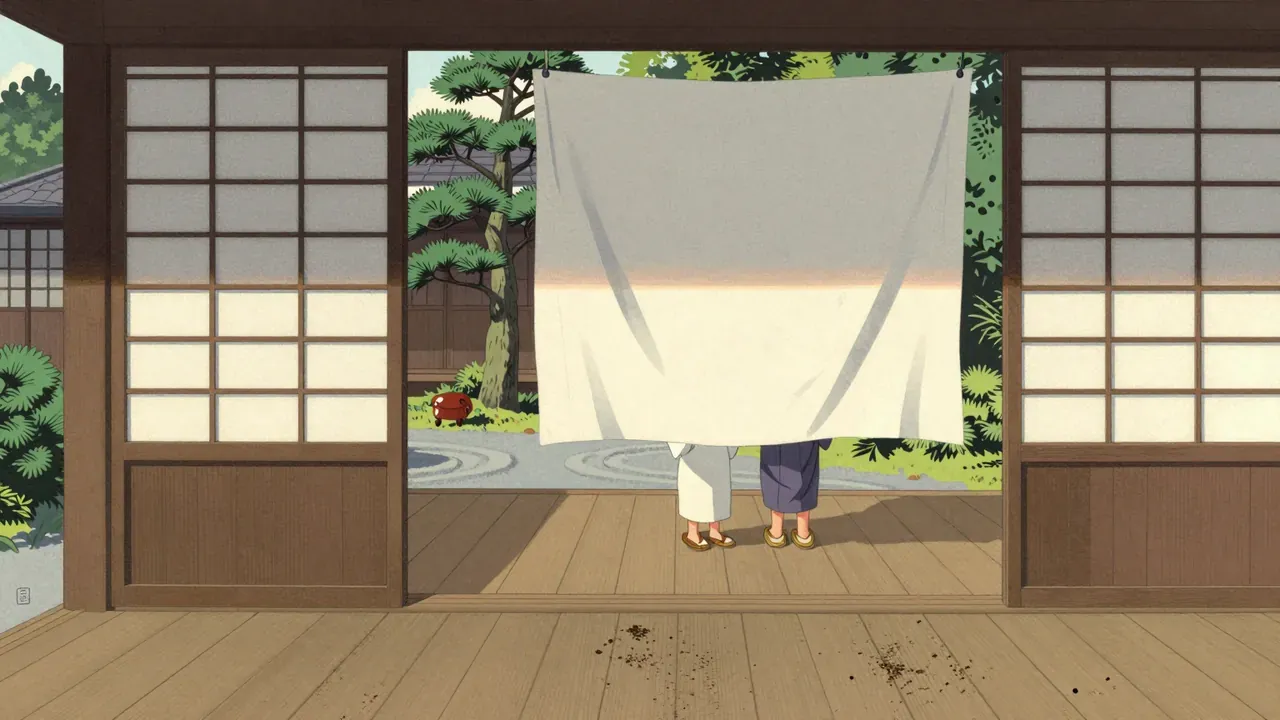
Yasujirō Ozu’s 1932 silent comedy follows two brothers whose faith in their father collapses when they see him humiliate himself before his boss on home film. With still camerawork, sparse intertitles, and performances rooted in physical truth, the film traces the quiet transmission of social submission across generations — not as satire or tragedy, but as observed fact.

13:00

I Will Buy You

Masaki Kobayashi · 1956

Masaki Kobayashi’s 1956 film I Will Buy You follows a baseball talent scout competing to sign a gifted student, Kurita, whose future becomes a site of negotiation among clubs, family, and a shadowy patron. Adapted from Minoru Ōno’s novel, it examines commodification, consent, and class through restrained performances and procedural pacing — not games, but meetings; not triumph, but transaction.

13:00

Identification of a Woman

Michelangelo Antonioni · 1982

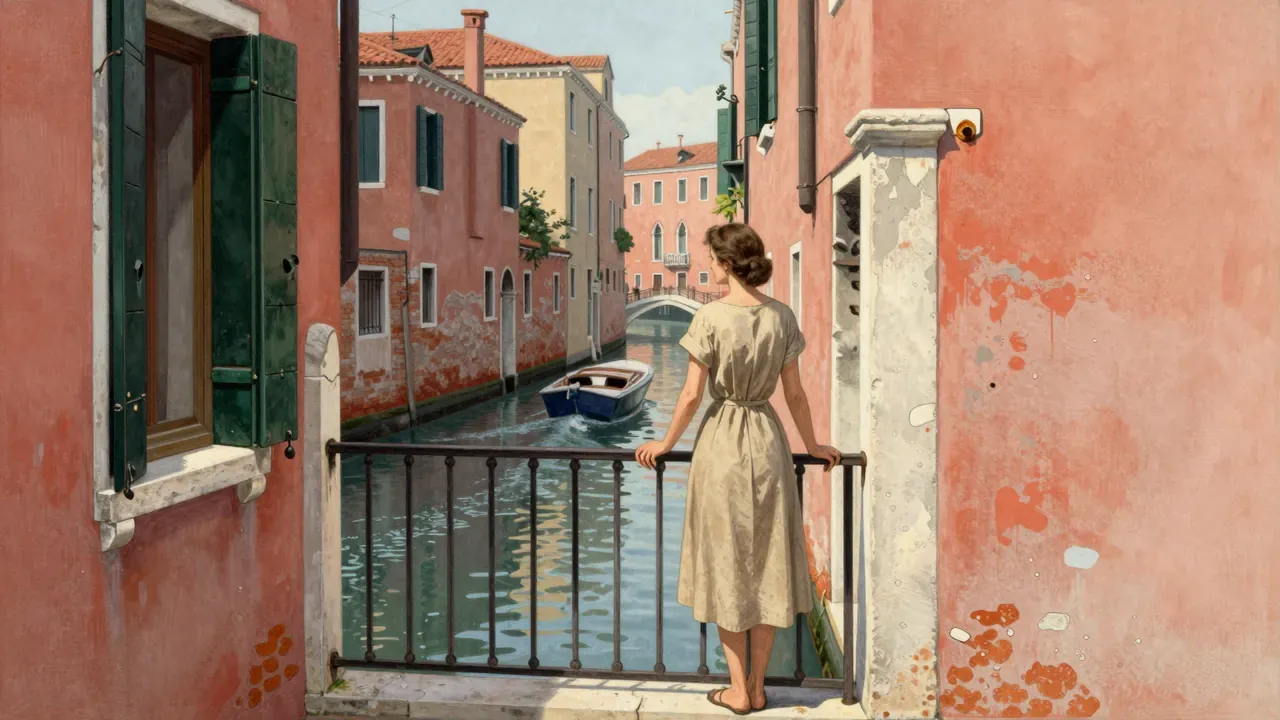
Michelangelo Antonioni’s Identification of a Woman (1982) follows a divorced film director in Rome and Venice as he navigates two relationships — one elusive, one immediate — while under an ambiguous surveillance. Shot by Carlo Di Palma, scored by John Foxx, and edited by Antonioni himself, it trades the formal rigour of his 1960s work for a quieter, more provisional tone. Its concerns — perception, identity, ageing, class — are embedded in atmosphere and gesture, not exposition. Reception was mixed on release, with later critics noting its autumnal modesty. It is a film of lingering glances, unresolved absences, and the quiet weight of what remains unseen.

13:00

If....

Lindsay Anderson · 1968

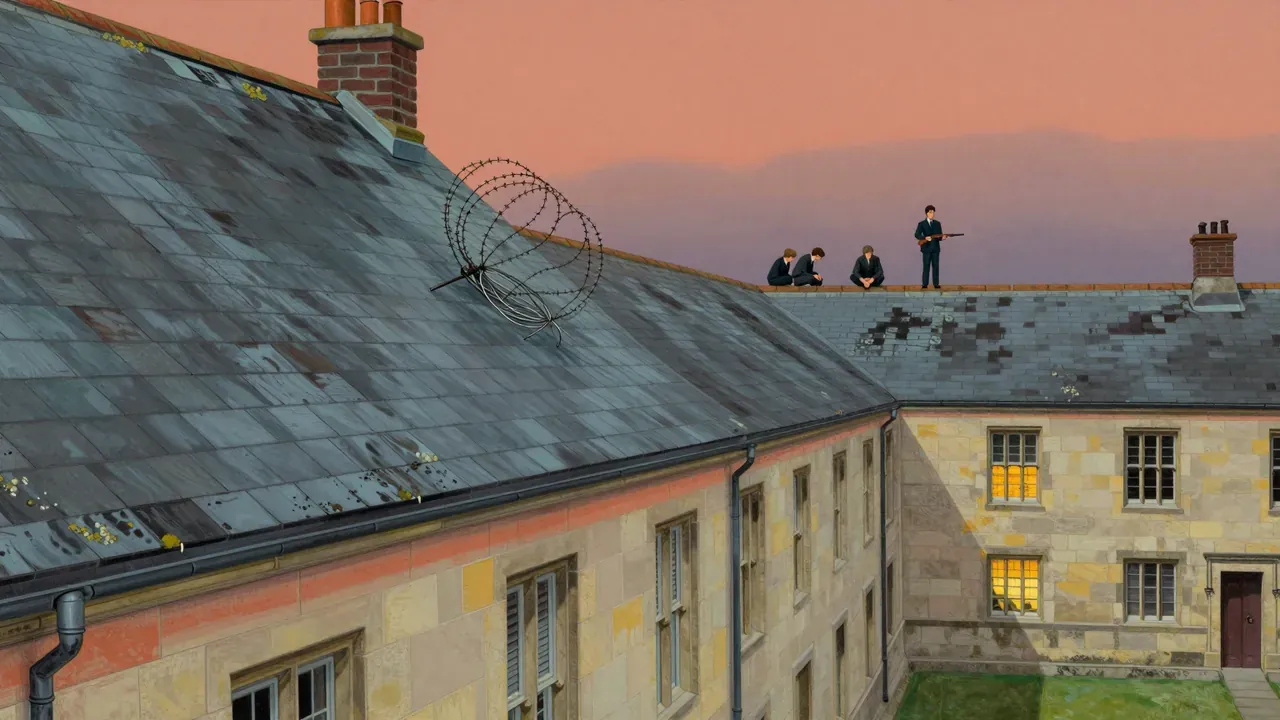
Lindsay Anderson’s 1968 If.... is a black-and-white-and-colour satire of English public school life, following Malcolm McDowell’s Mick Travis and two peers as they move from quiet dissent to armed revolt. Shot across Cheltenham College and Aldenham School, it uses surrealist interludes, abrupt tonal shifts, and a fragmented narrative to dissect hierarchy, delegated authority, and the institutional reproduction of violence. Though its Palme d’Or win and critical acclaim attest to its impact, its refusal of psychological exposition and narrative closure makes it demanding — and enduring.

13:00

Ikiru

Akira Kurosawa · 1952

Ikiru (1952), directed by Akira Kurosawa, follows Kanji Watanabe, a Tokyo civil servant diagnosed with terminal cancer, as he seeks purpose in his final months. Rejecting hedonism and spiritual cliché, he devotes himself to realising a children’s playground stalled by bureaucratic inertia. Anchored by Takashi Shimura’s restrained performance and Asakazu Nakai’s unadorned cinematography, the film builds meaning through repetition, silence, and the quiet dignity of incremental action. Its structure—split by Watanabe’s death—shifts focus from his life to the puzzle of his final intent, resolved only in the tangible outcome of his labour.

13:00

Il bidone

Federico Fellini · 1955

Federico Fellini’s 1955 drama follows a trio of swindlers working rural Italy, whose cons on poor farmers gradually unravel their self-deception. Broderick Crawford plays Augusto, whose late moral crisis culminates in abandonment and death on a barren hillside. Shot by Otello Martelli, scored by Nino Rota, and anchored by Giulietta Masina’s restrained performance, the film treats conscience as physical decay rather than spiritual awakening.

13:00

Il Posto

Ermanno Olmi · 1961

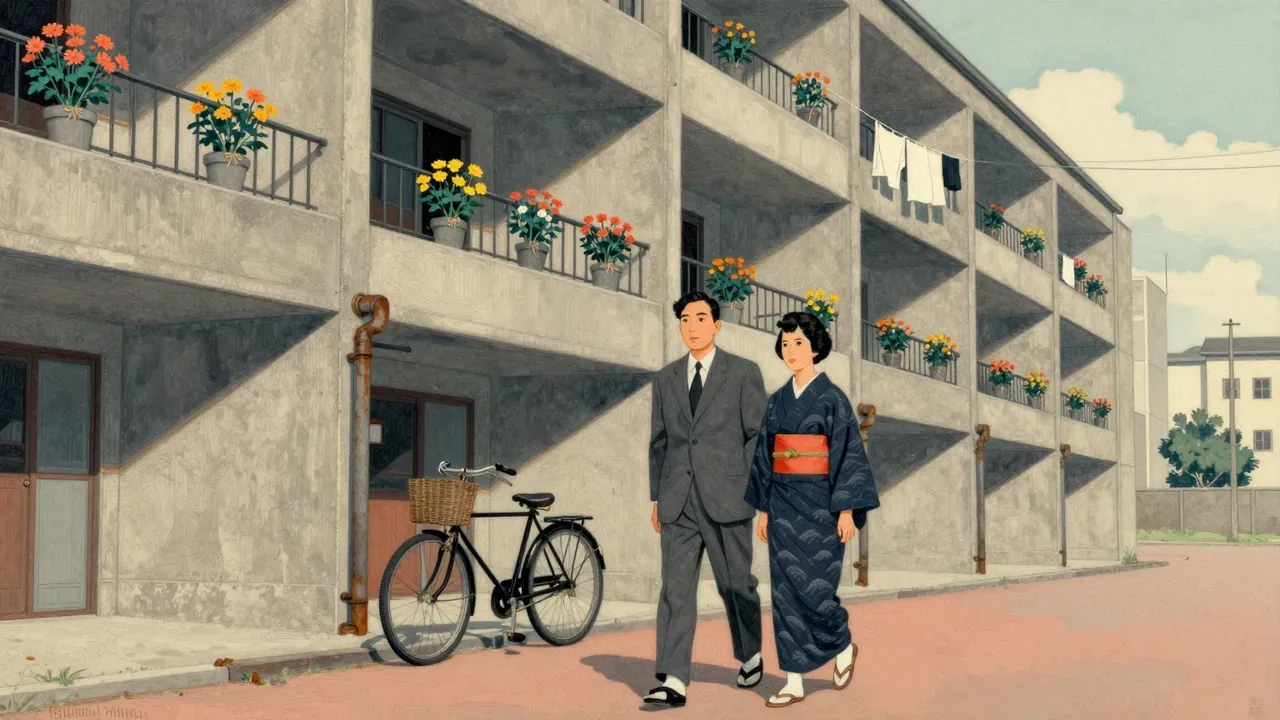
Ermanno Olmi’s 1961 drama follows a young Milanese man entering corporate life: exams, a messenger’s rounds, a shy courtship, a New Year’s party, and finally a desk in the back row. Shot in black and white with non-professional actors, it observes bureaucracy, class, and quiet resilience without commentary or climax — a precise, unhurried portrait of placement, not progress.

13:00

Il sorpasso

Dino Risi · 1962

Set over Ferragosto 1962, Il sorpasso follows Bruno Cortona — a charismatic, reckless Roman — as he sweeps timid law student Roberto Mariani into a spontaneous coastal drive. Over two days, Roberto sheds inhibition under Bruno’s influence, adopting his mannerisms, his risks, and ultimately his fate. Directed by Dino Risi and shot by Alfio Contini, the film uses real-time pacing, sparse editing, and Riz Ortolani’s brassy score to trace the slow, irreversible transfer of worldview — not as lesson, but as contagion.

13:00

Imitation of Life

John M. Stahl · 1934

John M. Stahl’s 1934 Imitation of Life adapts Fannie Hurst’s novel into a dual-narrative drama about Bea Pullman, a white widow who builds a pancake-flour empire with the help of Delilah Johnson, her Black housekeeper and co-creator. Parallel to Bea’s rise is Delilah’s daughter Peola, who rejects her heritage to pass as white. Shot by Merritt B. Gerstad and written by William Hurlbut and Victor Heerman, the film navigates Production Code restrictions to deliver a restrained, visually grounded portrait of race, labour, and grief — preserved in the National Film Registry for its cultural and historical significance.

13:00

In Cold Blood

Richard Brooks · 1967

Richard Brooks’ 1967 adaptation of Truman Capote’s nonfiction novel reconstructs the 1959 Clutter family murders with stark, black-and-white realism. Shot on location in Holcomb, Kansas—including inside the actual Clutter home—and starring relative unknowns Robert Blake and Scott Wilson, the film avoids psychological exposition in favour of procedural detail, ambient sound, and deliberate pacing. Conrad Hall’s cinematography and Quincy Jones’s bass-heavy score reinforce its documentary austerity. Though critically lauded and preserved in the National Film Registry, its fictional reporter subplot and omission of two surviving Clutter daughters introduce subtle fractures in its otherwise unwavering formal control.

13:00

In the Heat of the Night

Norman Jewison · 1967

Norman Jewison’s 1967 crime drama follows Philadelphia detective Virgil Tibbs (Sidney Poitier), detained in a Mississippi town and reluctantly drawn into a murder investigation alongside racist police chief Bill Gillespie (Rod Steiger). Haskell Wexler’s lighting, Hal Ashby’s editing, and Quincy Jones’ score serve a tightly wound procedural that exposes racial hierarchy as structural, not incidental. It won five Academy Awards, including Best Picture and Best Actor.

13:00

In the Realm of the Senses

Nagisa Ōshima · 1976

Nagisa Ōshima’s 1976 In the Realm of the Senses is a rigorously controlled, historically grounded dramatisation of the Sada Abe case. Shot in Japan but produced as a French enterprise to bypass censorship, it depicts escalating sexual obsession between two lovers in 1936 Tokyo with unsimulated acts, minimal dialogue, and unbroken duration. Its power lies in formal austerity, not sensationalism — it refuses psychological exposition, moral framing, or aesthetic relief. Controversial on release, it remains a benchmark for films that treat the body as both subject and site of meaning.

13:00

In Vanda's Room

Pedro Costa · 2000

Pedro Costa’s 2000 film In Vanda’s Room observes life in Lisbon’s Fontainhas shantytown over 170 minutes, using fixed digital shots to document Vanda Duarte and her community as their homes are demolished. Neither documentary nor fiction, it treats time, place and presence as primary materials — offering no exposition, no score, no narrative arc, only sustained attention to what remains when story is set aside.

13:00

In Which We Serve

Noël Coward, David Lean · 1942

Made in 1942 with Ministry of Information backing, In Which We Serve tells the story of HMS Torrin through flashbacks from survivors adrift after its sinking off Crete. Directed by Noël Coward and David Lean, it traces the ship’s commissioning, service at Narvik and Dunkirk, and the private lives of its crew — from Captain Kinross to sailor Shorty Blake. Its power lies in restraint: understated performances, muted cinematography, and a structure that treats duty as continuity, not climax.

13:00

India Song

Marguerite Duras · 1975

Marguerite Duras’s 1975 India Song is a radically elliptical drama set in 1930s Calcutta but filmed in decaying French châteaux and apartments. Delphine Seyrig’s voice narrates the life of Anne-Marie Stretter, wife of the French ambassador, over slow, empty images. Bruno Nuytten’s cinematography avoids intimacy; Carlos d’Alessio’s score hovers beneath dialogue; all performances are pre-recorded and detached. It is less a narrative than a sonic and spatial composition — austere, hypnotic, and uncompromising.

13:00

Infernal Affairs

Andrew Lau, Alan Mak · 2002

A Hong Kong police officer and a triad mole spend ten years living each other’s lives, bound by secrecy and surveillance. Directed by Andrew Lau and Alan Mak, the 2002 crime drama uses tight structure, restrained performances, and precise craft to explore identity as performance — not moral failure, but institutional inevitability.

13:00

Infernal Affairs II

Andrew Lau, Alan Mak · 2003

A 2003 Hong Kong crime thriller and prequel to Infernal Affairs, set between 1991 and 1997. It charts the rise of triad heir Ngai Wing-hau and the parallel infiltration of two moles—one in the police, one in the triad—against the backdrop of Hong Kong’s impending handover. Directed by Andrew Lau and Alan Mak, it expands the original’s moral universe into a generational study of power, loyalty and erasure.

13:00

Infernal Affairs III

Andrew Lau, Alan Mak · 2003

Infernal Affairs III closes the Hong Kong crime trilogy by abandoning narrative resolution for psychological recursion. Interweaving timelines before and after Chan Wing-Yan’s death, it charts Senior Inspector Lau Kin-Ming’s irreversible dissociation as his criminal past overtakes his present self. Anchored by Andy Lau’s physically precise performance and Andrew Lau and Ng Man-Ching’s muted, interior-heavy cinematography, the film renders guilt as somatic decay—not moral failure but neurological saturation. Its power lies in accumulation, not climax: Morse code taps, repeated corridors, overlapping voices. It is the trilogy’s most demanding and least forgiving chapter.

13:00

Ingrid Bergman: In Her Own Words

Stig Björkman · 2015

Stig Björkman’s 2015 documentary assembles Ingrid Bergman’s letters, diaries, and home movies into a first-person portrait, voiced by Alicia Vikander and Melinda Kinnaman. Interviews with her children and peers provide grounded counterpoint. Structured chronologically and sparingly scored, it privileges Bergman’s voice over analysis—succeeding where her writing is rich, thinning where it ends.

13:00

Inland Empire

David Lynch · 2006

David Lynch’s 2006 film Inland Empire is a digitally shot, scriptless, three-hour descent into fractured identity, filmed largely by Lynch himself on a handheld Sony camcorder. Laura Dern stars as an actress whose immersion in a cursed film role unravels her sense of self, time, and reality. Shot across Los Angeles and Łódź, Poland, it rejects conventional storytelling in favour of sensory accumulation, repetition, and ontological unease. Though labelled a horror film, its terror is structural — rooted in the instability of perception, memory, and representation. It premiered at Venice, where Lynch received the Golden Lion for Lifetime Achievement, and remains his final feature.

13:00

Innocence Unprotected

Dušan Makavejev · 1968

Dušan Makavejev’s Innocence Unprotected (1968) is a Yugoslav documentary essay built around fragments of Dragoljub Aleksić’s unreleased 1942 film of the same name. Makavejev expands the material with wartime newsreels, interviews with surviving cast, and subtle visual interventions — tinting, selective colouring — to explore how amateur art endures under political pressure. Neither satire nor homage, it treats innocence as a cultural condition worth preserving, not excusing. The film won the Silver Bear Grand Jury Prize at Berlin in 1968 and is now recognised as cultural heritage in Serbia.

13:00

Insiang

Lino Brocka · 1976

Lino Brocka’s 1976 Insiang, set in Manila’s Tondo slums, follows a young woman’s quiet hardening after rape and betrayal. With Hilda Koronel in her breakthrough role, it uses unadorned realism, tight framing and restrained performance to depict how poverty reshapes morality and kinship. Restored in 2015 and now in the Criterion Collection, it remains a landmark of Philippine arthouse cinema — unsentimental, uncompromising, and structurally precise.

13:00

Insignificance

Nicolas Roeg · 1985

Nicolas Roeg’s 1985 Insignificance adapts Terry Johnson’s play into a tightly wound, non-linear encounter between four archetypal figures — a movie star, a physicist, a baseball player and a politician — over one night in a New York hotel. Starring Theresa Russell, Tony Curtis, Gary Busey and Michael Emil, it uses fragmentation, silence and precise physical performance to explore how public identity obscures private reality. Though uneven in its treatment of power and consequence, it remains a singular, unsentimental meditation on visibility, vulnerability and the cost of being known.

13:00

Insomnia

Erik Skjoldbjærg · 1997

A Swedish detective investigating a teenage murder in Arctic Norway accidentally kills his partner, then covers it up. Haunted by insomnia under the midnight sun, he descends into paranoia and self-deception while trying to close the case — and avoid being exposed. Directed by Erik Skjoldbjærg, this 1997 Norwegian thriller is a tightly wound study in moral erosion, anchored by Stellan Skarsgård’s restrained performance and Erling Thurmann-Andersen’s desaturated cinematography.

13:00

Intermezzo

Gustaf Molander · 1936

A 1936 Swedish drama in which a concert violinist’s affair with his daughter’s piano teacher unsettles his marriage and household. Directed by Gustaf Molander, it stars Gösta Ekman and Ingrid Bergman in restrained, physically precise performances. Åke Dahlqvist’s understated cinematography and Heinz Provost’s sparing score support a narrative built on pauses, glances, and domestic routine rather than plot turns or exposition.

13:00

Intervista

Federico Fellini · 1987

Intervista (1987) is Federico Fellini’s self-reflexive portrait of filmmaking in late middle age. Framed as a Japanese TV crew’s visit to Cinecittà, the film weaves together present-day preparations for a non-existent Kafka adaptation, reconstructed memories of Fellini’s 1938 debut at the studios, and staged scenes from imagined films — all held together by tone, texture and the physical presence of Fellini himself. Tonino Delli Colli’s cinematography and Nicola Piovani’s score support a structure that privileges process over plot, and observation over exposition.

13:00

Intimidation

Koreyoshi Kurahara · 1960

Directed by Koreyoshi Kurahara in 1960, Intimidation is a Japanese film noir starring Kō Nishimura, Nobuo Kaneko and Mari Shiraki. Set in Tokyo’s bureaucratic landscape, it follows a clerk drawn into a blackmail scheme after witnessing a murder. With minimal music, high-contrast monochrome cinematography and restrained performances, the film builds tension through spatial confinement, procedural detail and moral ambiguity. It reflects post-war Japan’s institutional anxieties without explicit commentary, favouring tone and structure over exposition or catharsis.

13:00

Invasion of Astro-Monster

Ishirō Honda · 1965

Invasion of Astro-Monster (1965), directed by Ishirō Honda and co-produced by Toho and UPA, sends Godzilla and Rodan to Planet X to battle King Ghidorah — only for the aliens to betray Earth and unleash all three monsters. Shot under tight budget and time constraints, it relies on recycled effects, economical sets, and a streamlined script. Nick Adams joins the cast for US appeal, and Akira Ifukube’s score anchors its escalating chaos. Though criticised for tonal inconsistency and thin plotting, its craft choices — from the dug-out rocket launch to nitrogen-generated mist — reveal a studio working resourcefully within limits.

13:00

Invention for Destruction

Karel Zeman · 1958

Invention for Destruction (1958) is a Czechoslovak science fiction film directed by Karel Zeman, adapting Jules Verne not literally but visually — recreating the line-engraved aesthetic of nineteenth-century editions through hand-textured sets, stop-motion, matte paintings and stylised performance. Starring Lubor Tokoš and Miloslav Holub, it follows an inventor’s quest to prevent a weapon of mass destruction, using Verne’s submarines, airships and volcanic islands as stages for a unified graphic vision. Scored by Zdeněk Liška and shot by Jiří Tarantík, it remains a landmark of animated integration and period-specific worldbuilding.

13:00

Investigation of a Citizen Above Suspicion

Elio Petri · 1970

Elio Petri’s 1970 Italian crime satire follows a high-ranking police inspector who kills his mistress and then manipulates the ensuing investigation to confirm he is above suspicion. Starring Gian Maria Volonté and scored by Ennio Morricone, it uses stark formal control to dissect the mechanics of institutional impunity — not as corruption, but as routine. It won the Cannes Grand Prix, the David di Donatello for Best Film, and the Oscar for Best International Feature.

13:00

Irma Vep

Olivier Assayas · 1996

Irma Vep (1996) follows Hong Kong actress Maggie Cheung as she joins a chaotic French production attempting to remake Louis Feuillade’s silent serial Les Vampires. Directed by Olivier Assayas, it observes the collapse of creative consensus through Cheung’s quiet, outsider perspective — less a satire of cinema than a forensic account of its daily attrition. Shot in thirty days with no retakes, it privileges texture over exposition, procedural realism over plot, and ambiguity over resolution.

13:00

Island of Lost Souls

Erle C. Kenton · 1932

Island of Lost Souls (1932), directed by Erle C. Kenton and starring Charles Laughton as the tyrannical Dr. Moreau, adapts H. G. Wells’ novel into a stark, atmospheric horror about vivisection, control, and the instability of the human form. Shot by Karl Struss and written by Philip Wylie and Waldemar Young, it sustains dread through Laughton’s chillingly rational performance, the beast-men’s halting recitation of ‘The Law’, and a rigorous 70-minute structure. Though some elements feel dated or underdeveloped, its central inquiry—into power as pedagogy, language as coercion, and civilisation as performance—remains unnervingly precise.

13:00

It Was Just an Accident

Jafar Panahi · 2025

Jafar Panahi’s 2025 Palme d’Or winner follows a group of former Iranian political prisoners who abduct a man they believe is their former torturer — only to find themselves paralysed by doubt, memory, and the sheer, stubborn reality of his humanity. Shot in secret in Iran without official permission, it unfolds across a single night and day, using minimal means to probe profound questions of identity, justice, and the cost of non-vengeance.

13:00

It's a Mad, Mad, Mad, Mad World

Stanley Kramer · 1963

Stanley Kramer’s 1963 epic comedy deploys Ultra Panavision 70 and an all-star cast to stage a non-stop, 161-minute chase for buried cash across Southern California. Built on stunts, not story, it privileges physical precision and wide-screen choreography over character or theme — succeeding as industrial spectacle, not narrative comedy.

13:00

Ivan the Terrible. Part I

Sergei Eisenstein · 1944

Sergei Eisenstein’s 1944 biographical drama Ivan the Terrible, Part I depicts the early reign of Ivan IV of Russia, using stylised imagery, ritualistic performance, and Sergei Prokofiev’s liturgical score to frame autocratic rule as historically necessary and morally grounded. Shot in stark black-and-white with deliberate, iconic compositions, it privileges ideological clarity over psychological realism — a work of Soviet statecraft as much as cinema.

13:00

Ivan's Childhood

Andrei Tarkovsky · 1962

Andrei Tarkovsky’s 1962 debut follows twelve-year-old Ivan, an orphan turned reconnaissance scout on the Eastern Front. Shot by Vadim Yusov near the Dnieper River, it juxtaposes stark wartime realism with lyrical dream sequences, using landscape and silence to articulate loss. The film won the Golden Lion at Venice and established Tarkovsky’s signature preoccupation with time, memory and nature as witness. It is austere, unsentimental, and structurally rigorous—less a story of survival than a meditation on what survives after survival is no longer possible.

13:00

Jabberwocky

Terry Gilliam · 1977

Terry Gilliam’s 1977 solo debut is a medieval comedy built on systemic absurdity: a cooper’s apprentice stumbles into legend not through courage but incompetence, while merchants profit, priests shrug, and kings repeat rituals they no longer understand. Shot in Welsh castles and Shepperton Studios, it trades spectacle for texture — visible wires, muddy light, mumbled proclamations — and finds comedy not in jokes but in the slow collapse of meaning.

13:00

Jacquot de Nantes

Agnès Varda · 1991

Jacquot de Nantes (1991) is Agnès Varda’s tender, unhurried portrait of her husband Jacques Demy’s childhood in wartime Nantes. Blending dramatised scenes with documentary interludes and archival fragments, it traces his early fascination with film-making — not as spectacle, but as tangible craft: drawing, lighting, set-building, animation. Shot by Patrick Blossier, Agnès Godard and Georges Strouvé, with music by Joanna Bruzdowicz, it privileges material detail and quiet observation over narrative drive or psychological exposition.

13:00

Jane B. par Agnès V.

Agnès Varda · 1988

Agnès Varda’s 1988 essay-film Jane B. par Agnès V. is a collaborative, self-reflexive portrait of actress and singer Jane Birkin, conceived around her apprehension at turning forty. Blending real interviews with scripted vignettes in which Birkin plays invented roles, the film rejects linear biography in favour of variation, ambiguity, and playful artifice. Shot in English with a modest crew and naturalistic craft, it foregrounds Birkin’s presence — humorous, vulnerable, restless — over exposition or resolution. Though occasionally uneven in execution, its intelligence, warmth, and formal daring make it a singular work in Varda’s filmography and in the history of cinematic portraiture.

13:00

Japanese Girls At The Harbor

Hiroshi Shimizu · 1933

Japanese Girls at the Harbor (1933), directed by Hiroshi Shimizu, follows Sunako Kurokawa, a mixed-race teenager in Yokohama whose life fractures after a jealous shooting in a church. Years later, living as a bar worker and companion to an unsuccessful painter, she confronts the people she once loved—including the man who left her and the girl she shot. With no spoken dialogue and minimal intertitles, the film relies on composition, gesture, and duration to chart moral consequence without judgment or resolution.

13:00

Japón

Carlos Reygadas · 2002

Japón (2002), Carlos Reygadas’s debut, follows a man fleeing existential collapse to a remote Mexican canyon, where he stays with an elderly indigenous widow. Shot on anamorphic 16mm in an extreme widescreen ratio, it unfolds in long, unbroken takes, prioritising physical presence over psychology. With minimal dialogue and a score drawn from Bach, Pärt, and Shostakovich, the film confronts mortality, desire, and ethical ambiguity through durational immersion — including unsimulated animal acts that drew UK censorship cuts. Its power lies in restraint, not revelation.

13:00

Je Tu Il Elle

Chantal Akerman · 1974

Chantal Akerman’s 1974 debut is a rigorously minimal French drama following Julie — played by Akerman — through three phases: solitary withdrawal, a silent hitchhike with a talkative truck driver, and a quiet reunion with her ex-lover. Shot in long takes with no score or expressive lighting, it treats duration, gesture and silence as primary materials. Its historical significance lies in its unadorned depiction of lesbian intimacy and its foundational role in slow cinema and feminist film practice.

13:00

Jean de Florette

Claude Berri · 1986

Jean de Florette is a 1986 French drama directed by Claude Berri, adapted from Marcel Pagnol’s novel. Set in rural Provence in the 1920s, it follows two farmers who sabotage a newcomer’s attempt to farm by concealing a vital spring. Shot back-to-back with its sequel Manon of the Spring, it relies on precise period detail, restrained performances, and a landscape that functions as both setting and moral arbiter.

13:00

Jellyfish Eyes

Takashi Murakami · 2013

Takashi Murakami’s 2013 debut feature Jellyfish Eyes is a Japanese science-fiction drama about a grieving boy who befriends a jellyfish-like creature in a town where children pilot digital companions called F.R.I.E.N.D.s. Directed with painterly stillness and scored with bright, synthetic music, it explores childhood vulnerability, institutional opacity, and the ethics of creation — not through exposition but through texture, silence, and recurring visual motifs. Though its narrative structure falters and its genre elements remain underdeveloped, its emotional precision and conceptual consistency give it a quiet, cumulative power.

13:00

Jericho

Thornton Freeland · 1937

Jericho (1937), directed by Thornton Freeland, follows Paul Robeson as Jericho Jackson, a medical student court-martialed after saving trapped soldiers during World War I. Fleeing to North Africa, he earns acceptance among the Tuareg through healing and leadership, culminating in his guidance of their annual salt caravan. When a British officer recognises him in an anthropological film, he chooses not to reassert jurisdiction. Shot by John W. Boyle, the film balances courtroom tension with expansive desert realism — anchored by Robeson’s restrained, physically commanding performance.

13:00

Jigoku

Nobuo Nakagawa · 1960

Nobuo Nakagawa’s 1960 Jigoku is Shintōh’s final film: a stark, morally absolute horror that charts the descent of student Shirō Shimizu from hit-and-run guilt to eternal punishment in Hell. Rejecting folklore and ambiguity, it stages damnation as literal, repetitive, and socially contagious — sins committed in a retirement home ripple outward until every character is damned. Crude in execution but relentless in argument, it uses wide shots, sparse music, and a single dirt-covered soundstage to build a vision of consequence that admits no escape, no grace, and no pause.

13:00

Jo Jo Dancer, Your Life Is Calling

Richard Pryor · 1986

Richard Pryor’s 1986 directorial debut is a biographical drama structured around his near-fatal 1980 freebasing accident. As Jo Jo Dancer lies in a coma, his spirit revisits key episodes — Peoria childhood, early comedy struggles, fame, addiction, and collapse — without offering resolution or redemption. Shot with restrained naturalism by John A. Alonzo and scored sparsely by Herbie Hancock, the film prioritises behavioural realism over dramatic catharsis. Its strengths lie in accumulated detail and psychological consistency; its weaknesses include underdeveloped symbolism and muted engagement with race and systemic constraint. It is a demanding, unresolved, and unmistakably personal work.

13:00

Jour de Fête

Jacques Tati · 1949

Jacques Tati’s 1949 debut follows François, a bumbling rural postman inspired by a spoof US postal documentary to overhaul his delivery round. Shot in Sainte-Sévère-sur-Indre with villagers as extras, the film uses minimal dialogue, precise sound design, and unhurried visuals to explore the friction between embodied, local time and imported, mechanised efficiency. Three versions exist — original black-and-white (1949), re-edited (1964), and colour-restored (1995) — each offering a different relationship to the film’s central tension: how people move when no one is timing them.

13:00

Journey to Italy

Roberto Rossellini · 1954

Roberto Rossellini’s 1954 Journey to Italy follows an English couple drifting through Naples, their marriage fraying in silence. With Ingrid Bergman and George Sanders, it abandons plot for duration, psychology for texture, and exposition for atmosphere. Its influence on the French New Wave and modernist cinema is profound — not because it tells a story well, but because it stops trying to tell one at all.

13:00

Journey to the Beginning of Time

Karel Zeman · 1955

Journey to the Beginning of Time (1955) is a Czechoslovak science fiction film directed by Karel Zeman, in which four teenagers row up a river that carries them backward through geological time. Using a blend of live action, stop-motion, 2-D cut-outs, and studio sets—all inspired by palaeo-artist Zdeněk Burian—it illustrates prehistoric life with scientific rigour and visual coherence. The film avoids narrative convention in favour of pedagogical sequencing, treating epochs as habitats and observation as method. Though modest in budget and scope, its integration of craft, content, and calm authority makes it a landmark of cinematic science communication.

13:00

Jubal

Delmer Daves · 1956

Delmer Daves’s 1956 Western Jubal transposes Othello’s jealousy plot onto a cattle ranch, using CinemaScope not for spectacle but containment. Glenn Ford plays Jubal, a drifter hired as foreman, whose quiet competence provokes Rod Steiger’s resentful Pinky and triggers Ernest Borgnine’s fatal misreading of his wife’s loyalty. With minimal score, naturalistic lighting and restrained performances, the film builds tension through gesture and silence — not action — culminating in a morally ambiguous resolution that refuses catharsis or clarity.

13:00

Jubilation Street

Keisuke Kinoshita · 1944

Jubilation Street (1944), directed by Keisuke Kinoshita and written by Kaoru Morimoto, is a Japanese drama set on a single Tokyo street during wartime. With a restrained ensemble cast including Ken Uehara and Mitsuko Mito, it observes civilian life under scarcity and conscription without moralising or dramatising. Its power lies in accumulation — of glances, silences, repeated rituals — rather than plot. Though historically elusive and formally modest, it offers a precise, humane study of endurance as habit.

13:00

Jubilee

Derek Jarman · 1978

Derek Jarman’s 1978 Jubilee transplants Queen Elizabeth I into a decaying, punk-saturated 1970s London. Shot on location in Blitz-damaged neighbourhoods, it follows a nihilistic gang—Amyl Nitrate, Bod, Chaos, Crabs and Mad—through acts of violence, commodification and petty rebellion, all observed by Elizabeth, John Dee and Ariel. With Brian Eno’s ambient score and Peter Middleton’s raw cinematography, the film rejects narrative fluency in favour of texture, rupture and mythic collapse. Now a cult classic, it remains a stark, unresolved portrait of national exhaustion.

13:00

Judex

Georges Franju · 1963

Georges Franju’s 1963 Judex is a neo-noir reimagining of Louis Feuillade’s silent serial, prioritising visual grammar over narrative fidelity. Set in a world of masked balls, black-leotarded cat burglars, and rooftop duels fought in near-silence, it disperses moral agency across women — Jacqueline, Diana, and Daisy — while reducing Judex himself to a handsome, enigmatic cipher. Marcel Fradetal’s high-contrast cinematography, Maurice Jarre’s restrained score, and Franju’s unhurried pacing build a film less about crime-solving than about how justice, power, and identity are performed.

13:00

June Nights

Per Lindberg · 1940

Per Lindberg’s June Nights (1940) follows Kerstin Nordbäck (Ingrid Bergman), a woman shot by her sailor lover and subsequently branded a ‘tramp’ by the press. She relocates to Stockholm to rebuild her life, only for the journalists to follow. Written by Ragnar Hyltén-Cavallius and shot by Åke Dahlqvist, the film is a restrained, psychologically precise drama about reputation, labour, and the asymmetry of visibility in a world governed by headlines.

13:00

Jungle Book

Zoltan Korda · 1942

Zoltán Korda’s 1942 Jungle Book is a Hollywood-produced Technicolor fantasy starring Sabu as Mowgli, adapted loosely from Kipling. Shot by Lee Garmes and W. Howard Greene, scored by Miklós Rózsa, and designed by Vincent Korda, it foregrounds jungle atmosphere, animal presence, and physical performance over psychological depth or narrative precision. Though commercially successful and nominated for four Academy Awards, its human drama remains schematic, its themes implied rather than explored. It endures as a feat of mid-century studio craft — vivid, deliberate, and unapologetically ornamental.

13:00

Kalpana

Uday Shankar · 1948

Uday Shankar’s 1948 Hindi-language film Kalpana is a pioneering dance ballet structured around a young dancer’s dream of founding an academy. Starring Shankar and his wife Amala Shankar, with music by Vishnudas Shirali and lyrics by Sumitranandan Pant and Devilal Samar, it treats choreography as primary language — rejecting conventional narrative in favour of rhythmic, symbolic, and spatial logic. Restored by NFAI and the World Cinema Foundation, it remains the first Indian feature to place classical and folk dance at its formal and philosophical core.

13:00

Kapò

Gillo Pontecorvo · 1959

Gillo Pontecorvo’s 1960 war film Kapò follows a teenage Jewish girl’s descent into moral compromise as a kapo in a Nazi concentration camp. Shot in Yugoslavia with an Italian-French-Yugoslav co-production team, it was among the first narrative films to depict camp life with graphic realism. Though criticised for melodrama, miscasting, and aesthetic missteps, its ambition — to chart how survival reshapes conscience — remains ethically urgent. Susan Strasberg stars, with Emmanuelle Riva, Laurent Terzieff, and Didi Perego in supporting roles.

13:00

Katzelmacher

Rainer Werner Fassbinder · 1969

Katzelmacher (1969) is Rainer Werner Fassbinder’s stark, black-and-white drama about a group of idle Munich neighbours unsettled by the arrival of Jorgos, a Greek migrant worker. Shot with surgical restraint and performed with deliberate flatness, it uses repetition, static framing and sparse sound to expose the mechanics of exclusion, xenophobia and group conformity — not as aberrations but as habits. Dietrich Lohmann’s cinematography and Peer Raben’s music reinforce its estranging effect.

13:00

Kes

Ken Loach · 1969

Ken Loach’s 1969 film Kes follows fifteen-year-old Billy Casper in industrial South Yorkshire as he trains a kestrel amid familial neglect and educational indifference. Shot on location with non-professional actors and authentic dialect, it renders working-class adolescence with unsentimental precision. Chris Menges’s natural-light cinematography, Dai Bradley’s unvarnished lead performance, and Barry Hines’s grounded script anchor a film that finds dignity in small acts of care — and devastation in their withdrawal.

13:00

Kicking and Screaming

Noah Baumbach · 1995

Noah Baumbach’s 1995 debut follows five college graduates who refuse to leave campus life behind, orbiting one another in the fictional town of Munton. With dry wit and precise dialogue, it renders intellectualised inertia as both comic and poignant—less a story of growth than a study in suspension.

13:00

Kill!

Kihachi Okamoto · 1968

Kihachi Okamoto’s 1968 Kill! is a formally precise, darkly comic chambara that follows a disillusioned ex-samurai and an ambitious farmer caught in the fallout of a clan’s internal purge. Adapted from Shūgorō Yamamoto and scored by Masaru Sato, it uses deadpan timing, anti-climactic editing, and grounded performances to dissect the performativity of honour, loyalty and status in Edo-period Japan.

13:00

Killer of Sheep

Charles Burnett · 1977

Shot on weekends in Watts between 1972 and 1975, Charles Burnett’s Killer of Sheep is a black-and-white drama built from vignettes rather than plot. Starring Henry G. Sanders as Stan, a slaughterhouse worker, it observes domestic routines, childhood play, and quiet exchanges with documentary restraint. Made for under $10,000, it avoids exposition, professional actors, and musical scoring beyond its licensed soundtrack — relying instead on composition, silence, and duration. Restored and re-released in 2007, it was added to the National Film Registry in 1990 for its cultural and aesthetic significance.

13:00

Killers of the Flower Moon

Martin Scorsese · 2023

Killers of the Flower Moon (2023) is Martin Scorsese’s 206-minute crime drama adapting David Grann’s book on the 1920s Osage murders. Shifting focus from FBI investigation to the marriage of Ernest Burkhart and Mollie Kyle, it uses restrained craft — Rodrigo Prieto’s muted cinematography, Thelma Schoonmaker’s unhurried editing, Robbie Robertson’s sparse score — to situate colonial violence in domestic routine. Lily Gladstone’s performance grounds the film ethically and emotionally; Leonardo DiCaprio and Robert De Niro offer layered, unsettling turns. Though its length and ambiguity divide viewers, its commitment to Osage perspective and structural patience make it a singular, demanding work.

13:00

Kind Hearts and Coronets

Robert Hamer · 1949

Kind Hearts and Coronets (1949), directed by Robert Hamer for Ealing Studios, follows Louis Mazzini’s calm, calculated elimination of eight aristocratic relatives to claim a dukedom. Dennis Price narrates with detached elegance; Alec Guinness plays all eight victims with subtle, precise differentiation. Douglas Slocombe’s cinematography and Ernest Irving’s Mozart-infused score sustain a tone of immaculate, unsettling decorum. Loosely adapted from Roy Horniman’s Israel Rank, the film sharpens its source into a satire of class, legitimacy, and performative Englishness — dry, controlled, and morally unmoored.

13:00

King Lear

Jean-Luc Godard · 1987

Jean-Luc Godard’s 1987 King Lear is a ninety-minute essay-film shot in Switzerland, using only shards of Shakespeare’s text alongside quotations from Weil, Bresson, Woolf, and others. It rejects narrative continuity, linear character arcs, and cinematic convention in favour of repetition, silence, and deliberate disjunction. Funded by Cannon Films and shot alongside denim commercials, it treats money, copyright, and authorship as structural elements. Norman Mailer’s abandoned script and departure mid-production are woven into its fabric. The film is less about Lear than about the conditions under which any cultural work can be made—or remembered—after catastrophe.

13:00

King of Jazz

John Murray Anderson, Paul Fejos · 1930

King of Jazz (1930) is a studio-made musical revue starring Paul Whiteman and his orchestra, filmed in early two-colour Technicolor. With no plot, it strings together musical numbers, blackout sketches, and novelty acts—including the first Technicolor animated segment, featuring Oswald the Lucky Rabbit. Though technically ambitious and historically significant (selected for the US National Film Registry in 2013), its static camerawork, dated humour, and promotional framing make it a demanding watch. Its value lies in preservation: as a record of early sound-film craft, Whiteman’s curated jazz, and the industrial logic of Hollywood’s transition to colour.

13:00

King of the Hill

Steven Soderbergh · 1993

Steven Soderbergh’s 1993 coming-of-age drama, adapted from A. E. Hotchner’s memoir, follows eleven-year-old Aaron as he lives alone in a St. Louis hotel during the Great Depression, his mother hospitalised and his father absent. With restrained cinematography by Elliot Davis, sparse scoring by Cliff Martinez, and a lead performance of extraordinary quietude from Jesse Bradford, the film builds emotional force through accumulation — not climax. It treats poverty, illness, and abandonment as environmental facts, not dramatic engines, and finds moral weight in small, sustained acts of self-preservation.

13:00

Kings of the Road

Wim Wenders · 1976

Wim Wenders’ 1976 Kings of the Road follows a projection-equipment repairman driving along West Germany’s side of the inner-German border, fixing decaying cinemas and sharing his cab with a man recovering from emotional collapse. Shot in black and white by Robby Müller, with sparse dialogue and long, observational takes, it is less a story than a sustained mood — one of quiet endurance, technical care, and landscape-as-character. Its 168-minute runtime tests attention but rewards it with granular detail and unsentimental humanity.

13:00

Kiss of the Spider Woman

Héctor Babenco · 1985

Héctor Babenco’s 1985 adaptation of Manuel Puig’s novel confines itself almost entirely to a Brazilian prison cell, where gay window-dresser Luis Molina (William Hurt) and revolutionary Valentin Arregui (Raul Julia) negotiate politics, desire, and survival through conversation and shared fantasy. Shot in São Paulo by Rodolfo Sánchez, with a tightly focused script by Leonard Schrader, it uses narrative as both shield and probe — Molina’s retelling of a Nazi-era melodrama mirroring the tensions between illusion and coercion, intimacy and control. Hurt won the Academy Award for Best Actor; the film remains a benchmark of restrained, actor-led drama.

13:00

Klute

Alan J. Pakula · 1971

A 1971 neo-noir thriller directed by Alan J. Pakula, Klute follows a Pennsylvania detective investigating a missing executive by surveilling a New York call girl. Jane Fonda’s Oscar-winning performance anchors a film defined by Gordon Willis’s shadow-drenched cinematography, Michael Small’s unsettling score, and a script that treats paranoia as atmosphere rather than plot. It is the first of Pakula’s informal 'paranoia trilogy', prioritising psychological realism over narrative closure.

13:00

Knife in the Water

Roman Polanski · 1962

Roman Polanski’s 1962 feature debut Knife in the Water is a tightly controlled Polish drama about a married couple and a young hitchhiker adrift on a sailboat. With no exposition, minimal setting, and three restrained performances, it studies status, silence, and sexual tension through duration and constraint — culminating not in violence or revelation, but in total stasis.

13:00

Koko: A Talking Gorilla

Barbet Schroeder · 1978

Barbet Schroeder’s 1978 documentary observes Francine Patterson’s work teaching American Sign Language to Koko the gorilla at Stanford University. Shot by Néstor Almendros in restrained, natural light, it avoids explanation or advocacy, instead holding sustained, quiet attention on Koko’s signing, expressions, and interactions. It engages with questions of animal personhood, the ethics of observation, and the limits of human language — not as arguments, but as durational encounters. Released by New Yorker Films in the US and later restored by Criterion, it remains a singular, understated work in the history of science-facing documentary.

13:00

Koyaanisqatsi

Godfrey Reggio · 1982

Koyaanisqatsi (1982) is a non-narrative American documentary directed by Godfrey Reggio, shot by Ron Fricke and scored by Philip Glass. Comprising time-lapse, slow motion and static imagery of natural and urban landscapes across the US, it constructs a sensory argument about technological acceleration and ecological rupture — without voiceover, text or exposition. Its title, from the Hopi language, means 'life out of balance'. Though widely regarded as a landmark of avant-garde documentary, its formal rigour sits alongside omissions: no engagement with the people behind the images, no contextualisation of its US-specific sites, and no reckoning with the cultural source of its title.

13:00

KPop Demon Hunters

Chris Appelhans, Maggie Kang · 2025

KPop Demon Hunters is a 2025 Sony Pictures Animation film co-directed by Maggie Kang and Chris Appelhans. It follows Huntrix, a K-pop girl group who double as demon hunters rooted in Korean folklore, as they confront the Saja Boys — boy-band idols secretly tied to the jeoseung saja. Animated in a bold 3D style inspired by music videos and Korean drama, with songs and score by Marcelo Zarvos, it blends myth, music, and modernity. Released on Netflix, it won Best Animated Feature and Best Original Song at both the Golden Globes and Oscars.

13:00

Kung Fu Master

Agnès Varda, Gordon Chan · 1988

Kung Fu Master (1988), co-directed by Agnès Varda and Gordon Chan and written by Jane Birkin, follows Mary-Jane, a woman in her forties, as she becomes emotionally entangled with Julien, a fourteen-year-old boy. Built around real-life family members and shot with observational restraint, the film avoids moral framing in favour of precise, unhurried attention to gesture, silence, and domestic space. Its power lies in what it refuses: explanation, escalation, catharsis. The narrative culminates not in confrontation but in divergence — memory, consequence, and time operating on irreconcilable terms.

13:00

Kuroneko

Kaneto Shindō · 1968

Kaneto Shindō’s 1968 Kuroneko is a black-and-white jidaigeki horror film about two women who return as vengeful spirits after being raped and murdered by samurai. Set in feudal Japan during civil war, it follows their spectral seductions and killings, and the tragic confrontation with the son-husband who must destroy them — even as he loves them. Stylised with Noh and kabuki techniques, shot by Kiyomi Kuroda, and scored by Hikaru Hayashi, it is a study in restraint, doubling, and irreversible consequence.

13:00

Kwaidan

Masaki Kobayashi · 1964

Masaki Kobayashi’s 1964 Kwaidan is a four-part Japanese horror anthology adapted from Lafcadio Hearn’s folktales. Shot on vast, artificially lit soundstages, it replaces narrative drive with painterly control of colour, silence, and surface. Yoshio Miyajima’s cinematography flattens space; Tōru Takemitsu’s score uses prepared piano and charged silence; Yōko Mizuki’s script preserves Hearn’s archaic cadence. The film treats spirits not as agents of vengeance but as forces of immutable consequence — indifferent, inevitable, aesthetic. Though commercially unsuccessful and financially ruinous for its production company, it won the Special Jury Prize at Cannes and is now regarded as a landmark of stylised cinema.

13:00

La Bamba

Luis Valdez · 1987

La Bamba (1987), directed by Luis Valdez, tells the story of Ritchie Valens’ rapid rise and early death, centred on his family in 1950s California. Lou Diamond Phillips stars, performing all vocals live; Los Lobos arranged and performed the music. The film avoids myth-making in favour of domestic texture, grounding Valens’ story in his mother’s quiet strength, his half-brother’s resentment, and his own fear of flying. It was selected for preservation in the National Film Registry in 2017.

13:00

La Bête Humaine

Jean Renoir · 1938

Jean Renoir’s 1938 adaptation of Zola’s La Bête humaine follows railway driver Lantier, whose inherited violent impulses collide with a web of guilt, desire, and industrial routine. Shot by Curt Courant and scored by Joseph Kosma, it uses the railway as both setting and structural principle — a world governed by timetables, steam, and inescapable consequence.