The shape of absence
The Son’s Room is a domestic drama about grief as structural collapse: the slow, unshowy dismantling of routine, language, and professional distance after a child’s death. It sets out to trace how mourning reshapes perception—not through catharsis or revelation, but through accumulation: a misplaced key, a paused sentence, a hesitation before answering the phone. Nanni Moretti, who wrote, directed, produced, and stars, avoids symbolic abstraction. The film treats psychoanalysis not as metaphor but as craft—Giovanni’s work is shown in quiet, literal detail: note-taking, listening, waiting. Its ambition is narrow and exact: to hold space for the banality of loss without ornament, without narrative compensation. It does not seek to explain why Andrea died, nor to resolve the family’s silence around his private life. Instead, it watches how meaning reassembles itself in fragments—photographs, letters, shared silences—without insisting they cohere. The film’s moral centre is its refusal to convert suffering into wisdom or growth. It is not about recovery. It is about continuing.
The look of it
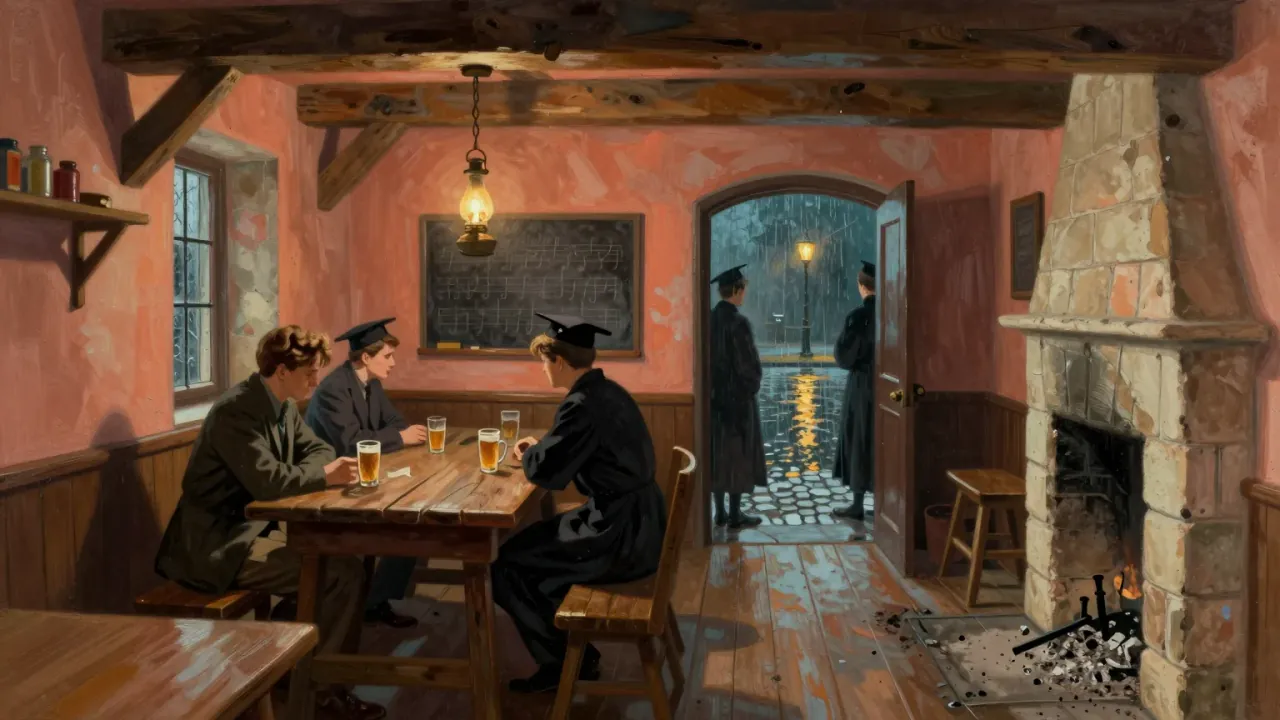
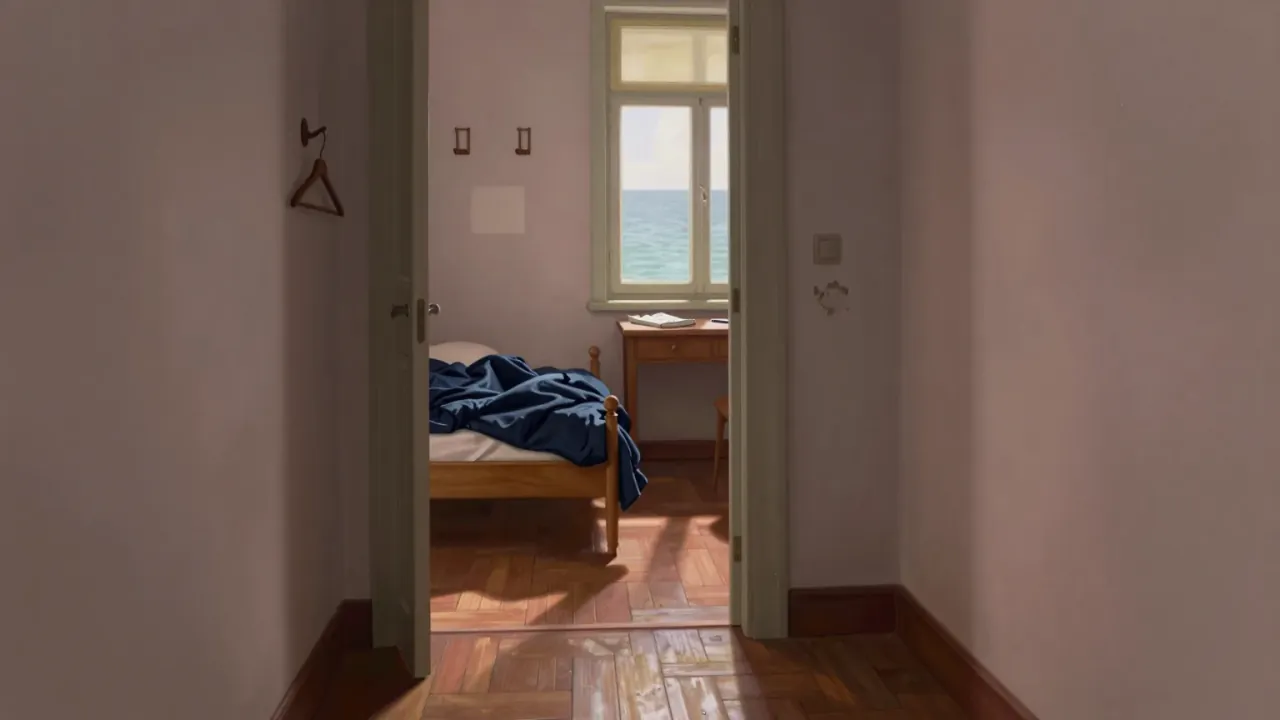
The story unfolds in Ancona, where Giuseppe Lanci’s cinematography keeps light flat and surfaces unvarnished: interiors are neither warm nor cold, just occupied. Lanci avoids dramatic framing; shots settle on doorways, stairwells, and half-open drawers—the architecture of daily life made suddenly conspicuous by absence. Moretti’s performance as Giovanni is restrained, almost recessive: he listens more than he speaks, and when he does speak, his voice stays level, even when his hands tremble. Laura Morante’s Paola carries more visible weight—her grief is less contained, more tactile, expressed in how she folds laundry or pauses mid-sentence. Jasmine Trinca, as Irene, moves through scenes with a quiet physicality that suggests adolescence as both refuge and exposure. Esmeralda Calabria’s editing sustains rhythm without emphasis: cuts land where breath would pause, not where emotion peaks. Nicola Piovani’s score is sparse, mostly piano and strings, used only when silence would feel like evasion—not as underscore, but as punctuation.
What stays with you
What lands is the film’s fidelity to emotional lag—the way grief arrives not as a wave but as a gradual lowering of atmospheric pressure. The scene where Paola reads Arianna’s letter aloud, then stops, then reads it again, is not performed for pathos but for duration: the time it takes for a sentence to register twice, differently. The family’s drive to Menton works because it refuses climax; the road stretches, the headlights blur, and the border crossing happens off-screen. Even the final beach walk feels earned, not resolved—its calm is procedural, not redemptive. Moretti’s decision to shoot in Ancona, not Rome or Naples, pays off: the port is functional, not picturesque; the sea is grey and working, not cinematic. This groundedness allows small gestures—Giovanni buying the Brian Eno album, Irene adjusting her backpack strap—to carry weight without explanation. The film trusts that viewers will notice what the characters do not name: how Paola stops using Andrea’s toothbrush, how Giovanni forgets to lock the front door, how Irene begins sleeping with the light on.
Where it slips
What does not land is the film’s occasional drift into self-reference, particularly in Giovanni’s therapy scenes. His impatience with the cancer-anxious patient feels less like psychological realism and more like a device to signal his unraveling—yet the patient remains underwritten, their distress flattened into exposition. Moretti’s dual role as writer and lead sometimes narrows perspective: the therapist’s interiority is rendered with care, but the patients’ subjectivity is rarely granted equivalent attention. The subplot involving the ammonite fossil never settles into thematic weight—it introduces moral ambiguity, then abandons it, leaving the audience unsure whether guilt, innocence, or accident matters most in the aftermath. Similarly, Arianna’s arrival feels structurally necessary but emotionally thin: her presence is a catalyst, not a character. She speaks little, reveals less, and departs without resonance beyond plot function. These moments do not break the film, but they dilute its otherwise rigorous focus on internal consequence over external cause.
What it thinks about
The themes that matter are not grief as event, but grief as recalibration—of time, attention, and relational grammar. The film treats memory not as archive but as interference: photographs disrupt present-tense reality; letters arrive from a parallel timeline where Andrea is still alive. It examines how professional roles hollow out under personal rupture—Giovanni’s therapeutic neutrality collapses not dramatically, but in micro-shifts: a missed appointment, a misheard question, a session ended early. Parenting is shown as habit, not intention: the rituals of breakfast, homework, bedtime, all persist mechanically long after their emotional logic has expired. The sea functions not as symbol but as constant—present but indifferent, shaping the city’s edges without commentary. And language itself becomes unstable: sentences trail off, pronouns blur (‘he said’, ‘she meant’, ‘we thought’), and silence accumulates semantic density. There is no theology here, no philosophy of death—only the stubborn persistence of ordinary things, now freighted with unspoken weight.
Who it’s for
This film is for viewers who tolerate stillness, who find tension in withheld information and meaning in uneventful transitions. It suits those accustomed to arthouse pacing—people who watch films for texture, not momentum—and who accept that some questions remain unanswered not for mystery’s sake, but because life leaves them open. It is not for viewers who require narrative closure, moral clarity, or psychological exposition. Those expecting catharsis, backstory, or a ‘lesson’ in bereavement will find it withholding. Nor is it for those who need strong visual or sonic contrast: Lanci’s palette is muted, Piovani’s score minimal, and Moretti’s direction avoids stylistic flourish. A viewer who values plot propulsion over psychological nuance, or who finds prolonged quietness alienating rather than immersive, would likely disengage before the halfway mark. The film assumes patience as a condition of engagement—not as virtue, but as prerequisite.
Why it lasts
Yes, it is worth your evening—if you approach it as an act of sustained attention, not passive consumption. Its 99 minutes pass without hurry, but also without waste: every shot serves the film’s central inquiry into how people inhabit absence. It earns its Palme d’Or not through scale or spectacle, but through consistency of tone and precision of observation. Those who dismiss it as ‘slow’ or ‘undramatic’ mistake restraint for emptiness; those who praise it as ‘profound’ risk overclaiming—its power lies in its modesty. It is not universally accessible, but its accessibility is earned, not granted. A viewer who prefers tighter plotting or heightened performance may leave unmoved—but that is not a flaw in the film, only a mismatch of expectation. What would change the verdict? A different cultural context: in a market saturated with trauma-as-plot, The Son’s Room’s refusal to dramatise loss makes it feel radical, not inert.