The shape of suspicion
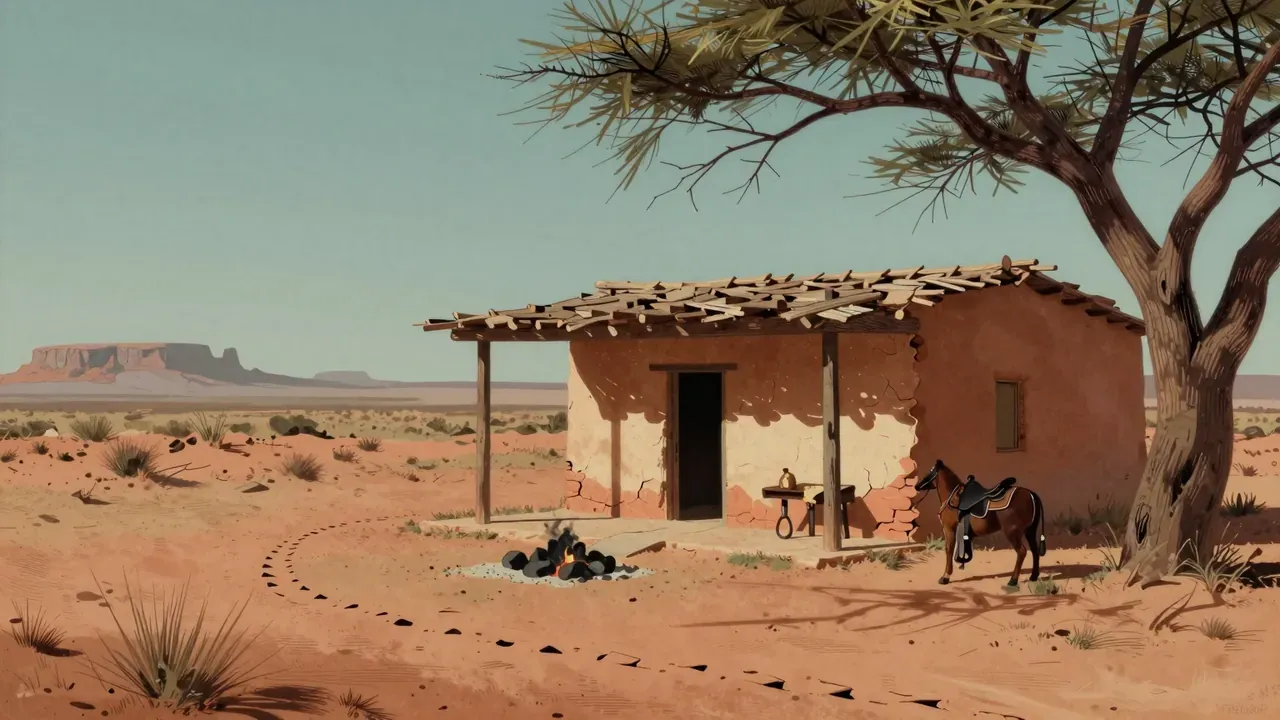
Jubal is a 1956 Western that transposes Shakespearean jealousy and moral fracture onto a cattle ranch in the American West. It does not aim to revise the genre’s iconography — there are no cavalry charges or land-grabbing speculators — but to isolate how suspicion, desire and hierarchy corrode trust in closed communities. Delmer Daves, who wrote and directed, treats the setting as psychological architecture: the ranch house, bunkhouse, saloon and barn are not backdrops but pressure chambers where silence carries weight and a glance across a room becomes evidence. The film’s ambition is structural and tonal: to sustain a slow-burn disintegration of rationality without recourse to action set-pieces, relying instead on behavioural nuance and spatial tension. It is not a revisionist Western in the sense of interrogating myth, but a clinical study of how power, insecurity and sexual possessiveness intersect when formal authority is weak and moral consensus absent. Its fidelity to Othello is selective — it omits the military frame, the outsider status of the protagonist, the role of divine or civic law — and replaces them with the brittle social contracts of frontier employment and marital convenience.
The weight of stillness
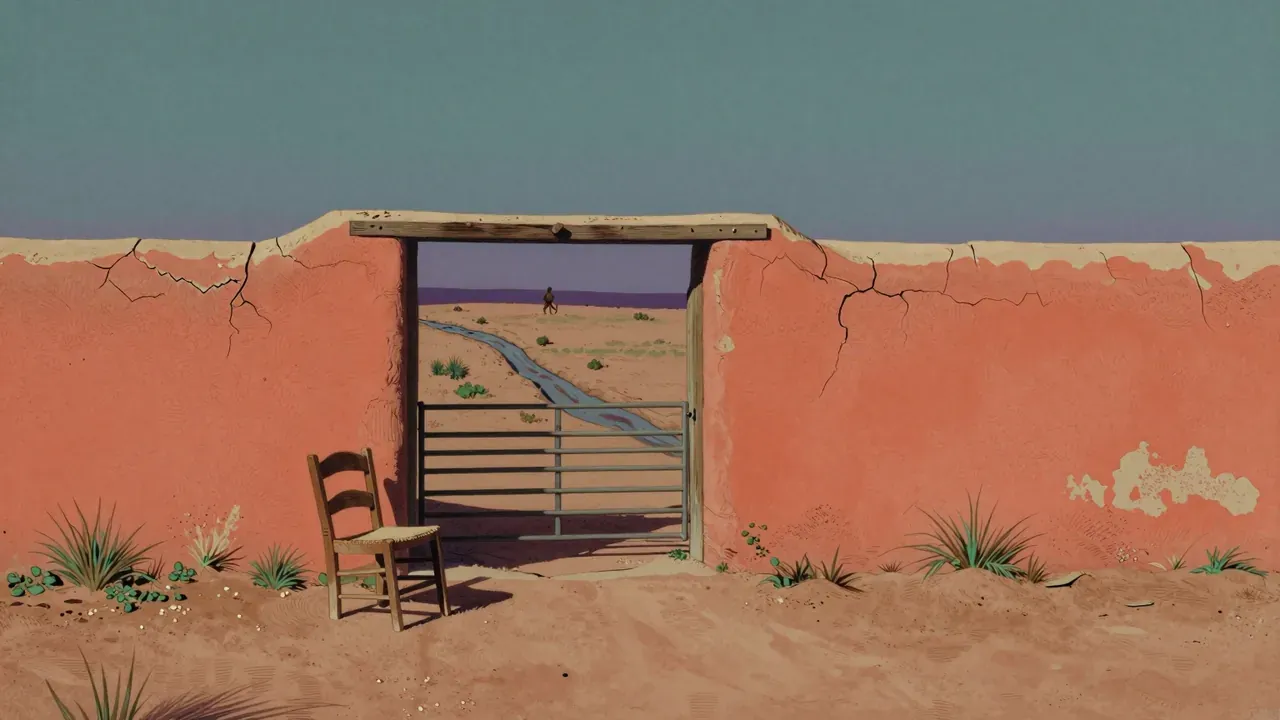
The story unfolds with deliberate pacing, its beats spaced like breaths: Jubal’s arrival, Pinky’s first hostility, Mae’s advances, the mountain lion night, the saloon shooting, the split wagon train, the barn confrontation. Glenn Ford plays Jubal with quiet physical competence and restrained affect — his stillness reads as integrity, not passivity. Ernest Borgnine’s Shep Horgan is neither brute nor fool, but a man whose authority depends on visible control; his collapse begins the moment he misreads a murmur. Rod Steiger’s Pinky is tightly wound, volatile but never cartoonish — his aggression stems from being perpetually sidelined, not from inherent malice. David Raksin’s score avoids fanfare or leitmotif, favouring low strings and sparse piano phrases that underscore unease rather than announce it. Cinematography in CinemaScope is used for containment, not spectacle: wide shots often trap characters within doorways or between buildings, and interiors are lit with flat, unromantic naturalism. There are no heroic close-ups; even Jubal’s final ride is framed at medium distance, anonymous against the landscape.
What lands
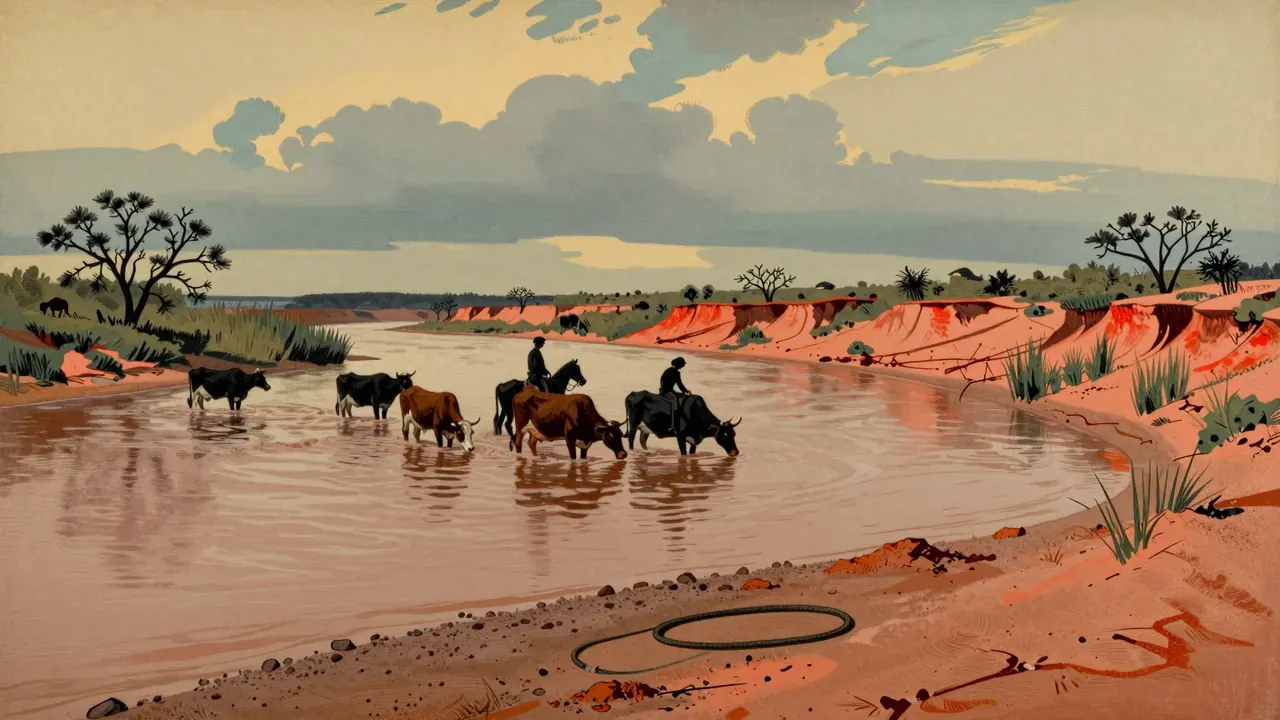
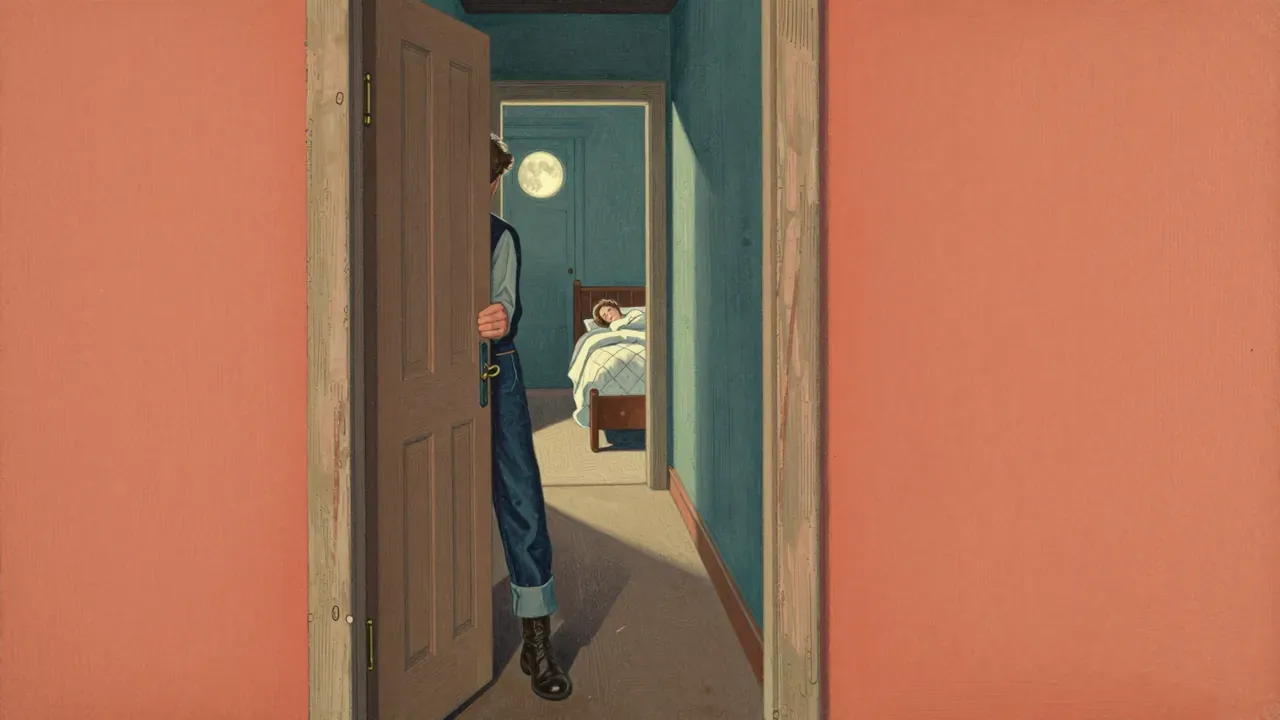
What lands is the cumulative weight of small betrayals. Pinky burning Jubal’s clothes is not comic relief but an early signal of ritualised humiliation as social currency. The scene where Mae mumbles Jubal’s name in sleep works because it is underplayed — no music swells, no cut to Horgan’s face until after the sound has registered. The posse’s slow encirclement of Pinky carries moral gravity not through dialogue but through shifting body language and the absence of a leader stepping forward. Felicia Farr’s Naomi is effective precisely because she remains peripheral: her presence signals an alternative moral register, not salvation. Reb’s loyalty is shown in action — flipping the gun, riding to camp — never explained. The film trusts its actors to hold ambiguity: Borgnine’s rage is legible as grief before it is legible as violence; Steiger’s cruelty contains real hurt. These choices cohere into something rare in mid-century Westerns: a drama where motivation is legible but never excused, and consequence arrives without catharsis.
Where the frame slips
What does not land is the religious wagon train, which functions more as plot device than world. Their beliefs, practices and internal divisions are left blank; ‘rawhiders’ is a label, not a character. The split in the caravan feels narratively convenient rather than psychologically earned — the group’s division hinges on a single vote with no prior indication of factional tension. Naomi’s decision to ride away with Jubal lacks grounding: we see no conversation, no shared history beyond two brief exchanges, and her departure reads as narrative necessity rather than emotional resolution. The ending, while visually clean, sidesteps reckoning: Pinky is left to the mob without trial or speech, and Mae’s dying testimony is delivered off-screen, reducing her agency to exposition. The film avoids melodrama but occasionally mistakes omission for restraint — particularly in clarifying why Reb, a drifter with no stated stake, commits so fully to Jubal’s survival. His loyalty remains opaque, not enigmatic.
Proximity and projection
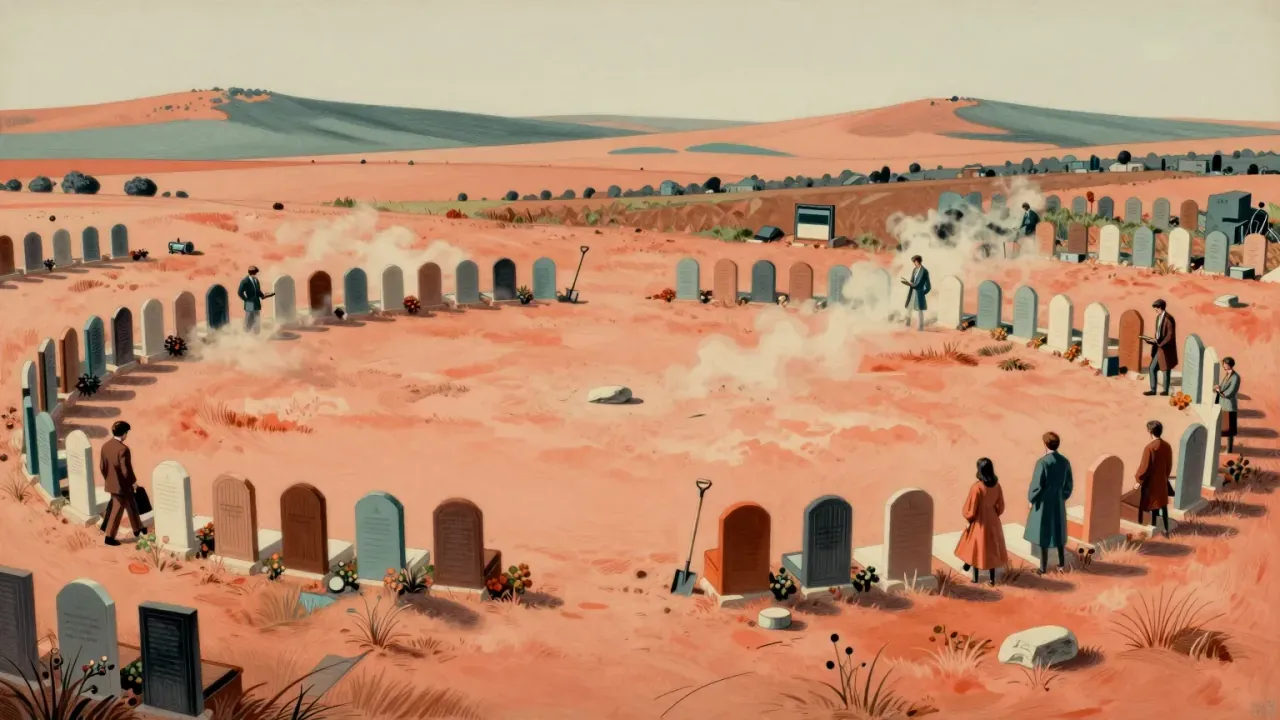
The themes that matter are proximity and projection. This is a film about how closeness breeds misreading: Horgan projects infidelity onto a sleeping woman’s murmur; Pinky projects entitlement onto Mae’s vulnerability; the cowboys project guilt onto Jubal because he is competent, calm and unattached. Authority here is performative and unstable — Horgan’s leadership rests on habit, not consent, and crumbles the moment it is questioned. Masculinity is measured not by strength but by who gets to define reality: Pinky rewrites events for the posse, Horgan rewrites them for himself, and Jubal refuses to rewrite anything at all. The film also treats work as moral grammar: Jubal earns respect through horsemanship and fairness, Pinky through intimidation, Horgan through inheritance and marriage. There is no redemption arc, no revelation of hidden virtue — only the slow exposure of how each man’s self-conception determines what he sees, and what he destroys when that vision is threatened.
Who sits with it
This is for viewers who value psychological precision over plot velocity, and who find tension in withheld information and unresolved dynamics. It suits those accustomed to mid-century studio craft — the rhythm of Columbia Pictures’ 1950s output, the economy of Ford and Steiger’s performances, the muted palette of Raksin’s scoring. It is not for viewers who require clear moral alignment, narrative closure or sustained action. Those expecting the mythic sweep of Shane or the procedural rigour of High Noon will find Jubal too narrow in scope and too resistant to resolution. It also assumes familiarity with Western conventions enough to register their subversion: the absence of a sheriff, the lack of a town square showdown, the refusal to let Jubal ‘win’ in any conventional sense. A viewer who prefers thematic clarity over atmospheric ambiguity may find its restraint indistinguishable from evasion.
The ride away
Yes, it is worth your evening — provided you watch it without expectation of resolution or release. Its ninety-nine minutes accumulate a quiet, unsettling force: the kind that lingers not in remembered images but in the memory of how a silence was held, or how a hand hesitated before striking. It rewards attention to gesture and timing, not exposition or escalation. Someone who values narrative propulsion over psychological texture may leave dissatisfied — Jonathan Rosenbaum’s ‘neurotic melodrama’ description applies only if you accept neurosis as structure, not flaw. A viewer who prefers films where moral positions are declared, not dramatised, would find its refusal to assign blame or offer absolution frustrating. But for those who recognise that some stories are about the space between intention and consequence — and that that space is where most human damage occurs — Jubal remains starkly, uncompromisingly useful.