filmbriefs
Topic

Childhood

A recent invention, and what it was invented for.

76
in film
13:00
average
988 min
in total
87
across the network
Childhood across the network →
All briefs76
13:00

A Safe Place

Henry Jaglom · 1971

Henry Jaglom’s 1971 drama follows Noah, a young woman drifting between present loneliness and childhood memory in New York City. Starring Tuesday Weld, Orson Welles, and Jack Nicholson, it uses fragmented editing, recurring motifs, and nostalgic music to evoke mental fragility without diagnosis. Culled from fifty hours of footage, it is a formally ambitious but divisive experiment in psychological portraiture — intimate, unresolved, and demanding of its viewer.
13:00

Alice Doesn't Live Here Anymore

Martin Scorsese · 1974

Martin Scorsese’s 1974 film follows widow Alice Hyatt as she travels with her son from New Mexico to California, detouring through Arizona. Working first as a lounge singer, then a diner waitress, she navigates grief, economic precarity, and tentative new relationships. Ellen Burstyn won an Academy Award for her layered, unsentimental performance. The film avoids easy resolutions, favouring psychological fidelity and quiet observation over plot mechanics or stylistic flourish.

13:00

Alice in the Cities

Wim Wenders · 1974

Wim Wenders’ 1974 road film follows a stalled writer and a nine-year-old girl as they search across Germany for her estranged grandmother. Shot in black-and-white 16 mm by Robby Müller, it favours duration over exposition, silence over speech, and observation over explanation. Its power lies in restraint: in the weight of a glance, the rhythm of a bus ride, the quiet persistence of mutual attention.
13:00

Au revoir les enfants

Louis Malle · 1987

Louis Malle’s 1987 autobiographical drama follows eleven-year-old Julien at a Catholic boarding school in occupied France, where the arrival of three new pupils reveals a secret: one is Jewish, hidden under a false name. As Julien forms a fragile friendship with Jean Bonnet — real name Kippelstein — he witnesses the slow collapse of safety, culminating in a Gestapo raid that takes Jean, two other boys, and their protector, the headmaster Père Jean. Shot with quiet precision by Renato Berta and performed with unshowy authenticity, the film rests its power on accumulation, not climax: in glances, silences, and the unbearable ordinariness of betrayal.

13:00

Bim

Albert Lamorisse · 1950

A forty-five-minute French drama from 1950, written by Jacques Prévert and Albert Lamorisse and directed by Lamorisse. It follows a boy in rural France whose life is structured around his dog — until the dog disappears. With no score, minimal dialogue, and deliberate pacing, the film traces grief through gesture, silence, and the persistence of routine.

13:00

Blue Heron

Sophy Romvari · 2025

Blue Heron is Sophy Romvari’s semi-autobiographical debut feature, following a Hungarian immigrant family’s move to Vancouver Island in the late 1990s amid their eldest son’s escalating behavioural crisis. Told through overlapping timelines and anchored by Eylul Guven and Amy Zimmer as young and adult Sasha, it uses restrained performances, Maya Bankovic’s hushed cinematography, and a layered soundscape to explore how childhood perception absorbs trauma without comprehension. Released in 2025 after festival acclaim, it prioritises sensory fidelity over exposition, rendering memory as atmosphere rather than narrative.

13:00

Bogeyman

G. Aravindan · 1979

G. Aravindan’s 1979 Bogeyman (Kummatty) is a lyrical Malayalam fantasy following a boy named Chindan whose encounter with a wandering masked man blurs the line between folklore and lived reality. Shot by Shaji N. Karun and scored by M. G. Radhakrishnan, it unfolds in unhurried, observational rhythms across a Kerala village, culminating in literal transformation — children become animals, one remains a dog, and only witnessing restores him. Awarded Kerala’s Best Children’s Film, it resists explanation in favour of sensory fidelity and quiet moral weight.

13:00

Breaktime

Abbas Kiarostami · 1972

Breaktime (1972) is Abbas Kiarostami’s fourteen-minute observational drama, shot during an actual school break in Tehran. With no script, no score and no intervention, it records children’s unstructured movement and interaction in static, natural-light frames. Made early in his career for Kanun, it exemplifies his commitment to unvarnished presence over narrative artifice.

13:00

C'mon C'mon

Mike Mills · 2021

Mike Mills’ 2021 drama follows radio journalist Johnny (Joaquin Phoenix) as he temporarily cares for his nine-year-old nephew Jesse (Woody Norman) while his sister tends to her husband’s mental health crisis. Shot in black-and-white across multiple US cities, the film centres on quiet exchanges, authentic child interviews, and the slow recalibration of fractured family bonds — all held together by Robbie Ryan’s textured cinematography and a restrained Dessner score.

13:00

Cría Cuervos

Carlos Saura · 1976

Cría Cuervos (1976), directed by Carlos Saura, follows eight-year-old Ana in the months after her father’s death and her mother’s earlier passing. Set in Madrid during the final days of Franco’s rule, the film moves through memory, fantasy and present-tense reality without clear demarcation. Ana Torrent’s performance anchors a study of childhood consciousness under pressure: guilt, care, silence and imagined agency all coexist in a large, quiet house. Teodoro Escamilla’s restrained cinematography and Federico Mompou’s sparse piano score deepen its atmosphere of suspended time. Though it won the Grand Prix at Cannes, its power lies not in pronouncement but in persistence — in what it refuses to name.

13:00

Daddy Longlegs

Josh Safdie, Benny Safdie · 2009

Daddy Longlegs (2009) follows Lenny, a divorced Manhattan projectionist, during his annual two-week custody of his sons Sage and Frey. Shot on digital video with non-professional performers and minimal score, it observes his chaotic, often reckless parenting — from impromptu road trips to drugging the boys to avoid leaving them alone — without moral framing or psychological exposition. Directed by Josh and Benny Safdie and written by Benny Safdie and Ronald Bronstein, it is a rigorously unsentimental study of adult failure witnessed by children.

13:00

Dodes'ka-den

Akira Kurosawa · 1970

Akira Kurosawa’s 1970 film is a mosaic of lives in a Tokyo shantytown, structured as overlapping vignettes rather than a linear narrative. With no central protagonist, it follows characters including a boy who imagines himself a trolley driver, a silversmith who aids thieves, and parents burdened by neglect and infidelity. Shot in colour for the first time by Kurosawa, with Takao Saito as cinematographer and Tōru Takemitsu scoring in restrained, percussive tones, the film insists on dignity without sentiment, endurance without triumph. Its 140-minute runtime unfolds with unhurried precision, asking the viewer to inhabit a world shaped by scarcity, imagination, and quiet reciprocity.

13:00

Dreams

Akira Kurosawa, Ishirō Honda · 1990

Akira Kurosawa’s 1990 anthology film Dreams comprises eight vignettes drawn from his own recurring dreams. Shot in Japan with assistance from Steven Spielberg and George Lucas, it deploys rigorous formalism — saturated colour, symmetrical framing, long takes — to render emotional states rather than narratives. Starring Akira Terao, Martin Scorsese as Van Gogh, and Chishū Ryū, it explores childhood, mortality, ecology, and ritual without exposition or irony. Though structurally loose and uneven in impact, its best sequences achieve a rare fusion of painterly control and moral gravity.

13:00

Eve's Bayou

Kasi Lemmons · 1997

Set in 1962 Louisiana, Eve’s Bayou follows ten-year-old Eve Batiste as she witnesses fractures in her prosperous Creole-American family — infidelity, silence, spiritual inheritance — without the language or authority to name them. Kasi Lemmons’ debut sustains a mood of suspended dread and quiet revelation, anchored by Jurnee Smollett’s restrained performance and Amy Vincent’s humid, intimate cinematography. It treats memory, mysticism, and moral ambiguity not as devices but as conditions of being.

13:00

First Graders

Abbas Kiarostami · 1984

First Graders (1984) is Abbas Kiarostami’s observational documentary following Iranian six- and seven-year-olds during a single school day. Filmed with concealed cameras, it avoids narration, music, or intervention, relying instead on long takes, natural sound, and uninflected framing. Its purpose is not exposition but sustained attention — to register the rhythms, hierarchies and quiet labours of early socialisation as they occur. Though rooted in Iran’s post-revolutionary educational context, it offers no explicit commentary on politics or pedagogy. Its power lies in accumulation: small gestures, repeated behaviours and unscripted silences build a portrait less of individuals than of collective habit. A rigorous, unsentimental work, it rewards patience and resists easy interpretation.
13:00

Flunky, Work Hard

Mikio Naruse · 1931

A 29-minute Japanese silent film from 1931, Mikio Naruse’s Flunky, Work Hard follows an insurance salesman’s desperate attempts to secure income and respect amid rent arrears, neighbourly friction, and parental failure. Shot in Shochiku’s Kamata studio, it blends nansensu comedy, tendency-film concern, and shoshimin-eiga realism—with abrupt tonal shifts, economical editing, and a structure built around irony and collapse. Its survival makes it a key artefact of early Naruse and interwar Japanese cinema.

13:00

Forbidden Games

René Clément · 1952

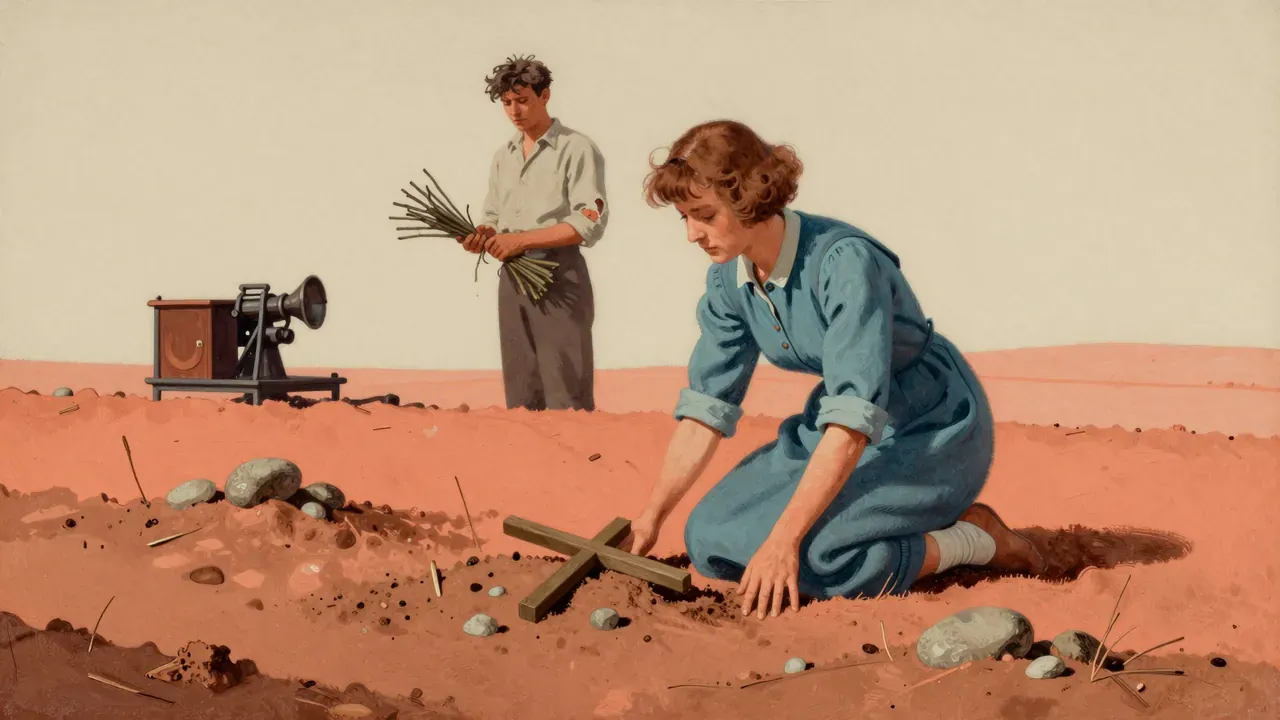
Set in June 1940 during the fall of France, Forbidden Games follows orphaned five-year-old Paulette as she is taken in by a peasant family and forms a quiet bond with their son Michel. Together they build a secret cemetery for dead animals using stolen crosses, enacting grief through ritual rather than speech. Directed by René Clément with restrained precision, the film observes childhood trauma without sentimentality, relying on Brigitte Fossey’s extraordinary performance and Robert Juillard’s understated cinematography. It won the Golden Lion at Venice, a BAFTA, and an Academy Honorary Award.

13:00

Good Morning

Yasujirō Ozu · 1959

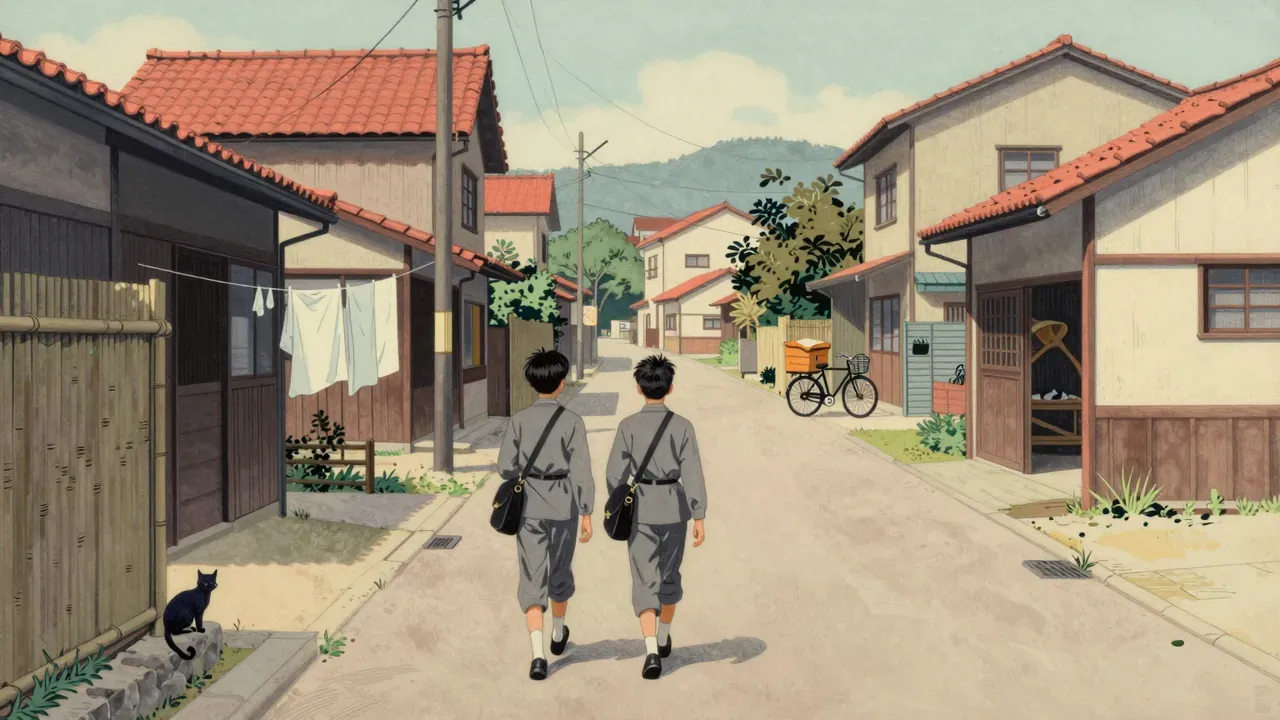
Yasujirō Ozu’s 1959 colour comedy follows two brothers who stop speaking to protest their parents’ refusal to buy a television. Set in a Tokyo suburb, the film traces how their silence ripples through the neighbourhood, exposing the fragility of gossip, the labour of politeness, and the quiet absurdity of adult consensus — all observed with Ozu’s characteristic stillness and dry precision.

13:00

Homework

Abbas Kiarostami · 1989

Homework (1989) is Abbas Kiarostami’s 16mm documentary filmed at a Tehran primary school, composed almost entirely of interviews with pupils and two fathers about the practice of assigning homework. With no narration, music or illustrative footage, it foregrounds unscripted speech — hesitant, contradictory, revealing — to expose the gap between educational policy and domestic reality in late-1980s Iran.

13:00

House

Nobuhiko Obayashi · 1977

Nobuhiko Obayashi’s 1977 House is a Japanese comedy horror film about seven schoolgirls devoured one by one in a sentient, surreal country house. Made with handmade effects, a rock soundtrack by Godiego, and non-professional actors, it rejects narrative logic in favour of associative, childlike imagery rooted in Obayashi’s daughter’s fears and his own Hiroshima memories. Though dismissed on release, it has since gained cult status for its audacious form and emotional precision.

13:00

I Was Born, But...

Yasujirō Ozu · 1932

Yasujirō Ozu’s 1932 silent comedy follows two brothers whose faith in their father collapses when they see him humiliate himself before his boss on home film. With still camerawork, sparse intertitles, and performances rooted in physical truth, the film traces the quiet transmission of social submission across generations — not as satire or tragedy, but as observed fact.

13:00

Ivan's Childhood

Andrei Tarkovsky · 1962

Andrei Tarkovsky’s 1962 debut follows twelve-year-old Ivan, an orphan turned reconnaissance scout on the Eastern Front. Shot by Vadim Yusov near the Dnieper River, it juxtaposes stark wartime realism with lyrical dream sequences, using landscape and silence to articulate loss. The film won the Golden Lion at Venice and established Tarkovsky’s signature preoccupation with time, memory and nature as witness. It is austere, unsentimental, and structurally rigorous—less a story of survival than a meditation on what survives after survival is no longer possible.

13:00

Jacquot de Nantes

Agnès Varda · 1991

Jacquot de Nantes (1991) is Agnès Varda’s tender, unhurried portrait of her husband Jacques Demy’s childhood in wartime Nantes. Blending dramatised scenes with documentary interludes and archival fragments, it traces his early fascination with film-making — not as spectacle, but as tangible craft: drawing, lighting, set-building, animation. Shot by Patrick Blossier, Agnès Godard and Georges Strouvé, with music by Joanna Bruzdowicz, it privileges material detail and quiet observation over narrative drive or psychological exposition.

13:00

King of the Hill

Steven Soderbergh · 1993

Steven Soderbergh’s 1993 coming-of-age drama, adapted from A. E. Hotchner’s memoir, follows eleven-year-old Aaron as he lives alone in a St. Louis hotel during the Great Depression, his mother hospitalised and his father absent. With restrained cinematography by Elliot Davis, sparse scoring by Cliff Martinez, and a lead performance of extraordinary quietude from Jesse Bradford, the film builds emotional force through accumulation — not climax. It treats poverty, illness, and abandonment as environmental facts, not dramatic engines, and finds moral weight in small, sustained acts of self-preservation.

13:00

Me and You and Everyone We Know

Miranda July · 2005

Miranda July’s 2005 debut follows a shoe salesman and a performance artist navigating loneliness, miscommunication, and tentative connection in suburban Los Angeles. Shot with quiet precision and performed with deliberate restraint, it builds meaning through accumulated detail rather than plot turns. Its romance is structural, not sentimental; its comedy arises from behavioural accuracy, not punchlines.

13:00

Moonrise Kingdom

Wes Anderson · 2012

Set on a fictional New England island in 1965, Moonrise Kingdom follows twelve-year-olds Sam and Suzy as they flee their respective constraints — a scout camp and a fractured home — to build a temporary life on an isolated beach. Adults mobilise in response: scouts, police, parents, social workers. Wes Anderson and Roman Coppola shape the story as a self-contained emotional system, where visual symmetry, period detail, and musical counterpoint replace conventional narrative drive. Robert Yeoman’s Super 16mm cinematography, Alexandre Desplat’s score, and performances by Jared Gilman, Kara Hayward, Edward Norton, Bill Murray, and Frances McDormand sustain a tone both tender and exacting.

13:00

Mouchette

Robert Bresson · 1967

Robert Bresson’s 1967 adaptation of Georges Bernanos’s novel follows a teenage girl’s silent, unrelenting attrition in a rural French village. Using non-professional actors, sparse dialogue, and Ghislain Cloquet’s restrained cinematography, the film renders suffering as routine, not event — culminating in a final act of physical surrender that feels less like despair than exhaustion made visible.

13:00

My Life as a Dog

Lasse Hallström · 1985

Set in rural Sweden in 1958–59, My Life as a Dog follows twelve-year-old Ingemar, dispatched to live with relatives while his mother battles illness. Observing small-town life with unsentimental clarity, he navigates eccentric neighbours, nascent friendship, and accumulating loss. The film avoids exposition and catharsis, trusting repetition, silence, and precise detail to convey emotional truth. Its power lies in restraint: in what is withheld, what lingers off-screen, and how deeply ordinary moments can hold extraordinary weight.

13:00

Naked Childhood

Maurice Pialat · 1968

Maurice Pialat’s 1968 debut Naked Childhood follows ten-year-old François as he moves between foster families in working-class France. Shot with unadorned naturalism by Claude Beausoleil and written by Pialat and Arlette Langmann, the film avoids psychology, politics, and exposition — observing instead the quiet contradictions of a child shaped by abandonment and care alike.

13:00

Night Games

Mai Zetterling · 1966

A 1966 Swedish drama directed by Mai Zetterling, Night Games traces a man’s return to his childhood home and the memories it unleashes — particularly of his charismatic, neglectful mother and the sexual and emotional confusions of adolescence. Shot by Rune Ericson and scored by Georg Riedel and Jan Johansson, it uses restrained visuals and elliptical editing to render memory as sensory residue rather than narrative. Starring Ingrid Thulin and Jörgen Lindström, it avoids moral framing, opting instead for psychological fidelity. Controversial on release, it remains a tightly controlled study of inherited trauma.

13:00

Paper Moon

Peter Bogdanovich · 1973

Paper Moon (1973), directed by Peter Bogdanovich, follows Moses Pray and Addie Loggins — a grifter and a sharp-witted orphan — as they travel across Depression-era Kansas and Missouri, running small scams to survive. Shot in black-and-white by László Kovács, it stars Ryan and Tatum O'Neal in performances defined by restraint and reciprocity. Adapted by Alvin Sargent from Joe David Brown’s novel, it avoids moral framing in favour of behavioural accuracy, treating fraud as labour and kinship as negotiation. Tatum O'Neal won the Academy Award for Best Supporting Actress at age ten.

13:00

Pixote

Héctor Babenco · 1980

A 1980 Brazilian crime drama directed by Héctor Babenco, based on José Louzeiro’s non-fiction book. It follows Pixote, a ten-year-old boy navigating juvenile detention, street crime, and exploitation in São Paulo and Rio. Cast largely with non-professionals whose lives mirrored their roles, it uses documentary-like methods to depict systemic abandonment without moral framing or narrative relief.

13:00

Ratcatcher

Lynne Ramsay · 1999

Lynne Ramsay’s 1999 debut follows James Gillespie, a Glaswegian boy haunted by an accidental death amid the grime and quiet desperation of a 1970s council estate. Shot with tactile precision and edited with deliberate slowness, the film privileges sensory experience over exposition, rendering poverty, grief, and nascent tenderness through image, sound, and restrained performance — not psychology or plot.

13:00

Salaam Bombay!

Mira Nair · 1988

Mira Nair’s 1988 debut follows Krishna, a runaway boy who lands in Bombay’s Falkland Road slums and red-light district. Played by non-professional street children, the film renders their daily survival—tea-stall work, drug-running, petty theft—with documentary rigour and fictional discipline. Shot on location, edited for duration over pace, and scored sparingly by L. Subramaniam, it refuses uplift or explanation. Its power lies in accumulation, not climax; its ethics in restraint, not advocacy.

13:00

So Can I

Abbas Kiarostami · 1975

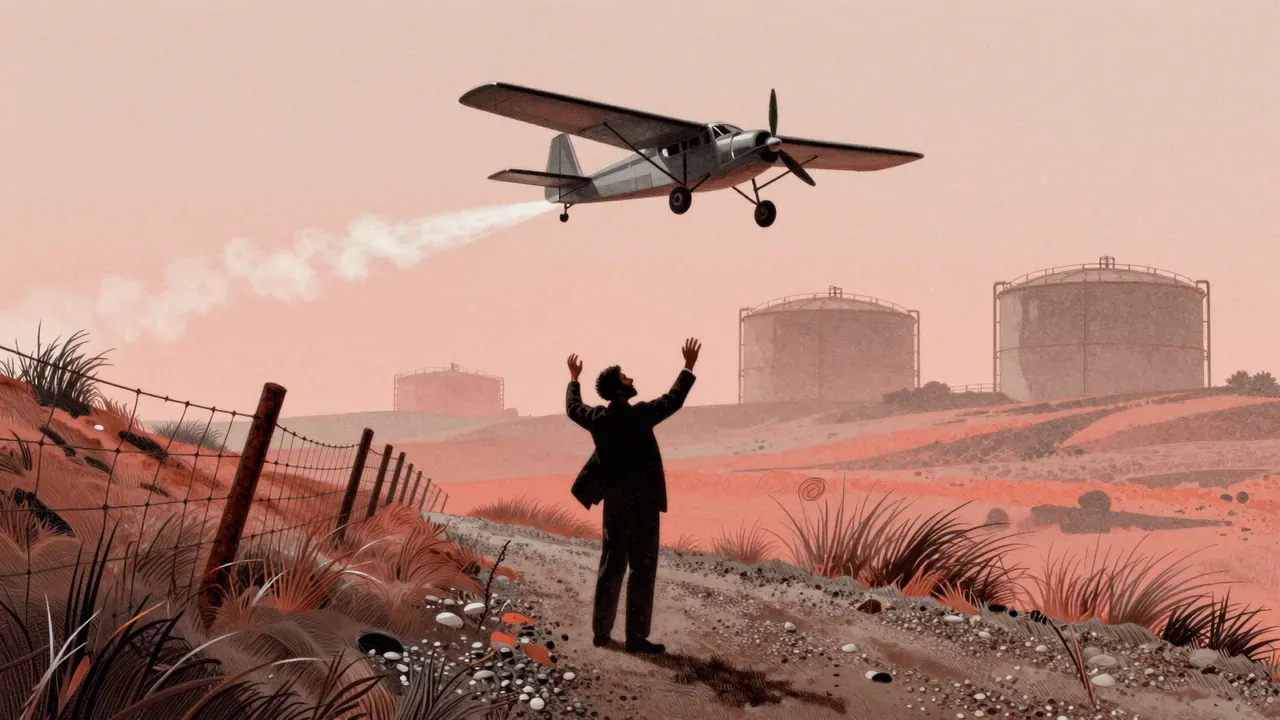
So Can I (1975) is a seventeen-minute Iranian short by Abbas Kiarostami, following two boys watching an educational cartoon. One boy repeatedly asserts 'So can I' in response to animals’ actions—until birds fly across the screen, and he falls silent. The film ends with an aeroplane circling overhead. Made for Kanun, it treats childhood cognition with formal rigour: no narration, no adult presence, no resolution—only repetition, silence, and a single, resonant visual rupture.

13:00

Son of Godzilla

Jun Fukuda · 1967

Son of Godzilla (1967) is Toho’s eighth kaiju film and the first to introduce Minilla, Godzilla’s infant son. Directed by Jun Fukuda on a reduced budget, it shifts focus from nuclear anxiety to familial bonding and juvenile spectacle. Filmed in Guam and Japan, it features marionette Kamacuras, a giant spider named Kumonga, and a deliberately oversized Godzilla suit to convey paternal stature. Marchan the Dwarf performs Minilla, whose design draws from contemporary manga. Though critics were divided and the film underperformed in the US, it remains a distinctive artefact of Shōwa-era genre filmmaking — tactile, economical, and quietly committed to its own small-scale logic.

13:00

Stowaway in the Sky

Albert Lamorisse · 1960

Albert Lamorisse’s 1960 film Stowaway in the Sky blends documentary footage and staged flight to follow a ten-year-old boy drifting over France in his grandfather’s balloon. Shot in Eastman Color and Dyaliscope, it privileges observation over narrative, using silence, wide shots and unhurried editing to recast landscape as texture and altitude as perspective. Maurice Fellous’s cinematography and Jean Prodromidès’s score sustain its gentle, airborne logic — one that values wonder without condescension, and drift without destination.

13:00

Sundays and Cybele

Serge Bourguignon · 1962

Sundays and Cybele (1962), directed by Serge Bourguignon, follows Pierre, a psychologically wounded French Indochina War veteran, and Cybèle, an eleven-year-old girl abandoned by her family and confined to a Parisian boarding school. Their Sunday meetings in Ville-d’Avray form a fragile, wordless bond — tender, unorthodox, and ultimately unsustainable. Shot by Henri Decaë and scored by Maurice Jarre, the film avoids exposition and moral framing, trusting gesture, rhythm and absence to convey grief, legibility and the limits of care. It won the 1963 Academy Award for Best International Feature Film.

13:00

The Black Stallion

Carroll Ballard · 1979

Carroll Ballard’s 1979 adaptation of Walter Farley’s novel follows a boy shipwrecked with a wild black stallion, their bond forged in silence and survival on a deserted island, then tested in the high-stakes world of American horse racing. Shot by Caleb Deschanel and scored by Carmine Coppola, it favours duration, texture, and restraint over exposition or sentiment.

13:00

The Bread and Alley

Abbas Kiarostami · 1970

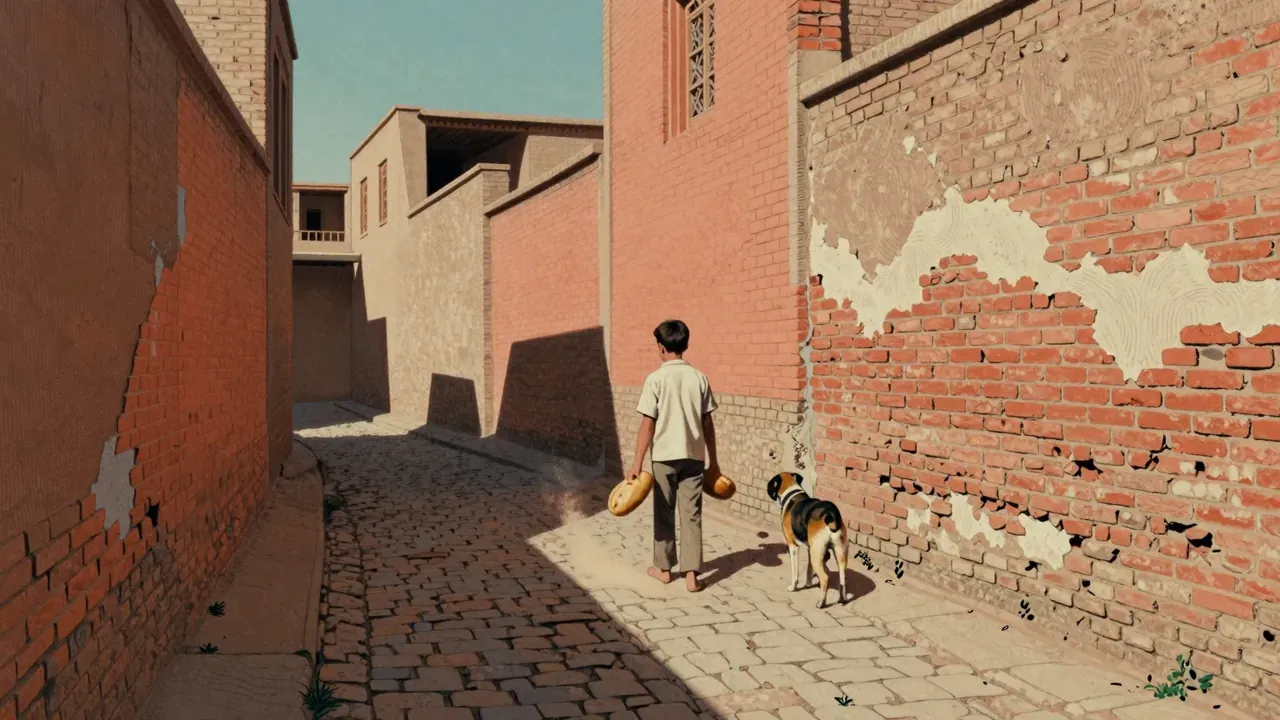
Abbas Kiarostami’s 1970 debut is a ten-minute black-and-white Persian-language short set in a Tehran alley. A boy carrying bread is blocked by a barking dog, improvises a way past, and is followed home by the same animal — only for a second boy with yogurt to trigger the same bark moments later. Shot in static, unadorned takes, it offers no exposition, no score, no close-ups, and no moral framing. Its power lies in its exactness: a study in singular decisions, shared space, and the fragility of cause-and-effect.

13:00

The Children Are Watching Us

Vittorio De Sica · 1944

Vittorio De Sica’s 1944 drama follows young Pricò as he observes his mother’s repeated departures and his father’s silent collapse. Shot by Romolo Garroni with austere precision and scored sparingly by Renzo Rossellini, it treats childhood not as innocence but as unblinking witness. There are no villains, no explanations — only cause, effect, and the unbearable clarity of a child’s gaze.

13:00

The Chorus

Abbas Kiarostami · 1982

The Chorus (1982) is Abbas Kiarostami’s early Iranian short film in Persian, observing a group of children in a single location with fixed framing and minimal intervention. It explores collective presence through duration, repetition, and silence — not narrative or psychology — making it a foundational work of observational, arthouse drama.

13:00

The Devil's Backbone

Guillermo del Toro · 2001

Set in a remote Spanish orphanage during the final months of the Civil War, The Devil's Backbone follows a newly arrived boy who encounters the ghost of a murdered peer. Directed by Guillermo del Toro and shot by Guillermo Navarro, the film uses gothic horror conventions to explore inheritance, trauma, and moral accountability. Its restrained performances, muted palette, and deliberate pacing build tension not through shocks but through accumulated silence and implication. Though some narrative devices feel functional rather than felt, its emotional and historical precision makes it a singular entry in both Spanish cinema and the ghost-story tradition.

13:00

The Fallen Idol

Carol Reed · 1948

Carol Reed’s 1948 drama follows seven-year-old Philippe, who lives alone in a London embassy while his diplomat father is away and his mother lies ill in hospital. He idolises the butler Baines—until he witnesses a struggle that ends with Baines’s wife falling to her death. Convinced Baines pushed her, Philippe flees, lies, and unravels under police questioning. Adapted by Graham Greene from his own story, the film renders childhood not as innocence but as radical epistemic limitation—where truth is assembled from fragments, and every object in the frame carries the weight of what cannot yet be named.

13:00

The Kid

Charlie Chaplin · 1921

Charlie Chaplin’s 1921 feature The Kid pairs him with six-year-old Jackie Coogan in a comedy-drama about an abandoned infant raised by the Tramp. Built on tight physical performances, economical editing and unforced pathos, it balances street-level pragmatism with quiet tenderness — making care visible as routine, not revelation.

13:00

The Kid with a Bike

Luc Dardenne, Jean-Pierre Dardenne · 2011

The Kid with a Bike follows twelve-year-old Cyril as he navigates abandonment, foster care, and fragile trust in working-class Seraing. Directed by Jean-Pierre and Luc Dardenne, it uses restrained naturalism, precise performances, and a subtle fairy-tale structure to explore how belonging is built — not declared — through small, repeated acts of presence. Shot by Alain Marcoen and edited by Marie-Hélène Dozo, it won the Grand Prix at Cannes and the European Film Award for Best Screenplay.

13:00

The Long Day Closes

Terence Davies · 1992

Terence Davies’ 1992 film is a lyrical, formally rigorous evocation of childhood in 1950s Liverpool. Built from fragments — light, music, silence, gesture — it avoids plot in favour of sustained mood, using Michael Coulter’s restrained cinematography and a carefully curated soundtrack to render memory as sensory experience rather than narrative.

13:00

The Red Balloon

Albert Lamorisse · 1956

Albert Lamorisse’s 1956 French short The Red Balloon follows five-year-old Pascal as he forms a quiet, wordless bond with a sentient red balloon in the Ménilmontant district of Paris. Shot on location with natural light and minimal intervention, it relies on observation, texture and spatial choreography rather than narrative or dialogue. Though often described as poetic or symbolic, its power lies in its literal fidelity — to place, to childhood scale, to the physics of air and rubber. It won the Palme d’Or for short films and an Academy Award for Best Original Screenplay — the only short ever to receive that honour.

13:00

The Red Head

Julien Duvivier · 1932

Julien Duvivier’s 1932 adaptation of Jules Renard’s Poil de carotte is a restrained, psychologically precise portrait of a red-haired boy navigating emotional neglect in a rigid bourgeois household. Robert Lynen’s performance anchors the film, supported by Harry Baur and Catherine Fonteney as his emotionally distant parents. Maurice Monniot’s cinematography and Alexandre Tansman’s sparse score serve the film’s commitment to understatement. Though occasionally undermined by didactic framing and technical limitations of early sound, it remains a masterclass in showing rather than telling — and in treating childhood as lived duration, not narrative arc.

13:00

The Runner

Amir Naderi · 1984

Amir Naderi’s 1984 Iranian drama follows Amiro, an orphan surviving alone in Abadan, as he cycles through menial jobs — collecting bottles, selling ice, mending shoes — while fixating on ships and planes as distant, unreachable horizons. Shot in sun-bleached natural light with minimal dialogue and no score, the film anchors its realism in physical detail: the weight of ice, the burn of sun, the rhythm of running. Its power lies in sustained attention to endurance as routine, not metaphor.

13:00

The South

Víctor Erice · 1983

Set in northern Spain in the late 1950s, Víctor Erice’s The South traces a young girl’s quiet, persistent attempt to understand her father’s hidden past — his childhood in the south, his Republican past, his estrangement from his family, and his enduring attachment to an actress named Irene Ríos. Adapted from Adelaida García Morales’ novella and shot by José Luis Alcaine Escaño, the film proceeds through restrained, image-led episodes, treating memory as physical trace and silence as narrative agent. It was produced by Elías Querejeta and entered the 1983 Cannes Film Festival.

13:00

The Spirit of the Beehive

Víctor Erice · 1973

Víctor Erice’s 1973 debut is a quietly devastating portrait of six-year-old Ana in a remote Castilian village in 1940. With minimal dialogue and luminous, restrained cinematography by Luis Cuadrado, it traces her inner life as she navigates familial distance, the lingering trauma of civil war, and a growing fascination with Frankenstein’s monster — a figure she comes to see as a spirit she might summon. Set against barren landscapes and honey-coloured light, the film uses childhood perception to evoke repression, memory, and resilience without stating them outright.

13:00

The Traveller

Abbas Kiarostami · 1974

Abbas Kiarostami’s 1974 film follows Qassem, a resourceful twelve-year-old in Malayer, Iran, as he lies, steals and scams his way to a football match in Tehran. Shot with observational restraint and no musical score, the film refuses to moralise or explain his behaviour. Instead, it traces the logic of childhood desire — pragmatic, unselfconscious, and indifferent to collateral damage — until the final, empty stadium becomes its clearest statement: effort does not guarantee meaning, and arrival does not imply understanding.

13:00

The Tree of Life

Terrence Malick · 2011

Terrence Malick’s 2011 film interweaves cosmic origins, prehistoric evolution, and a 1950s Texas childhood into a single sensory continuum. Shot by Emmanuel Lubezki and edited from hundreds of hours of footage, it replaces plot with rhythm, dialogue with light, and psychology with presence. Its ambition is ontological: to treat human experience and natural process as variations on the same physical law.

13:00

The Two of Us

Claude Berri · 1967

Set in occupied France, The Two of Us follows an eight-year-old Jewish boy sent to live with an elderly, anti-Semitic farmer. Directed by Claude Berri and starring Michel Simon and Charles Denner, it traces the slow, unspoken evolution of their uneasy coexistence through restrained performances, muted cinematography by Jean Penzer, and a sparse score by Georges Delerue. Avoiding historical exposition or moral simplification, it locates its power in domestic detail and withheld emotion.

13:00

Time Bandits

Terry Gilliam · 1981

Time Bandits (1981) is a British science fiction fantasy co-written and directed by Terry Gilliam, starring Craig Warnock as Kevin, a boy who joins six dwarfs on a time-travelling heist. Shot in England, Morocco and Wales, it moves through historical and mythic settings — Castiglione, Sherwood Forest, Mycenae, the Titanic — guided by a stolen map of spacetime rifts. The film balances absurd comedy with metaphysical stakes, culminating in a confrontation with Evil and the Supreme Being. Its visual style is tactile and deliberately artificial; its themes centre on perception, inheritance, and the instability of systems. It was financed by George Harrison’s HandMade Films and remains the first in Gilliam’s ‘Trilogy of Imagination’.

13:00

TINY: The Life of Erin Blackwell

Martin Bell · 2016

TINY: The Life of Erin Blackwell is a 2016 documentary directed by Martin Bell, following Erin from age eleven into her thirties across twenty-five years of intermittent filming in Seattle. Shot and edited by Bell with producer Mary Ellen Mark, it uses no voiceover, no score, and no external commentary — relying solely on accumulated footage to trace a life shaped by poverty, resilience, and time itself.

13:00

Tokyo Chorus

Yasujirō Ozu · 1931

Tokyo Chorus (1931), directed by Yasujirō Ozu, follows an insurance salesman whose firing during Japan’s early Shōwa depression forces him to reassess work, family and self-worth. Shot in silence by Hideo Shigehara and written by Kōgo Noda, it traces quiet resilience across domestic and public spaces — from school drills to hospital corridors to a curry-rice restaurant — culminating in a modest, communal reprieve. Its power lies in restraint: no grand speeches, no dramatic reversals, only the accumulated weight of small choices and smaller joys.

13:00

Tori and Lokita

Jean-Pierre Dardenne, Luc Dardenne · 2022

Tori and Lokita is a 2022 Belgian-French drama by Jean-Pierre and Luc Dardenne, following an eleven-year-old boy and sixteen-year-old girl posing as siblings while surviving in a Belgian city. They work for a drug dealer under the guise of musical performers, and Lokita’s repeated visa rejections lead to her being sent to tend cannabis plantations — separating her from Tori, who tracks her down. The film ends with Lokita’s death and Tori singing at her funeral. Shot in natural light with minimal score and precise editing by Marie-Hélène Dozo, it sustains unwavering focus on care as labour and dignity as practice.

13:00

Tótem

Lila Avilés · 2023

Set over a single day at her grandfather’s house, seven-year-old Sol attends what is presented as her father’s birthday party — though it functions as a tender, unspoken farewell before his death. Directed and written by Lila Avilés, the film observes Sol’s sensory and emotional navigation of shifting family dynamics as daylight fades and ritual gives way to raw feeling. With Naíma Sentíes in a remarkably restrained central performance and Diego Tenorio’s naturalistic cinematography, Tótem builds emotional weight through accumulation, not climax.

13:00

Twenty-Four Eyes

Keisuke Kinoshita · 1954

Keisuke Kinoshita’s Twenty-Four Eyes (1954) follows teacher Hisako Ōishi across twenty years on Shōdoshima island, from her arrival in 1928 to the postwar return to teaching in 1946. Using her twelve pupils as anchors, the film charts the erosion and renewal of communal life under militarism, poverty and loss. Hideko Takamine’s restrained performance, the unvarnished Shochiku photography and the episodic, season-bound structure build a portrait of endurance rooted in daily acts of care — not grand statements, but shared meals, remembered songs and a bicycle given back.

13:00

Warrendale

Allan King · 1967

Allan King’s 1967 documentary observes life at the Warrendale Children’s Centre in Ontario, where emotionally disturbed children lived under intensive care. Shot in cinéma vérité style with no narration, interviews or score, it relies on sustained, unfiltered observation. The film provoked controversy for its raw depiction of outbursts and interventions, and was banned by CBC for profanity. It won top honours at Cannes and the Canadian Film Awards, and remains a landmark of observational documentary — demanding, uncompromising, and ethically precise.

13:00

Where is the Friend's Home?

Abbas Kiarostami · 1987

Abbas Kiarostami’s 1987 film follows eight-year-old Ahmad as he tries to return a classmate’s school notebook before the next day’s lesson, fearing expulsion. Set in rural Iran, it traces his walk between villages, his encounters with adults who fail to help, and his quiet determination to complete both boys’ homework when he cannot find the house. Shot in natural light with non-professional actors, it is a study in attention, obligation, and the unremarkable weight of small promises.

13:00

White Mane

Albert Lamorisse · 1953

White Mane (1953) is a 47-minute French short directed by Albert Lamorisse, filmed on location in the Camargue marshes. It follows a boy’s wordless pursuit of a wild white stallion, using minimal narration, natural light, and real landscapes to build a fable about endurance, reciprocity, and the limits of human control. Not a conventional children’s story, it resists explanation, favouring atmosphere and physical presence over plot or psychology.

13:00

Zero for Conduct

Jean Vigo · 1933

Jean Vigo’s Zero for Conduct (1933) is a 44-minute French featurette depicting revolt by four boys against the rigid authority of a boarding school. Shot on a modest budget with non-professional actors, it draws on Vigo’s own childhood experiences and anarchist convictions. Boris Kaufman’s cinematography and Vigo’s editing emphasise physicality and rhythm over exposition, while Maurice Jaubert’s score underscores its insurgent pulse. Banned in France until 1945, it has since influenced Truffaut and Anderson. It is arthouse comedy rooted in pedagogy, surrealism, and resistance.

13:00

The White Balloon

Jafar Panahi · 1994

Set on the eve of the Iranian New Year, Jafar Panahi’s 1994 debut follows seven-year-old Razieh as she tries to buy a goldfish with her mother’s last banknote. When the money slips through a street grate, she and her brother enlist the help of a young Afghan balloon seller to retrieve it. Filmed in natural light, with no score and minimal dialogue, the film observes childhood not as innocence but as embodied negotiation — with space, time, language, and adult indifference.

13:00

Boy

Taika Waititi · 2010

Set in rural New Zealand in 1984, Boy follows eleven-year-old Alamein — known as Boy — as he navigates childhood with imagination as his primary tool. When his absent father Alamein returns, Boy’s carefully constructed myths about him begin to fray. Taika Waititi’s film balances gentle comedy and quiet pathos, anchored by James Rolleston’s understated performance and Adam Clark’s sun-bleached cinematography. It is a story about inheritance, storytelling as survival, and the slow, unceremonious work of growing up without models.

13:00

Charlie and the Chocolate Factory

Tim Burton · 2005

Tim Burton’s 2005 Charlie and the Chocolate Factory is a deliberate departure from the 1971 adaptation: darker, more textured, and psychologically expanded. With Johnny Depp as a tightly wound Willy Wonka and Freddie Highmore as a quietly observant Charlie Bucket, it restores elements from Roald Dahl’s novel while adding Wonka’s estranged dentist father as a key to his pathology. Shot on practical sets at Pinewood Studios, the film privileges tactile realism over digital spectacle. Though praised for its design and tone, its emotional resolution remains thin — Charlie’s virtue is passive, Wonka’s healing unearned. It is a family film that trusts its audience to sit with discomfort.

13:00

Distant Voices, Still Lives

Terence Davies · 1988

Terence Davies’s 1988 autobiographical drama reconstructs his Liverpool childhood in two parts: the oppressive 1940s under a violent father, and the tentative early 1950s of young adulthood. Shot with rigorous formal control, it uses recurring songs, precise framing, and restrained performances to evoke working-class Catholic life without exposition or psychology. Music is both soundtrack and lifeline; domestic spaces are stages of endurance; time is cyclical, not linear. Though its second half lacks the first’s density, its cumulative power remains undimmed. Widely ranked among the greatest British films, it rewards attention, not explanation.

13:00

Fanny and Alexander

Ingmar Bergman · 1982

Fanny and Alexander is Ingmar Bergman’s semi-autobiographical 1982 drama, set in early-1900s Uppsala. It follows siblings Fanny and Alexander as their family fractures after their father’s death and their mother’s remarriage to a rigid bishop. Shot by Sven Nykvist and designed with meticulous period detail, the film contrasts the warmth of the theatrical Ekdahl household with the austerity of ecclesiastical authority. Though conceived as Bergman’s final feature, its generosity of attention, layered performances, and tactile realism make it a defining work of Swedish cinema — and a rare film where domestic life feels mythic without losing its weight.

13:00

Man on Fire

Tony Scott · 2004

Tony Scott’s 2004 crime thriller relocates A. J. Quinnell’s novel to Mexico City, following a broken ex-agent (Denzel Washington) who hunts kidnappers after his charge (Dakota Fanning) is abducted. Anchored by restrained performances and Paul Cameron’s urgent cinematography, it sustains emotional intimacy amid escalating violence — less cathartic thriller than austere study in accountability, endurance, and institutional decay.

13:00

Pather Panchali

Satyajit Ray · 1955

Satyajit Ray’s 1955 debut, adapted from Bibhutibhushan Bandyopadhyay’s novel, follows Apu’s childhood in rural Bengal. Shot on location with amateur actors and a minimal budget, it renders poverty, joy and loss through unhurried observation — no score to cue feeling, no edits to underline meaning. Its influence on global cinema is vast, but its power remains local, specific, and deeply human.

13:00

Pee-wee's Big Adventure

Tim Burton · 1985

Tim Burton’s 1985 debut, written by Paul Reubens and Phil Hartman, follows Pee-wee Herman’s cross-state quest to recover his beloved Schwinn bicycle. Shot in California and Texas, it merges Reubens’ stage persona with Burton’s emerging visual style, anchored by Danny Elfman’s first film score. Structured like a children’s fable but executed with adult precision, it treats American landmarks as literal stages and childhood logic as a valid operating system. Its cult status rests on consistency of tone, not thematic complexity.

13:00

Pelle the Conqueror

Bille August · 1987

Bille August’s 1987 adaptation of Martin Andersen Nexø’s Boyhood follows an elderly Swedish migrant and his young son as they seek work on a Danish farm in the 1850s. Shot with austere precision by Jörgen Persson and anchored by Max von Sydow and debutant Pelle Hvenegaard, it renders poverty, language acquisition, and generational transition with unsentimental rigour. Winner of the Palme d’Or and the Academy Award for Best International Feature Film, it is a landmark of Scandinavian social realism—quiet, exacting, and deeply humane.

13:00

The City of Lost Children

Jean-Pierre Jeunet, Marc Caro · 1995

Jean-Pierre Jeunet and Marc Caro’s 1995 science fiction film constructs a decaying, steampunk-adjacent port city where dreams are harvested, children kidnapped, and bodies augmented. Ron Perlman plays a strongman searching for his abducted brother, aided by a resourceful orphan and a salvaged scientist. Its power lies in tactile worldbuilding — costume, lighting, set design — rather than plot mechanics. Though critically admired for its visual imagination, its narrative opacity divides viewers. It is arthouse science fiction that prioritises atmosphere over explanation.

13:00

The Wizard of Oz

Victor Fleming, King Vidor · 1939

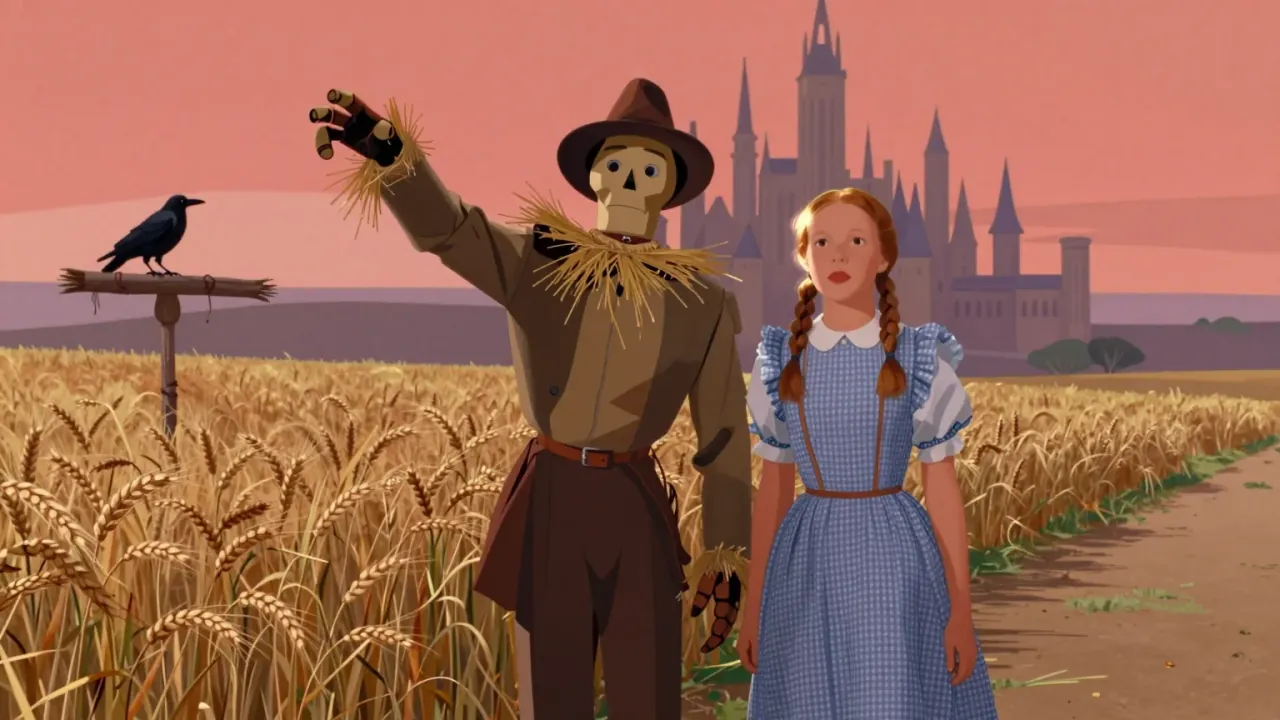
The Wizard of Oz (1939) is a Metro-Goldwyn-Mayer musical fantasy directed primarily by Victor Fleming, adapted from L. Frank Baum’s novel. Starring Judy Garland, it follows Dorothy’s journey from Kansas to Oz and back, using three-strip Technicolor, integrated song, and character-driven performance to explore competence, belonging, and self-recognition. Though framed as a dream, its power lies in the consistency of its emotional logic and the precision of its craft — from Harold Rosson’s cinematography to Harold Arlen’s score. It remains culturally central not as myth but as a sustained demonstration of how form and feeling can be made inseparable.