filmbriefs
Topic

Romance

Courtship and desire, and the social machinery built around both.

86
in film
13:00
average
1118 min
in total
96
across the network
Romance across the network →
All briefs86
13:00

A Man and a Woman

Claude Lelouch · 1966

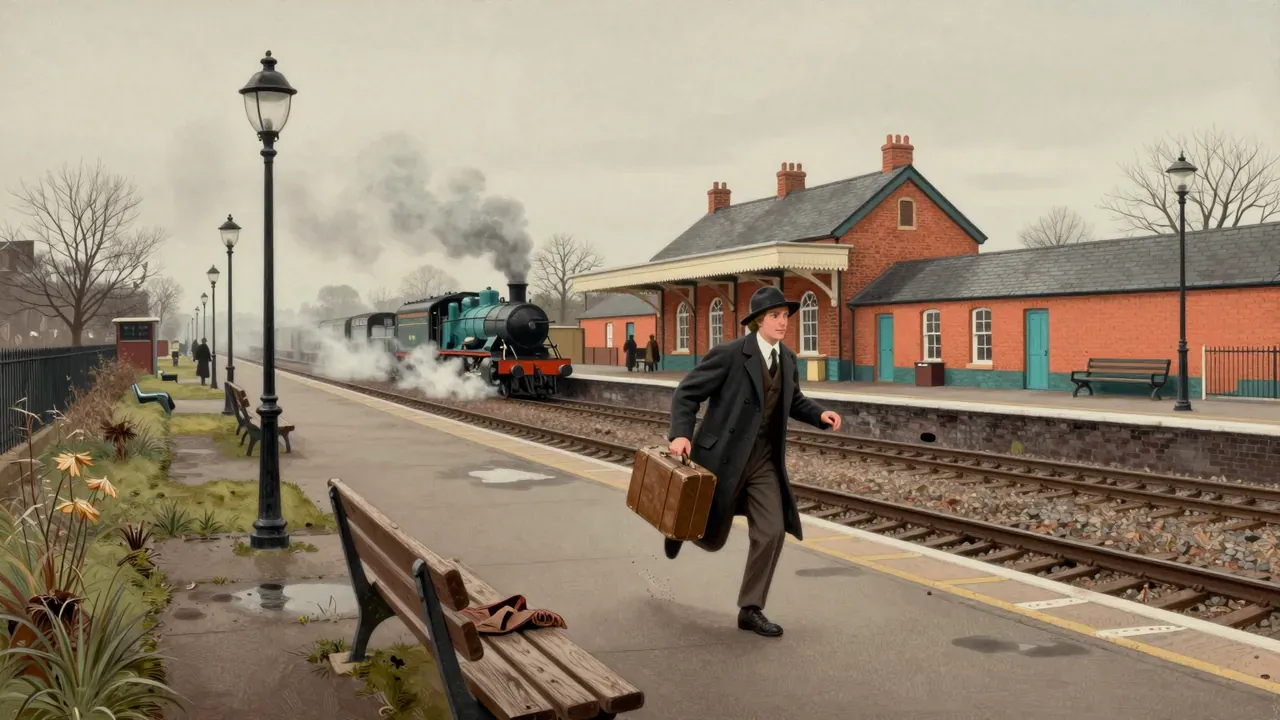
Claude Lelouch’s 1966 French romantic drama follows a widow and widower whose tentative bond forms across train platforms, rainy drives, and seaside walks. Shot on mixed film stocks with Francis Lai’s iconic score, it privileges mood and gesture over plot, tracing love not as catharsis but as quiet, embodied recurrence.
13:00

A Summer's Tale

Éric Rohmer · 1996

Éric Rohmer’s 1996 comedy-drama follows mathematics graduate Gaspard over three weeks in the Breton seaside town of Dinard, as he navigates hesitant affections for three women — Margot, Léna and Solène — without ever resolving between them. Shot with quiet precision by Diane Baratier and edited to sustain long takes and unhurried dialogue, the film treats romantic uncertainty not as failure but as sustained, everyday practice. Its power lies in its fidelity to duration, silence and the moral weight of small, unremarkable choices.

13:00

A Tale of Winter

Éric Rohmer · 1992

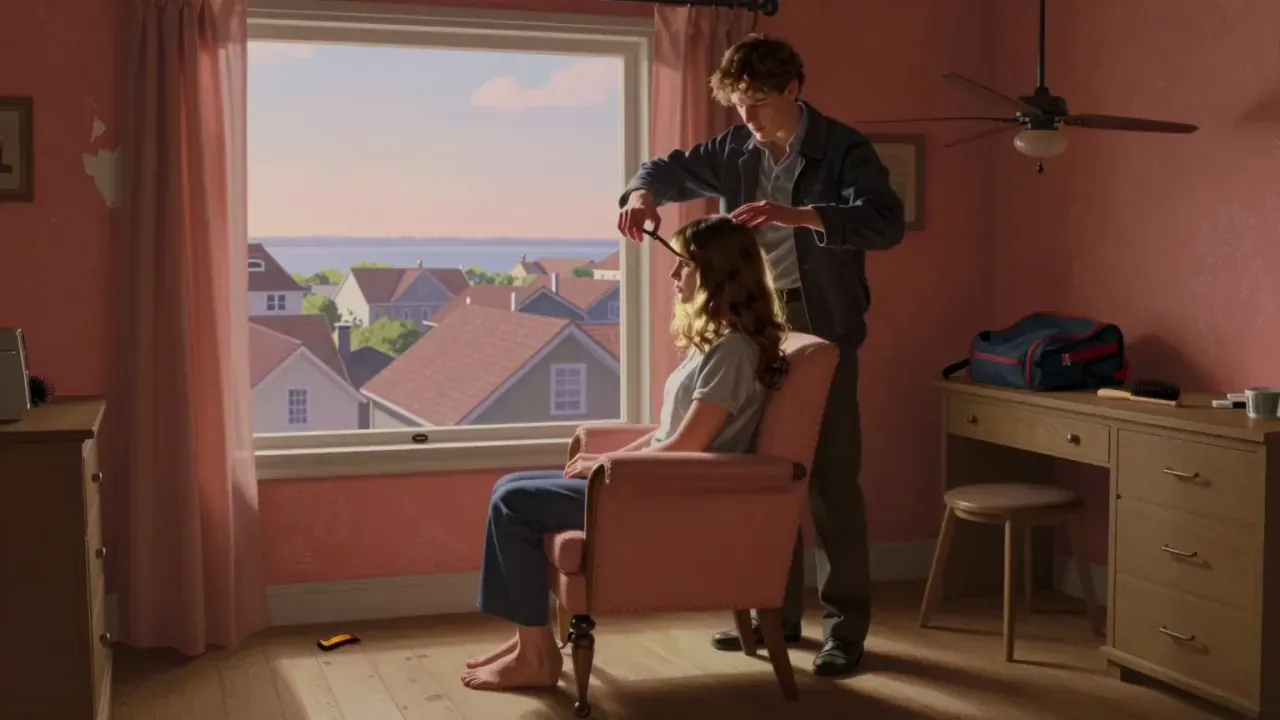
Éric Rohmer’s 1992 film follows Félicie, a Parisian hairdresser raising her daughter alone, as she navigates two unsatisfying relationships while holding onto the memory of a summer romance. Five years after losing contact with Charles, she sees him by chance on a New Year’s Eve bus — a reunion made possible not by fate, but by her unwavering, quiet fidelity to possibility. Shot by Luc Pagès and written and directed by Rohmer, it is the second in his ‘Tales of the Four Seasons’ series.

13:00

All That Heaven Allows

Douglas Sirk · 1955

Douglas Sirk’s 1955 Universal Pictures drama stars Jane Wyman as a widow whose romance with her younger arborist (Rock Hudson) provokes quiet but relentless social censure. Shot in saturated Technicolor by Russell Metty, the film uses meticulous composition, restrained performance, and classical music not for atmosphere but as precise tools to expose how class, age, and gender norms operate in domestic space. Though its final act leans on contrivance, its sustained attention to the material grammar of conformity remains sharply relevant.

13:00

Ballad of a Soldier

Grigori Chukhrai · 1959

Grigori Chukhrai’s 1959 drama follows a young Red Army soldier granted six days’ leave to repair his mother’s roof. En route, he meets soldiers and civilians, exchanges small gifts and confidences, and falls tentatively in love. Set during the Second World War but resolutely unconcerned with combat, the film locates heroism in endurance, love in gesture, and memory in quiet fidelity. Shot by Vladimir Nikolayev and Era Savelyeva, scored by Mikhail Ziv, and anchored by debut performances from Vladimir Ivashov and Zhanna Prokhorenko, it remains a benchmark of poetic restraint.

13:00

Barcelona

Whit Stillman · 1994

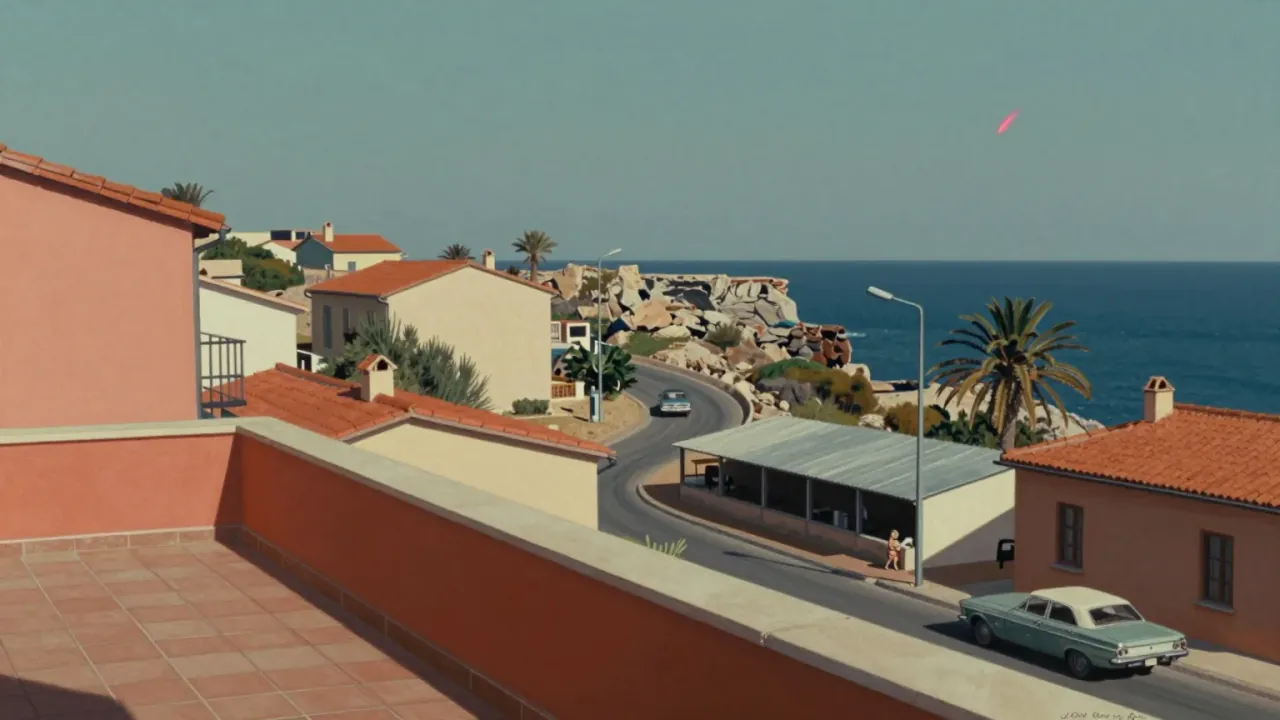
Whit Stillman’s 1994 romantic comedy follows two American cousins — a salesman and a naval officer — navigating love, language, and ideology in post-Franco Barcelona. Written and directed by Stillman, it forms the second part of his 'Doomed Bourgeois in Love' trilogy. With Taylor Nichols, Chris Eigeman, and Mira Sorvino, the film uses precise dialogue, deliberate pacing, and understated performances to explore miscommunication across cultures, classes, and generations.

13:00

Bed and Board

François Truffaut · 1970

François Truffaut’s 1970 film follows Antoine Doinel and Christine as newlyweds navigating Parisian domestic life: a cramped apartment, a faltering job, the birth of their son, and Antoine’s brief, hollow affair with a Japanese woman. Shot by Néstor Almendros with restrained naturalism, it avoids moralising or climax, instead observing the textures of habit, compromise, and quiet endurance. It is the fourth in Truffaut’s Doinel cycle and stands apart for its unblinking, unsentimental portrayal of marriage as daily practice rather than emotional event.

13:00

Before Sunrise

Richard Linklater · 1995

Two strangers meet on a train, disembark in Vienna, and spend twelve hours walking the city, talking, hesitating, revealing, and connecting. There is no plot beyond that; no music swells, no camera lingers on faces for effect, no external drama intrudes. What remains is the texture of real conversation, the weight of time passing, and the quiet ache of something meaningful that cannot last.

13:00

Before Sunset

Richard Linklater · 2004

Before Sunset (2004), directed by Richard Linklater and written by Linklater, Ethan Hawke, and Julie Delpy, follows Jesse and Céline as they reunite in Paris nine years after their first meeting in Vienna. Shot in real time across 77 minutes, the film unfolds in a single afternoon across Parisian locations—from Shakespeare & Company to Céline’s apartment—with no flashbacks or narrative shortcuts. Lee Daniel’s Steadicam cinematography, Sandra Adair’s seamless editing, and Julie Delpy’s acoustic score support a performance-driven portrait of ageing, memory, and the fragile persistence of connection. It was nominated for an Academy Award for Best Adapted Screenplay.

13:00

Bringing Up Baby

Howard Hawks · 1938

Bringing Up Baby (1938), directed by Howard Hawks, pairs Katharine Hepburn and Cary Grant in a relentless romantic comedy about a paleontologist undone by a scatterbrained heiress and her leopard. Written by Dudley Nichols and Hagar Wilde, it trades emotional exposition for escalating absurdity, using precise performance, tight editing and rhythmic dialogue to sustain a world where logic collapses on cue. Though commercially modest on release, it is now regarded as a pinnacle of screwball form.

13:00

Charade

Stanley Donen · 1963

Stanley Donen’s 1963 Charade pairs Cary Grant and Audrey Hepburn in a Paris-set romantic thriller about stolen wartime gold, shifting identities and a widow who inherits confusion. Written by Peter Stone and shot by Charles Lang, it balances suspense, banter and visual clarity without overreaching. Its strengths lie in structure, performance and tone; its limits in psychological depth and thematic ambition. It remains a masterclass in mid-century studio craft.

13:00

Children of Paradise

Marcel Carné · 1945

Marcel Carné’s 1945 French romantic drama, written by Jacques Prévert and shot under Nazi occupation, follows courtesan Garance and the four men — mime, actor, criminal, aristocrat — who love her in 1830s Paris. Its 190-minute span balances theatrical grandeur with psychological restraint, using deep-focus cinematography, meticulous production design, and Arletty’s commanding stillness to explore love as asymmetry, art as resistance, and performance as identity.

13:00

Choose Me

Alan Rudolph · 1984

Alan Rudolph’s Choose Me is a 1984 romantic comedy-drama set in a neon-lit Los Angeles bar, where a drifter, a bar owner, and a radio host orbit each other in a cycle of concealment and confession. Shot in three weeks on a modest budget, it favours mood and gesture over exposition, with performances that withhold as much as they reveal. Its themes—self-deception, persona, and urban isolation—are sustained through Jan Kiesser’s dusky cinematography and Phil Woods’ smoky score. Though structurally loose and emotionally elusive, it coheres as a singular, unhurried tone poem about choosing, again and again, without certainty.

13:00

Cluny Brown

Ernst Lubitsch · 1946

Ernst Lubitsch’s 1946 Cluny Brown follows a gifted London plumber’s niece who disrupts British high society with her practicality, honesty, and uncanny knack for fixing pipes — and people. Set in 1938, it pairs Jennifer Jones and Charles Boyer in a gently barbed satire of class, exile, and the politics of domestic competence, anchored by Joseph LaShelle’s restrained cinematography and Samuel Hoffenstein’s economical script.

13:00

Cold War

Paweł Pawlikowski · 2018

Set across Poland, East Berlin, Paris and Yugoslavia between the late 1940s and early 1960s, Cold War follows the obsessive, cyclical relationship between Wiktor, a composer, and Zula, a singer, as they repeatedly reunite and part under political and personal pressure. Shot in stark black-and-white by Łukasz Żal and directed by Paweł Pawlikowski, the film uses elliptical storytelling, restrained performances and a jazz-inflected score to explore love as compulsion, exile as identity, and endurance as quiet surrender.

13:00

Crossing Delancey

Joan Micklin Silver · 1988

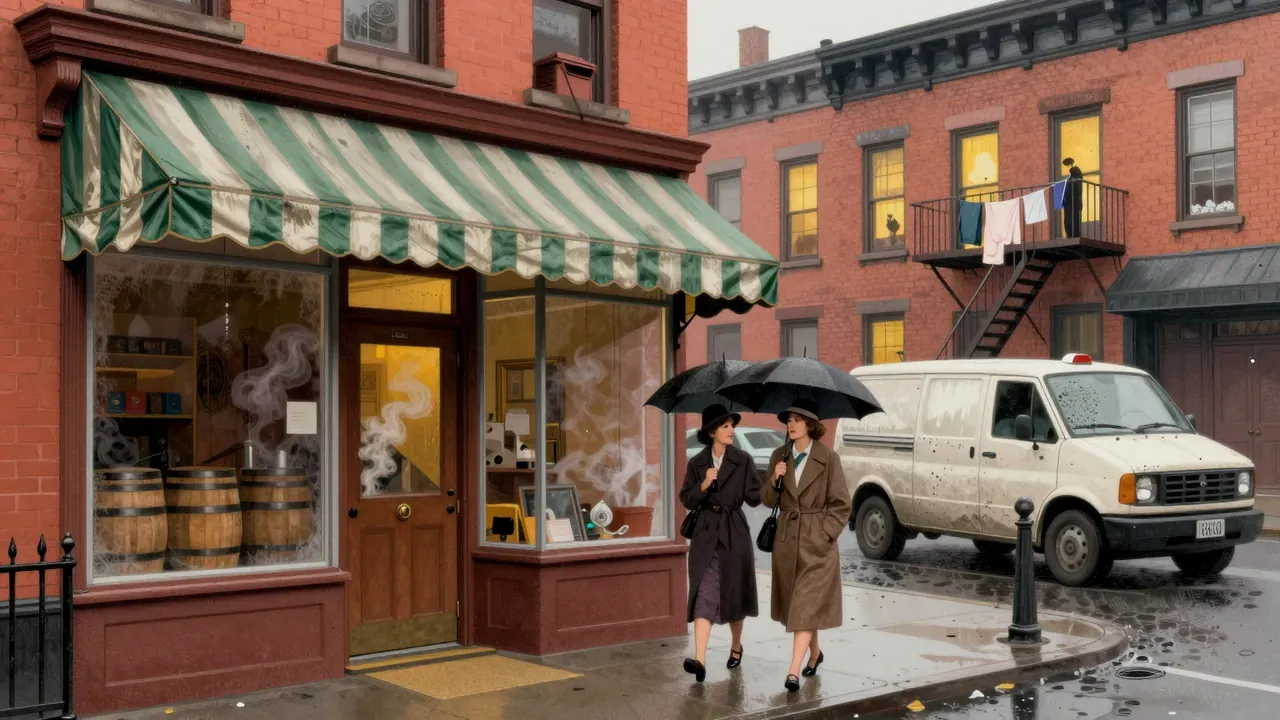
Crossing Delancey (1988), directed by Joan Micklin Silver and adapted by Susan Sandler from her play, follows Isabelle Grossman — a New York bookseller torn between literary aspiration and familial expectation — as she navigates a matchmaker’s introduction to Sam Posner, a pickle merchant. Set against the Lower East Side’s Orthodox Jewish community, the film charts quiet emotional recalibrations rather than grand transformations, anchored by Amy Irving’s restrained performance and Reizl Bozyk’s luminous final screen role.

13:00

Desert Hearts

Donna Deitch · 1985

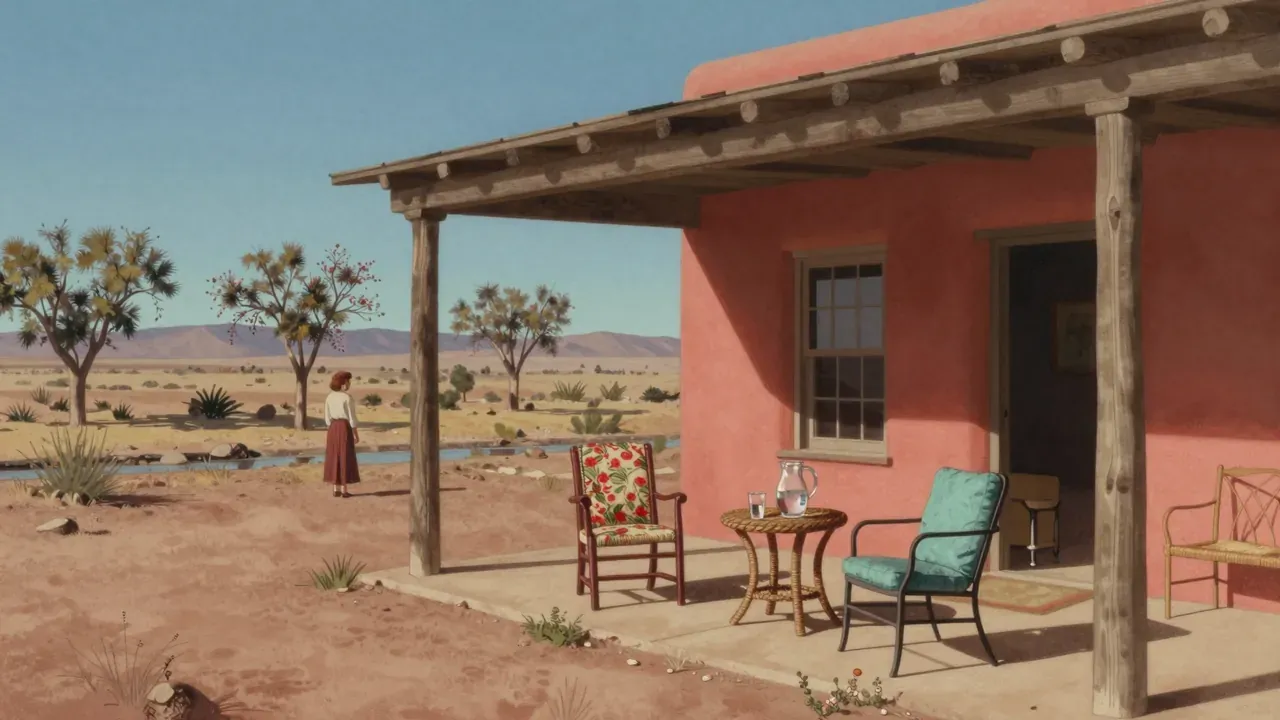
A 1985 romance set in 1959 Reno, Desert Hearts follows a reserved English professor who, while awaiting a divorce, falls in love with a free-spirited sculptor. Directed by Donna Deitch and adapted from Jane Rule’s novel, it treats lesbian desire with narrative gravity, visual restraint, and emotional authenticity — avoiding both sensationalism and didacticism. Its power lies in quiet accumulation: glances, silences, gestures — all anchored by Helen Shaver and Patricia Charbonneau’s restrained, deeply felt performances.

13:00

Double Suicide

Masahiro Shinoda · 1969

Masahiro Shinoda’s Double Suicide adapts Chikamatsu’s 1721 puppet play into live action, preserving its theatrical grammar: kuroko in black manipulate the world around the lovers, sets remain deliberately artificial, and music by Tōru Takemitsu punctuates rather than soothes. Shima Iwashita plays both wife and courtesan, binding the film’s duality in performance. It is a rigorous, unsentimental study of obligation, debt, and the formal limits of agency — where suicide is not escape but the only sentence the world permits.

13:00

Elvira Madigan

Bo Widerberg · 1967

Bo Widerberg’s 1967 Elvira Madigan retells the fatal romance of a Danish circus performer and a Swedish army officer as a study in sensory presence and quiet dissolution. Shot with natural light and minimal crew, it follows their summer-long flight through rural Denmark, using Mozart and Vivaldi as structural anchors and Jörgen Persson’s cinematography to render every blade of grass and drop of sweat with painterly precision. Its power lies in what it omits — exposition, judgement, aftermath — and in what it insists upon: the weight of a shared silence, the dignity of a final choice, and the beauty of a world seen, for ninety-one minutes, without hurry.

13:00

History Is Made at Night

Frank Borzage · 1937

Frank Borzage’s 1937 romance stars Jean Arthur and Charles Boyer as lovers separated by deceit, class, and a shipwreck. Written by Gene Towne and shot by Gregg Toland, it moves from Parisian farce to transatlantic pursuit to maritime disaster — all held together by emotional sincerity rather than plot logic. Its strengths are in performance, composition, and moral clarity; its weaknesses lie in tonal inconsistency and contrived early turns. It is a film of conviction, not compromise.

13:00

I Hate But Love

Koreyoshi Kurahara · 1962

I Hate But Love (1962), directed by Koreyoshi Kurahara, is a Japanese teen drama centred on two high-school students whose bickering masks mutual attraction. Shot with restraint and performed with understated nuance, it prioritises behavioural detail over exposition or narrative escalation. Set against early-1960s Tokyo middle-class life, it offers no grand statements — only a patient, tactile portrait of how young people learn to read, misread, and withhold feeling.

13:00

I Know Where I'm Going!

Michael Powell, Emeric Pressburger · 1945

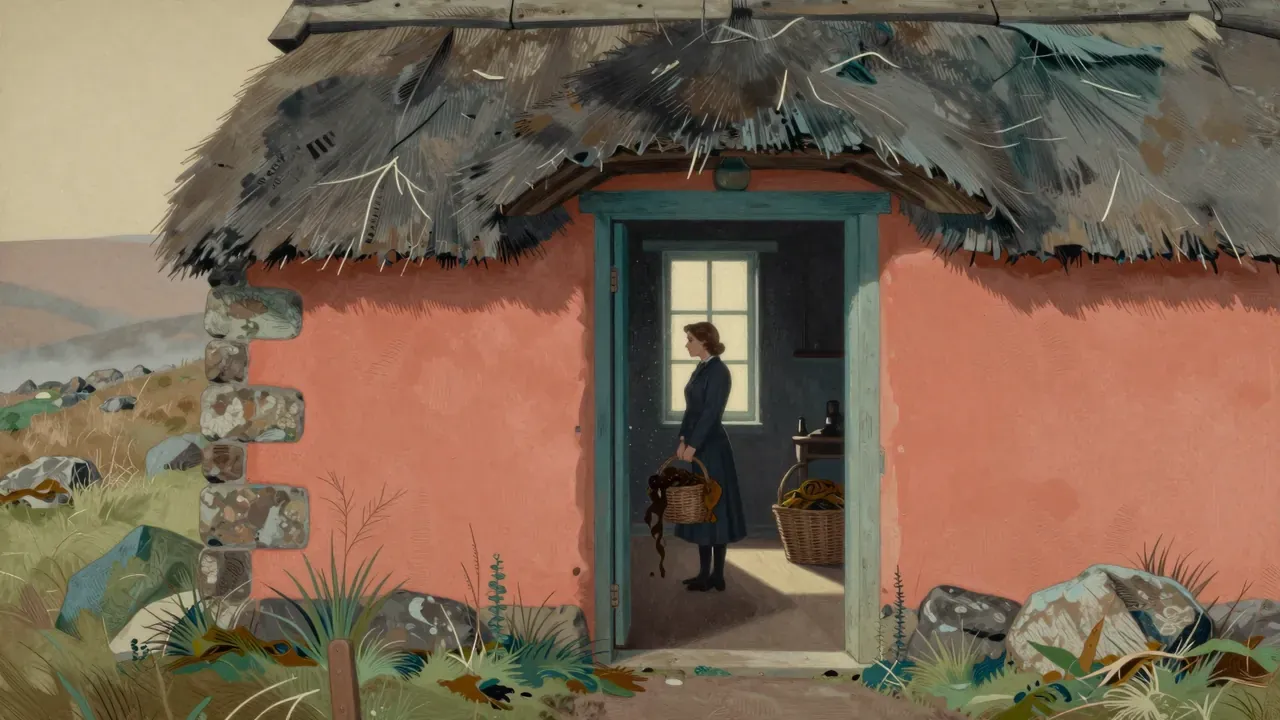
Made in 1945 by Powell and Pressburger, I Know Where I'm Going! follows Joan Webster, a determined Englishwoman whose plans to marry a wealthy industrialist on a Hebridean island are stalled by gales and community. Stuck on Mull, she meets Torquil MacNeil and begins to question the life she assumed was fixed. Shot on location and at Denham Studios, with Erwin Hillier’s restrained cinematography and Allan Gray’s folk-inflected score, the film is a precisely engineered argument against instrumental thinking — where place, time and tradition act not as scenery but as quiet, persistent agents of change.

13:00

I Married a Witch

René Clair · 1942

René Clair’s 1942 I Married a Witch is a tightly wound romantic fantasy starring Veronica Lake as a resurrected witch who disrupts the engagement of politician Wallace Wooley (Fredric March). Adapted from Thorne Smith’s unfinished novel, it uses magic not for wonder but as a scalpel to dissect marriage, politics, and gender. Ted Tetzlaff’s cinematography, Roy Webb’s score, and Clair’s economical staging sustain a tone of wry, unhurried absurdity — one that rewards attention to rhythm and restraint over plot or sentiment.

13:00

L'Atalante

Jean Vigo · 1934

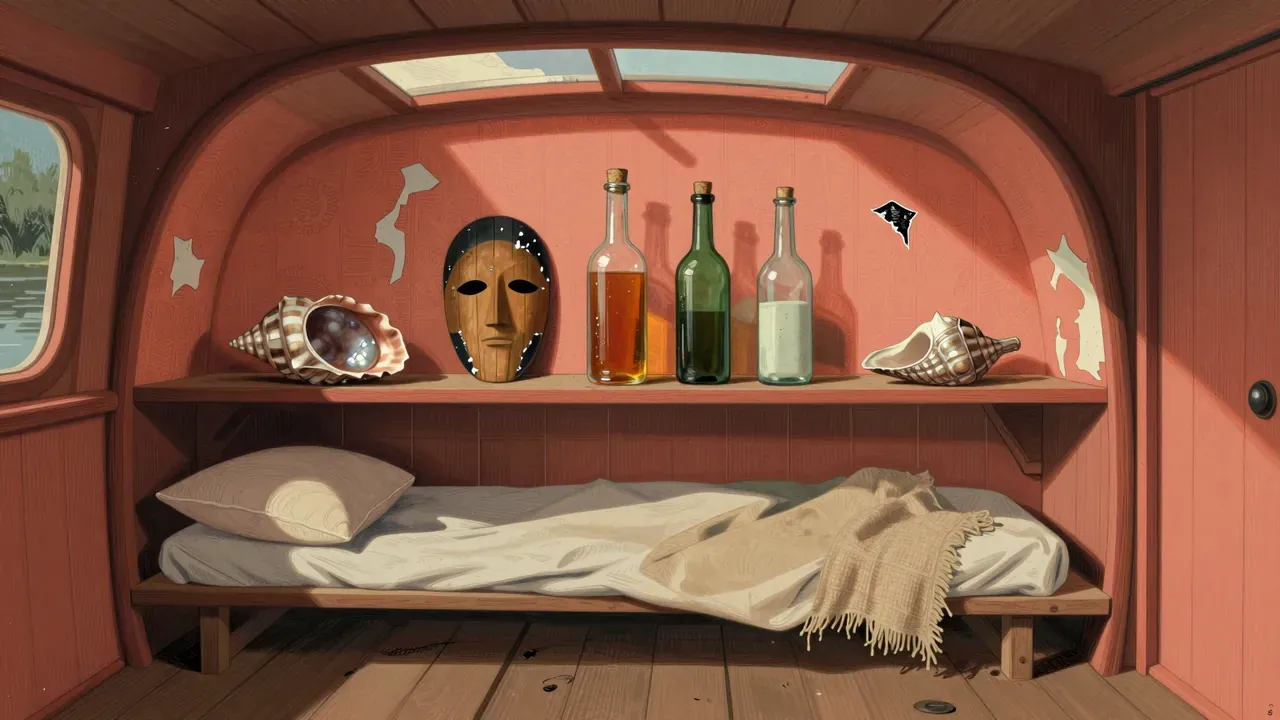
Jean Vigo’s 1934 French drama follows a newlywed couple living aboard the barge L’Atalante as it navigates France’s canals. With Dita Parlo, Jean Dasté, and Michel Simon, and shot by Boris Kaufman, it builds emotion through texture, silence, and precise observation rather than exposition. Though incomplete at Vigo’s death from tuberculosis, its poetic realism and commitment to sensory truth have secured its place as a landmark of arthouse cinema.

13:00

Les Amants du Pont-Neuf

Leos Carax · 1991

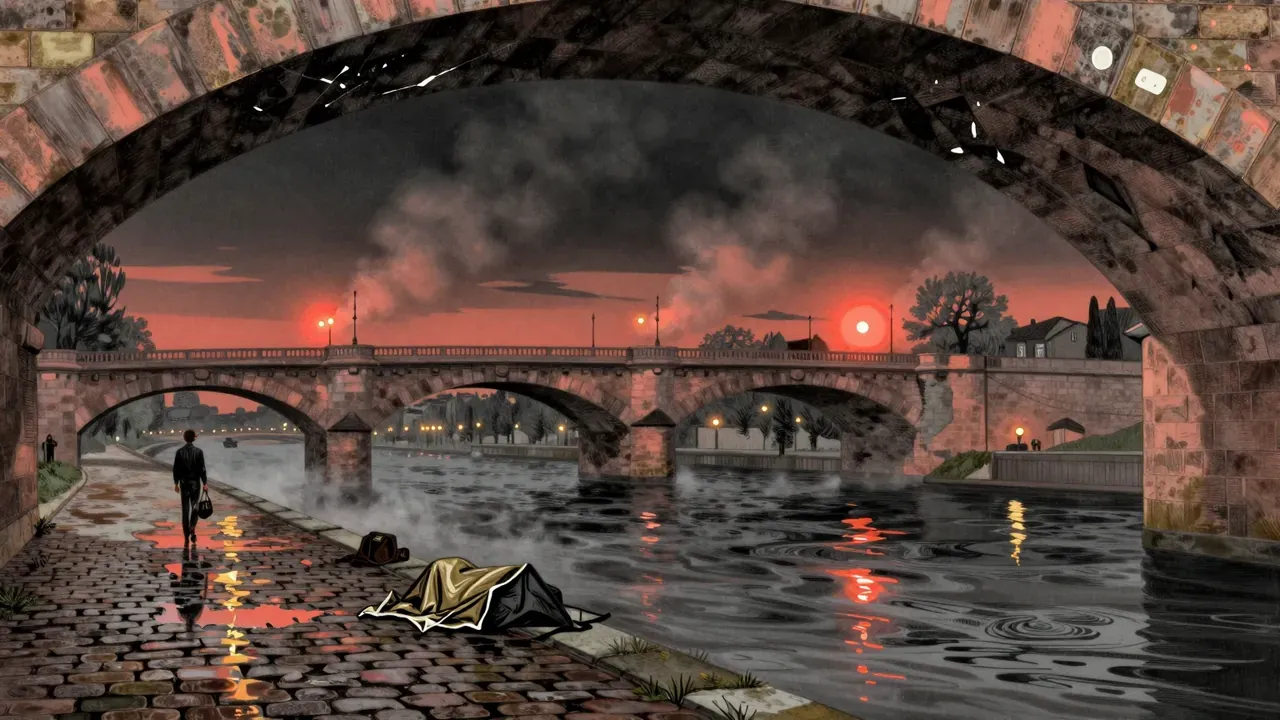
Leos Carax’s 1991 film follows two vagrants, Alex and Michèle, living on a meticulously built replica of Paris’s Pont Neuf. Shot over three years amid financial chaos and physical hardship, it treats love as physical cohabitation — not dialogue or backstory — with Juliette Binoche and Denis Lavant performing with unflinching bodily commitment. Jean-Yves Escoffier’s cinematography and Arvo Pärt’s score reinforce its austere, tactile logic. Though criticised for emotional opacity, its power lies in duration, texture, and the sheer material reality of its world.

13:00

Les Visiteurs du Soir

Marcel Carné · 1942

Marcel Carné’s 1942 Les Visiteurs du Soir, written by Jacques Prévert, is a French fantasy set in 15th-century France. Two devilish emissaries infiltrate a noble castle to sabotage a wedding, but one falls in love — triggering divine intervention, mortal defiance, and a final metamorphosis into statues whose hearts keep beating. Shot in Vichy France under occupation, it uses allegory without direct reference, prioritising mood, restraint, and embodied emotion over plot mechanics or exposition.

13:00

Love Affair

Leo McCarey · 1939

Leo McCarey’s 1939 Love Affair follows French painter Michel Marnet and American singer Terry McKay, who meet aboard an ocean liner, acknowledge mutual attraction, and part with a promise to reunite in six months — only for accident and silence to intervene. Starring Charles Boyer and Irene Dunne, it is a studio-era drama of quiet precision: restrained performances, unhurried pacing, and a structure that treats time, obligation and visibility as central concerns. Though hampered by Production Code compromises and occasional narrative convenience, its emotional weight resides in what is withheld, not spoken.

13:00

Love & Basketball

Gina Prince-Bythewood · 2000

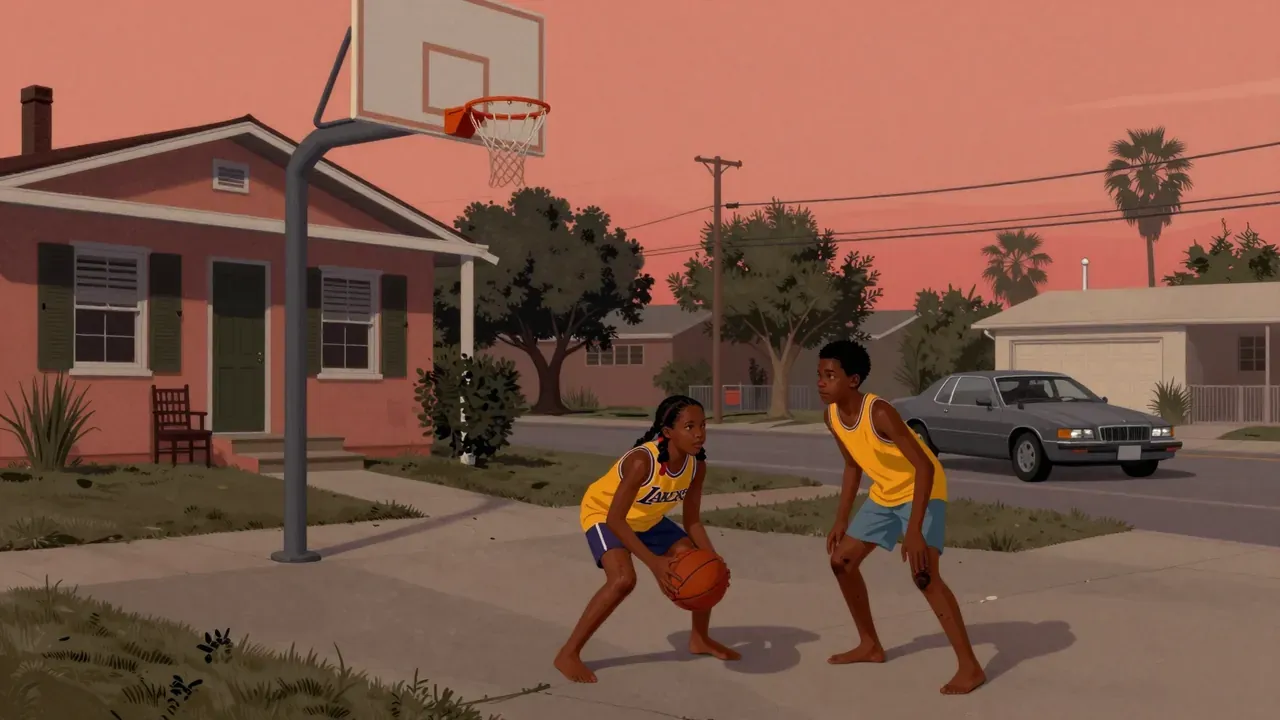
Gina Prince-Bythewood’s 2000 debut follows Monica Wright and Quincy McCall from childhood in South Central Los Angeles through parallel basketball careers and a decades-long, on-off relationship. Structured in four chronological 'quarters', the film grounds its romance in physical detail, domestic texture and the gendered pressures of athletic ambition — all rendered with unhurried specificity and restrained craft.

13:00

Love Jones

Theodore Witcher · 1997

A 1997 Chicago-set romance following poet Darius Lovehall and photographer Nina Mosley as they navigate attraction, miscommunication, and distance without relying on genre clichés. Directed by Theodore Witcher as his debut, it foregrounds Black intellectual and artistic life, uses spoken word as emotional grammar, and resists tidy closure in favour of bittersweet realism.

13:00

Love Story

Claude Autant-Lara · 1943

Set in late-nineteenth-century France, Claude Autant-Lara’s Love Story (Douce) follows Douce de Bonafé, a sheltered heiress whose quiet affection for the estate manager Fabien collides with her governess Irène’s ambition. When Irène pursues Fabien — and then Douce’s widowed father — the household’s fragile equilibrium fractures. With restrained performances, Philippe Agostini’s subdued cinematography, and a script that trusts silence over exposition, the film traces how inherited structures of class and gender compress desire into inevitability. Its tragedy is understated, its pacing unhurried, its moral landscape deliberately unresolved.

13:00

Mala Noche

Gus Van Sant · 1985

Gus Van Sant’s 1985 debut, shot in black-and-white 16 mm in Portland, follows Walt, a gay shop clerk, as he pursues an unreciprocated relationship with two young Mexican men. Built on asymmetry — of age, language, money, and immigration status — the film avoids exposition and resolution, favouring quiet observation and emotional restraint. Its power lies in what it withholds: explanation, translation, catharsis.

13:00

Mona Lisa

Neil Jordan · 1986

Neil Jordan’s 1986 Mona Lisa follows ex-convict George (Bob Hoskins) as he becomes driver and reluctant protector to high-end call girl Simone (Cathy Tyson) in a rain-laced London underworld. Built on glances, silences, and unspoken class codes rather than plot turns, it’s a neo-noir that privileges psychological texture over thriller mechanics — elevated by Hoskins’ career-defining performance, undermined by its structural dependence on a male perspective that limits Simone’s interiority.

13:00

Monte Carlo

Ernst Lubitsch · 1930

Ernst Lubitsch’s 1930 Monte Carlo stars Jeanette MacDonald and Jack Buchanan in a romantic musical comedy set in the French Riviera. A countess flees her arranged marriage and checks into a luxury hotel with little money; a count disguises himself as a hairdresser to win her affection. Built around the hit song 'Beyond the Blue Horizon' and a self-referential opera sequence, the film prioritises tonal control, musical integration, and elegant artifice over psychological realism or social critique.

13:00

Moonrise Kingdom

Wes Anderson · 2012

Set on a fictional New England island in 1965, Moonrise Kingdom follows twelve-year-olds Sam and Suzy as they flee their respective constraints — a scout camp and a fractured home — to build a temporary life on an isolated beach. Adults mobilise in response: scouts, police, parents, social workers. Wes Anderson and Roman Coppola shape the story as a self-contained emotional system, where visual symmetry, period detail, and musical counterpoint replace conventional narrative drive. Robert Yeoman’s Super 16mm cinematography, Alexandre Desplat’s score, and performances by Jared Gilman, Kara Hayward, Edward Norton, Bill Murray, and Frances McDormand sustain a tone both tender and exacting.

13:00

Moonstruck

Norman Jewison · 1987

A Brooklyn widow engaged to a man who leaves for Sicily accepts his estranged brother’s invitation to the opera — and finds herself drawn into a love that upends family loyalties, generational habits, and her own understanding of mourning. Directed by Norman Jewison from John Patrick Shanley’s Oscar-winning script, it treats romance as a force as elemental as gravity, staged with operatic precision and performed with unwavering sincerity.

13:00

Notorious

Alfred Hitchcock · 1946

Alfred Hitchcock’s 1946 spy thriller follows an American agent who recruits the daughter of a Nazi sympathiser to infiltrate a German exile network in Rio. What unfolds is less a tale of espionage than a precise, emotionally restrained study of love under surveillance — where every glance is tactical, every touch conditional, and every silence charged with consequence. Shot on RKO soundstages with meticulous control, it relies on performance, composition, and pacing to build tension without action.
13:00

One Hour with You

Ernst Lubitsch, George Cukor · 1932

One Hour with You (1932) is a Paramount romantic musical comedy directed by Ernst Lubitsch with George Cukor, starring Maurice Chevalier and Jeanette MacDonald. Adapted from Lothar Schmidt’s play and Lubitsch’s own 1924 film, it follows a Parisian doctor whose marital calm is gently disrupted by his wife’s flirtatious friend. With Oscar Straus’s score and Samson Raphaelson’s script, it prioritises wit, timing, and surface elegance over psychological depth — a polished, pre-Code exercise in controlled charm.

13:00

One Wonderful Sunday

Akira Kurosawa · 1947

One Wonderful Sunday (1947) follows a young Tokyo couple through a single Sunday with thirty-five yen between them. Shot on location in occupied Japan with unknown actors and makeshift equipment, it blends neorealist observation with imaginative interludes—including a famous fourth-wall-breaking finale. Directed and edited by Akira Kurosawa, with script by Kurosawa and Keinosuke Uekusa, it is a quiet, resilient portrait of love as daily practice amid scarcity.

13:00

Portrait of a Lady on Fire

Céline Sciamma · 2019

Set in late-eighteenth-century Brittany, Portrait of a Lady on Fire follows Marianne, a painter commissioned to secretly paint Héloïse, a woman resisting an arranged marriage. Over five days, their relationship deepens through shared walks, quiet observation, and a single, charged bonfire. Directed by Céline Sciamma, the film uses restrained performances, cool natural light, and near-total absence of score to build emotional intensity through attention, not exposition.

13:00

Revanche

Götz Spielmann · 2008

A Viennese ex-convict and a Ukrainian sex worker plan a bank robbery that ends in tragedy. He retreats to his grandfather’s remote farm; a local policeman involved in the shooting unravels nearby. Their lives intersect quietly, without confrontation, across a landscape where guilt, grief and chance settle like dust. Directed by Götz Spielmann, Revanche is a restrained, morally complex Austrian arthouse film shot in the Waldviertel region.

13:00

Romeo and Juliet

Franco Zeffirelli · 1968

Franco Zeffirelli’s 1968 adaptation casts teenage actors Leonard Whiting and Olivia Hussey as Romeo and Juliet, filming on authentic Italian locations with period-accurate design. Trimmed for emotional directness and shot by Pasqualino De Santis, it prioritises tactile realism over rhetorical flourish. Though structurally simplified and sometimes tonally uneven, its sincerity, craft and commitment to adolescent authenticity have sustained its relevance for over fifty years.

13:00

Stolen Kisses

François Truffaut · 1968

François Truffaut’s 1968 romantic comedy returns to Jean-Pierre Léaud’s Antoine Doinel as a young man navigating love, work, and self-deception in Paris. Discharged from the army, he cycles through jobs — night clerk, private detective, TV repairman — while drifting between Christine Darbon and Fabienne Tabard. With Denys Clerval’s unshowy cinematography and Antoine Duhamel’s wistful score, the film traces how intimacy forms not through grand gestures but accumulated small returns: unanswered letters, staged breakdowns, silent proposals. It is the third in Truffaut’s five-film Doinel cycle, rooted in behavioural realism and quiet persistence.
13:00

Stormy Waters

Jean Grémillon · 1941

Stormy Waters (1941), directed by Jean Grémillon, follows tugboat captain André Laurent as his devotion to salvage work strains his marriage and draws him into a fraught relationship with a woman he rescues at sea. Shot on location in Brittany and at Billancourt Studios, it blends poetic realism with maritime procedural, anchored by Jean Gabin’s restrained performance and Armand Thirard’s atmospheric cinematography.

13:00

The Age of Innocence

Martin Scorsese · 1993

Martin Scorsese’s 1993 adaptation of Edith Wharton’s novel follows Newland Archer, a New York lawyer caught between dutiful engagement to May Welland and forbidden attraction to her unconventional cousin Ellen Olenska. Set in the rigidly codified world of 1870s Gilded Age society, the film uses meticulous craft — Michael Ballhaus’s measured cinematography, Thelma Schoonmaker’s unhurried editing, Elmer Bernstein’s sparse score — to render emotional repression as physical fact. It is a romance without consummation, a drama without outbursts, and a period piece that treats etiquette as ideology.

13:00

The Awful Truth

Leo McCarey · 1937

Leo McCarey’s 1937 screwball comedy stars Cary Grant and Irene Dunne as a divorcing couple whose competitive courtship reveals they still love each other. Built on Viña Delmar and Sidney Buchman’s script, it replaces moralising with behavioural precision, using dog custody hearings, nightclub sabotage and society-party sabotage to expose the gap between social performance and private feeling. Joseph Walker’s cinematography and Al Clark’s editing sustain its tight, unhurried rhythm. Though some supporting elements feel thin and its class framework dated, its central performances and structural clarity remain benchmarks of studio-era comedy.

13:00

The Curious Case of Benjamin Button

David Fincher · 2008

David Fincher’s 2008 romance follows Brad Pitt’s Benjamin Button, a man who ages in reverse, across eighty years of American history. Adapted from F. Scott Fitzgerald’s 1922 short story by Eric Roth and Robin Swicord, it anchors its fantastical premise in tactile realism — weathered interiors, precise period detail, and restrained performances. Though praised for its production design, makeup, and visual effects — all Oscar-winning — its emotional core rests in the quiet, asymmetrical love between Benjamin and Cate Blanchett’s Daisy. The film’s 166-minute runtime demands patience, rewarding it with sustained mood and material honesty rather than narrative surprise.

13:00

The Docks of New York

Josef von Sternberg · 1928

Josef von Sternberg’s 1928 romance, set on the New York waterfront, follows a stoker and a prostitute whose brief, impulsive marriage unfolds in a saloon, a flophouse, and a night court. Made at the end of the silent era, it relies on Harold Rosson’s chiaroscuro cinematography, Hans Dreier’s evocative sets, and Jules Furthman’s pared-down script to convey emotional complexity without exposition. Its power lies in restraint: in what is withheld, what is implied, and what is felt in the space between gestures.

13:00

The English Patient

Anthony Minghella · 1996

Anthony Minghella’s 1996 adaptation of Michael Ondaatje’s novel follows a severely burned man in postwar Italy whose fragmented memories reveal a pre-war love affair in the Sahara. Built on Walter Murch’s groundbreaking editing, John Seale’s restrained cinematography, and Gabriel Yared’s evocative score, it explores desire, guilt and the collapse of imperial certainties across three interwoven timelines. Though criticised for its length and narrative opacity, its formal unity and emotional precision have secured its place as a defining romance-war hybrid of the 1990s.

13:00

The French Lieutenant's Woman

Karel Reisz · 1981

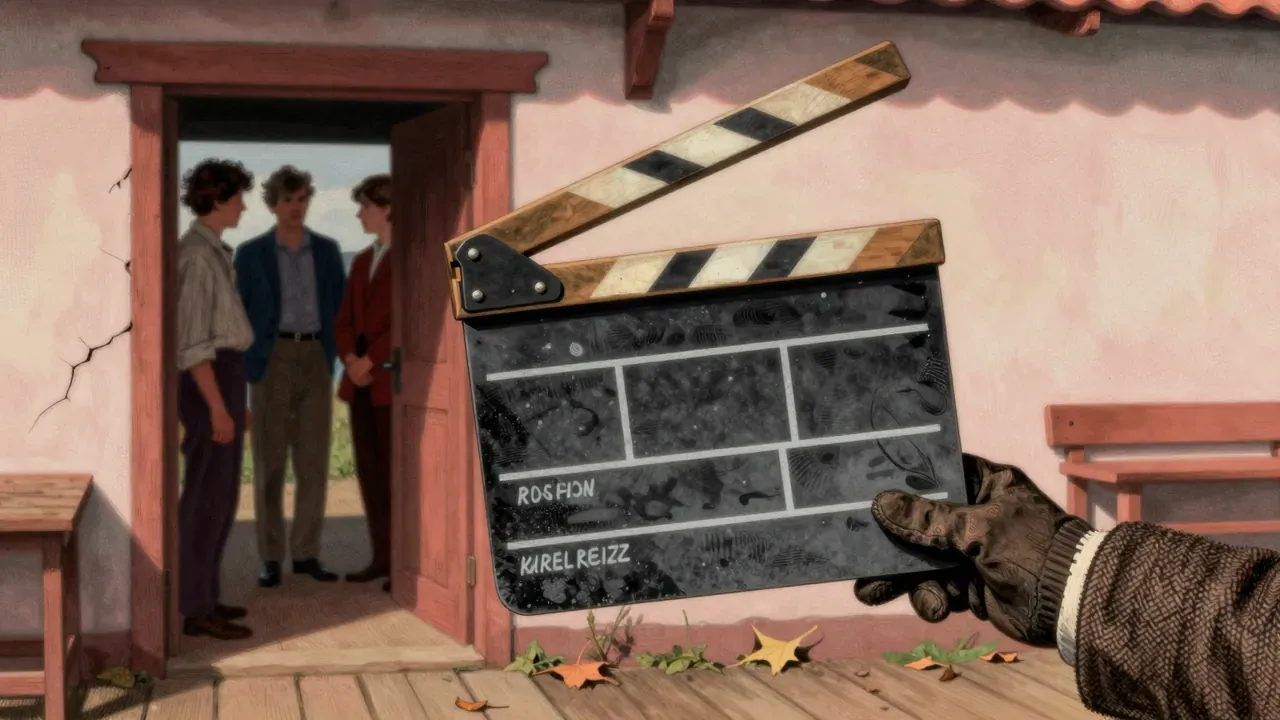
Karel Reisz’s 1981 adaptation of John Fowles’s novel intercuts a Victorian romance between palaeontologist Charles Smithson and enigmatic Sarah Woodruff with the modern affair between actors Mike and Anna, who play them. Written by Harold Pinter, it uses formal devices — visible crew, clapperboards, contrasting cinematography — to sustain tension between historical constraint and contemporary freedom. Freddie Francis’s photography, Assheton Gorton’s production design and Carl Davis’s score anchor both timelines in tangible detail, while Jeremy Irons and Meryl Streep deliver layered, restrained performances. It is a film about how desire is shaped by context, not character.

13:00

The Lady Eve

Preston Sturges · 1941

Preston Sturges’ 1941 screwball comedy follows con artist Jean Harrington as she targets naive ale heir Charles Pike aboard an ocean liner, falls for him, is rejected, then returns disguised as English aristocrat ‘Lady Eve’ to exact revenge — only to fall again. With Barbara Stanwyck and Henry Fonda delivering career-defining performances, the film uses repetition, linguistic precision, and structural symmetry to explore identity, performance, and the porous line between deception and devotion.

13:00

The Moon Has Risen

Kinuyo Tanaka · 1955

Kinuyo Tanaka’s 1955 film, scripted by Yasujirō Ozu and shot by Shigeyoshi Mine, follows Setsuko as she quietly engineers a romance between her older sister Ayako and a former suitor. Set in Nara, it unfolds across domestic spaces with restrained pacing, gentle performances, and a focus on unspoken feeling. Though structurally loose around some supporting characters, its strength lies in emotional precision and tonal consistency.

13:00

The Shape of Water

Guillermo del Toro · 2017

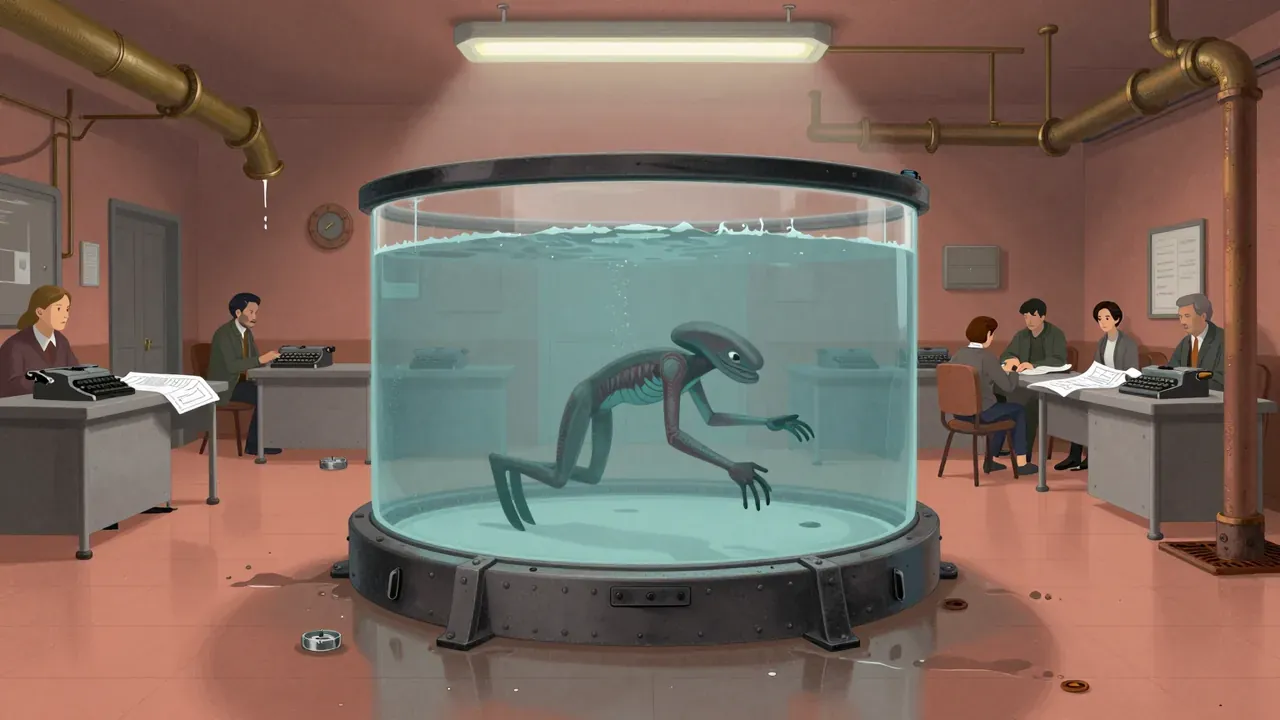
Set in 1962 Baltimore, The Shape of Water follows Elisa, a mute cleaner at a high-security lab, who forms a bond with an amphibious creature slated for dissection. Directed by Guillermo del Toro and co-written with Vanessa Taylor, the film uses period realism and lush, water-saturated visuals to frame a tender, politically charged romance. Sally Hawkins and Doug Jones lead a cast that includes Michael Shannon, Octavia Spencer and Richard Jenkins. Dan Laustsen’s cinematography and Alexandre Desplat’s Oscar-winning score deepen its immersive, tactile world. Though its pacing and symbolic density divide viewers, its emotional conviction and formal coherence make it a singular achievement in romantic fantasy.
13:00

The Shop Around the Corner

Ernst Lubitsch · 1940

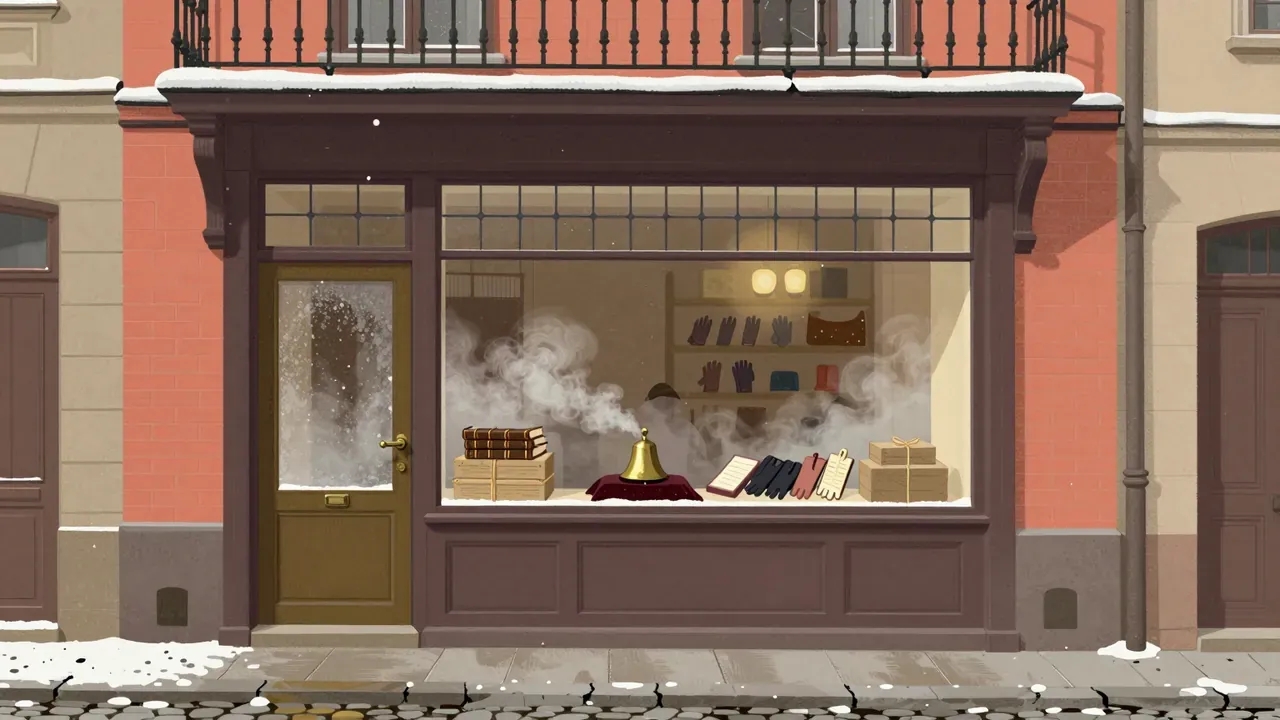
Ernst Lubitsch’s 1940 MGM film follows two Budapest shop clerks who feud at work while falling in love through anonymous letters. Shot in sequence with deliberate pacing, it trusts silence, gesture, and understated performance over plot mechanics. Though its reliance on coincidence weakens some turns, its fidelity to emotional realism and quiet dignity of ordinary life remains deeply affecting.

13:00

The Smiling Lieutenant

Ernst Lubitsch · 1931

Ernst Lubitsch’s 1931 musical comedy follows an Austrian lieutenant whose ill-timed wink sparks a royal marriage, a broken engagement, and a surprisingly tender act of sabotage. Built on Oscar Straus’s operetta and sharpened by Samson Raphaelson’s script, it balances Chevalier’s charm, Colbert’s poise, and Hopkins’s vulnerability within tightly controlled studio spaces. Technically assured for its time, it privileges tonal precision over psychological realism — and ends not with reconciliation, but with a satin-clad, cigarette-puffing princess and a wink that closes the door on easy answers.
13:00

The Story of a Three-Day Pass

Melvin Van Peebles · 1967

Melvin Van Peebles’s debut feature follows Turner, a Black US soldier on a three-day pass in France, as he meets and falls for Miriam, a white French shop clerk. Shot in Paris with a small crew and budget, the film traces their brief, tender, and fraught connection against a backdrop of Cold War militarism and unspoken racial hierarchy. Its power lies in understatement: long takes, sparse dialogue, and psychologically charged silences convey more than exposition ever could.

13:00

Tie Me Up! Tie Me Down!

Pedro Almodóvar · 1989

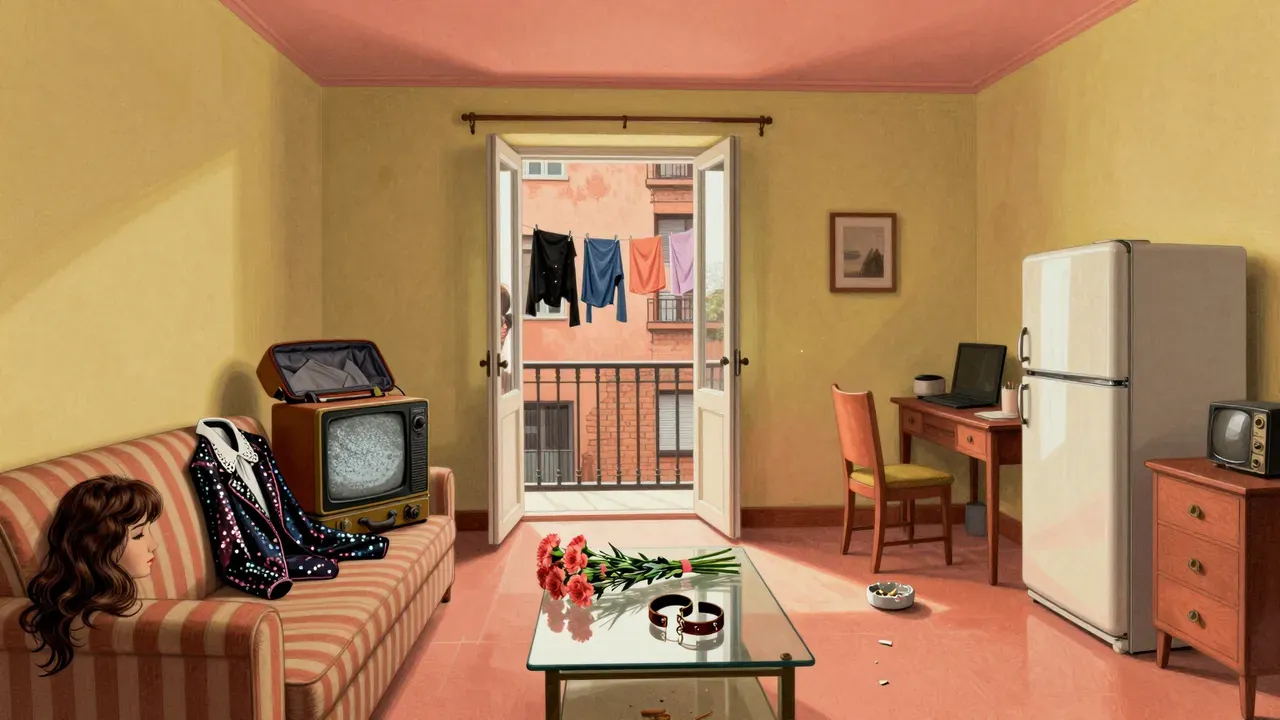
Pedro Almodóvar’s 1989 film follows a recently released psychiatric patient who kidnaps an actress to force a marriage, treating the premise as a stylised romantic fairy tale rather than psychological realism. Shot in saturated colour by José Luis Alcaine Escaño, scored by Ennio Morricone, and anchored by Victoria Abril and Antonio Banderas, it sustains a precise, unsettling tone — neither endorsing nor condemning its central act, but exploring love as effort, repetition, and recalibration.

13:00

Trouble in Paradise

Ernst Lubitsch · 1932

Ernst Lubitsch’s 1932 romantic comedy follows a gentleman thief and a lady pickpocket who con a perfume magnate — only to find themselves entangled in genuine feeling. With Herbert Marshall, Miriam Hopkins, and Kay Francis, it sustains a tone of poised, knowing irony, using Art Deco design, precise editing, and understated performance to explore class, consent, and value as performance. Made before strict enforcement of the Production Code, it relies on implication over exposition and rewards attention to gesture, timing, and spatial relationships.

13:00

Wild at Heart

David Lynch · 1990

David Lynch’s 1990 Palme d’Or winner adapts Barry Gifford’s novel into a hyper-stylised Southern Gothic crime film starring Nicolas Cage and Laura Dern as a couple fleeing violence across the American South. Anchored by Elvis obsession, Wizard of Oz motifs and Angelo Badalamenti’s score, it trades psychological realism for emotional extremity — landing some sequences with unforgettable force, while others rely too heavily on shock. Its value lies in its unwavering commitment to a singular, dissonant vision.

13:00

Four Nights of a Dreamer

Robert Bresson · 1971

Robert Bresson’s 1971 Four Nights of a Dreamer adapts Dostoyevsky’s 'White Nights' into a restrained, colour-saturated study of two Parisians who meet for four consecutive evenings. Jacques, a withdrawn artist, tries to keep Marthe from suicide; she listens, shares memories, and gradually draws him into her orbit — only to choose her former lover when he reappears. Shot by Pierre Lhomme and scored by F. R. David, the film favours quiet observation over exposition, using tape recordings, city textures and hesitant performances to trace the asymmetry of attachment.

13:00

Jules and Jim

François Truffaut · 1962

François Truffaut’s 1962 romance follows Frenchman Jim, Austrian Jules, and the enigmatic Catherine across pre-war Paris, wartime separation, and uneasy post-war cohabitation. Shot by Raoul Coutard with lyrical looseness and scored by Georges Delerue, it treats love not as choice or conquest but as atmosphere — pervasive, shifting, and ultimately ungovernable.

13:00

Shakespeare in Love

John Madden · 1998

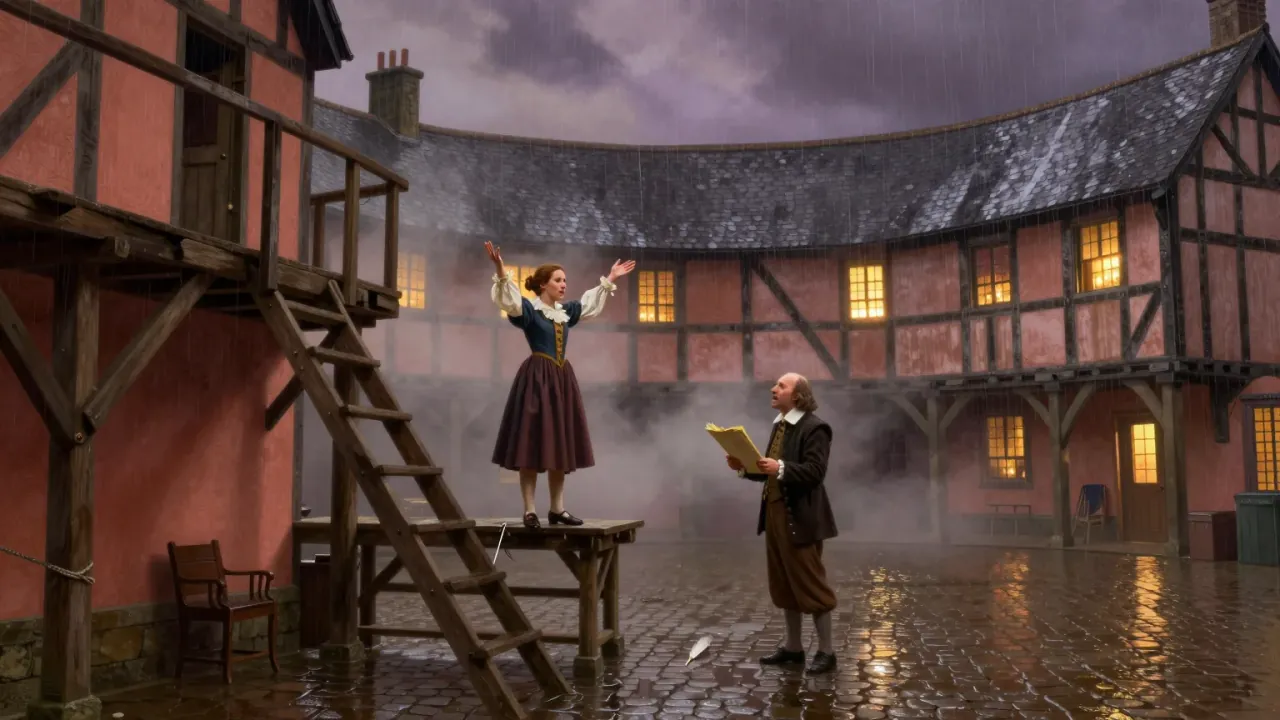
Shakespeare in Love (1998) imagines a love affair between a blocked William Shakespeare and the noblewoman Viola de Lesseps, whose secret presence in his company inspires Romeo and Juliet. Directed by John Madden and written by Marc Norman and Tom Stoppard, it blends period detail with theatrical wit, winning seven Academy Awards including Best Picture and Best Actress. Its strength lies in craft and chemistry; its limitation, in narrative convenience that softens moral and emotional stakes.

13:00

True Romance

Tony Scott · 1993

Tony Scott’s 1993 True Romance, written by Quentin Tarantino, follows newlyweds Clarence and Alabama as they flee Detroit with stolen cocaine, pursued by the Mafia and compromised by police informants. Anchored by Christian Slater and Patricia Arquette’s intimate, physically committed performances, the film balances stylised violence, pop-cultural wit, and genuine romantic urgency. Jeffrey L. Kimball’s saturated cinematography and Hans Zimmer’s looping Orff-based score reinforce its fable-like intensity. Though structurally uneven — strongest in its Detroit origins, thinner in its LA climax — it sustains tone and emotional logic across 120 minutes. A cult favourite, it rewards viewers attuned to its specific blend of pulp sincerity and visual bravado.

13:00

2046

Wong Kar-wai · 2004

Wong Kar-wai’s 2004 romantic drama follows writer Chow Mo-wan as he drifts through 1960s Hong Kong, entangled with several women while haunted by an unconsummated past. Structured non-chronologically and interwoven with sci-fi fragments, it uses repetition, texture and sound to explore memory, longing and emotional stasis — not as narrative problems to solve, but as perceptual conditions to inhabit.

13:00

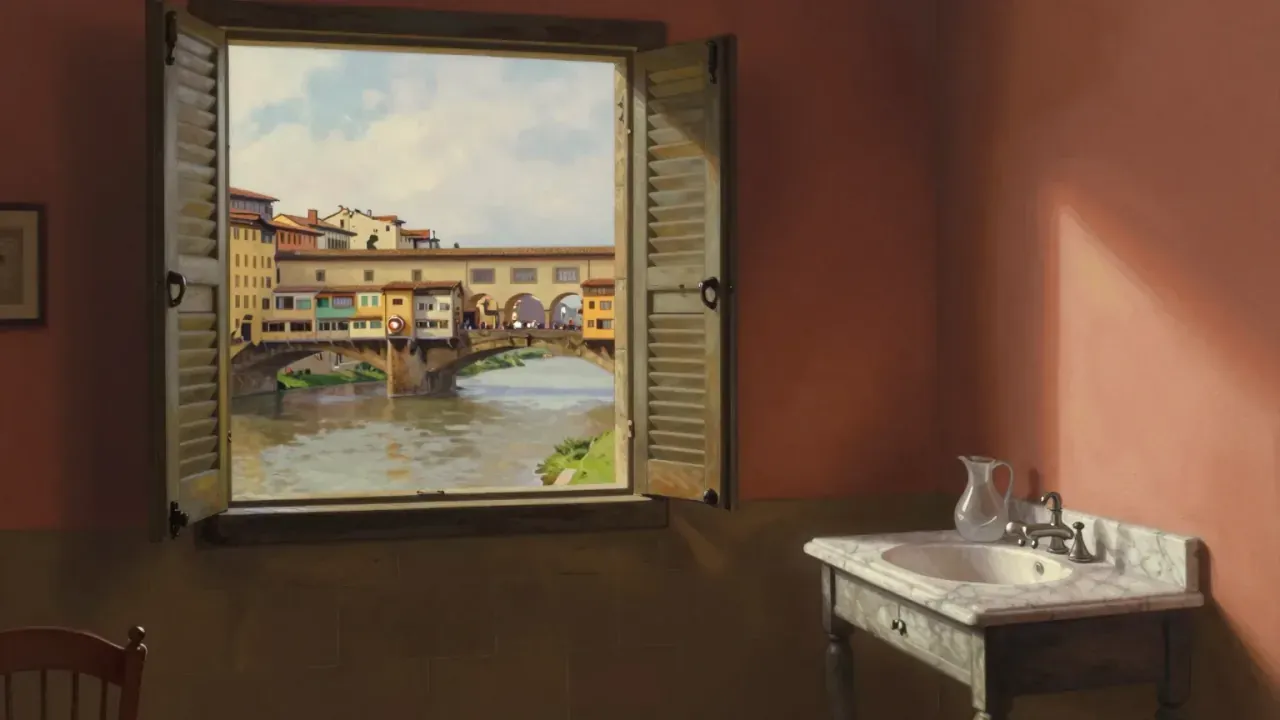
A Room with a View

James Ivory · 1986

James Ivory’s 1986 adaptation of E. M. Forster’s novel follows Lucy Honeychurch’s awakening to desire and selfhood amid the rigid codes of Edwardian England and Italy. Starring Helena Bonham Carter and Julian Sands, it is a restrained, visually precise romance that trusts subtlety over exposition and behaviour over backstory.

13:00

Bright Star

Jane Campion · 2009

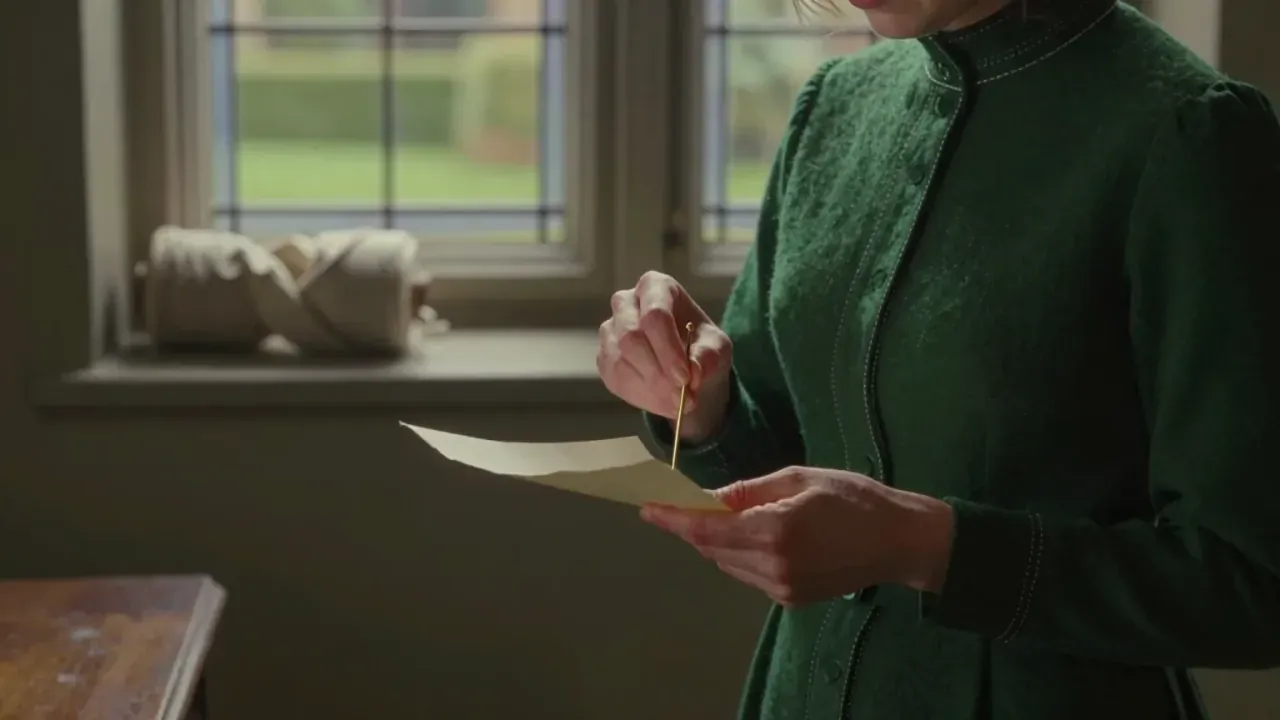
Jane Campion’s Bright Star follows the final years of John Keats and his relationship with Fanny Brawne, drawing directly from his letters and poems. Set in Hampstead and Italy between 1818 and 1821, it renders their love with quiet precision — in shared walks, handwritten notes, stitched garments and unspoken grief. Ben Whishaw and Abbie Cornish anchor a restrained, visually tactile film shaped by Greig Fraser’s naturalistic cinematography and Janet Patterson’s lived-in production and costume design. It is less a biographical survey than an intimate study of endurance within limitation: of health, income, time and language itself.

13:00

Brokeback Mountain

Ang Lee · 2005

Ang Lee’s 2005 film adapts Annie Proulx’s short story into a restrained, deeply felt portrait of two cowboys whose secret relationship spans twenty years. Heath Ledger and Jake Gyllenhaal anchor a film that finds emotional power in what is unsaid, unseen, and unkept — using landscape, gesture, and silence to convey longing, repression, and endurance. Shot in Alberta and scored by Gustavo Santaolalla, it avoids sentimentality while sustaining profound melancholy.

13:00

Days of Thunder

Tony Scott · 1990

Tony Scott’s 1990 NASCAR romance stars Tom Cruise as a sprint-car prodigy thrust into Winston Cup racing, mentored by Robert Duvall and drawn into rivalry and romance. Shot on location with real drivers and cars, its strengths lie in visceral racing sequences, Hans Zimmer’s propulsive score, and Duvall’s grounded authority. Its weaknesses include underdeveloped relationships, thin thematic scaffolding, and a script that favours momentum over meaning. It remains a coherent, craft-led studio artefact — best appreciated as sensory experience rather than narrative inquiry.

13:00

Dilwale Dulhania Le Jayenge

Aditya Chopra · 1995

Dilwale Dulhania Le Jayenge (1995) is a 245-minute Hindi romantic drama directed by Aditya Chopra, starring Shah Rukh Khan and Kajol as NRIs whose courtship centres on winning parental consent rather than eloping. Shot across Switzerland, London and Punjab, it uses song, gesture and sustained tone to affirm family values without rejecting individual desire. Its enduring theatrical run — still screening daily in Mumbai since 1995 — reflects its design as ritual, not narrative.

13:00

Doctor Zhivago

David Lean · 1965

David Lean’s 1965 adaptation of Pasternak’s novel follows physician-poet Yuri Zhivago across Russia’s collapse, centring his love for Lara amid revolution and war. Filmed mostly in Spain with Freddie Young’s wintry cinematography and Maurice Jarre’s iconic score, it prioritises atmosphere and endurance over exposition or ideology. Though criticised for length and historical vagueness, its tactile realism and emotional restraint have secured its place as a benchmark of romantic epic filmmaking.

13:00

Dust in the Wind

Hou Hsiao-Hsien · 1986

Dust in the Wind (1986), directed by Hou Hsiao-Hsien, follows Ah Yuan and Ah Yun, childhood sweethearts from Jiufen, Taiwan, as they move separately to Taipei in the early 1970s. Their relationship unravels not through conflict but through the quiet pressures of urban life, military service, and unspoken expectations. Shot in Taiwanese Hokkien with restrained performances and patient cinematography by Mark Lee Ping Bin, the film observes migration, labour, and memory as embodied, everyday facts — not dramatic events.

13:00

Edward Scissorhands

Tim Burton · 1990

Edward Scissorhands (1990), directed by Tim Burton and written by Caroline Thompson, tells of an unfinished humanoid with scissor hands adopted by a suburban family. Johnny Depp stars opposite Winona Ryder, with Danny Elfman scoring and Bo Welch designing the iconic pastel suburb and Gothic mansion. It is a visually unified, deliberately paced fable about difference, empathy, and the quiet violence of assimilation — more mood piece than narrative engine.

13:00

Gigi

Vincente Minnelli, Charles Walters · 1958

Gigi (1958) is a Metro-Goldwyn-Mayer romantic musical set in Belle Époque Paris, adapted by Alan Jay Lerner from Colette’s novella. Leslie Caron stars as a young woman raised to be a courtesan who instead chooses love on her own terms. Directed by Vincente Minnelli and Charles Walters, it features music by Frederick Loewe, cinematography by Joseph Ruttenberg and Ray June, and costumes by Cecil Beaton. It won nine Academy Awards, including Best Picture and Best Director.

13:00

Heartbeats

Xavier Dolan · 2010

Xavier Dolan’s 2010 French-language drama Heartbeats follows two Montreal friends who fall for the same man, charting their rivalry, self-deception, and shared performance of longing. Shot by Stéphanie Weber Biron and edited by Dolan, it favours composition, gesture, and repetition over exposition, treating romance as a site of identity construction rather than emotional resolution.

13:00

Kuch Kuch Hota Hai

Karan Johar · 1998

Kuch Kuch Hota Hai (1998) is Karan Johar’s directorial debut: a Hindi-language romantic drama starring Shah Rukh Khan, Kajol, and Salman Khan. Structured across two timeframes, it follows a widower and his daughter as she reunites him with his college best friend. Shot in India, Mauritius, and Scotland, it blends aspirational visuals with classical storytelling—letters, songs, and delayed confessions—to explore inheritance, grief, and second chances. Its emotional logic is unwavering, its craft precise, and its cultural impact enduring.

13:00

Midnight in Paris

Woody Allen · 2011

Woody Allen’s 2011 romantic comedy follows a screenwriter who, while visiting Paris, begins nightly journeys to the 1920s — not to change history, but to confront his own dissatisfaction with the present. Shot on location with Darius Khondji’s amber-toned cinematography and anchored by Owen Wilson’s understated performance, it uses time travel as emotional shorthand rather than speculative premise. It won the Academy Award for Best Original Screenplay.

13:00

Millennium Mambo

Hou Hsiao-Hsien · 2001

Millennium Mambo is a 2001 Taiwanese arthouse romance directed by Hou Hsiao-Hsien, following Vicky (Shu Qi) as she reflects on her early twenties in Taipei at the turn of the millennium. Structured as a hazy, non-linear recollection, it prioritises atmosphere over exposition — lingering on neon-lit bars, subway platforms, and quiet apartments — with Shu Qi’s restrained performance and Mark Lee Ping Bin’s soft-focus cinematography anchoring its meditative pace. Awarded the Technical Grand Prize at Cannes for sound design, it is a study in temporal drift, where romance serves less as plot than as ambient pressure.

13:00

Moulin Rouge!

Baz Luhrmann · 2001

A hyper-stylised 2001 romantic musical set in 1899 Paris, Moulin Rouge! uses anachronistic pop songs, saturated visuals and theatrical storytelling to explore love, artifice and sacrifice. Directed by Baz Luhrmann, it stars Nicole Kidman and Ewan McGregor as a poet and a courtesan whose affair unfolds amid the glittering chaos of the Moulin Rouge cabaret. Its craft — cinematography, editing, production design and costume — won multiple awards, including two Oscars. Though divisive in its relentlessness, it remains a defining example of early-21st-century cinematic maximalism.

13:00

My Blueberry Nights

Wong Kar-wai · 2007

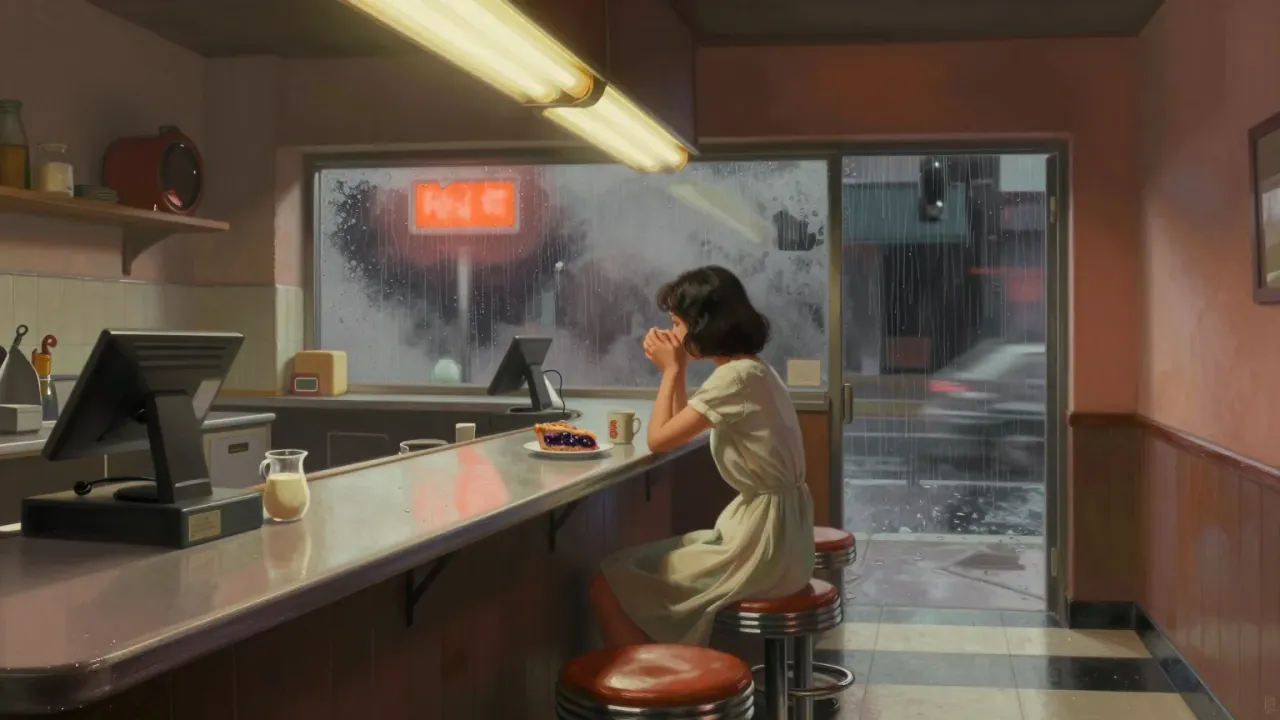
My Blueberry Nights is Wong Kar-wai’s 2007 English-language debut, following Norah Jones as Elizabeth, a woman drifting across New York, Memphis, and Nevada after a breakup. Shot by Darius Khondji and edited by William Chang, it prioritises atmosphere over plot, using diners, motels, and bars as emotional landscapes. Though praised for its visual texture and restraint, its episodic structure and underdeveloped arcs drew mixed reviews. It remains a distinctive, if slender, entry in Wong’s filmography.

13:00

Pierrot le Fou

Jean-Luc Godard · 1965

Jean-Luc Godard’s 1965 Pierrot le Fou stars Jean-Paul Belmondo and Anna Karina as a couple fleeing Paris for the Mediterranean, pursued by gangsters and their own unraveling ideals. Shot by Raoul Coutard in vivid primary colours and edited with jarring, associative cuts, it abandons its source novel’s noir framework to become a pop-art-inflected meditation on love, language, and political fatigue. Its power lies in sensation over sense: the weight of a glance, the shock of blue paint, the silence after a firework.

13:00

Ryan's Daughter

David Lean · 1970

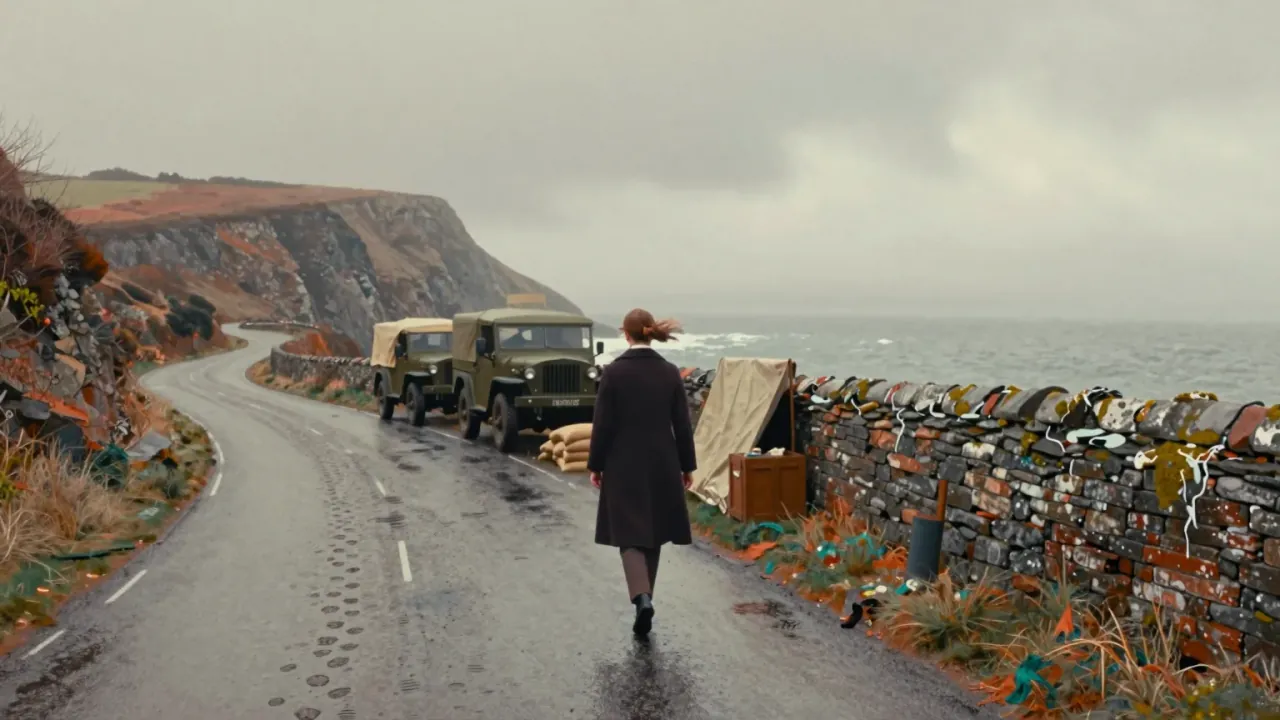
David Lean’s 1970 film transposes Madame Bovary to wartime Ireland, following Rosy Ryan’s affair with a British officer amid nationalist suspicion and coastal isolation. At 189 minutes, it leans into duration, weather, and visual texture over psychological exposition. Freddie Young’s cinematography and Maurice Jarre’s score anchor its scale, while Robert Mitchum and John Mills deliver its most grounded performances. Critically divisive on release, it remains a demanding, atmospheric study of visibility, consequence, and containment — best approached as a work of sustained mood, not narrative drive.

13:00

Senso

Luchino Visconti · 1954

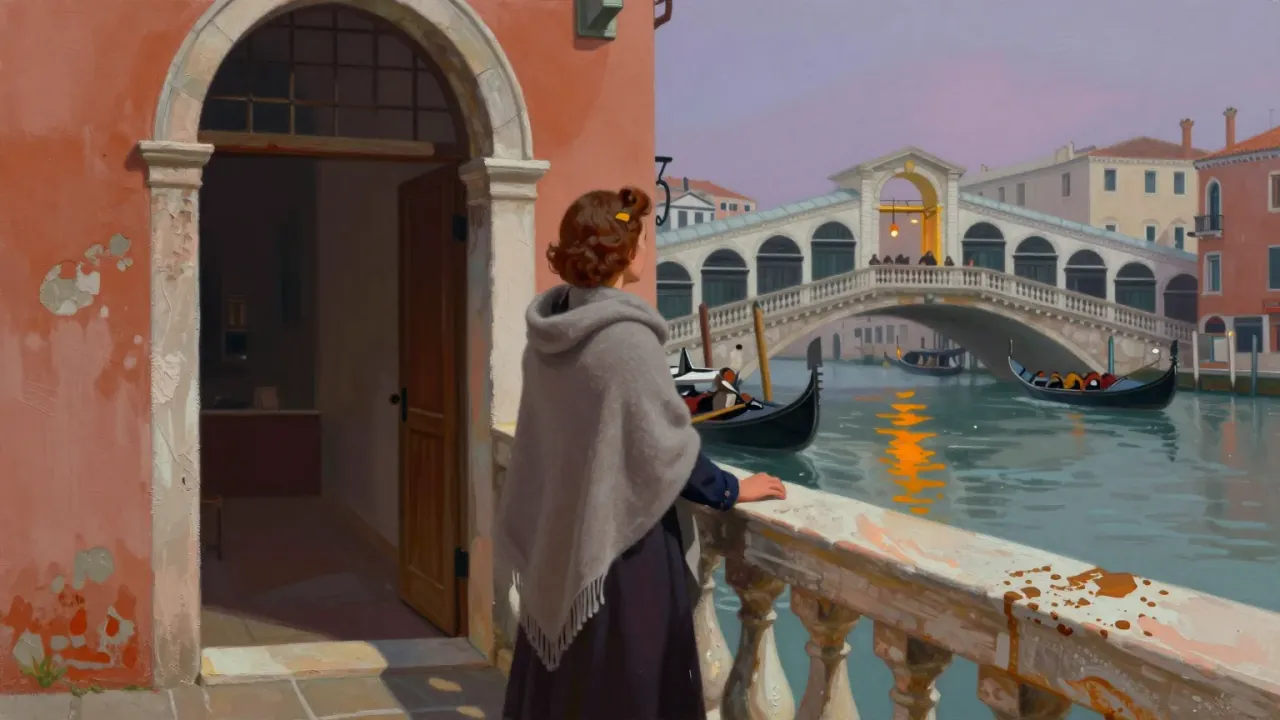
Luchino Visconti’s 1954 colour debut adapts Camillo Boito’s novella into a Venice-set melodrama about Countess Livia Serpieri’s ruinous affair with an Austrian officer during the 1866 war. Alida Valli’s restrained performance anchors a film whose painterly visuals, Bruckner-scored intensity, and structural rigour treat romantic obsession as a slow, irreversible erosion of moral and political clarity.

13:00

The Cranes Are Flying

Mikhail Kalatozov · 1957

Released in 1957 by Mosfilm, Mikhail Kalatozov’s The Cranes Are Flying follows Veronika, a young Moscow woman whose life fractures after the Nazi invasion. Her lover Boris goes to war, her parents die in an air raid, and she is pressured into marriage with his predatory cousin Mark. Through trauma, silence, and small acts of remembrance—the squirrel toy, Boris’s hidden note—the film charts her slow, unheroic return to life. It won the Palme d’Or in 1958 and remains a landmark of Soviet cinematic humanism.

13:00

The Umbrellas of Cherbourg

Jacques Demy · 1964

Jacques Demy’s 1964 film tells the story of Geneviève and Guy, young lovers in Cherbourg separated by war and circumstance. Every line is sung to Michel Legrand’s continuous score; Jean Rabier’s cinematography uses saturated, deliberate colour; and the narrative unfolds across five years with formal rigour and emotional restraint. It won the Palme d’Or and remains a landmark of musical and arthouse cinema.

13:00

The Young Girls of Rochefort

Jacques Demy · 1967

Jacques Demy’s 1967 musical follows twin sisters in the French port town of Rochefort over three days as a fair arrives, lovers circle, and artistic ambitions converge. With Ghislain Cloquet’s luminous cinematography and Michel Legrand’s intricate score, it builds emotion through repetition, colour, and quiet intention rather than plot turns — a formally rigorous, emotionally resonant portrait of longing held in balance.

13:00

They Live by Night

Nicholas Ray · 1948

Nicholas Ray’s 1948 debut follows a young convict and a service-station attendant who marry and flee across Depression-era America. Shot with quiet intensity by George E. Diskant and performed with understated gravity by Farley Granger and Cathy O'Donnell, it treats love and lawlessness as inseparable states — not as rebellion, but as the only possible response to a world that denies them personhood.

13:00

Shrek

Andrew Adamson, Vicky Jenson · 2001

Shrek expands William Steig's picture book into a feature that spends most of its runtime mocking the Disney fairy-tale formula it also structurally depends on, following an ogre who strikes a deal to rescue a princess in exchange for getting his swamp back. Directed by Andrew Adamson and Vicky Jenson for DreamWorks, it grossed $484 million against a $60 million budget and became the first film to win the Academy Award for Best Animated Feature.