filmbriefs
Topic

Religion

Belief as practice, institution and inheritance, not only conviction.

60
in film
13:00
average
780 min
in total
154
across the network
Religion across the network →
All briefs60
13:00

Beyond the Hills

Cristian Mungiu · 2012

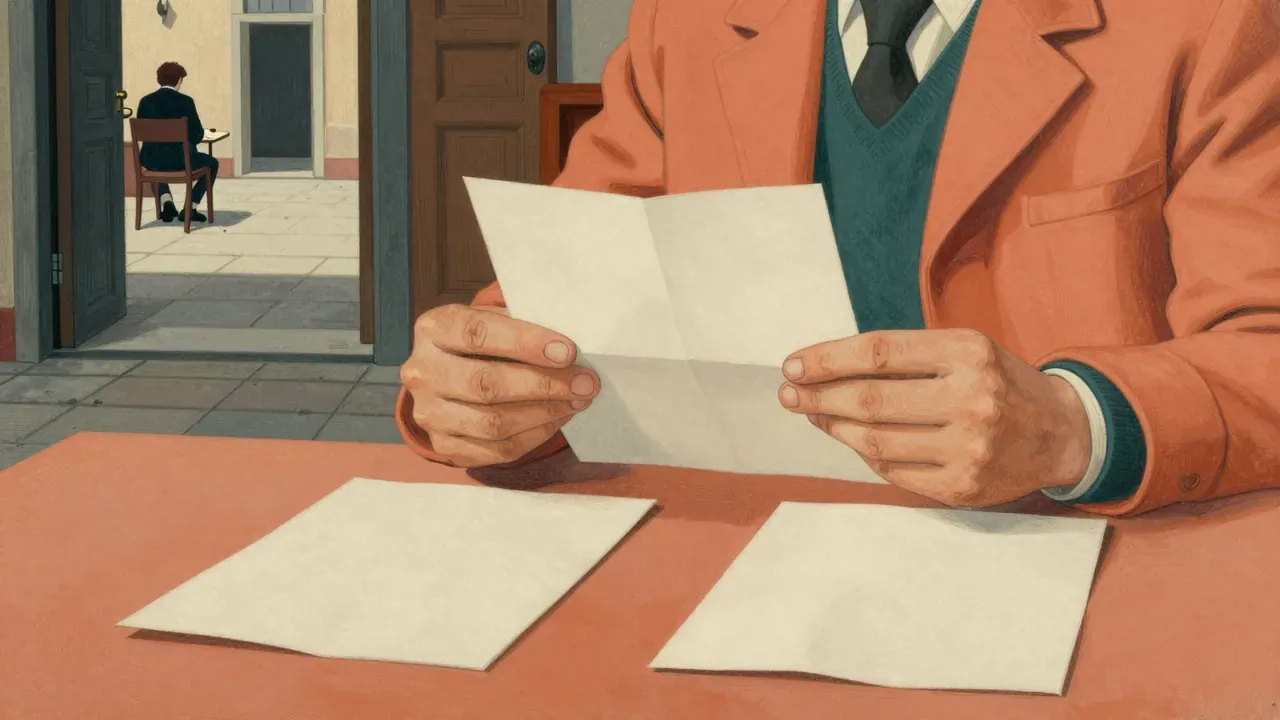
Beyond the Hills (2012), directed by Cristian Mungiu, follows two orphaned Romanian women — one newly professed at an Orthodox convent, the other arriving from Germany seeking reunion — as their bond unravels under the weight of doctrine, isolation, and escalating restraint. Based on real events surrounding the 2005 Tanacu exorcism, it unfolds with clinical restraint: long takes, muted sound, no score, and performances that withhold explanation. The film builds not to revelation but to consequence — a death that arrives not with fanfare, but as the logical endpoint of unchallenged assumptions.

13:00

Black God, White Devil

Glauber Rocha · 1964

Glauber Rocha’s 1964 Black God, White Devil is a foundational Cinema Novo film set in Brazil’s drought-ravaged sertão. It follows a ranch hand and his wife as they flee, convert, join bandits, and flee again — never escaping cycles of violence sanctified by religion or revolution. Shot in stark black and white, edited by Rocha himself, and scored by Sérgio Ricardo, it treats myth and history as inseparable, and endurance as the only authentic political act.

13:00

Blaise Pascal

Roberto Rossellini · 1972

Roberto Rossellini’s 1972 biographical film follows Blaise Pascal’s intellectual and spiritual path from scientific prodigy to Jansenist recluse. Starring Pierre Arditi and shot by Mario Fioretti, it prioritises fidelity to Pascal’s writings over dramatic convention, using restrained performance, flat natural lighting, and sparse music to render ideas as embodied acts. It lands most strongly as a study of intellectual exhaustion and the physical cost of certainty — but falters in situating Pascal’s ideas within their historical and political consequences.
13:00

Body and Soul

Oscar Micheaux · 1925

Oscar Micheaux’s 1925 silent drama Body and Soul stars Paul Robeson in his film debut as a criminal posing as a preacher in a Black Southern town. After two re-edits forced by New York censors, the surviving five-reel version tells a morally charged story of deception, violation, and a dream-framed reckoning. Though technically rudimentary and narratively fractured, it remains a landmark of African-American independent cinema — selected for the National Film Registry in 2019 for its cultural and historical significance.

13:00

Breaking the Waves

Lars von Trier · 1996

Breaking the Waves (1996), directed by Lars von Trier, follows Bess McNeill, a devout young woman in the Scottish Highlands, whose literal interpretation of love and faith leads her to increasingly harrowing acts of self-sacrifice after her husband is paralysed. Shot on location in Scotland and in Danish studios, with Robby Müller’s handheld cinematography and Emily Watson’s breakthrough performance, it is a morally uncompromising drama about belief, gender, and communal judgment—neither a Dogme 95 film nor a conventional religious parable, but something starker and more enduring.

13:00

Canoa: A Shameful Memory

Felipe Cazals · 1976

Felipe Cazals’s 1976 Mexican drama reconstructs the 1968 San Miguel Canoa massacre, where five university employees were lynched after a local priest branded them communists. Shot in documentary style in the actual town, with Alex Phillips Jr.’s restrained cinematography and Enrique Lucero’s chillingly calm performance as the priest, the film traces how fear, faith, and state rhetoric coalesce into mob violence — not as exception, but as logical outcome.

13:00

Cronos

Guillermo del Toro · 1992

Guillermo del Toro’s 1992 debut follows an elderly antique dealer who discovers a 460-year-old alchemical device that reverses ageing at the cost of bloodlust and physical decay. As he grapples with renewed youth, moral compromise, and encroaching monstrosity, a dying industrialist and his violent nephew pursue the device. Shot in Mexico in Spanish, the film balances gothic horror with Catholic solemnity and familial tenderness — all without recourse to exposition or excess.

13:00

Day of Wrath

Carl Theodor Dreyer · 1943

Carl Theodor Dreyer’s 1943 Danish drama, set in 1623, follows Anne, a young woman married to an elderly pastor, as she navigates suspicion, forbidden desire and the violent logic of witch trials. Made under Nazi occupation, it uses extreme restraint—of movement, music, editing—to expose how authority, faith and family conspire to erase individual conscience.

13:00

Diary of a Country Priest

Robert Bresson · 1951

Robert Bresson’s 1951 adaptation of Georges Bernanos’ novel follows a young priest in rural France whose failing health, spiritual doubt, and isolation are rendered with stark formal discipline. Voice-over narration repeats on-screen action; performances are muted; light is flat and spaces are empty. It is less a story of faith than of vocation as daily, unglamorous labour — and grace as something given, not earned.

13:00

Él

Luis Buñuel · 1953

Luis Buñuel’s 1953 Mexican drama Él follows Francisco, a bourgeois husband whose obsessive jealousy isolates and terrorises his wife Gloria. Adapted from Mercedes Pinto’s novel, the film uses rigorous realism — Gabriel Figueroa’s cinematography, restrained performances, and a tightly controlled structure — to dissect how paranoia functions not as breakdown but as coherent, socially reinforced logic. Its power lies in plausibility, not shock.

13:00

Frankenstein

Guillermo del Toro · 2025

Guillermo del Toro’s 2025 Frankenstein reimagines Mary Shelley’s novel as a morally dense, visually austere drama centred on Victor Frankenstein (Oscar Isaac) and his Creature (Jacob Elordi). Shot by Dan Laustsen and scored by Alexandre Desplat, it trades genre thrills for theological gravity, emphasising responsibility, language, and embodied consequence. Though its pacing falters mid-film and some supporting roles lack depth, its production design, performances, and thematic coherence make it a singular, sombre achievement—less monster movie than sacred rite.

13:00

Godland

Hlynur Pálmason · 2022

Set in late-19th-century Iceland, Godland follows a Danish priest sent to build a church in a remote settlement. His inability to speak Icelandic, his failing health, and the indifference of the land gradually dismantle his authority and certainty. Shot in stark wet-plate-inspired visuals, the film renders colonial encounter as slow sensory erosion — of language, theology, and bodily endurance — rather than political confrontation.

13:00

I Figli di nessuno

Raffaello Matarazzo · 1951

I Figli di nessuno (1951), directed by Raffaello Matarazzo, follows a marble quarry owner and the daughter of his employee whose relationship and child provoke familial rejection and tragic consequences. Starring Amedeo Nazzari and Yvonne Sanson, it is a formally precise, studio-bound drama rooted in postwar Italian melodrama conventions — prioritising emotional legibility, moral structure, and quiet endurance over psychological nuance or social critique.

13:00

Jigoku

Nobuo Nakagawa · 1960

Nobuo Nakagawa’s 1960 Jigoku is Shintōh’s final film: a stark, morally absolute horror that charts the descent of student Shirō Shimizu from hit-and-run guilt to eternal punishment in Hell. Rejecting folklore and ambiguity, it stages damnation as literal, repetitive, and socially contagious — sins committed in a retirement home ripple outward until every character is damned. Crude in execution but relentless in argument, it uses wide shots, sparse music, and a single dirt-covered soundstage to build a vision of consequence that admits no escape, no grace, and no pause.

13:00

Leningrad Cowboys Meet Moses

Aki Kaurismäki · 1994

Leningrad Cowboys Meet Moses follows the Finnish rock band’s absurd trek from Mexico to Siberia, guided by a rebranded ex-manager who calls himself Moses and carries the Statue of Liberty’s nose. Along the way, a CIA agent becomes a convert, borders are crossed via distraction, and scripture and the Communist Manifesto are quoted with equal solemnity and vacancy. Directed by Aki Kaurismäki, the film sustains a rigorously flat tone — no exposition, no emotion, no explanation — treating pilgrimage, espionage, and faith as interchangeable administrative tasks.

13:00

Love under the Crucifix

Kinuyo Tanaka · 1962

Kinuyo Tanaka’s 1962 drama follows Ogin, daughter of tea master Sen no Rikyū, whose childhood bond with Christian daimyō Takayama Ukon becomes untenable amid rising anti-Christian persecution and feudal obligation. Married off to a merchant, she navigates loyalty, faith, and desire under constant political scrutiny — culminating in a quiet, self-determined exit from a world that permits her no legitimate place. Shot by Yoshio Miyajima and scored by Hikaru Hayashi, it is a restrained, historically grounded portrait of constrained agency.

13:00

Major Barbara

Gabriel Pascal · 1941

Gabriel Pascal’s 1941 adaptation of George Bernard Shaw’s Major Barbara is a rigorously faithful, studio-bound rendering of the 1905 play. Starring Wendy Hiller and Robert Morley, it stages a moral contest between Salvation Army idealism and industrial pragmatism, filmed in London during The Blitz. Ronald Neame’s cinematography and William Walton’s score serve the text, not the image. It is talk-driven, structurally intact, and intellectually uncompromising — a rare case where fidelity is both method and meaning.

13:00

Mean Streets

Martin Scorsese · 1973

Martin Scorsese’s 1973 breakthrough follows Charlie, a young Italian-American in New York’s Little Italy, torn between Catholic guilt, Mafia duty, and loyalty to his self-destructive friend Johnny Boy. Shot on a $500,000 budget with documentary grit and improvised intensity, it features defining early performances by Harvey Keitel and Robert De Niro. Its moral density, urban texture, and formal daring marked the arrival of a major American filmmaker — and reshaped decades of screen storytelling.

13:00

Monty Python’s Life of Brian

Terry Jones · 1979

Monty Python’s Life of Brian (1979) is a British comedy directed by Terry Jones, written by the full Python troupe, and produced by HandMade Films after EMI withdrew funding. Set in Roman Judea, it follows Brian Cohen, mistaken for the Messiah despite having no interest in prophecy or power. The film targets institutional rigidity, sectarian infighting, and the absurdity of uncritical belief — not faith itself. Shot in Tunisia, edited tightly by Julian Doyle, and scored with solemn restraint by Geoffrey Burgon, it remains a benchmark of structural satire: dry, disciplined, and deeply unsentimental.

13:00

My Night at Maud's

Éric Rohmer · 1969

Set over Christmas in Clermont-Ferrand, Éric Rohmer’s 1969 film follows a Catholic engineer as he navigates conversations about faith, desire, and choice with three other single people. Built around Pascal’s wager and shot in natural light by Néstor Almendros, it privileges dialogue, hesitation, and quiet observation over plot or resolution. Its moral architecture rests on what is said, unsaid, deferred — and how it is said.

13:00

Ordet

Carl Theodor Dreyer · 1955

A 1955 Danish film by Carl Theodor Dreyer, adapted from Kaj Munk’s play, about a rural family whose faith is tested when a daughter-in-law dies in childbirth — and returns to life. Shot in long takes, with meticulous lighting and near-silence, it treats resurrection not as doctrine but as domestic event.

13:00

Paisà

Roberto Rossellini · 1946

Roberto Rossellini’s 1946 neorealist film Paisà unfolds in six loosely connected episodes set during the Allied campaign in Italy, from Sicily to the Po delta. Using non-professional actors, real locations, and untranslated dialogue, it captures moments of miscommunication, fleeting connection, and quiet devastation — not as drama but as record. Its power lies in restraint: in what is withheld, misunderstood, or left unsaid.

13:00

Rosemary's Baby

Roman Polanski · 1968

Roman Polanski’s 1968 adaptation of Ira Levin’s novel follows Mia Farrow as Rosemary Woodhouse, a young wife who suspects her neighbours and husband are conspiring over her pregnancy. Shot with clinical precision by William A. Fraker and edited with unobtrusive rigour, the film sustains tension through accumulation — not revelation. Its power lies in what remains unsaid, unconfirmed, and unchallenged: a portrait of gaslighting as architecture, paranoia as logic, and horror as domestic routine.

13:00

Salesman

Albert Maysles, David Maysles · 1969

Salesman (1969) is a direct cinema documentary by Albert and David Maysles and Charlotte Zwerin, following four door-to-door Bible salesmen across the US. It focuses on Paul Brennan, a middle-aged Catholic struggling to meet quotas, capturing pitch meetings, motel stays, and customer encounters with minimal intervention. Shot on location with visible equipment and unscripted sound, it avoids narration, exposition, or moral framing. Its power lies in sustained observation, physical detail, and ethical restraint — not in argument, but in accumulation.

13:00

Secret Sunshine

Lee Chang-dong · 2007

Lee Chang-dong’s 2007 drama follows Shin-ae, a widow who moves to her late husband’s hometown with her young son, only to endure his abduction and murder. As she cycles through denial, faith, rage and self-harm, the film refuses catharsis or symbolism, anchoring itself instead in Jeon Do-yeon’s restrained, physically precise performance and a world rendered in muted, unvarnished detail. Shot in Miryang, South Korea, it treats trauma not as narrative engine but as lived, untranslatable condition.

13:00

Simon of the Desert

Luis Buñuel · 1965

Luis Buñuel’s 1965 Simon of the Desert follows a sixth-century ascetic who lives atop a pillar in the Syrian desert — until Satan transports him to a 1960s New York nightclub. Shot by Gabriel Figueroa in the Samalayuca Dune Fields and edited with surgical restraint, the film uses Claudio Brook’s still, weary Simón to dissect the fragility of spiritual authority, the absurdity of purity, and the quiet violence of being watched. At 45 minutes, it is both complete and unresolved — a dry, precise, and deeply unsettling work of surrealist satire.

13:00

Stromboli

Roberto Rossellini · 1950

Roberto Rossellini’s 1950 Stromboli stars Ingrid Bergman as a displaced Lithuanian woman who marries to escape an internment camp, only to confront harsh isolation on the volcanic island of Stromboli. Shot on location with non-professional actors and pared-down craft, it is a foundational neorealist work that treats landscape, silence, and endurance as primary dramatic tools — less a story about a woman than an inquiry into what happens when identity is stripped back to breath, rock, and sky.

13:00

Teorema

Pier Paolo Pasolini · 1968

Pier Paolo Pasolini’s 1968 Teorema is a rigorously structured allegory in which a mysterious visitor disrupts an upper-class Milanese family, triggering identical psychological ruptures in each member. Shot by Giuseppe Ruzzolini and scored by Ennio Morricone, it proceeds like a mathematical theorem — with premises, operations, and irreversible conclusions — rather than a conventional drama. Its power lies in formal discipline, not emotional appeal.

13:00

The Devil's Eye

Ingmar Bergman · 1960

Ingmar Bergman’s 1960 fantasy comedy The Devil’s Eye follows Satan’s attempt to cure a metaphysical stye by sending Don Juan to seduce a Swedish vicar’s chaste daughter. Shot by Gunnar Fischer and scored by Erik Nordgren, it treats heaven, hell, and bourgeois domesticity as adjacent departments in the same administrative system — dry, precise, and quietly subversive.

13:00

The Emigrants

Jan Troell · 1971

Jan Troell’s 1971 Swedish drama adapts Vilhelm Moberg’s novels about 1840s emigrants from Småland to Minnesota. Shot, written, and edited by Troell, it follows Karl Oskar and Kristina Nilsson through hardship, loss, and arduous journey, anchoring grand historical movement in physical detail: blistered hands, frozen laundry, carved names on trees. With Max von Sydow and Liv Ullmann, it avoids sentimentality, favouring duration, restraint, and environmental realism. Though occasionally pictorial, its power lies in cumulative, unsentimental fidelity to endurance.

13:00

The Gospel According to St. Matthew

Pier Paolo Pasolini · 1964

Pier Paolo Pasolini’s 1964 film adapts the Gospel of Matthew with near-verbatim fidelity, shot in southern Italy with non-professional actors and stark black-and-white cinematography. Rejecting psychological realism, it treats scripture as sacred text first and cinematic material second — a deliberate act of remythologisation that absorbs two millennia of Christian storytelling into image and gesture. Tonino Delli Colli’s photography, Luis Bacalov’s choral-folk score and Nino Baragli’s restrained editing reinforce its liturgical gravity. Though awarded the Venice Grand Jury Prize and hailed by L’Osservatore Romano as the best Christ film ever made, it remains demanding: slow, silent, unexplained, and resolutely uninterested in making faith easy.

13:00

The Last Temptation of Christ

Martin Scorsese · 1988

Martin Scorsese’s 1988 adaptation of Nikos Kazantzakis’s novel imagines Jesus not as divine certainty but as a man besieged by doubt, desire, and exhaustion. Willem Dafoe stars in a performance defined by physical and vocal restraint, supported by Michael Ballhaus’s muted cinematography and Peter Gabriel’s world-music score. Shot in Morocco on a $7m budget, it avoids spectacle in favour of psychological texture — from the dusty realism of Nazareth to the hallucinatory austerity of the desert. Controversial on release for its humanisation of Christ, it endures as a rare studio film that treats spiritual struggle with existential seriousness, not dogma.

13:00

The Milky Way

Luis Buñuel · 1969

Luis Buñuel’s 1969 film follows two French vagrants walking the Camino de Santiago, encountering historical Christian heresies, doctrinal disputes, and theological contradictions staged with documentary precision and surrealist detachment. Shot in straightforward colour by Christian Matras and written by Buñuel and Jean-Claude Carrière, it treats dogma as performance, time as collapse, and pilgrimage as recursion — not redemption.

13:00

The Night of the Hunter

Charles Laughton · 1955

Charles Laughton’s 1955 film adapts Davis Grubb’s novel into a Southern Gothic fable starring Robert Mitchum as a murderous preacher pursuing two children for hidden money. Shot by Stanley Cortez with expressionist lighting and deliberate pacing, it favours symbolic repetition over psychological realism. Though poorly received on release, it is now regarded as a landmark of arthouse thriller cinema.

13:00

The Others

Alejandro Amenábar · 2001

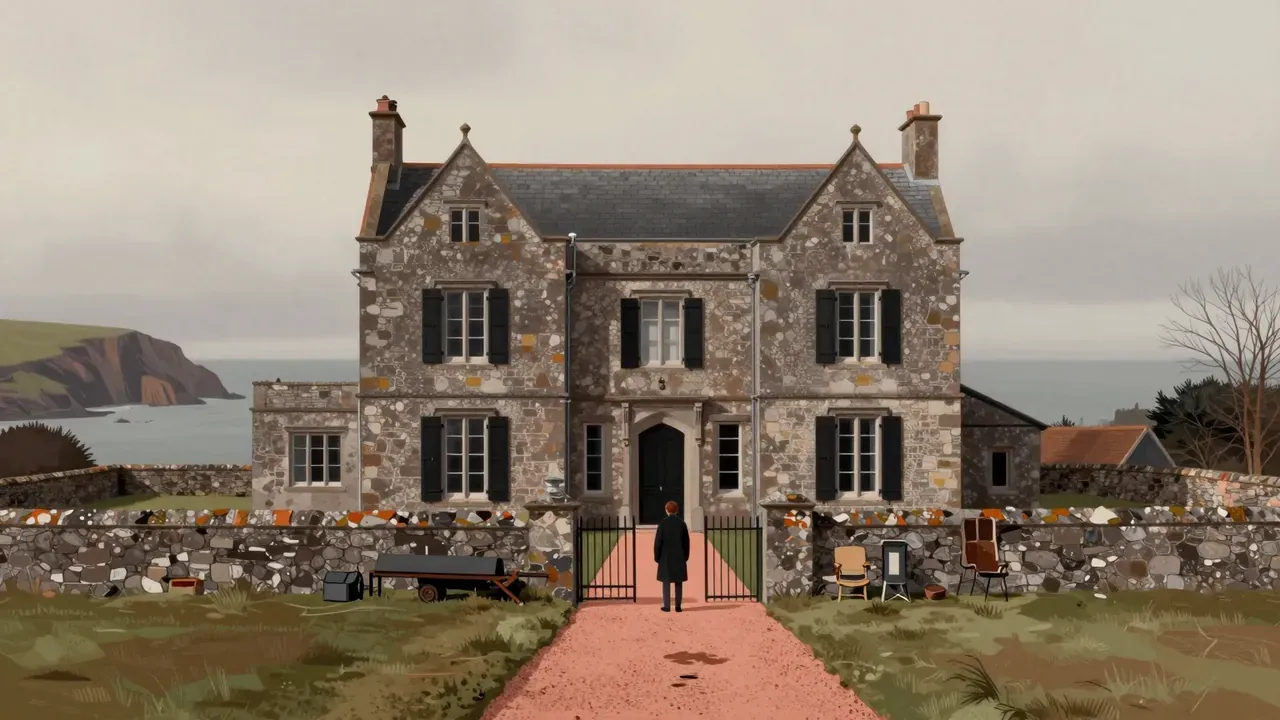
Set in 1945 Jersey, The Others follows Grace Stewart, a devout mother shielding her photosensitive children in a remote manor. When new servants arrive, strange occurrences mount — whispers, moving objects, unseen figures — until Grace uncovers a truth far more unsettling than ghosts. Directed and written by Alejandro Amenábar, it relies on atmosphere, performance and precise craft rather than shock or spectacle.

13:00

To Sleep with Anger

Charles Burnett · 1990

Charles Burnett’s 1990 film follows a South Central Los Angeles family unsettled by the arrival of Harry, a charismatic old friend from the South. As Harry’s enigmatic presence triggers marital strain, paternal illness, and fraternal conflict, the film unfolds with deliberate slowness, anchoring its folkloric tensions in domestic detail rather than exposition. Shot by Walt Lloyd and scored by Stephen James Taylor, it sustains a mood of quiet unease, where meaning accrues through gesture, setting, and withheld information — not plot mechanics.

13:00

Vengeance Is Mine

Shohei Imamura · 1979

Shohei Imamura’s 1979 film adapts Ryūzō Saki’s account of serial killer Akira Nishiguchi, renaming him Iwao Enokizu. Through fragmented flashbacks, it traces his crimes, deceptions and flight across post-war Japan, centring Ken Ogata’s restrained, physically precise performance. Shot by Shinsaku Himeda with unadorned naturalism and scored sparingly by Shinichiro Ikebe, the film avoids psychology and moral framing, instead mapping how Enokizu moves unchallenged through institutions — family, church, law, sex work — until his capture and execution. Its final image — ashes suspended mid-air — closes without resolution, leaving the viewer with the weight of unprocessed consequence.

13:00

Vermiglio

Maura Delpero · 2024

Set in a remote Italian alpine village in late winter 1944, Vermiglio follows Lucia, a teenage girl whose secret relationship with a Sicilian deserter upends her family and community. Directed by Maura Delpero and shot by Mikhail Krichman, the film observes tradition, Catholic ritual, and female labour with unsentimental precision — avoiding exposition, score-led emotion, or psychological shorthand. Its power lies in accumulation: in gestures, textures, and the weight of unspoken consequence.

13:00

Wise Blood

John Huston · 1979

John Huston’s 1979 film Wise Blood adapts Flannery O’Connor’s 1952 novel with formal precision and moral gravity. Brad Dourif stars as Hazel Motes, a war veteran who founds an atheistic church only to spiral into self-annihilation. Shot in Georgia with Gerry Fisher’s subdued cinematography and Alex North’s sparse score, the film sustains a tone of grave absurdity, refusing psychological explanation or redemptive closure. Its power lies in its fidelity to O’Connor’s vision: belief and unbelief as equally binding, the body as theological text, and the American South as a landscape saturated with inherited conviction.

13:00

Antichrist

Lars von Trier · 2009

Lars von Trier’s 2009 film Antichrist stars Willem Dafoe and Charlotte Gainsbourg as a grieving couple who retreat to a forest cabin, only to confront psychological disintegration, theological dread, and nature’s indifference. Shot digitally in Germany with precise, unrelenting craft, it divides itself into symbolic chapters and refuses narrative or emotional release. Though polarising and widely debated for its imagery and themes, it remains a benchmark of arthouse extremity — technically controlled, thematically uncompromising, and ethically demanding.

13:00

Nights of Cabiria

Federico Fellini · 1957

Federico Fellini’s 1957 drama follows Cabiria, a Roman sex worker, through a series of encounters that test but never extinguish her capacity for hope. Giulietta Masina’s performance anchors a film that favours duration over plot, quiet observation over exposition, and emotional fidelity over resolution. Shot on location across Rome and its outskirts, with cinematography by Aldo Tonti and Otello Martelli and music by Nino Rota, it won the 1958 Academy Award for Best International Feature Film.

13:00

The Decalogue

Krzysztof Kieślowski · 1989

Krzysztof Kieślowski’s 1989 ten-part Polish television series The Decalogue explores everyday ethical dilemmas in a Warsaw housing estate. Each self-contained episode, written with Krzysztof Piesiewicz and shot by three cinematographers, treats a moral question loosely linked to one of the Ten Commandments — without naming them, without preaching, and without resolution. Starring Artur Barciś, Krystyna Janda, and others, and scored by Zbigniew Preisner, it is a study in restraint: in performance, image, sound, and consequence.

13:00

The Passion of Joan of Arc

Carl Theodor Dreyer · 1928

Carl Theodor Dreyer’s 1928 silent film distils Joan of Arc’s trial into a single, suffocating day, using radical close-ups, unvarnished performances and a stark concrete set to render her spiritual and physical ordeal with unnerving intimacy. Renée Falconetti’s legendary performance anchors a work of formal and theological rigour — austere, unrelenting, and profoundly human.

13:00

The Sacrifice

Andrei Tarkovsky · 1986

Andrei Tarkovsky’s 1986 Swedish-language drama The Sacrifice follows Alexander, an intellectual who vows to renounce all he loves if God will undo the outbreak of nuclear war. Shot by Sven Nykvist on Gotland, it uses long takes, Bach’s St Matthew Passion, and radical colour reduction to build a poetic parable about language, faith and consequence. Though awarded the Cannes Grand Prix, its austere form divides viewers: some find its silence profound, others its resolution evasive. It is Tarkovsky’s last completed film.

13:00

The Witch

Robert Eggers · 2015

Robert Eggers’s 2015 debut is a meticulously researched Puritan folktale set in 1630s New England. After a family is banished and settles near a forbidding forest, the disappearance of their infant son triggers theological panic, mutual suspicion and spiritual unraveling. Shot in natural light with Early Modern English dialogue, period-accurate costumes and a dissonant, instrumentally unconventional score, the film builds dread through restraint, silence and escalating ambiguity — culminating not in terror, but in a chilling, ecstatic surrender.

13:00

Viridiana

Luis Buñuel · 1961

Luis Buñuel’s 1961 Palme d’Or winner adapts Pérez Galdós into a stark Mexican drama about a novice nun whose vow of poverty unravels when she tries to run an almshouse for beggars. Shot in flat, frontal compositions by José Fernández Aguayo and edited with deliberate stillness by Pedro del Rey, it uses silence, repetition, and ritual mimicry to expose the fragility of moral systems. The film’s power lies in its refusal to explain, judge, or resolve — making it essential arthouse viewing, though demanding for those who seek narrative clarity or psychological warmth.

13:00

Au Hasard Balthazar

Robert Bresson · 1966

Robert Bresson’s 1966 film follows Balthazar, a donkey, through successive owners in rural France. Told with austere precision, it uses non-professional actors, restrained cinematography by Ghislain Cloquet, and near-silent observation to trace endurance, indifference, and quiet violation. Marie, played by Anne Wiazemsky, ages alongside Balthazar, her decline mirroring his — though neither is granted interiority. The film’s power lies in accumulation, not exposition; its final image — Balthazar dying among sheep — lands not as tragedy but as quiet, inevitable fact.

13:00

Babette's Feast

Gabriel Axel · 1987

Gabriel Axel’s 1987 Danish drama adapts Isak Dinesen’s story of Babette, a Parisian refugee who spends fourteen years as a silent housekeeper to two pious sisters in rural Jutland, then spends her lottery winnings on a lavish French feast for their austere congregation. With minimal dialogue, restrained performances and unadorned cinematography, it traces how abundance, offered without condition, reshapes decades of self-denial — not through conversion, but through quiet, collective recognition.

13:00

Bombay

Mani Ratnam · 1995

Mani Ratnam’s 1995 Tamil drama Bombay follows a Hindu journalist and a Muslim schoolteacher who marry, raise twin sons, and build a life in Bombay — until the 1992–93 communal riots tear their world apart. Shot by Rajiv Menon and scored by A. R. Rahman, it anchors large-scale tragedy in small, tactile details: shared meals, childhood routines, the weight of names. Though criticised for narrative simplifications and political abstraction, its enduring power lies in its unwavering focus on love as labour, harmony as habit, and survival as quiet persistence.

13:00

Devi

Satyajit Ray · 1960

Satyajit Ray’s 1960 Bengali drama Devi follows Doyamoyee, a young wife declared a goddess incarnate by her father-in-law after a dream. Set in 19th-century rural Bengal, the film charts her slow erasure as ritual replaces relationship, silence replaces speech, and worship replaces care. With restrained performances, Subrata Mitra’s understated cinematography, and Ali Akbar Khan’s sparse score, it builds tension through stillness and accumulation — not spectacle. The result is a precise, unsentimental anatomy of how social certainty can extinguish personhood.

13:00

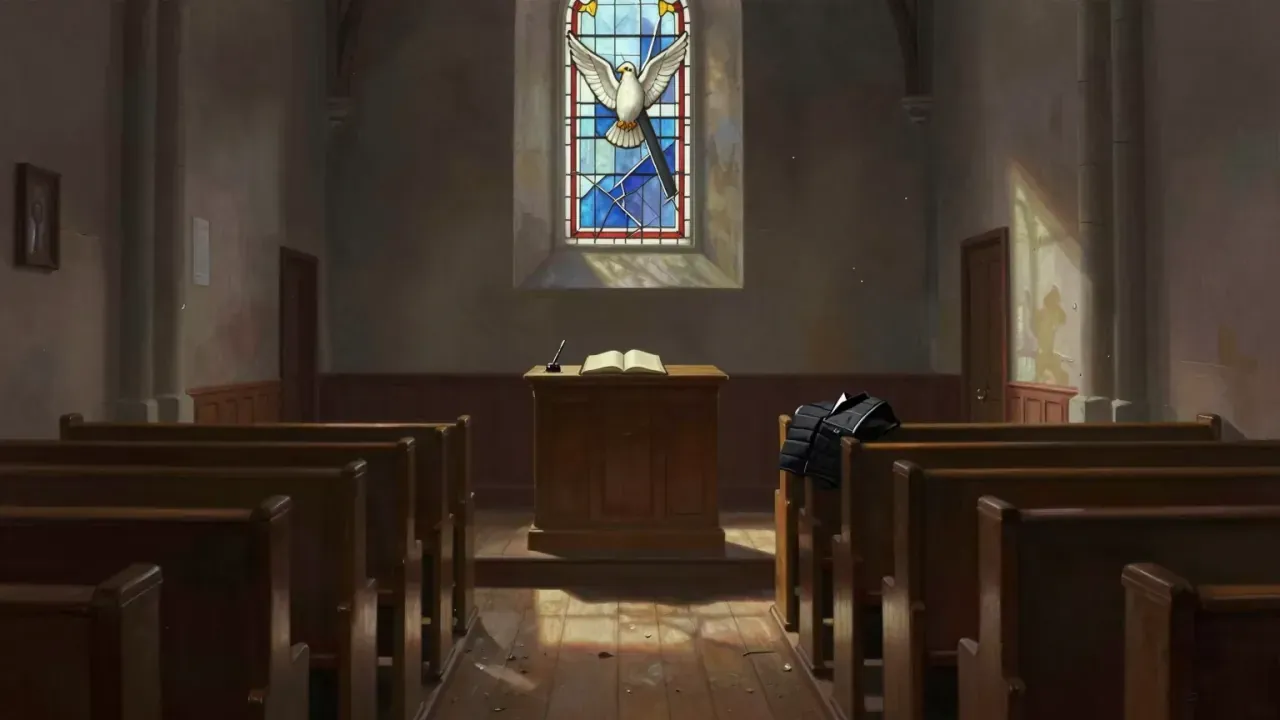
First Reformed

Paul Schrader · 2017

Paul Schrader’s First Reformed follows Reverend Ernst Toller, a pastor of a dwindling Dutch Reformed church in upstate New York, as he confronts alcoholism, grief over his son’s death in Iraq, and escalating despair over climate catastrophe. When a pregnant parishioner seeks counsel for her radical-environmentalist husband, Toller is drawn into a crisis of faith, vocation, and bodily integrity. Shot in strict 1.33:1 aspect ratio with austere compositions and near-silent sound design, the film unfolds with liturgical slowness, building toward a climax that rejects catharsis in favour of raw, unresolved human contact.

13:00

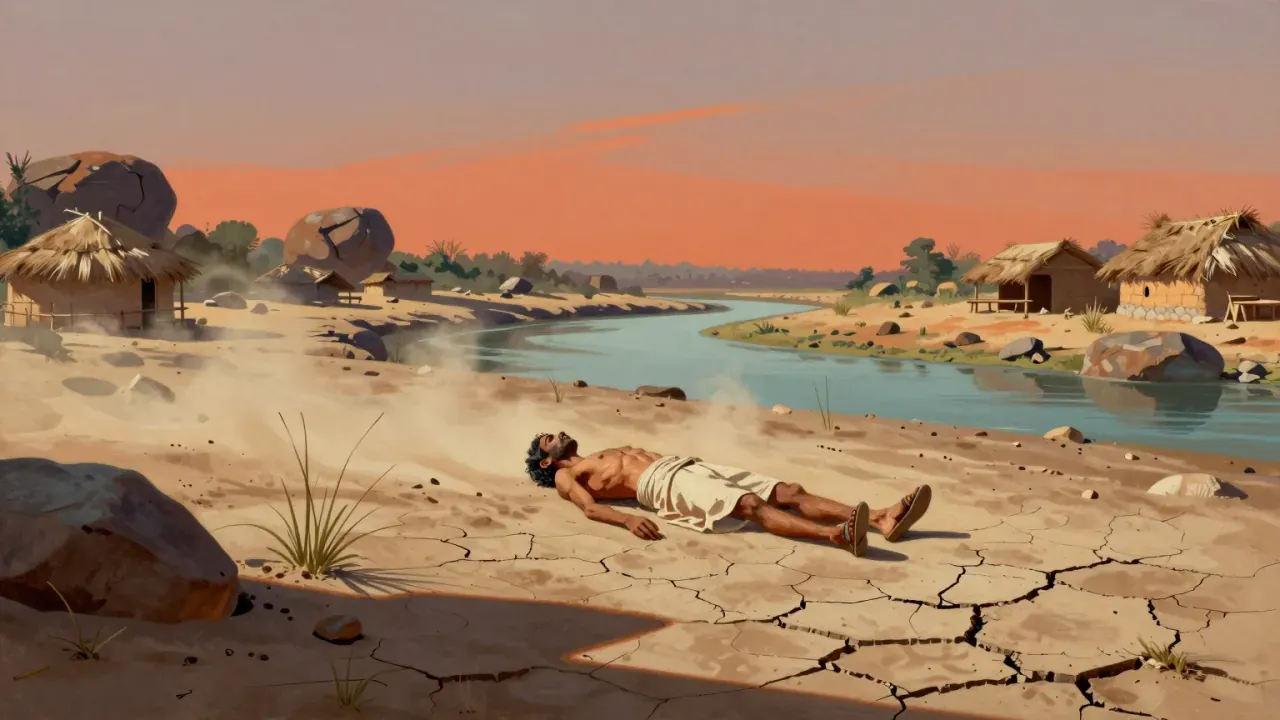
Guide

Vijay Anand · 1965

Guide (1965), directed by Vijay Anand and adapted from R. K. Narayan’s novel, follows Raju — a tour guide whose entanglement with dancer Rosie leads to scandal, imprisonment, and accidental deification in a drought-hit village. With Dev Anand and Waheeda Rehman in career-defining roles, and music by S. D. Burman, it is a slow, unsentimental study of identity, performance, and the social mechanics of belief. Its 183-minute runtime demands patience, but its structural rigour and moral ambiguity reward sustained attention.

13:00

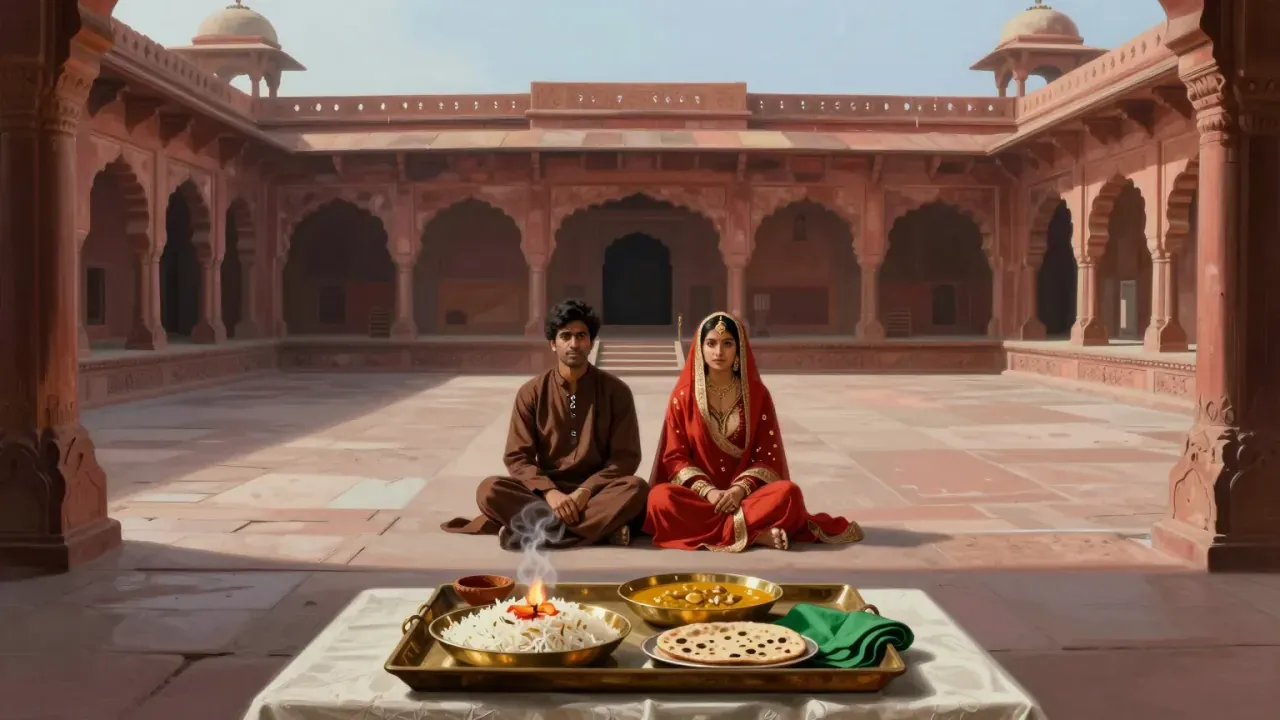
Jodhaa Akbar

Ashutosh Gowariker · 2008

A 2008 Hindi-language biographical epic directed by Ashutosh Gowariker, Jodhaa Akbar dramatises the 16th-century political marriage between Mughal emperor Akbar and Rajput princess Jodhaa Bai. Starring Hrithik Roshan and Aishwarya Rai, it uses spectacle, music by A. R. Rahman, and Neeta Lulla’s award-winning costume design to explore tolerance as daily practice — shared meals, translated texts, adjusted postures — rather than abstract ideal. Though criticised for compressing historical complexity and underdeveloping its female lead’s interiority, it remains notable for its visual coherence, disciplined pacing, and commitment to craft over concision.

13:00

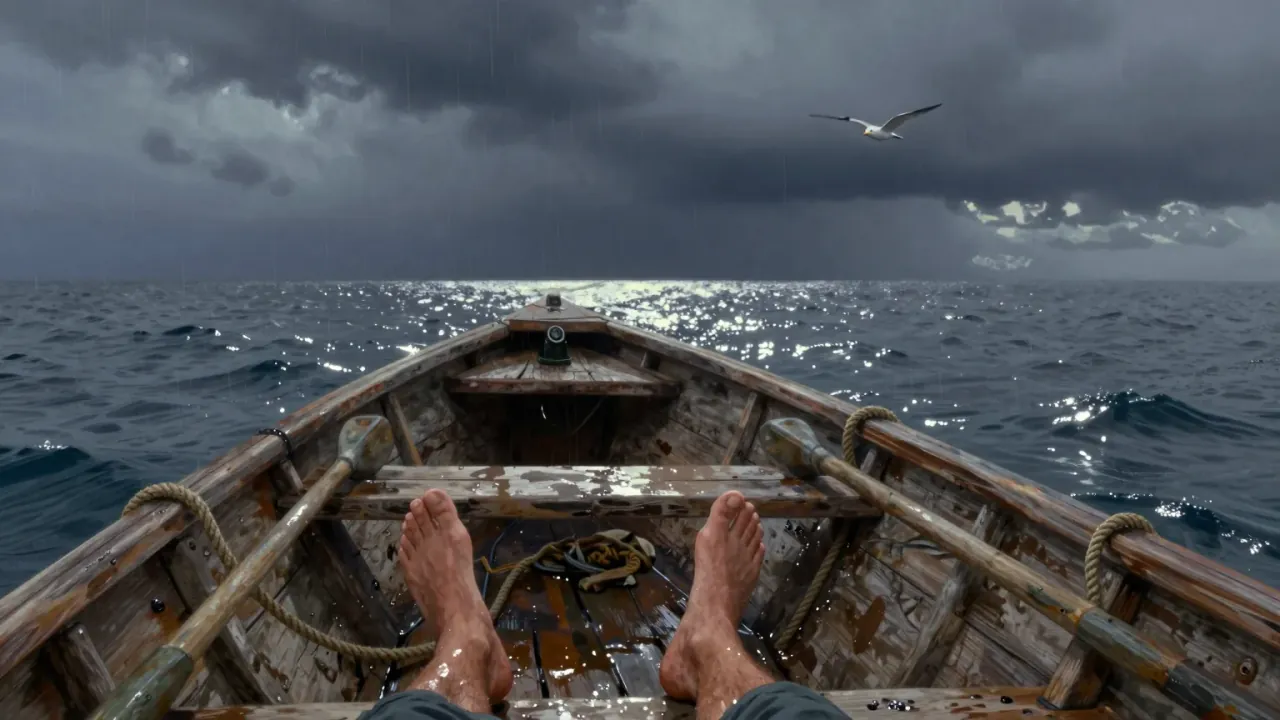
Life of Pi

Ang Lee · 2012

Ang Lee’s 2012 adaptation of Yann Martel’s novel follows a teenage Indian boy stranded at sea with a Bengal tiger. Shot across India, Taiwan and Montreal, it uses meticulous visual effects, Claudio Miranda’s cinematography and Mychael Danna’s score to render philosophy tangible. Though its Pondicherry prologue feels expository and its dual-ending pivot risks imbalance, the film’s sustained attention to sensation — water, light, breath, weight — makes its central ambiguity feel earned, not evasive.

13:00

Mother!

Darren Aronofsky · 2017

Darren Aronofsky’s Mother! is a psychological horror film structured as a closed-loop parable: a woman’s domestic peace unravels under successive invasions, culminating in annihilation and cyclical rebirth. Shot in tight proximity to Jennifer Lawrence’s performance, scored with near-total silence, and driven by escalating symbolic violation, it functions less as story than as sustained sensory provocation. Its themes—ecological violation, artistic narcissism, theological recursion—are delivered without irony or ambiguity. Critical reception was divided: many admired its formal rigour and intensity; others found its allegory reductive and its relentlessness exhausting. It grossed $44.5m on a $30m budget.

13:00

The Master

Paul Thomas Anderson · 2012

Paul Thomas Anderson’s 2012 drama follows Freddie Quell, a volatile WWII veteran, as he falls under the influence of Lancaster Dodd, leader of a fledgling philosophical movement. Shot almost entirely on 65 mm film, it relies on Joaquin Phoenix and Philip Seymour Hoffman’s physically precise performances, Jonny Greenwood’s jagged score, and a structure that favours ambiguity over exposition. Set in 1945–46, it explores post-war dislocation, the seduction of certainty, and the limits of personal transformation — without offering diagnosis, satire or resolution.

13:00

The Virgin Spring

Ingmar Bergman · 1960

Ingmar Bergman’s 1960 drama, adapted by Ulla Isaksson from a medieval Swedish ballad, follows a Christian landowner whose daughter is raped and murdered by three herdsmen. After they unknowingly seek shelter at his home, he kills them at dawn. At the site of her death, a spring emerges. Shot by Sven Nykvist in austere natural light, the film explores guilt, vengeance, and the silence of God — not as abstract ideas, but as physical, inescapable facts.

13:00

The Wailing

Na Hong-jin · 2016

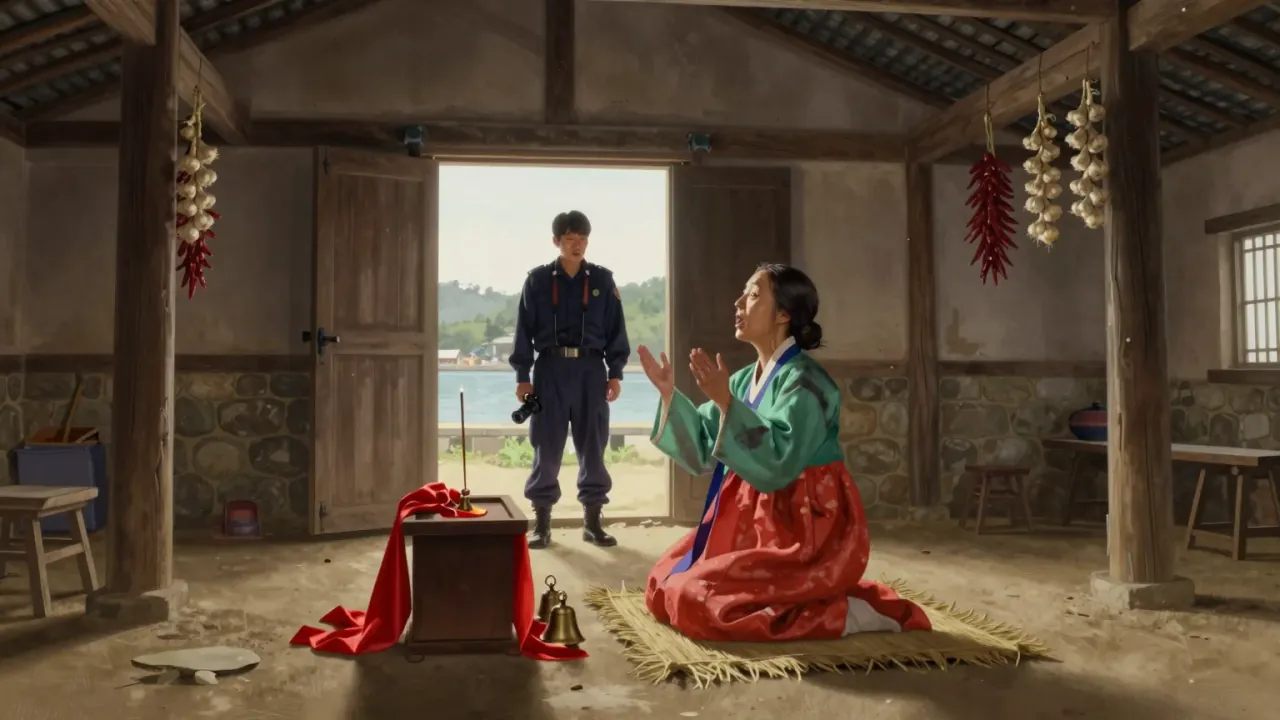
Na Hong-jin’s 2016 Korean mystery-horror follows a rural policeman investigating inexplicable violence in his village. As explanations multiply — shamanic curse, demonic possession, epidemic, colonial panic — none cohere, and conviction becomes indistinguishable from delusion. With deliberate pacing, restrained performances, and Hong Kyung-pyo’s naturalistic cinematography, the film sustains dread through ambiguity rather than revelation. Its power lies in how thoroughly it models the exhaustion and danger of not knowing — and how easily certainty replaces it.

13:00

Thirst

Park Chan-wook · 2009

Park Chan-wook’s 2009 Thirst reworks Zola’s Thérèse Raquin as a Korean Catholic vampire tragedy. Song Kang-ho plays a priest turned vampire after a failed virus experiment; his descent into bloodlust entangles him with Kim Ok-vin’s restless, trapped wife. Shot by Chung Chung-Hoon and scored by Jo Yeong-wook, it trades gothic tropes for moral gravity and domestic claustrophobia. It won the Jury Prize at Cannes and the Best Actress award at Sitges.

13:00

Through a Glass Darkly

Ingmar Bergman · 1961

Ingmar Bergman’s 1961 chamber drama follows a family over twenty-four hours on a remote Swedish island, centring on Karin, a young woman recently released from psychiatric care. Harriet Andersson delivers a physically precise performance as her grip on reality frays, observed by her husband (Max von Sydow), novelist father (Gunnar Björnstrand), and teenage brother (Lars Passgård). Shot by Sven Nykvist with stark naturalism and scored with Bach’s cello suites, the film explores faith, exploitation, and the asymmetry of care—though its stated philosophy feels tacked on, its emotional precision remains unmatched.