Six Encounters
Paisà is a six-part Italian neorealist film set during the Allied campaign to liberate Italy from German occupation between 1943 and 1945. It does not seek to narrate military strategy or celebrate victory, but to register the friction of contact — between soldiers and civilians, languages and dialects, faiths and silences, expectation and exhaustion. Each episode isolates a moment where intention collapses into misapprehension: a guide mistaken for a killer, a lover unrecognised, a shared meal rendered tense by theology, a rescue followed by massacre. Rossellini works without studio sets or professional continuity; locations are war-damaged towns, monasteries, riverbanks, marshes — places still bearing the physical imprint of conflict. The film’s ambition is structural as much as thematic: to treat each episode as a self-contained unit of moral weight, linked only by chronology, geography, and the recurring failure of translation — linguistic, emotional, ideological. It refuses synthesis, offering instead a sequence of unresolved encounters that accumulate not toward resolution but toward a quiet, cumulative gravity.
The Look of It
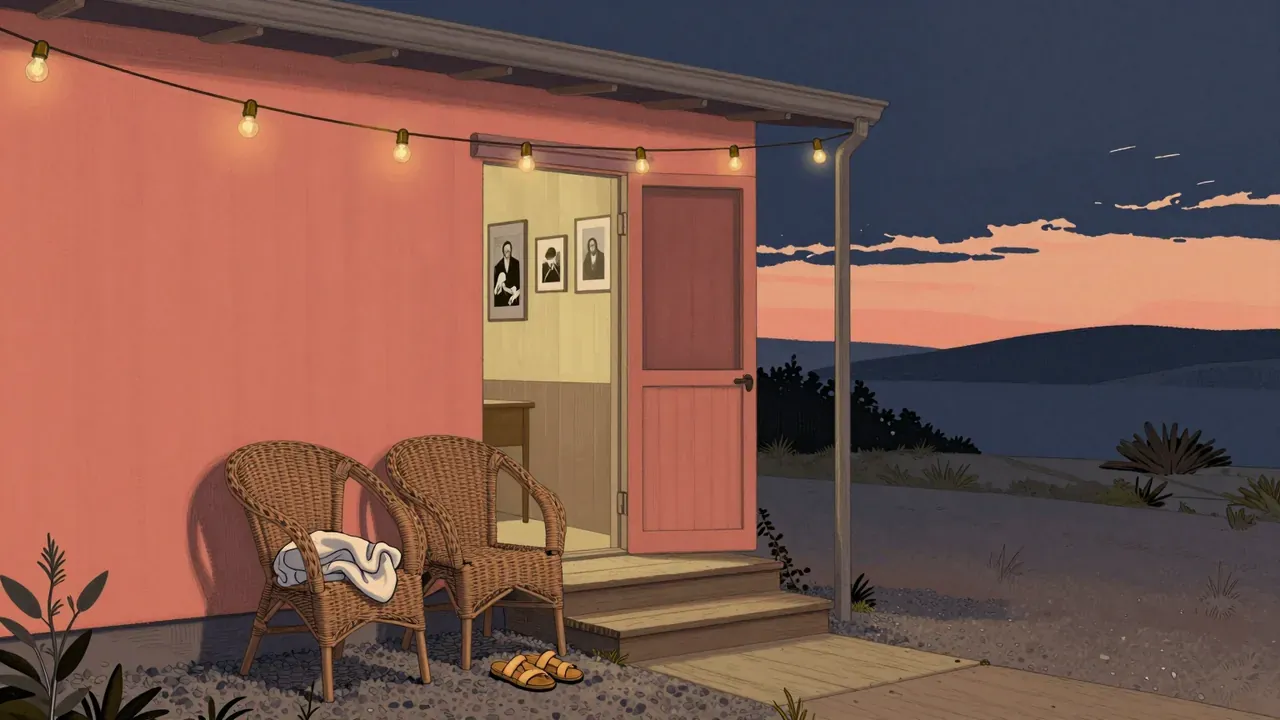
The film unfolds in episodic fragments, each built around a single location and a narrow time frame — a night in Sicily, a day in Naples, a few hours in Florence. Performances mix trained actors like Maria Michi and Giulietta Masina with non-professionals: Carmela Sazio, a teenage Sicilian girl cast as Carmela, speaks with a Neapolitan accent and was dubbed; friars from near Salerno play monks meant to be northern. Otello Martelli’s cinematography uses available light and handheld movement where possible, favouring medium shots that hold space between characters rather than cutting for emphasis. Renzo Rossellini’s score is sparse, often absent — silence carries more narrative weight than music. Editing by Eraldo Da Roma avoids dramatic punctuation; scenes end on stillness or interruption, not closure. Dialogue remains halting, untranslated, or deliberately mismatched — American soldiers speak English, Italians reply in Italian, and no subtitles mediate the gap. This is not stylistic affectation but method: the film’s craft serves its central proposition — that understanding is rare, partial, and often arrives too late.
What Sticks
What lands is the texture of lived uncertainty: the chill of a basement floor where a dying soldier lies, the hollow echo of boots on a monastery staircase, the way a child’s fingers hesitate before taking another man’s footwear. The second episode — Pasquale stealing Joe’s boots, then leading him through Naples’ rubble-strewn alleys to his family’s hovel — achieves a quiet devastation because it refuses sentiment. The fourth episode’s crossing of Florence via the Vasari Corridor gains force from its restraint: Harriet learns of Lupo’s death not through exposition but through the slow dawning on her face as a wounded partisan speaks. The sixth episode’s final gunfight and summary executions land with documentary bluntness, not shock. Even the voice-over narration — repeating ‘This happened…’ at each episode’s start — functions not as framing but as quiet insistence on facticity. These moments work because they do not ask the viewer to feel right, only to witness closely. They trust the weight of what is shown — a dropped rifle, an unread address, a plate left empty — to carry meaning without explanation.
Where It Slips
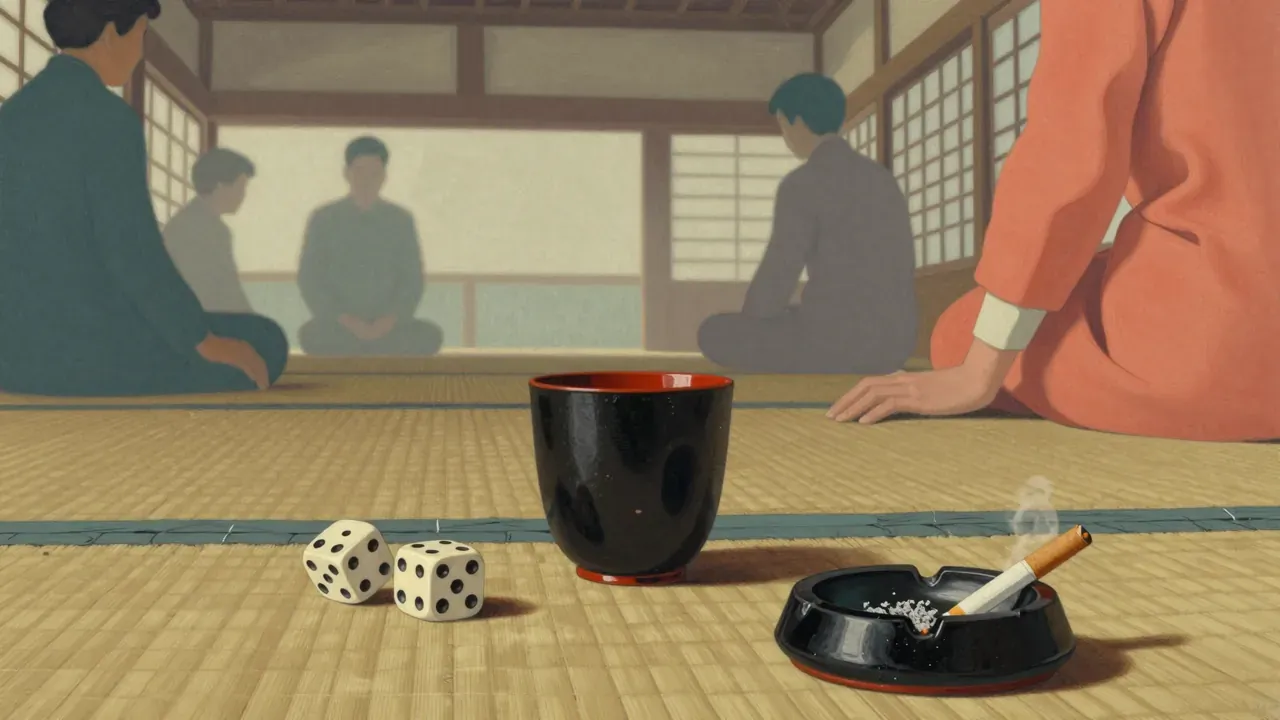
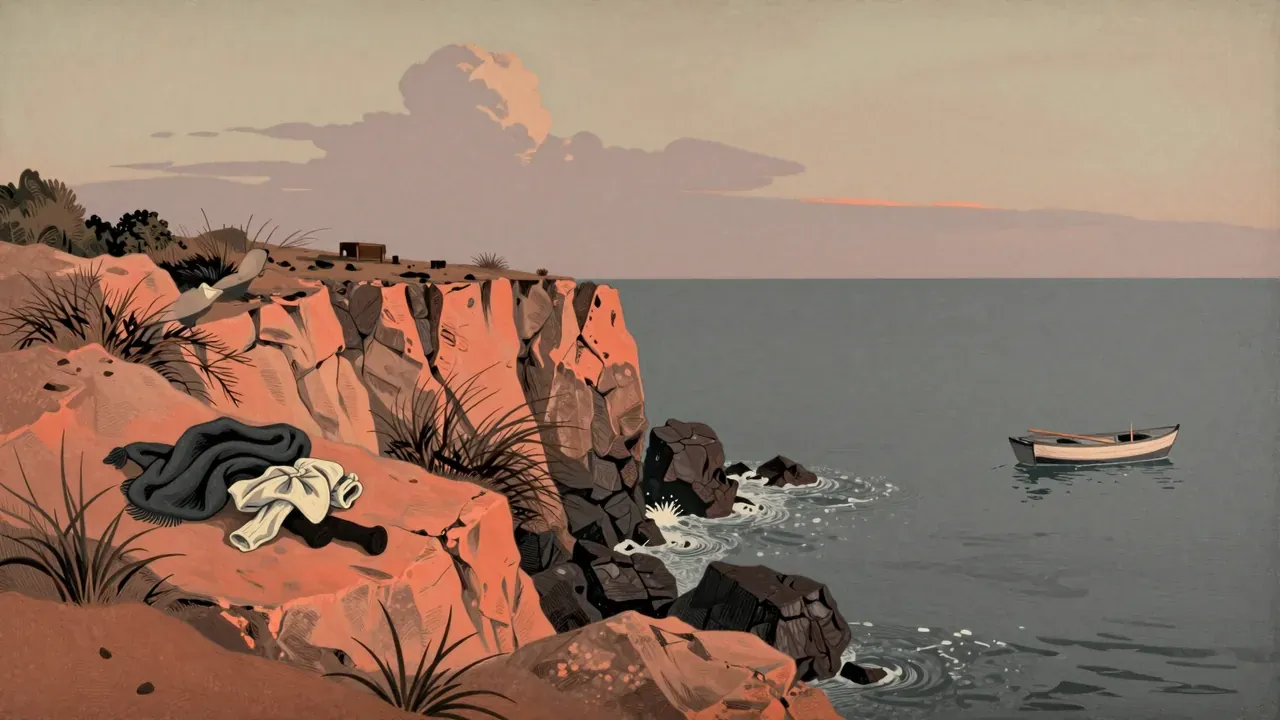
What does not land is the fifth episode’s monastery sequence, which strains under the weight of its own allegorical intent. The friars’ decision to fast in hopes of converting the Protestant and Jewish chaplains reads less as spiritual conviction than as doctrinal rigidity, and Captain Martin’s speech about finding peace feels abstract beside the visceral immediacy of other episodes. The film’s refusal to translate dialogue becomes a liability here: without access to the friars’ internal logic or the chaplains’ response beyond facial reaction, the scene flattens into illustration rather than encounter. Similarly, the first episode’s ending — Carmela’s body at the cliff’s edge — risks melodrama when the preceding tension rests so firmly on mutual incomprehension, not heroic sacrifice. The casting compromises noted in the sheet — dubbing, dialect mismatches — do not undermine authenticity but occasionally fracture immersion, particularly when regional identity is central to the story’s stakes, as in the Sicilian/Neapolitan disjunction. These are not flaws in execution but limits of the method: when reality is fragmented, some fractures remain unbridgeable.
What It’s Really About
The themes that matter are not those of heroism or liberation but of proximity without comprehension: how people stand near one another across chasms of language, belief, trauma, and class, and how little shared ground is required for violence — or kindness — to take root. The film treats religion not as doctrine but as practice: fasting, silence, ritual gesture — all rendered with anthropological attention. It treats war not as event but as condition: a state of suspended time where ordinary needs — warmth, food, recognition — become urgent, and ordinary failures — mishearing, mistranslation, misjudgement — become fatal. Class surfaces not in speeches but in detail: the difference between Fred’s drunken slouch and Francesca’s careful posture in her rented room; the way Pasquale’s bare feet grip wet cobblestones while Joe’s boots sink into mud. History appears not as dates but as residue: bullet holes in frescoes, German uniforms worn over civilian clothes, the smell of damp wool and unwashed bodies in cramped rooms. These are not themes declared but accumulated — sedimented in gesture, setting, and silence.
Who It’s For
It is for viewers who accept that clarity is not the goal of every film, and who can sit with ambiguity without demanding resolution. It rewards patience with attention, not plot. Those who require narrative propulsion, psychological exposition, or moral certainty will find it withholding — even alienating. Its pacing assumes familiarity with mid-century European history and the visual grammar of neorealism; newcomers may mistake its stillness for inertia. Anyone expecting a war film structured around combat or command will misread its priorities entirely. The film asks for sustained observation, not identification — it is not for those who need to ‘root for’ a character or understand their motives before granting them dignity. That said, its power does not depend on academic knowledge: its physicality — the cold, the hunger, the exhaustion — communicates directly. A viewer resistant to subtitled dialogue or long takes may struggle, but that resistance says more about expectation than the film’s capacity to move.
Is It Worth Your Evening?
Yes, it is worth your evening — not as entertainment but as calibration. Two hours and fourteen minutes spent with Paisà recalibrates what cinema can register: not just what happens, but how it feels to be present when meaning fails. Its value lies in its refusal to simplify — in showing compassion without sentiment, horror without spectacle, faith without dogma. Some will argue it is dated, its grainy texture and episodic form too distant from contemporary rhythms. But its formal choices remain deliberate, not deficient. If the film were re-shot in colour, with tighter editing and translated dialogue, it would lose its central argument: that understanding is hard-won, partial, and often arrives too late. Its endurance rests on that stubborn fidelity to difficulty — not as obstacle, but as condition. To watch it is to accept that some truths are held in silence, some connections made only in error, and some evenings are measured not in pleasure but in quiet, lasting recalibration.