The breakdown
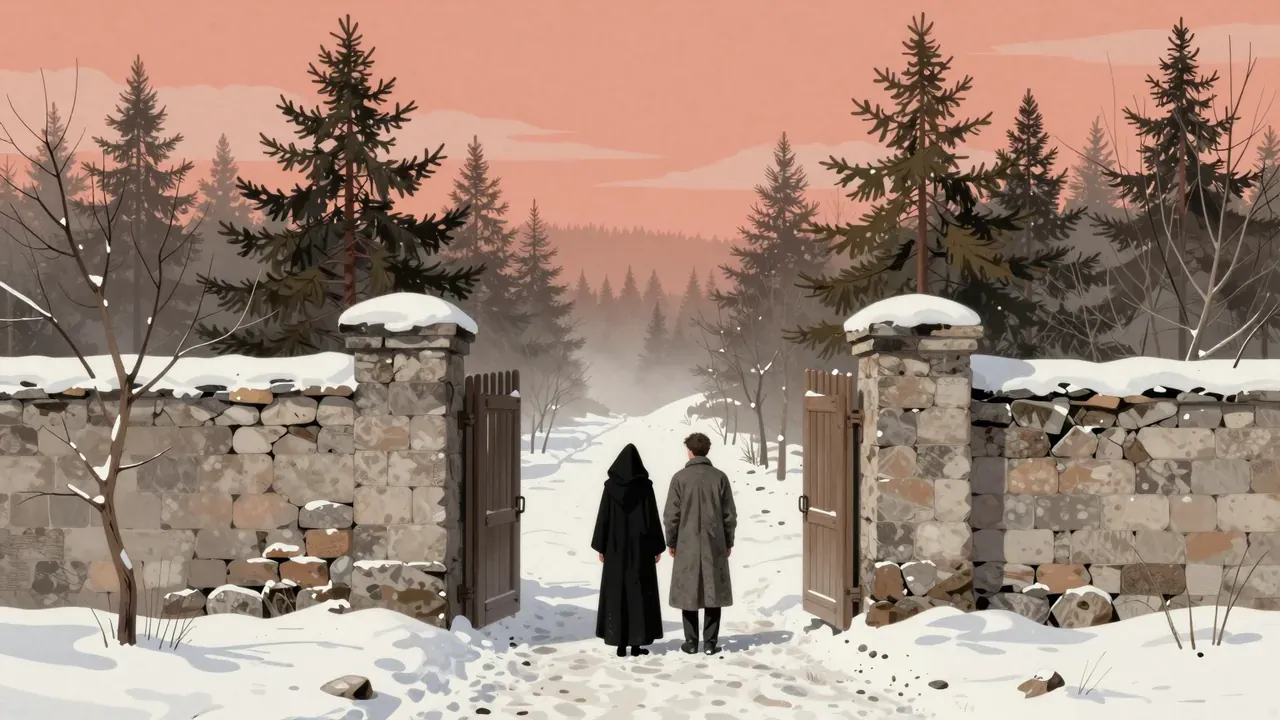
Secret Sunshine is a South Korean drama about a woman’s collapse and recalibration after her child’s murder. Lee Chang-dong wrote and directed it, adapting a short story by Lee Cheong-jun titled ‘The Abject’. The film does not aim to reconstruct the crime or assign legal blame, nor does it seek catharsis through resolution. Instead, it traces how grief migrates — from silence to faith, from performance of peace to self-annihilation, from borrowed doctrine to private, unshareable rupture. It treats belief not as comfort but as another layer of exposure: Shin-ae’s conversion is neither ironic nor satirical, but clinically observed, like a fever chart. The city of Miryang is not backdrop but pressure chamber — quiet streets, modest interiors, unadorned light. The film’s ambition is structural as much as emotional: to hold steady while its protagonist loses purchase on coherence, without resorting to symbolic shorthand or narrative diversion. It refuses to let suffering signify anything beyond itself — not redemption, not warning, not lesson. That refusal is its central discipline. (158 words)
The rehearsals
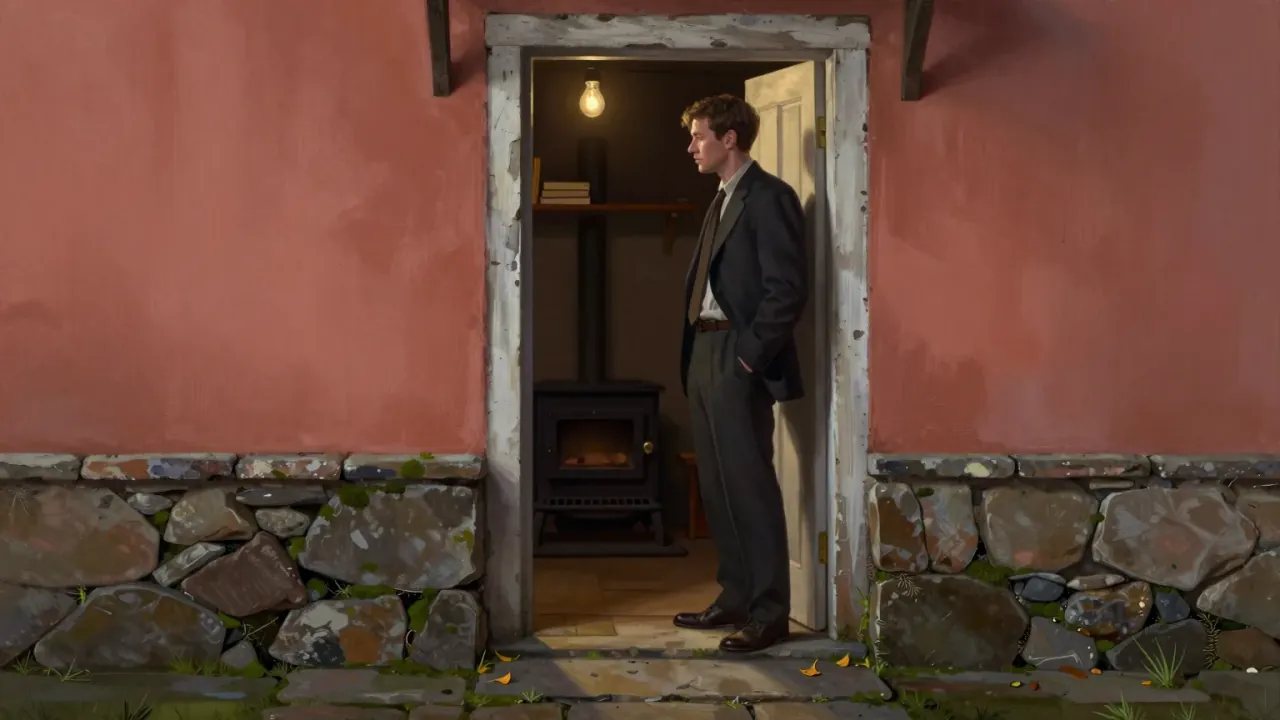
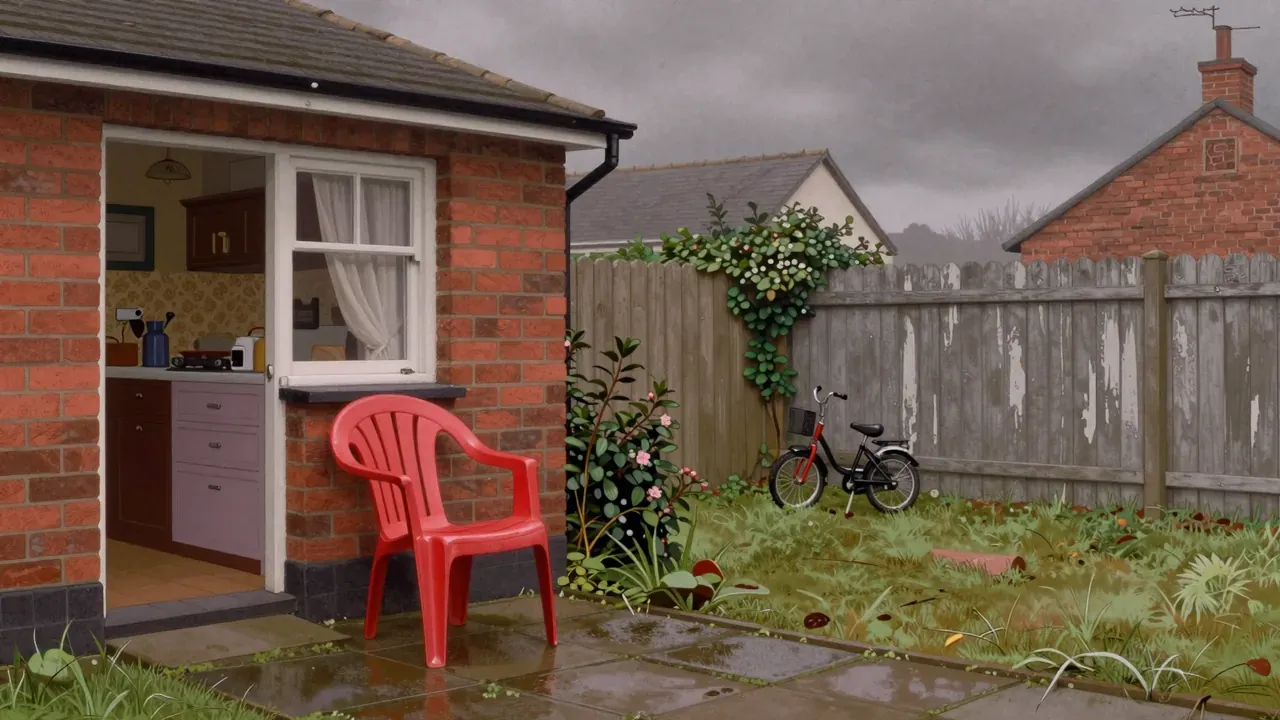
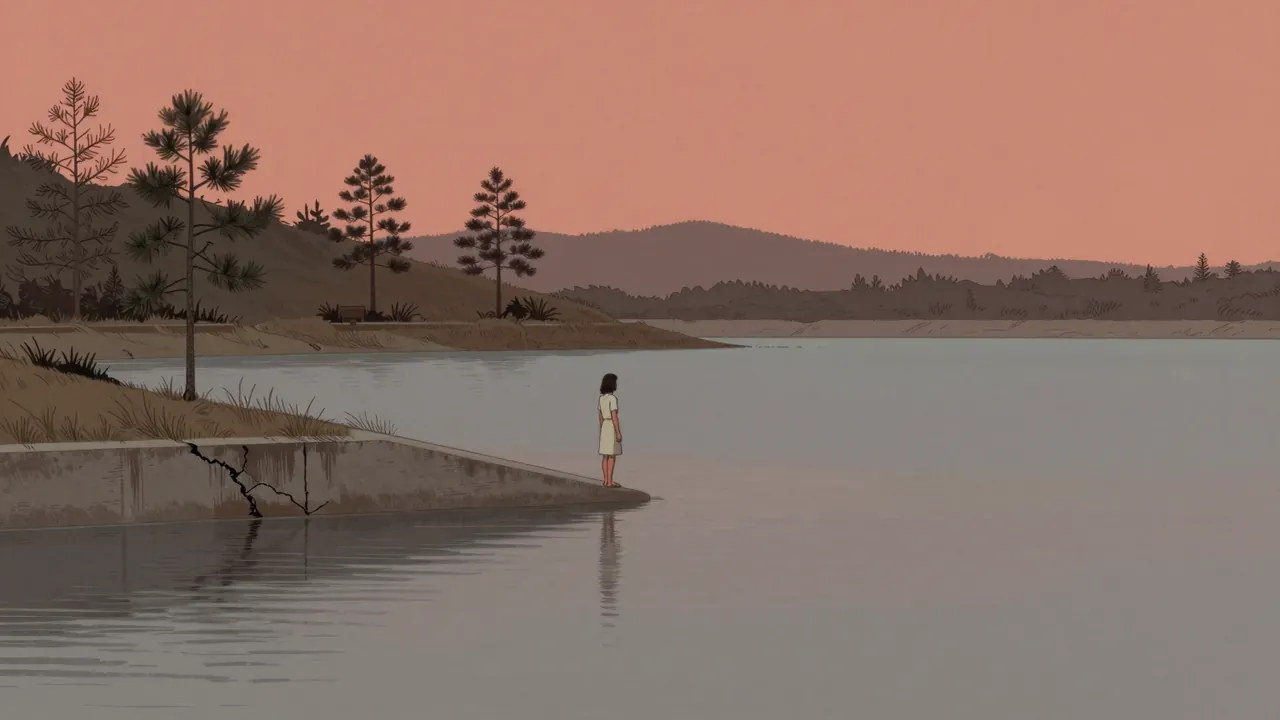
The story unfolds in deliberate, uninflected episodes, each weighted equally: the car breakdown, the piano school, the prank with Jun, the ransom call, the reservoir, the pharmacy, the prison visit, the salon. Jeon Do-yeon’s performance anchors this restraint — her face registers shock not as gasp but as suspension; her tears arrive late and leave no trace. Song Kang-ho plays Jong-chan with unshowy patience, his kindness never explained, his limits never announced. Christian Basso’s score is sparse, mostly piano and ambient texture, entering only where silence would strain. Kim Hyeon’s editing avoids rhythm for its own sake: cuts land on breaths, on door handles, on empty chairs. Gordon Willis is not involved; the cinematographer is not named in the fact sheet, so no claim is made about lighting choices. What is evident is a consistent mid-range focal length, shallow depth of field only when necessary, and a colour palette anchored in concrete, plaster, and overcast daylight. There are no flashbacks, no voiceover, no music swells at key moments — only duration, repetition, and the slow accrual of detail. (159 words)
The faith
What lands is the unbearable precision of Shin-ae’s disintegration. Her birthday party scene works because it is ordinary — paper plates, folding chairs, forced laughter — and because her declaration to forgive Do-seop arrives without fanfare, as if she has simply misread the social contract. The vigil interrupted by a thrown rock lands not for its violence but for its banality: the rock is small, the window cracks but does not shatter, the pharmacist couple stand frozen, not weeping. The film’s most resonant moment may be Shin-ae cutting her own hair — not as gesture, not as metaphor, but as action that precedes understanding, done with kitchen scissors, in silence, while Jong-chan waits outside the bathroom door. These moments land because they refuse interpretation. They are not framed for sympathy or judgment. The camera watches, but does not guide. The script gives no interior monologue, no explanatory line. What lands is the accumulation of small, unremarkable failures — of language, of ritual, of care — that together form an architecture of loss too dense for solace. The film earns its gravity not through scale but through fidelity to what grief looks, sounds and feels like when it has no audience. (157 words)
The forgiveness
What does not land is the framing device of Miryang as ‘secret sunshine’. The title remains abstract, unmoored from image or action — there is no literal sunshine, no secret, no revelation tied to the place beyond its function as setting. The pharmacist’s scripture, the church’s hymns, even Shin-ae’s seduction attempt, all feel less like psychological necessity and more like plot scaffolding: functional, but not inevitable. Jong-chan’s persistence — his repeated offers of help, his dinner date, his salon trip — lacks sufficient motivation within the text; he remains kind without being legible. The subplot involving the girl who peers into the piano school introduces tension but resolves it with minimal consequence, leaving her presence unresolved rather than resonant. The film’s resistance to exposition means some relationships remain opaque not by design but by omission: we do not know why Shin-ae hates her husband, why Do-seop kills Jun, or why Jong-chan stays. These absences work where they serve silence, but falter where they undermine causality. The film’s austerity risks becoming vacancy when character logic recedes behind formal control. (156 words)
The body
The themes that matter are not faith versus doubt, but the exhaustion of meaning-making itself. Grief here is not a stage to pass through but a condition that reshapes perception — time slows, sound distorts, faces blur. The film interrogates the social machinery of consolation: prayer groups, vigils, forgiveness rituals, even the act of buying land as a performance of stability. Madness is not dramatised as delusion but as recalibration — Shin-ae hears Jun’s name not because she hallucinates, but because her nervous system has rewired itself around absence. Trauma is treated as physiological fact, not moral test. Christianity enters not as doctrine but as available infrastructure — one among several systems (piano teaching, neighbourliness, bureaucracy) that Shin-ae tries, discards, then tries again. The film’s deepest concern is with the body’s refusal to comply: the inability to cry at the funeral, the nausea during seduction, the wrist-slashing as failed punctuation. It asks what remains when language, belief and community all prove inadequate — and answers with silence, with hair falling onto the floor, with Jong-chan holding up a mirror without speaking. (159 words)
The kindness
This film is for viewers who tolerate long stillness, who do not require narrative payoff or emotional release, and who accept that some questions have no answer — not because they are profound, but because they are unanswerable. It is for those who value acting as behaviour rather than expression, and who understand that a glance held half a second too long can carry more weight than a monologue. It is not for viewers who need closure, who expect villains to be punished or faith to be affirmed or grief to resolve into wisdom. Those who find ambiguity intolerable, or who rely on music or editing to signal emotional shifts, will likely feel adrift. The film’s pace and restraint are not stylistic flourishes but structural necessities — remove them and the whole edifice collapses. Someone who values clarity over complexity, or catharsis over observation, would rightly find it unrewarding. Its value lies entirely in its refusal to simplify, and that refusal is not for everyone. (158 words)
The mirror
Yes, it is worth your evening — but only if you are prepared to sit with discomfort without seeking relief. It is not a film to watch while distracted, nor one that rewards passive viewing. Its power resides in accumulation, not climax; in what is withheld, not what is revealed. Those who approach it expecting insight, uplift or even coherent psychology will leave unsatisfied. But for those willing to follow Shin-ae’s descent without demanding explanation — to sit with the silence after the phone rings, the pause before the razor touches skin, the space between Jong-chan’s offer and Shin-ae’s refusal — it delivers a rare kind of honesty. It does not ask for empathy, only attention. Its 142 minutes pass slowly, deliberately, without concession. To call it ‘difficult’ mistakes rigour for obstruction. It is difficult only in the way truth often is: unadorned, unyielding, and impossible to look away from once it has taken hold. (159 words)