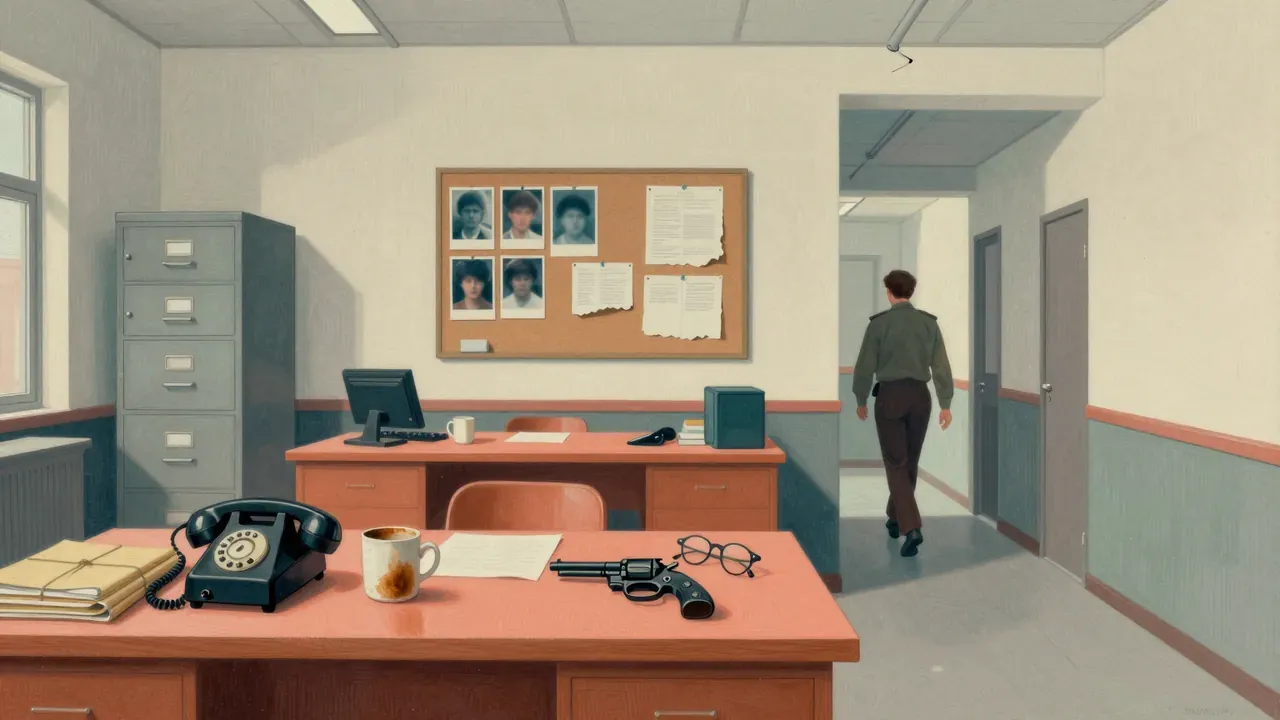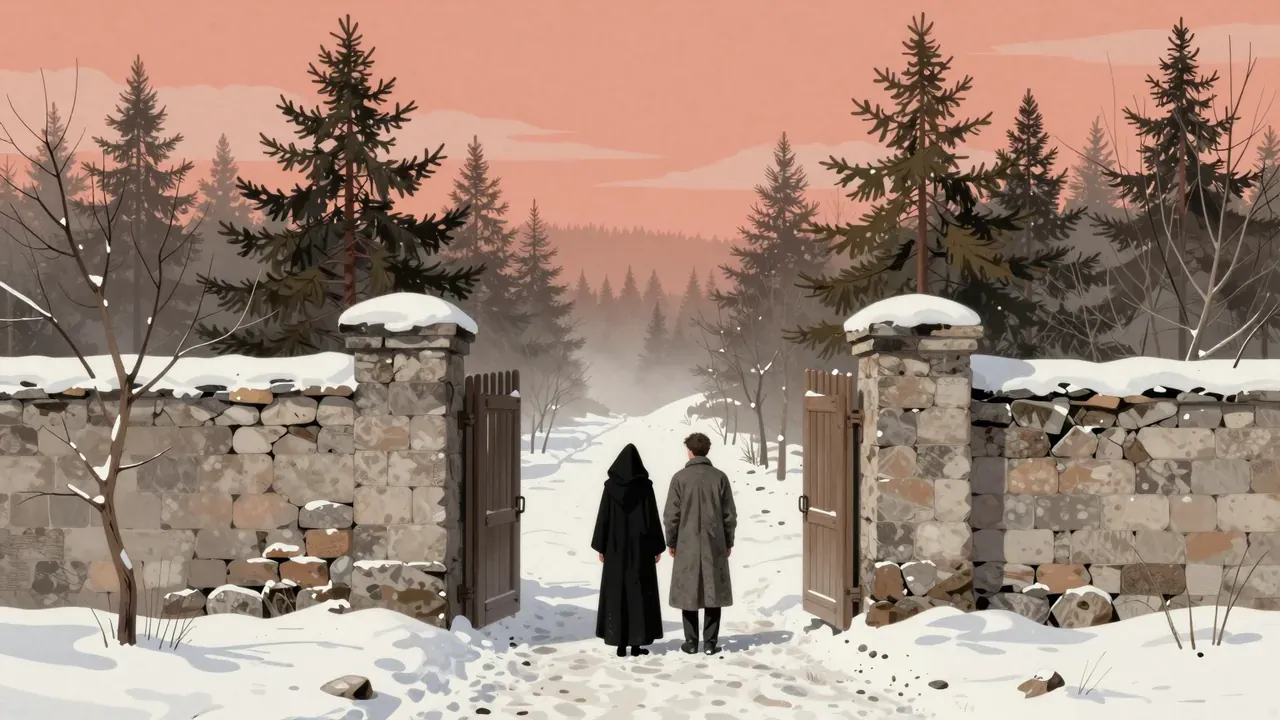
The look of it
Beyond the Hills is a Romanian drama film written and directed by Cristian Mungiu, released in 2012. It adapts two non-fiction books by Tatiana Niculescu Bran about the 2005 Tanacu exorcism case, in which a young woman died during a ritual at a Moldavian monastery. The film does not dramatise the event as spectacle or horror, nor does it position itself as investigative journalism. Instead, it constructs a slow, observational frame around two women — Voichița, who has entered monastic life, and Alina, who arrives seeking reunion and physical intimacy — to examine how belief, institutional authority, and unspoken desire converge under conditions of spiritual absolutism and social isolation. Its method is forensic restraint: no score, no close-ups for emphasis, no editorial commentary. It asks the viewer to sit with ambiguity — between faith and delusion, care and coercion, love and possession — without resolution. The film’s ambition is structural as much as thematic: to hold a single moral crisis in sustained, unblinking focus, trusting that duration itself becomes argument. (150 words)
The shape of the story
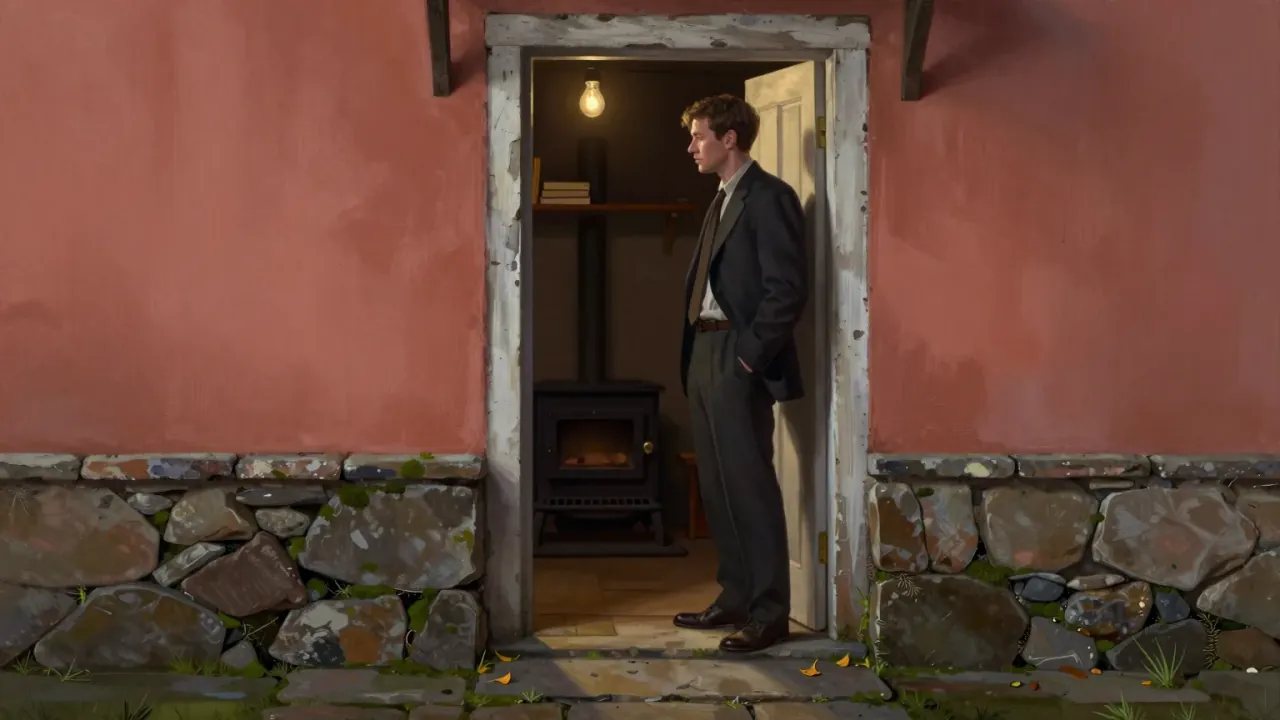
The story unfolds across fifteen days in late winter at a remote Orthodox convent, structured in long takes and static compositions by cinematographer Oleg Mutu. Scenes are rarely broken; dialogue is sparse, often functional or liturgical. Cosmina Stratan and Cristina Flutur perform with minimal inflection, their physicality doing most of the work — a glance held too long, a hand withdrawn, a body braced against restraint. Mutu’s camera stays at medium distance, refusing intimacy even in moments of distress. The sound design is muted: wind, footsteps on stone, distant chanting, the creak of wood — no music, no underscoring. Editing is deliberate, with cuts timed to shifts in light or posture rather than emotional beats. The production design avoids period signposting; the convent feels contemporary but timeless, its austerity unadorned. Valeriu Andriuță’s Priest speaks in calm, doctrinal cadences, never raising his voice. The nuns move with quiet routine, their obedience unperformed. This is not psychological realism but behavioural realism: what people do when they believe they are acting rightly, even as consequences mount. Every craft choice reinforces the film’s refusal to assign blame or offer catharsis. (158 words)
What sticks
What lands is the cumulative weight of small, irreversible decisions. The moment Voichița tells Alina she is now a nun — not a rejection, but a redefinition — lands with quiet finality. The hospital scene, where doctors find Alina already dead and observe the ligature marks, lands because it follows so many earlier, smaller acts of containment: the towel tied over Alina’s mouth, the board laid flat on the floor, the nuns’ hands holding her down without urgency. The film’s power lies in its refusal to isolate any one person as villain. The Priest cites scripture, the nuns cite duty, Voichița cites love, the doctor cites law — all speak from positions that feel internally coherent. The audience does not need to be told this is tragic; the tragedy accrues in the space between intention and outcome. The shared Best Actress award at Cannes reflects how Stratan and Flutur anchor this balance: neither performance invites sympathy or condemnation alone, but both sustain the film’s central tension — that devotion and dependency can occupy the same gesture. The film lands because it trusts the viewer to hold contradiction without release. (149 words)
Where it stumbles
What does not land is the film’s length when viewed outside its intended context. At 150 minutes, its pacing assumes a viewer prepared for durational discipline — not as endurance test, but as necessary condition for its ethical inquiry. Some scenes repeat structural patterns — Alina’s requests, Voichița’s deflections, the nuns’ quiet compliance — and risk feeling procedural rather than accumulative if the viewer loses the thread of escalation. The absence of exposition means viewers unfamiliar with Orthodox liturgy or Romanian rural infrastructure may misread silence as emptiness, or restraint as mere rigidity. The Priest’s speeches on Western secularism lack counterpoint within the film, making them feel like authorial insertions rather than character logic — though this may be intentional, exposing the limits of his worldview. The final police interrogation, while legally precise, risks flattening the moral texture built up to that point, reducing complex failure to a question of jurisdiction. None of this undermines the film’s integrity, but it does narrow the margin for misalignment between its method and the viewer’s expectations. (157 words)
What it’s really about
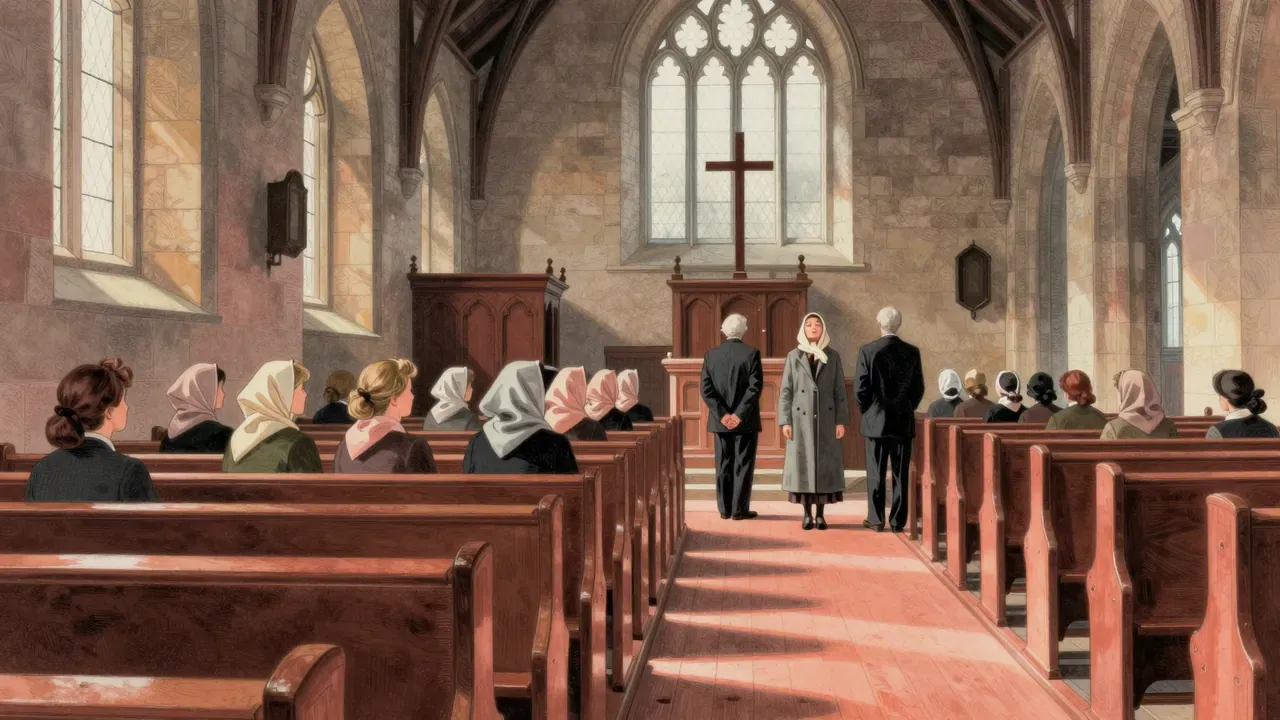
The themes that matter are not faith versus reason, but the mechanics of collective conviction: how doctrine becomes operational, how care becomes control, how love becomes enclosure. The film treats ritual not as superstition but as system — a set of repeated actions that produce real-world effects, whether blessing or binding. It examines the gendered architecture of spiritual authority: the nuns obey the Priest, who answers to no local bishop shown; Voichița’s vow is irreversible, Alina’s agency evaporates not through violence but through procedural consensus. Secular law appears only at the end, as external arbitration — too late, and too blunt, to parse the layers of consent, coercion, and complicity that preceded it. The film also interrogates the limits of empathy: Voichița loves Alina, yet cannot imagine her need as valid outside monastic terms; the nuns witness suffering but interpret it as spiritual trial. There is no ‘outside’ perspective offered — no journalist, no psychologist, no dissenting cleric — reinforcing that the tragedy arises not from malice but from the internal logic of a closed world. These themes are not argued; they are embedded in every framing decision, every line reading, every withheld cut. (152 words)
Who it’s for
This film is for viewers who accept that moral clarity is often the first casualty of sustained attention — those who find value in watching how systems fail incrementally, not spectacularly. It suits audiences accustomed to arthouse pacing, comfortable with ambiguity, and willing to sit with discomfort without narrative payoff. It is not for viewers who require psychological exposition, dramatic escalation, or redemptive closure. Those expecting a courtroom drama about culpability or a psychological study of possession will find it withholding. Those who read restraint as indifference, or silence as emptiness, will disengage early. A viewer who values strong female performances but seeks cathartic arcs may find Stratan and Flutur’s work frustratingly unresolved. The film’s power depends on patience — not as virtue, but as prerequisite. Someone who watches primarily for plot propulsion or emotional release will likely judge it overlong. That verdict would be reasonable, but it would mistake the film’s purpose: it is not designed to move you, but to hold you still. (150 words)
Is it worth your evening?
Yes, it is worth your evening — if you have ninety uninterrupted minutes and the willingness to let a film ask questions without answering them. Its value lies in its precision: every shot, every pause, every refusal to underline meaning serves its central inquiry into how good intentions become instruments of harm. It rewards attention not with reward, but with recalibration — a slower pulse, a sharper eye for implication. Those who dislike it tend to cite its length or its emotional austerity, and they are not wrong about the experience it demands. But the film’s rigour is not pretension; it is method. To call it ‘pretentious’ is to mistake discipline for display. Its 150 minutes are not indulgent — they are the minimum time required for the stakes to settle into the bones. If you leave unsettled, that is not failure. It is the film working as intended. (149 words)