filmbriefs
Topic

Acting

Pretending, at a level that stops looking like pretending.

57
in film
13:00
average
741 min
in total
65
across the network
Acting across the network →
All briefs57
13:00

A Constant Forge

Charles Kiselyak · 2000

A two-hundred-minute documentary portrait of John Cassavetes, assembled from interviews and archival footage. It focuses on his working process — rehearsal, editing, directing — rather than biography or filmography. Featuring Ben Gazzara, Gena Rowlands, Peter Falk, Sean Penn and others, it treats filmmaking as embodied resistance, refusing summary or resolution.
13:00

Adventures of Zatoichi

Kimiyoshi Yasuda · 1964

The ninth Zatoichi film finds the blind masseur stepping into a town gripped by bureaucratic corruption and quiet desperation. He does not seek conflict but cannot avoid it — and when he draws his sword, it is never to win, but to weigh. With Shintarō Katsu at peak control and Kimiyoshi Yasuda framing each scene like a scroll painting, Adventures of Zatoichi is a study in restraint: in violence, in revelation, in what a man owes the world when no one is watching.

13:00

An Actor's Revenge

Kon Ichikawa · 1963

Kon Ichikawa’s 1963 film follows Yukinojō Nakamura, an onnagata kabuki actor who returns to Edo to enact revenge on the men who caused his parents’ suicide. Kazuo Hasegawa plays both Yukinojō and the thief Yamitarō, anchoring a film defined by theatrical composition, restrained music by Yasushi Akutagawa, and Musei Tokugawa’s wry benshi narration. It is less a story of justice than a study in performance as survival, gender as labour, and vengeance as repetition — all rendered with formal control and deliberate emotional distance.

13:00

Clouds of Sils Maria

Olivier Assayas · 2014

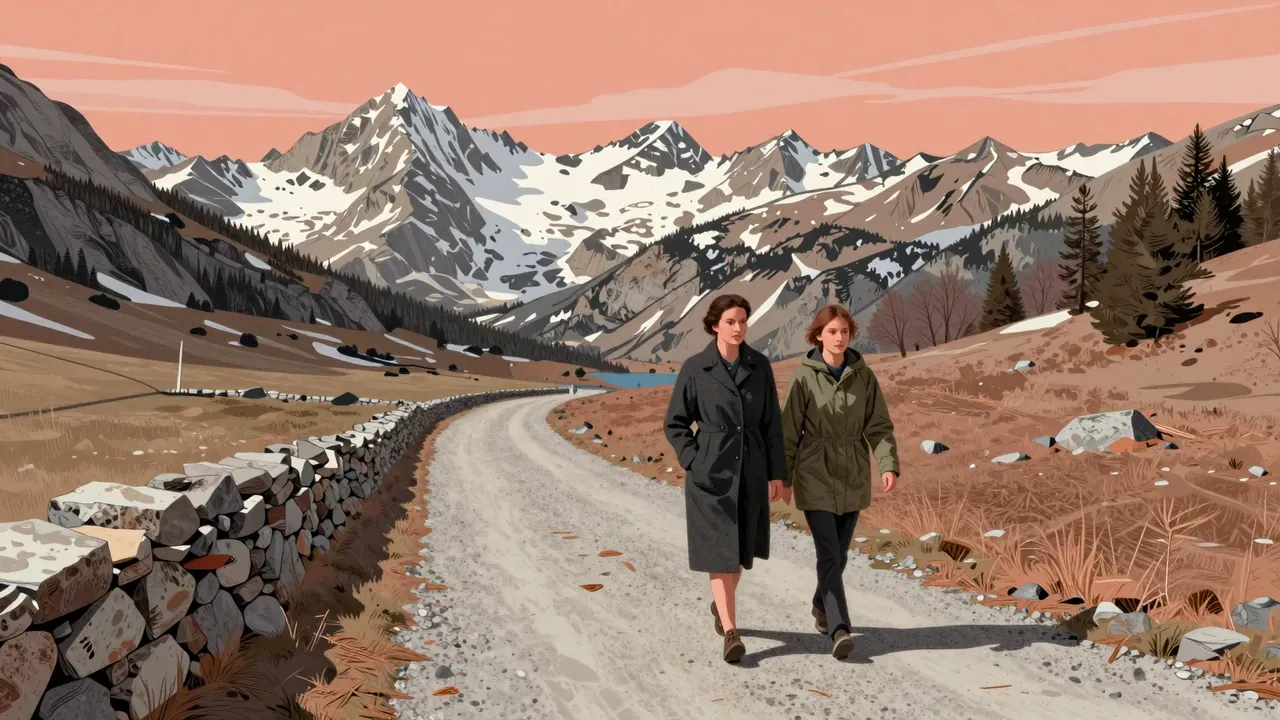
Olivier Assayas’s 2014 drama follows Juliette Binoche as an established actress cast opposite a young starlet in a revival of a play that made her famous two decades earlier. Shot on 35mm in Switzerland, Germany and Italy, it traces her psychological recalibration alongside her American assistant (Kristen Stewart) against the backdrop of the Alps and the Maloja Snake — both weather phenomenon and metaphor. The film explores performance, time, and shifting power between women, with restrained craft and deliberate ambiguity.

13:00

Drive My Car

Ryusuke Hamaguchi · 2021

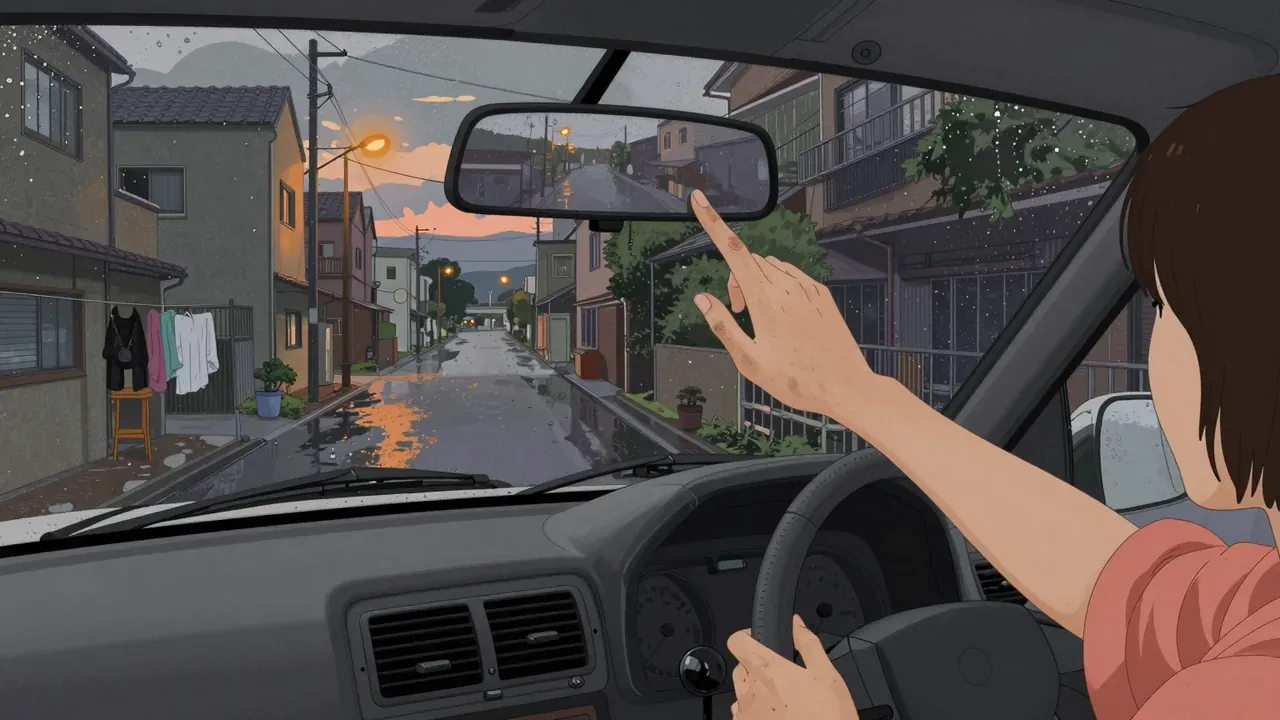
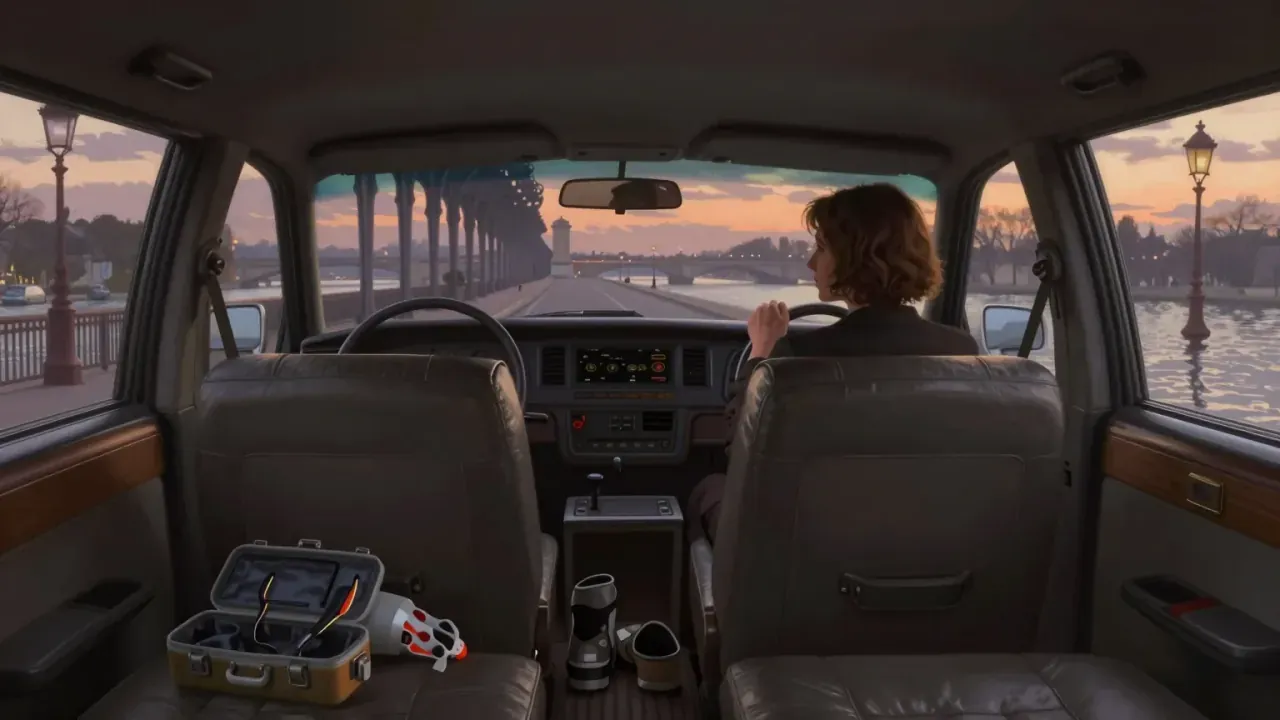
Drive My Car (2021), directed by Ryusuke Hamaguchi, follows a Tokyo theatre director who, two years after his wife’s death, accepts a residency in Hiroshima to direct a multilingual production of Uncle Vanya — required to be chauffeured in his red Saab. With Hidetoshi Nishijima and Tōko Miura, and shot by Hidetoshi Shinomiya, it unfolds across 179 patient minutes, building meaning through repetition, silence, and the physicality of speech and listening.

13:00

Enter the Dragon

Robert Clouse · 1973

A 1973 martial arts action film directed by Robert Clouse, Enter the Dragon stars Bruce Lee as a Shaolin monk infiltrating a criminal island tournament. Produced by Warner Bros. and Golden Harvest on a $850,000 budget, it fused spy-thriller structure, blaxploitation casting, and Lee’s choreographed philosophy. Though its script leans on genre shorthand and its themes remain gestural, its physical grammar — in fight staging, performance, and Schifrin’s score — endures as a benchmark. It grossed $90 million worldwide and remains culturally pivotal, preserved in the US National Film Registry.

13:00

Farewell My Concubine

Chen Kaige · 1993

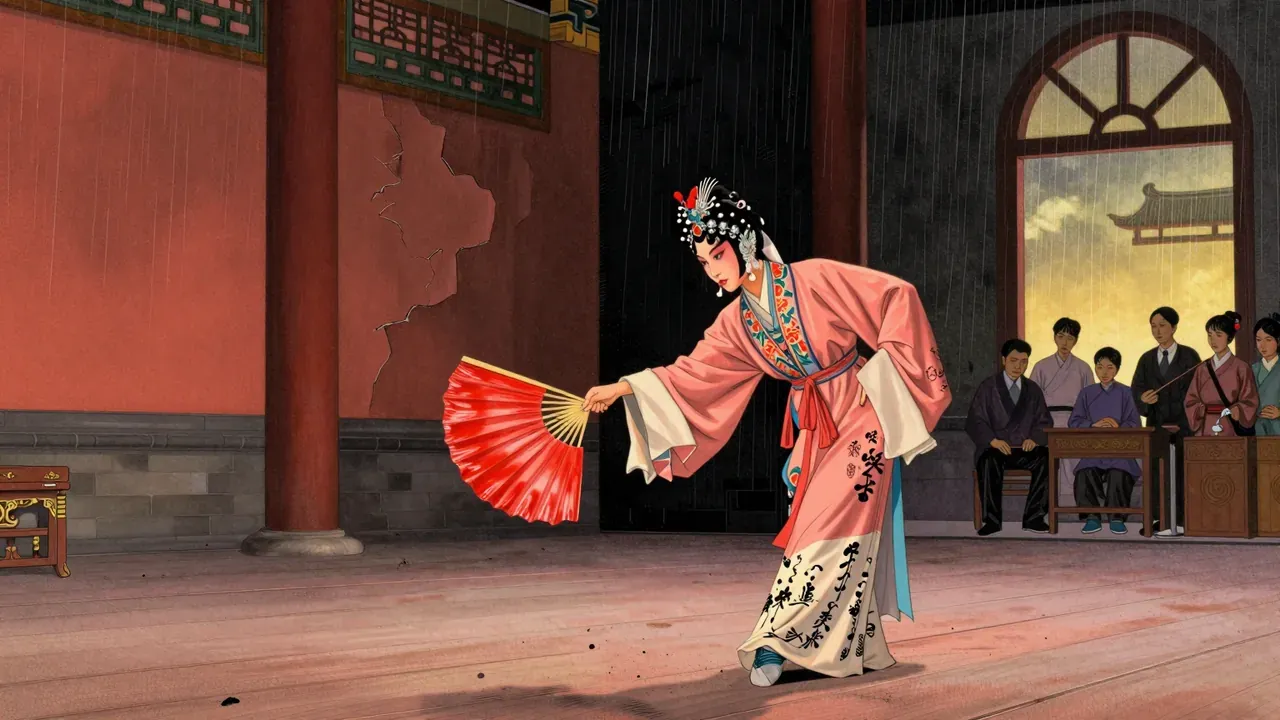
Farewell My Concubine follows two Peking opera performers across five decades of Chinese history. Their artistic partnership and fraught personal bond are tested by war, revolution, and ideological purges. Directed by Chen Kaige and starring Leslie Cheung, Zhang Fengyi, and Gong Li, it uses the formal rigour of opera as both subject and structure — tracing how discipline, repetition, and gesture sustain and ultimately shatter the self.

13:00

Fish Tank

Andrea Arnold · 2009

Andrea Arnold’s 2009 drama follows Mia, a volatile 15-year-old on a London council estate, as she navigates neglect, burgeoning desire and fleeting connection with her mother’s boyfriend. Shot on location in Tilbury with non-professional lead Katie Jarvis, it uses natural light, diegetic music and chronological structure to sustain an unflinching, physically precise portrait of adolescence shaped by class and silence.

13:00

Gertrud

Carl Theodor Dreyer · 1964

Carl Theodor Dreyer’s final film, Gertrud (1964), adapts Hjalmar Söderberg’s 1906 play into a rigorous, dialogue-driven drama about a woman who chooses absolute fidelity to her idea of love over every form of compromise. Shot in static, prolonged takes, with minimal music and muted visuals, it follows Gertrud Kanning from marital rupture through successive failed attachments to a solitary, unrepentant old age. Its power lies in its refusal to dramatise or explain—only to present, hold, and trust the viewer to attend.

13:00

Half a Loaf of Kung Fu

Chi-Hwa Chen · 1978

Half a Loaf of Kung Fu (1978) is Jackie Chan’s early experiment in kung fu slapstick: a bumbling acrobat named Jiang stumbles through a series of misadventures — spying on a witch, collecting bounties on corpses, apprenticing to a beggar — all while trying, and mostly failing, to learn kung fu. Directed by Chi-Hwa Chen and written by Chan, it parodies the genre’s gravitas with physical comedy, episodic plotting, and a refusal to treat mastery as earned rather than stumbled upon.

13:00

Jubal

Delmer Daves · 1956

Delmer Daves’s 1956 Western Jubal transposes Othello’s jealousy plot onto a cattle ranch, using CinemaScope not for spectacle but containment. Glenn Ford plays Jubal, a drifter hired as foreman, whose quiet competence provokes Rod Steiger’s resentful Pinky and triggers Ernest Borgnine’s fatal misreading of his wife’s loyalty. With minimal score, naturalistic lighting and restrained performances, the film builds tension through gesture and silence — not action — culminating in a morally ambiguous resolution that refuses catharsis or clarity.

13:00

My Lucky Stars

Sammo Hung · 1985

My Lucky Stars (1985) is a Hong Kong action comedy directed by Sammo Hung, starring Hung, Jackie Chan, Yuen Biao, Eric Tsang, Stanley Fung, Richard Ng, Charlie Chin, and Sibelle Hu. Built around the 'Five Lucky Stars' troupe, it follows their reluctant deployment to Tokyo to rescue a kidnapped officer from a yakuza group operating beneath an amusement park. Though Jackie Chan’s role is brief, the film showcases tightly coordinated group choreography, broad but precise comic timing, and inventive use of Fuji-Q Highland’s architecture. It prioritises physical logic over narrative coherence and communal rhythm over individual arc.

13:00

Nayak

Satyajit Ray · 1966

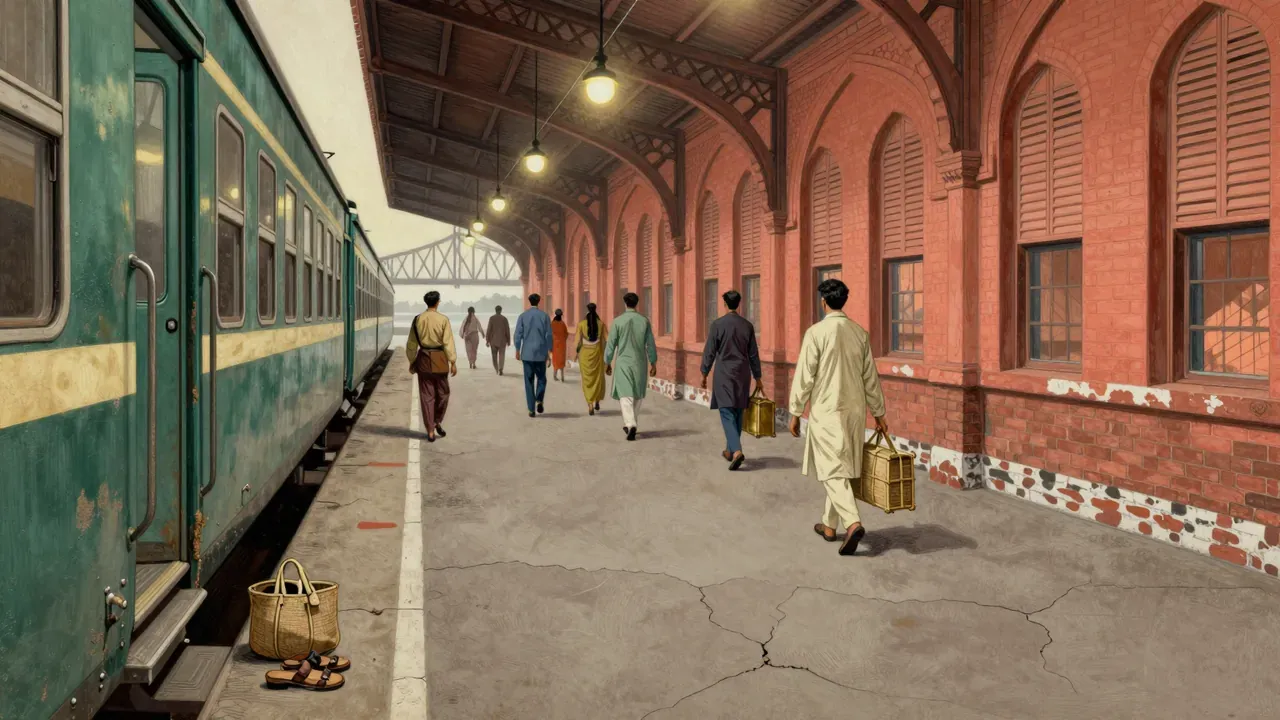
Satyajit Ray’s 1966 drama follows Bengali film star Arindam Mukherjee on an overnight train to receive a national award. Over 113 minutes, he unravels in conversation with a young journalist, revealing insecurities, regrets, and contradictions beneath his celebrity facade. Shot in studio-built train compartments with precise, unhurried craft, the film treats fame as erosion rather than triumph — and intimacy as fleeting, not redemptive.

13:00

Now, Voyager

Irving Rapper · 1942

Now, Voyager (1942) follows Charlotte Vale’s transformation from a cowed Boston heiress into a composed, quietly autonomous woman, guided by therapy, a transatlantic cruise, and a chaste, enduring bond with a married architect. Directed by Irving Rapper and starring Bette Davis, it avoids melodrama in favour of psychological precision, using Sol Polito’s lighting, Max Steiner’s score, and Casey Robinson’s adaptation to sustain tension in restraint. Its power lies in what it withholds — resolution, romance, catharsis — and what it insists upon: dignity as practice, care as continuity, and healing as ongoing recalibration.

13:00

On the Waterfront

Elia Kazan · 1954

On the Waterfront (1954), directed by Elia Kazan and written by Budd Schulberg, follows ex-prizefighter Terry Malloy as he confronts his complicity in union violence on the Hoboken docks. Shot on location in black-and-white by Boris Kaufman, with a sparse score by Leonard Bernstein, it charts Terry’s slow, painful shift from silence to testimony. Marlon Brando’s performance redefined screen acting through physical restraint and vocal hesitation. Though anchored in 1950s labour politics, its concerns — loyalty, shame, dignity, and the bodily reality of conscience — remain immediate.

13:00

Opening Night

John Cassavetes · 1977

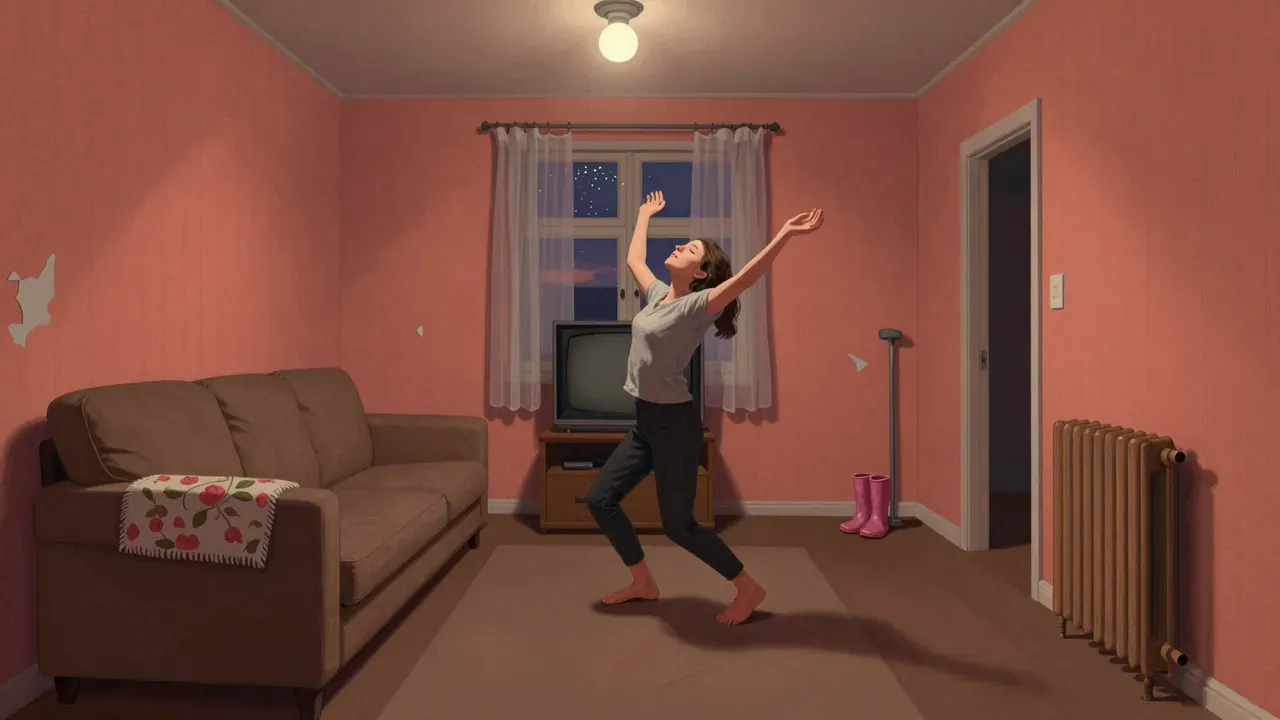
John Cassavetes’ 1977 film follows actress Myrtle Gordon through a week of mounting disintegration before her Broadway premiere. Shot on location in California, it stars Gena Rowlands in a performance of extraordinary physical and psychological fidelity. With no exposition, no score to guide feeling, and no narrative resolution, it treats performance, grief, and ageing as overlapping states of being — not problems to solve, but conditions to inhabit.

13:00

Port of Flowers

Keisuke Kinoshita · 1943

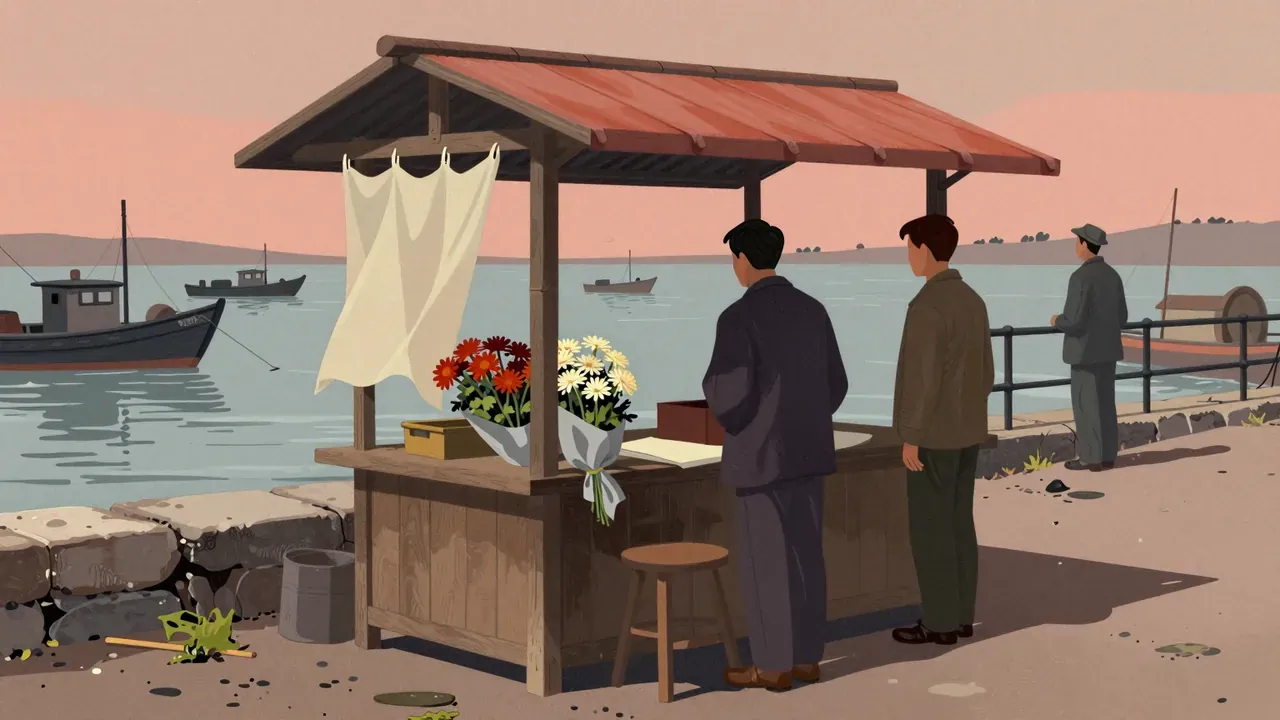
Port of Flowers (1943), directed by Keisuke Kinoshita for Shochiku, is a restrained domestic drama set in a Japanese port town during wartime. Starring Eitarō Ozawa and Ken Uehara, it traces quiet exchanges between two men bound by memory, duty, and proximity rather than plot. With no credited score and minimal sound design, the film relies on duration, composition, and performance to evoke continuity amid uncertainty. Its themes — care as routine, loyalty as repetition, time as tide — emerge through accumulated detail, not exposition. It is neither propaganda nor protest, but a sustained act of attention to what endures when history narrows.

13:00

Richard III

Laurence Olivier · 1955

Laurence Olivier’s 1955 Richard III is a Technicolor, 161-minute British drama adapting Shakespeare with material from Henry VI, Part 3. Olivier directs, produces and stars, supported by Ralph Richardson, Claire Bloom and John Gielgud. Otto Heller’s cinematography and William Walton’s score reinforce the film’s theatrical intensity. Though heavily cut for pace and focus, it remains a landmark in Shakespearean adaptation — acclaimed at release, awarded five major prizes, and later reappraised as Olivier’s finest screen Shakespeare.

13:00

Samurai II: Duel at Ichijoji Temple

Hiroshi Inagaki, Jun Fukuda · 1955

Samurai II: Duel at Ichijoji Temple (1955), directed by Hiroshi Inagaki and Jun Fukuda, is the second part of Toho’s Samurai Trilogy. Starring Toshirō Mifune as Miyamoto Musashi, it follows his path from provincial fighter to disciplined swordsman through a series of duels, betrayals, and quiet reckonings in Kyoto and its surrounds. Adapted from Eiji Yoshikawa’s novel, it foregrounds ethical growth over spectacle — emphasising waiting, withdrawal, and sparing life as acts of mastery. Ikuma Dan’s score, Kisaku Itō’s production design, and Tokuho Azuma and Yoshio Sugino’s choreography support a vision of jidaigeki grounded in physical truth and moral ambiguity.

13:00

Spiritual Kung Fu

Lo Wei · 1978

Spiritual Kung Fu (1978) is a Lo Wei-directed Hong Kong martial arts comedy starring Jackie Chan as Yi-lang, a quick-witted Shaolin student who learns the Five Style Fists from five spectral masters. Made early in 1978 but shelved due to budget constraints, it was released late that year after Chan’s breakout success in Snake in the Eagle’s Shadow. The film blends slapstick, modest special effects, and clear, varied fight choreography — with Yuen Biao uncredited as one of the ghostly instructors. Its strengths lie in Chan’s timing and the functional integration of animal-style kung fu; its weaknesses are thin motivation and underdeveloped lore. It is a transitional work — technically assured, thematically light, and structurally coherent.

13:00

The Big Boss

Lo Wei · 1971

Bruce Lee’s 1971 debut for Golden Harvest, filmed in rural Thailand, establishes his screen persona through disciplined physicality rather than dialogue or psychology. Directed by Lo Wei with functional clarity, it tells a simple revenge story among Chinese migrant workers, using sparse settings and extended fight sequences to foreground Lee’s stamina, timing and presence. Its strengths lie in authenticity of effort and historical significance as the catalyst for Hong Kong’s martial arts boom — not in narrative depth or thematic elaboration.

13:00

The Blade

Tsui Hark · 1995

Tsui Hark’s 1995 The Blade is a deliberately abrasive, tactile reworking of the one-armed swordsman trope. Vincent Zhao plays a blacksmith who loses his arm seeking vengeance, then remakes himself — and his broken sword — through embodied trial rather than tradition. Shot with frenetic close-ups and saturated gels, edited with jagged urgency, and scored with percussive austerity, it prioritises physical truth over narrative clarity. Though structurally loose in places and narratively opaque at times, its power lies in its insistence on weight, friction, and the quiet dignity of walking away.

13:00

The Fearless Hyena

Jackie Chan · 1979

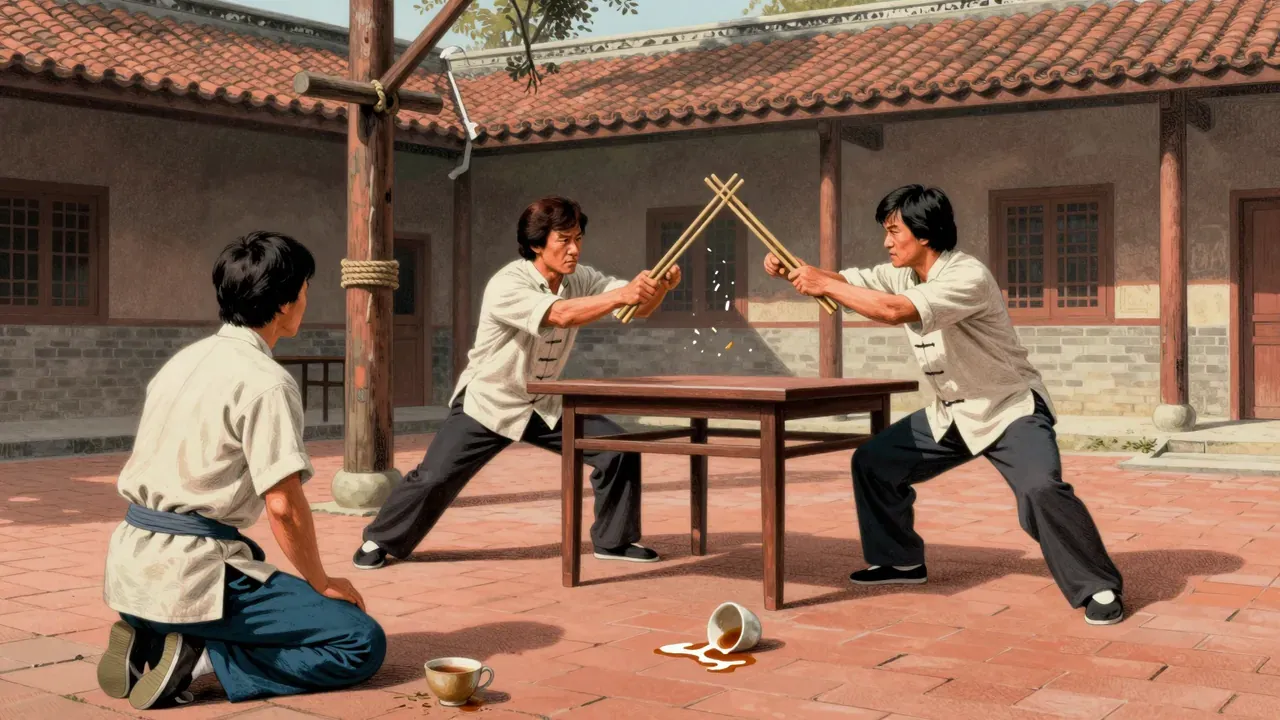
Jackie Chan’s 1979 directorial debut is a Hong Kong action comedy built around his own body as instrument, prop, and punchline. It follows a reckless martial arts student whose flaws drive both plot and fight design — gambling, disobedience, and emotional volatility become narrative engines. Though its revenge arc feels tacked-on and its supporting characters thinly drawn, its slapstick-infused choreography (chopsticks duels, cross-dressing, ‘Emotional Kung-Fu’) remains inventive and influential. Shot with functional clarity by Jung-Shu Chen and scored with brassy levity by Frankie Chan, it is a pragmatic, performer-first film — uneven, urgent, and foundational.

13:00

The Golden Coach

Jean Renoir · 1952

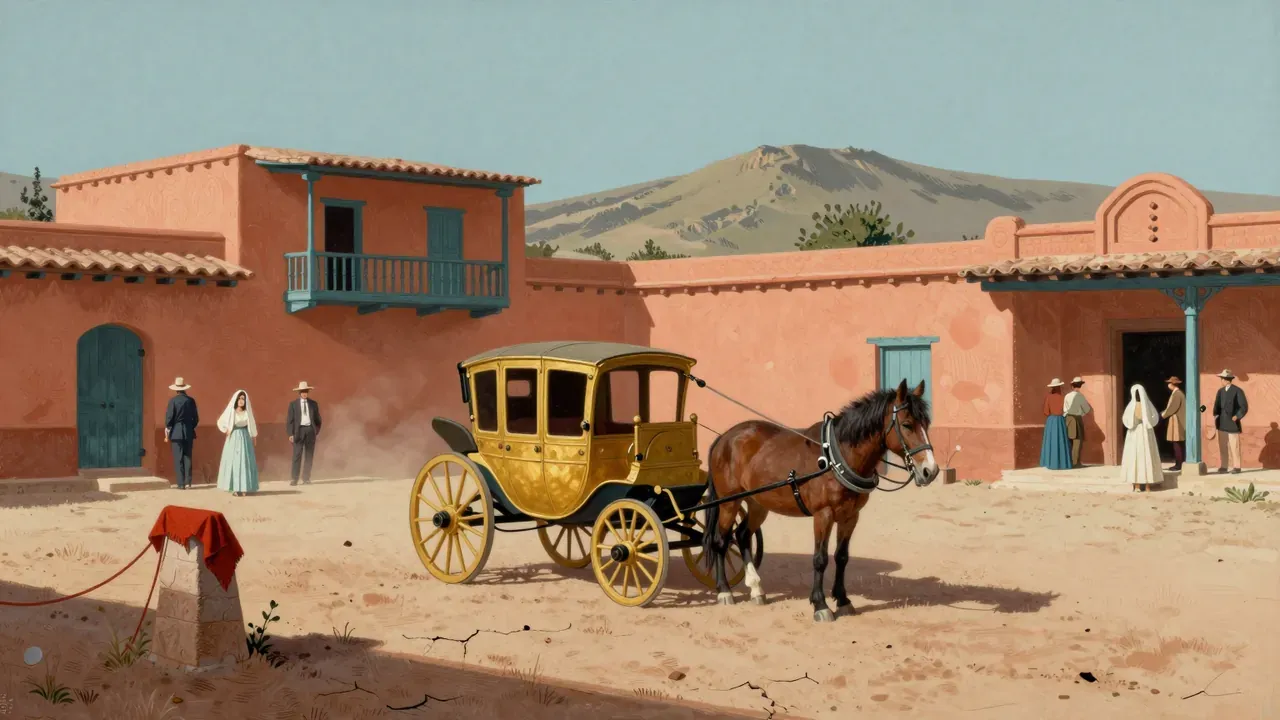
Jean Renoir’s 1952 film follows an Italian commedia troupe arriving in colonial Peru, where their performances intersect with the Viceroy’s court, local bullfighting culture, and a magnificent golden coach. Shot in Technicolor at Cinecittà, it uses Vivaldi’s music, Claude Renoir’s cinematography, and Anna Magnani’s precise performance to explore the porous boundary between acting and living — not as a critique of illusion, but as an affirmation of its necessity.

13:00

The Heroic Trio

Johnnie To · 1993

Johnnie To’s 1993 action film stars Michelle Yeoh, Anita Mui, and Maggie Cheung as a trio of heroines confronting a subterranean tyrant who kidnaps imperial infants. Stylised rather than schematic, it prioritises choreographic precision, costume-as-character, and tonal volatility over psychological realism or narrative tidiness. Its strengths lie in physical presence and visual density; its weaknesses in underdeveloped motivation and unresolved thematic ambition. It remains a singular artefact of early-90s Hong Kong genre reinvention.

13:00

The Killing of a Chinese Bookie

John Cassavetes · 1976

John Cassavetes’s 1976 crime film follows strip club owner Cosmo Vittelli as he navigates a mob debt, a botched hit, and the slow collapse of his carefully curated persona. Shot by Al Ruban and scored by Bo Harwood, it privileges duration, physicality, and ambiguity over narrative payoff. The 108-minute 1978 re-edit is the standard version, though both cuts exist in Criterion’s box set. Ben Gazzara’s performance anchors a film less about crime than about the labour of sustaining identity under pressure.

13:00

The Last Command

Josef von Sternberg · 1928

The Last Command (1928), directed by Josef von Sternberg and starring Emil Jannings, follows a fallen Russian grand duke reduced to working as a Hollywood extra. When cast to play his former self, memory and reality blur, culminating in a fatal breakdown on set. Shot in five weeks with Bert Glennon’s precise cinematography, it is a tightly wound study of identity, power, and performance — awarded the first Best Actor Oscar and preserved in the US National Film Registry.

13:00

The Rise of Catherine the Great

Paul Czinner · 1934

The Rise of Catherine the Great (1934) is a UK-produced biographical drama directed by Paul Czinner and produced by Alexander Korda. Starring Elisabeth Bergner as Catherine, Douglas Fairbanks Jr. as Grand Duke Peter, and Flora Robson as Empress Elizabeth, it adapts a 1912 Hungarian play to trace Catherine’s path from German princess to Russian empress. Shot by Georges Périnal with music by Ernst Toch, the film privileges interiority over action, restraint over spectacle, and performance over exposition.

13:00

The Tale of Zatoichi Continues

Kazuo Mori · 1962

The Tale of Zatoichi Continues (1962), directed by Kazuo Mori and starring Shintarō Katsu, is the second entry in Daiei Film’s long-running series. Returning one year after the first film, Zatōichi visits Joshoji Temple to pay respects, crosses paths with his one-armed brother Yoshirō, and navigates threats from a mad lord’s retainers and local yakuza. With a lean 72-minute runtime, tight framing, and Ichirō Saitō’s restrained score, it prioritises gesture over exposition and recurrence over revelation — deepening the character not through backstory but through repetition, silence, and consequence.

13:00

The Young Master

Jackie Chan · 1980

Jackie Chan’s 1980 directorial effort The Young Master marks his debut for Golden Harvest and refines his signature blend of martial arts, comedy, and stunt-driven storytelling. As Dragon, Chan navigates fraternal betrayal, mistaken identity, and a punishing final duel with criminal Kam — all staged with growing control over choreography, editing, and physical expression. Though some plot elements remain underdeveloped and tonal shifts occur, the film’s commitment to grounding action in consequence and character makes it a vital milestone in Hong Kong action cinema.

13:00

Tootsie

Sydney Pollack · 1982

A struggling New York actor disguises himself as a woman to land a soap opera role, then finds his assumptions about gender, work, and relationships upended by the sheer effort of sustaining the performance. Directed by Sydney Pollack and starring Dustin Hoffman, Jessica Lange, and Teri Garr, it balances sharp social observation with grounded comic timing and emotional honesty.

13:00

Vanya on 42nd Street

Louis Malle · 1994

Louis Malle’s final film documents Andre Gregory’s long-term workshop on Chekhov’s Uncle Vanya, shot in the derelict New Amsterdam Theatre with Wallace Shawn, Julianne Moore, and others. It preserves the rhythms of rehearsal — interruption, repetition, uncertainty — rather than staging a polished performance. Declan Quinn’s restrained cinematography and Joshua Redman’s sparse saxophone score support a film that values duration, silence, and the physical reality of a decaying space over narrative propulsion or dramatic resolution.
13:00

Way of the Dragon

Bruce Lee · 1972

Bruce Lee’s 1972 directorial debut Way of the Dragon is a Hong Kong–produced action film set in Rome, built around extended, uncut fight sequences — most famously the Colosseum duel with Chuck Norris. Written and co-produced by Lee, it follows a martial artist who defends a Chinese restaurant from local gangsters. Economical in plot and restrained in performance, it prioritises physical clarity over psychological exposition. Though its emotional scaffolding is thin and its character arcs minimal, its formal control and choreographic authority remain unmatched in Lee’s filmography.

13:00

Zatoichi and the One-Armed Swordsman

Kimiyoshi Yasuda · 1971

A Japanese–Hong Kong co-production starring Shintarō Katsu and Jimmy Wang Yu, this 1971 chambara-wuxia crossover stages a deliberate, unresolved encounter between two iconic swordsmen from separate cinematic traditions. Set in rural Japan, it follows Zatoichi and Wang Kang as they misread, clash, and briefly align against corrupt yakuza and a predatory priest — all without shared language or cultural framework. Its strength lies in physical storytelling and choreographic contrast; its limitation is its refusal to bridge the conceptual gap it so carefully constructs.

13:00

Zatoichi at Large

Kazuo Mori · 1972

The twenty-third Zatoichi film, released in 1972 under Toho after two decades with Daiei, follows the blind swordsman as he delivers a newborn to its kin after its mother’s death. Directed by Kazuo Mori and starring Shintarō Katsu and Rentarō Mikuni, it tightens narrative cause-and-effect but retains the series’ unadorned style and ritualised structure. While its central act of care gains quiet power, the climactic duel feels tacked-on, and thematic development remains incremental. It is a film of maintenance, not transformation.

13:00

Zatoichi Challenged

Kenji Misumi · 1967

The seventeenth Zatoichi film sees Shintarō Katsu’s blind swordsman escort a boy to his imprisoned father in Maebara, confronting corrupt officials, a yakuza boss, and finally his old friend Akazuka in a snowbound duel. Directed by Kenji Misumi with disciplined framing and Akira Ifukube’s sparse score, it sustains the series’ formal rigour while exposing the limits of its formula — rewarding deep familiarity more than first-time engagement.

13:00

Zatoichi Meets Yojimbo

Kihachi Okamoto · 1970

Kihachi Okamoto’s 1970 jidaigeki brings together Shintarō Katsu’s blind swordsman Zatoichi and Toshirō Mifune’s sardonic rōnin Daisaku Sasa in a tightly wound, rain-drenched confrontation. Neither man yields his nature; their duel ends in mutual injury, not revelation. The film privileges physical storytelling over exposition, with Akira Ifukube’s restrained score and Yoshinobu Nishioka’s weathered production design reinforcing its unsentimental tone. While some subplots falter, the central performances — grounded, economical, deeply embodied — make it a singular exercise in genre contrast.

13:00

Zatoichi on the Road

Kimiyoshi Yasuda · 1963

The fifth Zatoichi film follows the blind swordsman as he escorts a young woman fleeing a lord’s wrath, navigating rival yakuza factions and his own reluctant reputation. Directed by Kimiyoshi Yasuda and starring Shintarō Katsu, it sustains the series’ lean, episodic structure — prioritising quiet character beats and economical action over exposition or thematic expansion. Its strength is in restraint: in Katsu’s understated performance, Ifukube’s sparse score, and Yasuda’s unadorned framing. It presumes familiarity with the character and his world, offering continuity rather than reinvention.

13:00

Zatoichi the Fugitive

Tokuzō Tanaka · 1963

Zatoichi the Fugitive (1963), the fourth film in Daiei’s long-running chambara series, follows the blind swordsman as he enters a yakuza-controlled town, wins a sumo match, kills a bounty hunter, confronts a grieving matriarch, and becomes entangled in a succession crisis. Directed by Tokuzō Tanaka and starring Shintarō Katsu, it relies on precise staging, sparse music by Akira Ifukube, and performances rooted in implication rather than declaration. Its strength lies in economy: every scene advances moral or social logic, not just plot. It assumes familiarity with the character’s ethos and rewards attention to gesture, silence, and recurring motifs — making it essential viewing within the series, but less accessible in isolation.

13:00

Zatoichi's Flashing Sword

Kazuo Ikehiro · 1964

The seventh Zatoichi film finds Shintarō Katsu’s blind swordsman recovering from an ambush, taking refuge in a riverside town, and becoming entangled in a feud between rival bosses over control of a river crossing. Directed with unshowy precision by Kazuo Ikehiro and written by Minoru Inuzuka, it leans on the series’ established grammar — terse dialogue, tactile action, moral economy — rather than expanding its scope. The fireworks promised early on become both deadline and motif, framing a climax that is less about vengeance than restoration of balance. It is a work of continuity, not rupture.

13:00

A Woman Under the Influence

John Cassavetes · 1974

John Cassavetes’ 1974 drama follows Mabel Longhetti, a Los Angeles housewife whose behaviour grows increasingly erratic, straining her marriage and triggering her involuntary commitment. Starring Gena Rowlands and Peter Falk, it was independently financed, shot on location with non-professional actors, and edited from a three-hour cut to 155 minutes. Its power lies in sustained, unflinching observation — not psychological exposition — rendering mental distress as lived, domestic, and profoundly relational.

13:00

City Lights

Charlie Chaplin · 1931

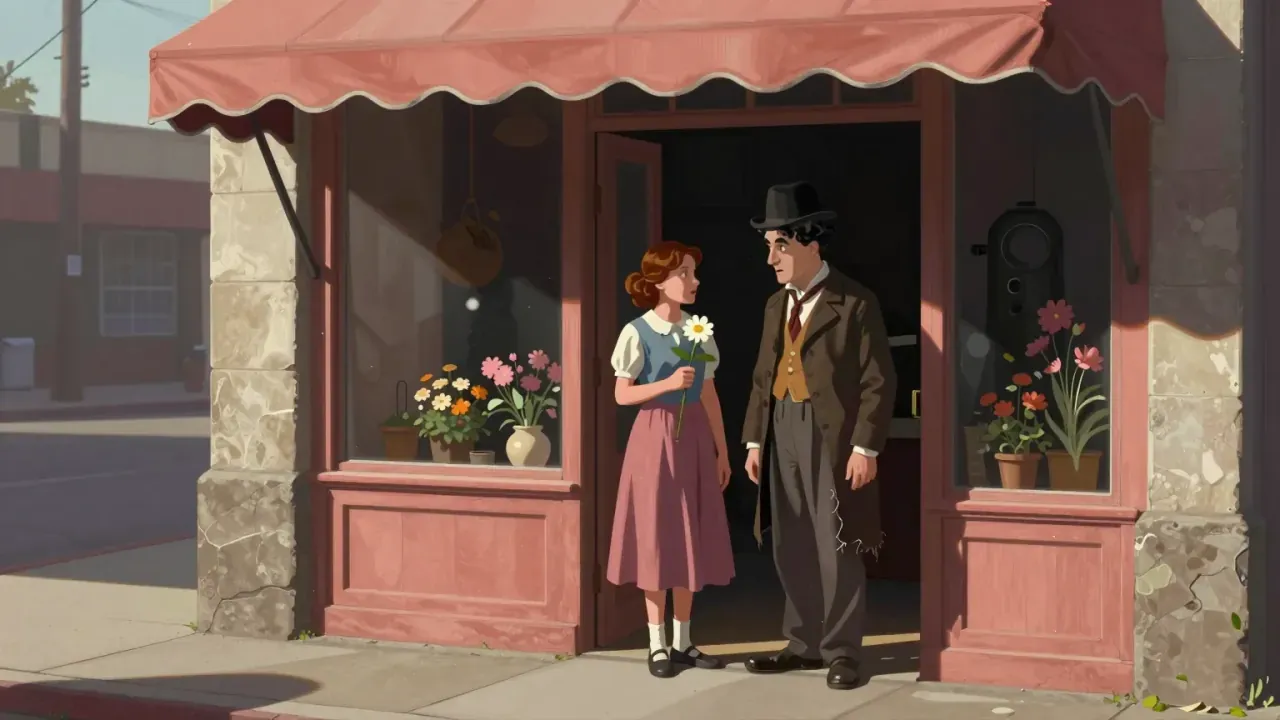
A 1931 silent romantic comedy-drama written, directed by and starring Charlie Chaplin. Though released after the arrival of sound cinema, it uses no spoken dialogue, relying instead on physical performance, intertitles, and a composed musical score. The Tramp falls for a blind flower seller and forms a volatile bond with a drunken millionaire. Its final scene — the flower girl’s first sighted meeting with the Tramp — is widely regarded as one of cinema’s most accomplished moments of wordless emotional storytelling.

13:00

Come Drink with Me

King Hu · 1966

King Hu’s 1966 wuxia classic Come Drink with Me redefined martial arts cinema through disciplined choreography, spatial economy, and restrained storytelling. Starring Cheng Pei-pei as Golden Swallow, it follows her rescue of a kidnapped magistrate’s son amid Buddhist temples, inns, and coded songs — all staged with balletic precision and shot by Tadashi Nishimoto for Shaw Brothers Studio. Its influence is foundational, but its power lies in what it refuses: exposition, sentimentality, and speed.

13:00

Drunken Master

Yuen Woo-ping · 1978

Drunken Master (1978) is a Hong Kong action comedy directed by Yuen Woo-ping and starring Jackie Chan as the young Wong Fei-hung. Forced into brutal tutelage under the eccentric Beggar So (Yuen Siu-tien), Wong endures punishing training in a fictionalised 'Drunken Boxing' style before facing a lethal rival. The film’s enduring power lies in its choreographic intelligence, its commitment to physical cause-and-effect, and its depiction of skill as something metabolised through repetition, failure, and synthesis — not bestowed or discovered.

13:00

Face/Off

John Woo · 1997

John Woo’s 1997 action thriller Face/Off stars John Travolta and Nicolas Cage as an FBI agent and terrorist who swap faces via experimental surgery. Built on operatic violence, precise choreography, and dual performances of startling commitment, it uses identity exchange as narrative engine rather than philosophical probe. Shot by Oliver Wood and scored by John Powell, it balances absurd premise with rigorous craft — delivering coherent, emotionally charged set pieces across 133 minutes. Though thin on thematic depth and scientific rigour, its confidence, control, and clarity make it a durable artefact of late-20th-century studio action cinema.

13:00

Hard Boiled

John Woo · 1992

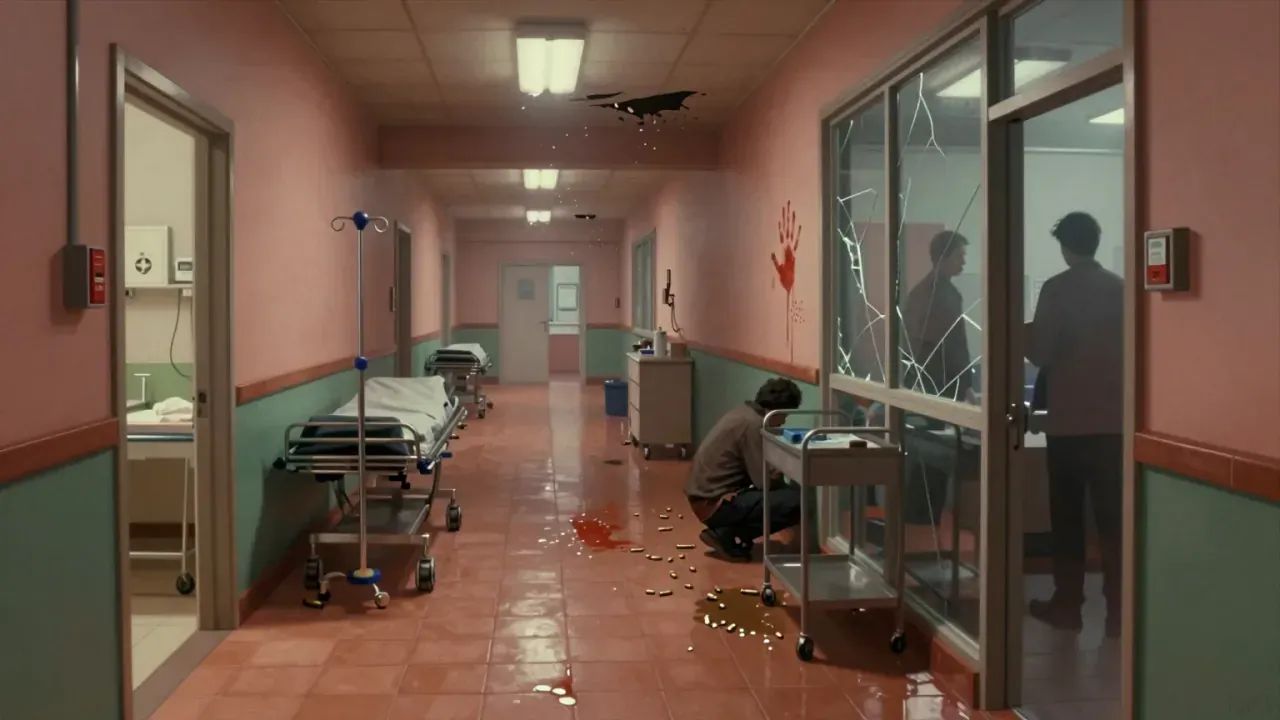
John Woo’s 1992 Hong Kong action film stars Chow Yun-fat as Inspector Tequila, a jazz-playing cop pursuing a Triad syndicate alongside undercover officer Alan (Tony Leung). Shot over 123 days, its defining sequence — a five-minute hospital shootout — exemplifies its commitment to spatial coherence and physical storytelling. Though conceived as a ‘Dirty Harry’-style police centrepiece, its improvisational production left thematic threads unresolved. Still, its influence on action cinema remains foundational.

13:00

Holy Motors

Leos Carax · 2012

A man named Oscar spends a day in Paris performing nine radically different roles — beggar, assassin, dying patriarch, sewer-dweller — in a white limousine driven by Céline. There are no cameras, no audiences, no explanations. Directed by Leos Carax and starring Denis Lavant, the film treats acting as endurance, identity as costume, and technology as both tool and tomb. Shot digitally in Paris, it premiered at Cannes in 2012 and won Best Feature at Sitges.

13:00

Police Story

Jackie Chan · 1985

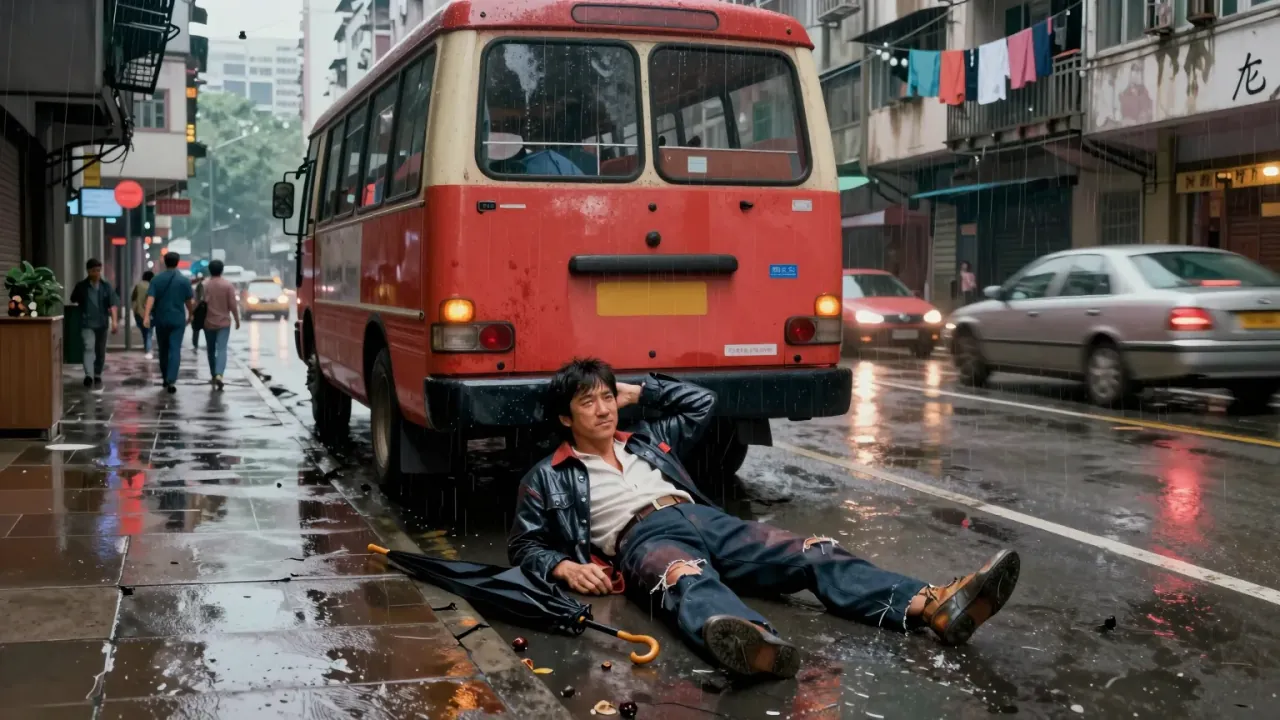
Jackie Chan’s 1985 Police Story is a Hong Kong action comedy structured around large-scale, practical stunts — a shantytown chase, a bus stop, and a shopping mall fight culminating in a pole slide through exploding lights. Written by Chan and Edward Tang, it follows Sergeant Chan Ka-Kui as he clears his name after being framed, using physical endurance rather than procedural logic. Yiu-Tsou Cheung’s cinematography and Peter Cheung’s editing prioritise legibility over flair, grounding each stunt in cause and consequence. It won Best Film at the 1986 Hong Kong Film Awards and remains influential for its commitment to tangible risk.

13:00

The Killer

John Woo · 1989

John Woo’s 1989 Hong Kong action film follows a professional assassin who, after accidentally blinding a nightclub singer, pledges to fund her corneal transplant — a promise that draws him into lethal conflict with both triads and police. Stylised, morally austere, and formally rigorous, it treats violence as ritual and loyalty as sacred debt. Shot by Peter Pau and scored by Lowell Lo, it stars Chow Yun-fat, Sally Yeh, and Danny Lee.

13:00

Certified Copy

Abbas Kiarostami · 2010

Abbas Kiarostami’s 2010 film follows a British writer and a French antiques dealer through a single day in Tuscany. Their conversation begins as polite intellectual exchange, then slips — without announcement — into the rhythms of a long-married couple. Shot in natural light with minimal intervention, the film tests how identity, memory and intimacy are sustained not by fact but by repetition, gesture and shared silence.

13:00

Faces

John Cassavetes · 1968

John Cassavetes’ 1968 drama Faces tracks the quiet implosion of a middle-class marriage across two fractured nights in Los Angeles. Shot on stark black-and-white 16mm, it relies on durational realism, unvarnished performances — including debutant Lynn Carlin — and a refusal of narrative resolution. Its power lies in accumulation: hesitation, repetition, silence, and the physical weight of unspoken tension.
13:00

Fargo

Joel Coen, Ethan Coen · 1996

Fargo (1996) is a black comedy crime film written and directed by Joel and Ethan Coen. Set in Minnesota during a harsh winter, it follows a bungled kidnapping scheme orchestrated by car salesman Jerry Lundegaard, and the subsequent investigation led by pregnant police chief Marge Gunderson. Shot by Roger Deakins and scored by Carter Burwell, the film balances deadpan humour with sudden violence, sustained by precise dialogue, regional dialect coaching and an unblinking visual style. Though framed as 'based on a true story', it is entirely fictional — a fable about incompetence, complicity and quiet integrity.
13:00

Funny Girl

William Wyler · 1968

Funny Girl (1968), directed by William Wyler, adapts the Fanny Brice story into a romantic musical drama starring Barbra Streisand in her film debut. It charts her rise from Brooklyn vaudeville to Ziegfeld stardom and her turbulent marriage to Nicky Arnstein (Omar Sharif). With music by Jule Styne and a script by Isobel Lennart, the film privileges psychological realism over musical convention — its camerawork is tight and unshowy, its performances grounded, its emotional arcs unresolved. Though commercially huge and critically lauded — winning Streisand the Best Actress Oscar — it remains a singular, deliberate work: more portrait than pageant, more rehearsal than revue.

13:00

The Lighthouse

Robert Eggers · 2019

Robert Eggers’ 2019 black-and-white horror follows two lighthouse keepers—Willem Dafoe and Robert Pattinson—stranded together in isolation, their relationship fracturing under storm, duty, and buried desire. Shot in a near-square 1.19:1 aspect ratio on 35 mm film with custom optical filters, it uses period-accurate dialect, oppressive sound design, and unrelenting close-ups to render descent as sensory inevitability. Its themes orbit masculinity, hierarchy, myth, and the sea as unconscious force.

13:00

The Thin Man

W. S. Van Dyke, Lesley Selander · 1934

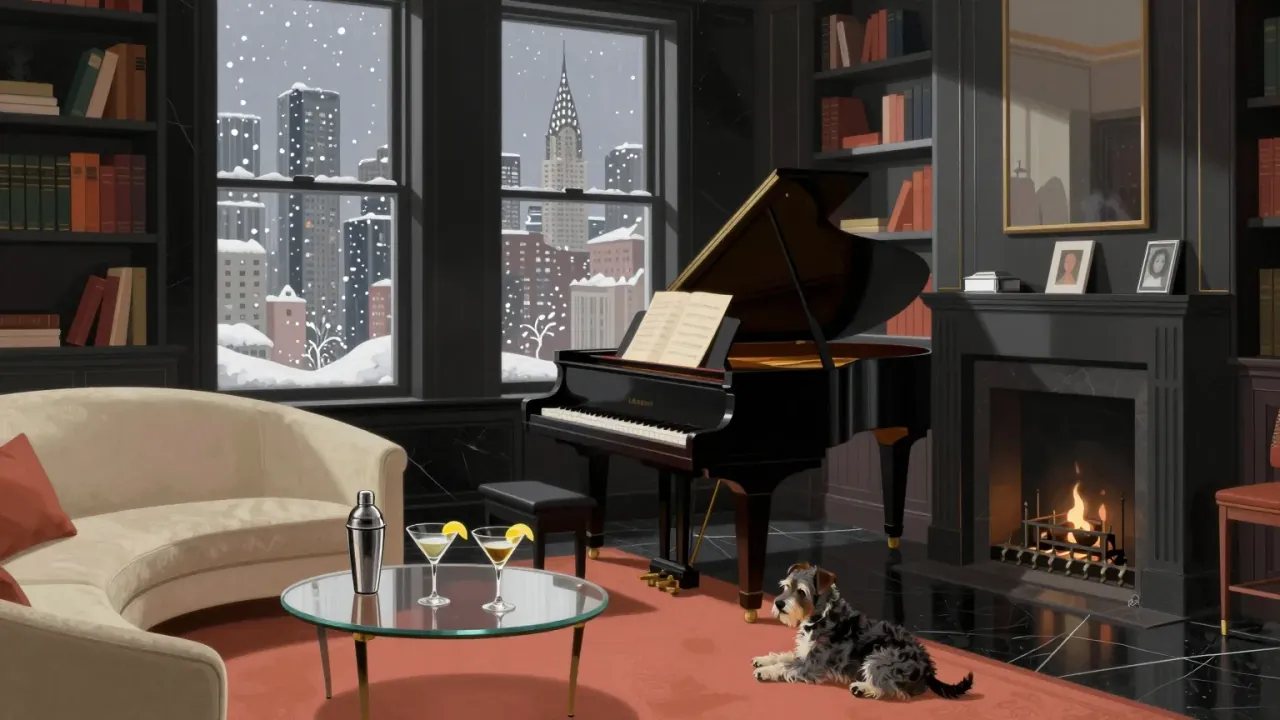
The Thin Man (1934) is a Metro-Goldwyn-Mayer comedy-mystery starring William Powell and Myrna Loy as Nick and Nora Charles, a witty, well-heeled couple who stumble into a murder investigation during a Christmas trip to New York. Based on Dashiell Hammett’s novel and directed by W.S. Van Dyke, the film prioritises their effortless rapport over plot intricacy, using the detective framework to sustain banter, charm, and domestic ease. James Wong Howe’s cinematography and Van Dyke’s spontaneous direction reinforce its light, confident tone.

13:00

Top Gun: Maverick

Joseph Kosinski · 2022

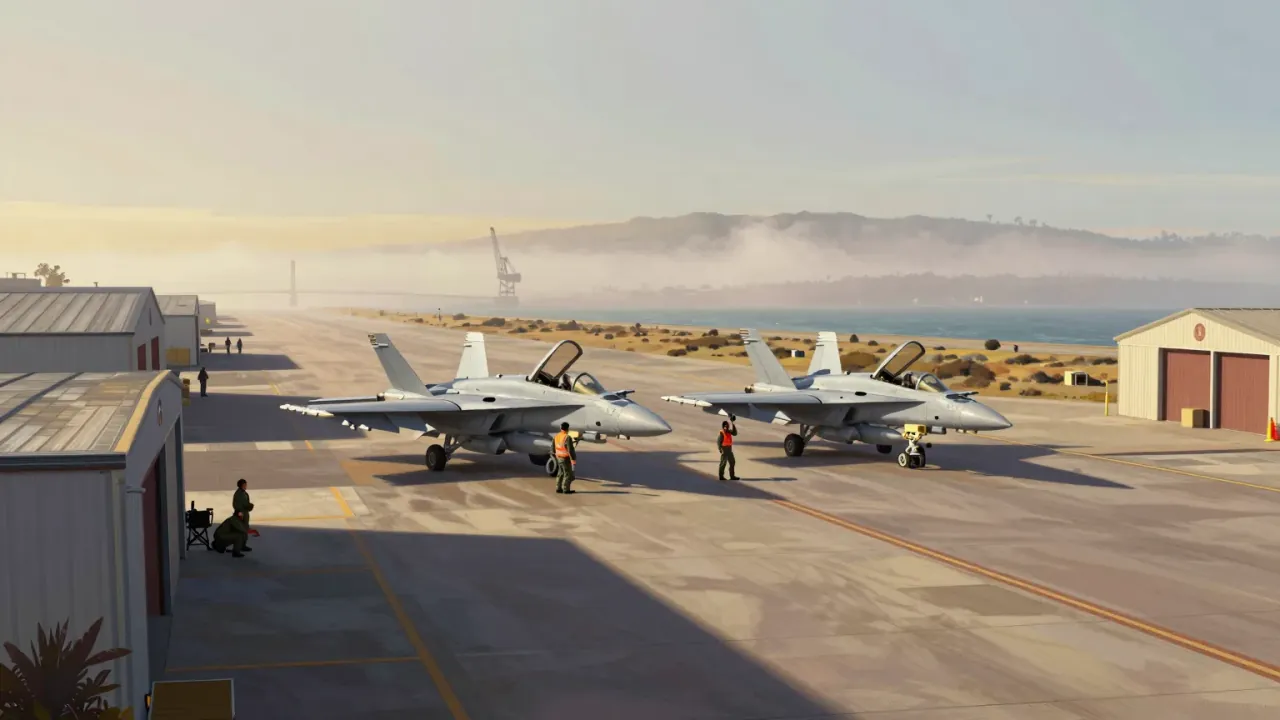
Top Gun: Maverick is a 2022 action film directed by Joseph Kosinski, starring Tom Cruise as Pete 'Maverick' Mitchell, now a test pilot tasked with training a new generation of naval aviators for a high-risk mission. Built around real-flight cinematography, disciplined editing, and a tightly structured narrative, it prioritises physical storytelling and emotional legibility over thematic ambiguity. It earned widespread critical praise, five major awards including an Oscar for Best Sound, and $1.44bn at the global box office.
13:00

Aladdin

John Musker, Ron Clements · 1992

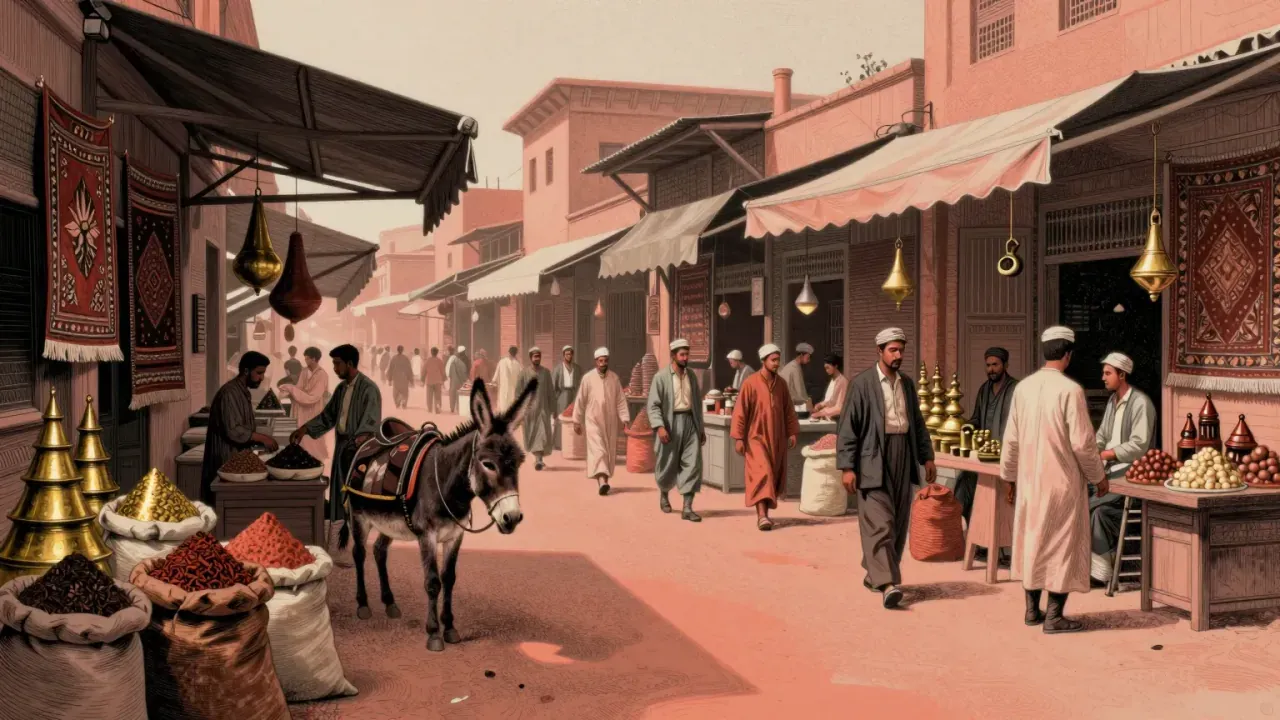
John Musker and Ron Clements's 1992 musical follows a street thief who finds a genie's lamp and poses as a prince to court Princess Jasmine while the vizier Jafar schemes to steal the lamp for himself. Rewritten entirely on a compressed schedule after a studio-mandated overhaul, it became the highest-grossing film of 1992 and the first animated feature to cross half a billion dollars worldwide.