filmbriefs
Topic

Feminism

A century of argument about what equality would actually require.

74
in film
13:00
average
962 min
in total
122
across the network
Feminism across the network →
All briefs74
13:00

20th Century Women

Mike Mills · 2016

Set in 1979 Santa Barbara, Mike Mills’ 20th Century Women follows 15-year-old Jamie as his single mother Dorothea enlists two younger women — photographer Abbie and teenage friend Julie — to help raise him. Anchored by Annette Bening’s restrained performance, the film observes their overlapping lives with warmth and precision, treating feminism, illness, ageing and adolescence as lived conditions rather than themes. Shot by Sean Porter and edited by Leslie Jones, it moves at the pace of real conversation, building meaning through accumulation rather than climax.
13:00

4 Months, 3 Weeks and 2 Days

Cristian Mungiu · 2007

Set in Communist Romania in 1987, 4 Months, 3 Weeks and 2 Days follows two university students as they arrange an illegal abortion under Decree 770. Directed by Cristian Mungiu and shot by Oleg Mutu in long, unbroken takes, it avoids exposition, music and close-ups to render the physical and moral weight of the act with unsentimental precision. The film won the Palme d'Or at Cannes in 2007 and remains a benchmark of Romanian New Wave austerity.
13:00

A Woman Is a Woman

Jean-Luc Godard · 1961

Jean-Luc Godard’s 1961 colour debut is a self-aware, formally restless romantic comedy starring Anna Karina as Angéla, an exotic dancer determined to have a child. Shot in Paris by Raoul Coutard and scored by Michel Legrand, it uses musical interludes, abrupt edits, and stylised dialogue to interrogate genre conventions, gender roles, and the language of desire — all without relinquishing its wit or warmth.

13:00

Adoption

Márta Mészáros · 1975

Márta Mészáros’s 1975 drama follows Kata, a 42-year-old Hungarian factory worker, as she forms a bond with a teenage girl at a children’s home and pursues adoption. Shot with documentary restraint and performed with quiet intensity, it examines reproductive choice, institutional care, and the unremarked labour of kinship — all without sentimentality or resolution.

13:00

Alice Doesn't Live Here Anymore

Martin Scorsese · 1974

Martin Scorsese’s 1974 film follows widow Alice Hyatt as she travels with her son from New Mexico to California, detouring through Arizona. Working first as a lounge singer, then a diner waitress, she navigates grief, economic precarity, and tentative new relationships. Ellen Burstyn won an Academy Award for her layered, unsentimental performance. The film avoids easy resolutions, favouring psychological fidelity and quiet observation over plot mechanics or stylistic flourish.

13:00

All About My Mother

Pedro Almodóvar · 1999

Pedro Almodóvar’s 1999 film follows a nurse who, after her son’s death, seeks his transgender parent in Barcelona and becomes entwined with a community of women and men navigating illness, faith, performance, and motherhood. Shot in Spanish, it uses saturated colour, theatrical reference, and deliberate narrative coincidence to affirm care across difference — not as ideal but as daily, embodied practice.

13:00

All We Imagine as Light

Payal Kapadia · 2024

Payal Kapadia’s 2024 drama follows three women — nurses Prabha and Anu, and cook Parvaty — as they move between Mumbai’s chawls and Ratnagiri’s coast. Shot with restrained naturalism by Ranabir Das and edited with unhurried precision by Clément Pinteaux, it builds emotional resonance through duration, texture, and unspoken connection rather than plot. Premiering at Cannes, where it won the Grand Prix, it is a study in care, displacement, and the quiet dignity of ordinary endurance.

13:00

An Unmarried Woman

Paul Mazursky · 1978

Erica Benton’s marriage ends abruptly when her husband leaves for another woman. Over the next months in Manhattan, she navigates divorce, dating, motherhood and self-redefinition without grand declarations or easy answers. Directed by Paul Mazursky and anchored by Jill Clayburgh’s precise, unsentimental performance, the film observes the quiet recalibration of identity with patience and psychological fidelity.

13:00

Anatomy of a Fall

Justine Triet · 2023

Anatomy of a Fall is a 2023 French legal thriller directed by Justine Triet, following a German writer accused of murdering her French husband. Structured around a meticulously rendered courtroom trial and fragmented flashbacks to their isolated mountain home, the film interrogates how truth is assembled — and undone — through translation, testimony and institutional procedure. Sandra Hüller delivers a tightly controlled performance amid a restrained, linguistically precise production.

13:00

Bitter Rice

Giuseppe De Santis · 1949

Giuseppe De Santis’s 1949 Bitter Rice follows two thieves hiding among female rice workers in Piedmont, blending neorealist location shooting with melodramatic collapse. Silvana Mangano’s debut performance anchors a film preoccupied with labour, legality, and the corrosive allure of American cultural imports — all rendered in Otello Martelli’s stark, waterlogged visuals.

13:00

Black Moon

Louis Malle · 1975

Louis Malle’s 1975 Black Moon is a self-contained, English-language French fantasy filmed at his Dordogne estate. Cathryn Harrison plays Lily, a young woman fleeing gendered violence who stumbles into a decaying château inhabited by talking animals, resurrected elders, telepathic siblings and a judging unicorn. Shot by Sven Nykvist with deliberate under-lighting and edited for hypnotic slowness, it rejects narrative logic in favour of sustained mood and symbolic recurrence. Though divisive, it won César Awards for cinematography and sound.

13:00

Blow Up My Town

Chantal Akerman · 1968

Blow Up My Town is a 13-minute Belgian short film directed by and starring Chantal Akerman, released in 1968. Filmed in French in a single domestic interior with no edits or soundtrack, it follows a solitary woman performing mundane kitchen tasks before an off-screen explosion ends the film. It belongs to Akerman’s early structuralist period, sharing concerns with time, repetition, and the charged ordinariness of domestic space. Though obscure and formally austere, it functions as a precise calibration of attention — less a story than a sustained observation of how routine holds latent force.

13:00

Born in Flames

Lizzie Borden · 1983

Born in Flames (1983), directed and produced by Lizzie Borden, is a low-budget science fiction drama set in an alternate socialist-democratic United States ten years after revolution. It follows intersecting feminist groups — pirate radio collectives, a radical newspaper, and a militant Women’s Army — as they confront state-backed sexism, racism and classism. Shot on location in New York with non-professional performers and fragmented, urgent editing, it rejects narrative polish in favour of political precision. Its themes remain starkly relevant: media control, reproductive labour, surveillance, and the necessity of coalition across difference.

13:00

Brink of Life

Ingmar Bergman · 1958

Ingmar Bergman’s 1958 hospital drama observes three pregnant women — one miscarrying, one facing an unwanted pregnancy, one enduring a stillbirth — within the unadorned confines of a Swedish maternity ward. Shot with clinical precision by Max Wilén and written by Ulla Isaksson, it trades psychological exposition for procedural realism, letting silence, duration and restraint carry its moral weight.

13:00

Celine and Julie Go Boating

Jacques Rivette · 1974

Jacques Rivette’s 1974 film follows two women who enter a looping, magical-realist narrative housed in a Paris mansion, gradually learning its rhythms and rewriting its ending. Built on repetition, collaboration and patient observation, it models fiction as a space to inhabit rather than interpret.

13:00

Cléo from 5 to 7

Agnès Varda · 1962

Agnès Varda’s 1962 French New Wave drama follows singer Cléo Victoire across 90 minutes of real time in Paris as she awaits biopsy results. Shot in natural light with minimal score, it centres Corinne Marchand’s physically precise performance and treats dread, identity, and connection as textures to be observed, not resolved. Structurally rigorous and emotionally unhurried, it remains a landmark of feminist, humanist filmmaking.

13:00

Coup de Grâce

Volker Schlöndorff · 1976

Volker Schlöndorff’s 1976 Coup de Grâce, adapted from Marguerite Yourcenar’s novel and co-written by Margarethe von Trotta, relocates the story from Erich von Lhomond’s first-person account to Sophie von Reval’s silent, searching presence. Set in a Latvian chateau during the 1919 Freikorps campaign, it uses black-and-white cinematography, elliptical editing and muted performances to examine desire, trauma and ideological vacancy amid collapsing empires. Not a conventional war film, it holds violence at a distance and finds its force in omission, restraint and unresolved tension.

13:00

Dance, Girl, Dance

Dorothy Arzner · 1940

Dorothy Arzner’s 1940 RKO drama follows two dancers — a ballerina and a burlesque performer — navigating patronage, poverty, and prejudice in Depression-era America. Structured around contrasting performance worlds, it foregrounds labour over glamour, material constraint over romantic fantasy, and direct address over emotional exposition. Though commercially unsuccessful on release, its formal rigour and ethical clarity have secured its place as a landmark of early feminist cinema.

13:00

Gate of Flesh

Seijun Suzuki · 1964

Seijun Suzuki’s 1964 Nikkatsu drama follows a group of sex workers enforcing rigid communal rules in a bombed-out Tokyo building. When a wounded ex-soldier arrives, their fragile order fractures. Shot on a rushed schedule with deliberately artificial sets, the film uses formal restraint and allegorical structure to critique the continuity of militarised social control under Occupation. Performances are muted, editing jarring, and the ending offers no resolution — only repetition.

13:00

Girlfight

Karyn Kusama · 2000

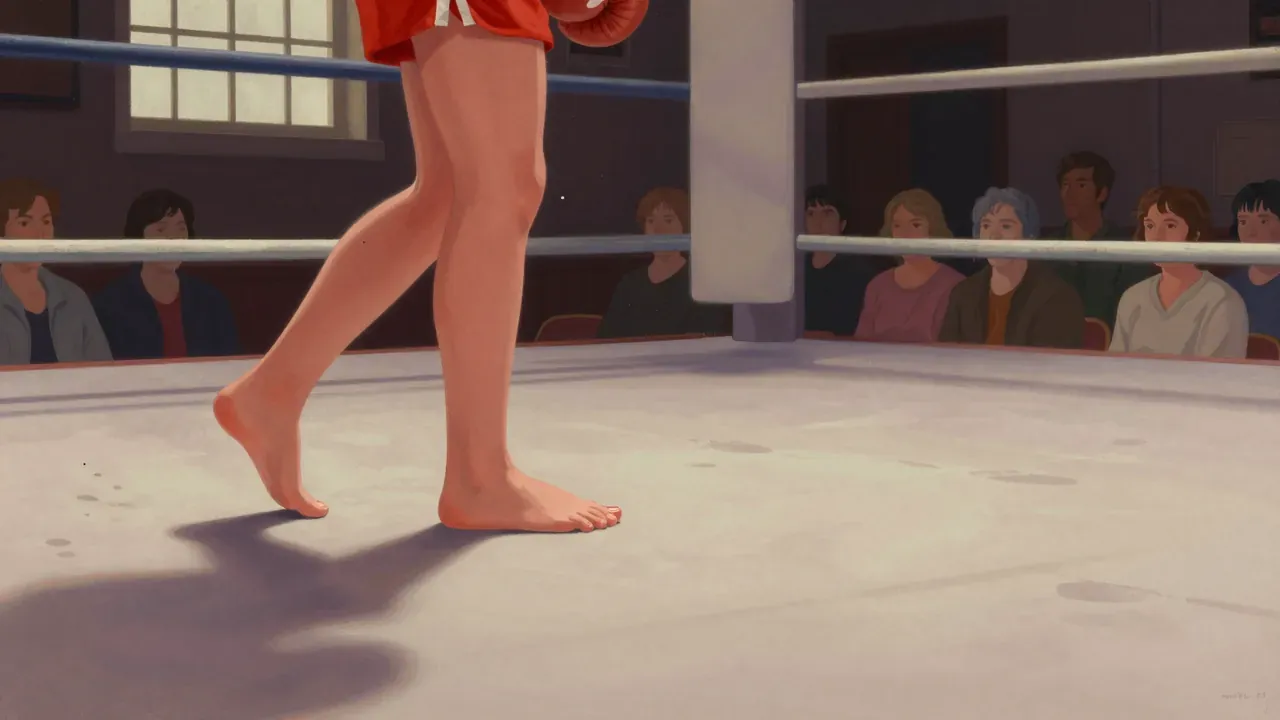
Girlfight (2000), Karyn Kusama’s debut, follows Diana Guzman, a Brooklyn teenager who takes up boxing to channel her rage and claim autonomy in a hostile environment. Shot in 24 days on a $1 million budget, it stars Michelle Rodriguez in her first role, trained rigorously at Gleason’s Gym. The film avoids sports-movie clichés, focusing instead on physical discipline, gendered constraint, and quiet, hard-won agency. It won Sundance’s Grand Jury and Directing Prizes, and remains a benchmark for grounded, unsentimental female-led drama.

13:00

Girlfriends

Claudia Weill · 1978

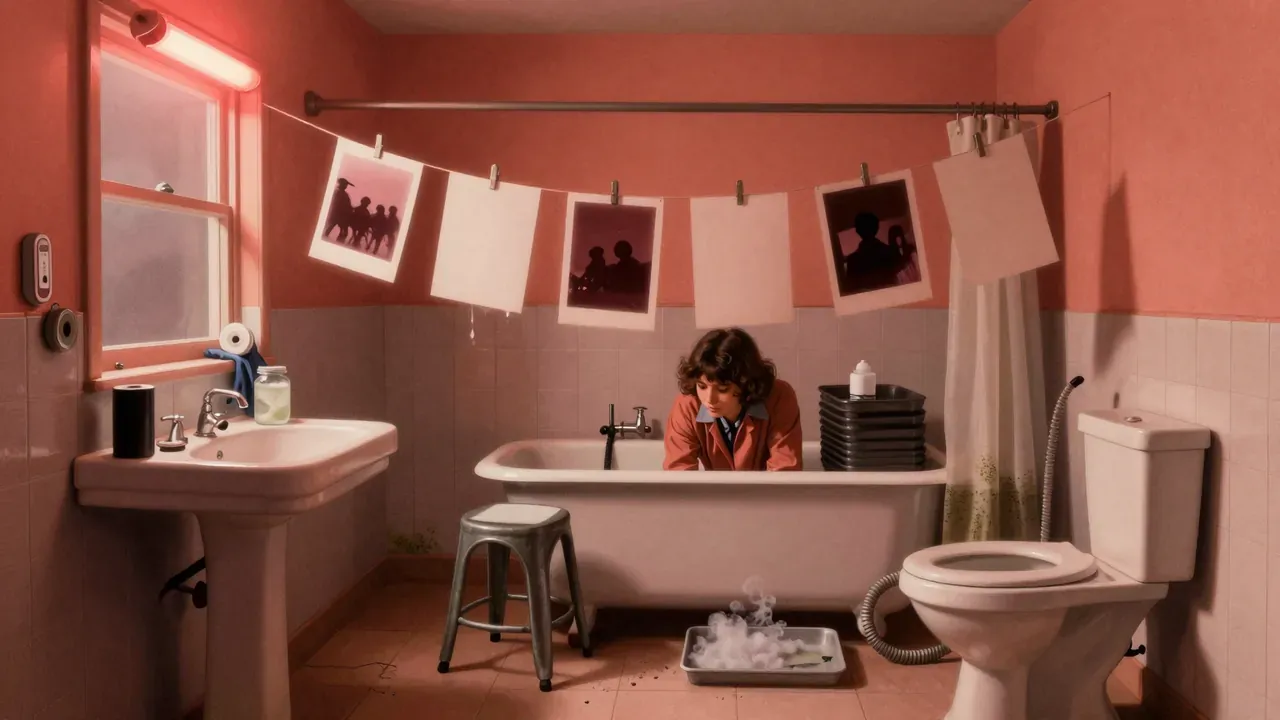
Claudia Weill’s 1978 debut follows Susan Weinblatt, a Jewish photographer in Manhattan, as her life shifts after her best friend and roommate moves out to marry. Shot over a year on a shoestring budget, the film traces Susan’s struggles with freelance work, romantic missteps, and the slow build toward her first gallery show — all rendered with documentary-like precision, naturalistic performances, and a refusal to resolve its central tensions. It won the Toronto People’s Choice Award and was named one of the National Board of Review’s Top Ten Films of 1978.

13:00

Girls of the Night

Kinuyo Tanaka · 1961

Kinuyo Tanaka’s 1961 drama follows Kuniko, a woman repeatedly released from a reformatory after Japan’s Prostitution Prevention Law, as she seeks work and dignity across domestic service, factory labour, and horticulture — only to be rejected each time her history becomes known. With Chisako Hara in a performance of quiet endurance, and Asakazu Nakai’s unadorned cinematography, the film charts the quiet mechanics of social exclusion, not as cruelty but as routine. It ends not with resolution but relocation: Kuniko working as an ama in Bōsō.

13:00

Je Tu Il Elle

Chantal Akerman · 1974

Chantal Akerman’s 1974 debut is a rigorously minimal French drama following Julie — played by Akerman — through three phases: solitary withdrawal, a silent hitchhike with a talkative truck driver, and a quiet reunion with her ex-lover. Shot in long takes with no score or expressive lighting, it treats duration, gesture and silence as primary materials. Its historical significance lies in its unadorned depiction of lesbian intimacy and its foundational role in slow cinema and feminist film practice.

13:00

Klute

Alan J. Pakula · 1971

A 1971 neo-noir thriller directed by Alan J. Pakula, Klute follows a Pennsylvania detective investigating a missing executive by surveilling a New York call girl. Jane Fonda’s Oscar-winning performance anchors a film defined by Gordon Willis’s shadow-drenched cinematography, Michael Small’s unsettling score, and a script that treats paranoia as atmosphere rather than plot. It is the first of Pakula’s informal 'paranoia trilogy', prioritising psychological realism over narrative closure.

13:00

Le 15/8

Chantal Akerman · 1973

Le 15/8 is a 1973 Belgian essay-film by Chantal Akerman, shot in black-and-white on 16mm in a Brussels apartment. Over thirty-two minutes and seven static takes, it observes a young woman’s uneventful afternoon — eating, reading, gazing — with no dialogue, music, or narrative. Its power lies in duration, silence, and rigorous attention to light, space, and repetition. A foundational work of structural and feminist avant-garde cinema, it asks the viewer to inhabit time rather than consume it.

13:00

Let the Sunshine In

Claire Denis · 2017

Claire Denis’s 2017 drama follows Isabelle, a Parisian painter in her late forties, as she moves through a series of unsatisfying relationships. Built from fragments rather than plot points, it draws on Roland Barthes’s A Lover’s Discourse to explore desire, self-deception and the quiet persistence of hope. Juliette Binoche anchors the film with a performance of restrained intensity, supported by Agnès Godard’s unadorned cinematography and Stuart A. Staples’ spare score. It premiered at Cannes, where it won the SACD Award.

13:00

Loving Couples

Mai Zetterling · 1964

A 1964 Swedish drama following three women — a maid, a tenant’s wife, and an heiress — whose intersecting lives converge at a maternity hospital in August 1914. Structured through restrained flashbacks and anchored by Sven Nykvist’s precise cinematography, it examines class, consent, and bodily autonomy in the shadow of impending war and modernisation.

13:00

Lucía

Humberto Solás · 1968

Humberto Solás’s 1968 Cuban triptych follows three women named Lucía across 1895, 1932, and 1961—each navigating love, violence, and constraint under radically different political orders. Shot in black-and-white by Jorge Herrero, with a sparse score by Leo Brouwer, it builds meaning through repetition, restraint, and precise spatial storytelling—not exposition or uplift. Its power lies in what it refuses: resolution, explanation, and the comfort of progress narratives.

13:00

Mahanagar

Satyajit Ray · 1963

Satyajit Ray’s 1963 Bengali drama Mahanagar follows Arati, a Calcutta housewife who becomes a door-to-door saleswoman to support her extended family. As her earnings reshape domestic authority and challenge patriarchal norms, the film traces the subtle, irreversible recalibration of dignity, dependence and decision-making — not through polemic, but through gesture, silence and economic fact.

13:00

Merrily We Go to Hell

Dorothy Arzner · 1932

Dorothy Arzner’s 1932 Paramount drama follows a Chicago reporter’s descent into alcoholism and infidelity, and his wife’s measured, devastating response. Fredric March and Sylvia Sidney anchor a tightly paced narrative where every glance and pause carries weight, and the title’s irony is sustained to the final frame.

13:00

Miss Julie

Alf Sjöberg · 1951

Alf Sjöberg’s 1951 Swedish adaptation of Strindberg’s Miss Julie stars Anita Björk and Ulf Palme in a tightly wound, single-night drama set on a noble estate during Midsummer’s Eve. Retaining the play’s psychological rigour and class critique, the film uses restrained cinematography, precise performances, and minimal music to trace Julie’s collapse under intersecting pressures of birth, gender, and desire. It won the Grand Prix at Cannes and remains a benchmark of naturalist cinema.

13:00

My Brilliant Career

Gillian Armstrong · 1979

Gillian Armstrong’s 1979 debut adapts Miles Franklin’s 1901 novel into a restrained, luminous portrait of Sybylla Melvyn, a headstrong Australian teenager who chooses writing over marriage in 1897. Judy Davis stars in her first leading role, supported by Sam Neill and Wendy Hughes. Shot in the Monaro region by Donald McAlpine, with a Schumann-inflected score by Nathan Waks, it won five AACTA Awards and helped define the Australian New Wave. Its enduring power lies in its unwavering commitment to Sybylla’s autonomy — intellectual, emotional, and vocational.

13:00

My Life to Live

Jean-Luc Godard · 1962

Jean-Luc Godard’s 1962 My Life to Live follows Nana, a 22-year-old Parisian who abandons her son and husband to pursue acting, then drifts into prostitution. Structured in twelve titled episodes, it uses intertitles, jump cuts, and stark cinematography by Raoul Coutard to examine visibility, labour, and language. Anna Karina’s performance anchors its formal rigour. Shot in four weeks for $40,000, it won the Grand Jury Prize at Venice and remains a cornerstone of French New Wave arthouse cinema.

13:00

Not a Pretty Picture

Martha Coolidge · 1976

Martha Coolidge’s 1976 debut is a rigorously constructed docudrama that reconstructs her teenage rape through dramatisation, direct address, and interviews. Shot on 16mm, edited by Coolidge herself, and scored with restraint, it treats memory as contested and testimony as relational—not cathartic, but constitutive.

13:00

Once Upon a Time in China IV

Yuen Bun · 1993

Once Upon a Time in China IV (1993) replaces Jet Li with Vincent Zhao and Tsui Hark with Yuen Bun, shifting focus from moral authority to symbolic performance. Set in Beijing during the Boxer Rebellion, it pits Wong Fei-hung against a xenophobic cult and an international lion dance competition rigged by colonial powers. Arthur Wong’s functional cinematography and Yuen Bun’s weapon-focused choreography anchor a thin script, where political stakes remain vague but physical detail — rope, lantern smoke, masked formations — carries real weight.

13:00

One Sings, the Other Doesn't

Agnès Varda · 1977

One Sings, the Other Doesn’t (1977) follows Pomme and Suzanne across fourteen years of personal and political change in France. Directed and written by Agnès Varda, it charts their friendship through illegal abortion, protest, motherhood, clinic work, and reunion — all rendered with quiet precision, natural light, and minimal score. Charles Van Damme’s cinematography and Varda’s narration structure the story around letters, songs, and real-life activism, including a recreation of the 1972 Bobigny abortion trial demonstration. The film avoids didacticism, treating feminism as daily practice rather than theory.

13:00

Orlando, My Political Biography

Paul B. Preciado · 2023

Paul B. Preciado’s 2023 documentary brings together 26 trans and non-binary participants—from age eight to seventy—to collectively reinterpret Virginia Woolf’s Orlando. Shot in France and structured around testimony, reenactment, and mythic staging, it treats gender transition as inseparable from law, medicine, and power. Victor Zébo’s cinematography and Yotam Ben-David’s editing sustain a deliberate, unhurried rhythm that privileges multiplicity over singularity. The film premiered at Berlinale, where it won the Teddy Award for Best Documentary.

13:00

Osaka Elegy

Kenji Mizoguchi · 1936

A 1936 Japanese drama directed by Kenji Mizoguchi, following telephone operator Ayako Murai as she navigates debt, exploitation and social censure in Osaka. With Isuzu Yamada in a defining early role, the film traces how family, workplace and law converge to strip her of autonomy — not through violence, but through quiet, systemic pressure. Shot by Minoru Miki and written by Mizoguchi and Yoshikata Yoda, it is a tightly controlled, unsentimental study of gendered constraint.

13:00

Portrait of a Lady on Fire

Céline Sciamma · 2019

Set in late-eighteenth-century Brittany, Portrait of a Lady on Fire follows Marianne, a painter commissioned to secretly paint Héloïse, a woman resisting an arranged marriage. Over five days, their relationship deepens through shared walks, quiet observation, and a single, charged bonfire. Directed by Céline Sciamma, the film uses restrained performances, cool natural light, and near-total absence of score to build emotional intensity through attention, not exposition.

13:00

Rosemary's Baby

Roman Polanski · 1968

Roman Polanski’s 1968 adaptation of Ira Levin’s novel follows Mia Farrow as Rosemary Woodhouse, a young wife who suspects her neighbours and husband are conspiring over her pregnancy. Shot with clinical precision by William A. Fraker and edited with unobtrusive rigour, the film sustains tension through accumulation — not revelation. Its power lies in what remains unsaid, unconfirmed, and unchallenged: a portrait of gaslighting as architecture, paranoia as logic, and horror as domestic routine.

13:00

Safe

Todd Haynes · 1995

Todd Haynes’ 1995 arthouse drama follows Carol White, a Los Angeles housewife whose unexplained physical collapse leads her from suburban sterility to a desert wellness commune. With Julianne Moore in her first lead role, the film uses rigorous formal distance — static framing, muted colour, sparse sound — to trace how environments, language, and care systems pathologise rather than heal. It offers no diagnosis, no resolution, and no comfort — only an unblinking portrait of suffocation as social fact.

13:00

Sambizanga

Sarah Maldoror · 1972

Sarah Maldoror’s 1972 Sambizanga follows Maria’s search for her arrested husband Domingos across Luanda’s colonial prisons, intercut with his silent detention and death. Shot in the Congo with non-professional actors linked to African liberation movements, it adapts José Luandino Vieira’s novella into a stark, unsentimental record of early Angolan resistance — where political force resides in persistence, not proclamation.

13:00

Secrets of Women

Ingmar Bergman · 1952

Ingmar Bergman’s 1952 drama Secrets of Women unfolds across three interwoven stories told by women waiting for their husbands. Shot in crisp black-and-white by Gunnar Fischer, it observes marital tension, concealed pregnancy, and marital farce with quiet precision — avoiding grand statements in favour of subtle shifts in tone, glance, and silence.

13:00

Sisters of the Gion

Kenji Mizoguchi · 1936

Kenji Mizoguchi’s 1936 Sisters of the Gion follows two geisha sisters in Kyoto’s Gion district whose opposing strategies for survival — one rooted in loyalty, the other in calculation — both collapse under economic and social pressure. Shot in restrained black-and-white by Minoru Miki, it uses long takes, precise blocking and sparse dialogue to trace how patronage, class and gender function as interlocking systems of control. Adapted from Aleksandr Kuprin’s Yama: The Pit, it forms a diptych with Osaka Elegy and marks Mizoguchi’s artistic maturity.

13:00

Smithereens

Susan Seidelman · 1982

Susan Seidelman’s 1982 debut follows Wren, a young woman from New Jersey adrift in New York’s fading punk scene, as she prints fliers, mugs strangers, and cycles through men in pursuit of a life she cannot name. Shot in stark black-and-white, it observes her not with judgement or irony, but with forensic calm — treating identity as a series of transactions, not revelations.

13:00

Smooth Talk

Joyce Chopra · 1985

Smooth Talk (1985), directed by Joyce Chopra and adapted by Tom Cole from Joyce Carol Oates’s short story, follows fifteen-year-old Connie Wyatt over a single summer week in northern California. Laura Dern stars as Connie, whose restless self-discovery collides with the predatory attention of Arnold Friend (Treat Williams). Shot by James Glennon and scored by Russ Kunkel, the film avoids melodrama in favour of psychological precision, building tension through proximity, tone, and withheld reaction. It won the Sundance Grand Jury Prize in 1986 and was restored by Criterion in 2020.

13:00

Street of Shame

Kenji Mizoguchi, Yasuzō Masumura · 1956

Street of Shame (1956), Kenji Mizoguchi’s last film, follows five women working in a Tokyo brothel as Japan debates abolishing licensed prostitution. With restrained performances, Kazuo Miyagawa’s unemphatic cinematography, and Masashige Narusawa’s faithful adaptation of Yoshiko Shibaki’s novel, it treats prostitution not as moral failure but as labour embedded in debt, family duty, and social exclusion. The film ends not with liberation but with continuity: a young maid begins her first day as a prostitute. Its power lies in its refusal to dramatise change — or to pretend it is imminent.

13:00

The Bitter Tears of Petra von Kant

Rainer Werner Fassbinder · 1972

Rainer Werner Fassbinder’s 1972 chamber drama confines itself to one Bremen apartment, tracing the rise and collapse of fashion designer Petra von Kant’s obsessive relationship with younger woman Karin Thimm. With an all-female cast and static, theatrical staging, it uses repetition, framing and silence to dissect codependency, class, and the violence of care — not as psychology, but as architecture.

13:00

The Girls

Mai Zetterling · 1968

Mai Zetterling’s 1968 film follows three actresses touring a production of Lysistrata while managing motherhood, marital strain, and professional precarity. Shot with quiet precision by Rune Ericson and performed with restrained intensity by Bibi, Harriet and Gunnel Andersson, it locates feminist consciousness in accumulated small choices rather than grand declarations. Though its theatrical framing remains inert and its men underdeveloped, its enduring power lies in its unsentimental attention to the cost of being seen — and unseen.

13:00

The Home and the World

Satyajit Ray · 1984

Satyajit Ray’s 1984 adaptation of Rabindranath Tagore’s Ghare Baire follows Bimala, a sheltered Bengali wife whose worldview fractures when her husband’s charismatic friend Sandip draws her into the Swadeshi movement. Set in 1907 Bengal, the film charts her slow, painful awakening amid rising communal tension, culminating in personal and political rupture. With restrained performances, Soumendu Roy’s luminous cinematography, and Ray’s own spare score, it prioritises interiority over incident — a quiet, demanding portrait of conscience in crisis.

13:00

The Lost Honour of Katharina Blum

Volker Schlöndorff, Margarethe von Trotta · 1975

Adapted from Heinrich Böll’s novel and co-directed by Volker Schlöndorff and Margarethe von Trotta, The Lost Honour of Katharina Blum follows a young woman’s rapid public undoing after a single night spent with a wanted man. Anchored by Angela Winkler’s tightly controlled performance and Jost Vacano’s unsentimental camerawork, the film dissects how tabloid logic, police presumption, and judicial passivity converge to erase a person without ever needing to convict her. It is a rigorously constructed, morally unblinking work — less concerned with guilt or innocence than with the speed and ease with which institutions revoke standing.

13:00

The Piano Teacher

Michael Haneke · 2001

Michael Haneke’s 2001 adaptation of Elfriede Jelinek’s novel follows Erika Kohut, a repressed piano professor in Vienna whose rigid control over herself and others unravels when she fixates on a younger student. Starring Isabelle Huppert and shot by Christian Berger, it is a formally austere, emotionally unsparing study of power, class and the body as archive of constraint.

13:00

The Truth

Henri-Georges Clouzot · 1960

A young woman stands trial for murder in 1960s France. Through flashbacks, the film traces her descent from provincial restlessness to Parisian disillusionment, her turbulent relationship with a conductor, and her eventual breakdown — all while lawyers debate not her actions, but what they say about her character. Brigitte Bardot gives a physically exacting performance; Clouzot and his collaborators build a world where emotion is evidence, memory is contested, and justice is procedural, not redemptive.

13:00

Thelma & Louise

Ridley Scott · 1991

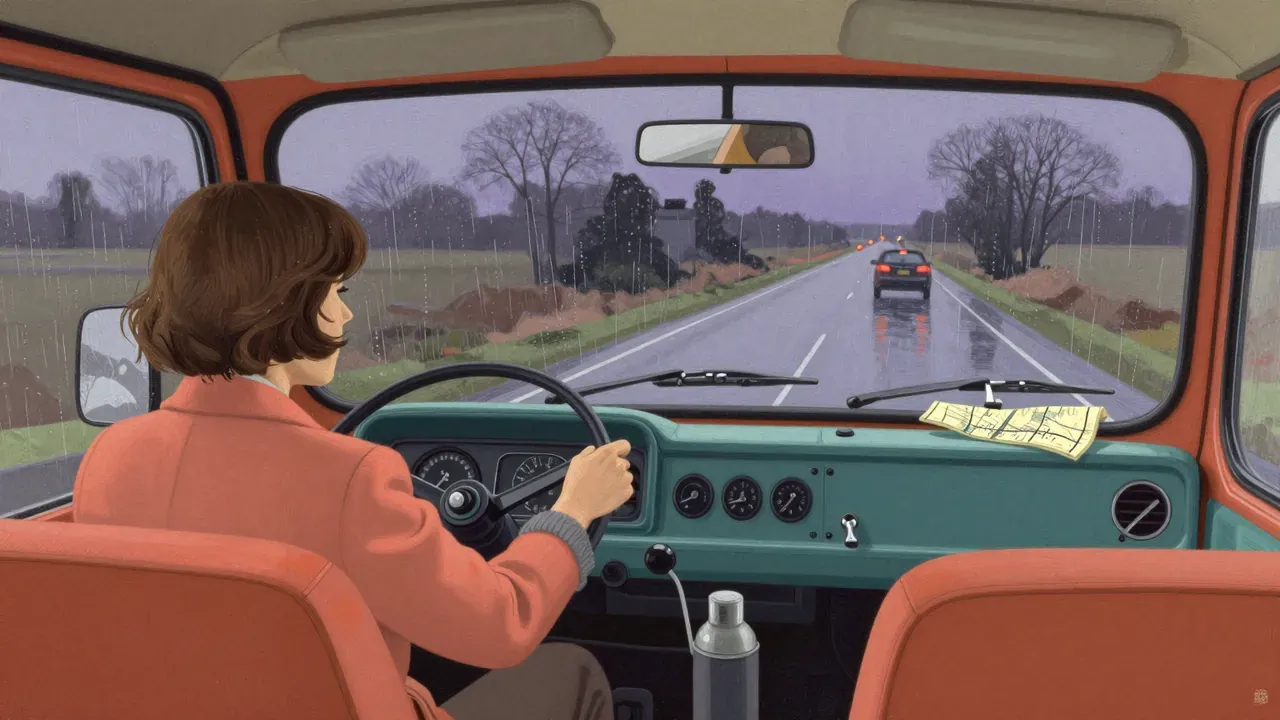
Thelma & Louise (1991), directed by Ridley Scott and written by Callie Khouri, follows two friends whose weekend road trip unravels into a fugitive odyssey after a violent confrontation. Anchored by Susan Sarandon and Geena Davis, it uses precise craft and restrained performance to trace how systemic dismissal, economic dependence, and accumulated compromise narrow into irreversible choice. Its cultural resonance rests less on symbolism than on structural rigour: every beat follows from the last, making the final image not shocking but inevitable.

13:00

Town Bloody Hall

D. A. Pennebaker · 1979

Town Bloody Hall documents a volatile 1971 New York panel featuring Norman Mailer and feminist thinkers Germaine Greer, Jill Johnston, Diana Trilling and Jacqueline Ceballos. Filmed by D. A. Pennebaker and edited with minimal intervention, it preserves the debate’s rhythms, interruptions and ideological fractures without commentary or context. Released in 1979, it stands as a stark, unvarnished artefact of second-wave feminism’s internal and external confrontations.

13:00

Unholy Desire

Shohei Imamura · 1964

Shohei Imamura’s 1964 drama follows Sadako, a woman excluded from her common-law husband’s family register, who endures rape, coercion, and bureaucratic erasure before filing a civil suit to claim legal recognition. Shot by Shinsaku Himeda and scored by Toshiro Mayuzumi, the film observes survival as daily practice — quiet, persistent, and rooted in material reality rather than moral arc.

13:00

Vagabond

Agnès Varda · 1985

Agnès Varda’s 1985 film follows Mona Bergeron, a young woman who dies alone in a French vineyard ditch. Through fragmented flashbacks and interviews with those who briefly crossed her path, the film traces her final winter of wandering — hitchhiking, sleeping rough, doing odd jobs — without explaining her motives or offering redemption. Shot in austere natural light across southern France, it refuses psychological exposition or narrative resolution, insisting instead on the physical reality of her decline and the limits of others’ understanding.

13:00

Wanda

Barbara Loden · 1970

Barbara Loden’s 1970 debut is a stark, 16mm portrait of Wanda Goronski, a woman adrift in Pennsylvania’s coal country, who drifts into a criminal’s orbit without resistance or revelation. Made for $115,000 with a crew of four, it avoids psychology, music, and narrative payoff—choosing instead sustained observation, improvised dialogue, and unvarnished locations. Its power lies in what it refuses: explanation, judgement, uplift. Restored and preserved by the Library of Congress, it remains a landmark of American arthouse realism.

13:00

Women of the Night

Kenji Mizoguchi · 1948

Kenji Mizoguchi’s Women of the Night (1948) follows three women in post-war Osaka as each enters prostitution under distinct but converging pressures: infant mortality, syphilis, police raids, and familial rejection. Shot on location with Kinuyo Tanaka in a restrained, physically grounded performance, it avoids melodrama in favour of structural clarity — showing how poverty, gendered law, and institutional neglect produce outcomes with clinical precision. Though some characters remain schematic and its pacing resists modern expectations, its rigour and historical immediacy make it a vital, unsentimental reckoning with survival.

13:00

Women on the Verge of a Nervous Breakdown

Pedro Almodóvar · 1988

Pedro Almodóvar’s 1988 black comedy follows Pepa, a voice actress abandoned by her lover, as she navigates a day of escalating chaos in her Madrid apartment. With Carmen Maura at its centre, the film uses saturated colour, rapid editing, and tightly coiled farce to explore female agency, communication failure, and emotional extremity as rational response — not breakdown.

13:00

Working Girls

Lizzie Borden · 1986

Lizzie Borden’s 1986 drama Working Girls observes a single day in a Manhattan brothel, centring Molly — a Yale graduate working to support herself and her girlfriend — alongside colleagues Dawn, Gina and madam Lucy. Shot with documentary restraint by Judy Irola, it avoids moralising, instead attending to the rhythms of paid labour: bookings, client negotiations, shared space, racial bias in clientele, and the quiet cost of emotional management. It won Sundance’s Special Jury Recognition and was later restored by The Criterion Collection.

13:00

Daisies

Věra Chytilová, Rudolf Jaroš · 1966

A 1966 Czechoslovak avant-garde landmark, Daisies follows two young women named Marie as they enact escalating acts of sabotage — against men, meals, manners, and meaning. Co-directed by Věra Chytilová and Rudolf Jaroš, it deploys rapid-fire editing, shifting colour palettes, and deliberately artificial performances to dismantle patriarchal and socialist realist conventions. Banned upon release for its 'nihilism', it remains a fiercely intelligent, formally audacious assault on well-mannered spectatorship — less a film to follow than one to withstand and reassemble.

13:00

Nymphomaniac

Lars von Trier · 2013

Lars von Trier’s Nymphomaniac is a two-part, four-hour English-language drama in which a woman recounts her sexual history to a celibate man who interprets it through analogies drawn from mathematics, music, and natural history. Starring Charlotte Gainsbourg and Stacy Martin as different ages of the same woman, it is structured as a series of titled chapters, filmed by Manuel Alberto Claro and edited by Molly Malene Stensgaard. Produced by Zentropa in France, it asks not whether desire can be understood, but how interpretation inevitably distorts it.

13:00

Batman Returns

Tim Burton · 1992

Tim Burton’s 1992 sequel discards superhero convention to explore abandonment and performance through Gotham’s grotesque, snowbound winter. With Michael Keaton, Danny DeVito, and Michelle Pfeiffer delivering career-defining turns, it leans on Stefan Czapsky’s shadow-heavy cinematography, Bo Welch’s layered production design, and Danny Elfman’s jagged score to sustain a tone both festive and funereal. Structurally loose but thematically tight, it remains a landmark of auteur-driven genre filmmaking.

13:00

Chak De! India

Shimit Amin · 2007

Chak De! India (2007) follows disgraced hockey captain Kabir Khan as he coaches India’s women’s national team to World Cup victory. Directed by Shimit Amin and written by Jaideep Sahni, it departs from Bollywood convention with no romantic subplot, no lip-synced songs, and an ensemble cast of sixteen actresses trained in hockey over six months. Its strength lies in procedural realism, distributed character focus, and a feminist structure that treats athletic labour as serious, collective work. Though Khan’s personal arc remains underdeveloped, the film’s rigour, restraint, and respect for process make it a rare mainstream Hindi film anchored in effort rather than elevation.

13:00

In the Cut

Jane Campion · 2003

Jane Campion’s 2003 adaptation of Susanna Moore’s novel is a psychologically dense, formally restless thriller set in Manhattan. Meg Ryan plays Frannie, an English professor drawn into a murder investigation—and into a volatile relationship with detective Mark Ruffalo. Shot by Dion Beebe and scored by Hilmar Örn Hilmarsson, the film prioritises sensory disorientation over narrative clarity, building tension through gaze, gesture, and urban texture. Though divisive on release, it has since been reassessed as a landmark feminist deconstruction of the erotic thriller.

13:00

The Circle

Jafar Panahi · 2000

Jafar Panahi’s 2000 drama The Circle follows a chain of Iranian women navigating Tehran’s legal and social barriers in a single day. Shot in natural light with non-professional actors, it builds its critique through accumulation — not speeches or exposition, but repeated refusals: denied bus tickets, barred entrances, abandoned children, unanswered phone calls. The narrative circles back to its opening scene, underscoring systemic continuity over individual resolution. Banned in Iran and awarded the Golden Lion at Venice, it treats gender not as identity but as administrative condition.

13:00

The Handmaiden

Park Chan-wook · 2016

Park Chan-wook’s 2016 adaptation of Sarah Waters’s Fingersmith relocates the Victorian con plot to 1930s Japanese-occupied Korea, where a handmaiden and a secluded heiress navigate deception, trauma, and liberation across three interlocking narrative sections. Shot by Chung Chung-Hoon and scored by Jo Yeong-wook, it uses meticulous craft to explore literacy as coercion, intimacy as resistance, and colonial complicity as inherited architecture.

13:00

The Piano

Jane Campion · 1993

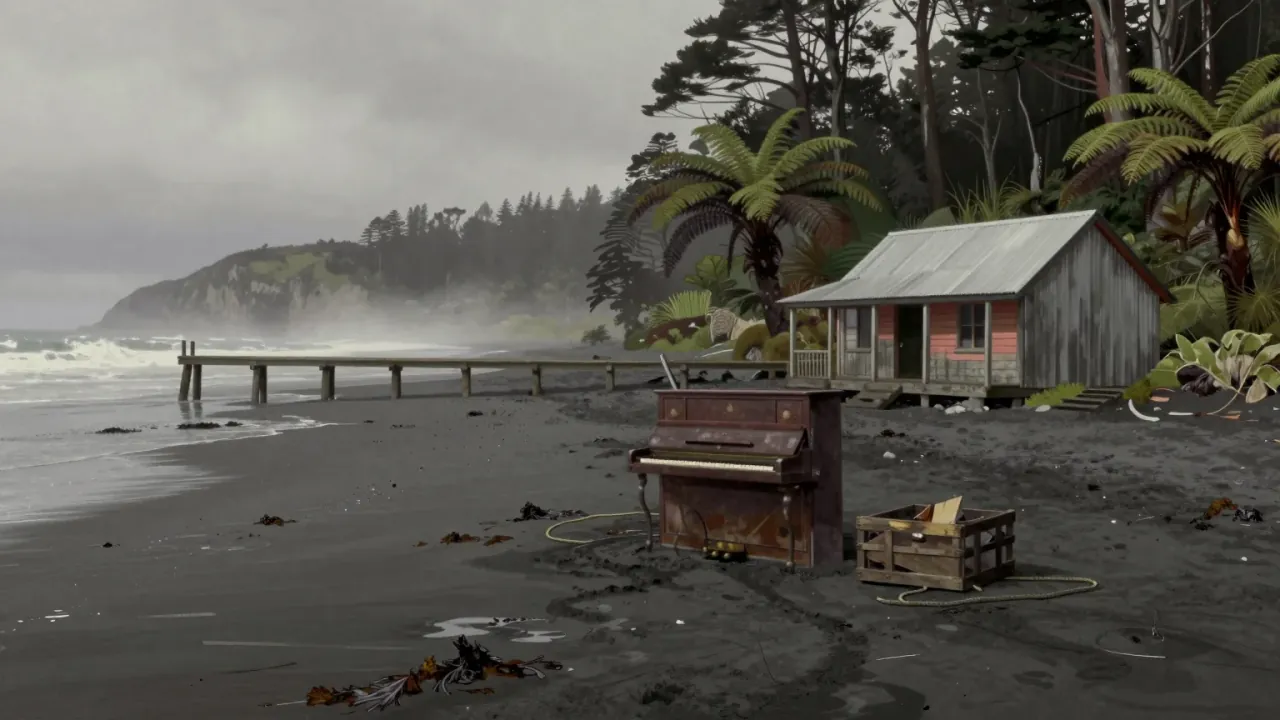
Jane Campion’s 1993 drama follows Ada McGrath, a mute Scottish woman who travels to colonial New Zealand for an arranged marriage, carrying only her daughter and a piano. When her instrument is abandoned on the beach, she negotiates its return with a neighbouring settler — a transaction that unravels into desire, betrayal, violence, and self-reclamation. Anchored by Holly Hunter’s physically exacting performance and Michael Nyman’s insistent score, the film renders interiority through gesture, sound, and resistance rather than speech.

13:00

When a Woman Ascends the Stairs

Mikio Naruse · 1960

Mikio Naruse’s 1960 drama follows Keiko Yashiro, a Ginza hostess in her late twenties, as she navigates debt, familial obligation, sexual coercion and professional rivalry while trying to open her own bar. With quiet precision, it charts her daily endurance — not as heroism but as habit — against a society that treats her age, grief and autonomy as liabilities. Hideko Takamine’s restrained performance and Naruse’s unadorned direction make the ordinary unbearable and unforgettable.

13:00

Alien

Ridley Scott · 1979

A commercial towing crew, woken early by what they believe is a distress signal, boards a derelict ship and returns with something that starts killing them one by one. Ridley Scott's first science-fiction film builds the genre's most enduring monster movie almost entirely out of dread, sound design and H.R. Giger's biomechanical creature, on a budget that a science-fiction boom had only just made possible.

13:00

Jeanne Dielman, 23 quai du Commerce, 1080 Bruxelles

Chantal Akerman · 1975

Chantal Akerman's 1975 film spends 201 minutes tracking a widowed Brussels housewife, played by Delphine Seyrig, through the exact domestic routine that structures her days, including the afternoon clients she sees for money while her teenage son is at school. Shot by Babette Mangolte from a fixed, eye-level camera that never enters Jeanne's private space and rarely cuts within a task, it was made on a budget of $120,000 and has since been named, in one major critics' poll, the greatest film ever made, a status built almost entirely on how literally it commits to watching unglamorous, repeated labour.

13:00

Princess Mononoke

Hayao Miyazaki · 1997

Princess Mononoke follows Ashitaka, a young prince cursed by a demonized boar god, as he travels west and becomes caught in the war between Lady Eboshi's ironworks town and the animal gods defending their forest, including San, a girl raised by wolves. Hayao Miyazaki wrote and directed the film for Studio Ghibli after nearly two decades of development, using limited computer-generated imagery alongside hand-drawn animation for the first time in his work. Marketed by producer Toshio Suzuki in the largest advertising campaign Japan had seen for a film at that point, it became the country's highest-grossing release and the first Ghibli film given a wide international release, through a Disney-brokered deal that handed its English dub to novelist Neil Gaiman.

13:00

The Tale of the Princess Kaguya

Isao Takahata · 2013

A girl born from a bamboo stalk is raised by a poor cutter who, on discovering gold nearby, drags her into a nobility she never wanted. Isao Takahata's 2013 adaptation of a tenth-century Japanese tale uses loose, watercolour-like animation to match its heroine's resistance to being made presentable.