filmbriefs
Topic

Grief

What is left to do after loss, and how badly it is handled.

56
in film
13:00
average
728 min
in total
126
across the network
Grief across the network →
All briefs56
13:00

45 Years

Andrew Haigh · 2015

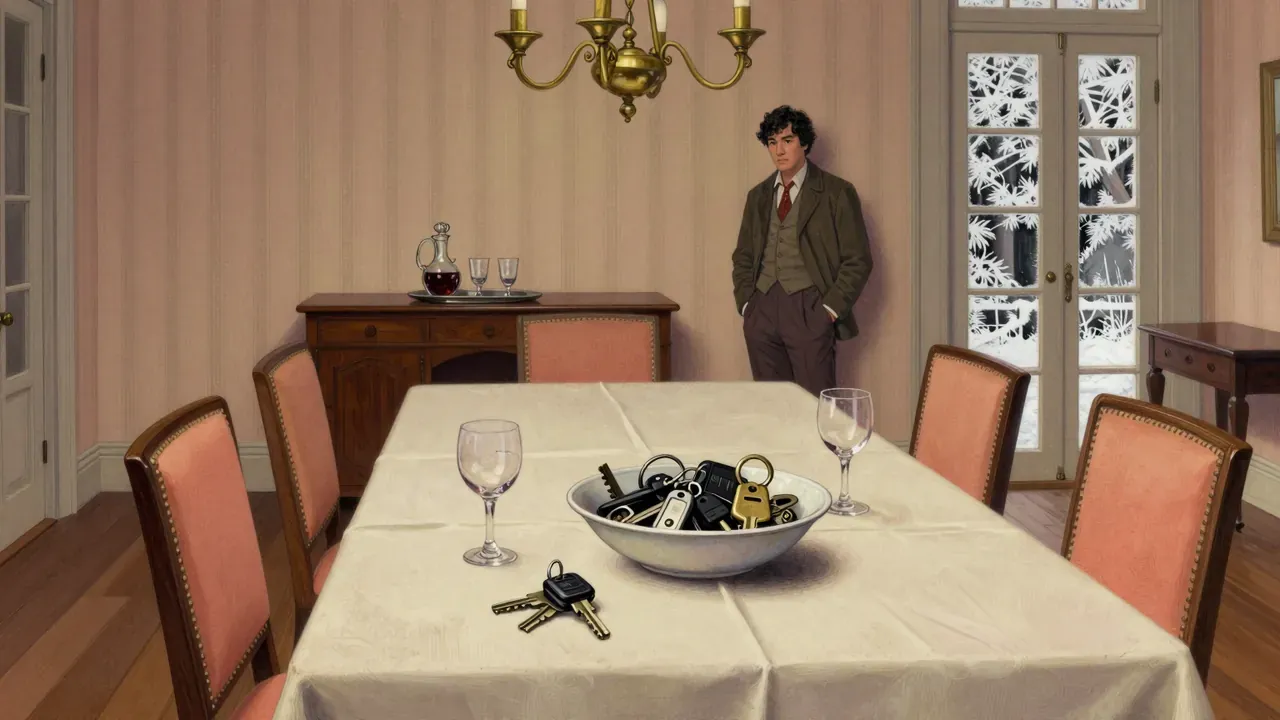
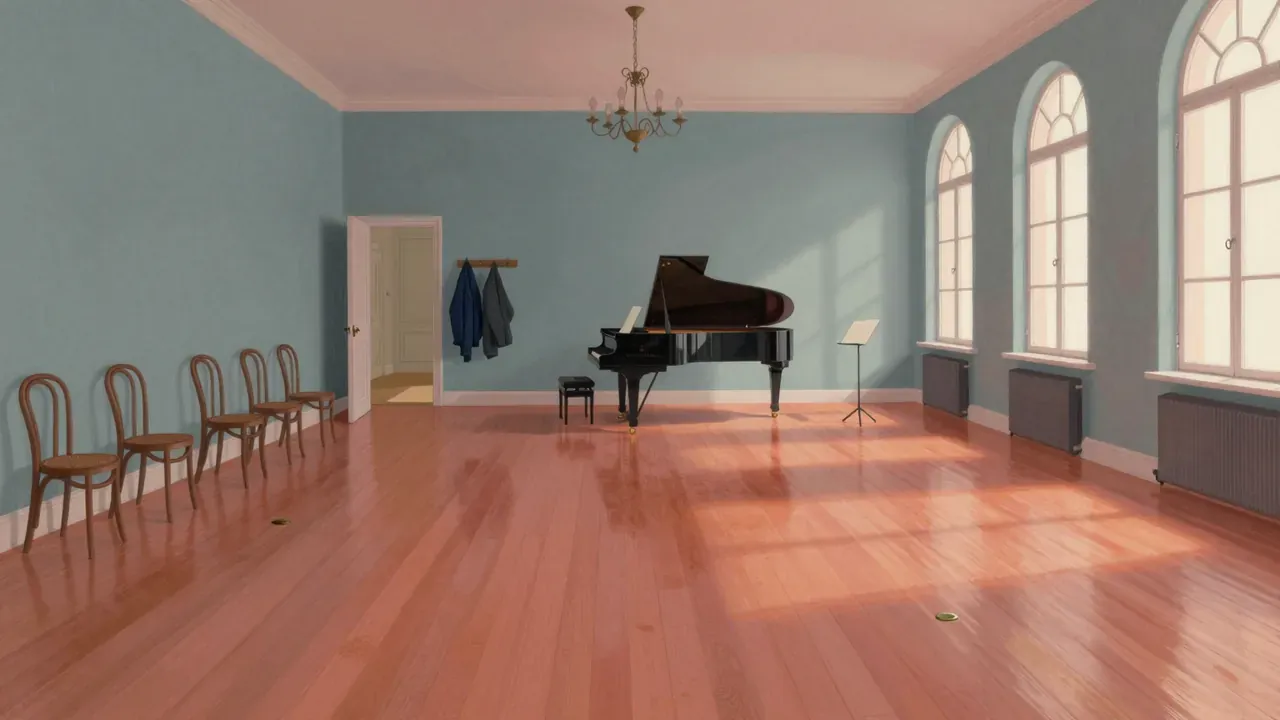
A retired Norfolk couple prepare for their 45th wedding anniversary when news arrives that the body of Geoff’s long-dead lover has emerged from a Swiss glacier. Over six days, Kate observes his growing distance, uncovers buried evidence of Katya’s pregnancy, and begins to question the foundations of their marriage — not through confrontation, but through quiet, accumulating realisations. Directed by Andrew Haigh and adapted from David Constantine’s short story, the film relies on Charlotte Rampling and Tom Courtenay’s restrained performances, Lol Crawley’s naturalistic cinematography, and a script that trusts silence over exposition.
13:00

A Christmas Tale

Arnaud Desplechin · 2008

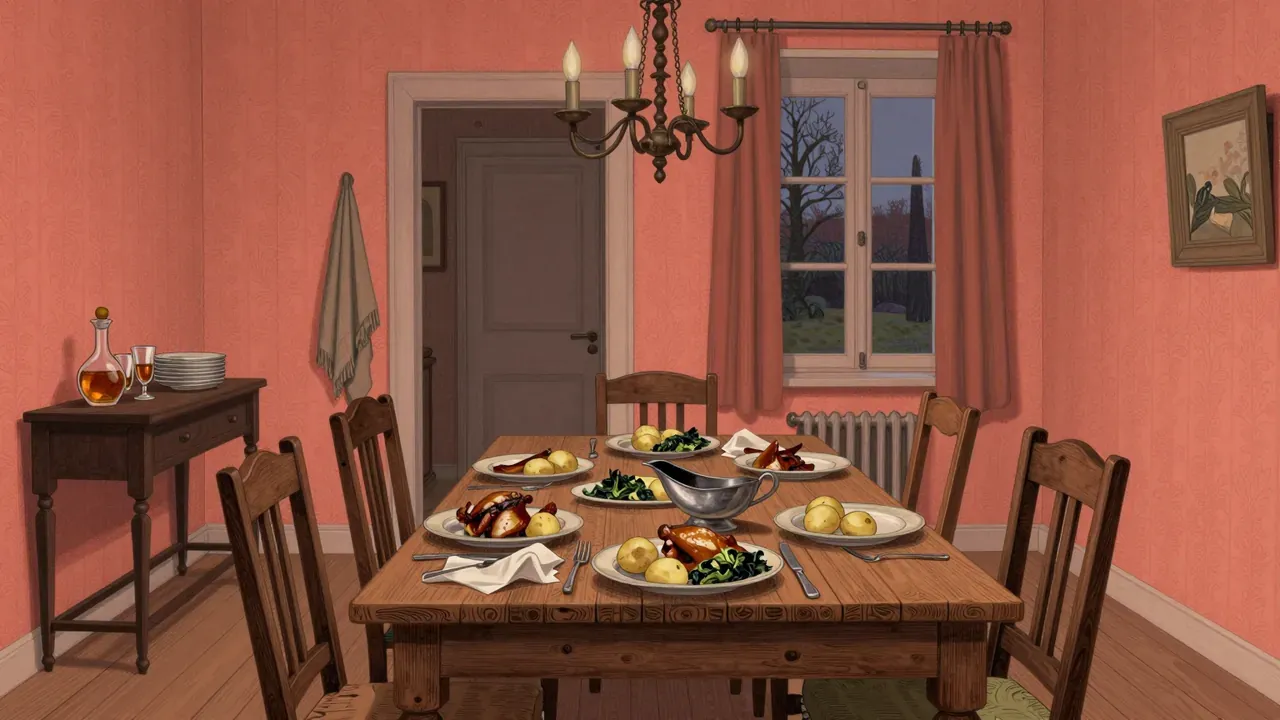
Arnaud Desplechin’s 2008 French drama follows the fractured Vuillard family as they reunite for Christmas after matriarch Junon is diagnosed with leukemia. Set over several wintry days in Roubaix, the film charts shifting alliances, buried resentments, and fragile intimacies among three adult siblings, their partners, children, and extended kin — all held in uneasy orbit by Junon’s iron will and Abel’s quiet endurance. With a dense script, naturalistic performances, and Éric Gautier’s muted cinematography, it treats family as a site of repetition, inheritance, and unspoken history.

13:00

A Man and a Woman

Claude Lelouch · 1966

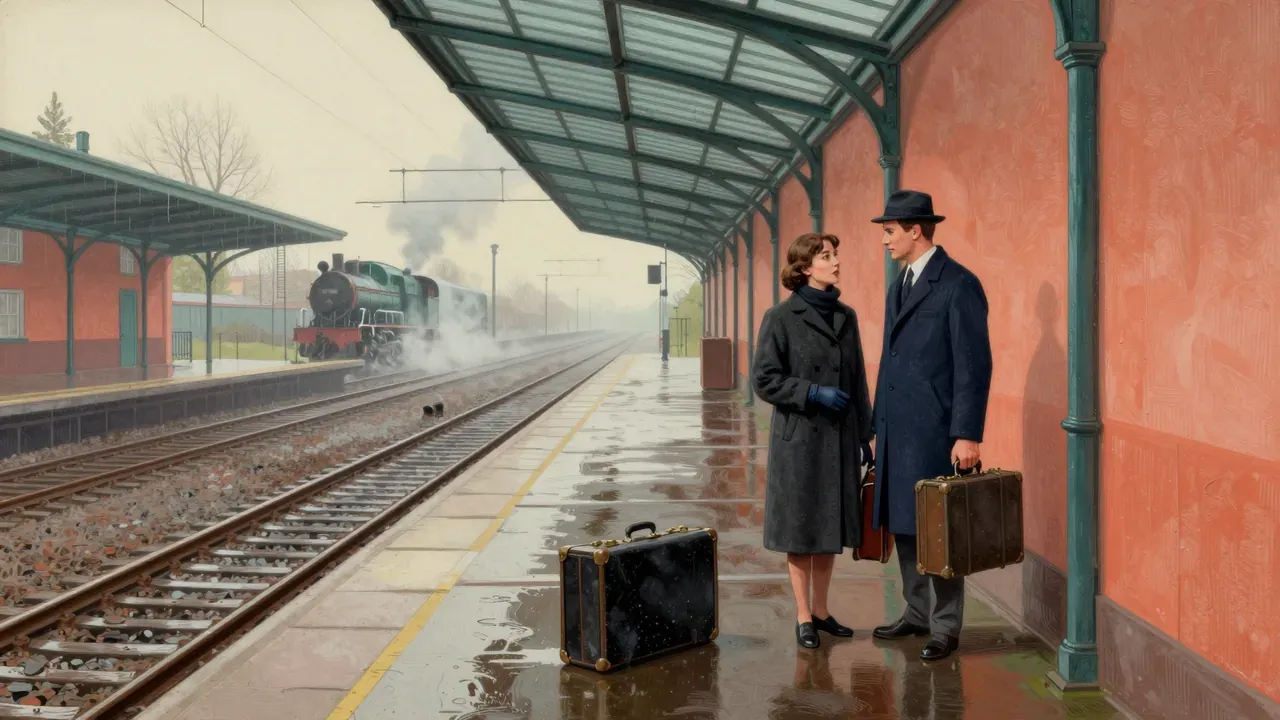
Claude Lelouch’s 1966 French romantic drama follows a widow and widower whose tentative bond forms across train platforms, rainy drives, and seaside walks. Shot on mixed film stocks with Francis Lai’s iconic score, it privileges mood and gesture over plot, tracing love not as catharsis but as quiet, embodied recurrence.

13:00

Afire

Christian Petzold · 2023

Christian Petzold’s Afire follows a brittle young writer whose self-absorption fractures under the pressure of shared space, honest criticism, and an approaching forest fire. Set in a Baltic holiday home, the film traces his slow disorientation as relationships shift and catastrophe interrupts narrative control. With restrained performances and unadorned craft, it asks how people begin to see clearly only after their stories stop holding.

13:00

All About My Mother

Pedro Almodóvar · 1999

Pedro Almodóvar’s 1999 film follows a nurse who, after her son’s death, seeks his transgender parent in Barcelona and becomes entwined with a community of women and men navigating illness, faith, performance, and motherhood. Shot in Spanish, it uses saturated colour, theatrical reference, and deliberate narrative coincidence to affirm care across difference — not as ideal but as daily, embodied practice.

13:00

All of Us Strangers

Andrew Haigh · 2023

Andrew Haigh’s All of Us Strangers follows a lonely screenwriter who reconnects with his deceased parents and begins a relationship with a mysterious neighbour. Set in contemporary London and rooted in the emotional textures of 1980s Britain, the film uses fantasy not as escape but as a means to examine unresolved grief, queer identity, and the quiet violence of familial silence. With restrained performances, precise cinematography, and a carefully curated soundtrack, it builds its power through stillness and repetition rather than revelation.

13:00

Beginners

Mike Mills · 2010

A graphic designer in early-2000s Los Angeles navigates a fragile new relationship while reflecting on his recently deceased father’s late-in-life coming out and four-year journey as an openly gay man. Interwoven flashbacks and restrained performances anchor a film about inherited emotional patterns, the weight of unspoken things, and love as sustained attention rather than resolution.

13:00

Bim

Albert Lamorisse · 1950

A forty-five-minute French drama from 1950, written by Jacques Prévert and Albert Lamorisse and directed by Lamorisse. It follows a boy in rural France whose life is structured around his dog — until the dog disappears. With no score, minimal dialogue, and deliberate pacing, the film traces grief through gesture, silence, and the persistence of routine.

13:00

Birth

Jonathan Glazer · 2004

Jonathan Glazer’s 2004 film Birth follows Anna, a woman who becomes convinced that her deceased husband has been reborn in a ten-year-old boy. Shot in New York with Haris Savides, scored by Alexandre Desplat, and anchored by Nicole Kidman’s restrained performance, it is a psychological mystery that sustains ambiguity as principle. It does not confirm or deny the boy’s claim, instead focusing on the weight of Anna’s belief, the erosion of shared reality among those around her, and the quiet devastation of love that refuses to expire. Polarising on release, it has since gained recognition for its formal rigour and emotional precision.

13:00

Cría Cuervos

Carlos Saura · 1976

Cría Cuervos (1976), directed by Carlos Saura, follows eight-year-old Ana in the months after her father’s death and her mother’s earlier passing. Set in Madrid during the final days of Franco’s rule, the film moves through memory, fantasy and present-tense reality without clear demarcation. Ana Torrent’s performance anchors a study of childhood consciousness under pressure: guilt, care, silence and imagined agency all coexist in a large, quiet house. Teodoro Escamilla’s restrained cinematography and Federico Mompou’s sparse piano score deepen its atmosphere of suspended time. Though it won the Grand Prix at Cannes, its power lies not in pronouncement but in persistence — in what it refuses to name.

13:00

Dick Johnson Is Dead

Kirsten Johnson · 2020

Kirsten Johnson’s documentary follows her father Dick, a retired psychiatrist with dementia, as she collaboratively stages elaborate, darkly comic fantasies of his death — falls, accidents, funerals, heaven. Shot with John Foster, the film shows each sequence alongside its making: rigs, doubles, direction, Dick’s quiet participation. It avoids exposition, clinical context or sentimentality, holding instead to a precise, unsentimental tenderness.

13:00

Don't Look Now

Nicolas Roeg · 1973

Don’t Look Now (1973), directed by Nicolas Roeg, follows a British couple in Venice after their daughter’s death. As John restores a church and Laura encounters clairvoyants, reality blurs: red coats recur, water rises, time folds. Shot by Roeg and Anthony B. Richmond, edited by Graeme Clifford, and scored by Pino Donaggio, it treats mourning as a perceptual disorder — not a story to resolve, but a condition to inhabit.

13:00

Drive My Car

Ryusuke Hamaguchi · 2021

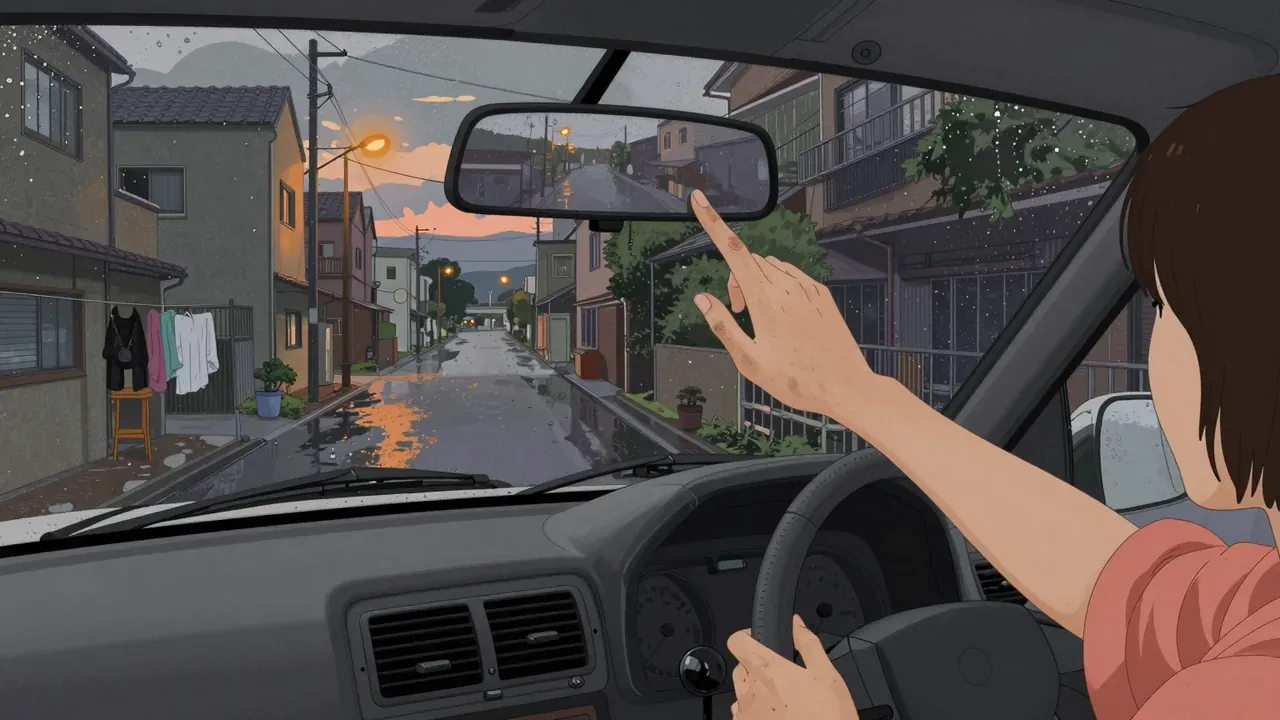
Drive My Car (2021), directed by Ryusuke Hamaguchi, follows a Tokyo theatre director who, two years after his wife’s death, accepts a residency in Hiroshima to direct a multilingual production of Uncle Vanya — required to be chauffeured in his red Saab. With Hidetoshi Nishijima and Tōko Miura, and shot by Hidetoshi Shinomiya, it unfolds across 179 patient minutes, building meaning through repetition, silence, and the physicality of speech and listening.

13:00

Exotica

Atom Egoyan · 1994

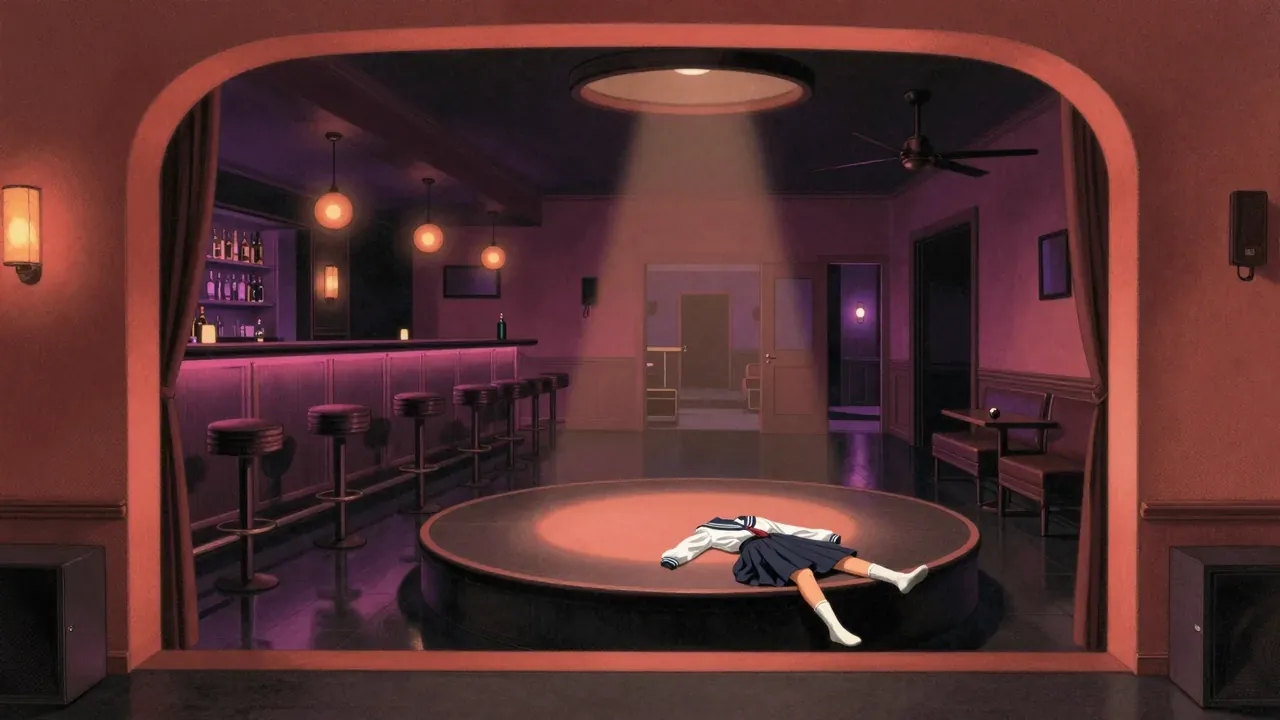
Atom Egoyan’s 1994 Canadian drama Exotica unfolds in and around a Toronto strip club, tracing the restrained, overlapping lives of a grieving tax auditor, a dancer, a club owner, and a bird smuggler. Structured like a striptease — withholding, then revealing — it treats the club as ritual space rather than spectacle, using Paul Sarossy’s precise cinematography, Mychael Danna’s layered score, and Susan Shipton’s deliberate editing to explore how trauma reshapes memory, time, and connection. It won Best Canadian Film at TIFF and the Genie for Best Picture.

13:00

Gates of Heaven

Errol Morris · 1978

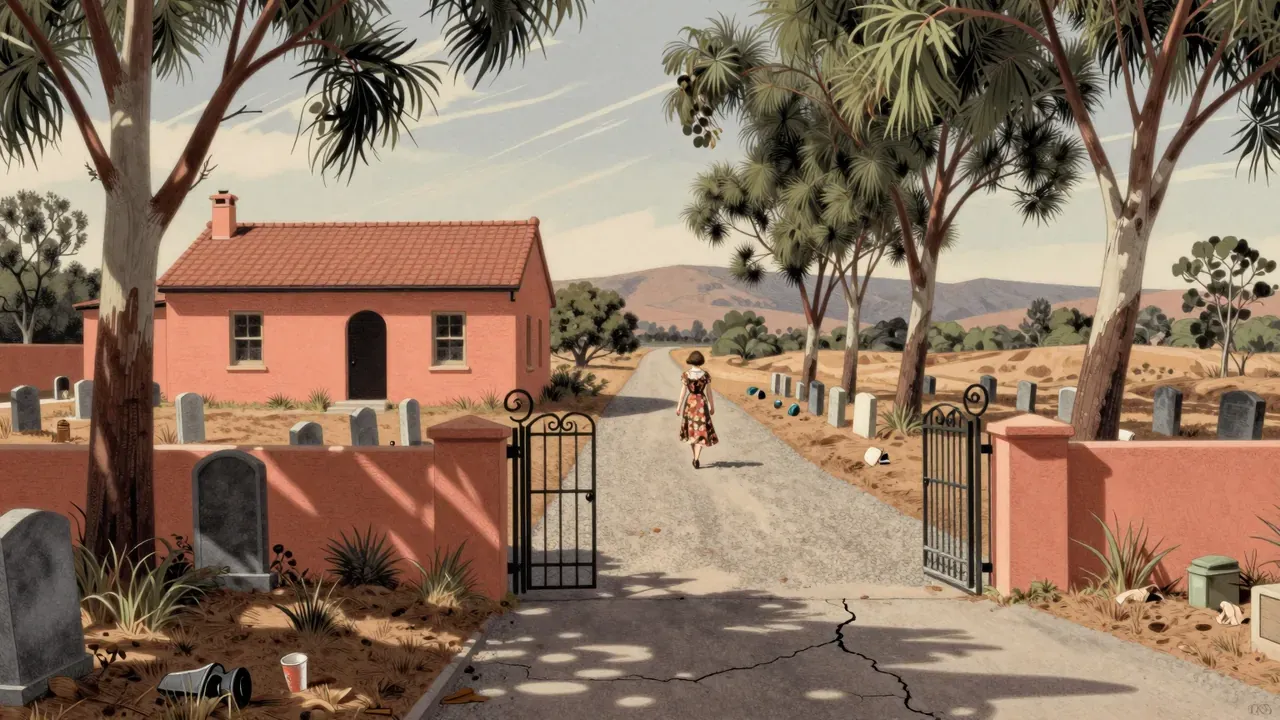
Errol Morris’s 1978 debut is an unnarrated documentary about pet cemeteries in California, built entirely from interviews with entrepreneurs, mourners and bystanders. Shot on a shoestring budget with three fired cinematographers before settling on Ned Burgess, it avoids irony, exposition and music, letting speech — hesitant, repetitive, earnest — carry philosophical weight. Its structure divides two competing businesses, revealing not satire or sentiment but a sustained inquiry into how people articulate meaning around death, care and failure.

13:00

Heart of a Dog

Laurie Anderson · 2015

Laurie Anderson’s 2015 essay-film Heart of a Dog reflects on the death of her dog Lolabelle, weaving personal memory, Buddhist bardo teachings, and reflections on post-9/11 New York into a meditative, non-linear structure. Composed, scored, and narrated by Anderson, it favours restraint over exposition, silence over score, and association over argument — offering not answers but a sustained mode of attention.

13:00

Jellyfish Eyes

Takashi Murakami · 2013

Takashi Murakami’s 2013 debut feature Jellyfish Eyes is a Japanese science-fiction drama about a grieving boy who befriends a jellyfish-like creature in a town where children pilot digital companions called F.R.I.E.N.D.s. Directed with painterly stillness and scored with bright, synthetic music, it explores childhood vulnerability, institutional opacity, and the ethics of creation — not through exposition but through texture, silence, and recurring visual motifs. Though its narrative structure falters and its genre elements remain underdeveloped, its emotional precision and conceptual consistency give it a quiet, cumulative power.

13:00

Mamma Roma

Pier Paolo Pasolini · 1962

Pier Paolo Pasolini’s 1962 drama follows Anna Magnani as a former sex worker striving to secure a respectable future for her teenage son in Rome. When her past resurfaces, their fragile new life unravels. Shot on location near the Appian Way with non-professional actors and a stark, frontal visual style, the film merges neorealist texture with baroque moral gravity. Its power lies in its refusal of catharsis or explanation — grief, shame, and social immobility settle like dust, unshaken.

13:00

My Life as a Dog

Lasse Hallström · 1985

Set in rural Sweden in 1958–59, My Life as a Dog follows twelve-year-old Ingemar, dispatched to live with relatives while his mother battles illness. Observing small-town life with unsentimental clarity, he navigates eccentric neighbours, nascent friendship, and accumulating loss. The film avoids exposition and catharsis, trusting repetition, silence, and precise detail to convey emotional truth. Its power lies in restraint: in what is withheld, what lingers off-screen, and how deeply ordinary moments can hold extraordinary weight.

13:00

Personal Shopper

Olivier Assayas · 2016

Olivier Assayas’s Personal Shopper stars Kristen Stewart as Maureen, an American personal shopper in Paris awaiting a sign from her deceased twin. As texts arrive from an unknown number and spectral events unfold, the film sustains deliberate ambiguity: is she contacting the dead, being manipulated by the living, or unravelling under grief? Shot by Yorick Le Saux and edited by Marion Monnier, it favours restraint over exposition, making uncertainty its central subject.

13:00

Petite Maman

Céline Sciamma · 2021

Petite Maman is a 2021 French drama written and directed by Céline Sciamma, following eight-year-old Nelly as she encounters her mother as a child in the woods near her grandmother’s empty house. Using a simple, unexplained time-loop, the film explores intergenerational grief, memory, and the quiet continuities between mothers and daughters. Shot by Claire Mathon and scored by Para One, it features twin sisters Joséphine and Gabrielle Sanz in the lead roles, alongside Nina Meurisse, Stéphane Varupenne, and Margot Abascal. Released by France 3 Cinéma, it premiered at the Berlin Film Festival and received widespread critical acclaim.

13:00

Poetic Justice

John Singleton · 1993

Poetic Justice is John Singleton’s 1993 romantic road film following Justice (Janet Jackson), a grieving poet and hairdresser, on a journey from South Los Angeles to Oakland with friends and postal workers Lucky (Tupac Shakur) and Chicago (Joe Torry). Shot by Peter Lyons Collister and scored by Stanley Clarke, it attempts to centre Black women’s emotional lives within the ‘hood film’ tradition. Though criticised for narrative slack and exposition-heavy writing, it endures for its textured portrayal of grief, care and quiet connection — anchored by Jackson and Shakur’s restrained, resonant performances.
13:00

Rouge

Stanley Kwan · 1987

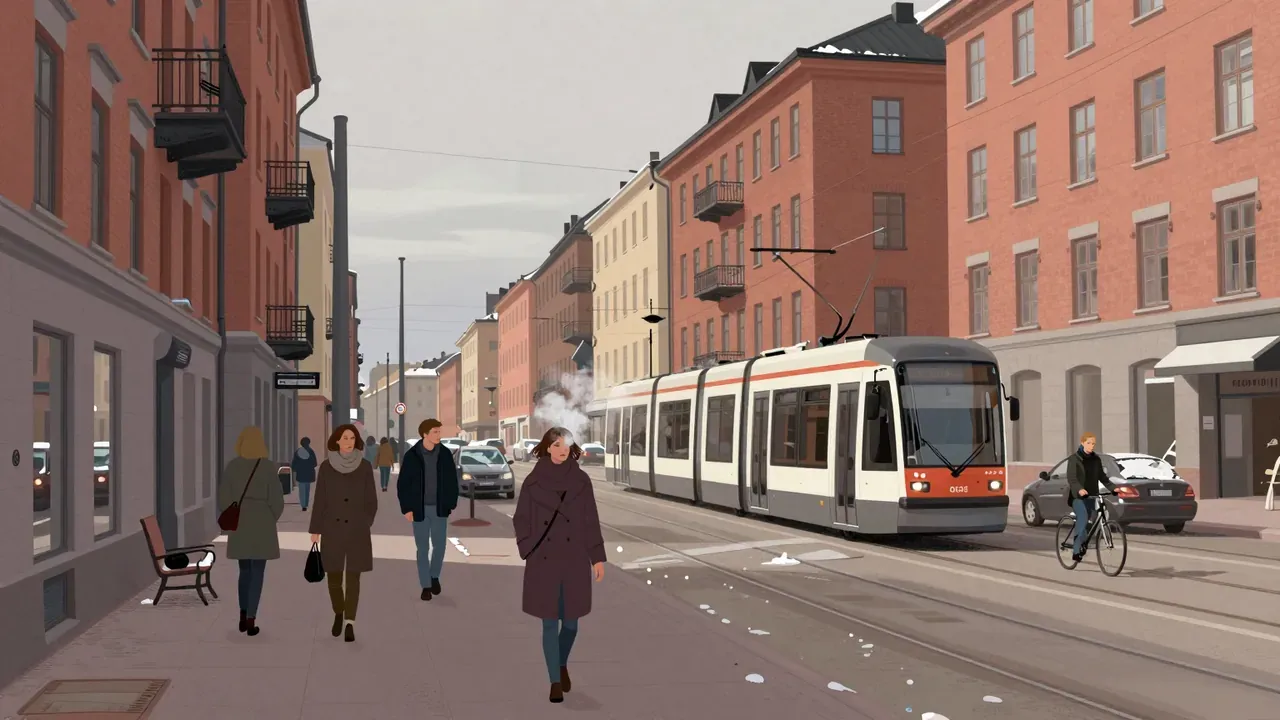
Stanley Kwan’s 1987 romantic drama Rouge follows Fleur, a 1930s courtesan who returns from the afterlife to find her lover Chan, presumed dead after their joint suicide pact. Instead, she discovers he survived, married, failed, and now lives in obscurity. Anchored by Anita Mui’s restrained performance and Bill Wong’s understated cinematography, the film measures time not in years but in unkept promises, social constraint, and the quiet persistence of grief.

13:00

Secret Sunshine

Lee Chang-dong · 2007

Lee Chang-dong’s 2007 drama follows Shin-ae, a widow who moves to her late husband’s hometown with her young son, only to endure his abduction and murder. As she cycles through denial, faith, rage and self-harm, the film refuses catharsis or symbolism, anchoring itself instead in Jeon Do-yeon’s restrained, physically precise performance and a world rendered in muted, unvarnished detail. Shot in Miryang, South Korea, it treats trauma not as narrative engine but as lived, untranslatable condition.

13:00

Still Walking

Hirokazu Koreeda · 2008

Hirokazu Koreeda’s 2008 film follows the Yokoyama family over one day as they gather to mark the twelfth anniversary of their eldest son’s death. Built on restrained performances, unhurried pacing and naturalistic detail, it traces the quiet tensions between duty and desire, memory and erasure, love and resentment — all without raising its voice or breaking its rhythm.

13:00

Summer Interlude

Ingmar Bergman · 1951

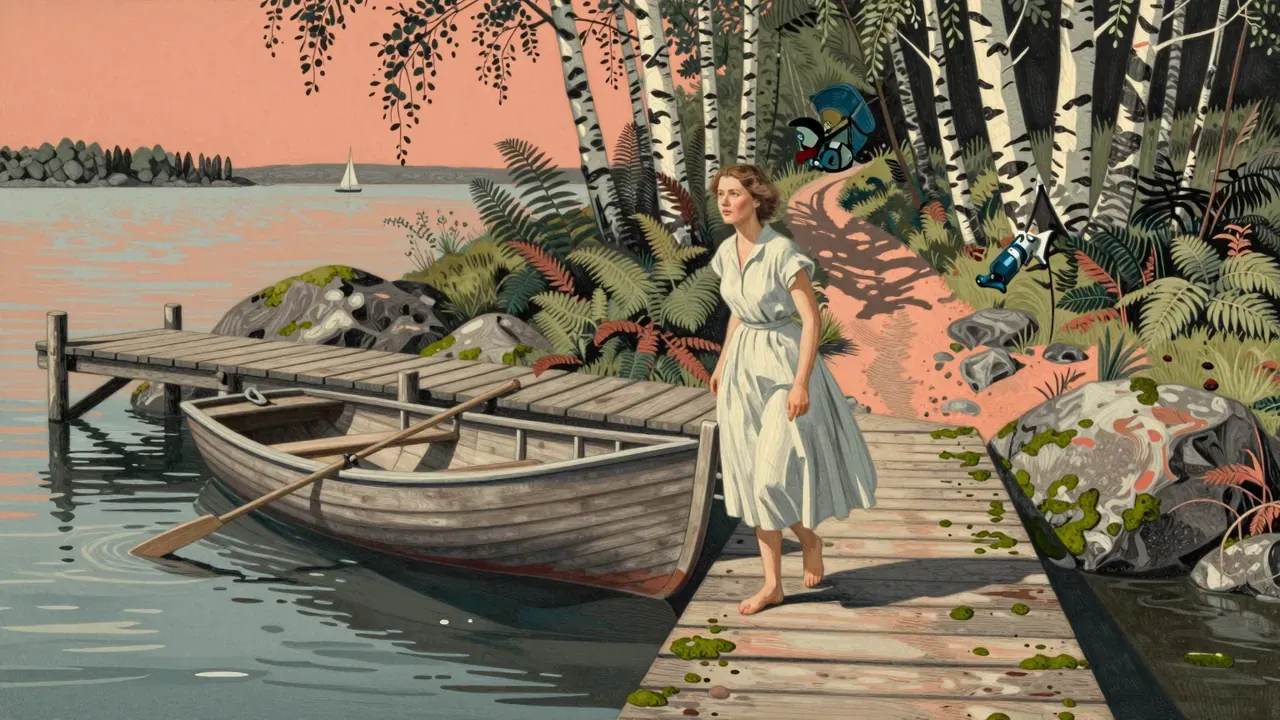
Ingmar Bergman’s 1951 drama follows a ballerina who, during a tense rehearsal day, receives the diary of her first love — a young man who died thirteen years earlier after a diving accident. Returning to the island where they met, she revisits that summer not to grieve anew, but to rediscover the physical ease and emotional openness she buried beneath professional discipline and adult reserve. Shot on location at Dalarö with restrained cinematography by Gunnar Fischer, the film balances memory and immediacy, loss and renewal, without recourse to exposition or sentiment. It marks Bergman’s turn toward psychological intimacy and formal precision — not as intellectual exercise, but as embodied experience.

13:00

The Darjeeling Limited

Wes Anderson · 2007

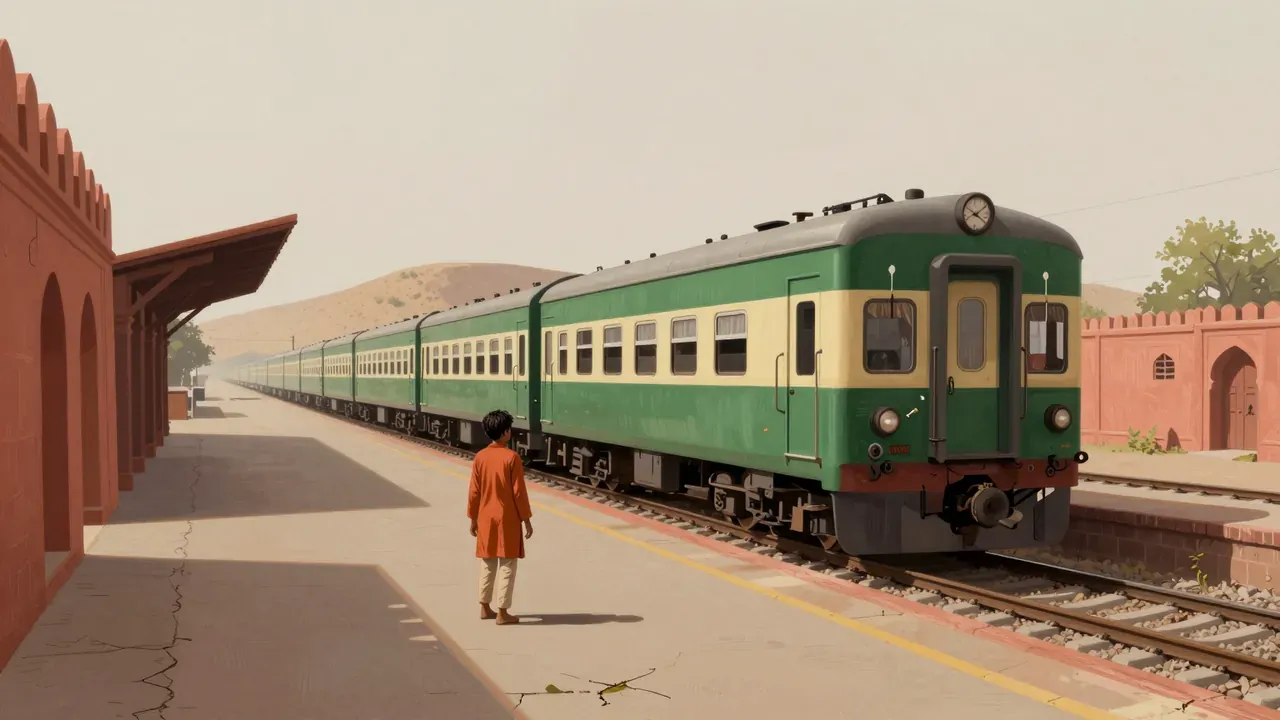
Three estranged brothers travel across Rajasthan aboard a luxury train one year after their father’s death, attempting a spiritual journey that unravels into confrontation, failure, and quiet reconnection. Directed by Wes Anderson and shot by Robert Yeoman, the film employs symmetrical framing, a muted palette, and carefully curated music to explore inherited mourning, cultural distance, and the slow dissolution of control. It premiered at Venice in 2007, grossed $35.3m on a $17.5m budget, and received generally favourable reviews.
13:00

The Funeral

Jūzō Itami · 1984

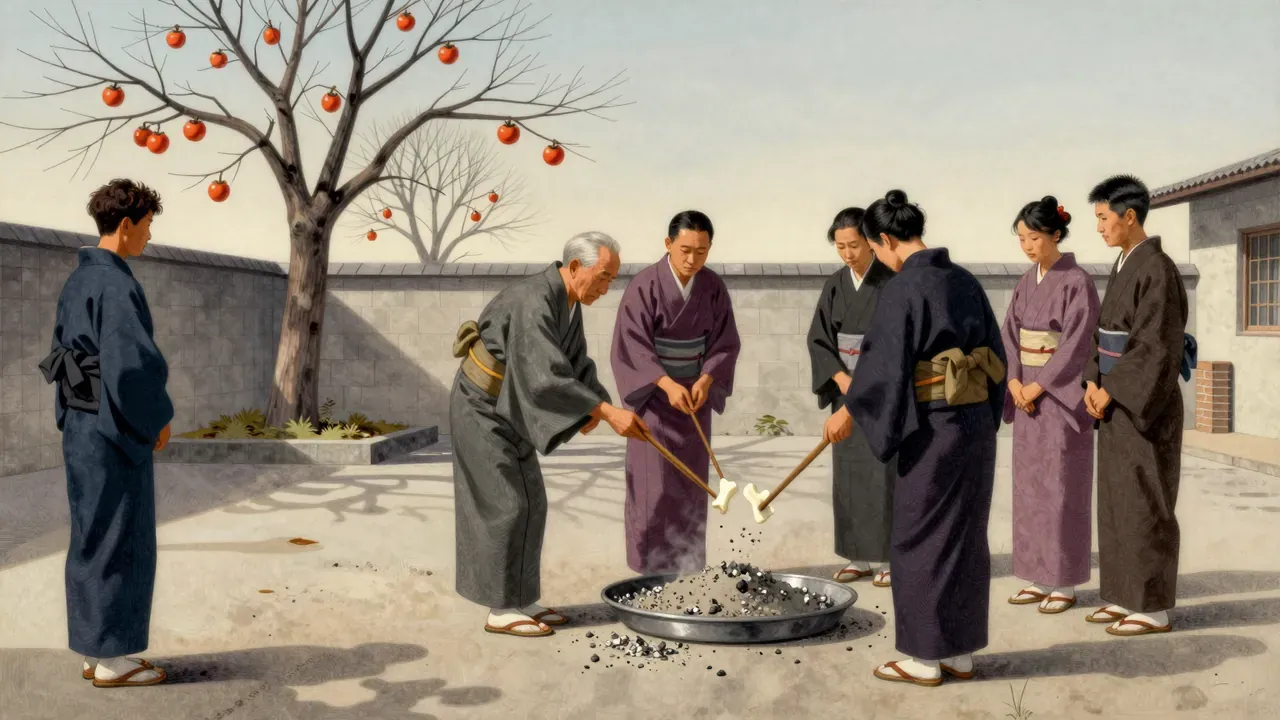
Jūzō Itami’s 1984 debut follows a Tokyo family preparing for a traditional Japanese funeral over three days. With Tsutomu Yamazaki and Nobuko Miyamoto, it observes ritual, grief and social performance with quiet precision — finding comedy not in mockery but in the stubborn persistence of form amid loss.

13:00

The Ice Storm

Ang Lee · 1997

Set over a single Thanksgiving weekend in 1973, The Ice Storm follows two Connecticut families adrift in marital and generational disaffection. Directed by Ang Lee from James Schamus’s screenplay, it renders suburban ennui through restrained performances, muted cinematography, and a structure built on accumulation rather than escalation. A fatal accident during an ice storm forces a reckoning — not with morality, but with the cost of emotional drift.

13:00

The Life Aquatic with Steve Zissou

Wes Anderson · 2004

Wes Anderson’s 2004 film follows oceanographer Steve Zissou on a quixotic quest for revenge against a mythical shark. Stylised to the point of abstraction, it uses symmetry, deadpan delivery, and invented marine life to explore grief, paternal fantasy, and the erosion of authority. Though box-office unsuccessful and critically divided on release, it has since accrued a devoted following for its unwavering formal discipline and muted emotional resonance.

13:00

The Love That Remains

Hlynur Pálmason · 2025

Set over one year in Iceland, The Love That Remains follows a family adjusting to separation with quiet, unsentimental attention. Directed and shot on 35 mm by Hlynur Pálmason, it stars Saga Garðarsdóttir and Sverrir Guðnason as parents navigating shared custody, their children absorbing the shift in atmosphere more than in words. With no score-driven emotion or narrative climax, it builds meaning through repetition, texture, and the accumulated weight of small gestures.

13:00

The Others

Alejandro Amenábar · 2001

Set in 1945 Jersey, The Others follows Grace Stewart, a devout mother shielding her photosensitive children in a remote manor. When new servants arrive, strange occurrences mount — whispers, moving objects, unseen figures — until Grace uncovers a truth far more unsettling than ghosts. Directed and written by Alejandro Amenábar, it relies on atmosphere, performance and precise craft rather than shock or spectacle.

13:00

The Shrouds

David Cronenberg · 2024

David Cronenberg’s 2024 film *The Shrouds* follows a widowed inventor who develops ‘GraveTech’, a technology that broadcasts live 3D images of decomposing corpses via modified shrouds. Set in Toronto and conceived as a response to the director’s own bereavement, the film explores grief as a physical, technological, and architectural condition — one that can be hacked, misrendered, and eroticised. With Vincent Cassel, Diane Kruger, and Guy Pearce, it sustains a tone of clinical unease, privileging conceptual rigour over narrative resolution.

13:00

The South

Víctor Erice · 1983

Set in northern Spain in the late 1950s, Víctor Erice’s The South traces a young girl’s quiet, persistent attempt to understand her father’s hidden past — his childhood in the south, his Republican past, his estrangement from his family, and his enduring attachment to an actress named Irene Ríos. Adapted from Adelaida García Morales’ novella and shot by José Luis Alcaine Escaño, the film proceeds through restrained, image-led episodes, treating memory as physical trace and silence as narrative agent. It was produced by Elías Querejeta and entered the 1983 Cannes Film Festival.

13:00

The Worst Person in the World

Joachim Trier · 2021

Joachim Trier’s 2021 Oslo-set drama follows Julie, a woman in her late twenties drifting between careers and relationships, as she navigates love, loss, pregnancy, and grief. Anchored by Renate Reinsve’s layered performance and Kasper Andersen’s naturalistic cinematography, the film uses a chaptered structure and subtle tonal shifts to explore self-perception, time, and the weight of expectation — without moralising, resolving, or explaining.

13:00

This Is Not A Burial, It's A Resurrection

Lemohang Jeremiah Mosese · 2019

This Is Not A Burial, It's A Resurrection is a 2019 Lesotho drama in Sesotho, directed and written by Lemohang Jeremiah Mosese. It follows Mantoa, an 80-year-old widow preparing for death as her village faces forced resettlement for a dam. Shot with formal restraint and deep cultural specificity, it frames grief, land, and ritual as interwoven acts of resistance. Starring Mary Twala Mhlongo, it won Best Director, Best Actress, Best Cinematography and Best Costume Design at the Africa Movie Academy Awards, and the Golden Crow-pheasant at the International Film Festival of Kerala.

13:00

Tokyo Twilight

Yasujirō Ozu · 1957

Tokyo Twilight (1957) is Yasujirō Ozu’s final black-and-white drama, following two sisters reunited with their estranged mother in postwar Tokyo. When Akiko discovers the truth about her parentage, the revelation unravels her fragile stability — leading to abortion, confrontation, and sudden death. Her elder sister Takako absorbs the fallout, choosing to return to her failing marriage to break the cycle of abandonment. Shot by Yūharu Atsuta with Ozu’s signature stillness, the film resists melodrama in favour of accumulated quiet, using omission and restraint to articulate grief as atmosphere rather than event.

13:00

Tótem

Lila Avilés · 2023

Set over a single day at her grandfather’s house, seven-year-old Sol attends what is presented as her father’s birthday party — though it functions as a tender, unspoken farewell before his death. Directed and written by Lila Avilés, the film observes Sol’s sensory and emotional navigation of shifting family dynamics as daylight fades and ritual gives way to raw feeling. With Naíma Sentíes in a remarkably restrained central performance and Diego Tenorio’s naturalistic cinematography, Tótem builds emotional weight through accumulation, not climax.

13:00

Three Colours: Blue

Krzysztof Kieślowski · 1993

Krzysztof Kieślowski’s 1993 drama follows Julie (Juliette Binoche), a woman who attempts total emotional seclusion after losing her husband and daughter. Shot in Paris with deliberate blue tonality and scored by Zbigniew Preisner, the film traces her reluctant return to connection — not as recovery, but as re-embodiment. It is the first part of the Three Colours trilogy, themed on liberty, equality, and fraternity, with Blue interrogating liberty as an internal, not political, state.

13:00

Apur Sansar

Satyajit Ray · 1959

Satyajit Ray’s 1959 Apur Sansar concludes the Apu Trilogy with quiet rigour: Soumitra Chatterjee’s debut as the adult Apu traces a path from drifting graduate to bereft father to tentative parent, shaped by Subrata Mitra’s restrained cinematography and Ravi Shankar’s sparse score. Adapted from Bibhutibhushan Bandopadhyay’s novel, it finds emotional gravity in understatement — in shared meals, unspoken decisions, and the slow reassembly of a life after loss.

13:00

The Son's Room

Nanni Moretti · 2001

Nanni Moretti’s 2001 drama follows a psychoanalyst and his family in Ancona after their teenage son drowns. Shot with unadorned naturalism by Giuseppe Lanci and edited with deliberate restraint by Esmeralda Calabria, the film charts the quiet disintegration of routine, language, and professional distance. Its power lies in accumulation—not revelation—in how photographs, letters, and unspoken silences reconfigure daily life. It won the Palme d’Or and David di Donatello for Best Film.

13:00

A Ghost Story

David Lowery · 2017

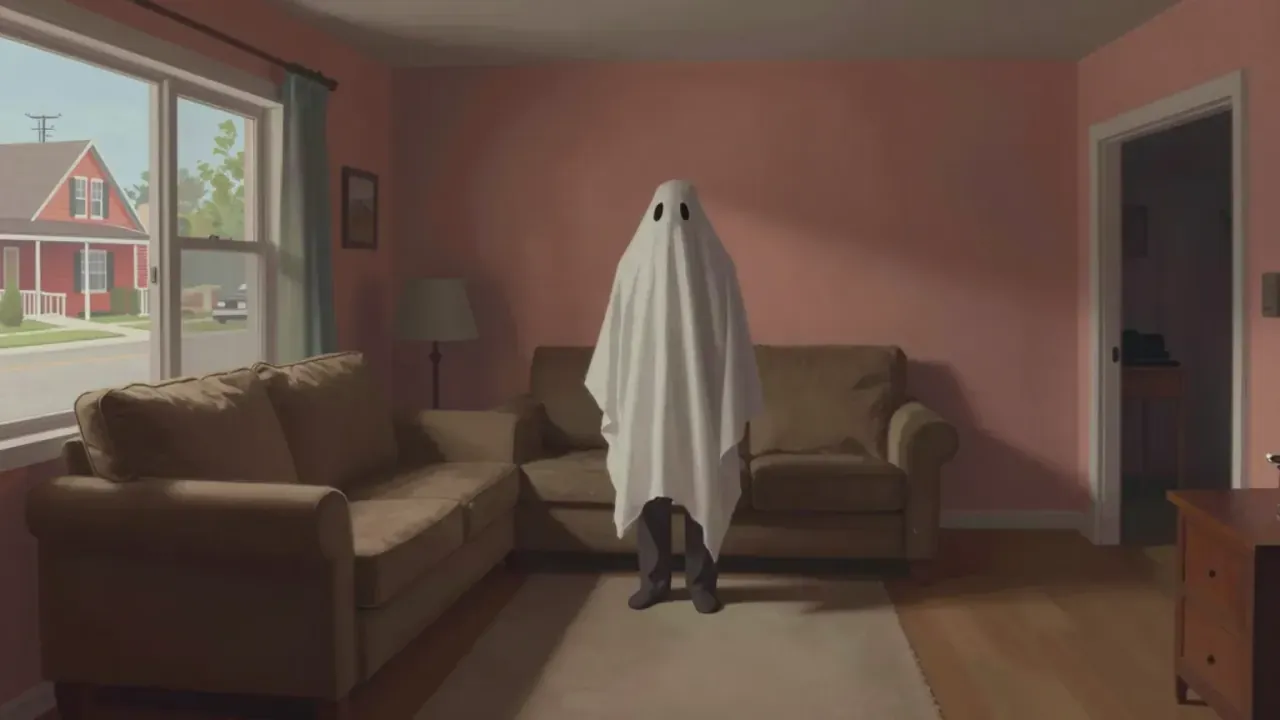
David Lowery’s A Ghost Story (2017) follows a sheet-draped ghost — played by Casey Affleck — who remains in the house he shared with his wife (Rooney Mara) after his death. Shot in 1.33:1, with minimal dialogue and long, static takes, the film observes decades of human life, loss and renewal within a single domestic space. It is a formally precise, emotionally resonant meditation on memory, materiality and deep time — not a supernatural story, but a structural poem about what endures when people do not.

13:00

After Yang

Kogonada · 2021

A quietly devastating science fiction drama in which a family attempts to repair their malfunctioning android son, uncovering layers of memory, loss, and care. Set in a calm, unspecified future, it avoids genre spectacle in favour of domestic intimacy, using restraint as both aesthetic and ethical principle.

13:00

Aparajito

Satyajit Ray · 1956

Satyajit Ray’s 1956 Bengali drama Aparajito, the second film of The Apu Trilogy, follows Apu from childhood to young adulthood across Varanasi, rural Bengal, and Kolkata. It charts his intellectual ascent alongside his emotional withdrawal from his mother Sarbajaya, culminating in her death and his muted, complex response. Shot by Subrata Mitra with diffused lighting and scored by Ravi Shankar, the film relies on stillness, silence, and precise gesture rather than exposition or climax. Though less immediately accessible than its predecessor Pather Panchali, it deepens the trilogy’s inquiry into time, memory, and filial love—winning the Golden Lion at Venice and cementing Ray’s international reputation.

13:00

Cries and Whispers

Ingmar Bergman · 1972

Ingmar Bergman’s 1972 Cries and Whispers is a formally rigorous Swedish drama set in a red-walled 19th-century mansion, where three sisters and a maid attend to Agnes as she dies of cancer. Shot by Sven Nykvist in saturated colour, it prioritises gesture, texture and duration over exposition or psychology, treating grief, faith and intimacy as bodily, not verbal, conditions. It won the Academy Award for Best Cinematography and remains a benchmark of arthouse restraint.

13:00

Husbands

John Cassavetes · 1970

John Cassavetes’s 1970 drama follows three middle-aged friends—Gus, Harry, and Archie—after the sudden death of their closest companion. Unmoored, they flee suburban New York for London, where their attempts at distraction collapse under the weight of unspoken grief, ageing, and mutual dependence. Shot in loose, handheld style with extensive improvisation, the film prioritises duration and behavioural realism over plot. Its reception was polarised: hailed by some as radical and deeply sincere, dismissed by others as self-indulgent and misogynistic. Restored in 2020 by Criterion, it remains a demanding, uncompromising portrait of masculinity in suspension.

13:00

Jackie

Pablo Larraín · 2016

Jackie (2016) follows Jacqueline Kennedy in the week after John F. Kennedy’s assassination, framed by a Life magazine interview at Hyannis Port. Directed by Pablo Larraín and starring Natalie Portman, it focuses on her psychological navigation of grief, legacy, and public performance — not as a biographical survey, but as a study in containment. Stéphane Fontaine’s cinematography, Mica Levi’s score, and Sebastián Sepúlveda’s editing sustain a tense, intimate atmosphere. The film received three Academy Award nominations, including Best Actress for Portman.

13:00

Big Hero 6

Chris Williams, Don Hall · 2014

A robotics prodigy grieving his brother's death assembles a makeshift team, led by a soft, inflatable healthcare robot named Baymax, to confront the person responsible. Don Hall and Chris Williams's 2014 film sets its Marvel-derived plot in a hybrid San Francisco-Tokyo city and keeps its emotional focus on loss rather than spectacle.

13:00

Eternal Sunshine of the Spotless Mind

Michel Gondry · 2004

Jim Carrey and Kate Winslet play exes who each have their relationship erased from memory, in a film that plays their romance in reverse and ends with them choosing it again anyway.

13:00

Finding Nemo

Andrew Stanton, Lee Unkrich · 2003

Finding Nemo follows an overprotective clownfish, Marlin, across the ocean to rescue his son Nemo after a diver captures him, aided by Dory, a fish whose short-term memory resets constantly. Directed by Andrew Stanton for Pixar from a script written before serious animation began, the film grossed $969 million against a $94 million budget, became the best-selling DVD title ever, and won the first Academy Award for Best Animated Feature.

13:00

Kubo and the Two Strings

Travis Knight · 2016

In a fictionalised feudal Japan, a one-eyed boy named Kubo earns a living by animating paper figures with music, until his grandfather's ghostly aunts arrive to finish what took his eye in infancy. Travis Knight's directorial debut for Laika pairs handmade stop-motion craft, inspired by ukiyo-e woodblock printing, with a quest plot that leans harder on grief and loss than most animated adventures aimed at children.

13:00

Marcel the Shell with Shoes On

Dean Fleischer Camp · 2021

A documentary filmmaker moves into an Airbnb and finds Marcel, a talking, one-inch-tall shell living there with his grandmother Connie, and starts filming his daily routines. When the resulting videos make Marcel briefly famous, he has to decide whether that attention can actually help him find the family he lost years earlier.

13:00

Solaris

Andrei Tarkovsky · 1972

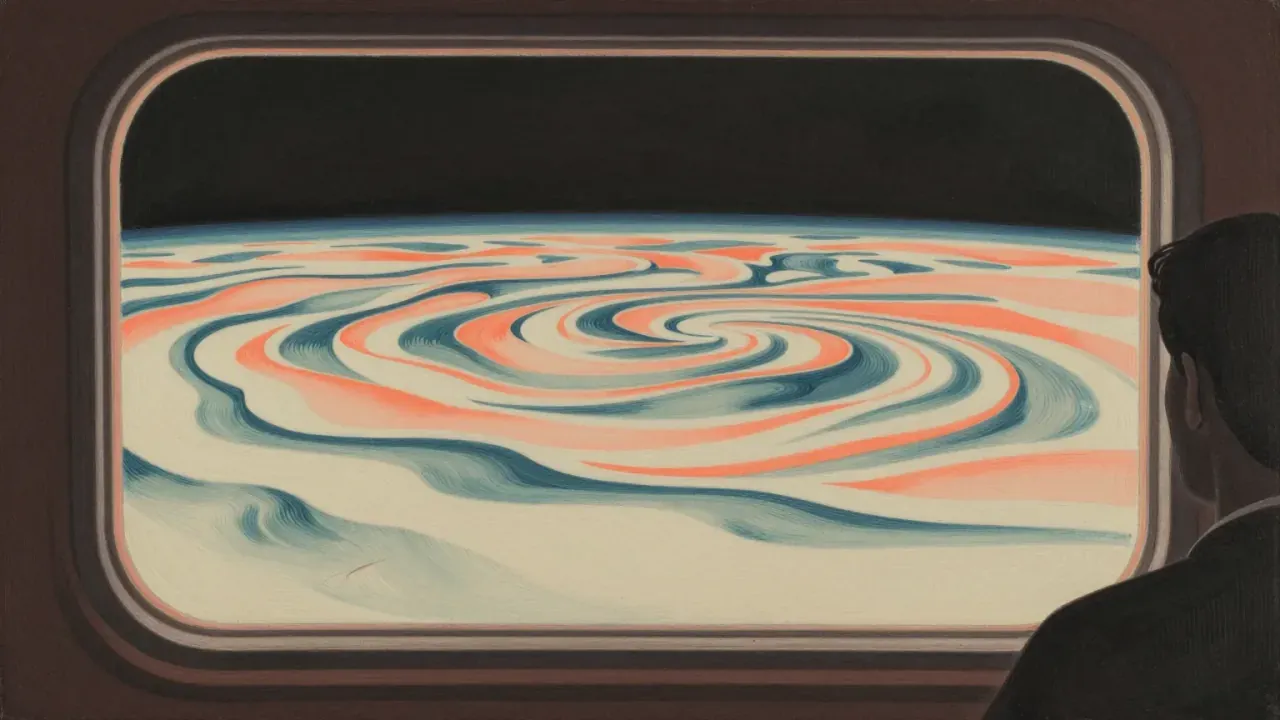
Andrei Tarkovsky's 1972 adaptation of Stanislaw Lem's novel sends psychologist Kris Kelvin to a station orbiting the ocean planet Solaris, where the surviving crew have fallen into crisis after the planet's ocean began materialising physical visitors drawn from their memories, and Kelvin's own dead wife Hari soon appears to him in the same way. Shot by Vadim Yusov with a score by Eduard Artemyev built around a Bach chorale, and made partly as a rebuttal to what Tarkovsky saw as the coldness of 2001: A Space Odyssey, it won the Grand Prix at Cannes and has stood since as one of Soviet cinema's most significant contributions to science fiction.

13:00

The Boy and the Heron

Hayao Miyazaki · 2023

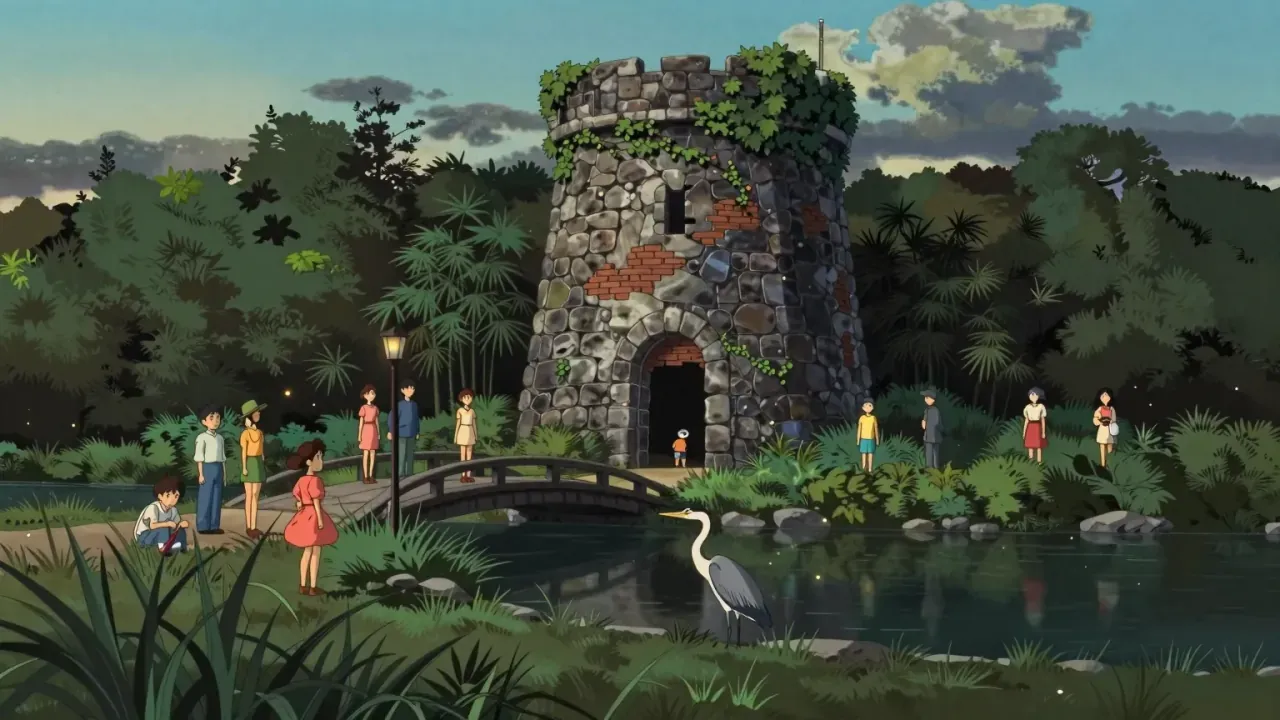
After his mother dies in wartime Japan, Mahito Maki moves to the countryside, follows a talking grey heron into an abandoned tower, and enters a fantastical realm governed by its own private logic. Hayao Miyazaki spent roughly seven years making the film, released in Japan with no trailers, stills or synopsis beyond a single poster.

13:00

The Lion King

Roger Allers, Rob Minkoff · 1994

The Lion King follows Simba, a lion cub exiled after his uncle Scar arranges his father Mufasa's death, as he grows up away from his kingdom and eventually returns to reclaim it. Roger Allers and Rob Minkoff directed after an earlier documentary-style version by George Scribner was abandoned for a musical treatment with songs by Elton John and Tim Rice and a score by Hans Zimmer. Made on a $45 million budget, it grossed $968.5 million, becoming the highest-grossing traditionally animated film ever made and winning the Academy Award for Best Original Score.

13:00

Up

Pete Docter, Bob Peterson · 2009

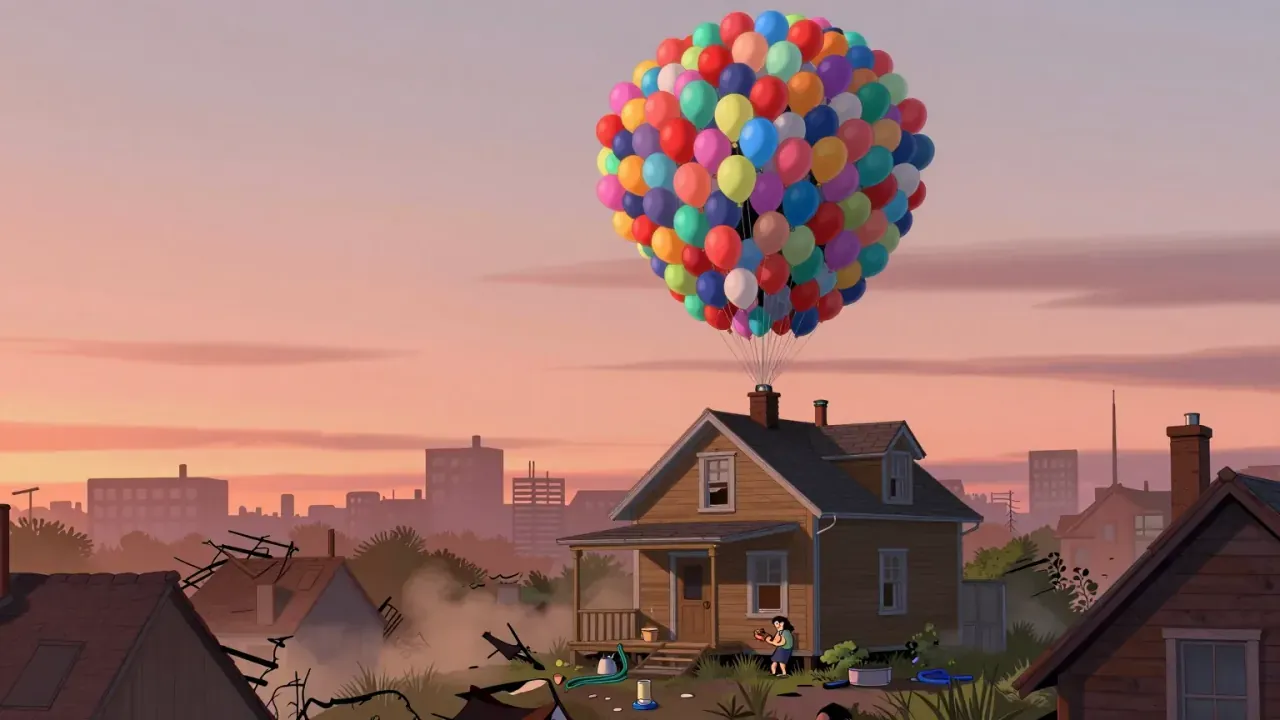
A widower ties thousands of balloons to his house and flies to South America to fulfil a promise made decades earlier, only to find an uninvited child stowaway waiting on his porch. Pete Docter's 2009 film pairs one of animation's most quoted opening sequences with an adventure plot that keeps circling back to grief.