The shape of a year
The Love That Remains is a domestic drama set over one year in contemporary Iceland, tracking the quiet unravelling and reconfiguration of a family after the parents’ separation. It does not seek narrative propulsion or revelation, but rather sustained attention to behavioural shifts — how routines soften, silences thicken, and children absorb adult uncertainty without being told what it means. Hlynur Pálmason writes and directs with deliberate restraint, avoiding exposition or psychological signposting; the film’s ambition lies in fidelity to duration and emotional latency, not in resolving grief or affirming resilience. It treats separation not as crisis but as weather: persistent, unremarkable, altering light and temperature without fanfare. The choice to shoot on 35 mm film reinforces this tactile, non-urgent sensibility — grain and slight instability become part of the film’s grammar of endurance. Its aim is not to explain divorce, but to hold space for its ordinary, uncinematic residue. Word count: 124.
The weight of silence
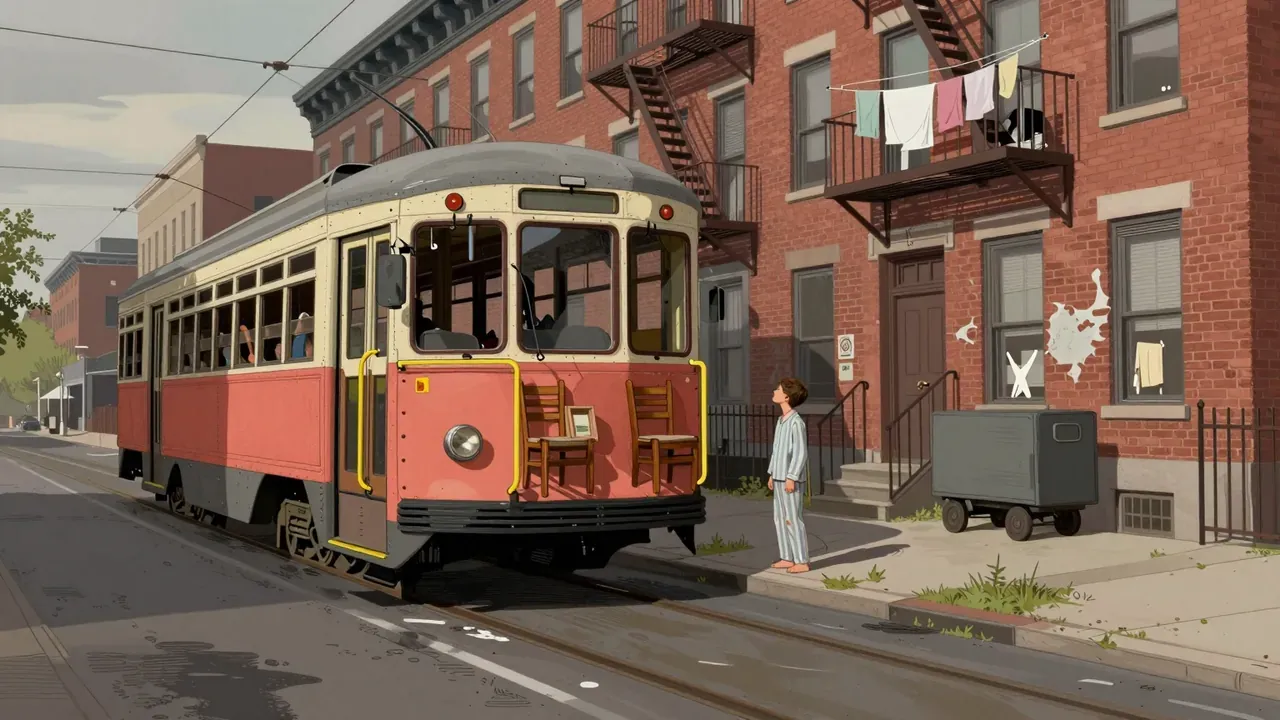
The story unfolds episodically across seasons, anchored by Anna and Magnús’s shared custody of their three children, with scenes often held just beyond dialogue’s reach — a glance at a half-packed suitcase, a child’s hand tracing condensation on a window, a dog nudging an abandoned shoe. Saga Garðarsdóttir and Sverrir Guðnason perform with minimal inflection, their restraint calibrated so precisely that small deviations — a pause before answering, a shift in posture — carry weight. Pálmason’s cinematography favours medium distances and shallow focus, keeping faces partially obscured or lit only by available window light; interiors feel lived-in but never curated. Julius Krebs Damsbo’s editing avoids rhythm for its own sake, allowing scenes to settle and decay within the frame. Sound design by Björn Viktorsson foregrounds ambient texture — wind, distant traffic, the hum of refrigerators — over score, though Harry Hunt’s music appears sparingly, always diegetic or tonally ambiguous. The animal presence — notably Panda the dog, awarded the Palm Dog — functions not as comic relief but as a neutral witness, unmoved by human narrative. Word count: 147.
What the dog sees
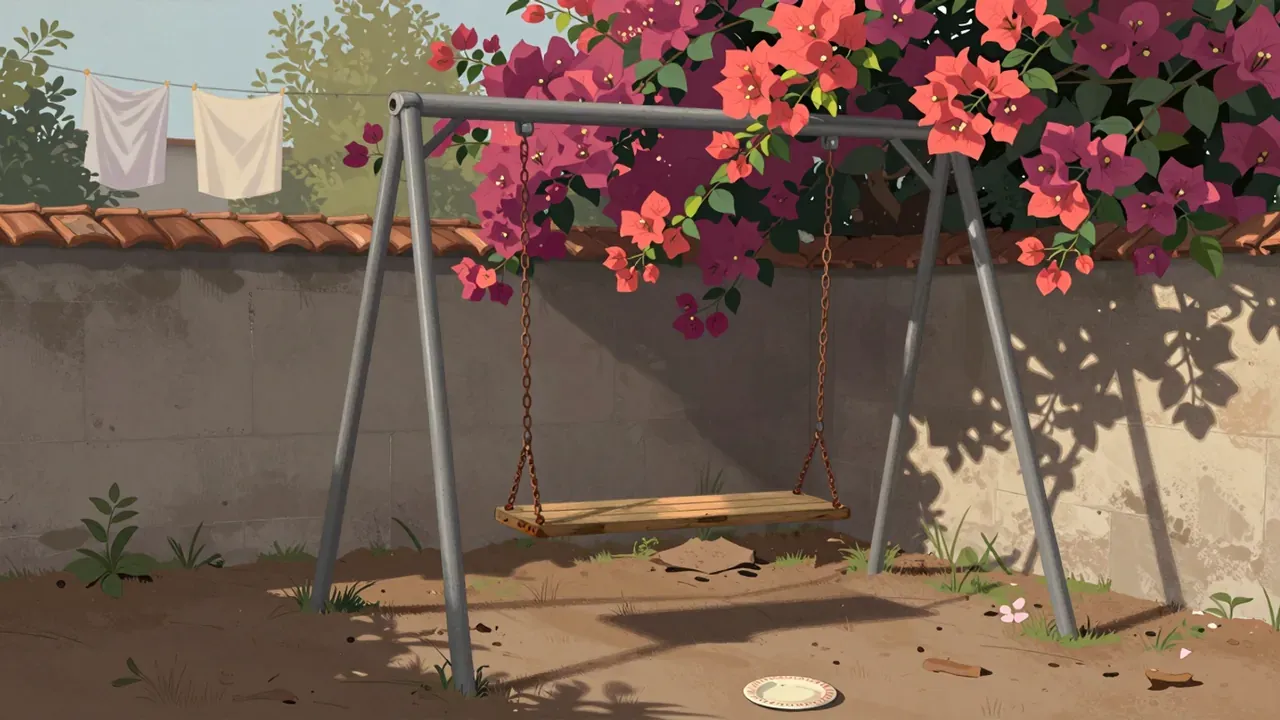
What lands is the accumulation of minor, unrepeatable moments: a child’s hesitant question about where love goes when it stops living in the same house; the way Anna folds laundry while listening to Magnús speak from another room, her hands never pausing; the repeated image of a bicycle left leaning against a fence, season after season, its position subtly altered by snow, rain, or sun. These details accrue without commentary, trusting the viewer to register change through repetition and variation rather than explanation. The film’s emotional honesty rests in its refusal to assign motive or closure — characters do not have breakthroughs, nor do they regress into cliché. Even the children’s performances avoid precocity or pathos; their confusion is conveyed through physical habit — a thumb-sucking resumption, a sudden reluctance to cross thresholds — not monologue. The 35 mm texture lends warmth without nostalgia, grounding the film in material reality. This is not a portrait of healing, but of continuity under altered conditions — and that continuity feels earned, not imposed. Word count: 139.
Where the rhythm breaks
What does not land is the film’s occasional drift into structural inertia. A handful of sequences — particularly two extended winter walks with no discernible shift in relationship or understanding — risk dissolving into mood without purpose. The refusal to dramatise conflict means some tensions remain indistinct: the nature of Anna and Magnús’s estrangement stays vague, less because it is mysterious and more because the script declines to furnish even minimal context. This is a formal choice, but it leaves certain relationships — especially between Anna and her teenage daughter Ída — feeling under-anchored. Likewise, the ensemble cast includes nine named roles, yet several adults (Pálmi, Íris, Martin) appear only once or twice, their presence adding little beyond atmospheric density. The film’s commitment to ellipsis occasionally crosses into omission: we see consequences but rarely grasp causes, and that opacity can read as evasion rather than discipline. Not all viewers will accept that ambiguity as rigour. Word count: 142.
The residue of care
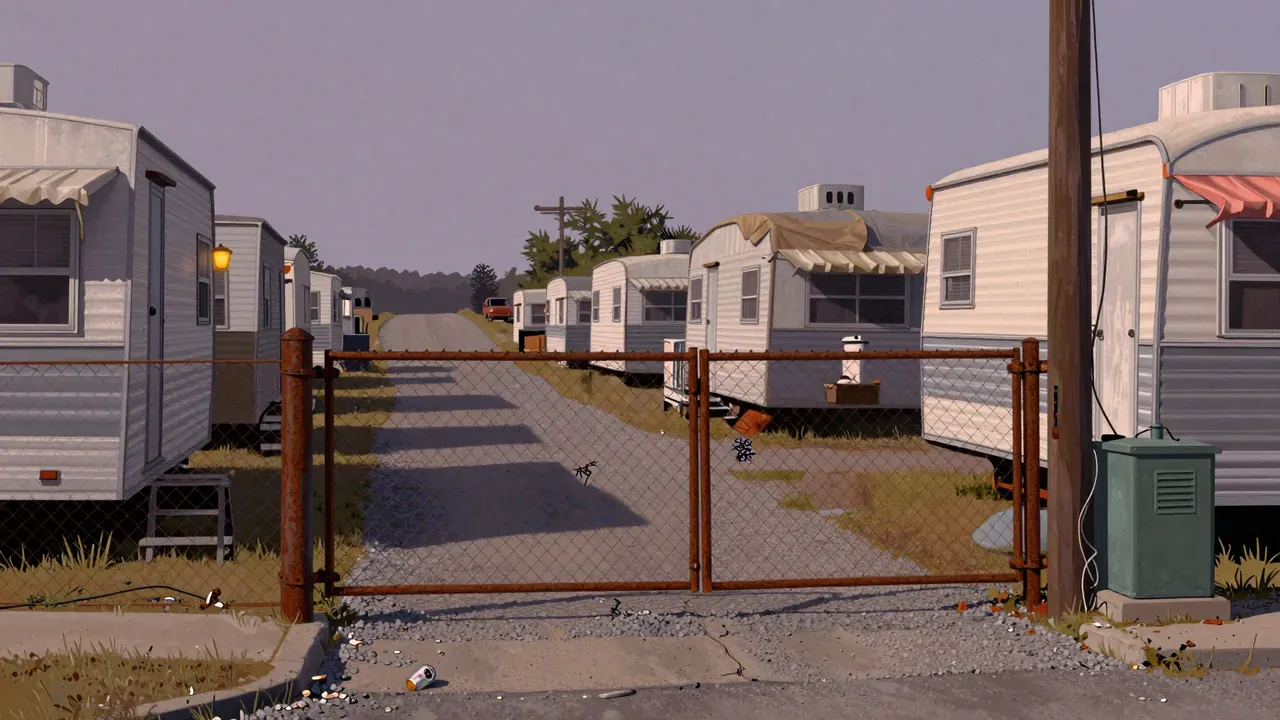
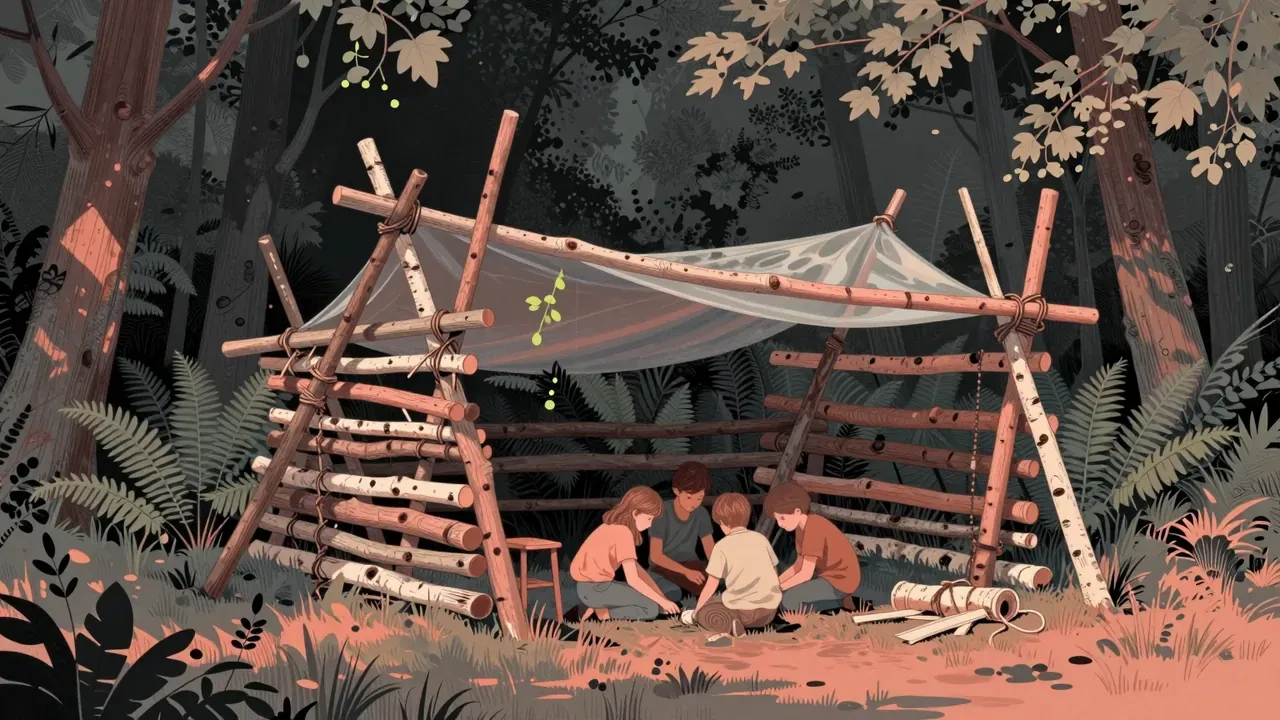
The themes that matter are time as a carrier of feeling, not a measure of progress; care as labour performed outside recognition; and the quiet violence of normalcy — how daily life continues with undimmed intensity even as foundations shift. The film treats childhood not as a stage to be passed through, but as a condition of acute perception, where adults’ emotional withdrawal registers as environmental change. Parenting here is shown as recursive effort: Anna makes lunch, Magnús fixes a tap, both do it without praise or acknowledgment, and both do it again the next day. There is no grand statement about Icelandic society, yet the landscape — sparse, weather-beaten, indifferent — becomes thematic: a mirror for emotional terrain that cannot be mastered, only inhabited. Grief is not framed as loss of person but of shared rhythm; love remains not as sentiment but as residual habit — the way Magnús still sets the table for five, or Anna keeps his favourite mug on the shelf. These are not metaphors. They are behaviours. Word count: 136.
Who watches slowly
This film is for viewers who value duration over disclosure, who find emotional resonance in withheld information and sustained observation. It suits those accustomed to arthouse pacing — people who watch Claire Denis or Mia Hansen-Løve not for plot but for the weight of a glance held a beat too long. It is not for viewers who require narrative cause-and-effect, clear character motivation, or cathartic release. Those who rely on dialogue to clarify subtext may feel adrift; those who expect children’s roles to serve symbolic or expository functions will be frustrated. The film assumes patience as a viewing skill, not a virtue to be rewarded. Anyone seeking insight into divorce as legal, financial or logistical process will find none. Its refusal to diagnose or resolve means it offers no comfort — only fidelity. That fidelity is precise, but it is also narrow. Word count: 128.
What stays after the credits
Yes, it is worth your evening — provided you arrive prepared to sit with stillness, not to be moved through it. Its 109 minutes pass without hurry, but they do not waste time; every scene serves the film’s central proposition: that emotional life persists in the interstices of routine. It rewards attention, not interpretation. Those who dislike films where nothing ‘happens’ may leave restless, but their restlessness would be the point — the film holds up a mirror to our impatience with uneventfulness. It is not for fans of tightly plotted family dramas like Kramer vs. Kramer or Marriage Story, nor for those who prefer clarity over ambiguity. Change the verdict? Only if the film were shorter, sharper, or more willing to name what it observes — but that would make it a different film, not a better one. Word count: 127.