filmbriefs
Topic

Mortality

The fact everything else is arranged around.

47
in film
13:00
average
611 min
in total
61
across the network
Mortality across the network →
All briefs47
13:00

A Dedicated Life

Kazuo Hara · 1994

Kazuo Hara’s 1994 documentary follows Japanese writer Mitsuharu Inoue during his final four years with terminal cancer. Filmed in real time, it interweaves public appearances, private moments, interviews with peers and former students, and re-enactments of Inoue’s childhood — some later challenged by relatives. The film avoids narration or score, trusting juxtaposition and duration to build a portrait defined by contradiction, not coherence.
13:00

After Life

Hirokazu Koreeda · 1998

After Life (1998) is Hirokazu Koreeda’s gently speculative film set in a way station between life and death, where the newly deceased must choose one memory to carry into eternity. Shot on grainy 16 mm and 8 mm film, it blends scripted scenes with real interviews, treating memory not as fixed truth but as subjective, evolving reconstruction. With understated performances and deliberate pacing, it explores how identity forms through fragments — a dress, a breeze, a letter — and how meaning accrues in quiet, relational moments rather than grand events.

13:00

All That Jazz

Bob Fosse · 1979

Bob Fosse’s 1979 semi-autobiographical musical follows Joe Gideon—a director and editor burning himself out across Broadway and Hollywood—as his body fails. Using dance, dream logic, and clinical realism, it maps the collision of creative obsession and physical collapse. Roy Scheider stars; Giuseppe Rotunno shoots; Alan Heim edits; Ralph Burns scores. It won four Oscars and the Palme d’Or, and remains a benchmark for formal audacity in American cinema.

13:00

Cléo from 5 to 7

Agnès Varda · 1962

Agnès Varda’s 1962 French New Wave drama follows singer Cléo Victoire across 90 minutes of real time in Paris as she awaits biopsy results. Shot in natural light with minimal score, it centres Corinne Marchand’s physically precise performance and treats dread, identity, and connection as textures to be observed, not resolved. Structurally rigorous and emotionally unhurried, it remains a landmark of feminist, humanist filmmaking.

13:00

Dead Man

Jim Jarmusch · 1995

Dead Man (1995) is Jim Jarmusch’s monochrome acid western starring Johnny Depp as a fatally wounded accountant guided west by Gary Farmer’s enigmatic Native American spirit-guide Nobody. Shot by Robby Müller and scored by Neil Young, it rejects narrative convention in favour of ritual, silence, and poetic logic — foregrounding Indigenous epistemology, untranslated Cree and Blackfoot dialogue, and a vision of landscape as sentient participant. Though critically divisive on release, it has since been reassessed as a singular, austere meditation on mortality, colonialism, and perception.

13:00

Defending Your Life

Albert Brooks · 1991

Albert Brooks’ 1991 romantic comedy-fantasy follows a recently deceased advertising executive navigating Judgment City, a bureaucratic afterlife where souls are tried on their capacity to overcome fear. With Shirley MacLaine, Rip Torn, and Lee Grant, it blends dry wit, tender romance, and existential inquiry — using the trial format to explore courage not as heroism but as daily, quiet choice.

13:00

Dick Johnson Is Dead

Kirsten Johnson · 2020

Kirsten Johnson’s documentary follows her father Dick, a retired psychiatrist with dementia, as she collaboratively stages elaborate, darkly comic fantasies of his death — falls, accidents, funerals, heaven. Shot with John Foster, the film shows each sequence alongside its making: rigs, doubles, direction, Dick’s quiet participation. It avoids exposition, clinical context or sentimentality, holding instead to a precise, unsentimental tenderness.

13:00

Dying at Grace

Allan King · 2003

Allan King’s 2003 documentary Dying at Grace observes five patients in palliative care at Toronto Grace Health Centre over their final weeks. Shot with unwavering stillness and edited to honour silence and repetition, it refuses narration, exposition, or interpretation. Its power lies in duration, fidelity, and restraint — holding attention on breath, light, hesitation, and the quiet labour of care.

13:00

Godland

Hlynur Pálmason · 2022

Set in late-19th-century Iceland, Godland follows a Danish priest sent to build a church in a remote settlement. His inability to speak Icelandic, his failing health, and the indifference of the land gradually dismantle his authority and certainty. Shot in stark wet-plate-inspired visuals, the film renders colonial encounter as slow sensory erosion — of language, theology, and bodily endurance — rather than political confrontation.

13:00

Ikiru

Akira Kurosawa · 1952

Ikiru (1952), directed by Akira Kurosawa, follows Kanji Watanabe, a Tokyo civil servant diagnosed with terminal cancer, as he seeks purpose in his final months. Rejecting hedonism and spiritual cliché, he devotes himself to realising a children’s playground stalled by bureaucratic inertia. Anchored by Takashi Shimura’s restrained performance and Asakazu Nakai’s unadorned cinematography, the film builds meaning through repetition, silence, and the quiet dignity of incremental action. Its structure—split by Watanabe’s death—shifts focus from his life to the puzzle of his final intent, resolved only in the tangible outcome of his labour.

13:00

Il bidone

Federico Fellini · 1955

Federico Fellini’s 1955 drama follows a trio of swindlers working rural Italy, whose cons on poor farmers gradually unravel their self-deception. Broderick Crawford plays Augusto, whose late moral crisis culminates in abandonment and death on a barren hillside. Shot by Otello Martelli, scored by Nino Rota, and anchored by Giulietta Masina’s restrained performance, the film treats conscience as physical decay rather than spiritual awakening.

13:00

Last Holiday

Henry Cass · 1950

Last Holiday (1950), directed by Henry Cass and written by J. B. Priestley, follows George Bird, a salesman misdiagnosed with a fatal illness, who spends his supposed final days posing as an aristocrat at a seaside hotel. Alec Guinness anchors a restrained, observant comedy-drama about identity, class performance, and the dignity of ordinary life — though its abrupt, fatalist ending remains contested.

13:00

Pina

Wim Wenders · 2011

Wim Wenders’ 2011 3D documentary Pina records performances by Tanztheater Wuppertal of four major works by Pina Bausch — Le sacre du printemps, Café Müller, Kontakthof (across three age groups), and Vollmond — filmed shortly after her death in 2009. Intercut are outdoor solos and duets around Wuppertal, accompanied by dancers’ voice-over reflections. Shot by Hélène Louvart and edited by Toni Froschhammer, the film treats choreography as living structure, not historical artefact.

13:00

The Dead

John Huston · 1987

John Huston’s final film adapts James Joyce’s 'The Dead' with restrained fidelity: a Dublin Epiphany party in 1904 becomes the vessel for Gabriel Conroy’s quiet epiphany about love, memory and mortality. Shot largely on a CalArts soundstage due to Huston’s failing health, Fred Murphy’s cinematography and Tony Huston’s screenplay preserve the story’s hushed intensity. Anjelica Huston and Donal McCann anchor an ensemble cast in performances defined by subtlety, not declaration. The film’s strength is its unwavering commitment to emotional realism — no flashbacks, no exposition, no catharsis, only the slow, snow-laden fall into understanding.

13:00

The Great Beauty

Paolo Sorrentino · 2013

Paolo Sorrentino’s 2013 film follows Jep Gambardella, a 65-year-old Roman journalist who has spent decades observing high society without participating. After learning of the death of his first love, he begins a slow, wordless reckoning with time, memory, and creative silence. Shot by Luca Bigazzi and scored by Lele Marchitelli, it is a formally precise, emotionally restrained portrait of spiritual inertia set against Rome’s layered history.
13:00

The Hit

Stephen Frears · 1984

Stephen Frears’ 1984 British crime film follows a retired informant, a world-weary hit man, and his volatile apprentice on a slow, sun-bleached drive across Spain toward an unseen reckoning. With Terence Stamp, John Hurt, and Tim Roth in career-defining roles, and Paco de Lucía’s flamenco-inflected score, it replaces thriller mechanics with existential weight — finding dread not in danger, but in duration.

13:00

The Immortal Story

Orson Welles · 1968

Orson Welles’ 1968 French-language drama adapts Karen Blixen’s short story into a tightly wound fable set in nineteenth-century Macao. A dying merchant forces a sailor and a young woman to enact a seafaring legend, testing whether myth can survive embodiment. Shot in Spain with a small cast and sparse design, it foregrounds stillness, silence, and the instability of narrative authority — not as flaws, but as principles.

13:00

The Incredible Shrinking Man

Jack Arnold · 1957

Jack Arnold’s 1957 adaptation of Richard Matheson’s novel follows Scott Carey’s gradual, irreversible shrinking — not as allegory or adventure, but as a precise, physical recalibration of self, space, and significance. Shot on Universal’s backlot with meticulous forced perspective and restrained performances, it builds tension through scale, silence, and spatial logic rather than plot twists or moralising. Its power lies in accumulation: each inch lost reshapes the terms of survival.
13:00

Throw Down

Johnnie To · 2004

Johnnie To’s 2004 film Throw Down follows a former judo champion, Sze-to Bo, whose failing vision forces him to confront his past, his mentor, and two rivals — not for glory, but for fidelity to craft. Shot with deliberate restraint by Cheng Siu-keung and scored with quiet precision by Peter Kam, it locates tension in stillness, meaning in repetition, and dignity in limitation. Though its subplot involving a singer feels grafted, the film’s central inquiry — what it means to act when perception unravels — lands with cumulative force.
13:00

Vagabond

Agnès Varda · 1985

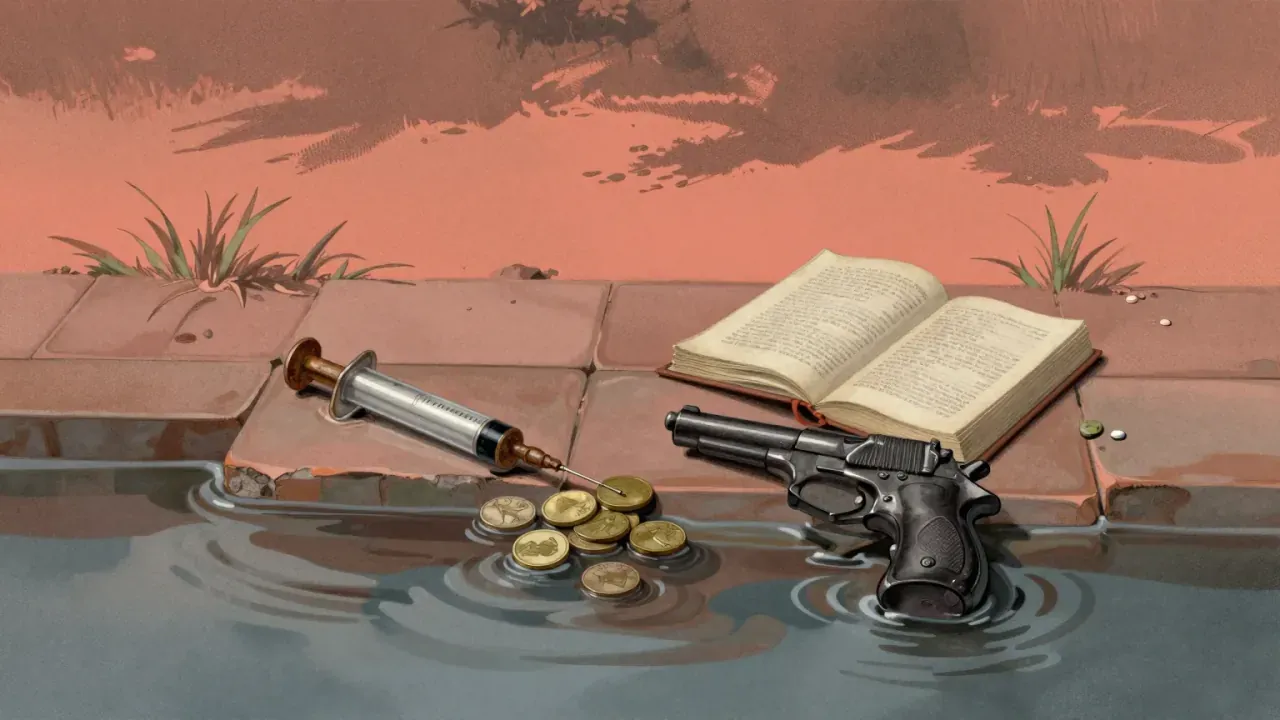
Agnès Varda’s 1985 film follows Mona Bergeron, a young woman who dies alone in a French vineyard ditch. Through fragmented flashbacks and interviews with those who briefly crossed her path, the film traces her final winter of wandering — hitchhiking, sleeping rough, doing odd jobs — without explaining her motives or offering redemption. Shot in austere natural light across southern France, it refuses psychological exposition or narrative resolution, insisting instead on the physical reality of her decline and the limits of others’ understanding.

13:00

The Fountain

Darren Aronofsky · 2006

Darren Aronofsky’s 2006 film interweaves three timelines—a conquistador, a neurosurgeon, and a space traveller—all played by Hugh Jackman, bound to Rachel Weisz across centuries by love and loss. Shot on a Montreal soundstage with macro photography and a tightly controlled palette, it uses repetition, motif, and Clint Mansell’s score to explore mortality not as endpoint but as condition. Though commercially unsuccessful and critically divided, it has endured as a precise, austere, and emotionally resonant study of devotion in the face of time’s erosion.

13:00

The Phantom Carriage

Victor Sjöström · 1921

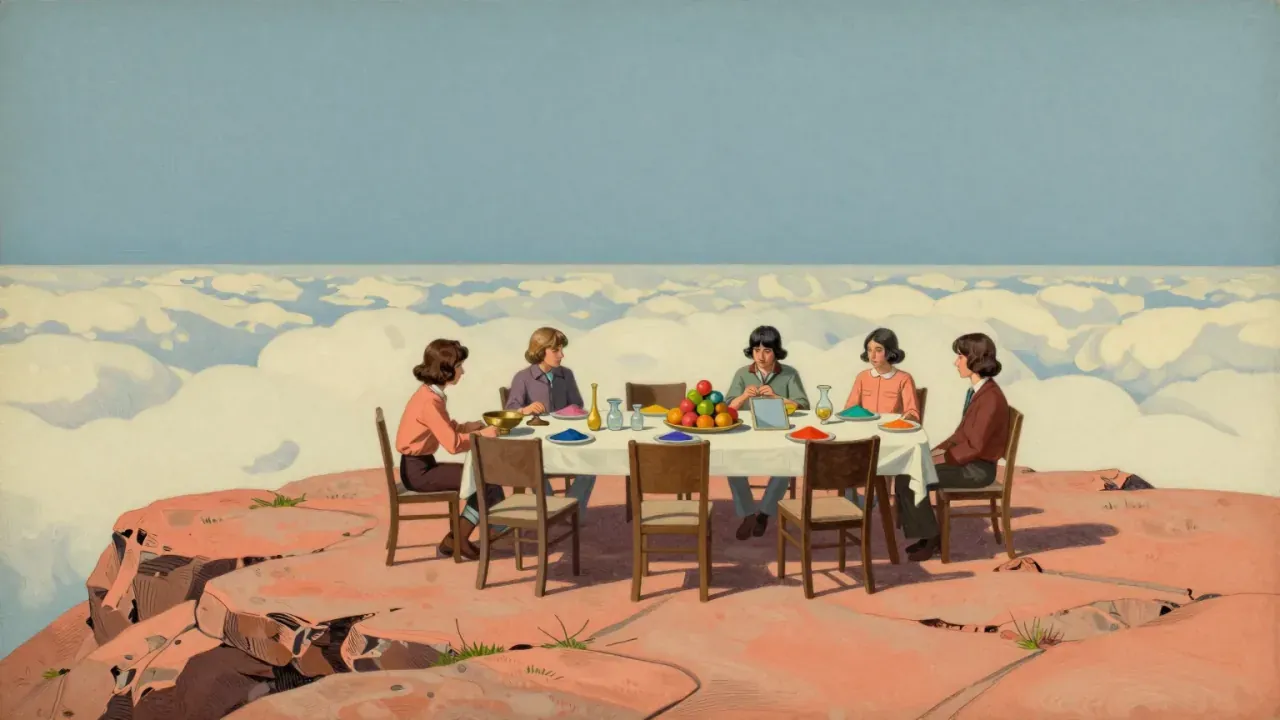
Victor Sjöström’s 1921 adaptation of Selma Lagerlöf’s Körkarlen follows a dying drunkard forced by Death’s carriage to confront the damage he has wrought — on his wife, children, friends, and community. Shot by Julius Jaenzon with pioneering double exposures, it uses silence, shadow, and nested flashbacks to build a moral architecture where consequence is spatial, time is debt, and reform is earned in real time. Not horror in the genre sense, but in its unflinching gaze.
13:00

The Sacrifice

Andrei Tarkovsky · 1986

Andrei Tarkovsky’s 1986 Swedish-language drama The Sacrifice follows Alexander, an intellectual who vows to renounce all he loves if God will undo the outbreak of nuclear war. Shot by Sven Nykvist on Gotland, it uses long takes, Bach’s St Matthew Passion, and radical colour reduction to build a poetic parable about language, faith and consequence. Though awarded the Cannes Grand Prix, its austere form divides viewers: some find its silence profound, others its resolution evasive. It is Tarkovsky’s last completed film.

13:00

Mother and Son

Alexander Sokurov · 1997

Alexander Sokurov’s 1997 Mother and Son is a 73-minute Russian arthouse drama following a son’s silent, tender care for his dying mother across a dreamlike Baltic landscape. Shot through distorted glass and mirrors, with minimal dialogue and painterly, Friedrich-inspired compositions, it frames dependency and mortality as reciprocal, cyclical acts. Written by Yuriy Arabov and shot by Aleksey Fyodorov, it avoids exposition and psychology in favour of tactile, durational presence.

13:00

Synecdoche, New York

Charlie Kaufman · 2008

Charlie Kaufman’s 2008 directorial debut follows theatre director Caden Cotard as he constructs an ever-expanding, hyper-real stage production inside a Manhattan warehouse — a project that blurs life and art until neither remains distinct. Starring Philip Seymour Hoffman and featuring Catherine Keener, Samantha Morton, and Emily Watson, the film uses recursive structure, deliberate ambiguity, and physical decay to explore mortality, identity, and the exhausting persistence of self-making. Shot by Frederick Elmes and scored by Jon Brion, it premiered at Cannes and polarised critics — some calling it a masterpiece, others pretentious — but has since gained stature as a defining arthouse work of the 21st century.

13:00

The Death of Louis XIV

Albert Serra · 2016

Albert Serra’s 2016 film follows Louis XIV’s final weeks in 1715, filmed in austere, candlelit interiors with Jean-Pierre Léaud in a physically exacting, unembellished performance. Shot in fifteen days at Château de Hautefort, it avoids exposition, psychology, or political context, focusing instead on the slow, unvarnished mechanics of decline: diagnosis, ritual, silence, and the quiet erosion of agency. Critics praised its restraint and Léaud’s performance, though its deliberate pace divides audiences.

13:00

Bambi

David Hand, James Algar, Bill Roberts, Norman Wright · 1942

Bambi follows a white-tailed deer from birth through the loss of his mother to his eventual place as the forest's next Great Prince, told with almost no reliance on plot mechanics and long stretches of near-silent observation. Adapted loosely from Felix Salten's considerably grimmer novel, the film took years longer than planned because Disney's animators had to learn to draw deer realistically rather than as the flour-sack shapes they'd used before, studying live animals and building an in-house menagerie to get the movement right.

13:00

Coco

Lee Unkrich, Adrian Molina · 2017

Twelve-year-old Miguel, banned from music by his shoemaking family, is pulled into the Land of the Dead on the Day of the Dead and has to win his deceased great-great-grandfather's blessing before sunrise or be trapped there. Lee Unkrich and Adrian Molina's Pixar feature, developed over years of research trips to Mexico and a cultural consultant group formed after a trademark controversy, builds its fantasy rules around a specific, sourced idea: that the dead persist only as long as someone living remembers them.

13:00

Corpse Bride

Tim Burton, Mike Johnson · 2005

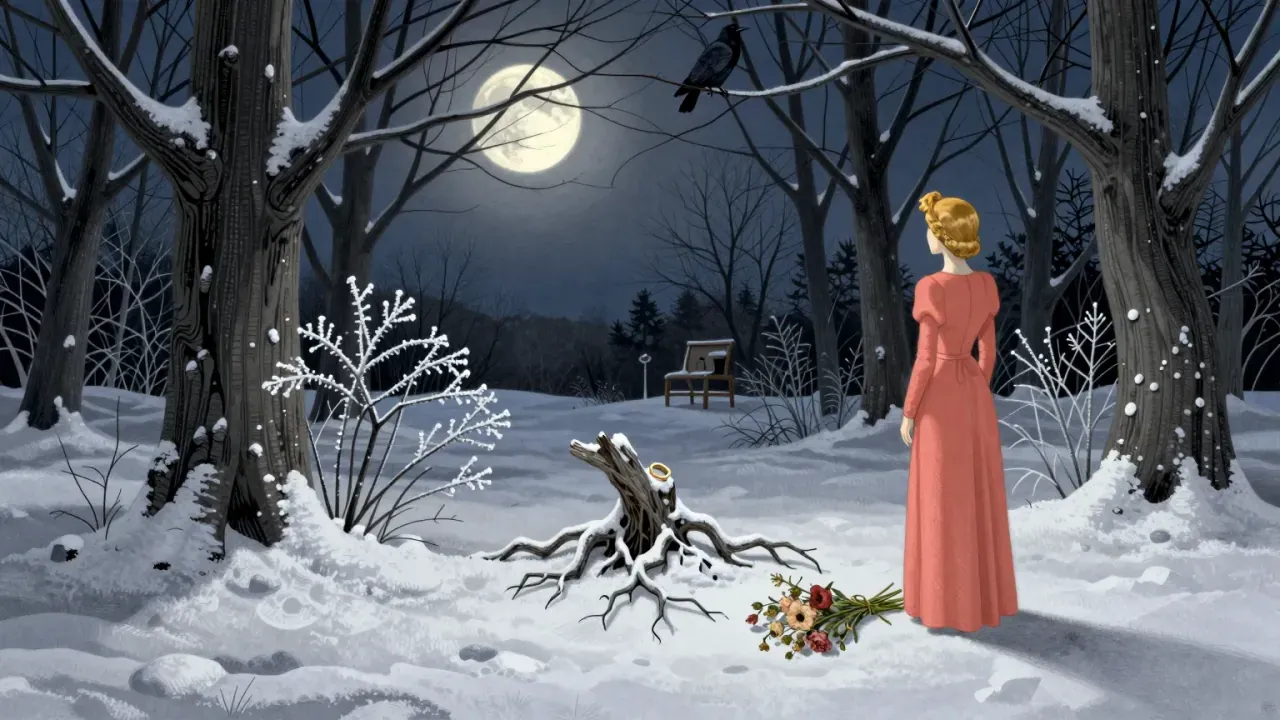
Corpse Bride follows Victor, an anxious young man in an arranged marriage, who accidentally weds a murdered woman named Emily after placing a ring on what he thinks is a tree root, then must choose between her vivid Land of the Dead and his living fiancée. Co-directed by Tim Burton and Mike Johnson for Laika on a $40 million budget, shot on digital cameras rather than film, it grossed $118 million and drew three award nominations.

13:00

Guillermo del Toro's Pinocchio

Guillermo del Toro, Mark Gustafson · 2022

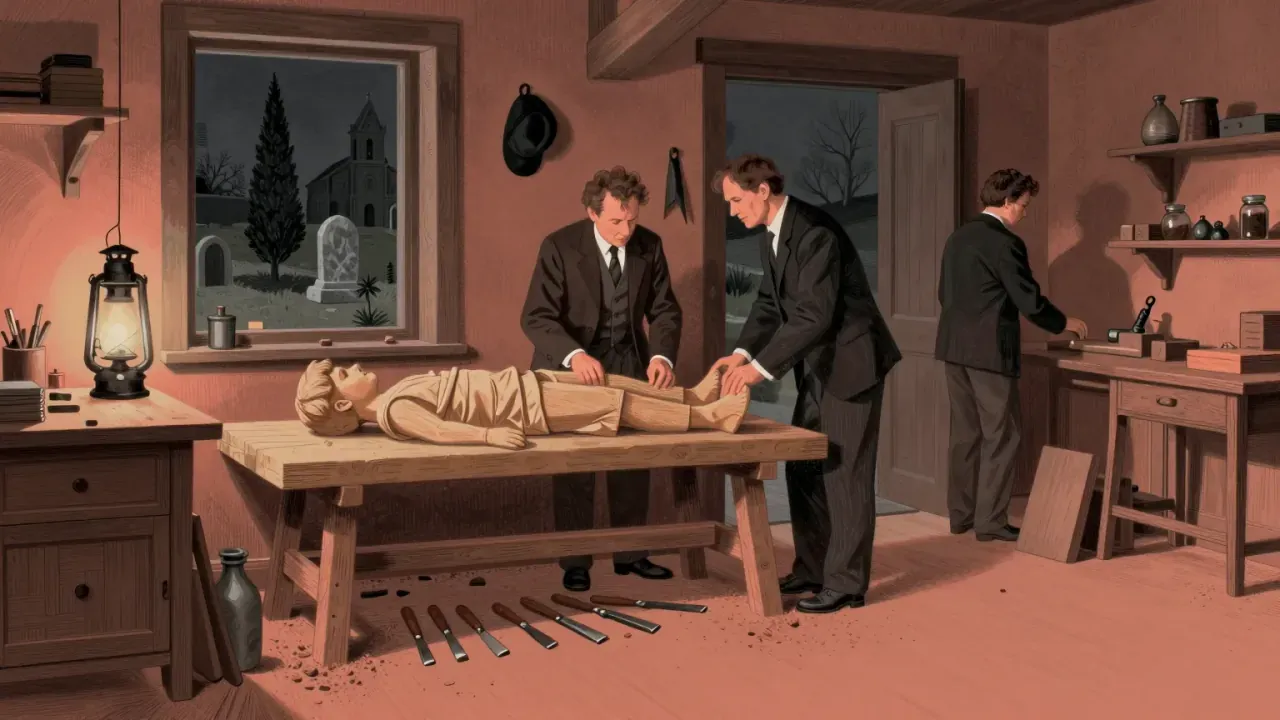
Carved by a grieving Geppetto from the tree growing over his dead son's grave, this stop-motion Pinocchio is rowdy, disobedient and impossible to control, set against the rise of Fascist Italy. Fourteen years in development before Netflix financed it, the film keeps Collodi's darkness rather than softening it into a straightforward morality tale.

13:00

Howl's Moving Castle

Hayao Miyazaki · 2004

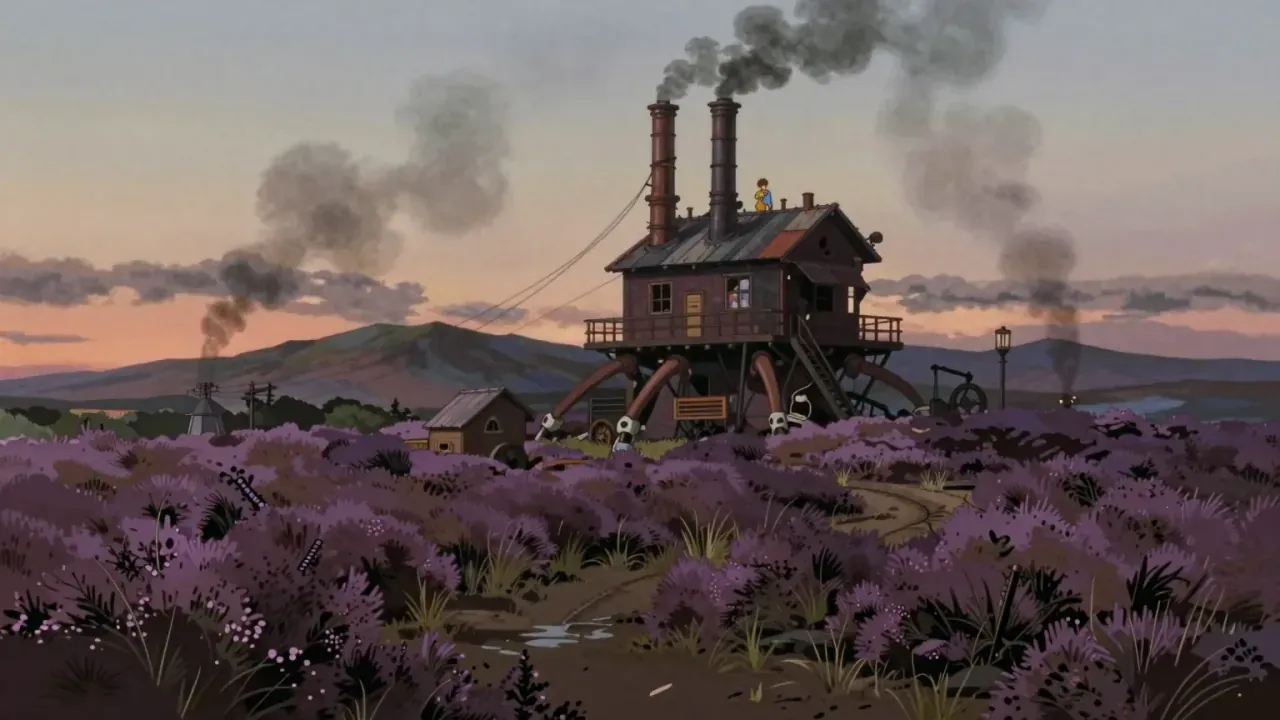
Howl's Moving Castle adapts Diana Wynne Jones's novel about a young milliner cursed into old age by a witch, who ends up living in a wizard's walking castle as a war between two kingdoms escalates around them. Hayao Miyazaki directed the film for Studio Ghibli after an earlier director departed, and it took $236 million against a $24 million budget, becoming one of the most commercially successful Japanese films ever made and winning a Nebula Award for Best Script.

13:00

Loving Vincent

Dorota Kobiela, Hugh Welchman · 2017

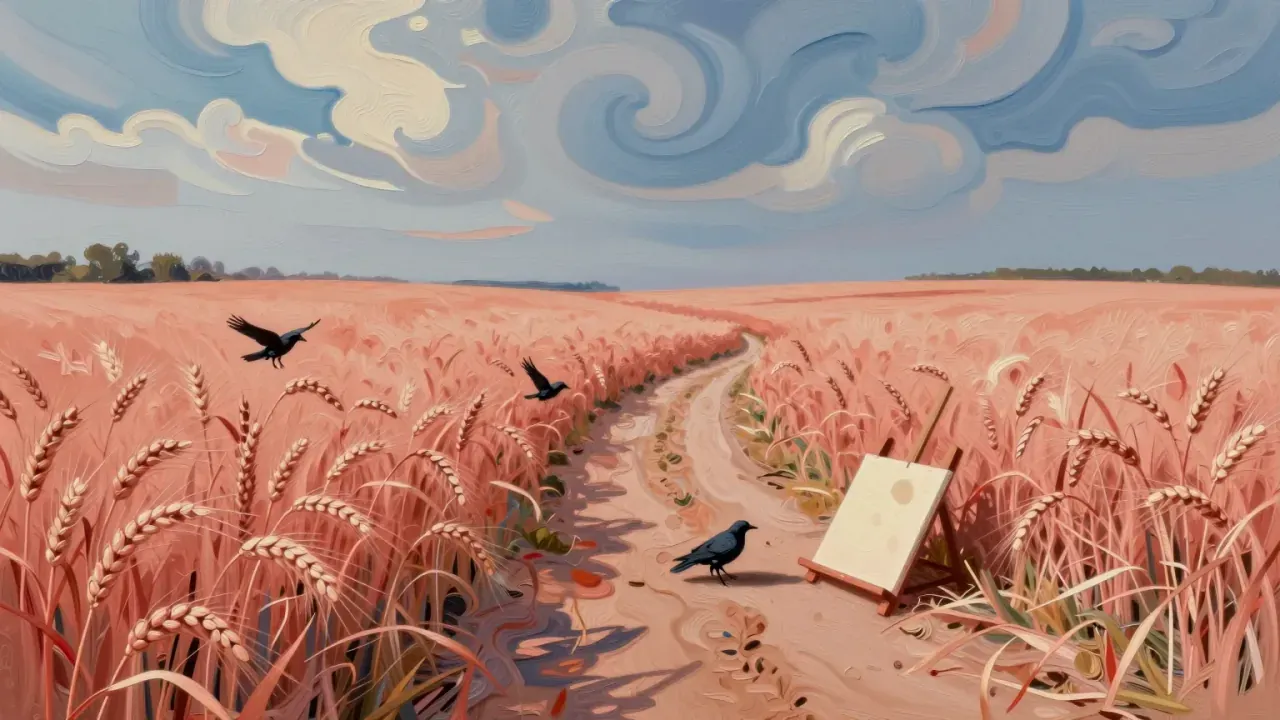
A postman's reluctant son delivers Vincent van Gogh's last letter a year after the painter's suicide and, meeting the people who knew him in his final weeks, starts doubting the official account of how he died. Dorota Kobiela and Hugh Welchman's Loving Vincent is the first fully painted animated feature, built from oil paintings made in Van Gogh's own technique over sixty-five thousand hand-shot frames, a six-year production that treats the investigation plot mainly as scaffolding for its visual project.

13:00

Puss in Boots: The Last Wish

Joel Crawford · 2022

Down to his last of nine lives, Puss in Boots teams up with Kitty Softpaws and an unflappably cheerful dog named Perrito to chase the Wishing Star's last wish, while a wolf who is actually Death hunts him across a string of fairy-tale locations. Director Joel Crawford borrowed the painterly, Spider-Verse-influenced visual style DreamWorks had just built for The Bad Guys.

13:00

Soul

Pete Docter · 2020

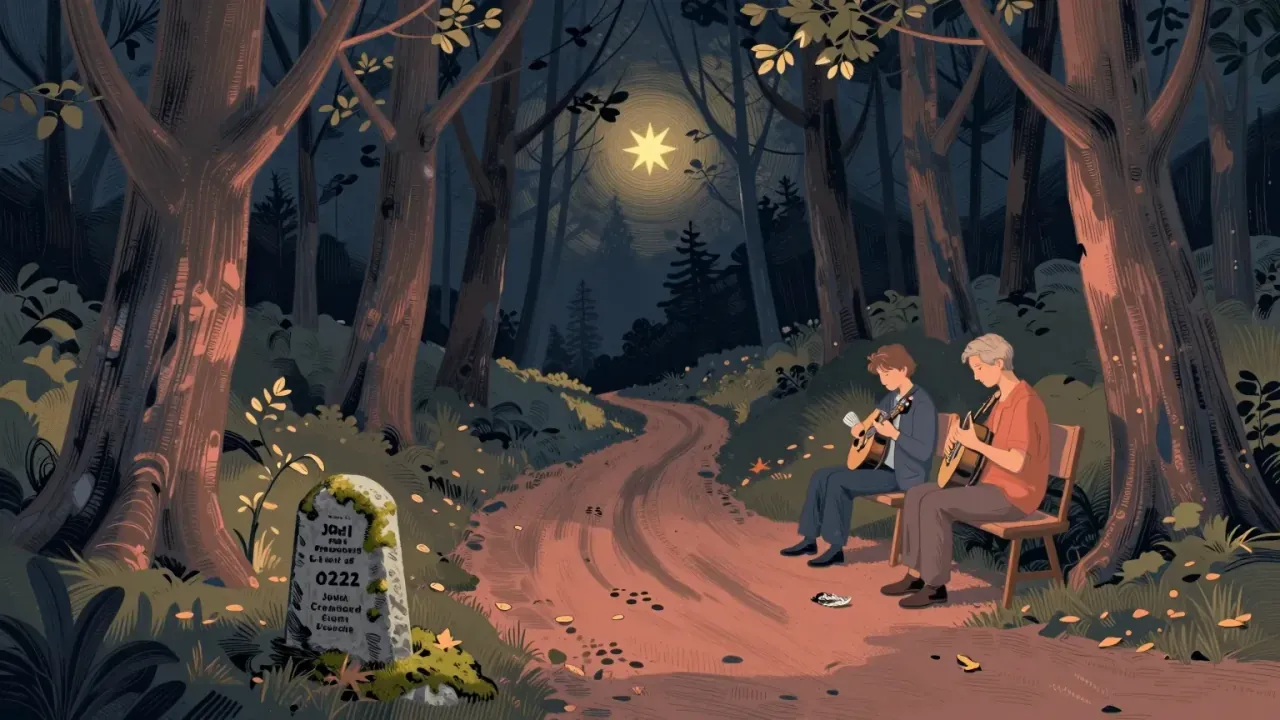
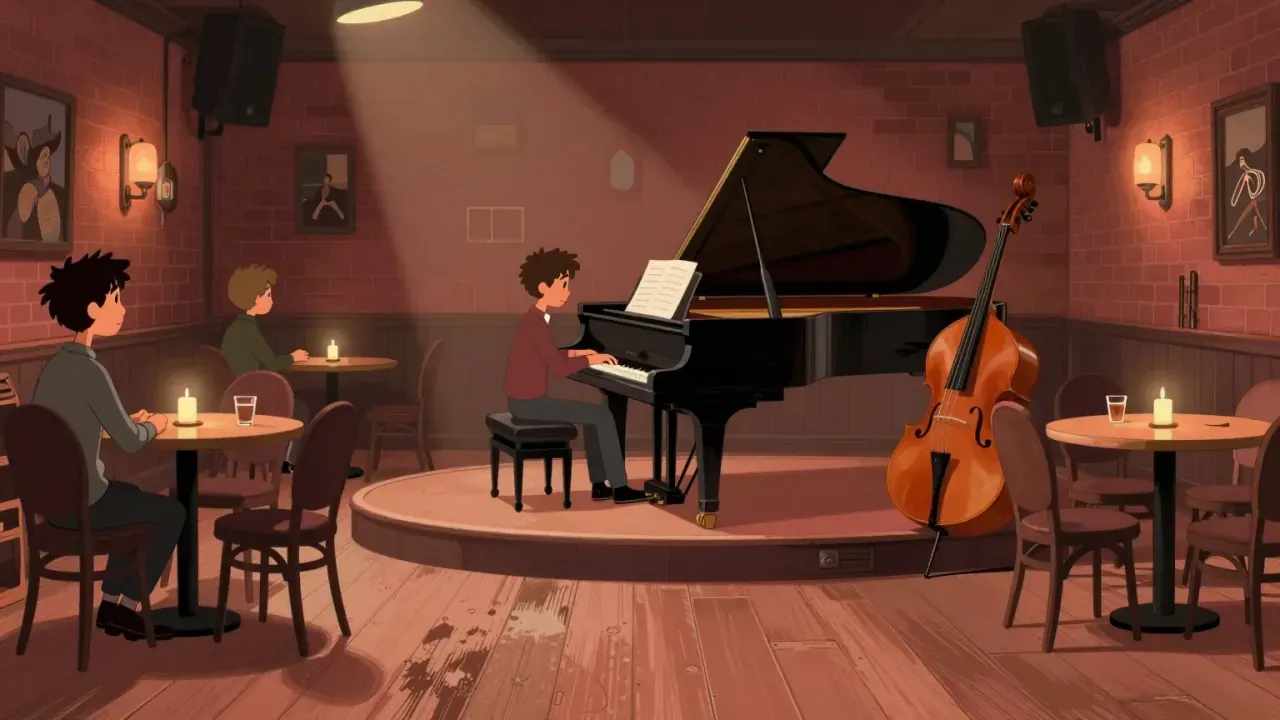
Joe Gardner, a middle-school band teacher on the verge of his first real break as a jazz pianist, falls into a coma and finds his soul on the way to the Great Beyond, prompting a scramble to get back to his body paired with an unwilling mentee soul named 22 who has never wanted to be born. Pete Docter's Pixar feature, co-written and co-directed by Kemp Powers, spends four years of production building an afterlife bureaucracy in order to undercut the very idea, common to Docter's own earlier films, that a person needs a defining passion to justify their existence.

13:00

Stalker

Andrei Tarkovsky · 1979

Andrei Tarkovsky's 1979 film follows a guide known only as Stalker as he leads a writer and a scientist illegally into the Zone, a restricted area said to contain a room that grants a visitor's innermost desire, and the three spend most of the journey arguing about faith, art and science rather than confronting any visible danger. Adapted loosely from a novel by Arkady and Boris Strugatsky and scored by Eduard Artemyev, the production required three different cinematographers after an early batch of footage was ruined during processing, forcing much of the film to be shot again from scratch over the following year.

13:00

Suzume

Makoto Shinkai · 2022

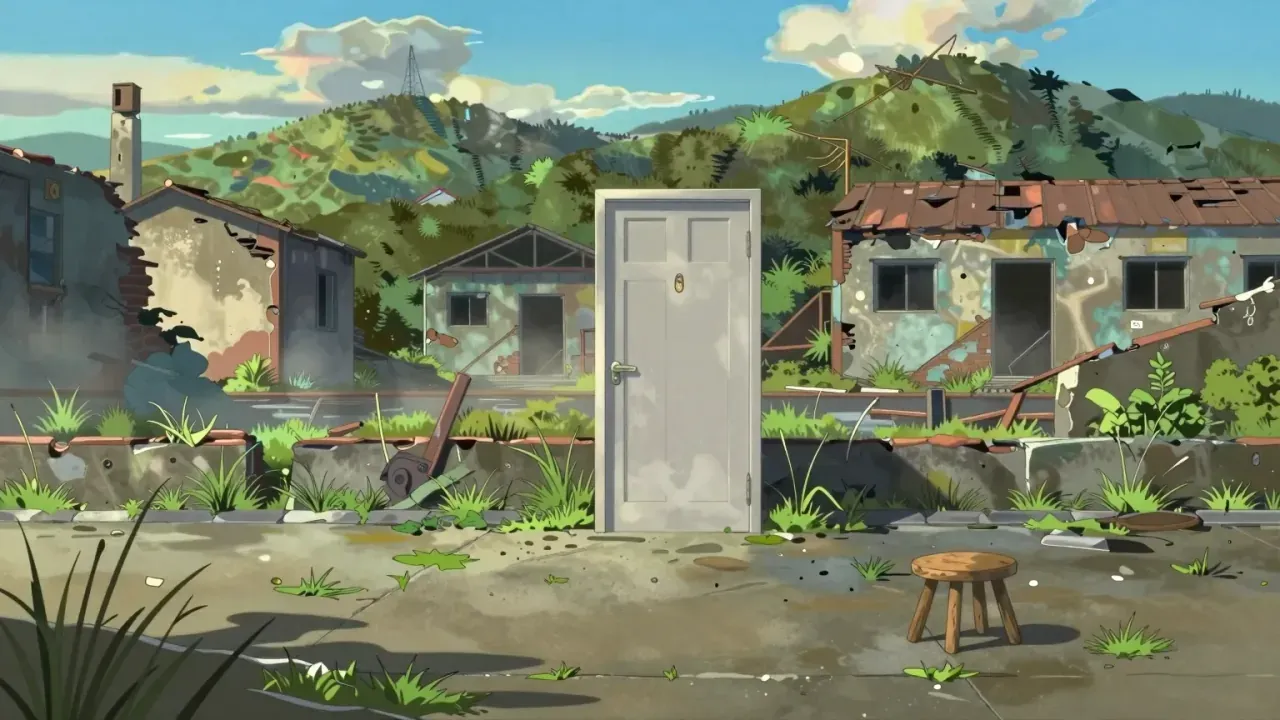
Seventeen-year-old Suzume Iwato joins a young door-closer named Souta, who is turned into a three-legged chair partway through their journey, on a trip across Japan sealing doors that release a giant, earthquake-triggering worm. The third film in Makoto Shinkai's disaster trilogy, following Your Name and Weathering with You, draws directly on the 2011 Tohoku earthquake and tsunami.

13:00

The Adventures of Mark Twain

Will Vinton · 1985

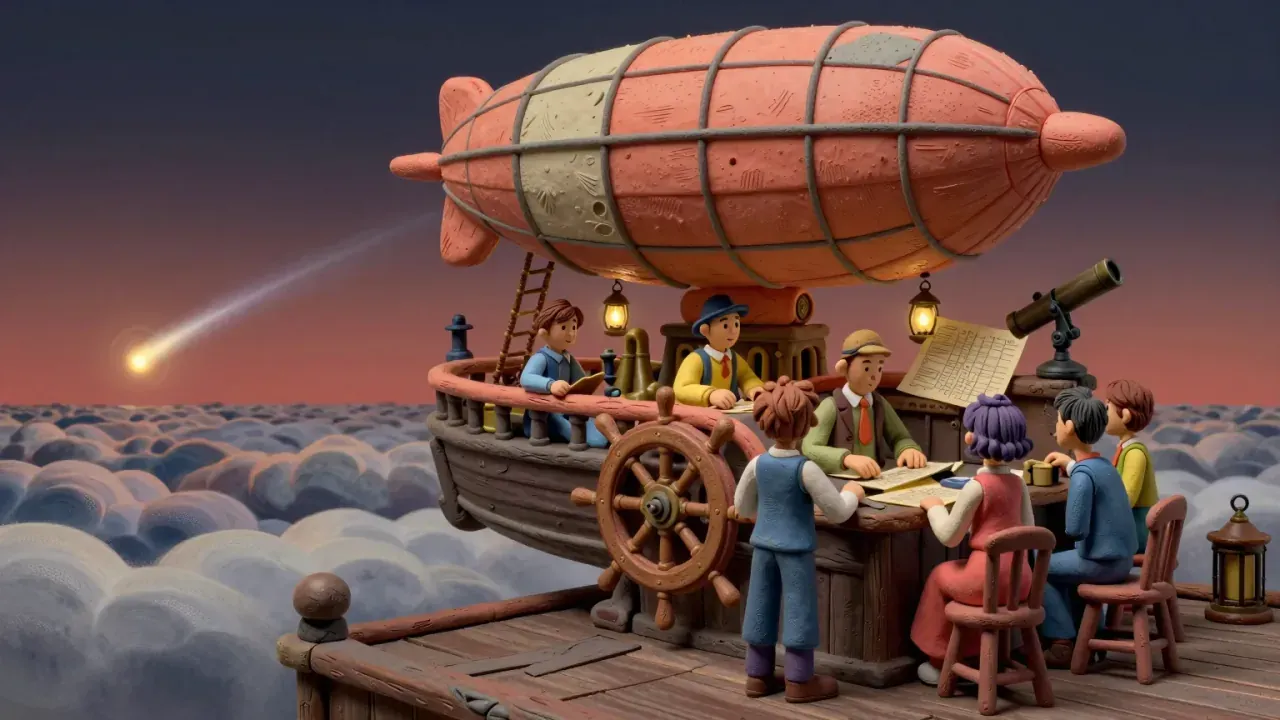
Tom Sawyer, Huckleberry Finn and Becky Thatcher stow away on an airship piloted by Mark Twain, who is travelling to keep what he believed was his destined appointment with the returning Halley's Comet, and along the way the children hear vignettes drawn from Twain's own stories, from a jumping frog to a vision of heaven. Vinton's stop-motion studio spent three and a half years and $1.5 million building the film in a converted Portland house, developing new computer-controlled camera and lighting systems along the way, only for a distributor to release the finished, distinctly adult-toned film as children's matinee programming.

13:00

The Book of Life

Jorge R. Gutiérrez · 2014

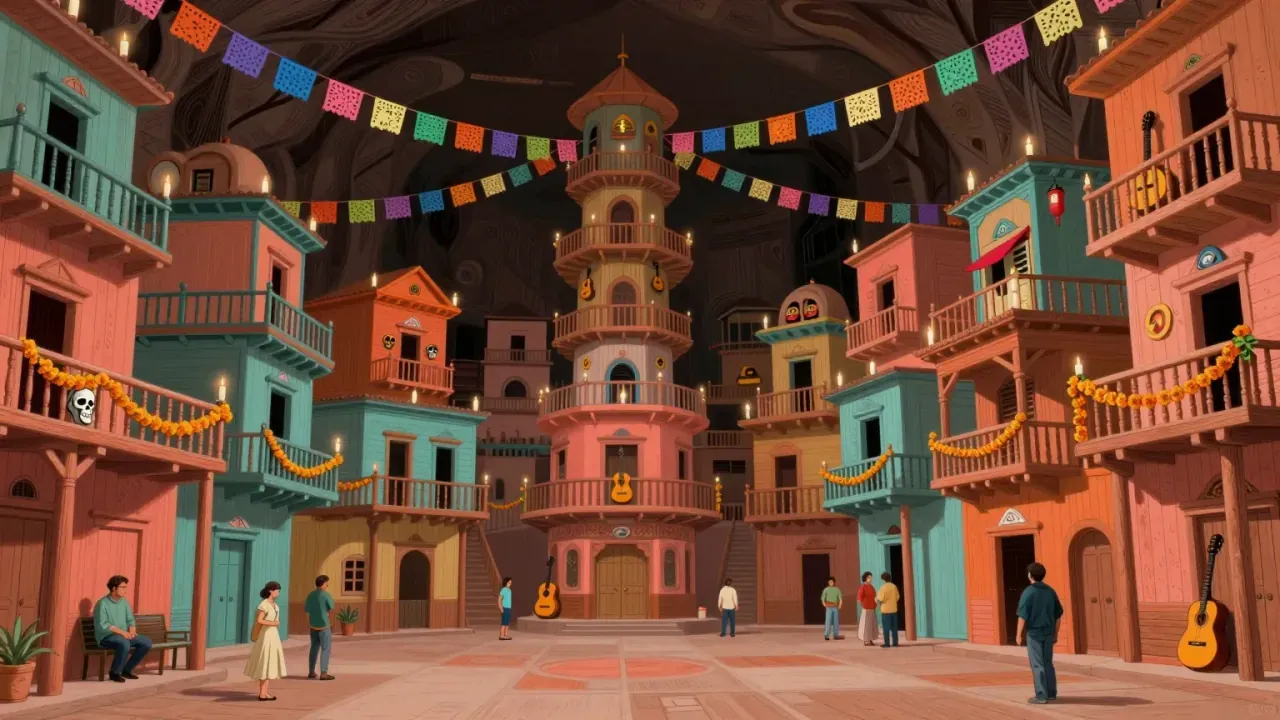
A bullfighter who would rather play guitar navigates a love triangle, his family's expectations and a wager between two gods of the afterlife. Jorge R. Gutierrez's 2014 directorial debut renders its Day of the Dead setting as carved wooden folk art brought to motion.

13:00

The Holy Mountain

Alejandro Jodorowsky · 1973

Alejandro Jodorowsky's 1973 film, financed by Beatles manager Allen Klein with production money from John Lennon and Yoko Ono, follows a Christlike thief who becomes an alchemist's apprentice and joins seven wealthy, corrupt figures, each embodying a planet, on a journey to seize immortality from beings said to rule from a sacred mountain's summit. Shot sequentially in Mexico on a $750,000 budget after its cast spent three months in spiritual training under Oscar Ichazo, the film became a fixture of New York's midnight-movie circuit, running for sixteen months at the Waverly Theatre after its Cannes premiere.

13:00

The Red Turtle

Michaël Dudok de Wit · 2016

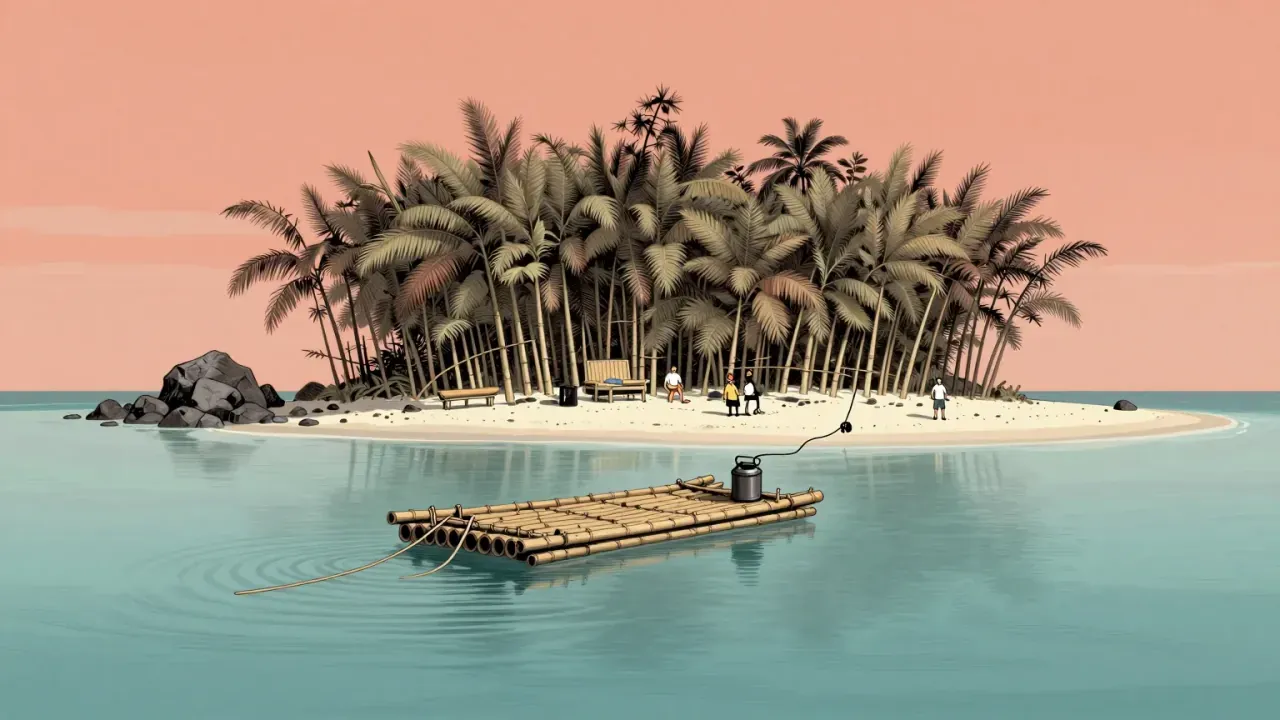
A shipwrecked man's repeated attempts to leave an uninhabited island are sabotaged by a giant red sea turtle, and his violent response to it sets in motion a transformation that reshapes his life on the island rather than ending it. Michaël Dudok de Wit's feature debut, made at Hayao Miyazaki's suggestion after he saw the director's short Father and Daughter, tells its entire story without a single word of dialogue across three generations on one stretch of sand.

13:00

The Seventh Seal

Ingmar Bergman · 1957

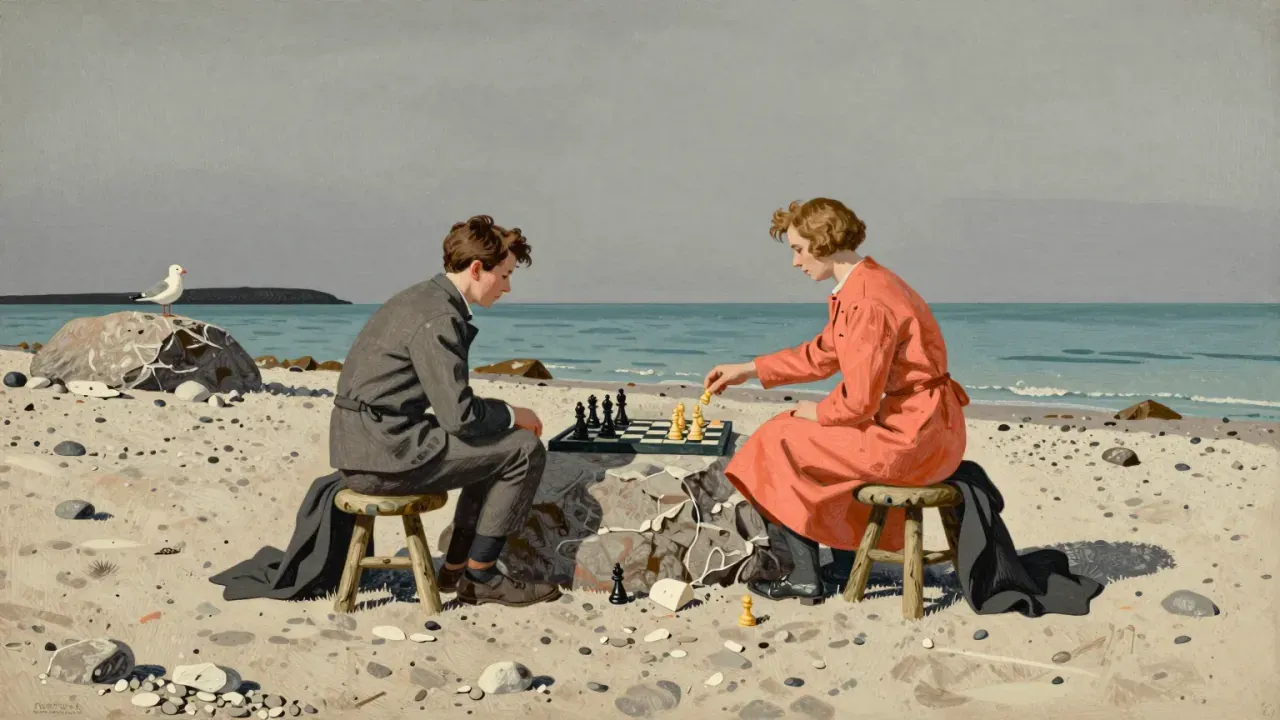
Ingmar Bergman turned a one-act play he had written for drama students into this 1957 fable of a crusader who challenges Death to chess while the plague empties his country. Shot in thirty-five days on a modest budget, with Max von Sydow beginning his long partnership with Bergman, it became one of cinema's most quoted images and won the Special Jury Prize at Cannes.

13:00

The Tale of the Princess Kaguya

Isao Takahata · 2013

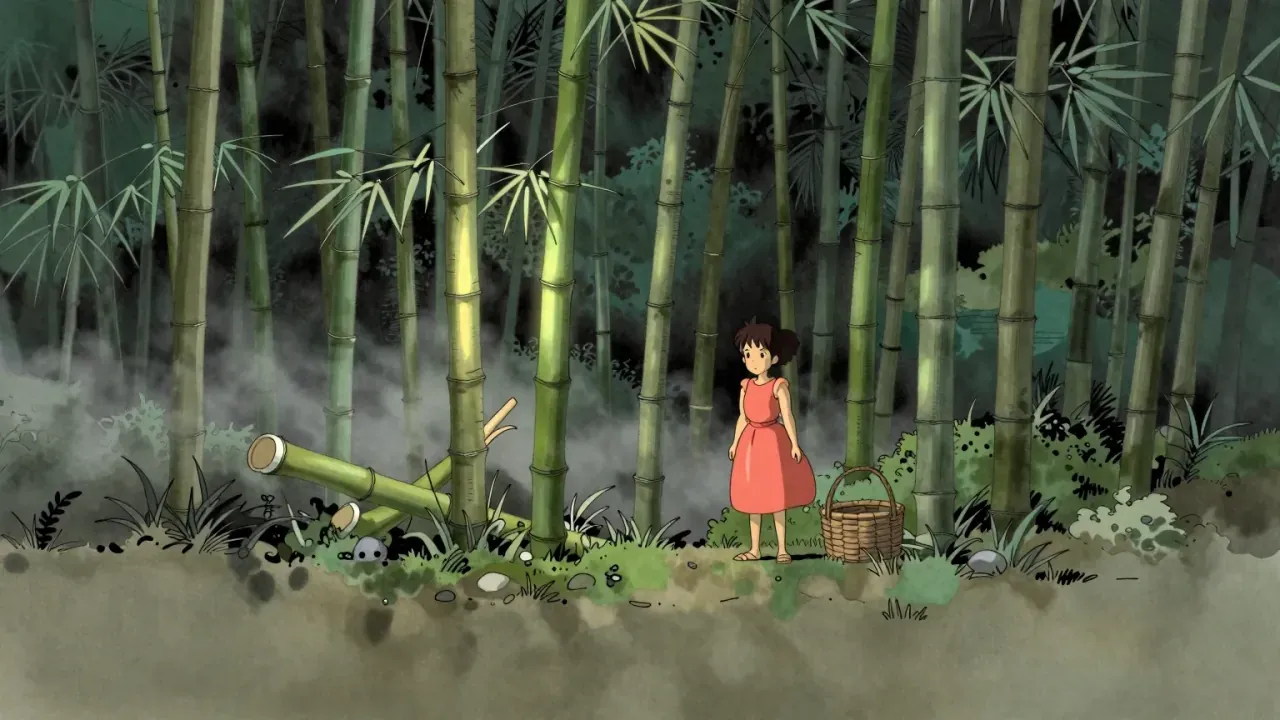
A girl born from a bamboo stalk is raised by a poor cutter who, on discovering gold nearby, drags her into a nobility she never wanted. Isao Takahata's 2013 adaptation of a tenth-century Japanese tale uses loose, watercolour-like animation to match its heroine's resistance to being made presentable.

13:00

Tokyo Story

Yasujirō Ozu · 1953

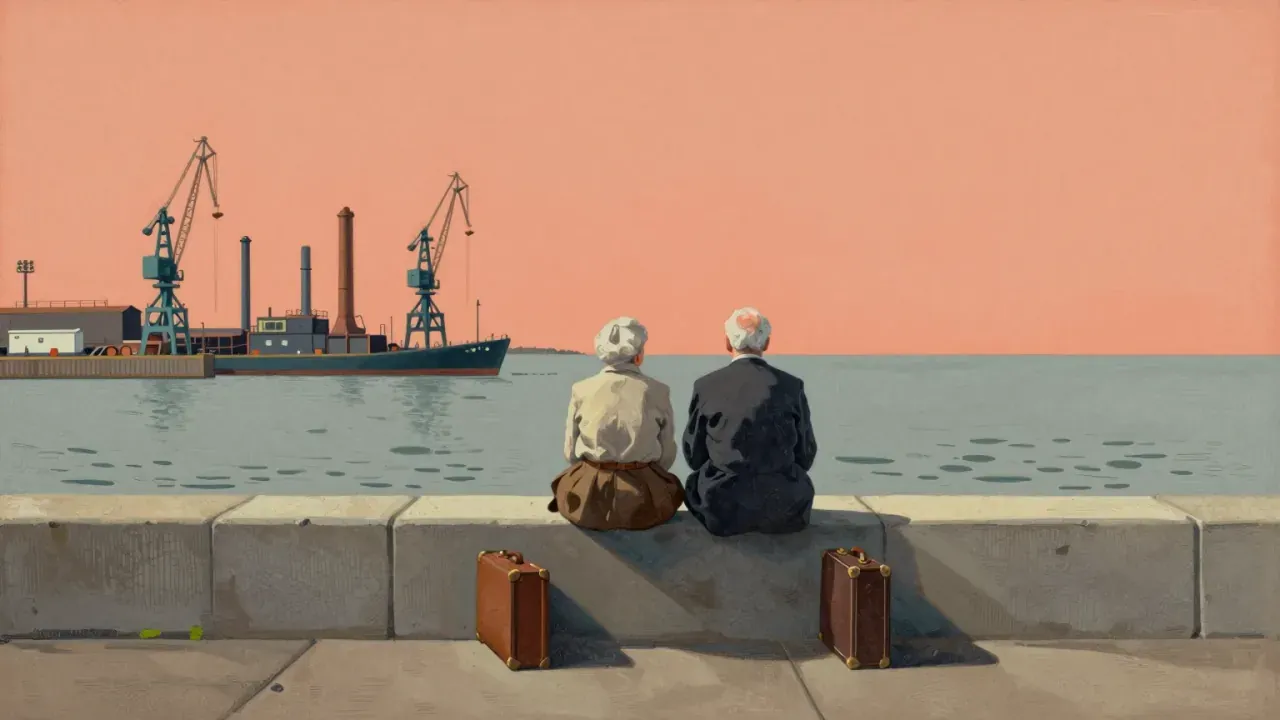
Yasujiro Ozu's 1953 film follows Shukichi and Tomi Hirayama as they leave their coastal town to visit their grown children in Tokyo, only to find themselves parcelled off to a spa resort by sons and daughters too occupied with their own lives to spend much time with them. Shot by Yuharu Atsuta almost entirely from a low, static camera position, with no score credited on the sheet and a cast led by Chishu Ryu and Setsuko Hara, it has since drawn some of the highest aggregate critical scores of any film on record, sitting at 100 percent on Rotten Tomatoes and Metacritic alike.

13:00

Toy Story 2

John Lasseter, Lee Unkrich, Ash Brannon · 1999

Toy Story 2 has Woody stolen by a toy collector who plans to sell him to a Tokyo museum, forcing Andy's other toys into a rescue mission while Woody weighs eternal preservation against a childhood that will end. Originally planned as a direct-to-video cash-in, it was rebuilt into a theatrical Pixar film on a compressed nine-month schedule, going on to gross $497 million against a $90 million budget and a 100% Rotten Tomatoes score.

13:00

Unforgiven

Clint Eastwood · 1992

Directed by and starring Clint Eastwood, Unforgiven follows a widowed farmer and reformed killer pulled back into one last bounty job, made on a $14.4 million budget that returned over $101 million and won four Academy Awards including Best Picture, with Gene Hackman's affable, brutal sheriff as its centre of gravity.

13:00

Up

Pete Docter, Bob Peterson · 2009

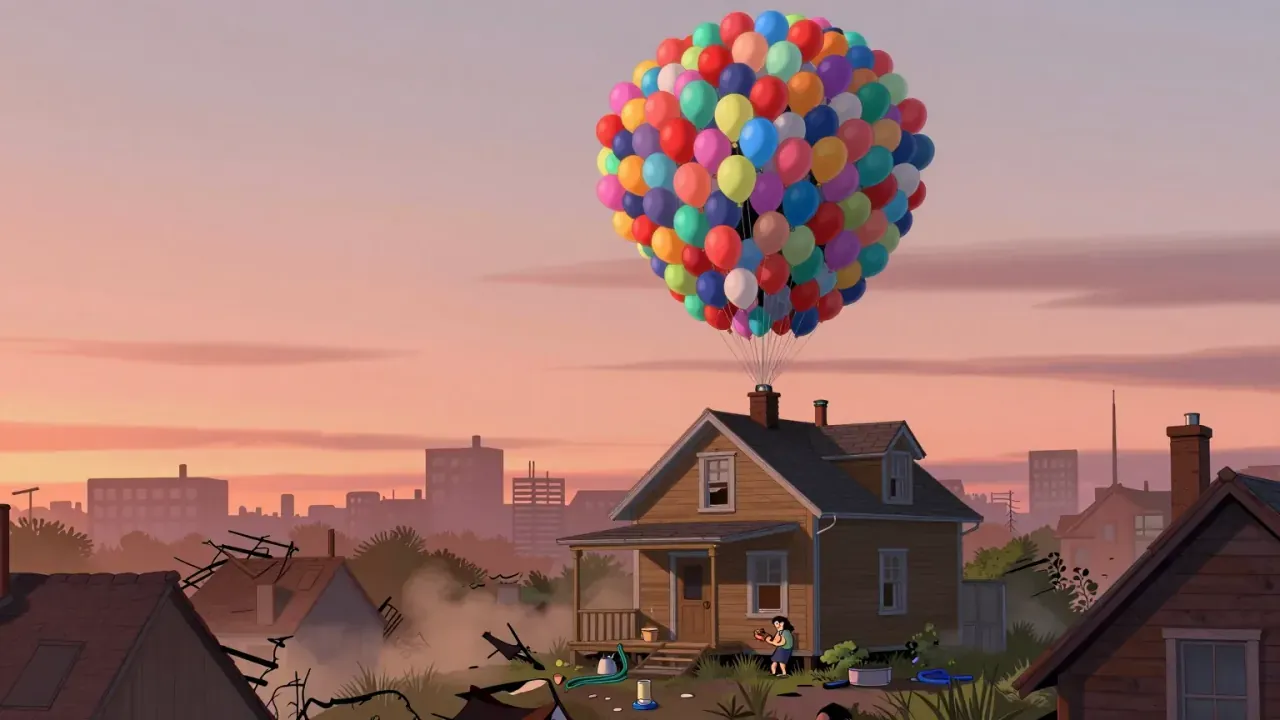
A widower ties thousands of balloons to his house and flies to South America to fulfil a promise made decades earlier, only to find an uninvited child stowaway waiting on his porch. Pete Docter's 2009 film pairs one of animation's most quoted opening sequences with an adventure plot that keeps circling back to grief.

13:00

Wild Strawberries

Ingmar Bergman · 1957

Victor Sjöström, in his last screen role, plays an elderly professor driving to collect an honorary degree while dreams and hitchhikers force him to confront the coldness he built his life on. Ingmar Bergman wrote it from a hospital bed the same year as The Seventh Seal, and it won the Golden Bear in Berlin, becoming one of the clearest statements of his recurring interest in memory, guilt, and old age.