One last job for an old, sick killer
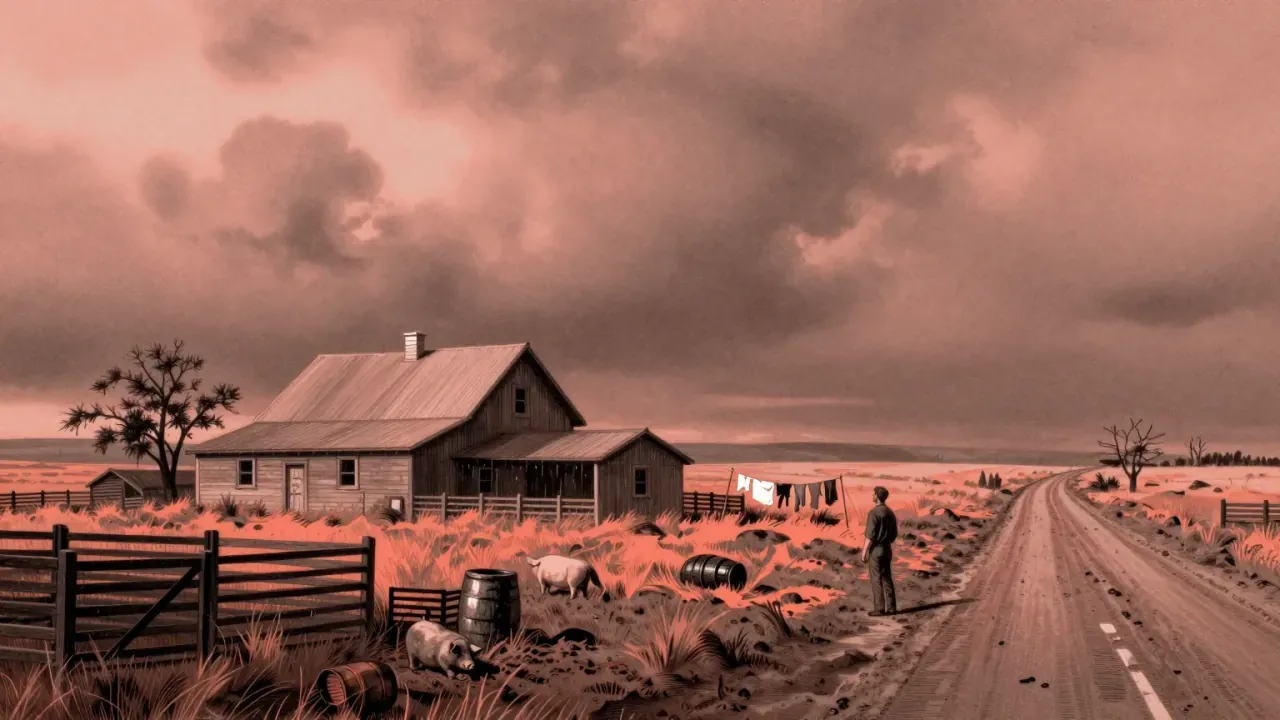
Unforgiven is Clint Eastwood’s account of what a gunfighter’s old age actually looks like, made at a point when Eastwood himself was sixty-two and had spent three decades playing men who shot first. Produced by his own Malpaso Productions on a budget of $14.4 million and released by Warner Bros. in August 1992, it follows William Munny, a widowed hog farmer and reformed killer, who takes one more job for a bounty offered by a group of prostitutes after one of them is disfigured by a customer. David Peoples wrote the script in the mid-1970s, and it sat unmade for over fifteen years, passing through Francis Ford Coppola’s hands, before Eastwood optioned it and then waited several more years before agreeing to direct it himself.
Hackman’s sheriff and a bleached, wintry town
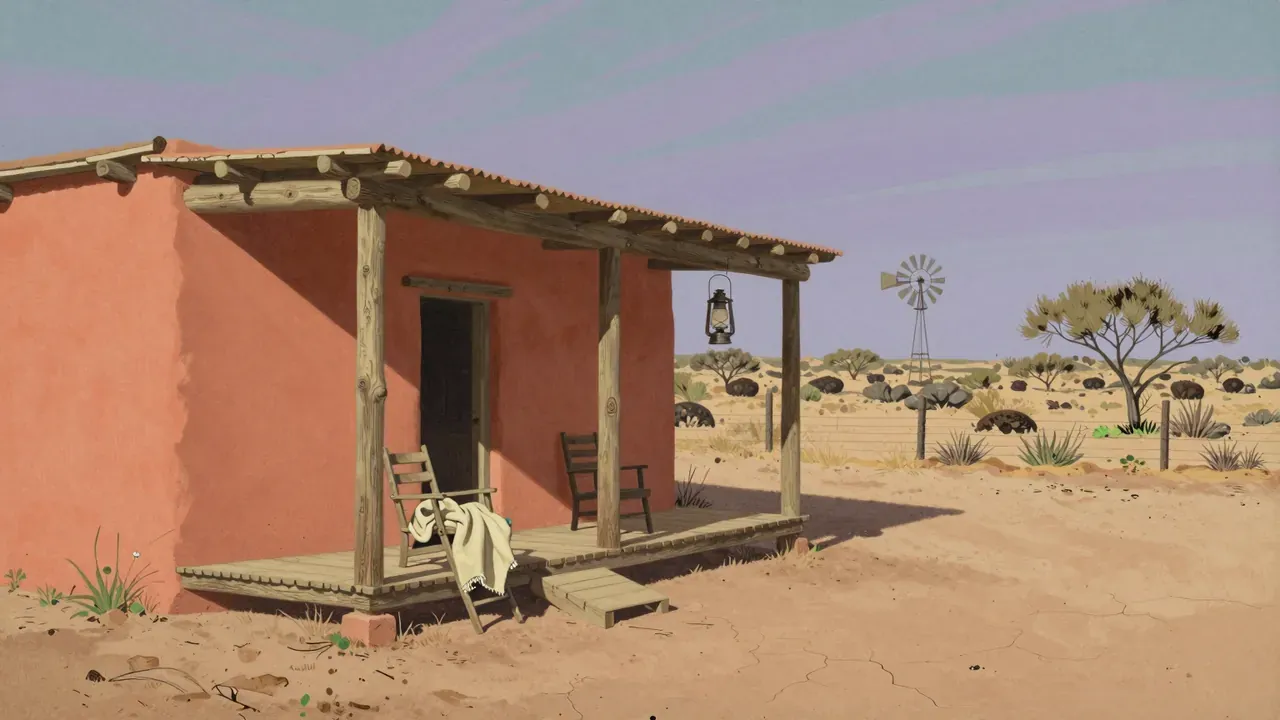
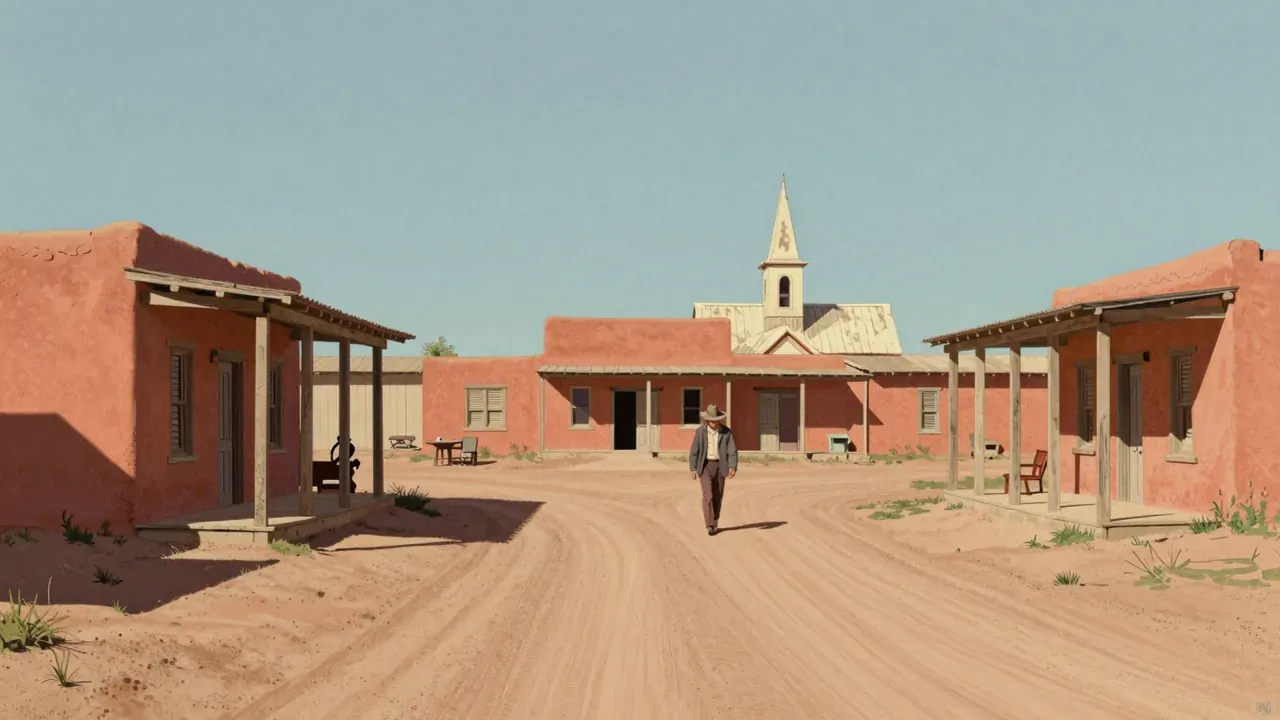
Munny recruits his old partner Ned Logan and a self-styled young gunman called the Schofield Kid, and the three ride toward the town of Big Whiskey, where Sheriff Little Bill Daggett, played by Gene Hackman, enforces an antigun law with the same casual brutality the bounty was raised against. Eastwood plays Munny as slow, sick, and visibly frightened of his own capacity for violence, rather than as a man merely rediscovering his nerve. Hackman’s Daggett is affable and vicious by turns, more frightening for his manners than for a fast draw. Jack N. Green’s cinematography and Henry Bumstead’s production design give the town a bleached, wintry look with none of the warm frontier glow of earlier Eastwood westerns, and Joel Cox’s editing, which won an Academy Award, keeps the violence brief and unglamorous rather than staged as spectacle.
Where the film argues against its own genre
Hackman’s performance is the film’s strongest asset - his Little Bill explains, almost gently, why a cool head beats a fast gun, and the calm of the delivery is more unsettling than any speech about justice would be. The flogging of Ned Logan and the killing of Davey Bunting are staged as ugly and clumsy rather than clean, which is the film’s real argument against the genre it belongs to: nobody in Big Whiskey dies well. English Bob’s public beating by Little Bill, watched by his fawning biographer, punctures the romantic dime-novel version of the West the film keeps circling back to. Eastwood’s own performance, physically diminished and often played for discomfort rather than heroism, is the more surprising achievement given how many earlier films had asked him simply to be the fastest man in the room.
Where the schema shows through
The Schofield Kid’s arc - a braggart revealed as myopic and then broken by his first actual killing - is the film’s most schematic piece of writing, landing its point about the gap between gunfighter myth and reality a little too neatly. Some of the frontier dialogue, particularly Beauchamp the dime novelist’s exchanges with Little Bill, states the film’s thesis about violence outright rather than trusting the plot to carry it, which occasionally tips scenes into essay. The final act’s swing into a fairly conventional revenge shootout, however grimly it is shot, sits uneasily against the film’s earlier insistence that killing costs something - Munny’s slide back into a cold-blooded gunman happens efficiently the moment the plot actually needs it to.
What killing is shown to cost
The film keeps returning to the gap between the stories men tell about killing and the fact of it: English Bob’s biographer discovers his hero is a coward, the Schofield Kid discovers he cannot live with having shot an unarmed man, and Munny, sobered by his dead wife’s memory for years, discovers the old capacity is still there once a friend is killed. Little Bill’s version of justice - a fine paid in horses, a beating administered personally - is shown as no less arbitrary than the vengeance it is meant to prevent. Age and mortality run under everything: Munny can barely mount his horse, Ned can no longer bring himself to fire on a man, and the closing title card, reporting Munny’s fate secondhand years later, denies the story the clean ending a western traditionally supplies its audience.
Who should watch it, and who came for something faster
This suits viewers who already know the classic western well enough to notice what Eastwood is dismantling - the fast draw, the town saved by a stranger, the clean moral ledger - and want to see those conventions handled by someone who spent a career inside them. It also rewards anyone interested in Hackman’s or Eastwood’s later work, since both give performances built on restraint rather than the star turns each was known for. It is not the film for viewers wanting a straightforward shoot-em-up: the violence is deliberately sparse and unpleasant, the pacing is slow through its middle section, and the film has more interest in guilt and consequence than in action. Newcomers to the genre may want to see a traditional western first, if only to feel what this one is answering back to.
A dedication to Leone and Siegel, answered
Four Academy Awards, including Best Picture and Best Director, and scores in the high eighties and nineties across critics’ aggregates back up what holds on a rewatch: a western that takes its own violence seriously enough to make it costly rather than cathartic. Eastwood dedicated the film to Sergio Leone and Don Siegel, the two directors who built his career on the opposite premise, and it plays as a considered reply to both. At 131 minutes it does not overstay its welcome, and the patience asked for in the first half is repaid by a final act that, whatever its familiarity, lands harder for everything that came before it. It is one of the rare prestige westerns that earns the seriousness with which it has since been treated.