A cash-grab that became a real sequel
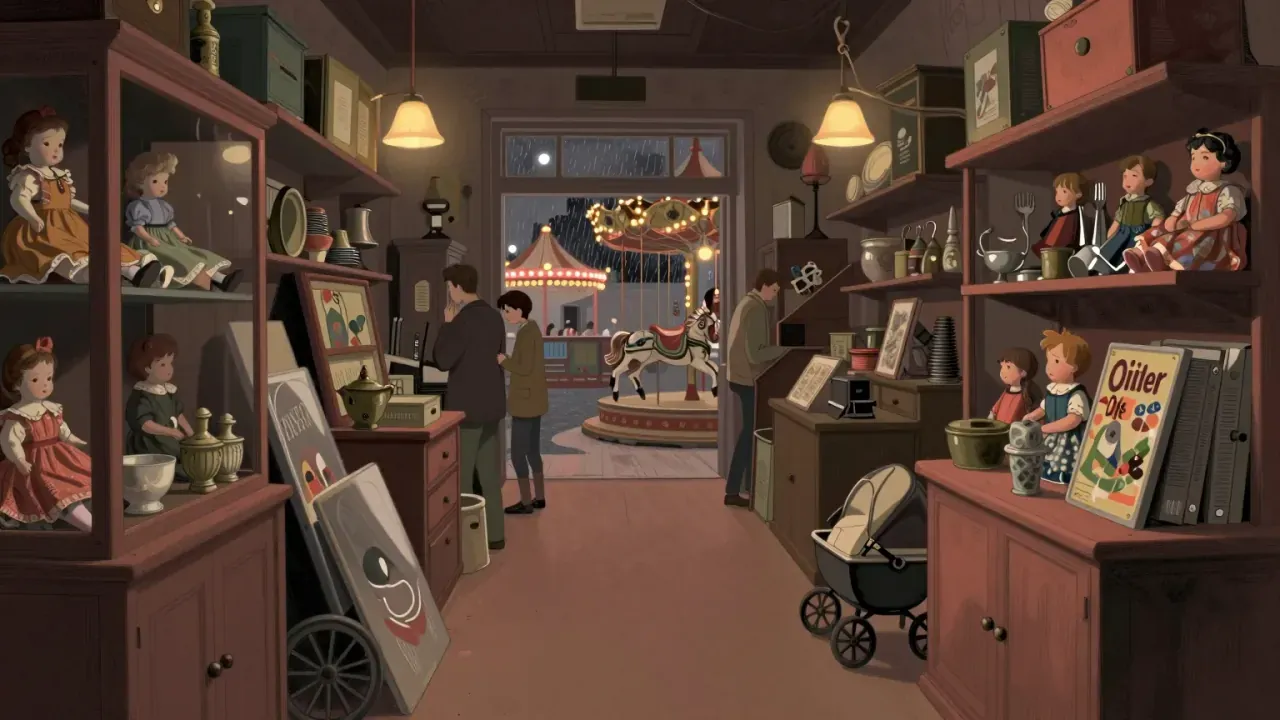
Toy Story 2 follows a rare path for a sequel: Disney initially wanted it as a direct-to-video release in the vein of The Return of Jafar, and it only became a theatrical film once early story reels impressed executives enough to reverse course. Woody gets stolen by toy collector Al McWhiggin and discovers he’s a rare 1950s collectible destined for a Tokyo toy museum, which forces Buzz and the rest of Andy’s toys into a rescue mission while Woody himself has to decide whether being preserved forever beats belonging to a child who will eventually grow up and leave him behind. John Lasseter directs alongside Ash Brannon and Lee Unkrich, working from a script credited to four writers.
A rebuilt plot on a nine-month clock
With the release date fixed and most of Pixar’s senior staff already committed to A Bug’s Life, Toy Story 2 was built by a smaller, separate unit before Lasseter called a weekend story summit and rebuilt the plot from scratch with less than a year left on the schedule. Jessie, the cowgirl toy abandoned by her original owner, was added at the urging of Lasseter’s wife, who wanted a female character with more substance than Bo Peep; her flashback, set to Sarah McLachlan’s recording of Randy Newman’s song, does more to establish the toys’ central fear of being outgrown than any dialogue elsewhere in the film. Advances in the studio’s technology since the first film allowed more complex camera moves, visible in a chase through a toy-store aisle and an airport climax with a scale the original couldn’t attempt.
The flashback that reframes everything
The Jessie backstory is the film’s clear highlight, using a full song rather than exposition to explain why an abandoned toy would rather live behind glass than risk being loved and discarded again — it reframes Woody’s entire dilemma before he’s even finished considering it. Al McWhiggin makes a convincingly petty villain precisely because his motive is mundane profit rather than menace, which keeps the stakes grounded in the toys’ own emotional logic rather than manufactured danger. The Buzz-doubles subplot, using a defective Buzz Lightyear still stuck in his own delusion from the first film, gets more comic mileage from repetition and self-recognition than a lesser script would manage.
Where the toy-store detours pad the runtime
Some of the toy-store detours built to pad the story to feature length — the compressed nine-month production needed roughly a dozen extra minutes of usable material — read as digressions rather than necessities, particularly a sequence built around barrel-of-monkeys characters that exists mainly to fill time. The parallel rescue-mission structure, splitting focus between Woody’s museum dilemma and Buzz’s cross-town chase, occasionally undercuts momentum in the middle stretch by cutting away from the more interesting half of the story just as it gets going. A few elements folded in from deleted material written for the original film, including Woody’s trash-can nightmare reworked into his fear of being discarded, feel more like reused spare parts than ideas built specifically for this story.
Preserved forever versus loved and left
The film’s real question is whether a toy’s purpose is to be used up by a child who loves it imperfectly and will eventually leave, or to be preserved in mint condition for people who will only ever look at it. Woody’s temptation toward the museum is framed as legitimate rather than a simple trap, which is what makes his choice to return to Andy carry weight rather than feeling foreordained from the start. Jessie’s arc makes the same argument from the other side: having already lost a child once, she has to be talked back into risking that loss again, and the film treats her caution as reasonable rather than as a flaw to be corrected quickly.
Who should brace for the sad song
This suits anyone who found the first Toy Story a little thin emotionally and wants the sequel to go further into what these characters actually fear, and it rewards viewers willing to take a song-driven flashback about an abandoned toy seriously rather than as filler. Families with young children should know the Jessie sequence is more likely to upset them than anything in the original film. It’s a poor fit for anyone wanting a sequel that simply repeats the first film’s plot beats, since this one restructures the whole premise around a genuinely different question.
Why the sequel outgrew its origins
At 92 minutes and with a 100% critical consensus behind it on release, Toy Story 2 earned its reputation as a rare sequel regarded as stronger than the original, helped rather than hurt by a production story — a compressed schedule, a scrapped-and-rebuilt plot — that could easily have produced something worse. A $497 million worldwide gross against a $90 million budget reflects an audience response that held up rather than faded with time. It’s worth the evening on the Jessie sequence alone, and the rescue plot around it earns its own space rather than existing only to justify getting there.