filmbriefs
Topic

War

Politics conducted by other means, at the usual price.

32
in film
13:00
average
416 min
in total
169
across the network
War across the network →
All briefs32
13:00

Canal

Andrzej Wajda · 1957

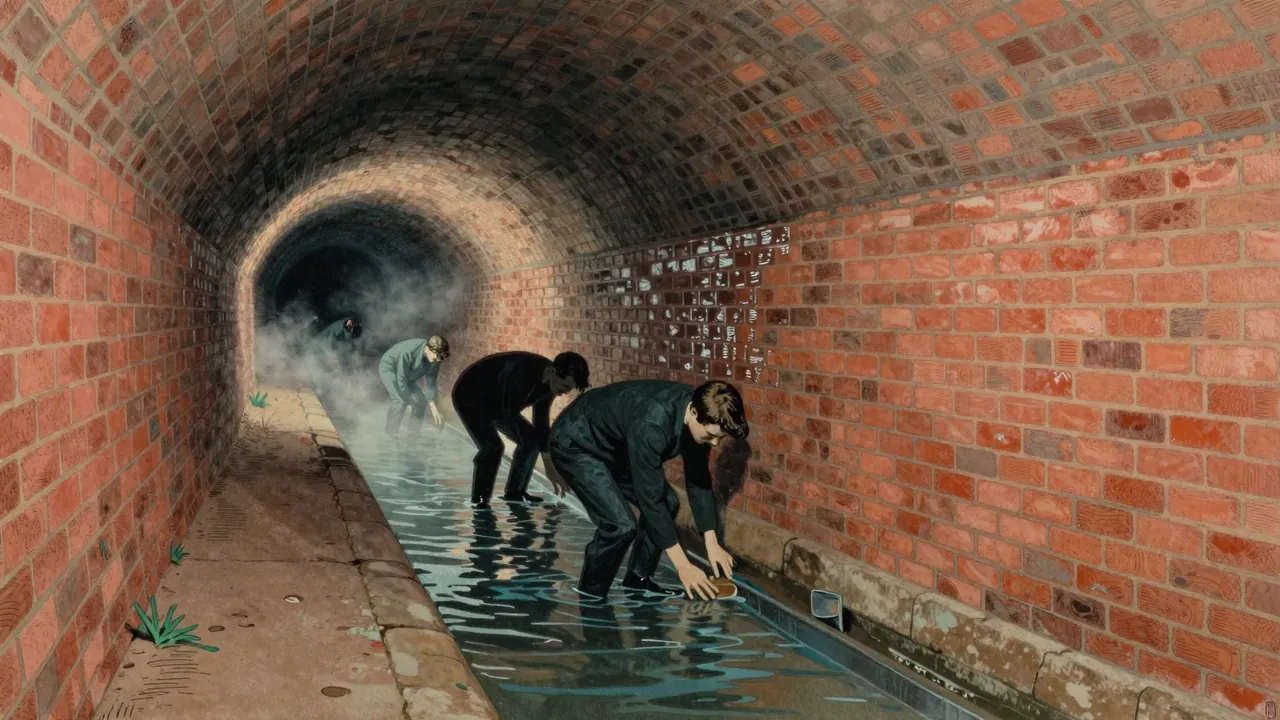
Andrzej Wajda’s 1957 film Canal follows a group of Polish Home Army fighters and civilians retreating through Warsaw’s sewers during the final days of the 1944 uprising. Adapted by veteran Jerzy Stefan Stawiński and shot by Jerzy Lipman, it uses tight framing, low light, and minimal music to render exhaustion, disorientation, and the erosion of command. There are no speeches, no flashbacks, no explanations — only movement, hesitation, and collapse. It is a war film without battle scenes, a drama without catharsis, and a landmark of Polish cinema for its unflinching formal rigour.
13:00

Fanfan la Tulipe

Christian-Jaque · 1952

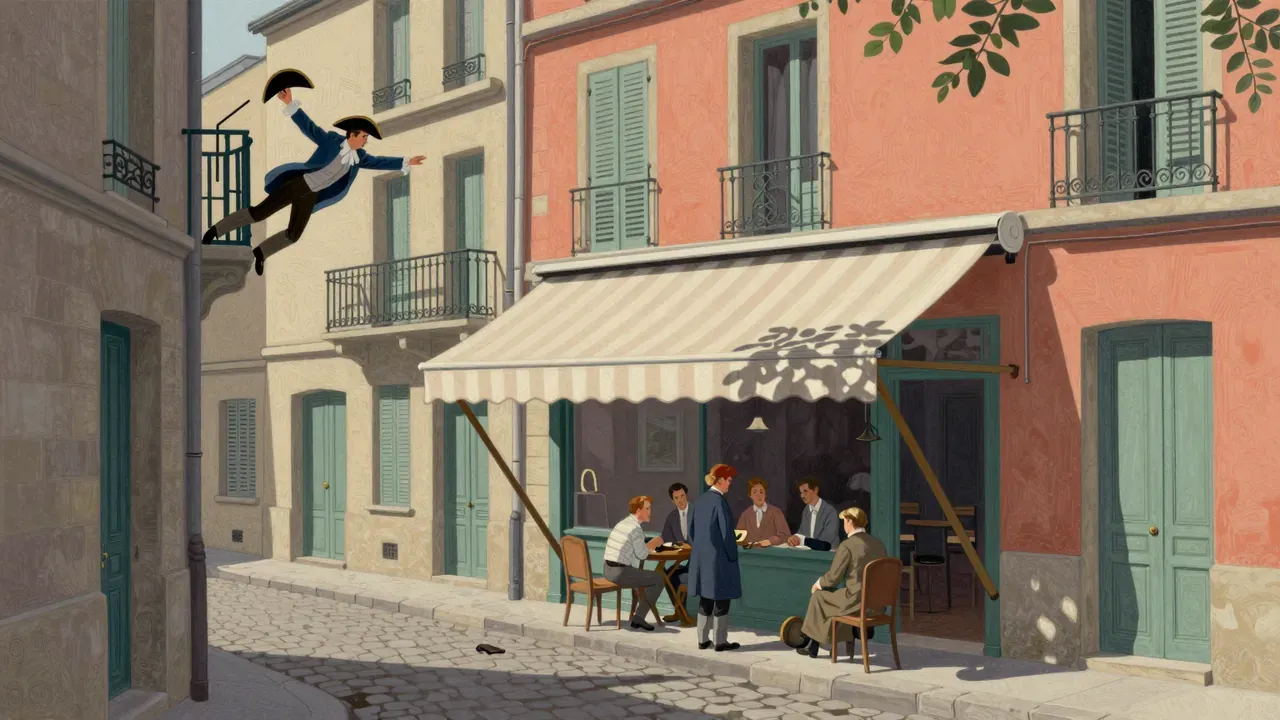
Fanfan la Tulipe (1952) is a French black-and-white comedy-adventure starring Gérard Philipe as a charming rogue who joins the army on false pretences during the Seven Years’ War. Directed by Christian-Jaque, it balances swordplay, romance and gentle irony without moralising or historicising. Its strengths lie in physical performance, rhythmic editing and Christian Matras’s lucid cinematography — not in plot complexity or thematic weight.

13:00

Forbidden Games

René Clément · 1952

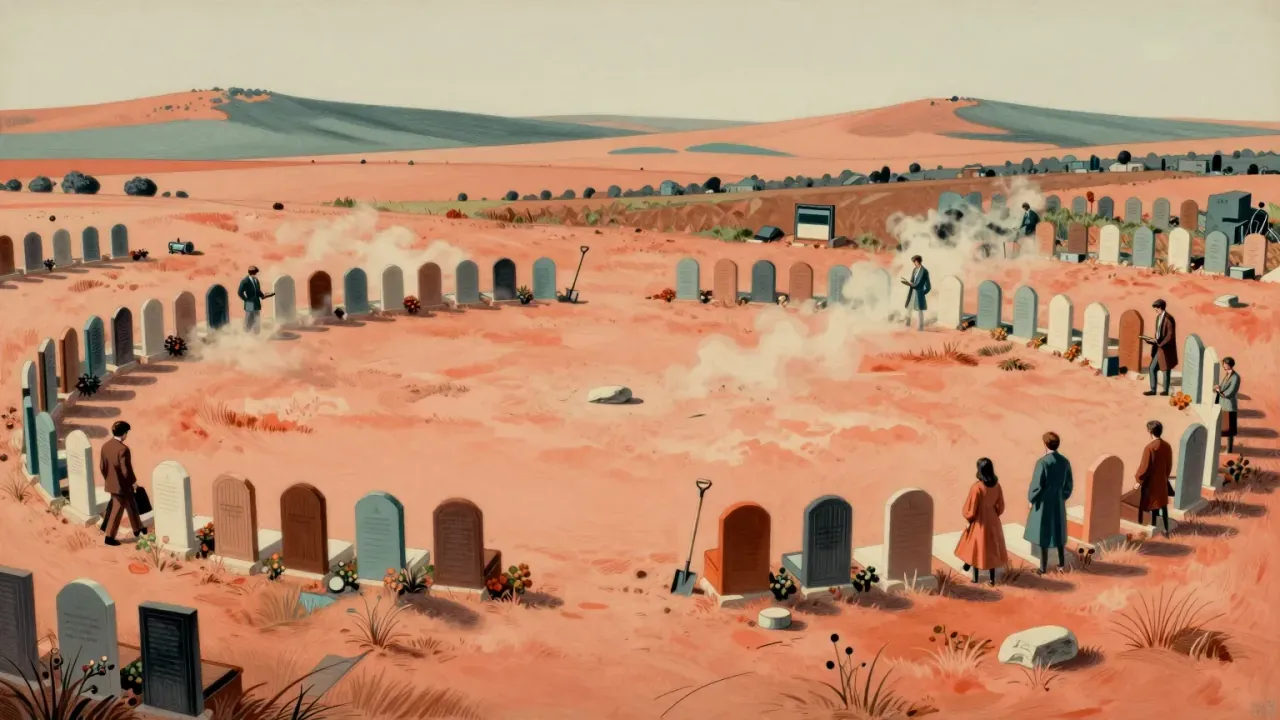
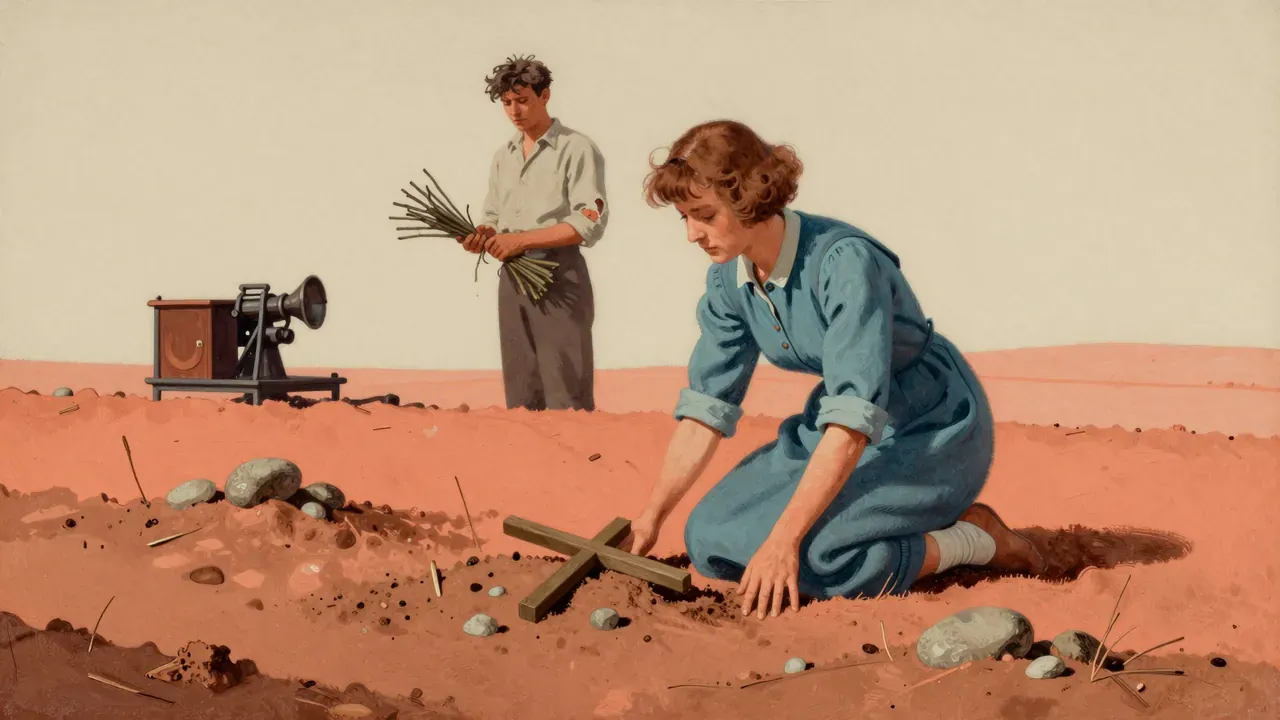
Set in June 1940 during the fall of France, Forbidden Games follows orphaned five-year-old Paulette as she is taken in by a peasant family and forms a quiet bond with their son Michel. Together they build a secret cemetery for dead animals using stolen crosses, enacting grief through ritual rather than speech. Directed by René Clément with restrained precision, the film observes childhood trauma without sentimentality, relying on Brigitte Fossey’s extraordinary performance and Robert Juillard’s understated cinematography. It won the Golden Lion at Venice, a BAFTA, and an Academy Honorary Award.

13:00

Kapò

Gillo Pontecorvo · 1959

Gillo Pontecorvo’s 1960 war film Kapò follows a teenage Jewish girl’s descent into moral compromise as a kapo in a Nazi concentration camp. Shot in Yugoslavia with an Italian-French-Yugoslav co-production team, it was among the first narrative films to depict camp life with graphic realism. Though criticised for melodrama, miscasting, and aesthetic missteps, its ambition — to chart how survival reshapes conscience — remains ethically urgent. Susan Strasberg stars, with Emmanuelle Riva, Laurent Terzieff, and Didi Perego in supporting roles.

13:00

Ride with the Devil

Ang Lee · 1999

Ang Lee’s 1999 film Ride with the Devil follows young Missouri bushwhackers during the Civil War, adapting Daniel Woodrell’s novel with deliberate slowness and minimal exposition. Shot by Frederick Elmes and written by James Schamus, it foregrounds domestic endurance over battlefield drama, treating violence as rupture rather than climax. Its themes — loyalty, freedom, gendered labour, and the weight of time — emerge through gesture and silence, not speech. Though commercially overlooked and structurally demanding, it remains a singular, unhurried portrait of war’s human residue.

13:00

Shame

Ingmar Bergman · 1968

Ingmar Bergman’s 1968 Shame follows violinist-turned-farmer couple Jan and Eva Rosenberg as civil war invades their isolated Swedish island life. With no named factions or ideologies, the film traces how violence corrodes language, intimacy, and moral coherence — not through spectacle, but through withheld gestures, miniature war effects, and Sven Nykvist’s bleached, claustrophobic cinematography. Liv Ullmann and Max von Sydow perform with devastating restraint, embodying shame not as emotion but as structural failure.

13:00

Story of a Prostitute

Seijun Suzuki · 1965

Seijun Suzuki’s 1965 Story of a Prostitute follows Harumi, a prostitute who moves to a Japanese military outpost in Manchuria during the Sino-Japanese War. There, she forms a forbidden bond with an officer’s aide while enduring the casual brutality of the chain of command. Shot with stark realism and deliberate restraint, the film rejects heroic mythmaking in favour of behavioural truth — exposing the absurdity, exhaustion and moral erosion embedded in imperial military life. Based on Taijiro Tamura’s story and informed by Suzuki’s own wartime service, it remains a singular, unsettling portrait of power, complicity and quiet defiance.

13:00

The Ascent

Larisa Shepitko · 1977

Larisa Shepitko’s 1977 film The Ascent adapts Vasil Bykaŭ’s novel Sotnikov into a stark, black-and-white study of endurance and betrayal among Soviet partisans in Nazi-occupied Belarus. Starring Anatoly Solonitsyn and Boris Plotnikov, it follows two men captured after a failed mission, charting their divergent responses to torture and moral pressure. Shot in brutal winter conditions, with a dissonant score by Alfred Schnittke, the film rejects narrative convention in favour of sustained, embodied tension. It won the Golden Bear at Berlin and remains Shepitko’s final completed work.

13:00

The Devil's Backbone

Guillermo del Toro · 2001

Set in a remote Spanish orphanage during the final months of the Civil War, The Devil's Backbone follows a newly arrived boy who encounters the ghost of a murdered peer. Directed by Guillermo del Toro and shot by Guillermo Navarro, the film uses gothic horror conventions to explore inheritance, trauma, and moral accountability. Its restrained performances, muted palette, and deliberate pacing build tension not through shocks but through accumulated silence and implication. Though some narrative devices feel functional rather than felt, its emotional and historical precision makes it a singular entry in both Spanish cinema and the ghost-story tradition.

13:00

The Fall of Otrar

Ardak Amirkulov · 1991

The Fall of Otrar (1991) is a Kazakh historical war film directed by Ardak Amirkulov, depicting the political and military collapse of the Central Asian city-state of Otrar before Genghis Khan’s invasion. Shot on location in Kazakhstan over four turbulent years amid Soviet dissolution and chronic underfunding, it prioritises architectural and procedural realism over psychological drama. Restored in 4K in 2024, it offers a stark, unsentimental vision of empire as erosion — not conquest — and history as accumulated weight rather than turning points.

13:00

Twenty-Four Eyes

Keisuke Kinoshita · 1954

Keisuke Kinoshita’s Twenty-Four Eyes (1954) follows teacher Hisako Ōishi across twenty years on Shōdoshima island, from her arrival in 1928 to the postwar return to teaching in 1946. Using her twelve pupils as anchors, the film charts the erosion and renewal of communal life under militarism, poverty and loss. Hideko Takamine’s restrained performance, the unvarnished Shochiku photography and the episodic, season-bound structure build a portrait of endurance rooted in daily acts of care — not grand statements, but shared meals, remembered songs and a bicycle given back.

13:00

War and Peace

Sergei Bondarchuk · 1965

Sergei Bondarchuk’s War and Peace (1965–67) is a four-part, 432-minute adaptation of Tolstoy’s novel, produced by Mosfilm with unprecedented state support. Shot on Soviet 70mm stock, it deploys over ten thousand soldiers as extras, authentic period artefacts, and vast battlefield choreography to realise Tolstoy’s world—not his ideas. While lauded for its monumental realism and awarded the 1969 Oscar for Best International Feature, it streamlines the novel’s philosophical arguments and relies on physical presence over psychological nuance. Its value lies in endurance, not explication.

13:00

Wooden Crosses

Raymond Bernard · 1932

Wooden Crosses (1932), directed by Raymond Bernard, adapts Roland Dorgelès’s novel into a stark, unsentimental chronicle of French infantry life on the Western Front. Shot on location over real trenches, with veterans among its cast and meticulous sound design recreating battlefield acoustics, it follows a squad’s slow disintegration across rotations, patrols, and casualties. There are no heroes, no speeches, no score — only the weight of equipment, the texture of mud, and the quiet placement of wooden crosses. Its power lies in accumulation, not climax.

13:00

Ran

Akira Kurosawa · 1985

Akira Kurosawa’s 1985 epic reimagines King Lear as a Sengoku-period warlord’s collapse, grounded in Japanese history and his own artistic mortality. Shot across volcanic plains and ancient castles, it uses wide compositions, deliberate pacing, and Emi Wada’s award-winning costumes to build a world where chaos is not disorder but the inevitable residue of violence. With Tatsuya Nakadai’s monumental performance and Toru Takemitsu’s dissonant score, Ran sustains its 160-minute duration through material conviction rather than exposition — a film that trusts time, silence, and scale to carry meaning.

13:00

The Skin

Liliana Cavani · 1981

Liliana Cavani’s 1981 adaptation of Curzio Malaparte’s novel *The Skin* depicts Naples in the immediate aftermath of Allied liberation, where survival depends on transaction, dignity is measured in kilos, and liberation feels indistinguishable from conquest. Starring Marcello Mastroianni and Burt Lancaster, it uses stark cinematography, dissonant music and unflinching vignettes to trace the corrosion of morality under occupation — not as breakdown but as system.

13:00

Red Cliff

John Woo · 2008

John Woo’s 2008–09 two-part epic Red Cliff adapts the Battle of Red Cliffs with deliberate historical latitude, prioritising psychological texture and tactical realism over strict fidelity. Shot across reservoirs and studios in China, it follows the fragile Sun–Liu alliance against Cao Cao’s imperial army, using wide compositions, restrained performances, and weather-driven strategy to ground myth in physical reality. The full 288-minute version demands—and rewards—attention to rhythm, gesture, and consequence.

13:00

The Hurt Locker

Kathryn Bigelow · 2008

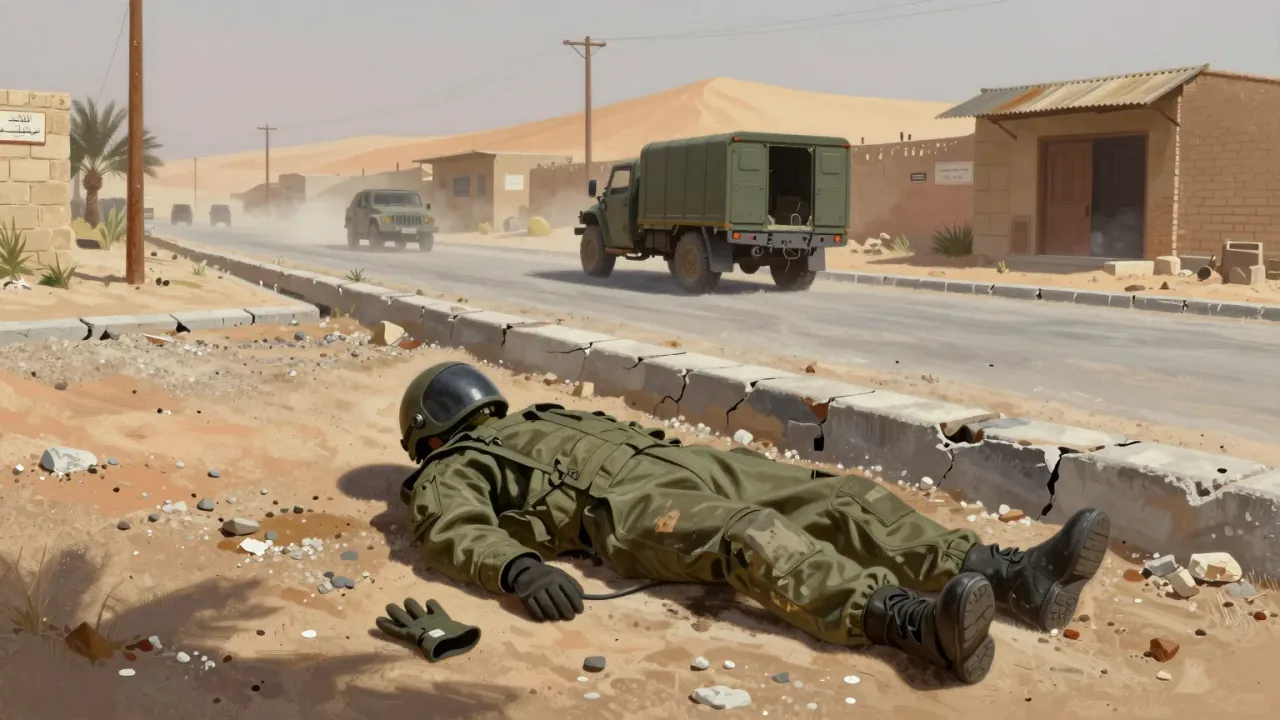
Kathryn Bigelow’s 2008 war thriller follows a U.S. Army bomb disposal team in Iraq, using procedural fidelity and sensory intensity to convey the physical and psychological toll of sustained combat. Written by Mark Boal from embedded experience, it prioritises immediacy over explanation, with Barry Ackroyd’s cinematography and Chris Innis’s editing sustaining relentless, close-quarters tension. Though acclaimed for its craft and awarded six Oscars including Best Picture and Best Director, its narrow focus has drawn criticism from veterans for omitting political and cultural dimensions of the conflict.

13:00

Apocalypse Now

Francis Ford Coppola · 1979

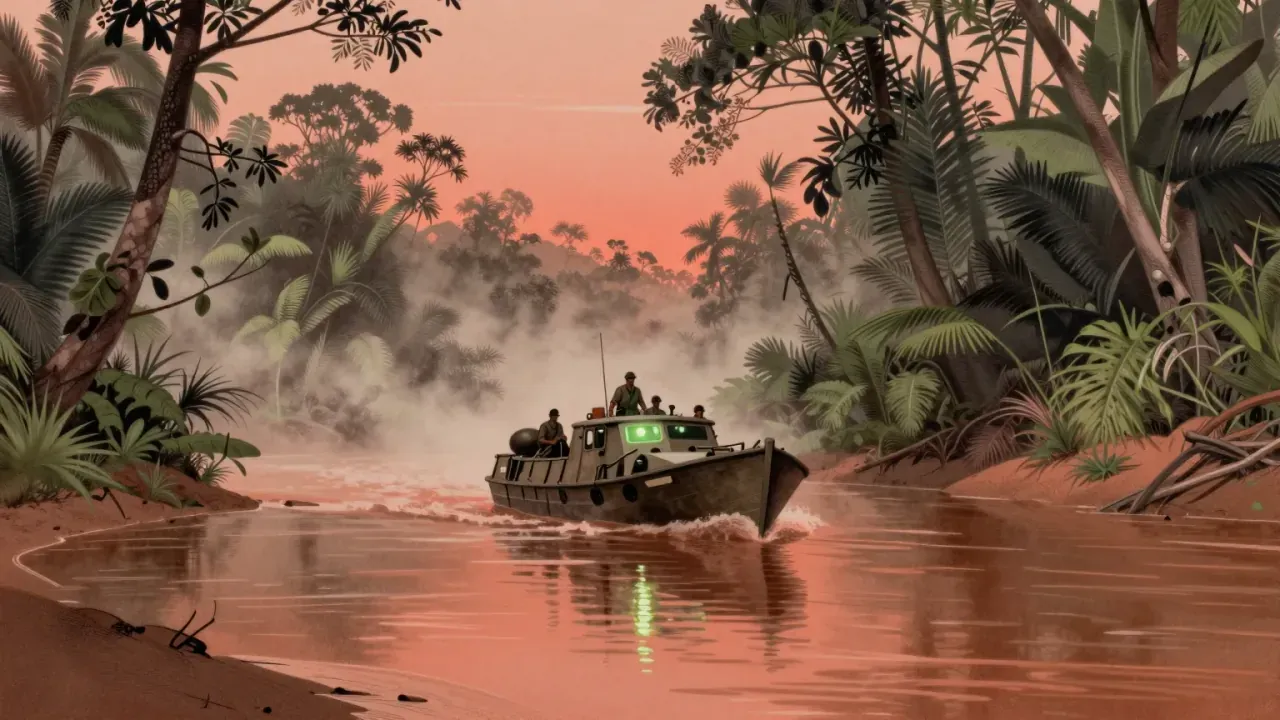
Francis Ford Coppola's 1979 film relocates Joseph Conrad's Heart of Darkness to the Vietnam War, sending Captain Willard up a river into Cambodia to assassinate Colonel Kurtz, a decorated officer who has gone rogue and established himself as a warlord among a private army. Shot by Vittorio Storaro on a production in the Philippines that ran a year over schedule, battered by a typhoon, a leading actor's heart attack and an unprepared, overweight Marlon Brando, it premiered unfinished at Cannes to win the Palme d'Or, and later took home Oscars for cinematography and sound on a budget of $31.5 million against an $83.5 million return.

13:00

Chicken Run

Peter Lord, Nick Park · 2000

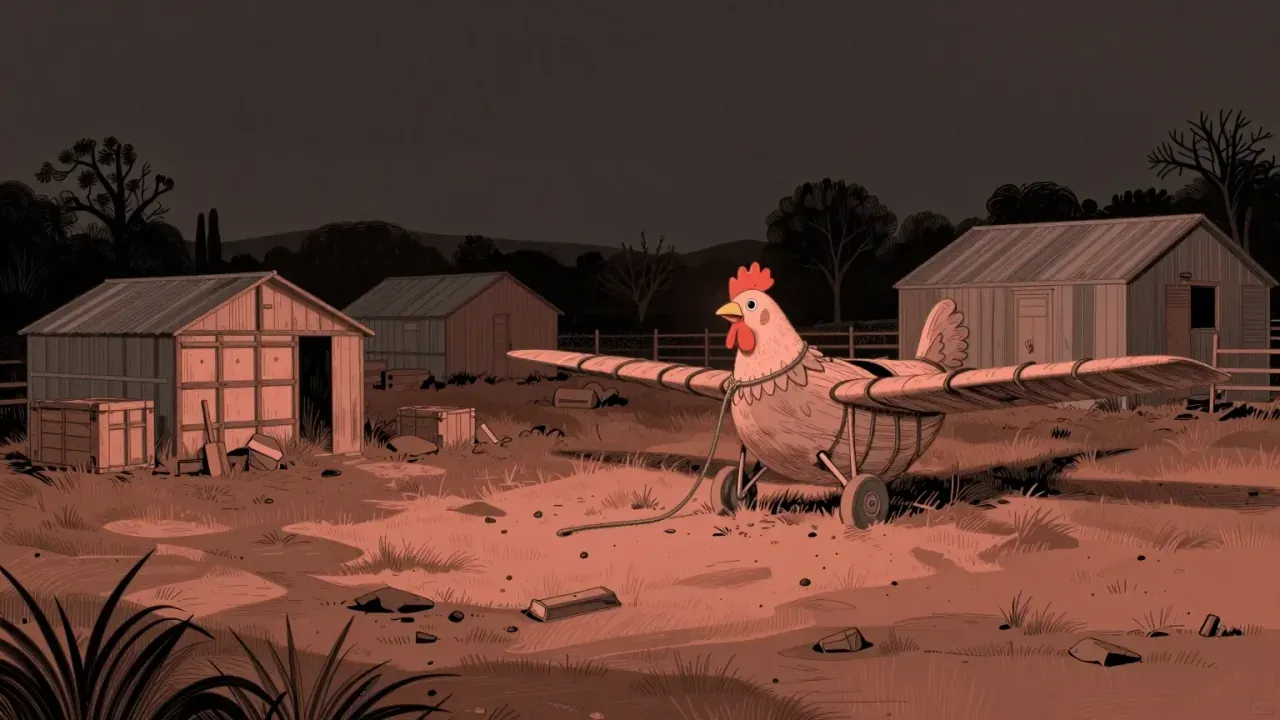
Chicken Run reworks the World War Two escape film as a story about hens on a Yorkshire egg farm run like a prison camp, who pin their hopes of freedom on a crash-landed American rooster claiming he can fly. Aardman's first feature, directed by Peter Lord and Nick Park, was shot in stop-motion across thirty sets over eighteen months and became the highest-grossing stop-motion film ever made, taking $225 million against a $45 million budget.

13:00

Come and See

Elem Klimov · 1985

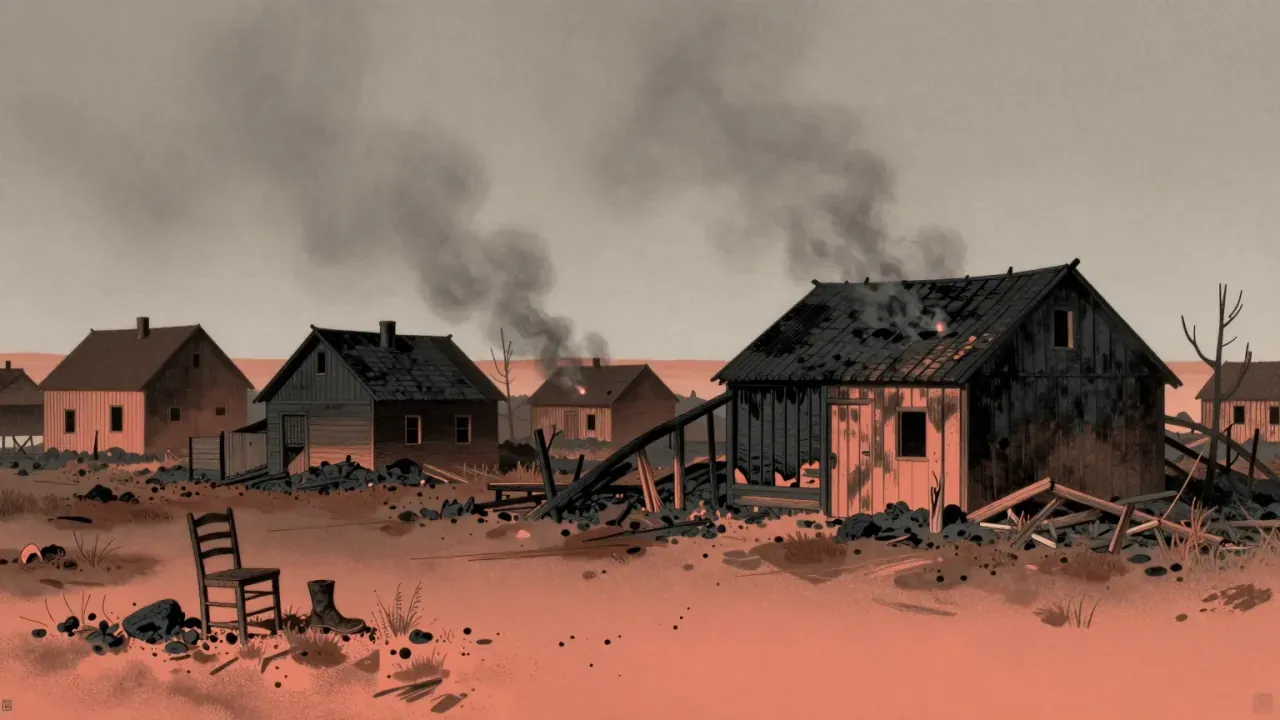
Elem Klimov's 1985 account of the Nazi destruction of Belarusian villages follows a teenage partisan recruit, played by Aleksei Kravchenko, through a descent that the director shot in sequence and largely with non-actors. Built from survivor testimony and a Belarusian novel, and delayed for years by Soviet censors who found the script too raw, it remains one of the starkest war films made anywhere.

13:00

Full Metal Jacket

Stanley Kubrick · 1987

Stanley Kubrick's 1987 war film, shot entirely around London, splits into a Parris Island boot-camp section under a savage drill instructor and a Tet Offensive combat section in Hue. Built from Gustav Hasford's novel with Michael Herr, and carried by R. Lee Ermey's largely self-written performance, it argues that training, not combat, is where a soldier is actually made.

13:00

Howl's Moving Castle

Hayao Miyazaki · 2004

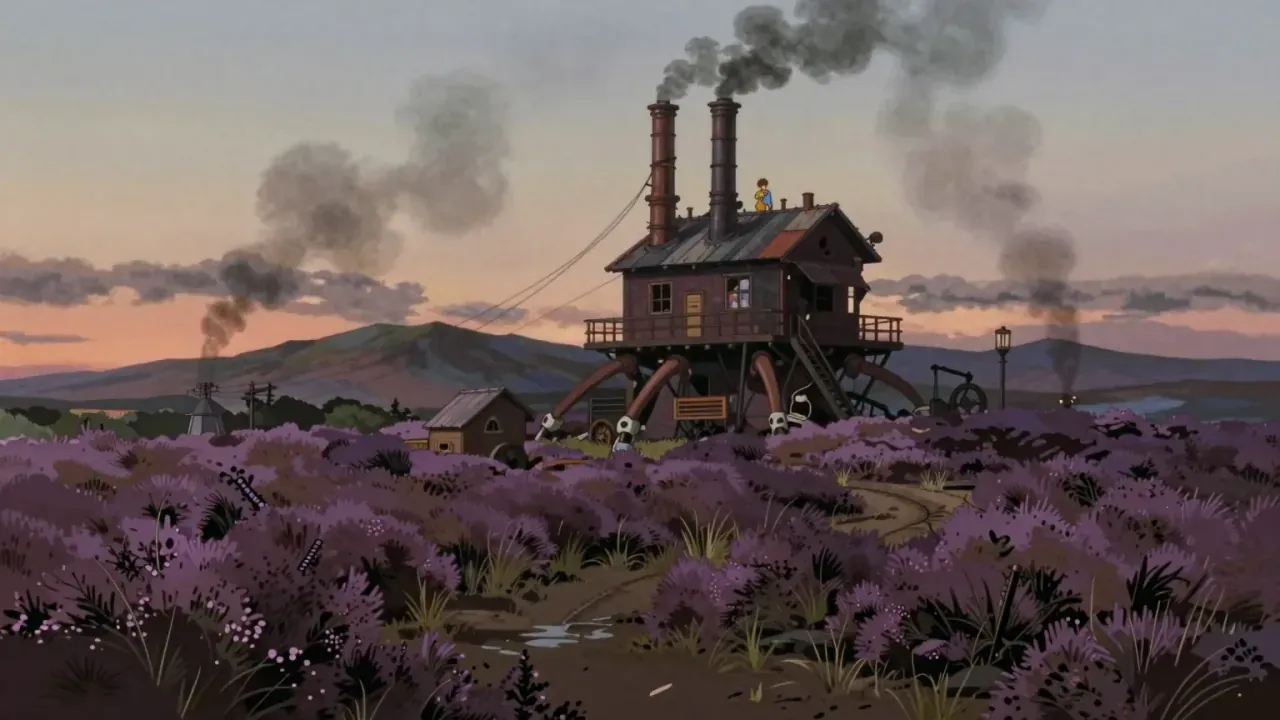
Howl's Moving Castle adapts Diana Wynne Jones's novel about a young milliner cursed into old age by a witch, who ends up living in a wizard's walking castle as a war between two kingdoms escalates around them. Hayao Miyazaki directed the film for Studio Ghibli after an earlier director departed, and it took $236 million against a $24 million budget, becoming one of the most commercially successful Japanese films ever made and winning a Nebula Award for Best Script.

13:00

Paths of Glory

Stanley Kubrick · 1957

Stanley Kubrick's 1957 film, adapted from Humphrey Cobb's novel based on the real Souain corporals affair, follows Colonel Dax as he leads a suicidal attack demanded by his superiors and then defends three of his own men, chosen at random, against a court-martial for cowardice. Shot in Bavaria because its portrayal of the French military barred it from filming, or release, in France for fifteen years, the film starred Kirk Douglas, whose production company financed it on a budget reported near $935,000, and drew acclaim that only grew once France finally allowed it to screen in 1972.

13:00

Princess Mononoke

Hayao Miyazaki · 1997

Princess Mononoke follows Ashitaka, a young prince cursed by a demonized boar god, as he travels west and becomes caught in the war between Lady Eboshi's ironworks town and the animal gods defending their forest, including San, a girl raised by wolves. Hayao Miyazaki wrote and directed the film for Studio Ghibli after nearly two decades of development, using limited computer-generated imagery alongside hand-drawn animation for the first time in his work. Marketed by producer Toshio Suzuki in the largest advertising campaign Japan had seen for a film at that point, it became the country's highest-grossing release and the first Ghibli film given a wide international release, through a Disney-brokered deal that handed its English dub to novelist Neil Gaiman.

13:00

South Park: Bigger, Longer & Uncut

Trey Parker · 1999

Trey Parker and Matt Stone expand their Comedy Central series into a full musical: four boys learn a stream of profanity from an R-rated movie, a parental panic follows, and the United States ends up declaring war on Canada. Made for $21 million and released by Paramount, it took $83 million worldwide and became the highest-grossing R-rated animated film at the time, earning an Academy Award nomination for the song Blame Canada.

13:00

The Battle of Algiers

Gillo Pontecorvo · 1966

Gillo Pontecorvo's 1966 film reconstructs the Algerian independence struggle against French rule between 1954 and 1957, following FLN fighter Ali La Pointe and the French colonel sent to break the resistance through mass arrest and torture. Cast almost entirely with non-professionals, many of whom had lived through the real events, and shot in a black-and-white newsreel style, the film won the Golden Lion at Venice and was banned in France for years for the discomfort of its subject.

13:00

The Boy and the Heron

Hayao Miyazaki · 2023

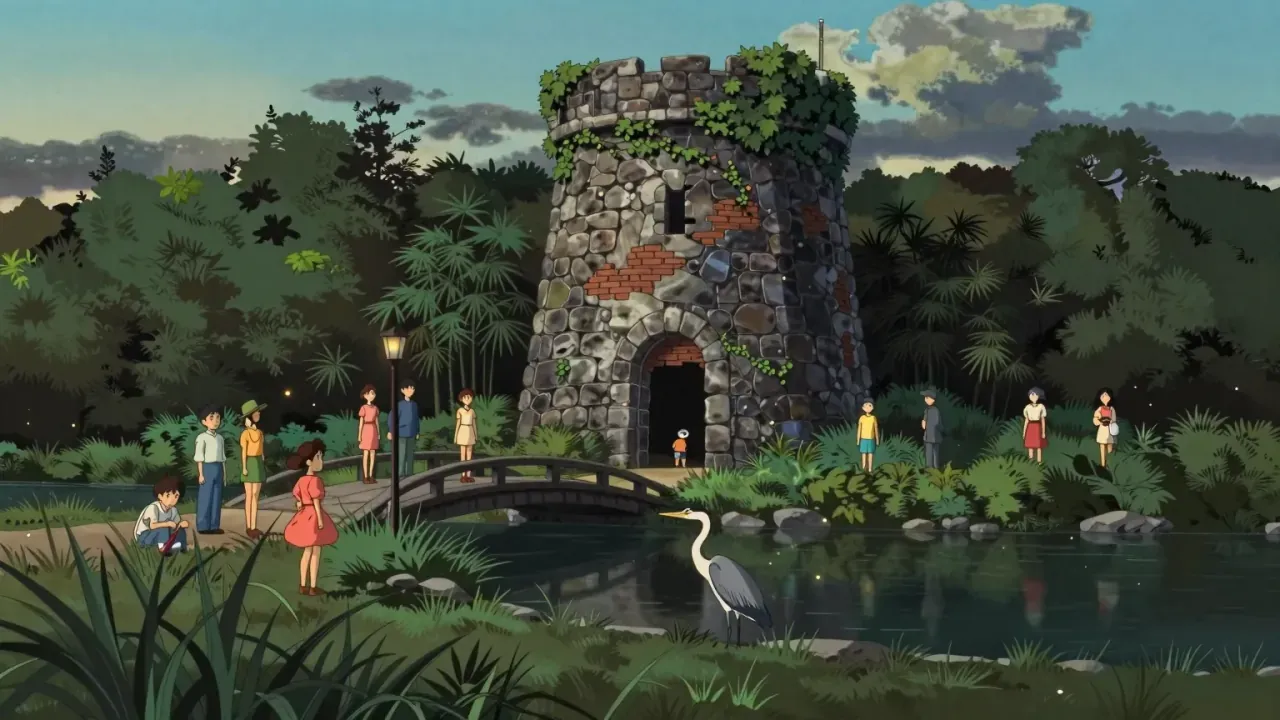
After his mother dies in wartime Japan, Mahito Maki moves to the countryside, follows a talking grey heron into an abandoned tower, and enters a fantastical realm governed by its own private logic. Hayao Miyazaki spent roughly seven years making the film, released in Japan with no trailers, stills or synopsis beyond a single poster.

13:00

The Deer Hunter

Michael Cimino · 1978

The Deer Hunter follows three steelworkers from a Russian-American mill town through a wedding, a hunting trip, the Vietnam War, and its long aftermath. Michael Cimino's film, shot partly in Thailand and built around Robert De Niro, Christopher Walken and John Savage, uses an unusually long, unhurried domestic opening to set up a war sequence built on captivity and Russian roulette, then spends its final third on men who came home changed in different, irreversible ways.

13:00

The Good, the Bad and the Ugly

Sergio Leone · 1966

Sergio Leone's 1966 close to the Dollars Trilogy follows a bounty hunter, an outlaw and a hired gun across the American Civil War as they hunt buried Confederate gold, shot in Techniscope across Spain on a $1.2 million budget that returned nearly $39 million, built around Eli Wallach's performance and Ennio Morricone's score.

13:00

The Seventh Seal

Ingmar Bergman · 1957

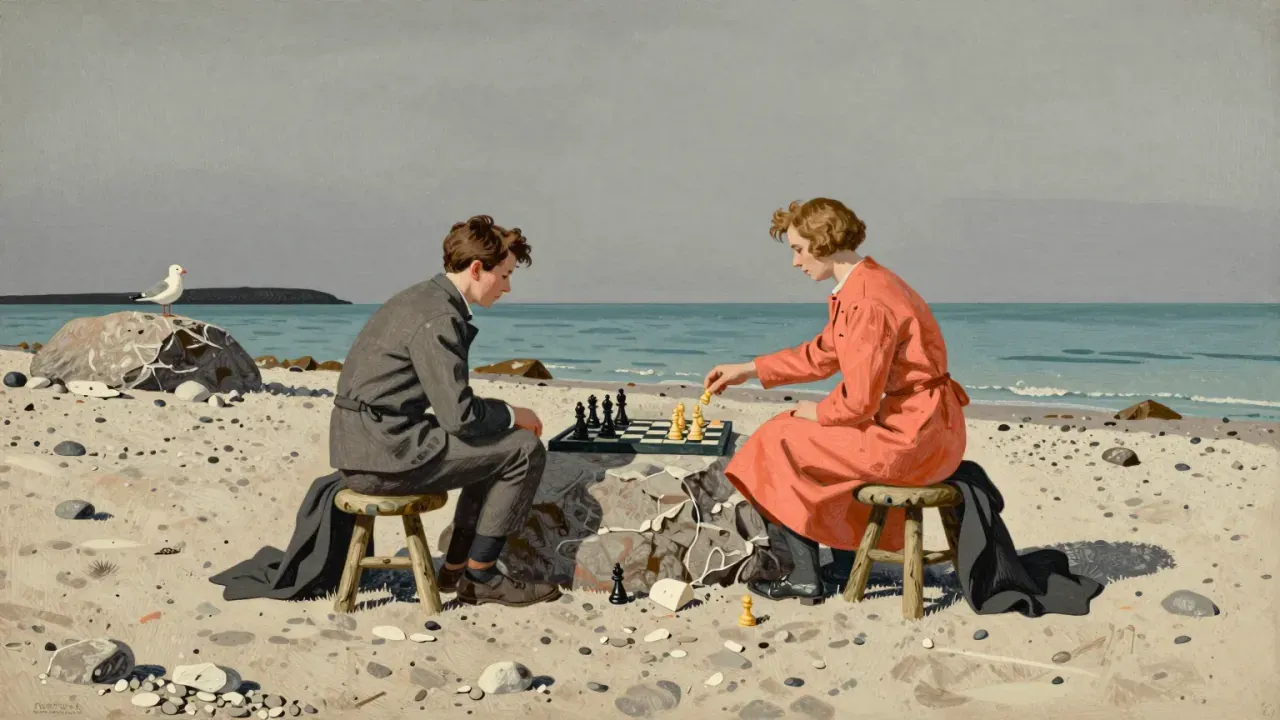
Ingmar Bergman turned a one-act play he had written for drama students into this 1957 fable of a crusader who challenges Death to chess while the plague empties his country. Shot in thirty-five days on a modest budget, with Max von Sydow beginning his long partnership with Bergman, it became one of cinema's most quoted images and won the Special Jury Prize at Cannes.

13:00

The Wind Rises

Hayao Miyazaki · 2013

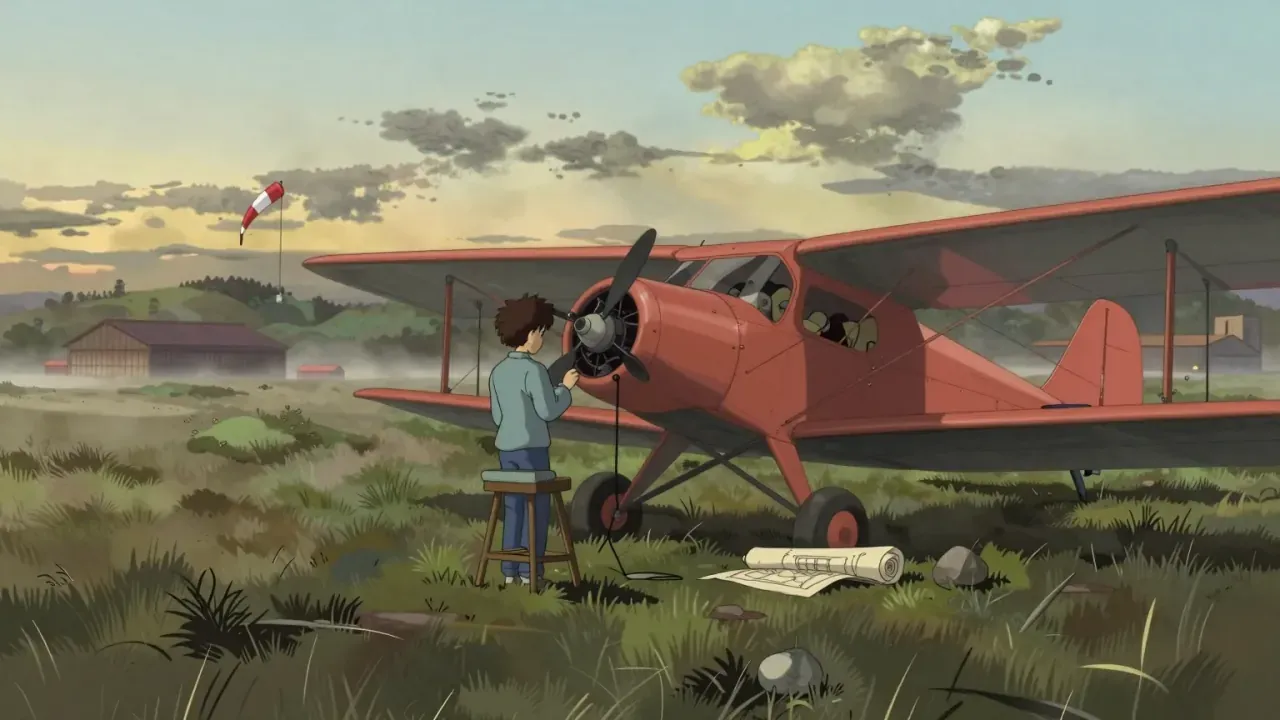
A fictionalised account of aeronautical engineer Jiro Horikoshi, who dreamed of flight but could only design the machines rather than pilot them himself. Hayao Miyazaki's 2013 film pairs a delicate romance with the uncomfortable fact of what Horikoshi's designs became.

13:00

Watership Down

Martin Rosen, John Hubley · 1978

A small group of rabbits flees their doomed warren on a premonition of disaster and treks across the English countryside to found a new one, clashing along the way with the totalitarian warren of Efrafa under General Woundwort. Martin Rosen took over direction from John Hubley partway through production, financed the film through a British consortium, and released it in 1978 to an audience unsure what age it was made for.