filmbriefs
Topic

Race

A category with no biology and enormous consequences.

62
in film
13:00
average
806 min
in total
145
across the network
Race across the network →
All briefs62
13:00

Affirmations

Marlon Riggs · 1990

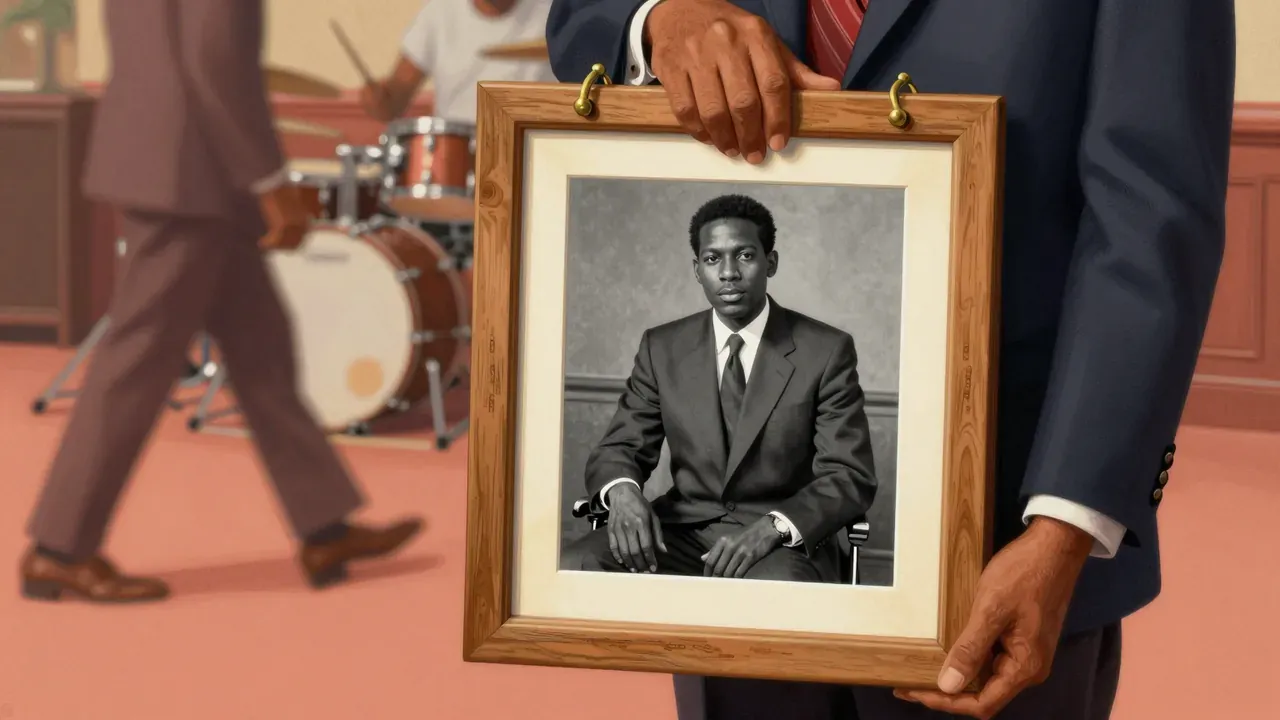
Marlon Riggs’s 1990 ten-minute short Affirmations places Black gay men visibly within Harlem’s African American Freedom Day parade, intercutting Reginald T. Jackson’s quiet recollection of intimacy with footage of protest, portraiture and public speech. Using minimal craft and maximal assertion, it treats queerness not as deviation from Black tradition but as its living, contested continuation.
13:00

Alex Wheatle

Steve McQueen · 2020

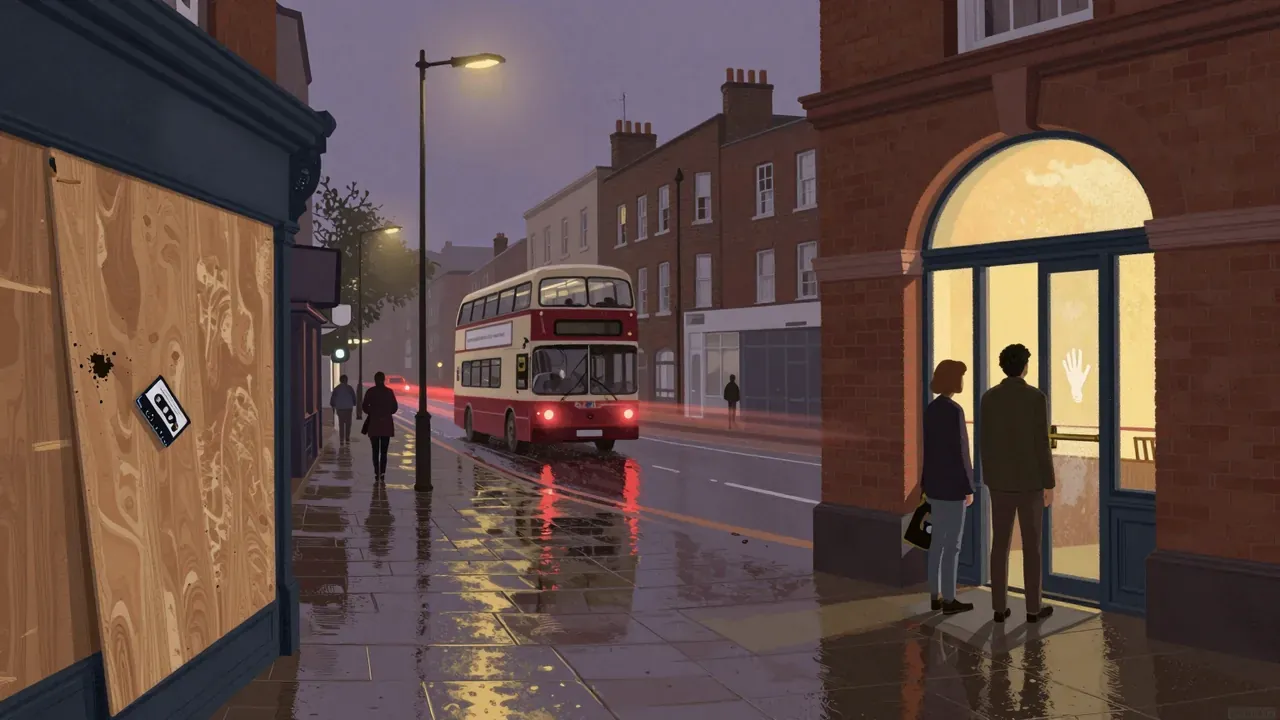
Steve McQueen’s Alex Wheatle (2020) follows the British novelist from institutional childhood through Brixton’s sound-system culture to imprisonment after the 1981 uprising, where he discovers literature. Starring Sheyi Cole and shot by Shabier Kirchner, it is the fourth film in the Small Axe anthology — a focused, atmospheric biographical drama that prioritises sensory detail and quiet transformation over exposition or historical sweep.

13:00

Anthem

Marlon Riggs · 1991

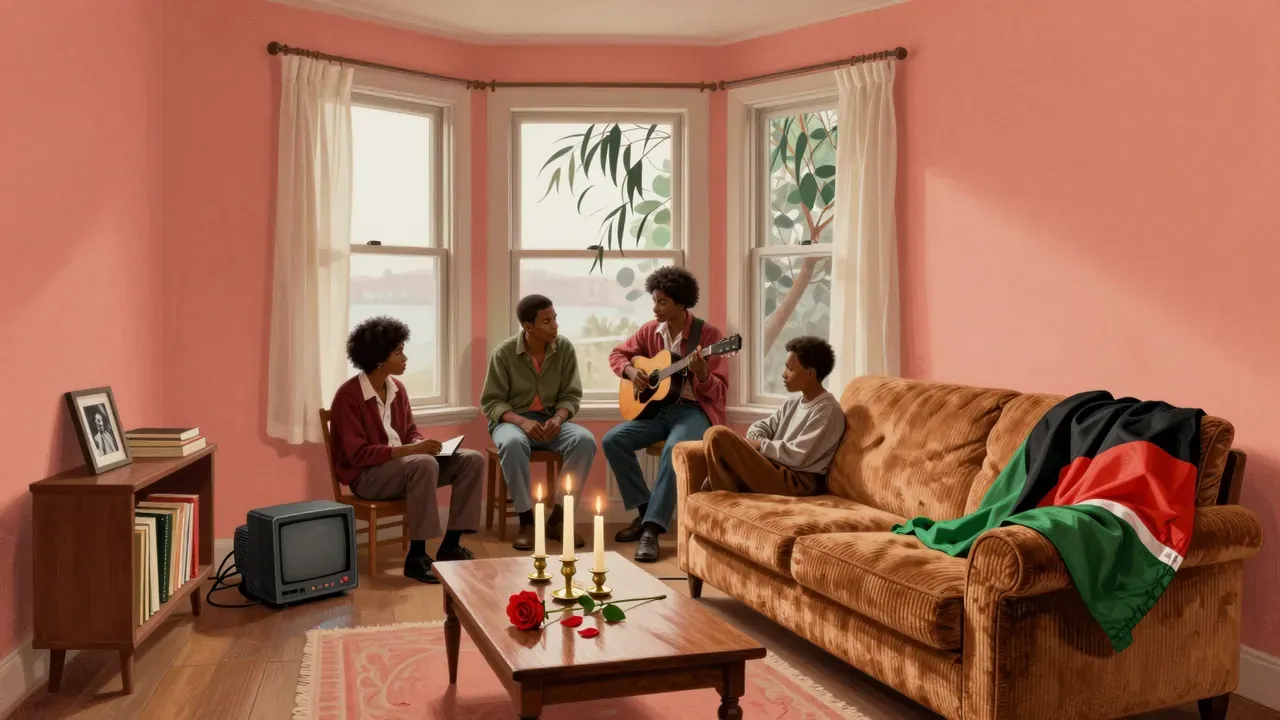
Marlon Riggs’s 1991 eight-minute music video Anthem fuses poetry, hip-hop rhythm, and political iconography to assert Black gay identity as inseparable from African heritage and American citizenship. Featuring Essex Hemphill, Colin Robinson, and others, it overlays ACT UP slogans with Pan-African symbols, memorial candles with erotic intimacy, and spoken word with drum patterns — building a declarative, non-narrative montage that refuses assimilation and rejects erasure.

13:00

Bamboozled

Spike Lee · 2000

Spike Lee’s 2000 film Bamboozled follows a Black television writer who creates a modern minstrel show as a cynical ploy to get fired—only to see it become a hit. Shot partly on Mini DV and partly on Super 16, it blends satire, drama and documentary-style montage to confront the persistence of racist imagery in American media. Though critically divisive on release, it has since been reappraised for its prescience and added to the National Film Registry.

13:00

Black Girl

Ousmane Sembène · 1966

Ousmane Sembène’s 1966 feature debut follows Diouana, a young Senegalese woman who moves to France to work for a French couple, only to find her identity stripped away by isolation, linguistic erasure, and routine condescension. Shot in Senegal with a minimal crew and dubbed dialogue, the film uses stark visual contrast and elliptical editing to trace the psychological toll of colonial labour. Its power lies in restraint: no score, no exposition, no redemption—just the quiet accumulation of small violences, culminating in an act of final autonomy. Widely regarded as the first Sub-Saharan African feature by an African filmmaker to gain international attention, it remains a foundational text of anti-colonial cinema.

13:00

Black is... Black Ain't

Marlon Riggs · 1994

Marlon Riggs’s final film is a sprawling, urgent essay on Black identity in America, built from hundreds of unmediated testimonies, performances by Bill T. Jones and Essex Hemphill, and commentary from Angela Davis, bell hooks, and Cornel West. Framed by Riggs’s own illness and unfinished work, it treats Blackness not as a fixed category but as a contested, embodied, intersectional practice—resisting homogenisation, patriarchy, homophobia, and colourism while insisting on solidarity without uniformity.

13:00

Black Sun

Koreyoshi Kurahara · 1964

Black Sun (1964), directed by Koreyoshi Kurahara for Nikkatsu, follows Akira, a young Japanese thief, and Gill, an injured African-American soldier, as they move silently toward the sea after a violent encounter. Shot in high-contrast monochrome, with sparse music by Toshiro Mayuzumi and Max Roach, it uses jazz records, ruined architecture, and deliberate pacing to explore connection without translation. Its themes centre on embodied difference, failed communication, and freedom as ascent rather than arrival.

13:00

Body and Soul

Oscar Micheaux · 1925

Oscar Micheaux’s 1925 silent drama Body and Soul stars Paul Robeson in his film debut as a criminal posing as a preacher in a Black Southern town. After two re-edits forced by New York censors, the surviving five-reel version tells a morally charged story of deception, violation, and a dream-framed reckoning. Though technically rudimentary and narratively fractured, it remains a landmark of African-American independent cinema — selected for the National Film Registry in 2019 for its cultural and historical significance.

13:00

Borderline

Kenneth Macpherson · 1930

Borderline (1930), written and directed by Kenneth Macpherson, is a silent British-Swiss drama starring Paul and Eslanda Robeson and H.D. Set in a Swiss guesthouse, it traces an interracial love triangle amid local hostility, using Eisensteinian montage and Pabst-influenced psychological framing. Restored in 2006 and again in 2010 with new soundtracks, it remains a demanding, formally rigorous work — less concerned with storytelling than with how cinema constructs meaning around race, gender, and social boundary-making.

13:00

Born in Flames

Lizzie Borden · 1983

Born in Flames (1983), directed and produced by Lizzie Borden, is a low-budget science fiction drama set in an alternate socialist-democratic United States ten years after revolution. It follows intersecting feminist groups — pirate radio collectives, a radical newspaper, and a militant Women’s Army — as they confront state-backed sexism, racism and classism. Shot on location in New York with non-professional performers and fragmented, urgent editing, it rejects narrative polish in favour of political precision. Its themes remain starkly relevant: media control, reproductive labour, surveillance, and the necessity of coalition across difference.

13:00

Color Adjustment

Marlon Riggs · 1992

Marlon Riggs’s 1992 documentary examines four decades of African American representation on US prime-time television, tracing how sitcoms and variety shows absorbed racial conflict into safe, marketable formats. Narrated by Ruby Dee and built from archival clips, interviews with performers and producers, and cultural criticism, it argues that inclusion was conditional — granted only when it reinforced, rather than challenged, dominant myths of the American family and dream.

13:00

Compensation

Zeinabu irene Davis · 2000

Compensation is a 1999 independent film directed by Zeinabu irene Davis, telling parallel love stories—one in 1910 Chicago, the other in the 1990s—between deaf women and hearing men. Shot in black-and-white silent-film style for the past and with open captions for the present, it draws on Paul Laurence Dunbar’s 1906 poem and foregrounds ASL, Chicago’s geography, and the social realities of tuberculosis and AIDS. Restored in 4K by Criterion and UCLA, it premiered at Sundance 2000 and entered the National Film Registry in 2024.

13:00

Cooley High

Michael Schultz · 1975

Set in 1964 Chicago, Cooley High follows two Black high school seniors navigating friendship, romance, and impending adulthood in the final weeks before graduation. Written by Eric Monte and directed by Michael Schultz, it balances light-hearted moments — skipping class, betting on love, dancing to Motown — with sudden, unvarnished tragedy. Shot on location in and around Cabrini–Green, it avoids stereotype, opting instead for behavioural realism and quiet specificity. Its legacy rests on its humane focus, its influence on later Black cinema, and its preservation in the US National Film Registry.
13:00

Devil in a Blue Dress

Carl Franklin · 1995

Carl Franklin’s 1995 adaptation of Walter Mosley’s novel follows WWII veteran Easy Rawlins through a 1948 Los Angeles entangled in political corruption, racial surveillance, and familial secrets. Denzel Washington anchors a tightly constructed crime narrative shaped by Tak Fujimoto’s restrained cinematography and Elmer Bernstein’s blues-tinged score. The film excels in atmosphere and historical texture but resolves its central tensions with procedural efficiency rather than emotional resonance.

13:00

Do the Right Thing

Spike Lee · 1989

Set over one sweltering day in Bedford–Stuyvesant, Do the Right Thing follows residents of a Brooklyn block as racial tensions escalate around Sal’s pizzeria. Spike Lee’s script, direction and performance anchor a tightly composed ensemble piece whose visual intensity, rhythmic editing and layered sound design sustain pressure until a violent climax forces confrontation — not resolution. It is a film about proximity without understanding, labour without equity, and protest without guarantees.

13:00

Don't Play Us Cheap

Melvin Van Peebles · 1973

Melvin Van Peebles’ 1973 musical film adapts his stage work into a vibrant, low-budget allegory: two demons infiltrate a Harlem birthday party to break it up, only to be undone by song, solidarity, and the unassailable groove of everyday Black life. Shot on location with a cast of stage veterans and non-professionals, it treats gospel, soul, and doo-wop as tools of social analysis — not backdrop. Its themes of communal resilience, class critique, and joy-as-resistance remain urgent, its form deliberately anti-spectacle.

13:00

Drylongso

Cauleen Smith · 1998

A 1998 Oakland-set drama following Pica Sullivan, a Black photography student documenting young men she fears are disappearing. Shot on 16mm, it balances intimate portraiture with ambient dread, treating safety, gender, and community as daily practices rather than plot points. Restored and re-released in 2023, it remains a precise, unsentimental portrait of ordinary resilience.

13:00

Education

Steve McQueen · 2020

Steve McQueen’s Education (2020), the closing film of the Small Axe anthology, follows an 11-year-old Black boy in 1970s London subjected to an 'educationally subnormal' assessment — a real historical practice that disproportionately diverted Black children from mainstream schooling. Shot by Shabier Kirchner with deliberate stillness and no score, it focuses on procedural indifference rather than individual villainy. Based on documented inequities but using fictional characters, it builds its argument through accumulation, silence, and restraint.

13:00

Ethnic Notions

Marlon Riggs · 1987

Marlon Riggs’ 1987 documentary Ethnic Notions traces the development and function of anti-Black stereotypes in American popular culture from the 1800s to the 1960s. Using archival footage, academic commentary, and Esther Rolle’s narration, it dissects figures like The Mammy, The Tom, and The Brute across minstrelsy, advertising, film, and song — showing how visual language enforced racial hierarchy and shaped self-perception. It won a 1988 National Emmy and remains Riggs’ most widely seen work.

13:00

Hairspray

John Waters · 1988

John Waters’s 1988 romantic comedy reimagines 1962 Baltimore as a stage for joyful, noisy resistance. Tracy Turnblad, a plus-size teen, fights to integrate a local TV dance show — and in doing so, exposes segregation as farcical, fragile, and beatable. With Ricki Lake, Divine, Ruth Brown, and Debbie Harry, it balances satire and sincerity, using music, dance, and outrageous costume to argue that liberation is loud, embodied, and unapologetically fun.

13:00

Hollywood Shuffle

Robert Townsend · 1987

Hollywood Shuffle is a 1987 semi-autobiographical satire directed by Robert Townsend, following Bobby Taylor as he navigates Hollywood’s demand for stereotypical Black roles. Shot on a $100,000 budget over two and a half years, it uses vignettes, parodies, and daydreams to expose how race is commodified in casting, writing, and performance. Though praised for its sharp humour and technical ingenuity, it draws criticism for reproducing sexist and homophobic stereotypes it otherwise critiques. The film ends not with success but with quiet recalibration — Bobby filming a US Postal Service PSA.

13:00

Hoop Dreams

Steve James · 1994

Hoop Dreams follows William Gates and Arthur Agee, two Black Chicago teenagers, over five years as they navigate high school basketball, family instability, injury, and college recruitment. Shot over 250 hours and edited down from more than ten hours of footage, it avoids narration, score-driven emotion, or didactic framing. Its power lies in duration, restraint, and the quiet accumulation of ordinary consequence.

13:00

Imitation of Life

John M. Stahl · 1934

John M. Stahl’s 1934 Imitation of Life adapts Fannie Hurst’s novel into a dual-narrative drama about Bea Pullman, a white widow who builds a pancake-flour empire with the help of Delilah Johnson, her Black housekeeper and co-creator. Parallel to Bea’s rise is Delilah’s daughter Peola, who rejects her heritage to pass as white. Shot by Merritt B. Gerstad and written by William Hurlbut and Victor Heerman, the film navigates Production Code restrictions to deliver a restrained, visually grounded portrait of race, labour, and grief — preserved in the National Film Registry for its cultural and historical significance.

13:00

Jericho

Thornton Freeland · 1937

Jericho (1937), directed by Thornton Freeland, follows Paul Robeson as Jericho Jackson, a medical student court-martialed after saving trapped soldiers during World War I. Fleeing to North Africa, he earns acceptance among the Tuareg through healing and leadership, culminating in his guidance of their annual salt caravan. When a British officer recognises him in an anthropological film, he chooses not to reassert jurisdiction. Shot by John W. Boyle, the film balances courtroom tension with expansive desert realism — anchored by Robeson’s restrained, physically commanding performance.

13:00

Killer of Sheep

Charles Burnett · 1977

Shot on weekends in Watts between 1972 and 1975, Charles Burnett’s Killer of Sheep is a black-and-white drama built from vignettes rather than plot. Starring Henry G. Sanders as Stan, a slaughterhouse worker, it observes domestic routines, childhood play, and quiet exchanges with documentary restraint. Made for under $10,000, it avoids exposition, professional actors, and musical scoring beyond its licensed soundtrack — relying instead on composition, silence, and duration. Restored and re-released in 2007, it was added to the National Film Registry in 1990 for its cultural and aesthetic significance.
13:00

Lone Star

John Sayles · 1996

Set in a South Texas border town, Lone Star follows Sheriff Sam Deeds as he investigates the decades-old murder of his corrupt predecessor — and uncovers uncomfortable truths about his revered father, his estranged lover, and the town’s foundational myths. Written, directed and edited by John Sayles, the film layers past and present through seamless camera movements, treating crime not as genre but as entry point into questions of race, memory, and inherited guilt.

13:00

Love Jones

Theodore Witcher · 1997

A 1997 Chicago-set romance following poet Darius Lovehall and photographer Nina Mosley as they navigate attraction, miscommunication, and distance without relying on genre clichés. Directed by Theodore Witcher as his debut, it foregrounds Black intellectual and artistic life, uses spoken word as emotional grammar, and resists tidy closure in favour of bittersweet realism.

13:00

Malcolm X

Spike Lee · 1992

Spike Lee’s 1992 Malcolm X follows Denzel Washington’s portrayal of the civil rights leader across three decades — from street hustler to Nation of Islam minister to international human rights advocate. Built from Alex Haley’s Autobiography and shaped by Lee’s structural rigour, the film refuses simplification, holding contradiction without resolution. Ernest Dickerson’s cinematography, Terence Blanchard’s score, and Barry Alexander Brown’s editing sustain its 201-minute arc with discipline. It is less a tribute than a reckoning: dense, demanding, and deliberately unhurried.
13:00

Medicine for Melancholy

Barry Jenkins · 2008

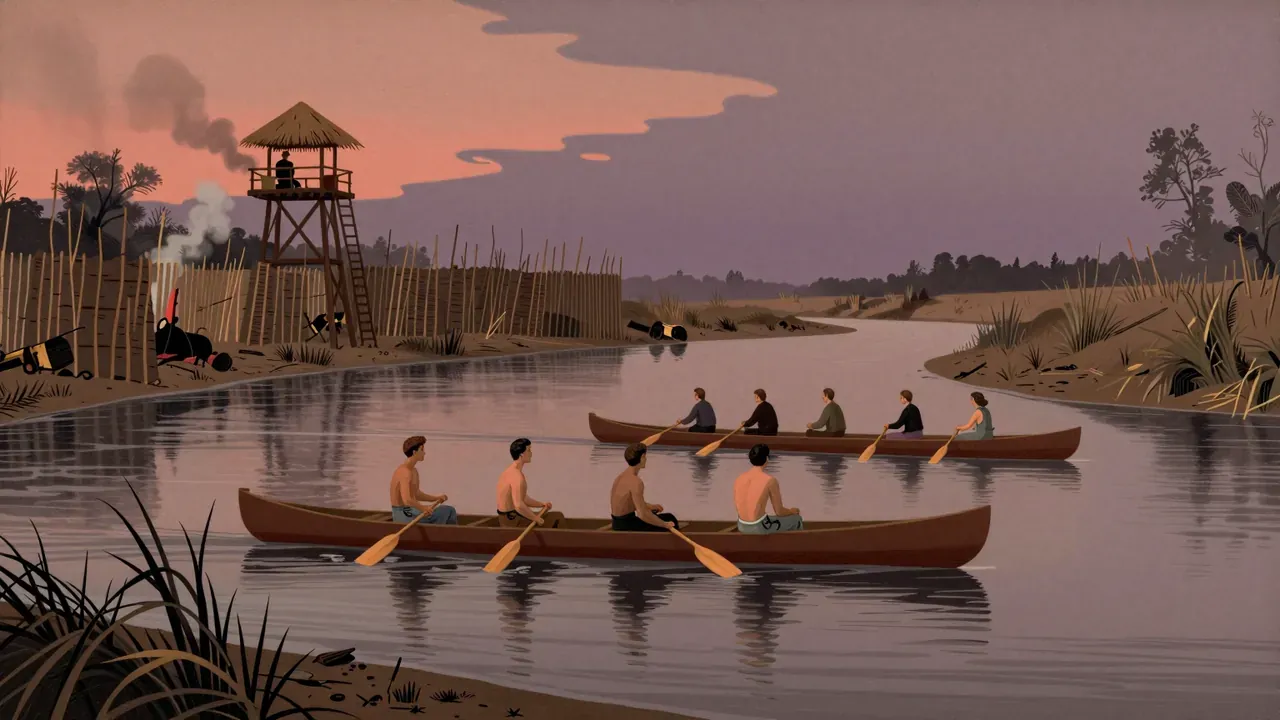
Barry Jenkins’ 2008 debut follows Micah and Jo, two Black San Franciscans, over one day of conversation, wandering, and quiet confrontation. Shot in desaturated tones by James Laxton and edited by Nat Sanders, it uses minimal narrative scaffolding to explore identity, gentrification, and the unspoken tensions of interracial dating and cultural assimilation in a city where Black residents make up just seven percent of the population.
13:00

Minding the Gap

Bing Liu · 2018

Minding the Gap is a 2018 documentary by Bing Liu, filmed over twelve years in Rockford, Illinois. It follows Liu and two friends—Keire Johnson and Zack Mulligan—as they navigate adulthood amid economic hardship, domestic violence, and racial inequality. Shot and edited by Liu, the film uses skateboarding as both connective tissue and quiet counterpoint to deeper struggles with fatherhood, accountability, and survival. It premiered at Sundance, won the Special Jury Prize for Breakthrough Filmmaking, and was nominated for an Academy Award for Best Documentary Feature.

13:00

Mister Johnson

Bruce Beresford · 1990

Bruce Beresford’s 1990 drama adapts Joyce Cary’s 1939 novel, following Maynard Eziashi’s Mister Johnson — a Nigerian clerk in 1929 colonial Nigeria who fervently adopts English manners, language, and bureaucracy in pursuit of status and belonging. Shot on location in Toro, Nigeria, the film observes his gradual unraveling as loyalty to colonial ideals clashes with material reality, kinship obligations, and administrative scrutiny. With restrained craft and a career-launching performance, it avoids easy moral binaries, instead tracing the quiet, logical collapse of a worldview built on mimicry.

13:00

Mudbound

Dee Rees · 2017

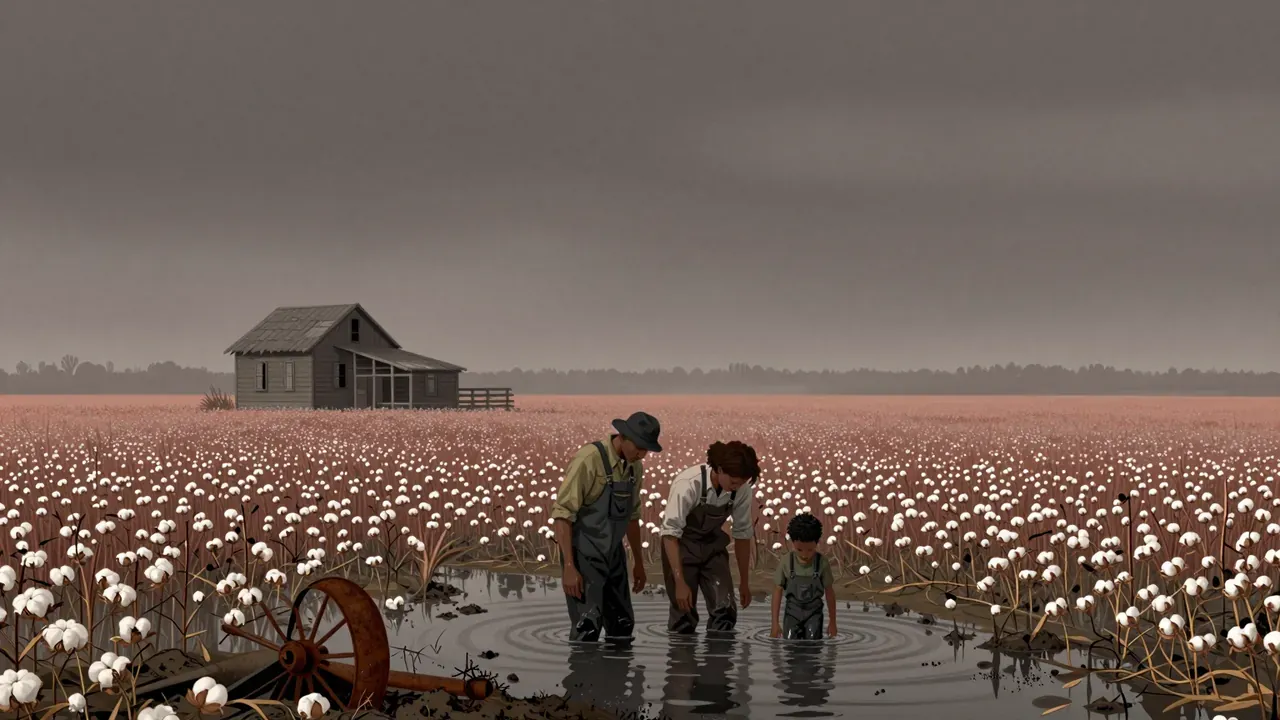
Mudbound is a 2017 historical drama directed by Dee Rees, adapted from Hillary Jordan’s novel. Set in post-war rural Mississippi, it follows two families — white landowners and Black tenant farmers — whose lives intersect amid poverty, racism and shared war trauma. With Rachel Morrison’s grounded cinematography and restrained performances, it renders systemic injustice as environmental fact rather than moral allegory.

13:00

Nanny

Nikyatu Jusu · 2022

Nanny (2022), Nikyatu Jusu’s feature debut, follows Aisha, a Senegalese nanny in New York, as she navigates wage theft, racialised labour, and the anguish of separation from her son back home. Blending psychological realism with folk-horror inflection, the film renders her unraveling through drowning dreams, waking visions, and quiet ruptures in domestic routine. Anna Diop’s restrained, physically precise performance anchors Rina Yang’s muted cinematography and a soundscape built on absence. Winner of Sundance’s U.S. Dramatic Grand Jury Prize, it is a formally controlled, thematically rich exploration of migration, care, and inherited resilience.

13:00

Night of the Living Dead

George A. Romero · 1968

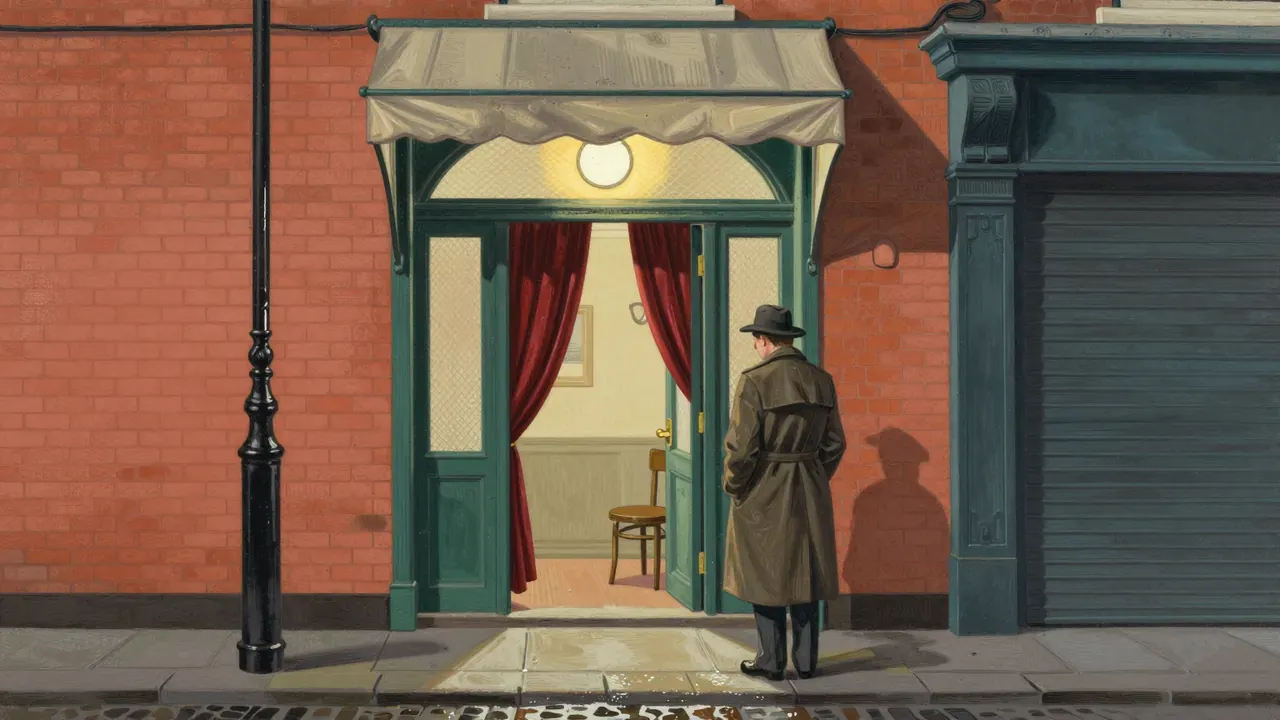
Night of the Living Dead (1968) is a black-and-white American horror film directed by George A. Romero, shot on 35mm with a $114,000 budget. Nine people take refuge in a rural Pennsylvania farmhouse as flesh-eating ghouls close in. Duane Jones stars as Ben, the de facto leader whose authority is tested by both the dead outside and the living within. The film avoids exposition, embraces technical limitation, and treats social breakdown as an observable process. It entered the public domain due to a missing copyright notice, enabling wide distribution and lasting influence. Preserved in the National Film Registry in 1999.
13:00

Paris Is Burning

Jennie Livingston · 1990

Paris Is Burning is a 1990 documentary filmed over seven years in New York City, centring on Black and Latino gay and transgender participants in the city’s ball scene. Directed by Jennie Livingston and edited by Jonathan Oppenheim, it combines vérité footage of balls with intimate interviews, letting subjects define terms like ‘house’, ‘shade’, and ‘realness’ on their own terms. It documents voguing’s origins, the formation of chosen families, and the material realities of poverty, AIDS, and transphobic violence. Funded through ten separate sources and shot on 16mm, it was awarded the Sundance Grand Jury Prize for Best Documentary in 1991 and added to the US National Film Registry in 2016.

13:00

Putney Swope

Robert Downey Sr. · 1969

Putney Swope (1969), written and directed by Robert Downey Sr., follows Arnold Johnson as Putney Swope, the sole Black board member who accidentally becomes head of an ad agency. Renaming it Truth and Soul, Inc., he fires the white staff, bans harmful clients, and commissions surreal, colour-saturated commercials — all while being voiced by Downey himself. The film’s low-budget aesthetic, jagged editing, and deadpan absurdity target advertising, corporate liberalism, and racial tokenism. Though uneven in pacing and reliant on period-specific references, its structural rigour and thematic persistence earned it preservation in the US National Film Registry.

13:00

Saint Omer

Alice Diop · 2022

Alice Diop’s debut fiction film reconstructs a French murder trial not to explain but to inhabit — following a pregnant novelist who attends the case of a Senegalese woman accused of killing her infant. Shot in austere, observant style, it treats law, motherhood, and migration as overlapping fields of unspoken pressure, refusing resolution in favour of sustained, ethically weighted attention.

13:00

Sanders of the River

Zoltan Korda · 1935

Sanders of the River (1935) is a British colonial drama directed by Zoltán Korda, starring Leslie Banks and Paul Robeson. Set in Nigeria, it portrays imperial administration as benevolent and necessary, centring Commissioner Sanders as a stabilising force among fractious tribes. Though technically accomplished and commercially successful, it was condemned by Robeson, Nigerian officials, and anti-colonial thinkers for its pro-imperial message and cultural distortions. Its legacy rests less on artistic merit than on its stark documentation of how empire narrated itself — and how collaborators came to reject that narration.

13:00

Sapphire

Basil Dearden · 1959

A 1959 British crime drama in which police investigate the murder of a light-skinned Black woman who passed as white, using the procedural format to expose everyday racism in post-war London. Directed by Basil Dearden from a script by Janet Green, it balances genre conventions with social observation, winning Best British Film at the 1960 BAFTAs and an Edgar Award for its screenplay.

13:00

Secrets & Lies

Mike Leigh · 1996

Mike Leigh’s 1996 drama follows Cynthia Purley, a white factory worker in South East London, as she confronts the return of Hortense, her Black daughter given up for adoption decades earlier. Their reunion destabilises Cynthia’s already fragile family: her resentful daughter Roxanne, her photographer brother Maurice, and his depressed wife Monica. Shot in natural light with long takes and deeply observed performances, the film maps the quiet damage of withheld truths, the physical grammar of shame, and the tentative, unheroic work of connection.

13:00

Shaft

Gordon Parks · 1971

A 1971 crime thriller directed by Gordon Parks, Shaft stars Richard Roundtree as a Black private investigator navigating Harlem and Manhattan to rescue a mobster’s daughter from the Italian mafia. Built on Ernest Tidyman’s novel and shaped by Isaac Hayes’ Grammy-winning score, it uses lean plotting, location realism, and deliberate casting to assert Black agency within a Hollywood genre. Its significance lies less in thematic depth than in its structural intervention: who directs, scores, edits, and occupies the frame — and on what terms.

13:00

Shanghai Express

Josef von Sternberg · 1932

Shanghai Express (1932) is a tightly wound pre-Code drama set aboard a train commandeered by a warlord during China’s civil war. Directed by Josef von Sternberg and starring Marlene Dietrich and Anna May Wong, it uses stark black-and-white cinematography and precise performances to explore reputation, agency, and colonial blindness. Though visually commanding and thematically sharp on gender and performance, its portrayal of China relies on stereotype and omission. It remains a landmark of studio-era craft — compelling, coherent, and compromised.

13:00

Sweet Sweetback's Baadasssss Song

Melvin Van Peebles · 1971

Melvin Van Peebles’ 1971 independent film follows a Black performer fleeing police after intervening in an act of brutality. Made outside studio systems, with Van Peebles writing, directing, editing, scoring, producing, and starring, it uses rapid montage, percussive music by Earth, Wind & Fire, and raw physical performance to assert Black autonomy. Its influence on blaxploitation and independent Black cinema is widely acknowledged, and it was added to the US National Film Registry in 2020.

13:00

The Ballad of Gregorio Cortez

Robert Milton Young · 1982

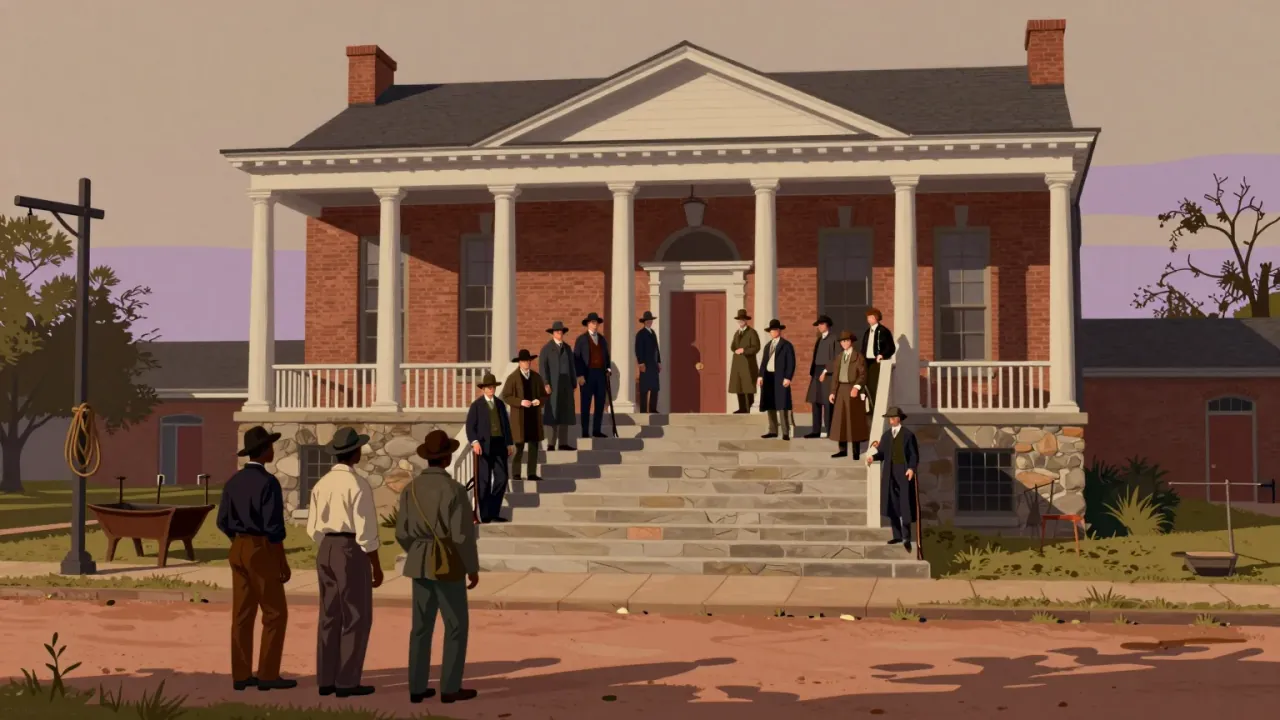
Robert Milton Young’s 1982 biographical Western follows Gregorio Cortez, a Mexican-American farmer wrongly accused after a fatal misunderstanding in 1901 Texas. Starring Edward James Olmos and shot on authentic locations—including the real Gonzales courthouse—the film unfolds with documentary restraint, charting twelve years of trials and imprisonment. Its strength lies in structural clarity and historical fidelity; its limitation, in emotional distance. Preserved by the Library of Congress in 2022, it is a rigorous, unsentimental account of jurisdictional violence on the US-Mexico border.

13:00

The Emperor Jones

Dudley Murphy · 1933

Dudley Murphy’s 1933 adaptation of Eugene O’Neill’s play stars Paul Robeson as Brutus Jones, a charismatic Black man whose self-made empire on a Caribbean island collapses under guilt, fear and colonial myth. Made independently in New York with a Black-led creative core, it attempts avant-garde cinematic translation — using music, rhythm and stylised performance — but is hampered by Hays Office censorship, budget limits and narrative additions. Though structurally uneven, Robeson’s performance and the film’s formal ambition secure its place as a culturally significant, aesthetically urgent work.

13:00

The Harder They Come

Perry Henzell · 1972

Perry Henzell’s 1972 debut follows Ivan, a rural Jamaican who moves to Kingston seeking work, only to be ground down by exploitation, then mythologised after turning to crime. Starring Jimmy Cliff and scored entirely with foundational reggae tracks, it pioneered Caribbean cinematic self-representation — raw, Patois-speaking, and rooted in real locations. Its influence far outstrips its modest production, reshaping how global audiences heard reggae and saw Black Caribbean life.

13:00

The Learning Tree

Gordon Parks · 1969

Gordon Parks’ 1969 debut feature, adapted from his own novel, follows Newt Winger’s adolescence in 1920s Kansas. Shot on location in Fort Scott with Burnett Guffey, it renders Black interiority through restraint: moral choices accumulate without resolution, violence lingers without spectacle, and dignity is shown as daily practice. Its historical significance—as the first film by a Black director for a major studio—is matched by its formal composure and thematic weight.

13:00

The Proud Valley

Pen Tennyson · 1940

The Proud Valley (1940) follows Paul Robeson as an African American sailor who joins a Welsh mining community, finding kinship in labour and song. Filmed on location before the outbreak of WWII, it was re-cut to soften its socialist ending — yet retains its emotional and political force through understated performances, choral texture, and unvarnished depictions of industrial life. Directed by Pen Tennyson for Ealing Studios, it remains Robeson’s favourite film and a rare British drama centred on Black dignity, cross-racial solidarity, and collective endurance.

13:00

The Steel Helmet

Samuel Fuller · 1951

Samuel Fuller’s 1951 war film The Steel Helmet is the first American feature about the Korean War, made independently in ten days on a $104,000 budget. It follows a grizzled U.S. sergeant and a ragged patrol taking refuge in a Buddhist temple, confronting racism, command failure and moral compromise under fire. Ernest Miller’s cinematography and Fuller’s lean script prioritise psychological realism over spectacle. Though constrained by its production, the film remains a landmark for its immediacy, thematic rigour and refusal to flatter its subject — or its audience.

13:00

The Story of a Three-Day Pass

Melvin Van Peebles · 1967

Melvin Van Peebles’s debut feature follows Turner, a Black US soldier on a three-day pass in France, as he meets and falls for Miriam, a white French shop clerk. Shot in Paris with a small crew and budget, the film traces their brief, tender, and fraught connection against a backdrop of Cold War militarism and unspoken racial hierarchy. Its power lies in understatement: long takes, sparse dialogue, and psychologically charged silences convey more than exposition ever could.

13:00

The Wiz

Sidney Lumet · 1978

Sidney Lumet’s 1978 musical The Wiz recasts The Wizard of Oz in Harlem and a decaying, stylised New York City, starring Diana Ross and Michael Jackson. Though critically panned on release for its script, pacing, and direction, its bold production design, choreography, and performances have cemented its status as a culturally vital, if uneven, cult classic.

13:00

Tongues Untied

Marlon Riggs · 1989

Marlon Riggs’s 1989 experimental documentary Tongues Untied uses poetry, archive, personal testimony and radical editing to articulate the intersecting realities of Black gay life in America. Funded in part by the NEA, it provoked national controversy upon PBS broadcast for its frank depiction of Black gay desire and critique of institutional exclusion — a backlash Riggs framed as confirmation of the film’s central thesis: that silence on sexual and racial difference is systemic, not incidental.

13:00

Watermelon Man

Melvin Van Peebles · 1970

A 1970 Columbia Pictures satire directed by Melvin Van Peebles, in which a bigoted white insurance salesman wakes up black and confronts the immediate, unvarnished consequences of racialised systems — housing, work, medicine, marriage. Written by Herman Raucher and starring Godfrey Cambridge, it uses allegory, not realism, to dissect liberal complicity and structural exclusion. Its power lies in its restraint, its refusal to explain, and its unwavering focus on consequence over cause.

13:00

White Dog

Samuel Fuller · 1982

Samuel Fuller’s 1982 drama follows a white actress who adopts a stray dog trained to attack Black people on sight. When a Black trainer attempts to recondition it, the film becomes a stark, unsentimental inquiry into whether racism is a treatable reflex or an irreversible imprint. Shot in 45 days with clinical precision, it avoids moralising, opting instead for procedural realism—its power lies in what it refuses to show, explain, or resolve.

13:00

Shadows

John Cassavetes · 1958

John Cassavetes’s 1958 debut is a foundational American independent film shot on 16mm in New York with non-professional actors. It traces two weeks in the lives of three Black siblings — two struggling jazz musicians and their light-skinned sister — as she navigates relationships across racial lines. Made for $40,000 with no script, no permits, and improvised performances guided by situation rather than dialogue, it privileges gesture, silence, and rhythmic editing over exposition. Though technically rough and narratively elliptical, its enduring power lies in its unwavering commitment to emotional truth over dramatic convenience.

13:00

The Birth of a Nation

D. W. Griffith · 1915

D. W. Griffith’s 1915 silent epic pioneered cinematic grammar while propagating a violently racist revision of Reconstruction history. Adapted from Thomas Dixon Jr.’s The Clansman, it glorifies the Ku Klux Klan as saviours of white womanhood and Southern order. Though lauded for its editing, scale, and orchestral score, its depictions of Black Americans—many performed in blackface—are dehumanising fabrications that incited protest on release and continue to shape debates about film preservation, pedagogy, and responsibility.

13:00

Guess Who's Coming to Dinner

Stanley Kramer · 1967

Guess Who’s Coming to Dinner is a 1967 Columbia Pictures drama directed by Stanley Kramer, written by William Rose, and starring Katharine Hepburn, Spencer Tracy (in his final role), Sidney Poitier, and Katharine Houghton. Set over one day in San Francisco, it follows a liberal white couple as they confront their daughter’s engagement to a Black doctor. Structured as a moral argument rather than a psychological portrait, the film isolates race as the sole obstacle to acceptance, using tightly controlled dialogue, restrained cinematography by Sam Leavitt, and a functional score by Frank De Vol. It won three Academy Awards, including Best Actress and Best Original Screenplay, and was added to the National Film Registry in 2017.

13:00

City of God

Fernando Meirelles, Kátia Lund · 2002

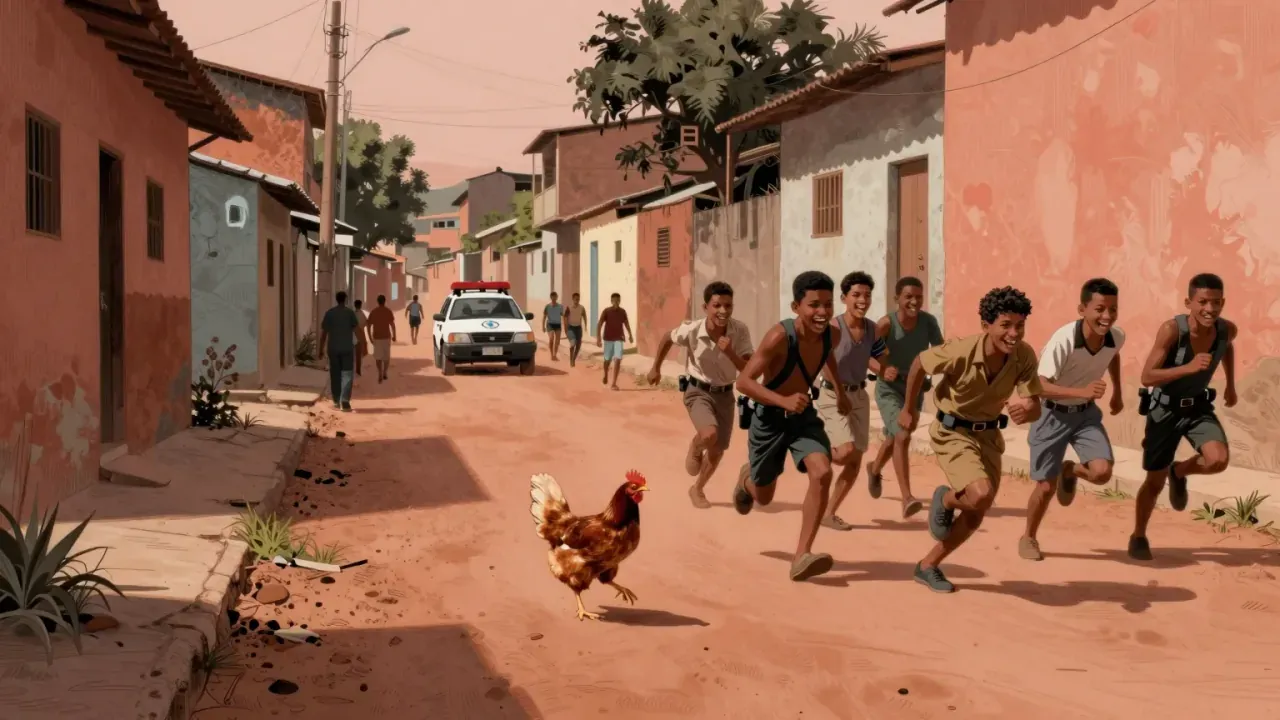
Told through the eyes of Rocket, a boy who wants to be a photographer rather than a criminal, City of God traces two decades of gang warfare in a Rio de Janeiro housing project through the rise of the ruthless drug lord Li'l Zé. Directed by Fernando Meirelles and Kátia Lund and cast almost entirely with residents of real favelas trained in an improvisation workshop, the 2002 film adapts Paulo Lins's novel and earned four Academy Award nominations.

13:00

Get Out

Jordan Peele · 2017

A young Black photographer visits his white girlfriend's family for a weekend that curdles from awkward hospitality into captivity, in Jordan Peele's directorial debut and Oscar-winning screenplay.

13:00

La Haine

Mathieu Kassovitz · 1995

Mathieu Kassovitz's 1995 film tracks three friends from a Paris housing estate — Vinz, Hubert and Saïd — through roughly twenty hours after a riot leaves one of their friends in a coma and a police revolver missing, one of them now carrying it and threatening to use it if the friend dies. Shot in black and white on location in Chanteloup-les-Vignes, the film became a lightning rod in France for its account of police violence and banlieue life, prompting a special screening for the French cabinet.

13:00

The Searchers

John Ford · 1956

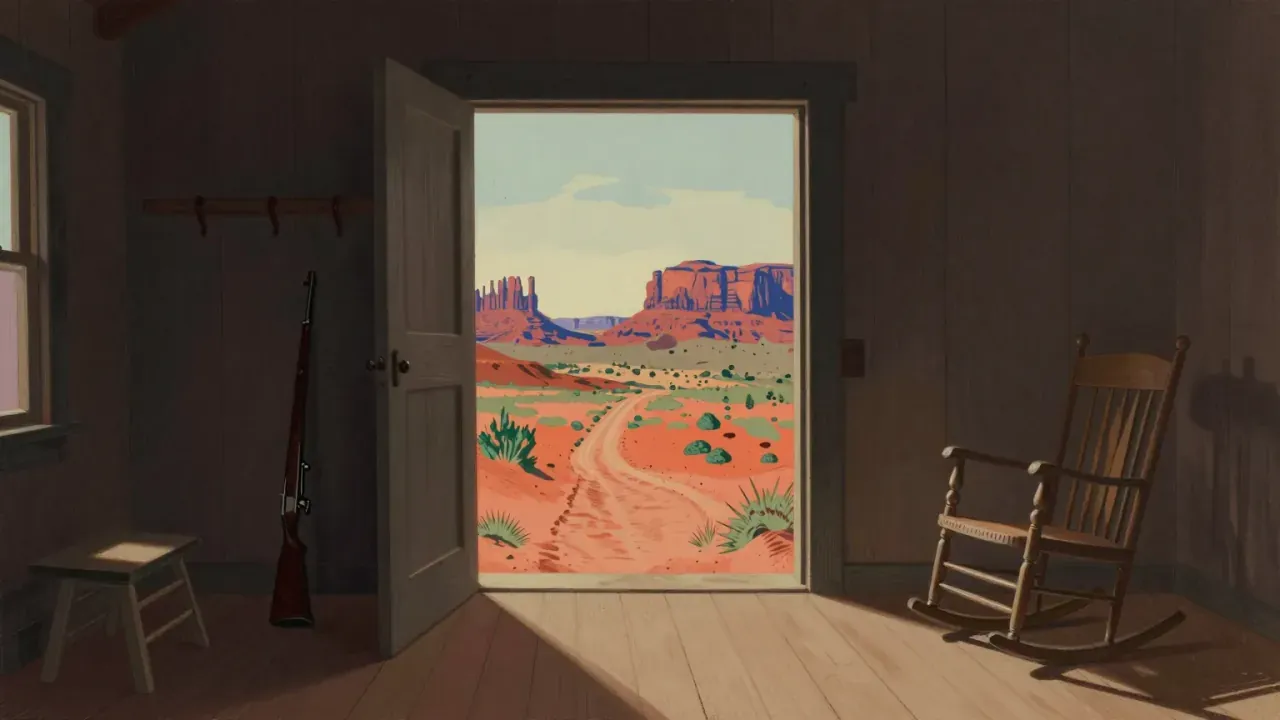
John Ford's 1956 western follows Ethan Edwards, a Confederate veteran played by John Wayne, across years of searching Monument Valley for a niece abducted in a Comanche raid, adapted from Alan Le May's novel and shot in VistaVision and Technicolor, its reputation built on Winton Hoch's photography and an ending that leaves its hero permanently outside the door.

13:00

Zootopia

Byron Howard, Rich Moore, Jared Bush · 2016

Judy Hopps, the first rabbit on the Zootopia police force, partners against her will with Nick Wilde, a fox con artist, to solve a missing-mammal case that exposes prejudice baked into the city's design. Byron Howard and Rich Moore's Disney feature restructures a buddy-cop plot around predator-prey tension, using new fur-simulation software and years of zoo research to render a mammal metropolis that looks, and argues, like it was built for its inhabitants rather than around them.