The look of it
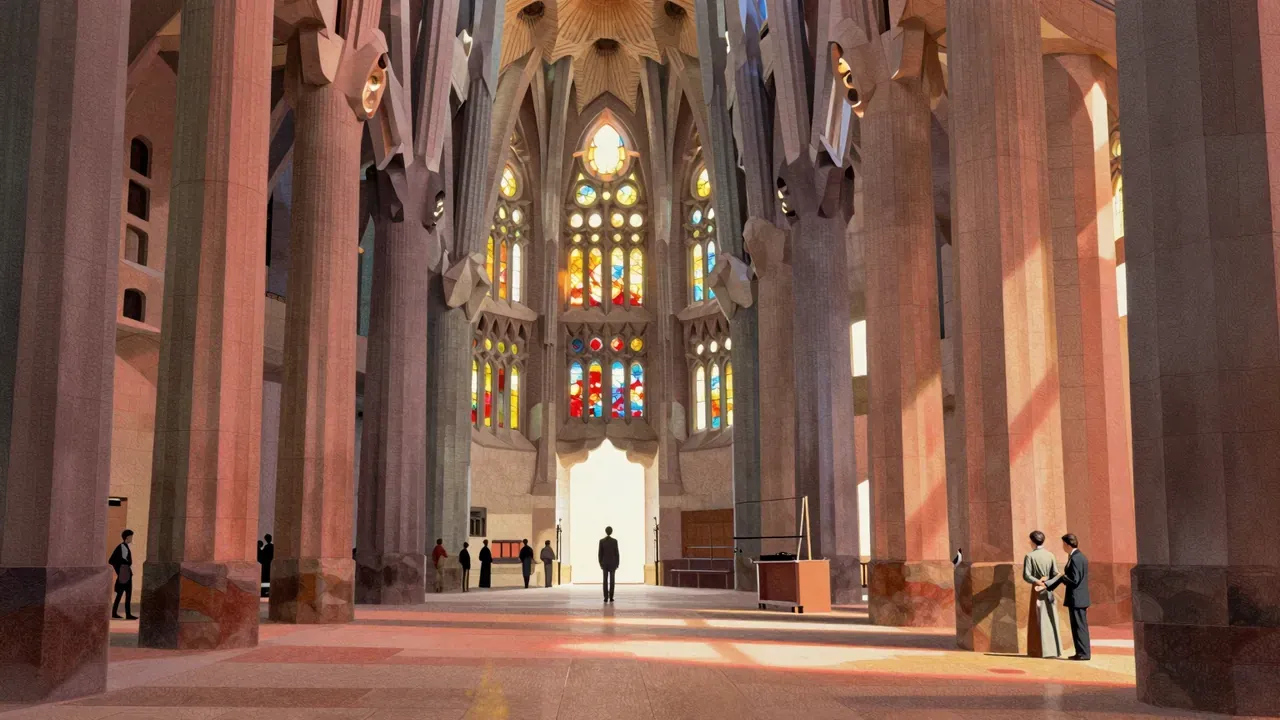
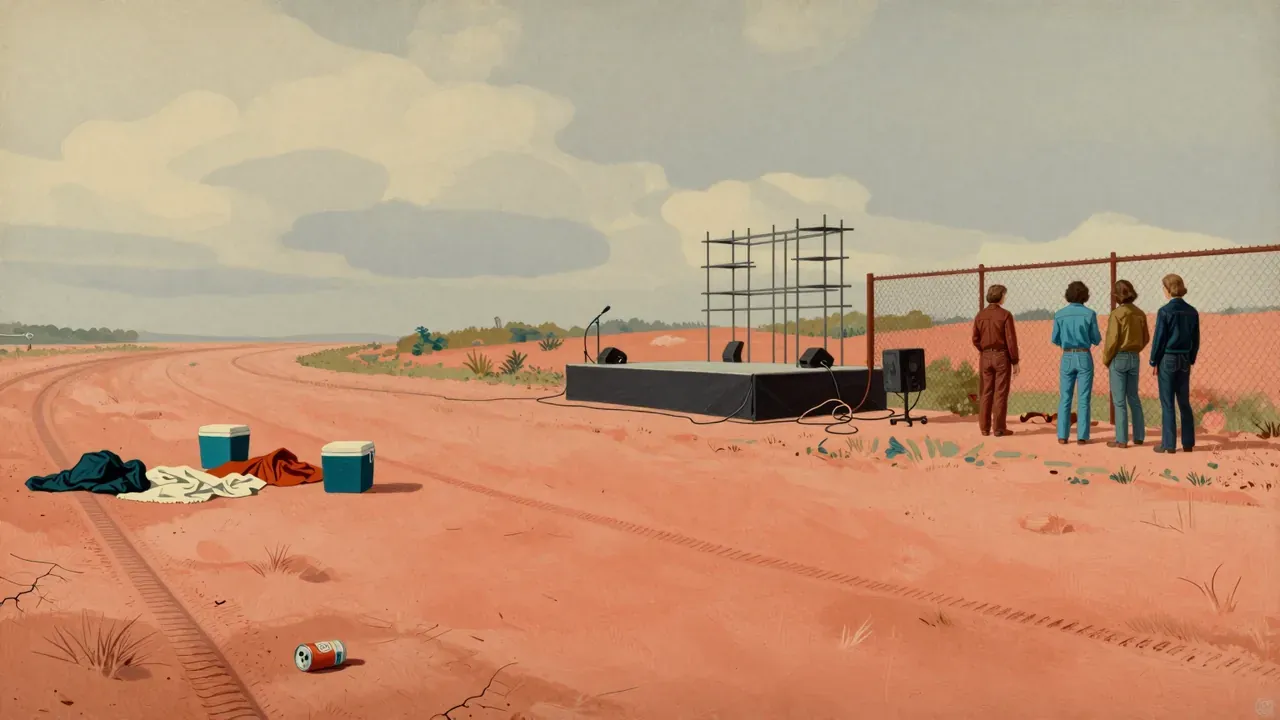
A Poem Is a Naked Person is a documentary portrait of Leon Russell, filmed between 1972 and 1974 at his Grand Lake studio compound in Oklahoma. It does not seek to explain Russell’s career, catalogue his hits, or narrate his rise — there is no voiceover, no timeline, no contextualising titles. Instead, it attempts immersion: to hold the viewer inside Russell’s orbit as it pulses, drifts, and occasionally stutters — a world of rehearsal rooms, lakeside light, mural-painting in drained swimming pools, and late-night studio takes. Les Blank treats Russell not as a subject to be decoded but as a node in a wider ecosystem: musicians, hangers-on, local eccentrics, painters, and weather systems all share equal visual weight. The film’s ambition is atmospheric fidelity, not biographical clarity. It wants the humidity of Oklahoma summer, the grain of tape hiss, the unguarded blink before a lyric lands. That aim is consistent across its ninety minutes, even when the coherence of the whole remains deliberately unresolved. Word count: 148
The rhythm of it
The film works through accumulation rather than argument. There is no story arc, no rising action or resolution — only sequences that breathe at their own pace: Russell tuning a piano while rain taps the roof; Jim Franklin painting a psychedelic serpent on pool tiles; a band locking into a groove so tight it feels like shared nervous system activity. Blank and assistant Maureen Gosling shot hundreds of hours, then edited for texture over exposition. Gordon Willis did not shoot this film; it is lit by available light and studio fluorescents, with handheld immediacy and long static takes holding equal place. The sound design favours rawness: bleed between microphones, laughter cutting through takes, silence thick enough to hear the lake breeze. Performances are not staged for camera but caught mid-flow — Russell’s charisma is evident not in posed charm but in how others lean in when he speaks, or how a bassist’s fingers relax the moment he nods. Craft here is anti-spectacular: it refuses polish, avoids explanation, and trusts duration to build meaning. Word count: 156
The making of it
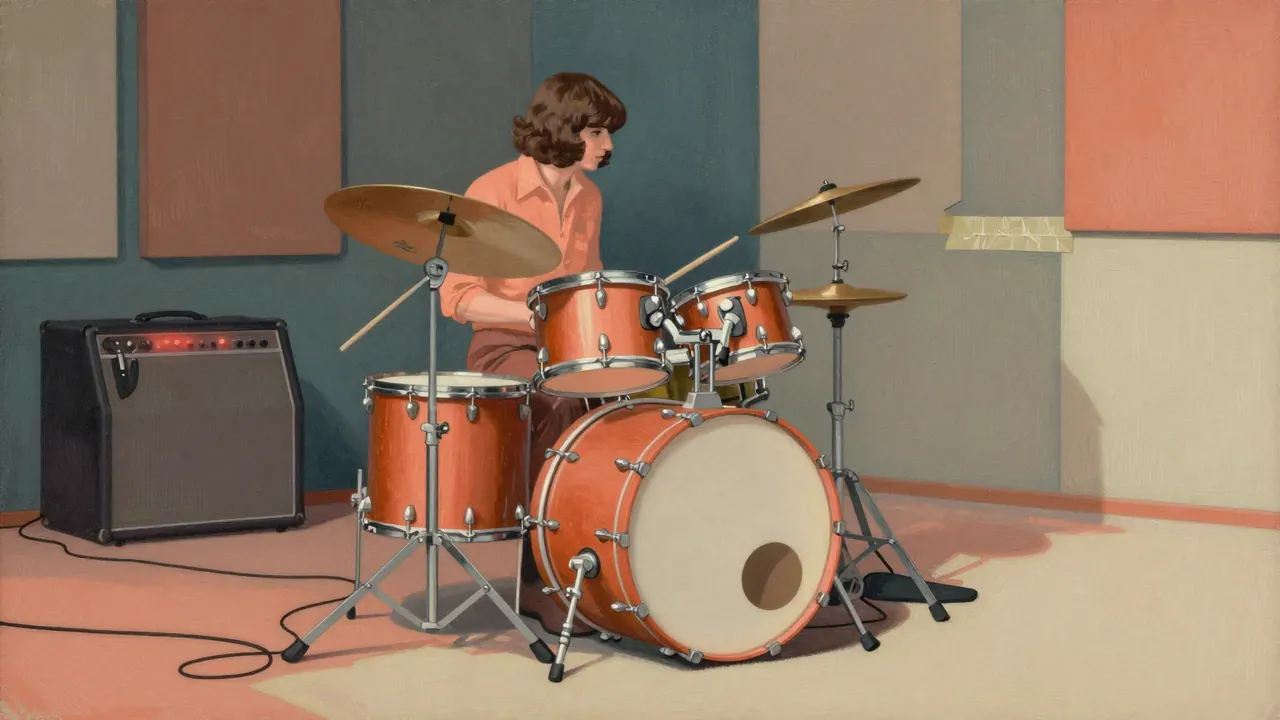
What lands is the physicality of music-making — not as spectacle but as labour, ritual, and communal breath. The concert footage delivers intensity without gloss: sweat, frayed amp cables, Russell’s hands moving with unconscious certainty. Studio scenes convey expertise as something lived-in, not demonstrated — a drummer’s wrist flick, a keyboardist’s offhand chord substitution, the way Russell listens with his whole torso. The lake and landscape shots do not function as interludes but as counterpoint: water reflections doubling instruments, storm clouds gathering as a song peaks, cicadas syncing with tambourine shakes. Even the odder digressions — a man selling snake oil from a pickup, children wading in muddy shallows — land because they feel sourced from the same soil as the music. Blank’s eye finds dignity in idleness and poetry in repetition: a woman stirring coffee, a dog sleeping under a piano, Russell humming while adjusting a mic stand. These moments accumulate into something more persuasive than biography: a sense of place as character, and rhythm as environment. Word count: 154
The silences in it
What does not land is any sustained engagement with Russell’s contradictions — his evangelical fervour alongside commercial calculation, his generosity beside bouts of withdrawal, the Shelter Records empire built on gospel-inflected rock. The film skirts psychology, avoids conflict, and omits the business rupture with Denny Cordell that shelved it for forty years. When Russell appears frustrated or distracted, the camera holds but does not probe; when others speak critically, those fragments are cut short or left untranslated. The refusal to contextualise becomes a limitation in places: a scene of Russell rehearsing a hymn feels spiritually charged until you realise you have no frame for whether this is devotion, pastiche, or branding. Some sequences — extended shots of empty rooms, slow pans across studio gear — risk monotony not from slowness but from withholding intent. Robert Christgau’s 1979 criticism still resonates: at times, the film’s visual insistence borders on mannerism, substituting mood for motive. It does not fail for lack of craft, but for refusing to ask certain questions of its subject. Word count: 158
The place of it
The themes that matter are presence, permeability, and regional mythmaking. Presence is treated as both aesthetic principle and ethical stance: Blank stays with people until they stop performing, watches landscapes until they yield pattern, records music until technique dissolves into instinct. Permeability runs through every layer — between sacred and profane (gospel chords backing a barroom joke), professional and amateur (session players jamming with teenagers), human and environment (wind in mic cables, frogs croaking beneath basslines). Most quietly insistent is the film’s Oklahoman regionalism: not as backdrop but as active force — the lake’s surface distorting light and sound, the flat horizon pressing in on studio windows, the vernacular speech patterns shaping musical phrasing. This is not a film about a musician ‘from’ Oklahoma; it is a film made of Oklahoma, with Russell as its most articulate conduit. The title’s paradox — a poem as naked person — points to this: language stripped bare, identity unarmoured, art as exposure rather than construction. Word count: 152
The watching of it
It is for viewers who value atmosphere over exposition, who find meaning in lingering glances and ambient sound, and who trust a filmmaker’s patience more than a script’s certainty. It suits those already familiar with Russell’s music or Blank’s other work, but also those drawn to non-linear portraiture — fans of Pennebaker’s Monterey Pop or Shirley Clarke’s Portrait of Jason will recognise the method. It is not for viewers needing narrative scaffolding, biographical clarity, or editorial framing — those who expect documentaries to explain, contextualise, or judge will find it evasive. People who dislike long takes, silence, or footage that resists immediate interpretation should set expectations accordingly. Its 2015 release after forty years of suppression means it carries an aura of rarity, but that aura does not compensate for its structural resistance to conventional engagement. If you require a film to tell you what to think, this one will frustrate. Word count: 150
The keeping of it
Yes, it is worth your evening — provided you watch it as a sensory field recording rather than a biographical document. Its ninety minutes unfold with the unhurried logic of a summer afternoon: moments accrue, textures deepen, connections form later, in memory. It repays attention not with revelations but with recalibrations — how you hear a piano, how you read a face, how you register the weight of silence between notes. Those who dismiss it as indulgent or obscure are not wrong, but they mistake its terms: it is not withholding meaning; it is dispersing it across light, gesture, and echo. A viewer expecting a tidy account of Leon Russell will leave unsatisfied. One open to a film that treats music as ecology — where a sunset matters as much as a solo — will find it unusually generous. Its value lies not in what it says, but in how thoroughly it inhabits its own conditions. Word count: 150