filmbriefs
Topic

Migration

People moving, and the politics that follows them.

46
in film
13:00
average
598 min
in total
95
across the network
Migration across the network →
All briefs46
13:00

71 Fragments of a Chronology of Chance

Michael Haneke · 1994

Michael Haneke’s 1994 Austrian drama arranges thirty-seven fragmented scenes — intercuts of Viennese lives, real news footage, and black pauses — into a chronology that culminates in a bank shooting. Shot by Christian Berger and edited by Marie Homolkova, it avoids psychology and music, presenting migration, isolation, and mediated violence as systemic conditions rather than personal tragedies. Set in Vienna between October and December 1993, it forms the final part of Haneke’s early trilogy. Winner of the Sitges Film Festival’s Best Feature and Best Screenplay awards, and the Gold Hugo at Chicago.
13:00

Alambrista!

Robert Milton Young · 1977

Alambrista! (1977), written and directed by Robert Milton Young, follows Roberto, a Mexican farmer who crosses into the US to find work. Shot on location with non-professional actors, it observes his journey with minimal dialogue, no exposition, and sustained attention to physical detail. The film avoids drama, psychology and commentary, instead building meaning through repetition, duration and quiet encounters. Inducted into the National Film Registry in 2023, it remains a rigorous, unsentimental portrait of endurance.

13:00

Ali: Fear Eats the Soul

Rainer Werner Fassbinder · 1974

Rainer Werner Fassbinder’s 1974 drama follows a 60-year-old German widow and a Moroccan migrant worker whose marriage exposes the everyday machinery of racism and class prejudice in postwar West Germany. Shot in under two weeks, it uses Sirkian melodrama not for irony but precision — compressing social critique into intimate gesture, silence, and repeated, unadorned images. Brigitte Mira and El Hedi ben Salem perform with restrained gravity, while Jürgen Jürges’ cinematography and Thea Eymèsz’s editing sustain a tone of quiet, accumulating pressure. The film ends not with resolution but with commitment: two hands held in a hospital corridor, after everything else has been worn away.

13:00

And the Pursuit of Happiness

Louis Malle · 1986

And the Pursuit of Happiness (1986) is a television documentary directed by Louis Malle for HBO’s America Undercover series. Shot in the mid-1980s, it profiles six immigrants — including General José R. Somoza, poet Derek Walcott, and physicist Franklin Chang-Díaz — as they navigate work, language, and belonging in the United States. Narrated by Malle, the film avoids commentary or advocacy, favouring sustained observation and unvarnished interview. Released on Independence Day 1986, it screened at Cannes in 1987 and won a Peabody Award in 1989.

13:00

Blue Heron

Sophy Romvari · 2025

Blue Heron is Sophy Romvari’s semi-autobiographical debut feature, following a Hungarian immigrant family’s move to Vancouver Island in the late 1990s amid their eldest son’s escalating behavioural crisis. Told through overlapping timelines and anchored by Eylul Guven and Amy Zimmer as young and adult Sasha, it uses restrained performances, Maya Bankovic’s hushed cinematography, and a layered soundscape to explore how childhood perception absorbs trauma without comprehension. Released in 2025 after festival acclaim, it prioritises sensory fidelity over exposition, rendering memory as atmosphere rather than narrative.

13:00

Boat People

Ann Hui · 1982

Ann Hui’s 1982 docudrama, shot on Hainan Island with PRC permission, follows a Japanese photojournalist witnessing life in post-war Vietnam. Built from interviews with Vietnamese refugees, it renders systemic coercion through restrained performances, unvarnished cinematography, and a structure that contrasts staged propaganda with lived hardship. It won Best Film at the 1983 Hong Kong Film Awards and remains a landmark of Hong Kong New Wave realism.

13:00

Code Unknown

Michael Haneke · 2000

Michael Haneke’s Code Unknown (2000) assembles intersecting lives in Paris, Romania and rural France through unedited long takes and strict perspective shifts. Juliette Binoche plays Anne, an actress whose professional command of emotion contrasts with her passivity amid real suffering — a neighbour’s screaming child, a deported homeless woman, her boyfriend’s war trauma. The film refuses exposition or resolution, using structure itself to examine translation, jurisdiction and silence as political conditions. Shot by Jürgen Jürges and edited by Prochaska, Hartusch and Muse, it sustains discomfort without catharsis.

13:00

Daguerréotypes

Agnès Varda · 1975

Made in 1975 on Paris’s Rue Daguerre, Agnès Varda’s Daguerréotypes is a quietly radical documentary composed of static portraits of local shopkeepers and residents, all filmed within ninety metres of her home. Each subject answers three questions about origin and arrival, their responses left unedited and unframed by commentary. Nurith Aviv and William Lubtchansky’s cinematography is unobtrusive and naturalistic; Varda’s direction is resolutely local, anti-extractive, and typologically curious. The film treats the street as both subject and limit—offering not analysis, but sustained attention.

13:00

Dheepan

Jacques Audiard · 2015

A former Tamil Tiger soldier assumes a dead man’s identity to claim asylum in France, posing as husband and father to two strangers. As caretaker of a troubled Paris banlieue, he finds himself drawn back into combat — not on a battlefield, but in stairwells and flats. Jacques Audiard’s Palme d’Or winner treats migration as embodied habit, not political argument.

13:00

El Norte

Gregory Nava · 1983

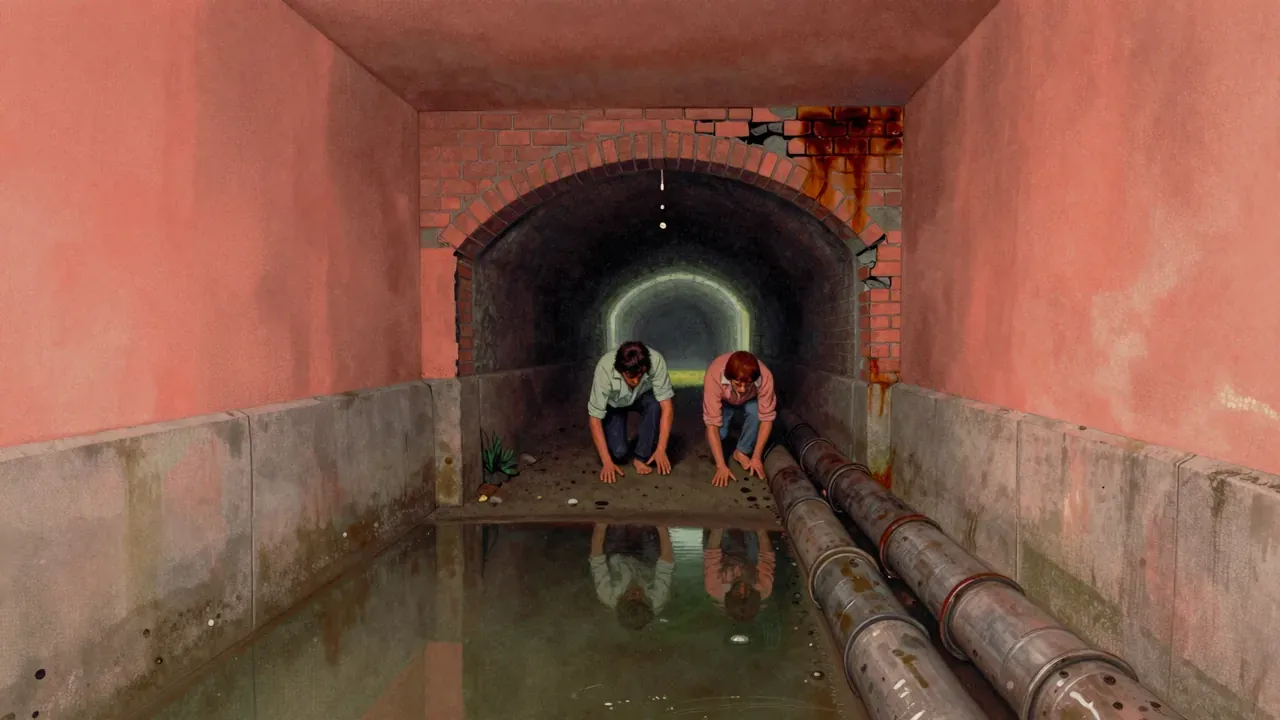
A Guatemalan brother and sister flee civil war, cross Mexico, and enter the US undocumented. Their journey — from rural persecution to sewer-pipe crossing to precarious survival in Los Angeles — is rendered with procedural realism, sparse sound, and unflinching attention to labour, language, and loss. No score until the final scene. No resolution beyond recurrence.

13:00

Eyimofe

Arie Esiri, Chuko Esiri · 2020

Eyimofe (2020), co-directed by Arie and Chuko Esiri, follows two Lagos residents — a printer and a hairdresser — each pursuing migration to Europe. Shot on 16mm across 48 Lagos locations, it unfolds in two chapters (Spain and Italy) without voiceover or score, relying on performance, texture, and duration to trace how economic and familial pressures reshape ordinary lives. It premiered at Berlin, London, Toronto and 15 other international festivals, earning a 100% Rotten Tomatoes score and praise for its quiet, unsentimental realism.

13:00

Farewell Amor

Ekwa Msangi · 2020

Farewell Amor follows an Angolan family reuniting in Brooklyn after a 17-year separation. Told in three interwoven chapters — from the perspectives of father Walter, mother Esther, and teenage daughter Sylvia — the film observes their tentative, often wordless reconnection in a cramped apartment. Directed by Ekwa Msangi, it prioritises behavioural detail over exposition, using subtle performance, naturalistic lighting, and precise editing to explore migration, memory, and the quiet labour of rebuilding intimacy.

13:00

In Vanda's Room

Pedro Costa · 2000

Pedro Costa’s 2000 film In Vanda’s Room observes life in Lisbon’s Fontainhas shantytown over 170 minutes, using fixed digital shots to document Vanda Duarte and her community as their homes are demolished. Neither documentary nor fiction, it treats time, place and presence as primary materials — offering no exposition, no score, no narrative arc, only sustained attention to what remains when story is set aside.

13:00

Katzelmacher

Rainer Werner Fassbinder · 1969

Katzelmacher (1969) is Rainer Werner Fassbinder’s stark, black-and-white drama about a group of idle Munich neighbours unsettled by the arrival of Jorgos, a Greek migrant worker. Shot with surgical restraint and performed with deliberate flatness, it uses repetition, static framing and sparse sound to expose the mechanics of exclusion, xenophobia and group conformity — not as aberrations but as habits. Dietrich Lohmann’s cinematography and Peer Raben’s music reinforce its estranging effect.

13:00

La Promesse

Luc Dardenne, Jean-Pierre Dardenne · 1996

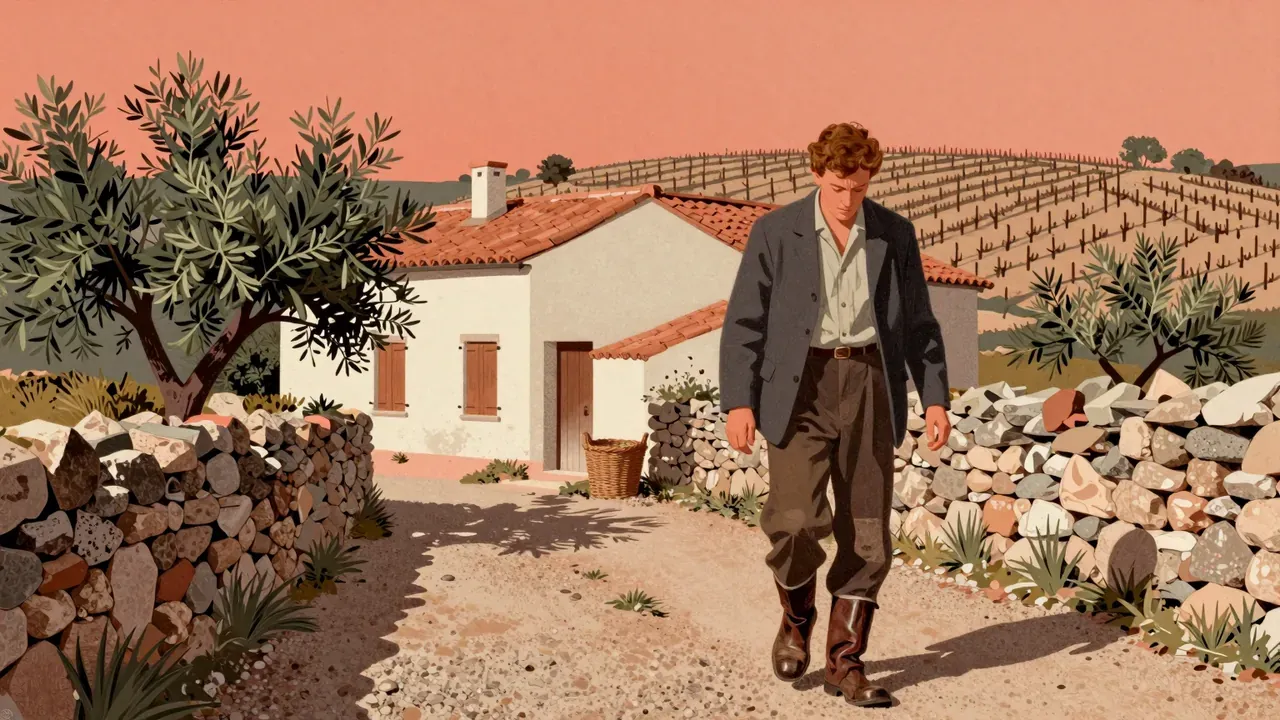
A teenage mechanic in Seraing, Belgium, becomes entangled in his father’s exploitation of undocumented migrants. After witnessing a fatal accident and helping conceal it, he begins a slow, quiet rebellion — not through protest or speech, but through small, irreversible acts of care and refusal. Shot chronologically in natural light, with no score or exposition, the film traces ethical awakening as physical labour, not intellectual choice.

13:00

Le Havre

Aki Kaurismäki · 2011

Aki Kaurismäki’s 2011 French-language drama follows Marcel Marx, a shoeshiner in the port city of Le Havre, who shelters Idrissa, an unaccompanied African boy evading immigration authorities. Shot in Kaurismäki’s signature deadpan style — flat lighting, sparse dialogue, deliberate pacing — the film frames solidarity as ordinary, not heroic. Timo Salminen’s cinematography and The Renegades’ restrained score reinforce its calm moral architecture. Though its thematic clarity and formal control earn widespread acclaim, its avoidance of psychological depth, particularly around Idrissa, leaves some relationships unresolved. Winner of the Louis Delluc Prize and the FIPRESCI Award at Cannes, it is a work of quiet conviction, not easy comfort.

13:00

Little Odessa

James Gray · 1994

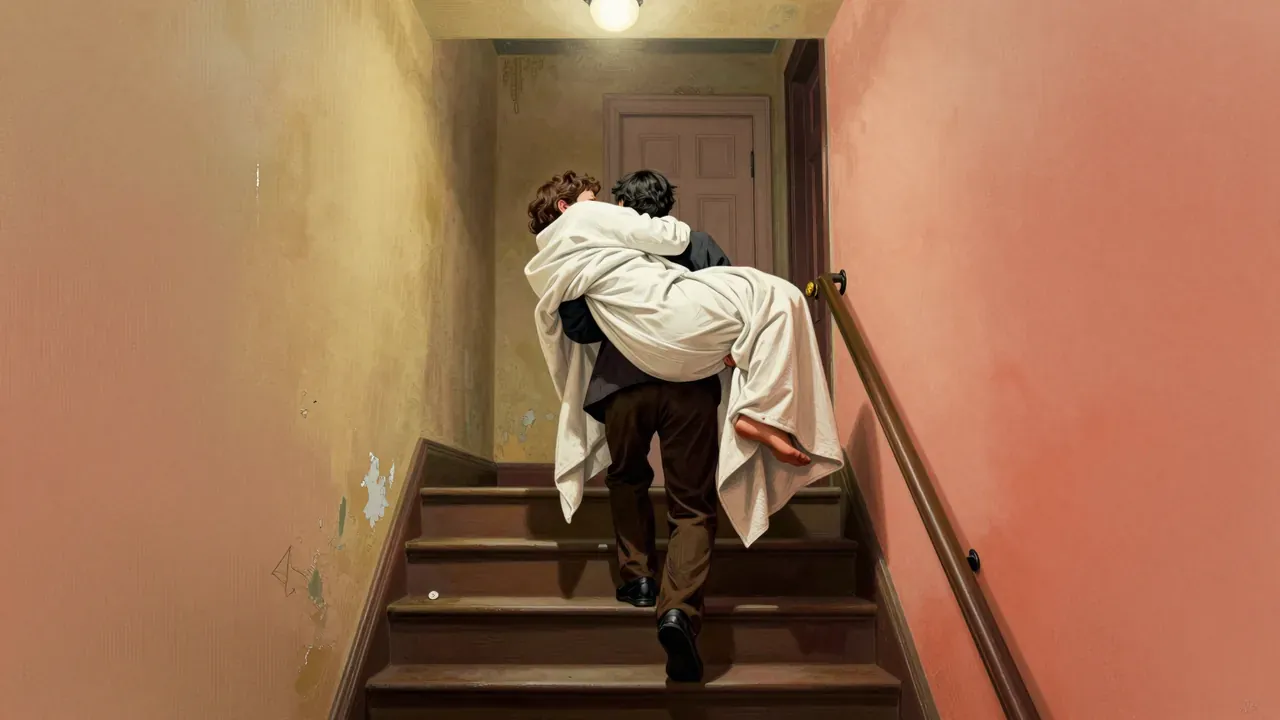
James Gray’s 1994 debut Little Odessa follows a Russian-Jewish hitman who returns to his estranged family in Brooklyn’s Brighton Beach — a neighbourhood nicknamed 'Little Odessa' for its Soviet immigrant population. Shot by Tom Richmond in muted, low-light tones, the film traces Joshua Shapira’s slow re-immersion in a world of inherited trauma, terminal illness, and unspoken loyalties. Its power lies not in action but in accumulation: glances held too long, doors left ajar, bodies carried in sheets. It is a film of restraint, where violence is routine and grief is domestic.

13:00

Lone Star

John Sayles · 1996

Set in a South Texas border town, Lone Star follows Sheriff Sam Deeds as he investigates the decades-old murder of his corrupt predecessor — and uncovers uncomfortable truths about his revered father, his estranged lover, and the town’s foundational myths. Written, directed and edited by John Sayles, the film layers past and present through seamless camera movements, treating crime not as genre but as entry point into questions of race, memory, and inherited guilt.

13:00

Mala Noche

Gus Van Sant · 1985

Gus Van Sant’s 1985 debut, shot in black-and-white 16 mm in Portland, follows Walt, a gay shop clerk, as he pursues an unreciprocated relationship with two young Mexican men. Built on asymmetry — of age, language, money, and immigration status — the film avoids exposition and resolution, favouring quiet observation and emotional restraint. Its power lies in what it withholds: explanation, translation, catharsis.

13:00

Man Push Cart

Ramin Bahrani · 2005

Man Push Cart (2005) is a spare, observant American drama about Ahmad, a Pakistani immigrant who sells coffee and bagels from a pushcart in Midtown Manhattan. Directed and written by Ramin Bahrani, it follows a week in his life — marked by physical labour, quiet encounters, and unspoken grief — using natural light, non-professional acting, and minimal music. It avoids exposition, melodrama, and resolution, favouring duration and detail as tools of empathy.

13:00

Mississippi Masala

Mira Nair · 1991

Mississippi Masala (1991), directed by Mira Nair and written by Sooni Taraporevala, follows Mina, a Ugandan Indian woman raised in exile in rural Mississippi, as she begins a relationship with African-American carpet cleaner Demetrius Williams. The film traces the collision of inherited trauma, cultural expectation, and personal desire, moving between Greenwood, Biloxi, and Kampala. It avoids moral simplification, grounding its exploration of race, memory, and belonging in specific places and quiet, accumulative moments.

13:00

Mr. Thank You

Hiroshi Shimizu · 1936

Hiroshi Shimizu’s 1936 film follows a bus driver nicknamed Mr. Thank You on a journey from rural Izu to Tokyo. Along the way, passengers reveal fragments of their lives — a mother preparing to sell her daughter, a Korean woman arranging her father’s funeral, migrants returning from the city. Shot on location with restrained performances and unadorned cinematography by Isamu Aoki, the film observes poverty, mobility, and quiet endurance without moralising or resolving. Based on a Yasunari Kawabata short story, it expands the source into a broader, though uneven, social portrait.
13:00

Nanny

Nikyatu Jusu · 2022

Nanny (2022), Nikyatu Jusu’s feature debut, follows Aisha, a Senegalese nanny in New York, as she navigates wage theft, racialised labour, and the anguish of separation from her son back home. Blending psychological realism with folk-horror inflection, the film renders her unraveling through drowning dreams, waking visions, and quiet ruptures in domestic routine. Anna Diop’s restrained, physically precise performance anchors Rina Yang’s muted cinematography and a soundscape built on absence. Winner of Sundance’s U.S. Dramatic Grand Jury Prize, it is a formally controlled, thematically rich exploration of migration, care, and inherited resilience.

13:00

Ossos

Pedro Costa · 1997

Pedro Costa’s 1997 debut Ossos observes life in Lisbon’s Fontainhas shanty district with austere, long-take precision. Set among residents of African descent living in precarious conditions, it follows Tina, a young mother in crisis; her unnamed partner; her sister Clotilde; and Eduarda, a woman who gradually assumes responsibility for the baby. There is little dialogue, no exposition, and no narrative resolution — only sustained attention to gesture, silence, and endurance. Emmanuel Machuel’s grainy, low-light cinematography and Jackie Bastide’s unhurried editing reinforce the film’s ethical commitment to presence over interpretation.

13:00

Soleil Ô

Med Hondo · 1967

Soleil Ô (1970) is a French-Mauritanian essay-film written and directed by Med Hondo. Shot in 1967 and released after its 1970 Cannes premiere, it follows a Black West African man arriving in Paris in search of Gaulish ancestry — a premise that exposes the absurdity of colonial logic. Blending documentary, musical, and absurdist elements, it critiques institutional racism, linguistic erasure, and bureaucratic violence. François Catonné’s cinematography and George Anderson’s score reinforce its fractured, argumentative form. Restored in 2017, it remains a rigorous, unsentimental work of decolonial cinema.

13:00

Take Out

Sean Baker, Shih-Ching Tsou · 2004

Take Out (2004) follows Ming Ding, an undocumented Chinese deliveryman in Upper Manhattan, over a single day as he races to repay a smuggling debt. Shot on digital video for $3,000 during actual operating hours in a working take-out restaurant, the film uses social realism and cinema vérité techniques to render the physical and temporal weight of debt bondage. With minimal dialogue, no score, and a cast mixing professionals and non-actors, it sustains focus on labour, invisibility, and quiet endurance — not as metaphor, but as daily fact.

13:00

The Bohemian Life

Aki Kaurismäki · 1992

Aki Kaurismäki’s 1992 French-language drama relocates Murger’s bohemian Paris to the late twentieth century, following a poet, painter and composer as they share rent, meals and misfortune. Shot in black-and-white with static frames and minimal scoring, it treats artistic survival, migration and mortality with unwavering restraint. Matti Pellonpää and André Wilms won European Film Awards for their understated performances.

13:00

The Emigrants

Jan Troell · 1971

Jan Troell’s 1971 Swedish drama adapts Vilhelm Moberg’s novels about 1840s emigrants from Småland to Minnesota. Shot, written, and edited by Troell, it follows Karl Oskar and Kristina Nilsson through hardship, loss, and arduous journey, anchoring grand historical movement in physical detail: blistered hands, frozen laundry, carved names on trees. With Max von Sydow and Liv Ullmann, it avoids sentimentality, favouring duration, restraint, and environmental realism. Though occasionally pictorial, its power lies in cumulative, unsentimental fidelity to endurance.

13:00

The New Land

Jan Troell · 1972

Jan Troell’s 1972 epic The New Land completes his adaptation of Vilhelm Moberg’s emigration novels, following Swedish settlers in 1850s Minnesota as they clear land, raise children, suffer loss, and confront violence — including the Dakota War of 1862. Shot concurrently with its predecessor The Emigrants, it shares the same cast, crew, and patient, tactile realism. At 204 minutes, it unfolds with deliberate slowness, trusting duration over drama. Though acclaimed for its performances and craft, its portrayal of Indigenous people remains framed entirely through settler consciousness — a limitation neither disguised nor addressed.

13:00

The Other Side of Hope

Aki Kaurismäki · 2017

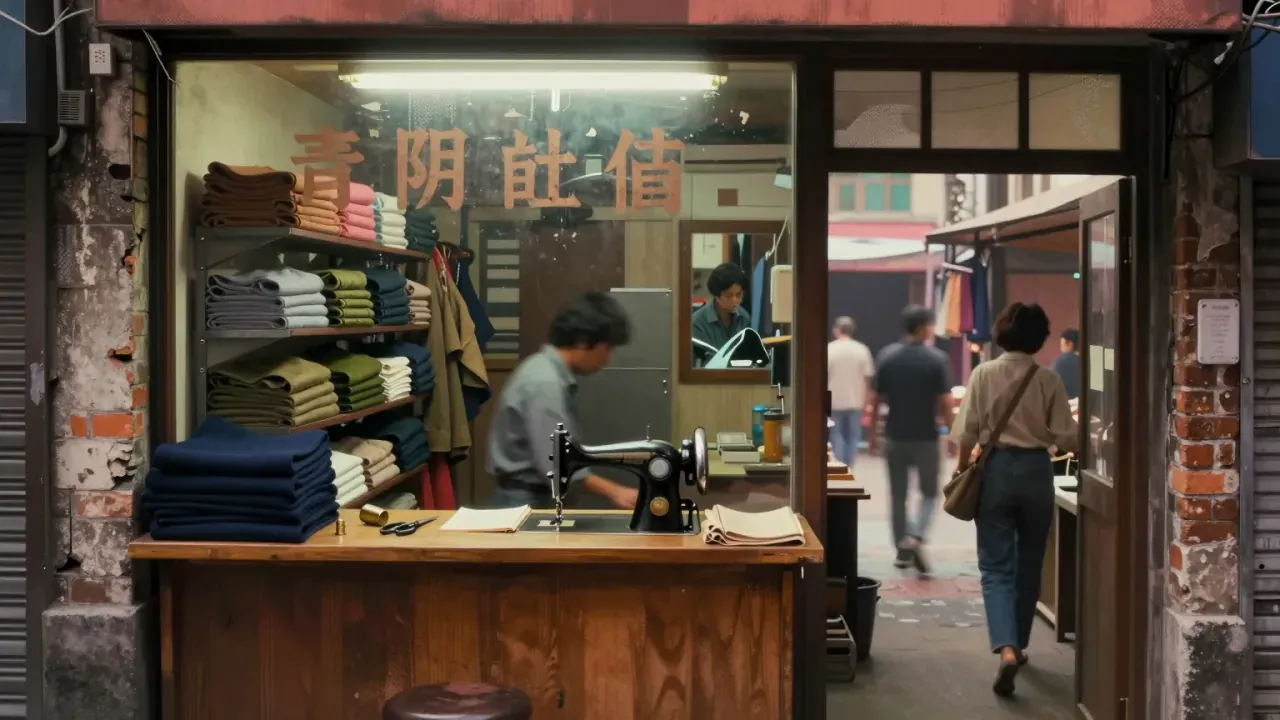
In Helsinki, a Finnish shirt salesman buys a failing restaurant just as a Syrian asylum-seeker arrives, having stowed away on a cargo ship. Their paths cross when the man offers shelter and work. With minimal dialogue and deliberate pacing, the film traces small acts of solidarity — forged papers, a smuggled reunion, a shared meal — against a backdrop of bureaucratic indifference and casual racism. Directed by Aki Kaurismäki, it is a restrained, humane drama about persistence, not resolution.

13:00

The Secret of the Grain

Abdellatif Kechiche · 2007

Abdellatif Kechiche’s 2007 drama follows Slimane Beiji, a Maghrebi shipyard worker in Sète, as he attempts to convert a derelict boat into a couscous restaurant for his extended Franco-Arab family. With no score, minimal exposition, and scenes that run long enough to feel lived-in, the film traces the rhythms of domestic labour, bureaucratic delay, and intergenerational care — culminating in a gala night derailed by absence, miscommunication, and a stolen motorbike.

13:00

Three Resurrected Drunkards

Nagisa Ōshima · 1968

Three Resurrected Drunkards (1968), directed by Nagisa Ōshima, follows three young Japanese men who, after having their clothes stolen at the beach, are mistaken for Korean illegal immigrants and pursued by authorities. Built around a hit folk song and performed with deadpan restraint, the film uses repetition, costume and bureaucratic absurdity to critique Japan’s treatment of Zainichi Koreans — not through exposition or emotion, but through relentless, low-key ridicule of the systems that assign and police identity.

13:00

Toni

Jean Renoir · 1935

Jean Renoir’s 1935 Toni follows an Italian migrant in Provence as he navigates work, love and displacement among a mixed group of labourers. Shot entirely on location with non-professional actors, it uses restraint — in performance, editing and sound — to observe class, language and longing without commentary. Its influence on later movements is well documented, but its power lies in its quiet, unwavering attention to the material conditions of ordinary lives.

13:00

Tori and Lokita

Jean-Pierre Dardenne, Luc Dardenne · 2022

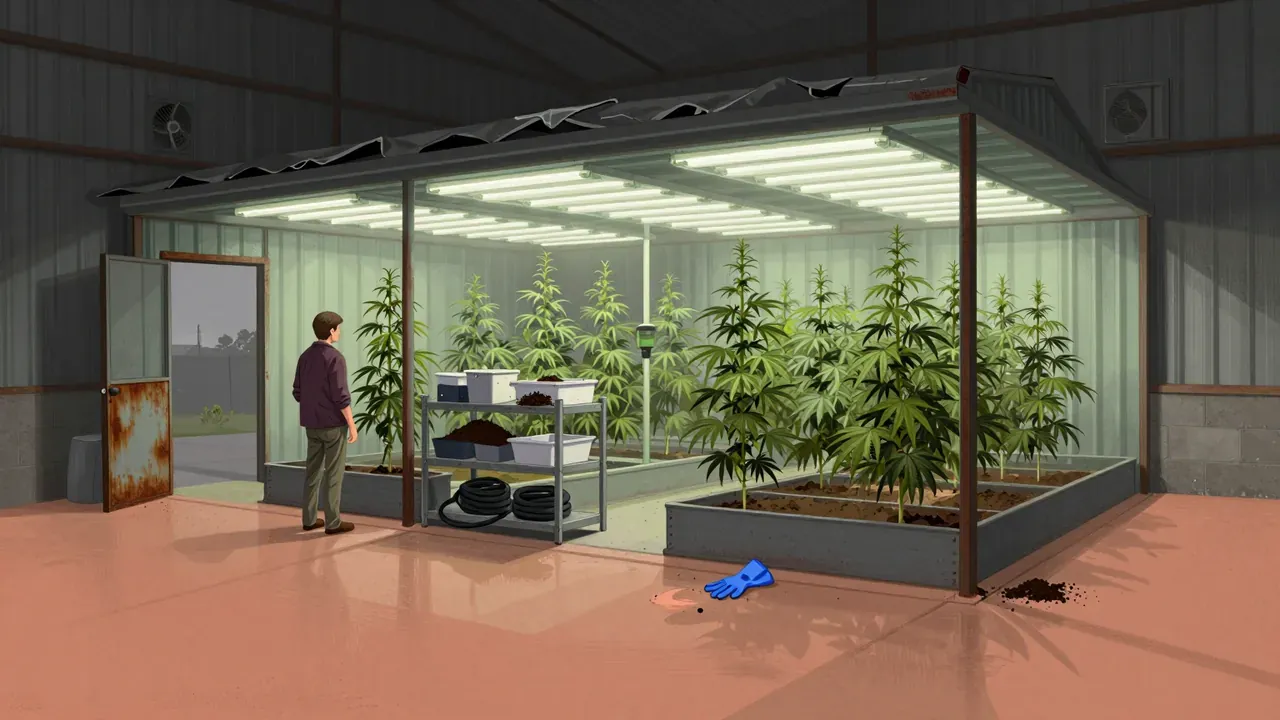
Tori and Lokita is a 2022 Belgian-French drama by Jean-Pierre and Luc Dardenne, following an eleven-year-old boy and sixteen-year-old girl posing as siblings while surviving in a Belgian city. They work for a drug dealer under the guise of musical performers, and Lokita’s repeated visa rejections lead to her being sent to tend cannabis plantations — separating her from Tori, who tracks her down. The film ends with Lokita’s death and Tori singing at her funeral. Shot in natural light with minimal score and precise editing by Marie-Hélène Dozo, it sustains unwavering focus on care as labour and dignity as practice.

13:00

Grass

Merian C. Cooper, Ernest B. Schoedsack · 1925

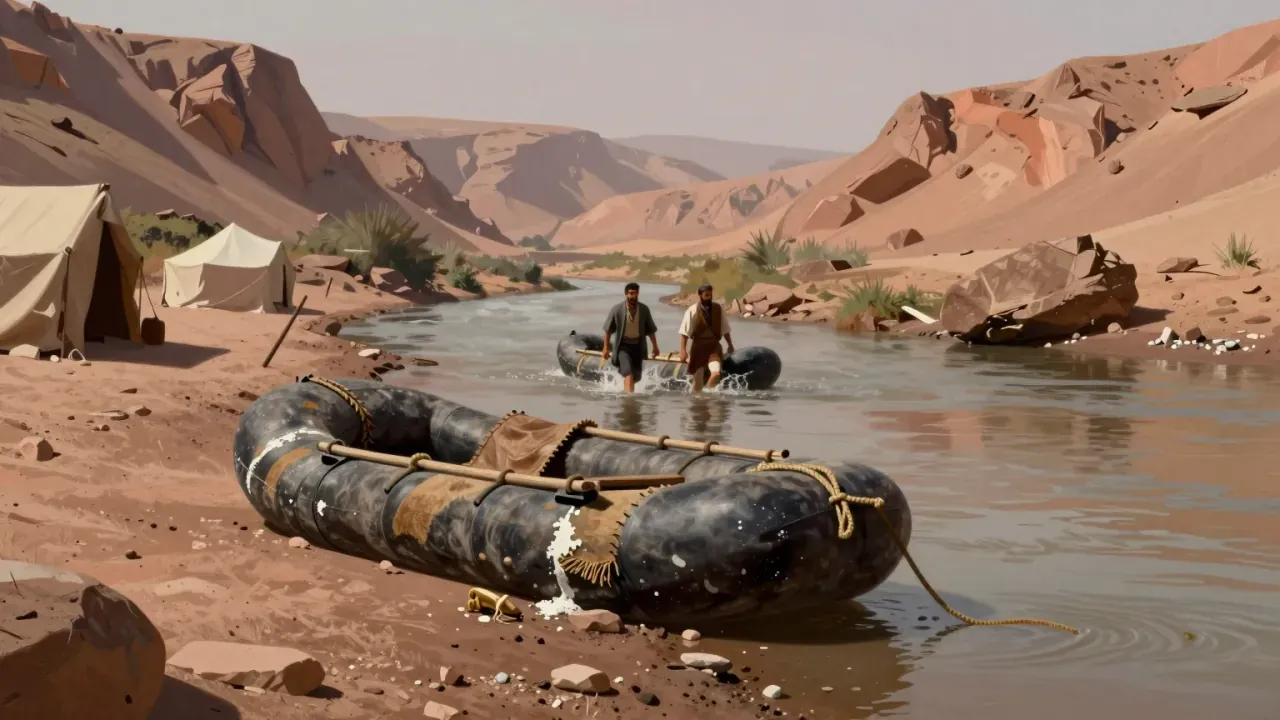
A 1925 silent documentary following the Bakhtiari tribe’s seasonal migration across Iran and Turkey, Grass records the physical scale and hardship of the journey without narration, analysis, or intervention — a landmark of early ethnographic cinema and a stark, enduring portrait of collective endurance.

13:00

Dust in the Wind

Hou Hsiao-Hsien · 1986

Dust in the Wind (1986), directed by Hou Hsiao-Hsien, follows Ah Yuan and Ah Yun, childhood sweethearts from Jiufen, Taiwan, as they move separately to Taipei in the early 1970s. Their relationship unravels not through conflict but through the quiet pressures of urban life, military service, and unspoken expectations. Shot in Taiwanese Hokkien with restrained performances and patient cinematography by Mark Lee Ping Bin, the film observes migration, labour, and memory as embodied, everyday facts — not dramatic events.

13:00

Pelle the Conqueror

Bille August · 1987

Bille August’s 1987 adaptation of Martin Andersen Nexø’s Boyhood follows an elderly Swedish migrant and his young son as they seek work on a Danish farm in the 1850s. Shot with austere precision by Jörgen Persson and anchored by Max von Sydow and debutant Pelle Hvenegaard, it renders poverty, language acquisition, and generational transition with unsentimental rigour. Winner of the Palme d’Or and the Academy Award for Best International Feature Film, it is a landmark of Scandinavian social realism—quiet, exacting, and deeply humane.

13:00

Rocco and His Brothers

Luchino Visconti · 1960

Luchino Visconti’s 1960 epic follows the Parondi family—mother and four sons—as they migrate from rural Lucania to industrial Milan. Their attempts to adapt fracture along lines of class, labour, and desire: Simone turns to boxing and self-destruction, Rocco clings to quiet decency, Ciro embraces union politics, and Luca walks away. Shot by Giuseppe Rotunno in Milan’s housing projects and factories, scored by Nino Rota, and performed with restrained intensity by Alain Delon, Renato Salvatori and Annie Girardot, the film treats disintegration as process, not event.

13:00

The Wedding Banquet

Ang Lee · 1993

Ang Lee’s 1993 film follows a gay Taiwanese man in Manhattan who marries a mainland Chinese woman to satisfy his parents and secure her US residency. When his parents arrive for the wedding banquet, the deception deepens — and so do the bonds between the three adults. Shot on location in New York with bilingual dialogue and understated performances, it balances comedy and pathos without resorting to caricature or easy resolution.

13:00

Encanto

Jared Bush, Byron Howard, Charise Castro Smith · 2021

In a hidden Colombian valley, the Madrigal family's magic house grants every grandchild a power except Mirabel, who sets out to learn why the magic is failing. Directors Jared Bush and Byron Howard built the story from a research trip through Colombia, with Lin-Manuel Miranda's songs doing the work of introducing a dozen major characters.

13:00

Flee

Jonas Poher Rasmussen · 2021

Jonas Poher Rasmussen interviews a friend given the alias Amin Nawabi about fleeing Afghanistan as a child, animating every session so Amin can finally correct the official story he told Danish authorities for decades. Archival footage of the Soviet-Afghan war anchors the drawn reconstructions in verifiable history.

13:00

Kiki's Delivery Service

Hayao Miyazaki · 1989

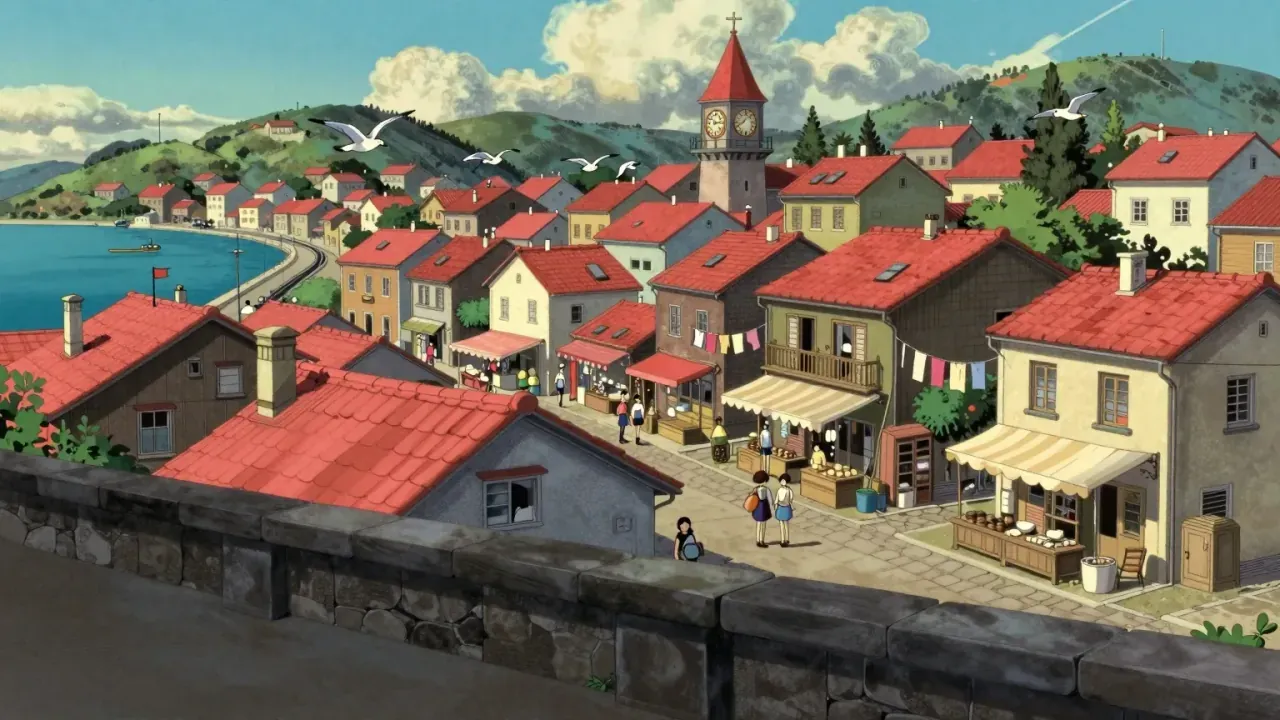
Hayao Miyazaki's 1989 film follows thirteen-year-old witch Kiki as she leaves home to complete a year of independent training in a coastal city, running a flying courier service with her cat Jiji. Miyazaki rewrote Eiko Kadono's more episodic novel to centre on the strain of independence itself, and the film became the first Studio Ghibli release to succeed commercially on first release.

13:00

Persepolis

Marjane Satrapi, Vincent Paronnaud · 2007

Adapted from her own graphic novel, Marjane Satrapi and Vincent Paronnaud's 2007 film follows a girl growing up through the Iranian Revolution, the war with Iraq, and years of exile in Vienna. Hand-drawn black and white carries most of the film's argument about who this story belongs to.

13:00

Scarface

Brian De Palma · 1983

Brian De Palma's 1983 remake of Howard Hawks' original relocates the story to Miami's 1980 Mariel boatlift, with Oliver Stone's screenplay tracking a Cuban refugee's rise through the cocaine trade under Al Pacino at his most excessive. Giorgio Moroder's synthesizer score and a mansion-siege finale that a visiting Steven Spielberg helped shoot gave the film an afterlife in pop culture far larger than its mixed initial reviews suggested.

13:00

The Godfather Part II

Francis Ford Coppola · 1974

Francis Ford Coppola's 1974 sequel cuts between young Vito Corleone's immigrant rise in early-twentieth-century New York, played by Robert De Niro, and Michael Corleone's ruthless consolidation of the family's power a generation later, played again by Al Pacino. Gordon Willis returns as cinematographer and Nino Rota as composer, on a budget of $13 million against a $48 million take, and the film won six Oscars including Best Picture and Best Director, an unusual feat for a sequel.

13:00

Watership Down

Martin Rosen, John Hubley · 1978

A small group of rabbits flees their doomed warren on a premonition of disaster and treks across the English countryside to found a new one, clashing along the way with the totalitarian warren of Efrafa under General Woundwort. Martin Rosen took over direction from John Hubley partway through production, financed the film through a British consortium, and released it in 1978 to an audience unsure what age it was made for.