The crossing
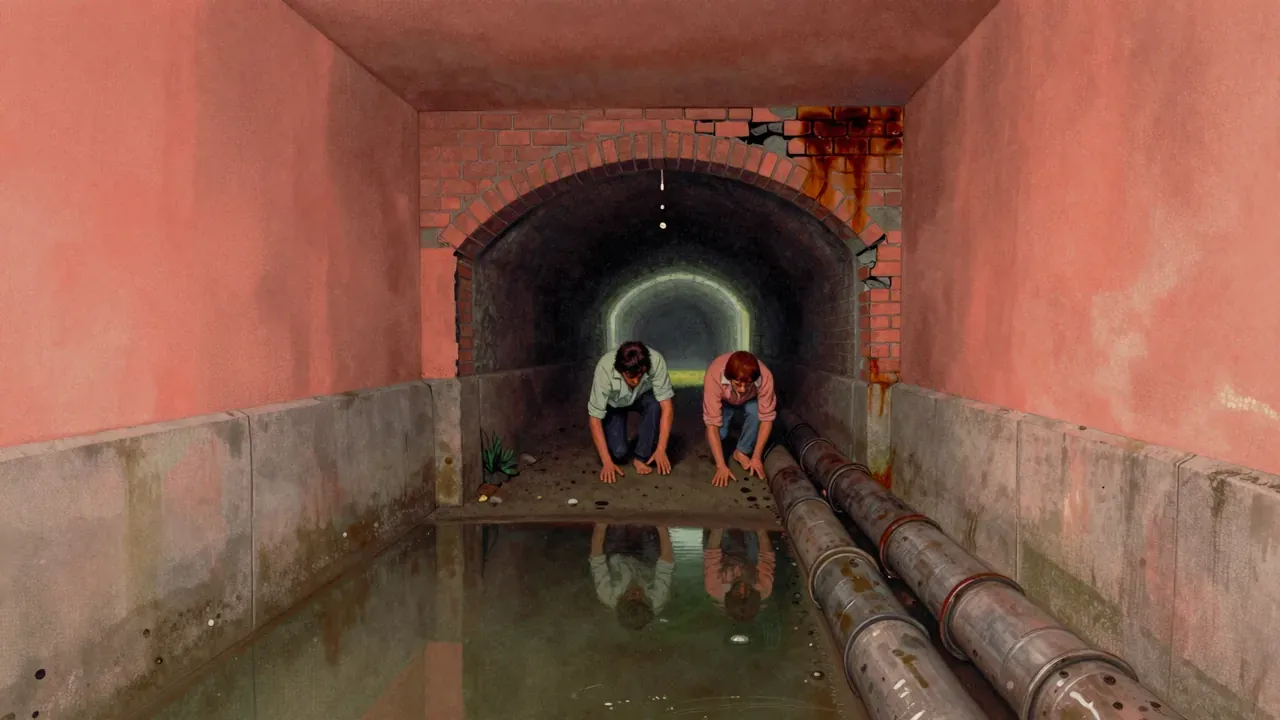
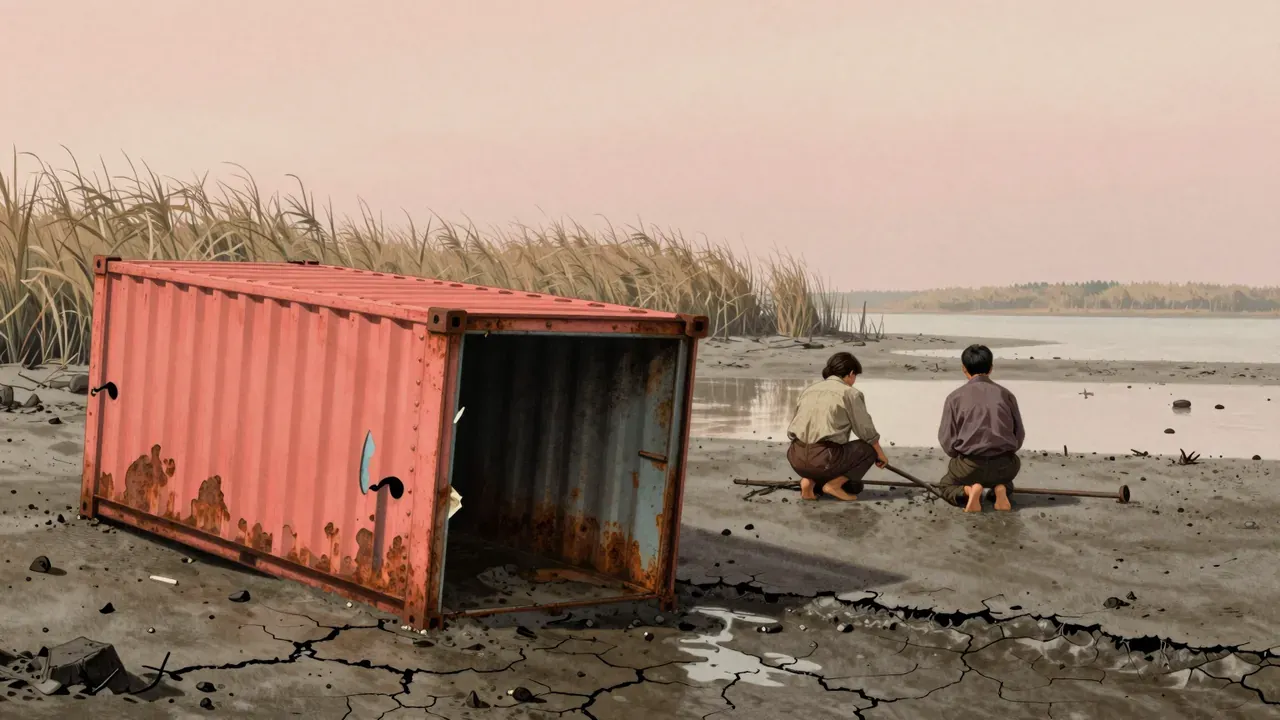
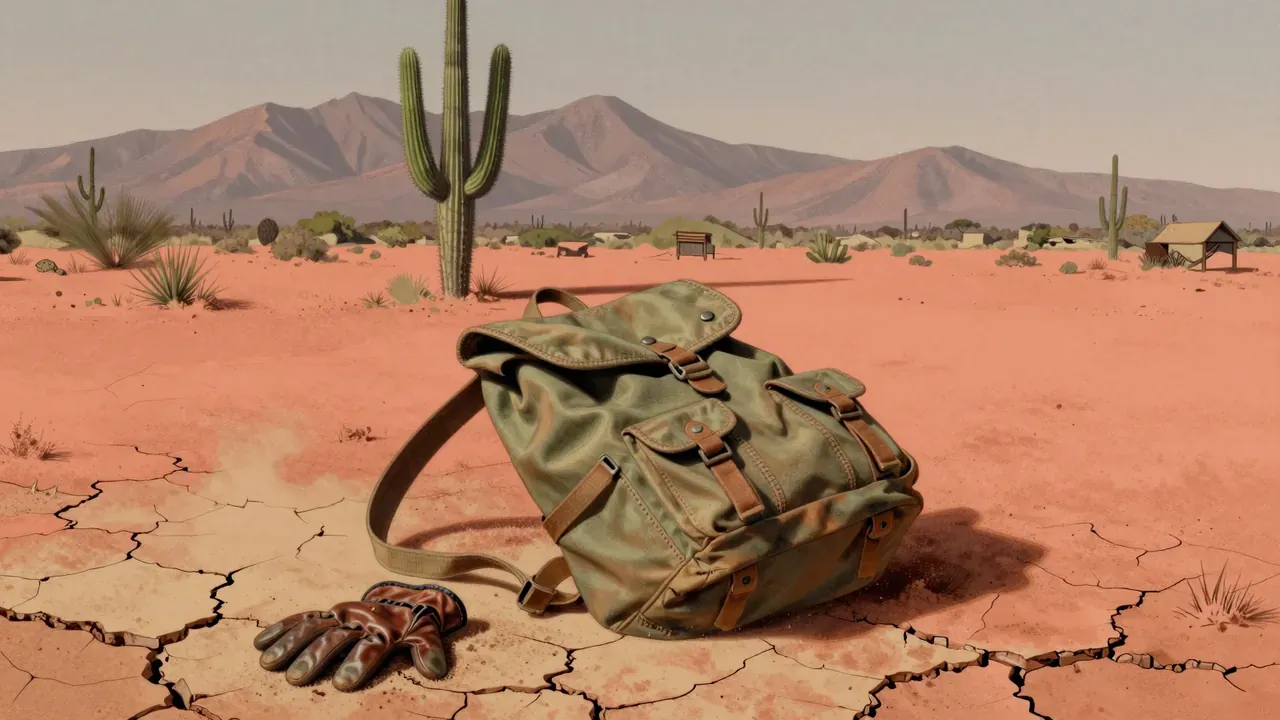
Alambrista! is a 1977 American film that follows Roberto, a farmer from Michoacán, as he crosses the US–Mexico border in search of work to support his family. It is not a thriller about evasion nor a polemic about policy; it is a quiet, observational portrait of displacement and endurance, built on minimal exposition and sustained attention to physical detail — the weight of a backpack, the texture of dust on skin, the silence between spoken words. Robert Milton Young wrote, directed and shot the film himself, working with non-professional actors and using natural light and locations along the California–Mexico border. Its ambition is structural as much as thematic: to hold space for a migrant’s experience without narrativising it into uplift or tragedy, and without recourse to the conventions of dramatic escalation. It treats migration not as a plot device but as a condition — one measured in miles walked, hours waited, and gestures of tentative trust.
The look of it
The story unfolds in episodic, unemphatic increments: Roberto crosses the desert, finds temporary shelter, works in fields and kitchens, evades patrols, and meets people whose assistance is offered without explanation or expectation of return. Trinidad Silva plays Joe, a fellow migrant who becomes a pragmatic guide; Ned Beatty appears as Angelo Coyote, a ranch hand whose brief, grounded presence anchors one of the film’s few sustained scenes. Young’s cinematography avoids stylisation — he keeps frames loose, compositions asymmetrical, focus shallow only when necessary, and movement restrained. Michael Martin Murphey’s score is sparse, acoustic, and unobtrusive, favouring guitar motifs that echo rather than underscore. Performances are understated by design: Domingo Ambriz as Roberto speaks little, and his face registers fatigue more than despair. There are no monologues, no flashbacks, no voiceover. The editing, also by Young, sustains duration — shots linger just past comfort, letting time accrue its own weight.
The weight of it
What lands is the film’s unwavering fidelity to its central premise: that dignity resides in routine, not revelation. The repeated image of Roberto washing dishes, mopping floors, or waiting on a roadside gains resonance not through variation but through accumulation. His interactions with Linda Gillen’s Sharon — a nurse who offers medical aid without probing questions — land because they refuse resolution: she does not become a saviour, he does not become a case study. The film’s moral clarity comes from restraint, not emphasis. When Roberto sits silently beside a radio playing Spanish-language news, the moment works not because it signals political awakening but because it registers quiet recognition — a man hearing his own world described, at a distance, in a language he knows. The camera stays at medium distance; the sound remains diegetic. Nothing is underlined. This consistency of tone — patient, unflinching, unromantic — gives the film its cumulative gravity.
The shape of it
What does not land is the structural thinness that emerges over 110 minutes. The episodic form, while deliberate, begins to feel less like discipline and more like omission: there is no development in Roberto’s understanding of the US beyond what he sees, no evolution in his relationship to risk or hope, and no discernible shift in how others perceive him. Jerry Hardin’s cameo as a man in a café, for instance, has narrative function but no psychological texture — he is a type, not a person. The absence of interiority extends to the supporting characters, who remain legible only as functions of Roberto’s passage: helper, obstacle, bystander. This is not a flaw in intention — Young clearly avoids psychologising — but it narrows the film’s emotional bandwidth. Some viewers will find this austerity noble; others will register it as emotional withholding, mistaking rigour for emptiness. The film does not invite identification so much as observation — and that distance, however principled, can harden into detachment.
The border as weather
The themes that matter are labour as ritual, borders as weather systems, and care as gesture rather than arc. Alambrista! treats economic migration not as a crisis to be solved but as a persistent fact — one shaped by land tenure in Michoacán, seasonal demand in California agriculture, and the uneven enforcement of immigration law. It shows work not as redemption but as repetition: Roberto harvests strawberries, cleans motel rooms, hauls water. His body bears the marks of effort, but the film refuses to assign that effort symbolic value. Similarly, the border is never dramatised as a line on a map but experienced as heat, thirst, surveillance, and the sudden appearance of uniformed figures. Acts of kindness — a shared meal, a spare blanket, directions whispered in Spanish — are presented without hierarchy: none changes Roberto’s situation, yet each affirms a continuity of human conduct beneath official categories. The film’s quiet insistence is that survival is collective, even when it is solitary.
The care in it
This film is for viewers who value formal coherence over emotional payoff, and who accept that realism need not mean exposition. It suits those accustomed to the pacing of early Varda or late Bresson — people who watch films to witness duration, not to follow plots. It is not for viewers who require character motivation, narrative escalation, or catharsis; those expecting a story with stakes defined by success or failure will find the film withholding. Teachers of migration studies or documentary ethics may use it as a pedagogical object, but students seeking context or analysis will need supplementary material — the film offers no statistics, no interviews, no historical framing. A viewer who dislikes ambiguity or finds silence alienating will leave impatient. What would change the verdict? A tighter runtime — perhaps trimming twenty minutes — would sharpen its focus without sacrificing its ethos. As it stands, its rigour demands patience, and patience is not neutral: it is a privilege the film itself does not assume.
The attention it asks
Yes, it is worth your evening — provided you arrive without expectations of resolution or reward. Its 110 minutes ask for attention, not investment; they offer texture, not transformation. You will not leave knowing more about immigration policy, but you may leave with a recalibrated sense of time — how long a walk takes, how long a pause lasts, how long it takes for a stranger’s hand to steady yours. That recalibration is rare, and it matters. Those who dismiss it as ‘slow’ or ‘distant’ are not wrong, but their objection names a choice, not a flaw: the film declines to meet certain conventions of engagement, and that refusal is its point. It is not indifferent to suffering, but it refuses to aestheticise it. If you have seen too many films where hardship is rendered for impact, Alambrista! is a corrective — modest, unadorned, and exact. Its value lies not in what it says, but in how precisely it refuses to say more than it must.