The look of it
The Other Side of Hope is a Finnish drama written, produced and directed by Aki Kaurismäki, released in early 2017. It sets out to reframe the refugee experience in Finland not as a policy problem but as a human encounter — one that hinges on quiet solidarity rather than spectacle or instruction. Kaurismäki has said he intended the film to shift public perception, and its structure supports that aim: it places a Syrian asylum-seeker, Khaled, alongside a middle-aged Finnish businessman, Waldemar, whose own life is unravelling. Their paths converge not through coincidence but through proximity, necessity and unspoken mutual recognition. The film avoids documentary exposition or political speechifying; instead, it works through restraint, repetition and understatement. Its moral weight rests not in argument but in gesture — a shared meal, a withheld judgement, a refusal to look away. This is not advocacy cinema dressed as fiction; it is fiction that treats dignity as a given, not a prize to be earned. Word count: 138
How they meet
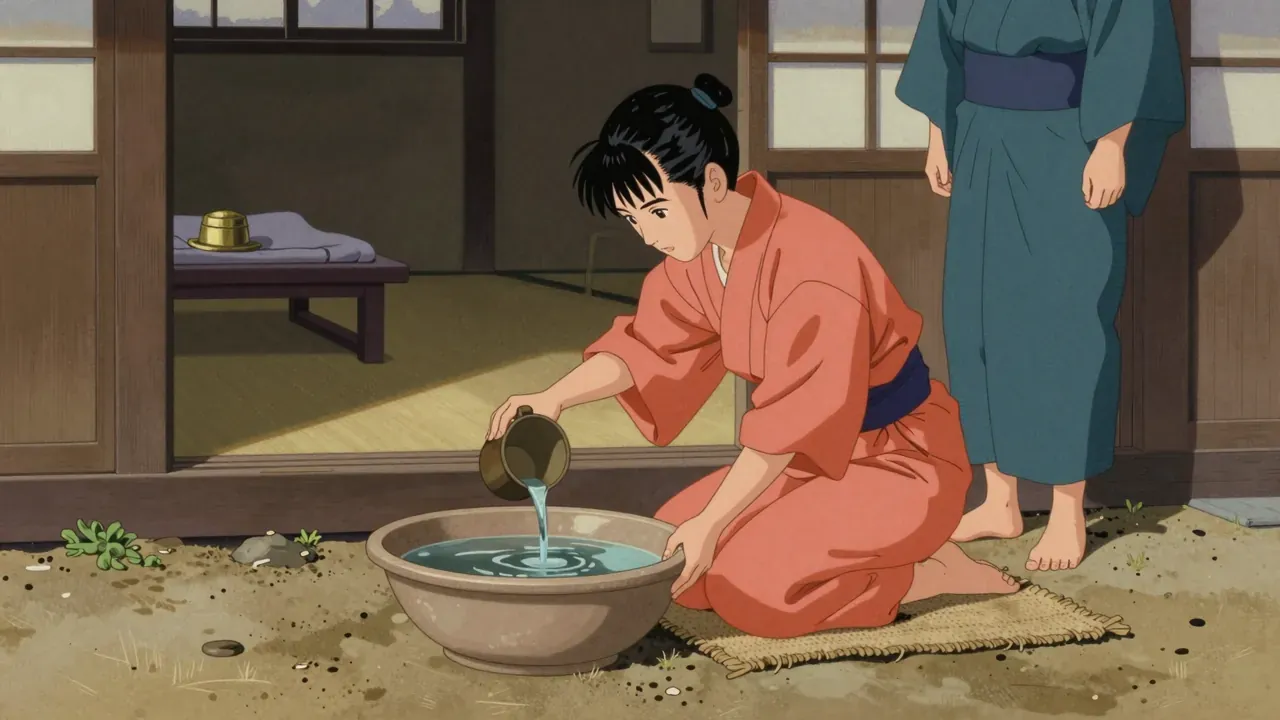
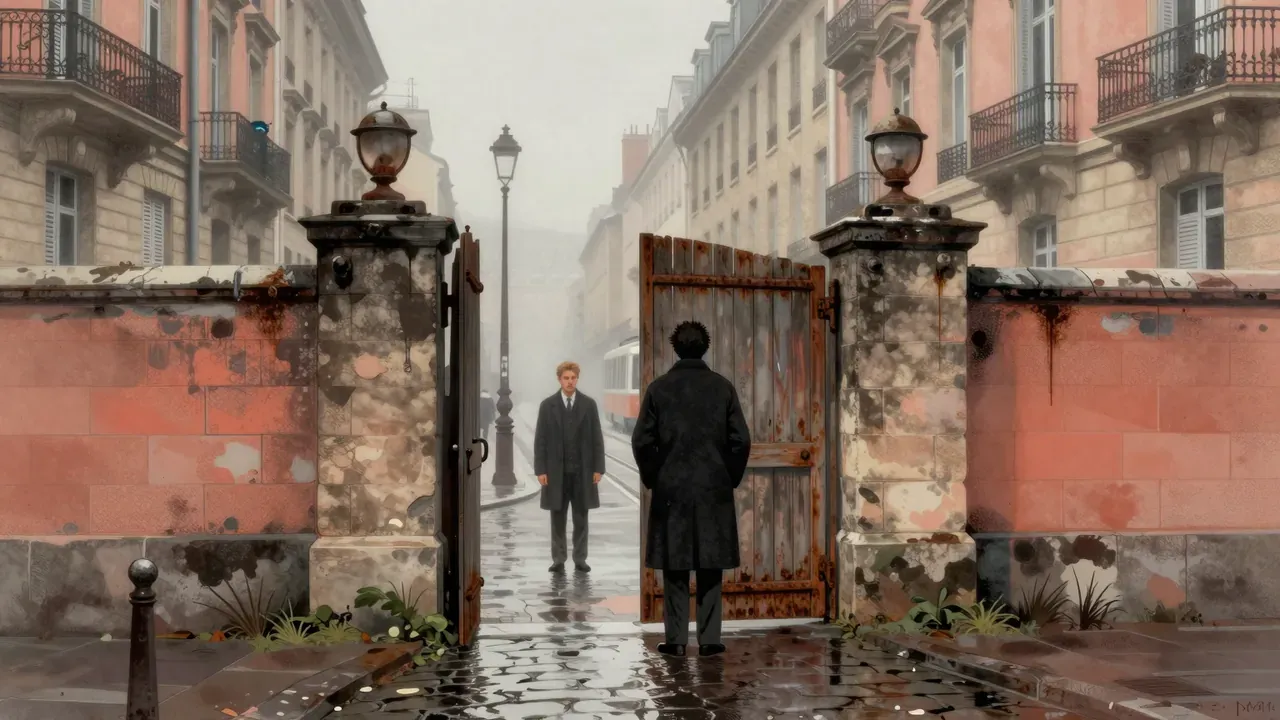
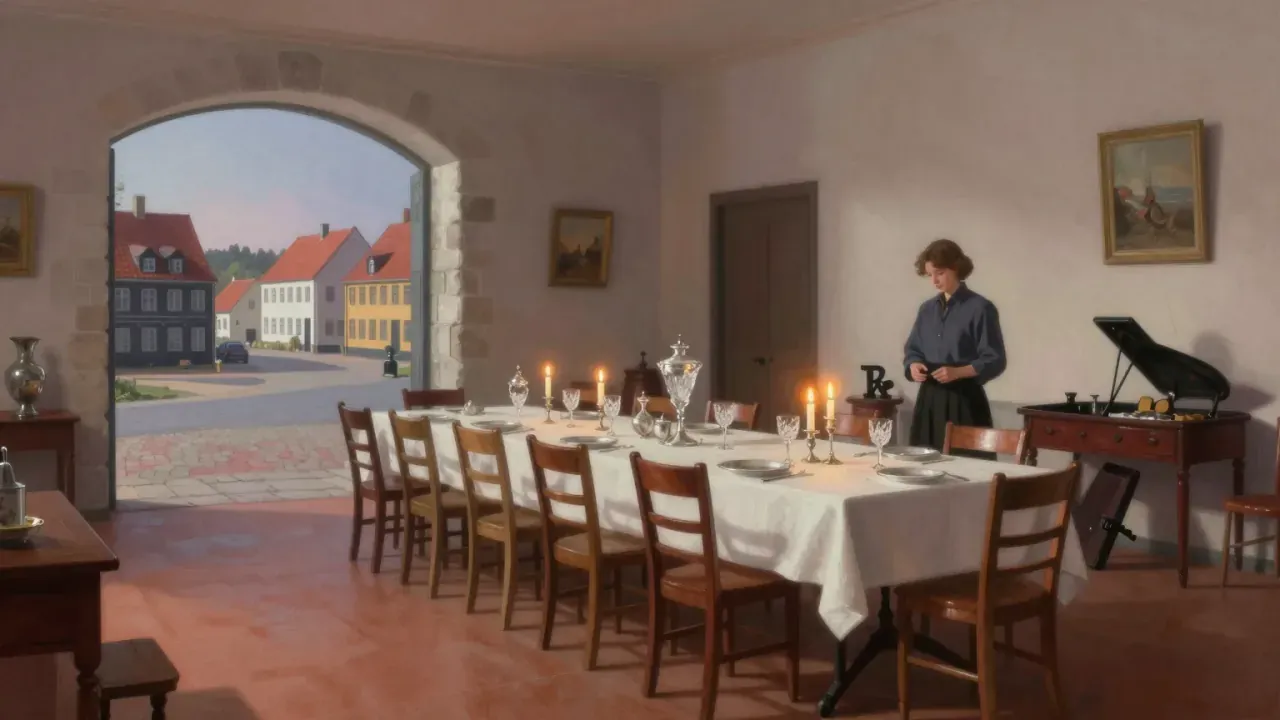
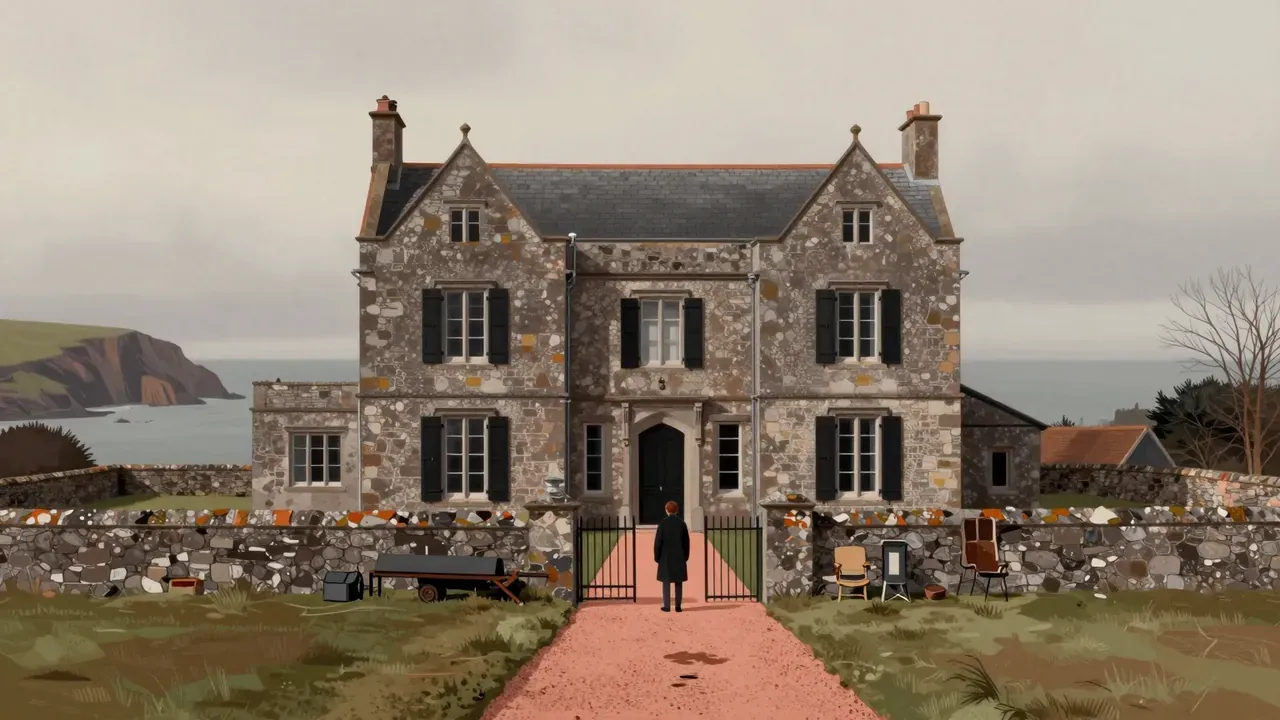
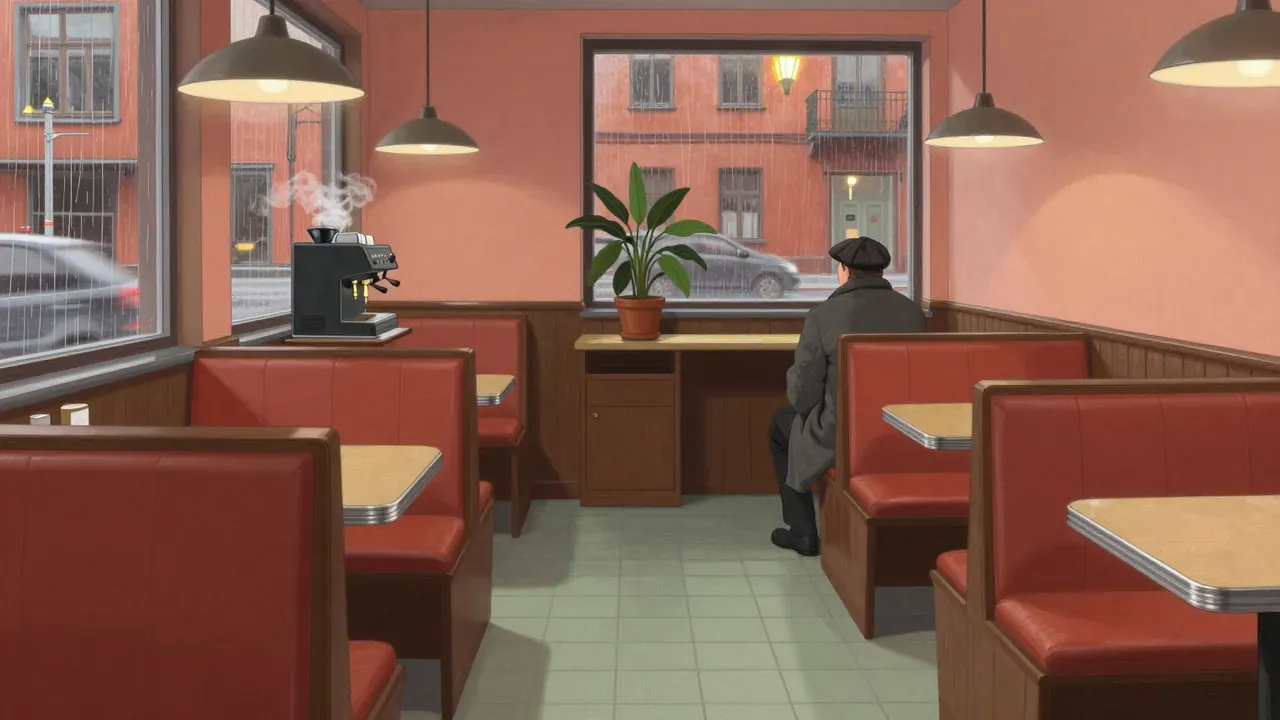
The story unfolds in parallel, unhurried lines: Waldemar sells shirts, wins at poker, buys a restaurant; Khaled stows away, applies for asylum, is denied, then hides. Timo Salminen’s cinematography keeps Helsinki flat and muted — grey skies, beige walls, fluorescent lights that flatten texture without dulling presence. Performances are deliberate and pared back: Sherwan Haji plays Khaled with stillness that reads not as passivity but as containment; Sakari Kuosmanen’s Waldemar moves through his own crisis with the same stoic economy. Samu Heikkilä’s editing sustains Kaurismäki’s signature rhythm — long pauses, fixed frames, abrupt cuts that land like punctuation. There are no score swells or handheld urgency; the music is sparse, diegetic, often played by Haji himself on guitar. Dialogue is minimal and literal, never explanatory. Every prop, every costume, every background detail feels chosen not for realism but for resonance: a red coat, a typewriter, a single potted plant in an otherwise bare room. Word count: 152
The tone of it
What lands is the cumulative weight of small, unembellished acts — Waldemar handing Khaled a set of clean clothes, the staff quietly covering for him during a police check, the trucker agreeing to drive across borders without asking why. These moments do not build to catharsis but to continuity: the film’s emotional logic is that decency persists not because it triumphs, but because it repeats. The final image — Khaled sitting bloodied but smiling under a tree, licked by a stray dog — lands precisely because it refuses resolution. It is neither victory nor surrender, but endurance made visible. The film’s humour also lands, though never as relief: it sits in the gap between what is said and what is felt, in the deadpan timing of a shrug or a glance at a broken toaster. This is not comedy that softens the subject, but one that insists on the absurdity of bureaucracy, racism and indifference — not as exceptions, but as fixtures. The restraint never feels like evasion; it feels like discipline. Word count: 149
What it assumes
What does not land is the structural asymmetry between the two central characters. Waldemar’s arc — marital estrangement, reinvention, quiet contentment — follows a familiar Kaurismäki pattern and feels fully inhabited. Khaled’s, while grounded in Haji’s performance, remains partly opaque: his interior life beyond survival and search is implied but not dramatised. The film gives us his exhaustion, his fear, his gratitude, but little of his memory, imagination or private grief beyond the missing sister. This is not carelessness — it reflects Kaurismäki’s choice to keep Khaled’s subjectivity bounded by what can be shown, not told — but it leaves some emotional terrain uncharted. Likewise, the racist attack near the end arrives with narrative force but little psychological setup; the thug feels less like a character than a function, a blunt instrument. Neither flaw undermines the film, but both limit its reach into the complexity it otherwise honours. Word count: 147
What hope means here
The themes that matter are hospitality as resistance, bureaucracy as violence, and hope not as optimism but as persistence. The title — drawn from an ancient Greek poem — points not to a destination but to a threshold: the other side is not safety or success, but the act of crossing. The film treats paperwork as both barrier and lifeline, language as both wall and bridge, silence as both trauma and strategy. It shows integration not as assimilation but as coexistence — Waldemar does not change Khaled, nor Khaled Waldemar; they adjust their habits, share space, learn each other’s rhythms. Class is present but not foregrounded: Waldemar is not wealthy, Khaled not destitute in spirit. What matters is agency — Khaled’s decision to turn himself in, to seek help, to trust; Waldemar’s decision to hire, to hide, to drive. The film’s politics are embedded in these choices, not declared in speeches. Word count: 142
How it asks to be seen
This film is for viewers who trust slowness, who find meaning in stillness, and who accept that empathy need not be loud to be real. It suits those accustomed to Kaurismäki’s style — or willing to meet it on its own terms — and those who value films where moral clarity emerges from action, not monologue. It is not for viewers who require plot propulsion, psychological exposition or narrative symmetry. Anyone needing explicit motivation, backstory or emotional signposting will find it withholding. Those expecting a ‘refugee story’ framed by trauma porn or uplift will misread its tone entirely. Its pace and reticence are deliberate, not deficient. A viewer who finds Le Havre or Drifting Clouds alienating will likely feel the same here. But for those who see restraint as rigour, this is not avoidance — it is precision. Word count: 141
Where it leaves you
Yes, it is worth your evening — not as diversion, but as recalibration. It asks ninety-eight minutes of attention and returns a subtle recalibration of how we register another person’s presence. Its power lies in what it refuses: explanation, emphasis, escalation. That makes it demanding in a different way — not through difficulty, but through insistence on quiet attention. Someone who values rapid pacing, clear cause-and-effect or emotional payoff may find it thin. But its worth is not in what it delivers, but in what it holds steady: a gaze that does not flinch, a rhythm that does not rush, a world where kindness is ordinary, not exceptional. If you leave feeling unsettled but not exhausted, if you remember the colour of a coat or the sound of a guitar more than any line of dialogue, then it has done its work. Word count: 142