filmbriefs
Topic

Storytelling

The oldest technology, and the one least improved on.

34
in film
13:00
average
442 min
in total
68
across the network
Storytelling across the network →
All briefs34
13:00

Celine and Julie Go Boating

Jacques Rivette · 1974

Jacques Rivette’s 1974 film follows two women who enter a looping, magical-realist narrative housed in a Paris mansion, gradually learning its rhythms and rewriting its ending. Built on repetition, collaboration and patient observation, it models fiction as a space to inhabit rather than interpret.
13:00

Mysterious Object at Noon

Apichatpong Weerasethakul · 2000

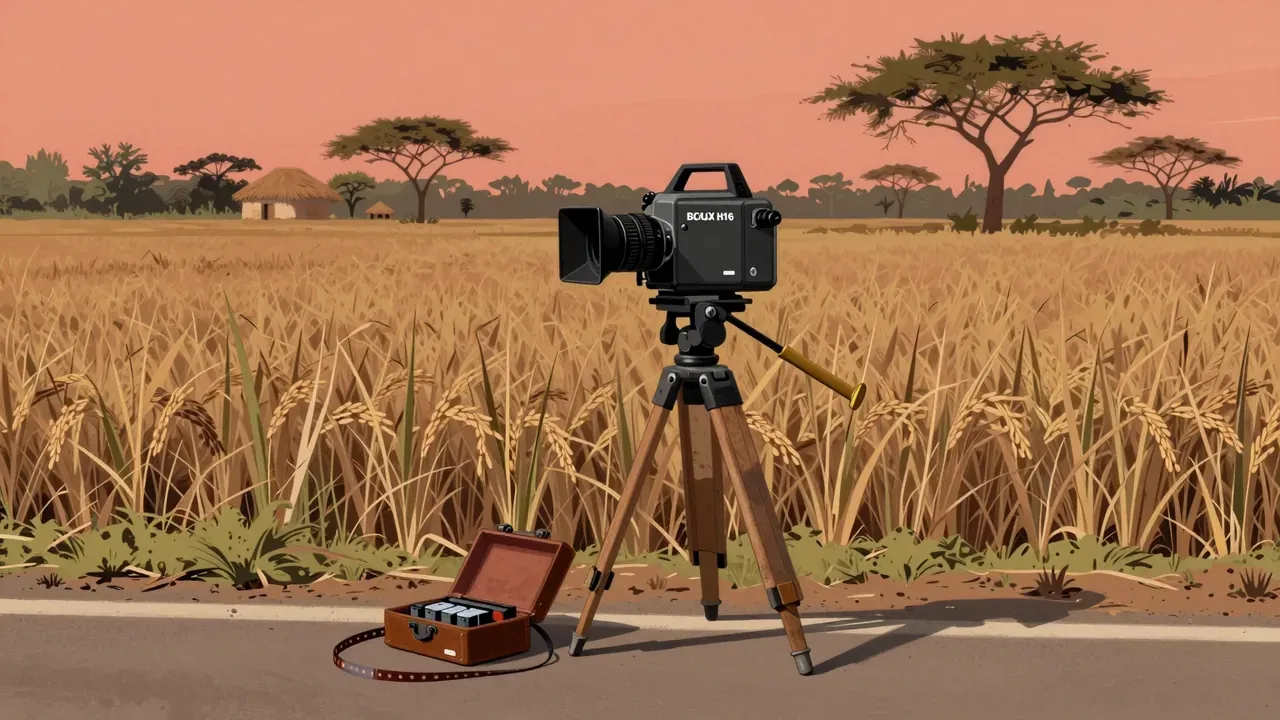
Mysterious Object at Noon (2000) is Apichatpong Weerasethakul’s debut feature: an unscripted, 16mm Thai documentary that travels the country using the exquisite corpse game. Strangers contribute lines to a shared story; actors then enact fragments of it. Shot by Sayombhu Mukdeeprom and edited by Apichatpong and Mingmongkol Sonakul, it privileges listening, texture and drift over narrative or exposition.

13:00

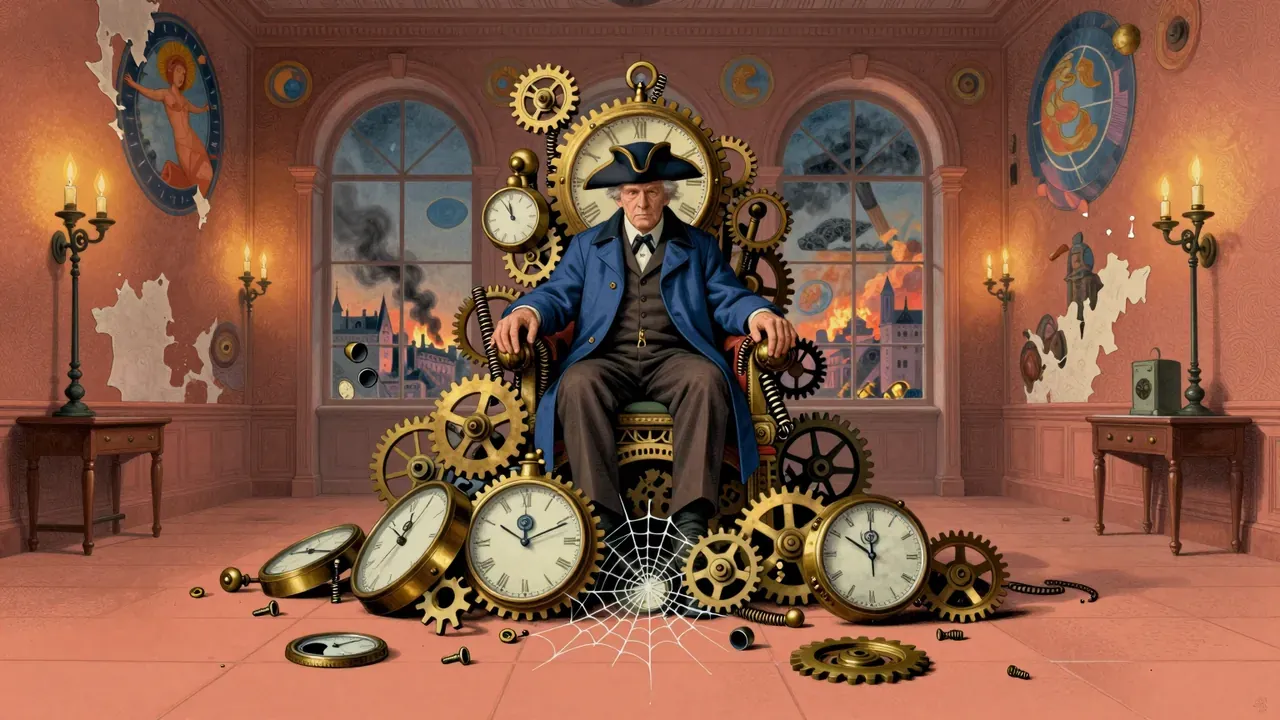
The Adventures of Baron Munchausen

Terry Gilliam · 1988

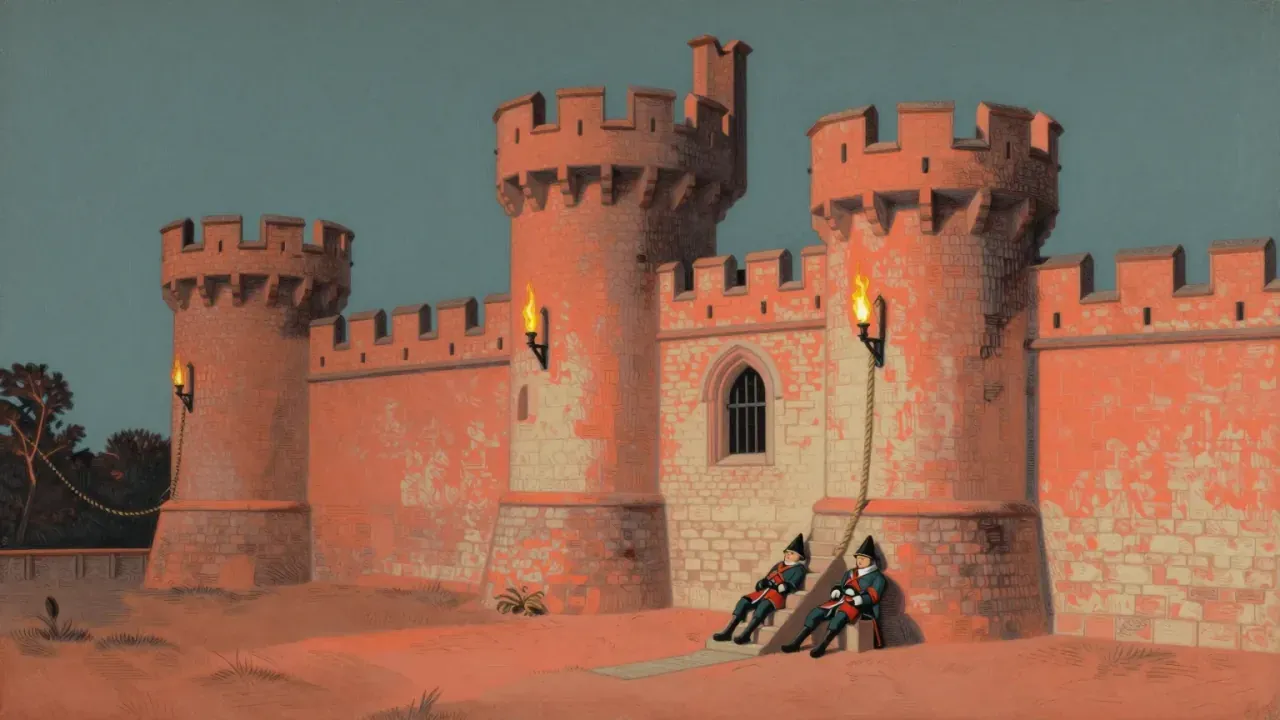
Terry Gilliam’s 1988 fantasy follows the ageing Baron Munchausen as he reassembles his legendary crew to rescue a besieged city—not with weapons, but with stories. Shot on practical sets with elaborate costumes and in-camera effects, it privileges tactile invention over narrative efficiency. Though its box office failure and production turmoil are well documented, the film endures as a singular argument for imagination as an act of defiance against literalism, bureaucracy and time itself.

13:00

The Hidden Fortress

Akira Kurosawa · 1958

Akira Kurosawa’s 1958 adventure follows two self-interested peasants who agree to smuggle a mysterious man and woman across hostile territory for gold, unaware the man is a famed general and the woman a deposed princess. Shot in Tohoscope widescreen, with Ichio Yamazaki’s naturalistic cinematography and Masaru Sato’s taut score, the film grounds epic stakes in petty motives, using the peasants’ limited perspective to explore class, loyalty and survival. Toshirō Mifune delivers restrained authority as General Rokurōta; Minoru Chiaki and Kamatari Fujiwara embody craven humanity as Tahei and Matashichi. Though structurally inventive and morally precise, the princess’s interiority remains deliberately obscured — a choice that sharpens some tensions and blunts others.

13:00

The Princess Bride

Rob Reiner · 1987

Rob Reiner’s 1987 adaptation of William Goldman’s novel frames a swashbuckling romance as a grandfather’s bedtime story. With precise performances, Adrian Biddle’s understated cinematography, and Mark Knopfler’s acoustic score, it balances earnest adventure and gentle parody — landing its themes of fidelity and craft without irony or condescension.

13:00

The Royal Tenenbaums

Wes Anderson · 2001

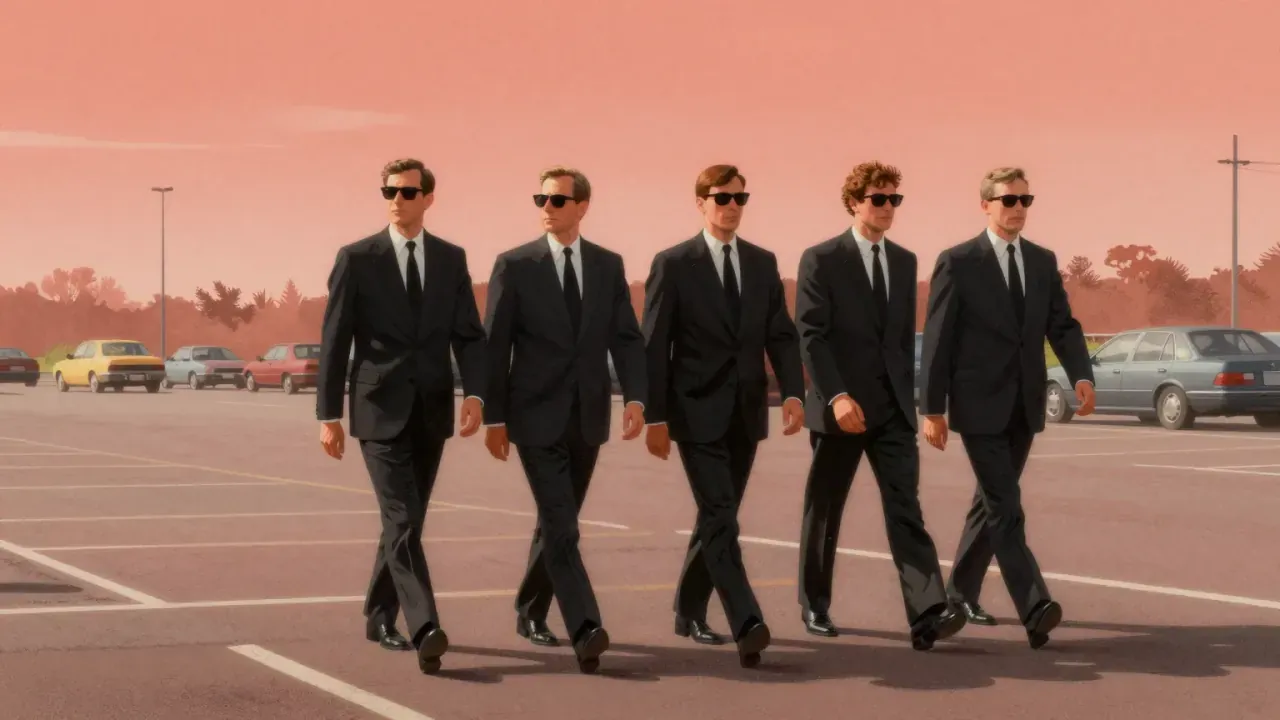
Wes Anderson’s 2001 black comedy-drama follows the Tenenbaum siblings — child prodigies now adrift — as their estranged father Royal (Gene Hackman) returns with a fabricated illness. Shot across 250 stylised sets in and around New York, it uses symmetrical framing, deliberate pacing, and a baroque score to explore stasis, inherited grief, and the quiet persistence of love beneath formal distance.

13:00

Big Fish

Tim Burton · 2003

Tim Burton’s 2003 fantasy drama Big Fish adapts Daniel Wallace’s novel into a tripartite portrait of a father’s tall tales and his son’s reluctant reckoning with them. Shot in Alabama with Philippe Rousselot’s sun-bleached cinematography and scored by Danny Elfman, it balances Southern Gothic texture with mythic whimsy. Though its tonal shifts and narrative looseness divided critics, its central theme — that stories are how we hold people close after they’re gone — remains its quiet, steady pulse.

13:00

Storytelling

Todd Solondz · 2001

Todd Solondz’s 2001 film Storytelling divides itself into two unrelated segments — 'Fiction' and 'Non-Fiction' — each dissecting how narrative power operates in education, documentary, and family life. With restrained performances, underlit interiors, and a refusal to resolve its ethical dilemmas, it sustains a low, persistent discomfort. Its value lies in structural rigour and thematic consistency, not emotional payoff.

13:00

2001: A Space Odyssey

Stanley Kubrick · 1968

Stanley Kubrick's 1968 film, written with Arthur C. Clarke, tracks a black monolith's appearances across four million years, from a tribe of prehistoric hominids to a Jupiter mission overseen by the calm computer HAL 9000. Shot by Geoffrey Unsworth with in-camera effects that took over a year to complete, and scored with existing classical pieces by Strauss, Khachaturian and Ligeti rather than an original soundtrack, it cost MGM $10.5 million, returned over $190 million, and won Kubrick his only competitive Oscar, for visual effects.

13:00

8½

Federico Fellini · 1963

Federico Fellini's 1963 film follows Guido Anselmi, a film director retreating to a spa town while his crew waits for a script he cannot write, sliding between the demands of producers, mistresses, his wife and memories of his Catholic childhood without marking the boundary between what is happening and what he is imagining. Shot by Gianni Di Venanzo in high-contrast black and white, scored by Nino Rota, and led by Marcello Mastroianni, the film won two Oscars, for costume design and international feature, and has stood since as one of the most direct portraits of creative paralysis committed to film.

13:00

Alice in Wonderland

Clyde Geronimi, Wilfred Jackson, Hamilton Luske · 1951

A bored young girl follows a white rabbit down a hole into a nonsensical kingdom ruled by a short-tempered Queen of Hearts, encountering a parade of self-absorbed creatures along the way. Disney first considered adapting Lewis Carroll's books in the early 1930s and spent nearly two decades discarding drafts — a live-action hybrid with Mary Pickford, a literal script judged too grotesque, a version written by Aldous Huxley — before settling on the fully animated, more comic take released in 1951 to a muted box office and mixed reviews that only later warmed.

13:00

Cinderella

Wilfred Jackson, Hamilton Luske, Clyde Geronimi · 1950

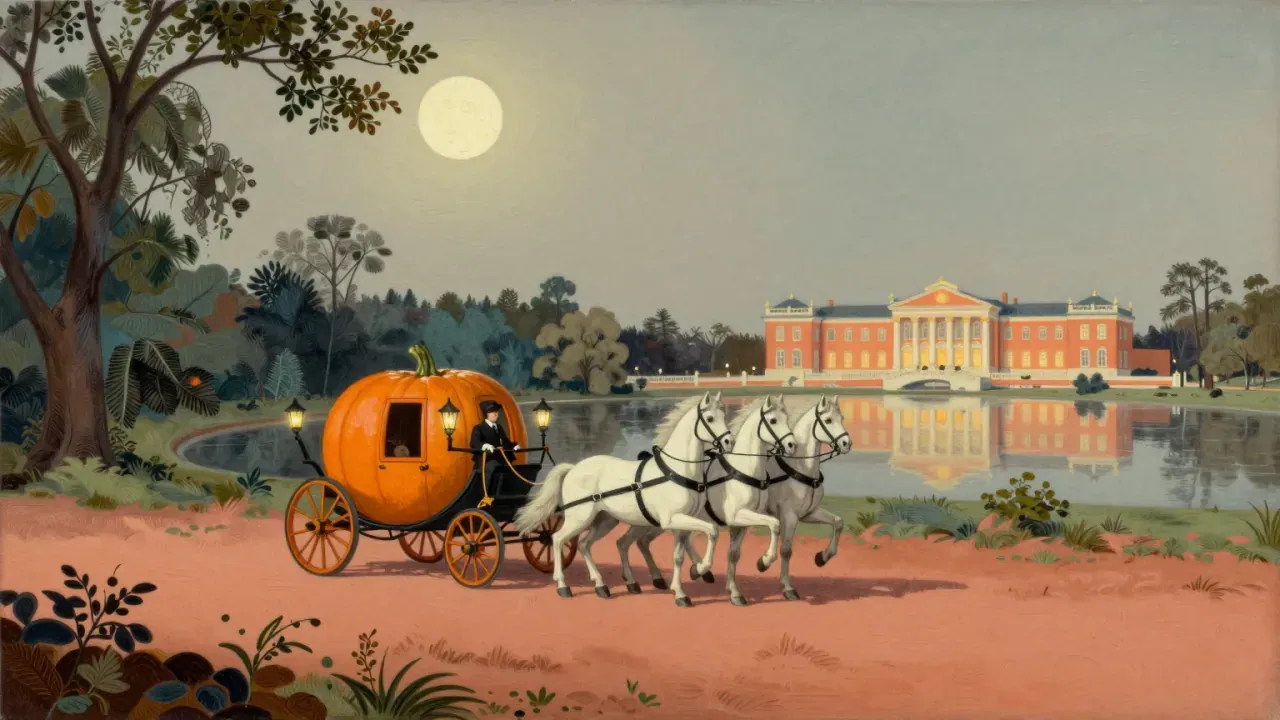
A servant in her own home waits out her stepmother's cruelty until a fairy godmother gives her one night at the palace ball, in the version of Perrault's fairy tale Disney finally completed in 1950 after years of false starts. Made for $2.2 million while the studio was roughly $4 million in debt, the film became Disney's biggest hit since Snow White and reversed a run of expensive, underperforming features — helped along by nearly 380 women auditioning for the title role before Ilene Woods got it almost by accident.

13:00

Citizen Kane

Orson Welles · 1941

Orson Welles's 1941 debut tells the life of publishing baron Charles Foster Kane through the conflicting memories of the people who knew him, filmed by Gregg Toland in deep focus that keeps whole rooms in sharp relief at once. It cost RKO under $840,000, won a single Oscar out of nine nominations, and lost money on release before critics rebuilt its reputation from the 1950s onward.

13:00

E.T. the Extra-Terrestrial

Steven Spielberg · 1982

Steven Spielberg's 1982 film, written by Melissa Mathison from a rejected Columbia Pictures script, follows a boy named Elliott who hides and befriends a stranded alien while government agents close in. Shot in sequence over four months on a $10.5 million budget, with a Carlo Rambaldi animatronic creature voiced by a chain-smoking retiree, it overtook Star Wars to become the highest-grossing film ever made and held that record for eleven years, until Spielberg's own Jurassic Park surpassed it.

13:00

Fantasia

James Algar, Samuel Armstrong, Ford Beebe Jr., Norm Ferguson · 1940

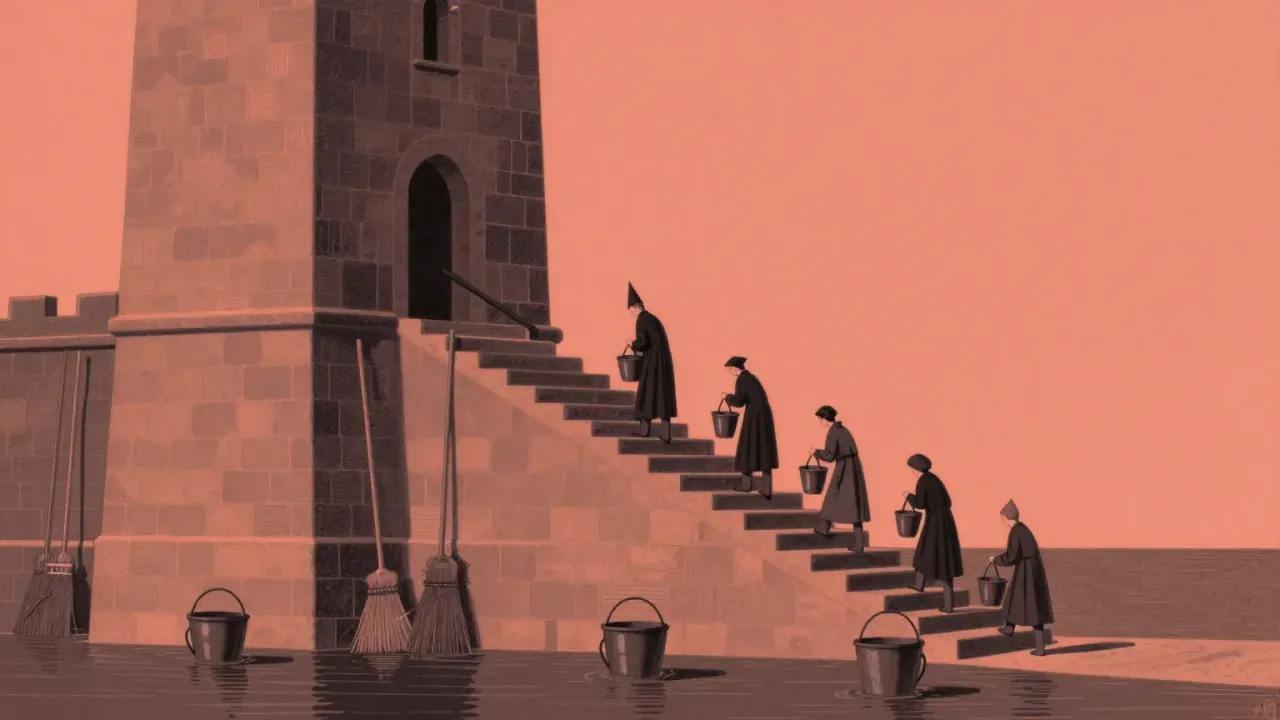
Fantasia sets eight animated sequences to classical pieces conducted by Leopold Stokowski, introduced on screen by critic Deems Taylor, ranging from abstract shapes moving to Bach to dancing hippos set to Ponchielli. It began as The Sorcerer's Apprentice, a Mickey Mouse vehicle whose spiralling budget only made sense as part of something larger; Disney and RCA built a pioneering multi-speaker sound system, Fantasound, specifically to give the film's roadshow release a sound quality no cinema of 1940 otherwise offered.

13:00

Fantastic Animation Festival

Dean A. Berko, Christopher Padilla · 1977

Released theatrically in 1977, this package film strings together sixteen animated shorts by different filmmakers, including the national debut of Will Vinton's Claymation, the cult short Bambi Meets Godzilla, and a Cat Stevens-scored promo narrated by Spike Milligan. Directed by Dean A. Berko and Christopher Padilla, it helped establish the animation-anthology format later continued by Spike and Mike's Festival of Animation.

13:00

Fantastic Mr. Fox

Wes Anderson · 2009

George Clooney voices a fox whose one last heist against three farmers turns into a siege on his whole underground community. Wes Anderson's 2009 stop-motion adaptation of Roald Dahl keeps the plot but reshapes the tone into something drier and more personal.

13:00

Millennium Actress

Satoshi Kon · 2001

Millennium Actress frames a documentary crew's interview with a reclusive retired film star as the occasion for her life story, then dissolves the line between her memories and the film roles she played until the two run as one continuous narrative. Satoshi Kon's first original film after Perfect Blue, made at Madhouse on one of the lowest budgets recorded for a Japanese animated feature, it won the Animation Kobe award and holds a 93% critical score despite a tiny US theatrical release.

13:00

Pan's Labyrinth

Guillermo del Toro · 2006

In 1944 Spain, a girl named Ofelia arrives with her pregnant mother at the outpost of her new stepfather, a sadistic Francoist captain hunting republican guerrillas, and finds an ancient labyrinth where a faun sets her three tasks to prove she is the reincarnated princess of an underworld kingdom. Guillermo del Toro's 2006 film alternates between this fantasy and the household's real brutality, using practical creature effects on a modest budget to win three Academy Awards.

13:00

Pinocchio

Ben Sharpsteen, Hamilton Luske, Norm Ferguson, T. Hee · 1940

A woodcarver's puppet is brought to life and told he must prove himself brave, truthful and unselfish before he can become a real boy, guided — imperfectly — by a cricket appointed as his conscience. Made for $2.5 million as Disney's second feature, the film pushed effects animation further than Snow White had, rendering water, smoke and lightning with a level of realism the studio hadn't attempted before, even as it lost money on first release when the war cut off its overseas markets.

13:00

Pom Poko

Isao Takahata · 1994

Pom Poko follows a colony of shapeshifting tanuki in the hills outside Tokyo as they organize, and ultimately fail, to stop a suburban development project from destroying their forest home across three decades. Isao Takahata wrote and directed for Studio Ghibli, drawing on Japanese bake-danuki folklore and crediting several folklorists and illustrators for the tanuki's designs and lore. The film topped Japan's box office in 1994, taking in ¥4.47 billion, and won the Grand Prix at Annecy the following year.

13:00

Pulp Fiction

Quentin Tarantino · 1994

Quentin Tarantino's 1994 crime film interlaces three Los Angeles stories, a hitman duo, a boxer on the run, and a night that turns into a medical emergency, around a diner heist told from both ends. Built on scrambled chronology and extended, digressive dialogue, it became one of the most commercially and critically successful independent films ever made.

13:00

Rashomon

Akira Kurosawa · 1950

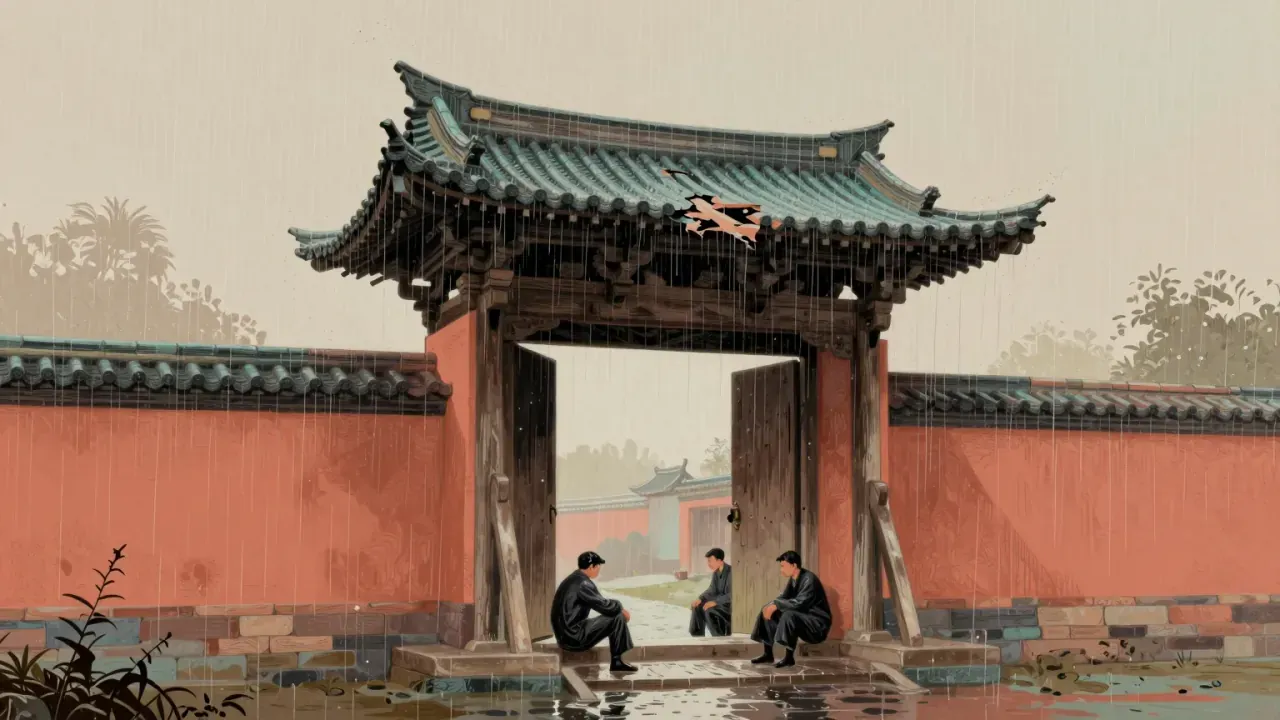
Akira Kurosawa's 1950 film gathers a woodcutter, a priest and a passer-by under the ruined Rashomon gate during a rainstorm as the first two recount a trial testimony about a samurai's death in a forest, told in turn by a captured bandit, the samurai's wife, the dead man himself through a medium, and finally the woodcutter who found the body. Shot by Kazuo Miyagawa, who pointed a camera directly into sunlight through forest canopy for the first time in Japanese studio film, and made for around $140,000, it won the Golden Lion at Venice and an honorary Academy Award, introducing much of the West to Japanese cinema in the process.

13:00

Ratatouille

Brad Bird, Jan Pinkava · 2007

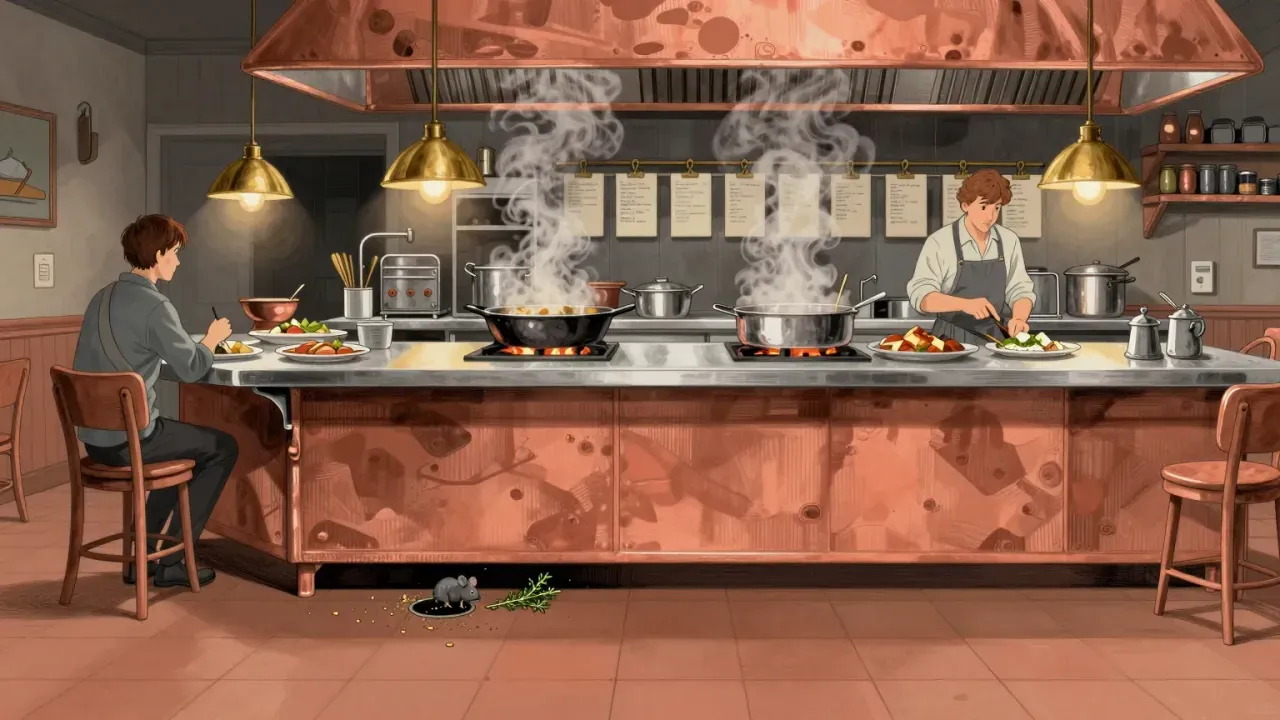
Remy, a rat with a chef's palate, teams up with a hapless kitchen boy to cook at a Paris restaurant neither of them is supposed to be running. Brad Bird's 2007 film pairs slapstick with unusually sincere arguments about taste, talent and where either one is allowed to come from.

13:00

Reservoir Dogs

Quentin Tarantino · 1992

Quentin Tarantino's 1992 debut follows six career criminals, known to each other only by colour-coded aliases, after a jewellery heist collapses within minutes. Confined largely to one warehouse and told through flashbacks rather than the robbery itself, it built its reputation on tense dialogue, a single notorious torture scene, and its influence on the crime cinema that followed it.

13:00

Robin Hood

Wolfgang Reitherman · 1973

Wolfgang Reitherman's 1973 Robin Hood turns the English outlaw tale into a musical fox-and-wolf caper, the first Disney feature made without Walt Disney's guidance and the first built entirely around animal stand-ins for a human cast. Cheaply made and visibly recycled from earlier Disney films, it survived mixed reviews at release to become a durable cult favourite.

13:00

Shrek

Andrew Adamson, Vicky Jenson · 2001

Shrek expands William Steig's picture book into a feature that spends most of its runtime mocking the Disney fairy-tale formula it also structurally depends on, following an ogre who strikes a deal to rescue a princess in exchange for getting his swamp back. Directed by Andrew Adamson and Vicky Jenson for DreamWorks, it grossed $484 million against a $60 million budget and became the first film to win the Academy Award for Best Animated Feature.

13:00

Sleeping Beauty

Clyde Geronimi, Les Clark, Eric Larson, Wolfgang Reitherman · 1959

Princess Aurora is cursed at birth to die by a spinning wheel's needle, saved instead by three fairies who soften the curse to a deep sleep breakable only by true love's kiss, while the evil fairy Maleficent works to see the original curse fulfilled anyway. Designed around Eyvind Earle's tapestry-like visual style, drawing on pre-Renaissance European art, and scored using Tchaikovsky's 1889 ballet, the film took nearly ten years and $6 million to complete, making it Disney's most expensive animated feature at the time — and, on release, one of its most costly failures.

13:00

Snow White and the Seven Dwarfs

David Hand, William Cottrell, Wilfred Jackson, Larry Morey · 1937

Snow White and the Seven Dwarfs follows the fairy-tale plot closely — a jealous queen, a poisoned apple, seven miners who take in a runaway princess — but its significance is in what it proved possible: a full-length animated feature with distinct character personalities, made for $1.5 million after two years of story meetings that discarded far more ideas than they kept. Industry figures dismissed it in advance as Disney's Folly; it opened at the Carthay Circle Theatre in December 1937 and changed what a cartoon was allowed to be.

13:00

Spider-Man: Across the Spider-Verse

Joaquim Dos Santos, Kemp Powers, Justin K. Thompson · 2022

Miles Morales crosses into a multiverse-spanning Spider-Society alongside Gwen Stacy, only to find that the group's leader believes certain tragedies must happen exactly on schedule to hold reality together. Built with roughly a thousand crew members and six visually distinct animated universes, it became the highest-grossing film Sony Pictures Animation has released.

13:00

The Adventures of Mark Twain

Will Vinton · 1985

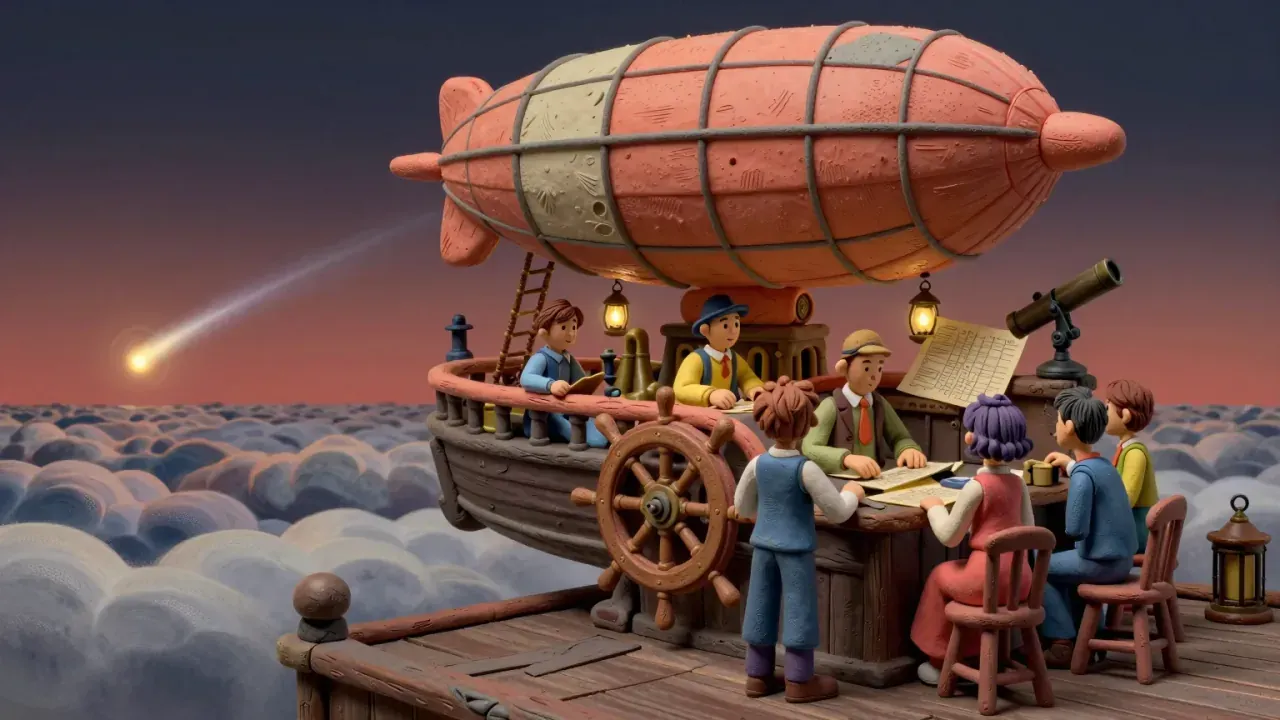
Tom Sawyer, Huckleberry Finn and Becky Thatcher stow away on an airship piloted by Mark Twain, who is travelling to keep what he believed was his destined appointment with the returning Halley's Comet, and along the way the children hear vignettes drawn from Twain's own stories, from a jumping frog to a vision of heaven. Vinton's stop-motion studio spent three and a half years and $1.5 million building the film in a converted Portland house, developing new computer-controlled camera and lighting systems along the way, only for a distributor to release the finished, distinctly adult-toned film as children's matinee programming.

13:00

The Lego Movie

Christopher Miller, Phil Lord · 2014

An ordinary Lego minifigure is mistaken for the chosen one destined to stop a tyrant from gluing the universe into permanent order. Phil Lord and Christopher Miller's 2014 film uses digital animation built to mimic stop motion and turns a marketing premise into a genuine argument about creativity.

13:00

The Secret of NIMH

Don Bluth · 1982

A widowed field mouse named Mrs. Brisby has to move her sick son before the farmer's plough destroys their home, and finds help among a colony of unusually intelligent rats who escaped a laboratory years earlier. Don Bluth directed the film as his debut after leaving Disney's animation department with several colleagues in 1979 to found an independent studio, taking on a book Disney had rejected twice before, adding mystical elements not present in the source novel, and finishing the whole project on a tighter budget and schedule than the studio he'd left would have allowed.

13:00

Yellow Submarine

George Dunning · 1968

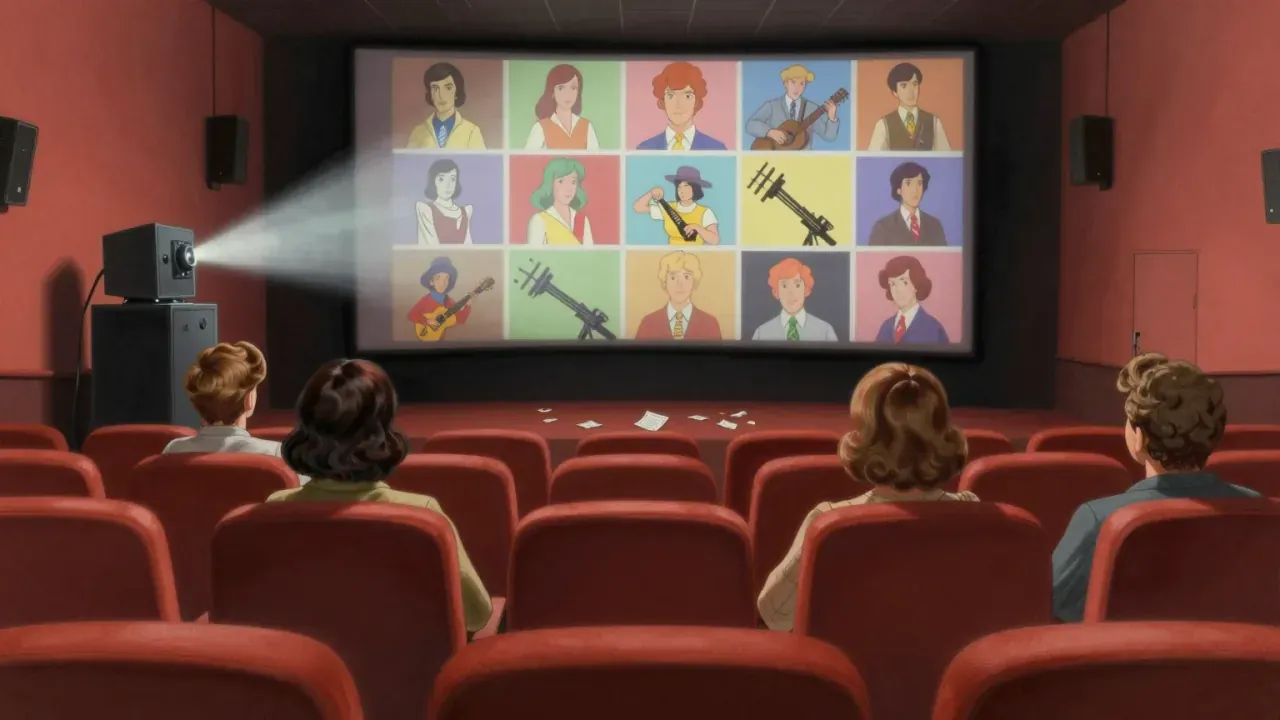
The Beatles' animated counterparts, voiced by actors rather than the band themselves, sail to Pepperland to save it from the music-hating Blue Meanies, with the story mostly serving as connective tissue between sequences built around individual songs. George Dunning directed, with art director Heinz Edelmann's psychedelic pop-art style giving the film a visual identity that outlived its plot.