filmbriefs
Topic

Japan

Craft, restraint and reinvention, from the Edo workshop to the Tokyo studio.

31
in film
13:00
average
403 min
in total
114
across the network
Japan across the network →
All briefs31
13:00

Black Sun

Koreyoshi Kurahara · 1964

Black Sun (1964), directed by Koreyoshi Kurahara for Nikkatsu, follows Akira, a young Japanese thief, and Gill, an injured African-American soldier, as they move silently toward the sea after a violent encounter. Shot in high-contrast monochrome, with sparse music by Toshiro Mayuzumi and Max Roach, it uses jazz records, ruined architecture, and deliberate pacing to explore connection without translation. Its themes centre on embodied difference, failed communication, and freedom as ascent rather than arrival.
13:00

Love under the Crucifix

Kinuyo Tanaka · 1962

Kinuyo Tanaka’s 1962 drama follows Ogin, daughter of tea master Sen no Rikyū, whose childhood bond with Christian daimyō Takayama Ukon becomes untenable amid rising anti-Christian persecution and feudal obligation. Married off to a merchant, she navigates loyalty, faith, and desire under constant political scrutiny — culminating in a quiet, self-determined exit from a world that permits her no legitimate place. Shot by Yoshio Miyajima and scored by Hikaru Hayashi, it is a restrained, historically grounded portrait of constrained agency.

13:00

Ornamental Hairpin

Hiroshi Shimizu · 1941

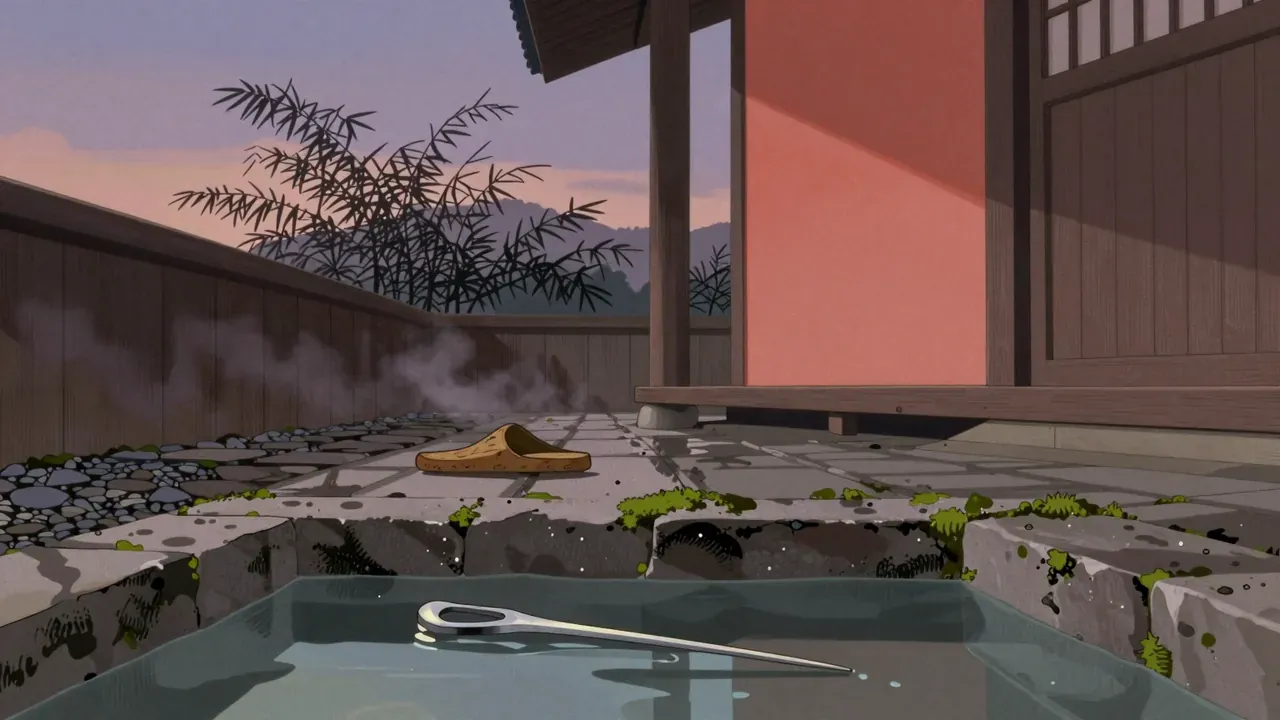
Set entirely at a remote Japanese hot-spring resort in 1941, Ornamental Hairpin follows a group of guests — a soldier, a geisha, two boys, a professor, an old man — whose intersecting stays are extended by a single lost hairpin. Directed by Hiroshi Shimizu and starring Kinuyo Tanaka, it is a quiet, observational drama that finds emotional weight in routine, restraint, and unspoken connection, refusing both wartime urgency and narrative resolution.

13:00

Sanshiro Sugata Part II

Akira Kurosawa · 1945

Made in early 1945 for Toho, Sanshiro Sugata Part II follows Sanshiro Sugata’s training under judo’s founder, culminating in a symbolic boxing match against an American sailor. Directed and edited by Akira Kurosawa, with cinematography by Takeo Itō and music by Seiichi Suzuki, the film departs from the spiritual focus of its predecessor to assert judo’s moral and physical supremacy amid Japan’s wartime collapse. Its fights are tightly structured, its ideology unambiguous, its landscape functional rather than lyrical. It is less a character study than a controlled rehearsal of triumph — historically revealing, aesthetically restrained.

13:00

Sword of the Beast

Hideo Gosha · 1965

Set in 1857 Japan, Sword of the Beast follows Gennosuke, a samurai fugitive manipulated into killing his clan’s counsellor. On the run, he joins a farmer poaching gold from the shōgun’s mountain, where he encounters another samurai and his wife — also stealing gold, also doomed by their clan. As loyalties fracture and betrayals mirror one another, Gennosuke chooses solidarity over survival, culminating in a terse, consequential battle. Directed by Hideo Gosha, the film is spare, morally exacting, and resolutely unromantic about honour, duty, or redemption.

13:00

The Insect Woman

Shohei Imamura · 1963

Shohei Imamura’s 1963 drama follows Tome Matsuki from rural childhood to post-war Tokyo madam across thirty-two episodic chapters. Sachiko Hidari’s unsentimental performance, Shinsaku Himeda’s unadorned cinematography, and Toshiro Mayuzumi’s sparse score serve a vision of class and gender as material forces — not backdrops, but shaping pressures. Entered in Berlin, where Hidari won Best Actress, it remains a benchmark of socially grounded Japanese cinema.

13:00

The Tale of Zatoichi

Kenji Misumi · 1962

The 1962 Japanese jidaigeki film The Tale of Zatoichi introduces Shintarō Katsu as the blind masseur-swordsman Zatoichi, hired by warring yakuza factions. Directed by Kenji Misumi and written by Kan Shimozawa, it establishes a tone of quiet gravity, where honour is enacted in small refusals and violence resolved with minimal flourish. Its strength lies in the restrained performances, Akira Ifukube’s percussive score, and its refusal to romanticise either disability or bushidō. Though some supporting characters remain underdeveloped, the central relationship between Zatoichi and the dying ronin Hirate gives the film its enduring resonance.

13:00

The Warped Ones

Koreyoshi Kurahara · 1960

Koreyoshi Kurahara’s 1960 film follows a group of Tokyo youths — Akira, Masaru and Yuki — whose criminality, sexual recklessness and jazz obsession unfold across tenements, beaches and jazz clubs. With a frenetic editing style, Toshiro Mayuzumi’s urgent jazz score, and performances stripped of psychology, the film presents its characters as environmental effects rather than agents. It avoids moral framing, resists narrative padding, and sustains a tone of controlled volatility across its 75-minute runtime. Though often compared to Breathless and Rebel Without a Cause, it diverges by refusing empathy, explanation or resolution — offering instead a tightly wound, formally audacious document of post-war dislocation.

13:00

The X from Outer Space

Kazui Nihonmatsu · 1967

The X from Outer Space (1967) is a Japanese kaiju film directed by Kazui Nihonmatsu, produced under governmental tax incentives to promote Japanese genre cinema abroad. It follows a Martian spore that mutates into Guilala — a jet-headed, feathered monster — which rampages through Tokyo before being neutralised with a fictional compound and launched into solar orbit. Made with shared effects resources and minimal narrative scaffolding, it prioritises momentum and tactile spectacle over coherence or character. Released theatrically in Japan and later on US television, it has endured as a touchstone of earnest, low-budget tokusatsu.

13:00

Zatoichi and the Chess Expert

Kenji Misumi · 1965

The twelfth Zatoichi film follows the blind masseur as he travels with a shogi master, a grieving aunt, and her injured niece. Suspicion mounts as murders occur, each clue pointing toward the master—yet Zatoichi delays judgment, reading intent through games and gesture rather than proof. Directed by Kenji Misumi with austere control, it is a study in withheld certainty, where every pause and every move matters more than the final strike.

13:00

Stray Dog

Akira Kurosawa · 1949

A young Tokyo detective loses his service pistol in a crowded trolley in the summer of 1949. With the help of a veteran colleague, he traces it through the city’s black markets, yakuza networks, and dance halls — not to deliver vengeance, but to understand how postwar desperation reshapes morality, authority, and the very idea of justice.

13:00

Arrietty

Hiromasa Yonebayashi · 2010

A tiny Borrower named Arrietty risks everything her family fears by letting herself be seen by a sickly human boy. Hiromasa Yonebayashi's 2010 directorial debut, based on Mary Norton's novel, trades Ghibli's usual scale for something quieter and more contained.

13:00

Big Hero 6

Chris Williams, Don Hall · 2014

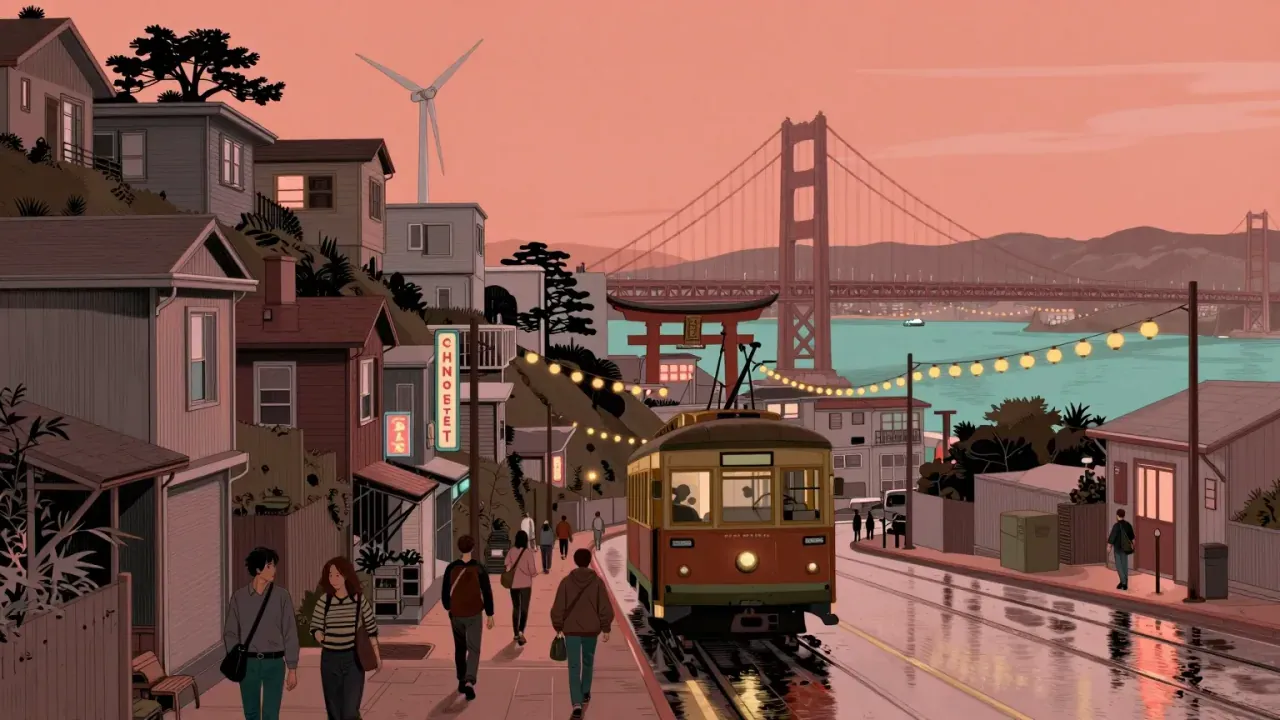
A robotics prodigy grieving his brother's death assembles a makeshift team, led by a soft, inflatable healthcare robot named Baymax, to confront the person responsible. Don Hall and Chris Williams's 2014 film sets its Marvel-derived plot in a hybrid San Francisco-Tokyo city and keeps its emotional focus on loss rather than spectacle.

13:00

Castle in the Sky

Hayao Miyazaki · 1986

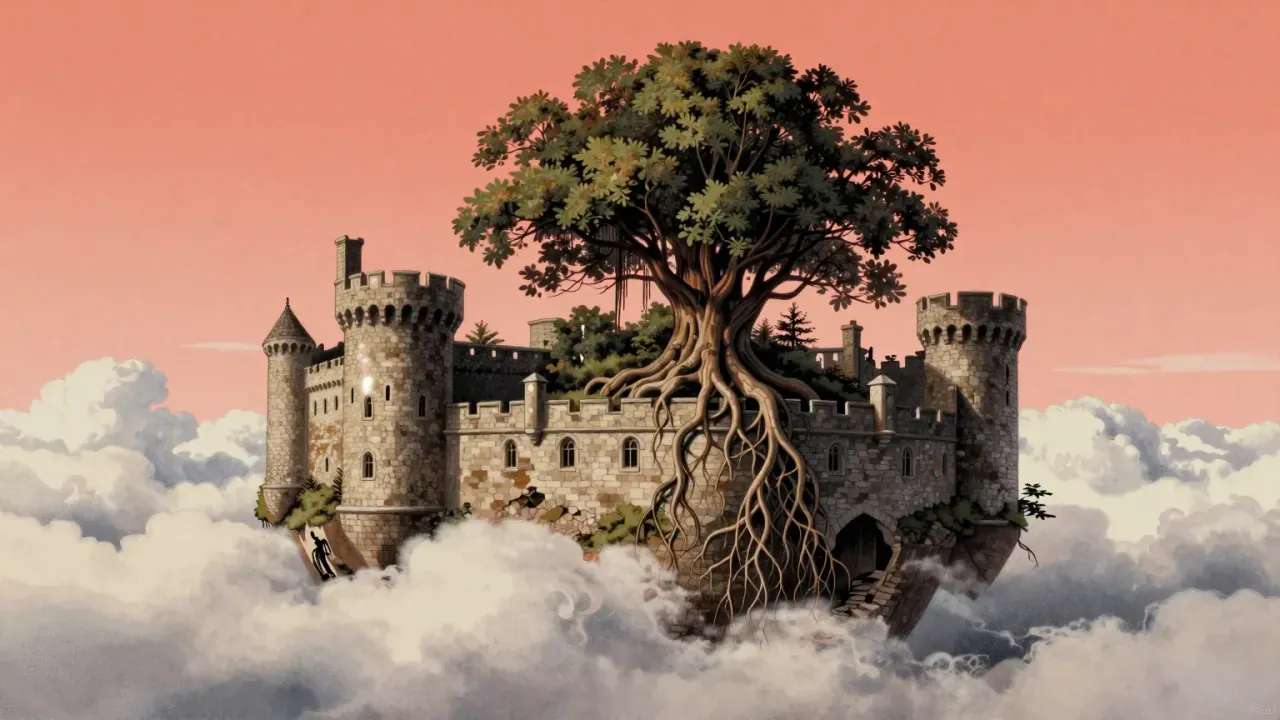
Hayao Miyazaki's 1986 debut for Studio Ghibli follows orphans Sheeta and Pazu as a government agent, the army and a band of air pirates all chase the crystal pendant that unlocks Laputa, a legendary castle adrift above the clouds. It underperformed on release but has since become a Ghibli staple, prized for its nineteenth-century-engineered flying machines and Joe Hisaishi's score.

13:00

Isle of Dogs

Wes Anderson · 2018

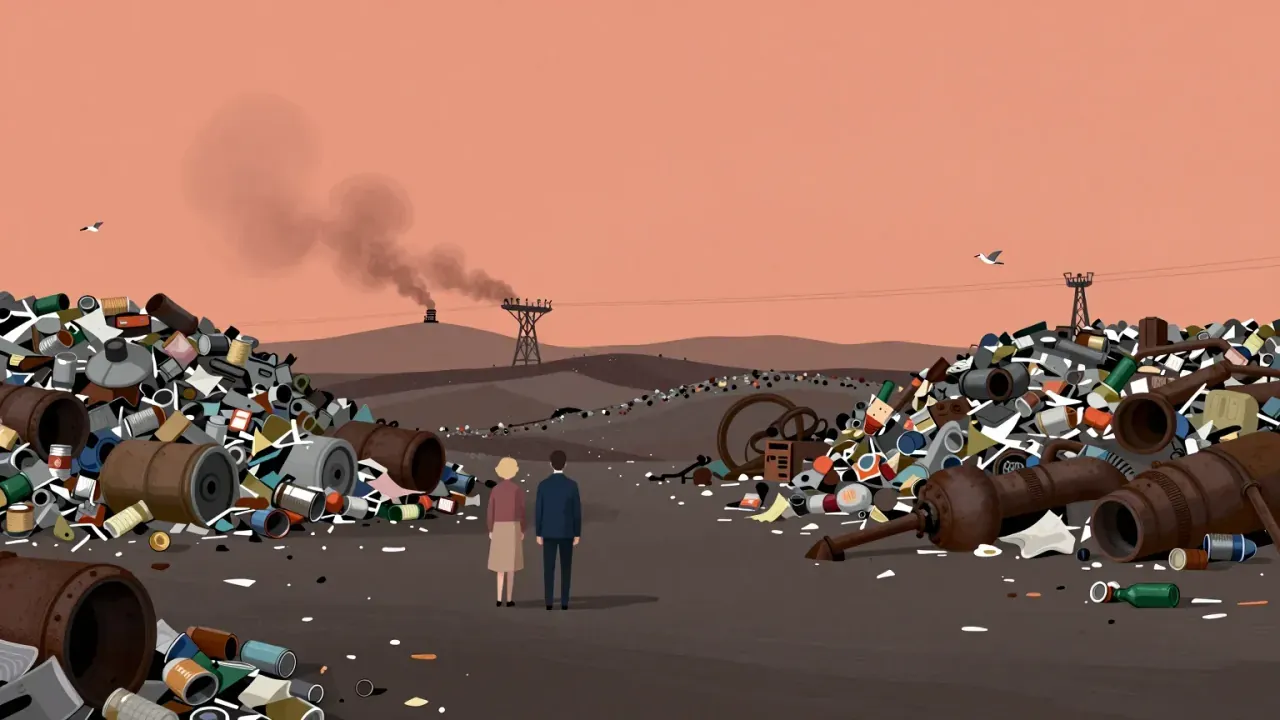
A dictatorial mayor exiles every dog in the fictional Japanese city of Megasaki to Trash Island over a manufactured flu outbreak, and his own twelve-year-old ward hijacks a plane to find his banished bodyguard dog among them. Wes Anderson's second stop-motion feature, drawing openly on Akira Kurosawa and Hayao Miyazaki, pairs meticulous handcrafted puppetry with a plot about political corruption and canine loyalty, while drawing sustained criticism for how it handles the Japanese setting and characters within it.

13:00

Kiki's Delivery Service

Hayao Miyazaki · 1989

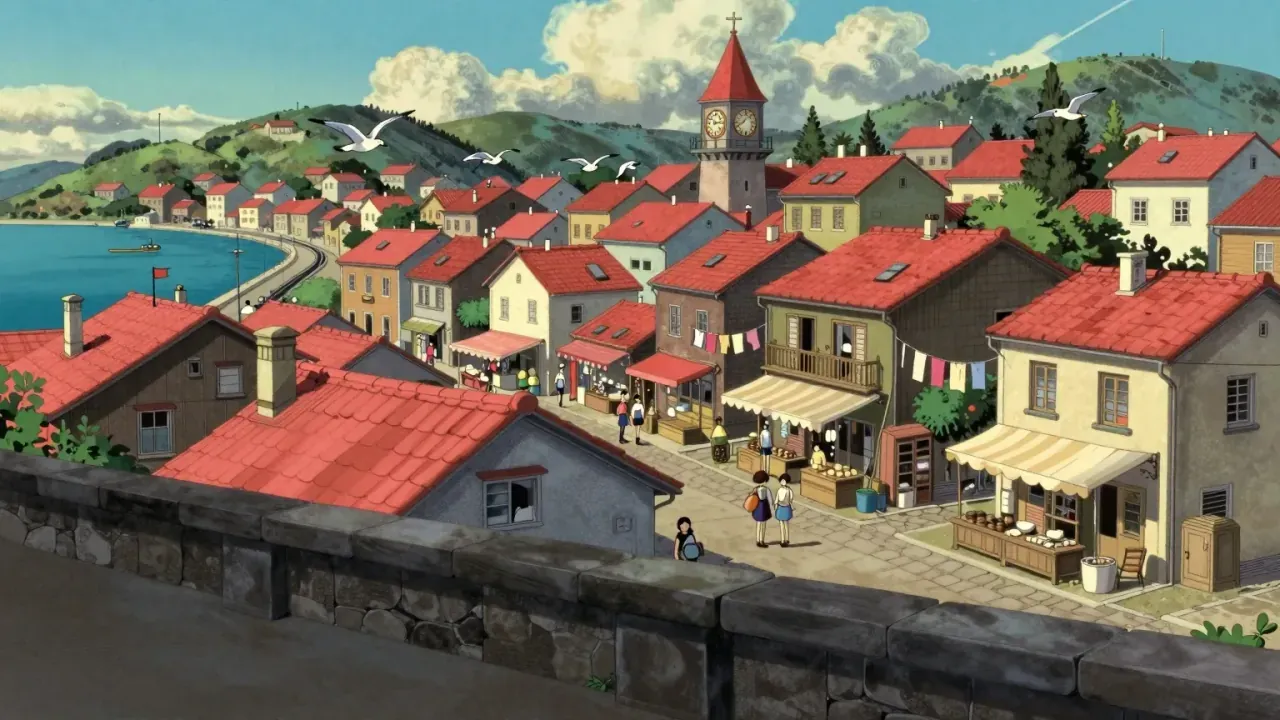
Hayao Miyazaki's 1989 film follows thirteen-year-old witch Kiki as she leaves home to complete a year of independent training in a coastal city, running a flying courier service with her cat Jiji. Miyazaki rewrote Eiko Kadono's more episodic novel to centre on the strain of independence itself, and the film became the first Studio Ghibli release to succeed commercially on first release.

13:00

Kubo and the Two Strings

Travis Knight · 2016

In a fictionalised feudal Japan, a one-eyed boy named Kubo earns a living by animating paper figures with music, until his grandfather's ghostly aunts arrive to finish what took his eye in infancy. Travis Knight's directorial debut for Laika pairs handmade stop-motion craft, inspired by ukiyo-e woodblock printing, with a quest plot that leans harder on grief and loss than most animated adventures aimed at children.

13:00

Mirai of the Future

Mamoru Hosoda · 2018

Kun, four years old and furious at the attention his newborn sister Mirai is getting, starts slipping into the family garden and meeting relatives out of chronological order: a teenage future version of Mirai, his mother as a scolded little girl, his great-grandfather as a young man. Mamoru Hosoda, drawing directly on watching his own son react to a new sibling, builds the film's fantasy elements not as escape from Kun's anger but as a way of walking him back through it.

13:00

My Neighbor Totoro

Hayao Miyazaki · 1988

Released on a double bill with Grave of the Fireflies in 1988, Hayao Miyazaki's film follows sisters Satsuki and Mei as they move to the countryside while their mother recovers in hospital, and meet the forest spirits living around their new home. It grossed a modest sum on first release but has since become Studio Ghibli's signature work, with Totoro serving as the studio's mascot.

13:00

Nausicaä of the Valley of the Wind

Hayao Miyazaki · 1984

A thousand years after industrial civilisation collapsed, Princess Nausicaä tries to keep her small valley out of a war between an empire determined to burn a toxic jungle and the giant insects that guard it. Miyazaki wrote and directed the film from his own still-unfinished manga, with only sixteen chapters of story to draw from and a production schedule of nine months on a budget under a million dollars, working with composer Joe Hisaishi for the first time and with the minor studio Topcraft rather than a major animation house.

13:00

Only Yesterday

Isao Takahata · 1991

Isao Takahata's 1991 film follows Taeko, twenty-seven, on a countryside holiday where memories of herself at age ten resurface alongside a present-day romance with a young farmer. Adapted from an episodic manga that covered only the childhood material, with the adult framing story invented by Takahata himself, it became the highest-grossing Japanese film of 1991 despite total absence of fantasy or spectacle.

13:00

Pom Poko

Isao Takahata · 1994

Pom Poko follows a colony of shapeshifting tanuki in the hills outside Tokyo as they organize, and ultimately fail, to stop a suburban development project from destroying their forest home across three decades. Isao Takahata wrote and directed for Studio Ghibli, drawing on Japanese bake-danuki folklore and crediting several folklorists and illustrators for the tanuki's designs and lore. The film topped Japan's box office in 1994, taking in ¥4.47 billion, and won the Grand Prix at Annecy the following year.

13:00

Princess Mononoke

Hayao Miyazaki · 1997

Princess Mononoke follows Ashitaka, a young prince cursed by a demonized boar god, as he travels west and becomes caught in the war between Lady Eboshi's ironworks town and the animal gods defending their forest, including San, a girl raised by wolves. Hayao Miyazaki wrote and directed the film for Studio Ghibli after nearly two decades of development, using limited computer-generated imagery alongside hand-drawn animation for the first time in his work. Marketed by producer Toshio Suzuki in the largest advertising campaign Japan had seen for a film at that point, it became the country's highest-grossing release and the first Ghibli film given a wide international release, through a Disney-brokered deal that handed its English dub to novelist Neil Gaiman.

13:00

Rashomon

Akira Kurosawa · 1950

Akira Kurosawa's 1950 film gathers a woodcutter, a priest and a passer-by under the ruined Rashomon gate during a rainstorm as the first two recount a trial testimony about a samurai's death in a forest, told in turn by a captured bandit, the samurai's wife, the dead man himself through a medium, and finally the woodcutter who found the body. Shot by Kazuo Miyagawa, who pointed a camera directly into sunlight through forest canopy for the first time in Japanese studio film, and made for around $140,000, it won the Golden Lion at Venice and an honorary Academy Award, introducing much of the West to Japanese cinema in the process.

13:00

Seven Samurai

Akira Kurosawa · 1954

Akira Kurosawa's 1954 film follows a poor farming village that recruits seven masterless samurai, offering only food and shelter, to defend it against a bandit gang planning to return once the barley ripens. Shot by Asakazu Nakai across a punishing production that ran well over schedule, scored by Fumio Hayasaka and led by Toshiro Mifune and Takashi Shimura, the film ran to 207 minutes and cost 210 million yen, a large outlay for the period, before shaping the template that countless action and heist films have followed since.

13:00

Spirited Away

Hayao Miyazaki · 2001

Spirited Away follows ten-year-old Chihiro, whose parents are turned into pigs after wandering into a spirit world, as she takes a job in the witch Yubaba's bathhouse to survive and undo the curse. Hayao Miyazaki wrote and directed the film for Studio Ghibli after designing it specifically for the young daughters of family friends, and it became the highest-grossing film in Japanese history at the time, winning the Golden Bear and the Academy Award for Best Animated Feature.

13:00

Suzume

Makoto Shinkai · 2022

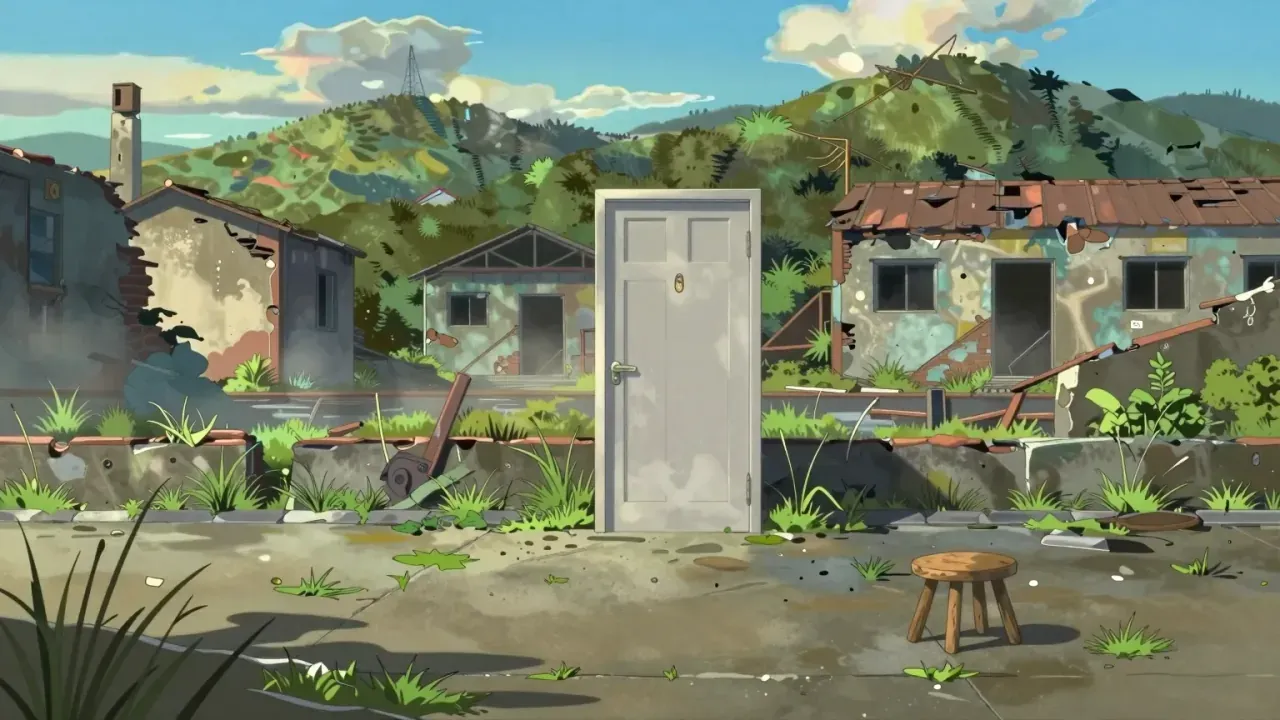
Seventeen-year-old Suzume Iwato joins a young door-closer named Souta, who is turned into a three-legged chair partway through their journey, on a trip across Japan sealing doors that release a giant, earthquake-triggering worm. The third film in Makoto Shinkai's disaster trilogy, following Your Name and Weathering with You, draws directly on the 2011 Tohoku earthquake and tsunami.

13:00

The Tale of the Princess Kaguya

Isao Takahata · 2013

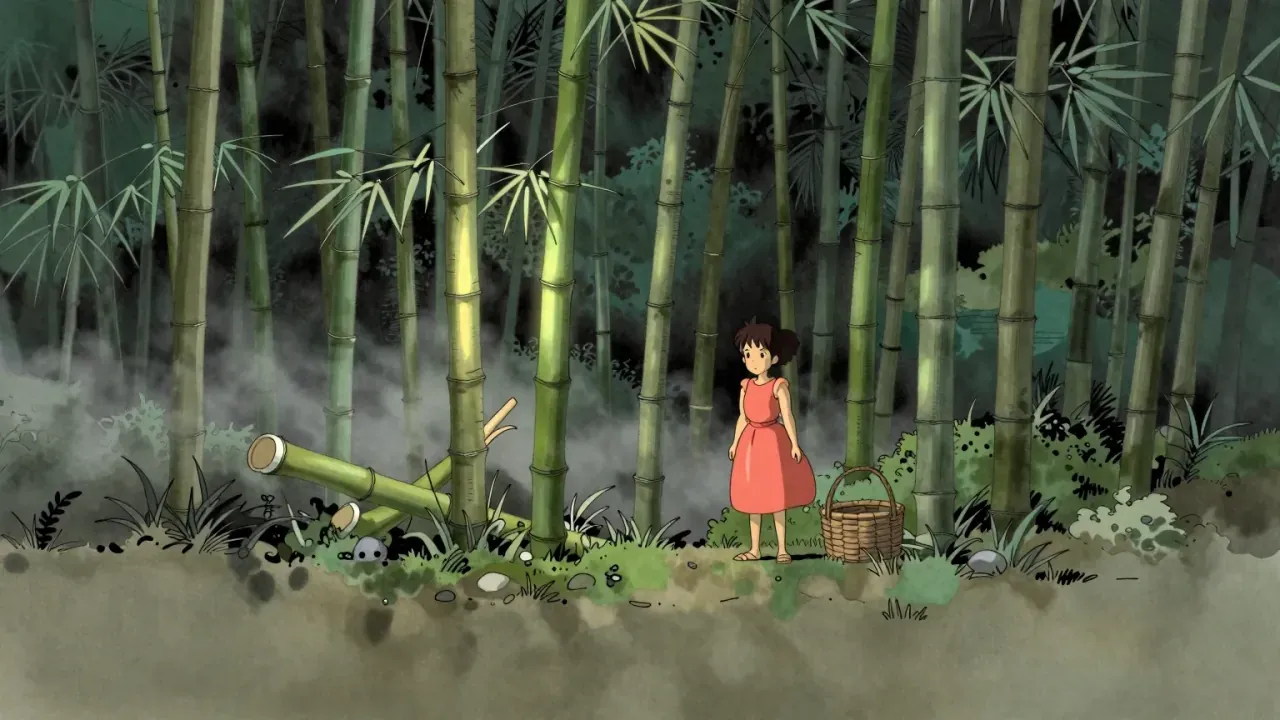
A girl born from a bamboo stalk is raised by a poor cutter who, on discovering gold nearby, drags her into a nobility she never wanted. Isao Takahata's 2013 adaptation of a tenth-century Japanese tale uses loose, watercolour-like animation to match its heroine's resistance to being made presentable.

13:00

The Wind Rises

Hayao Miyazaki · 2013

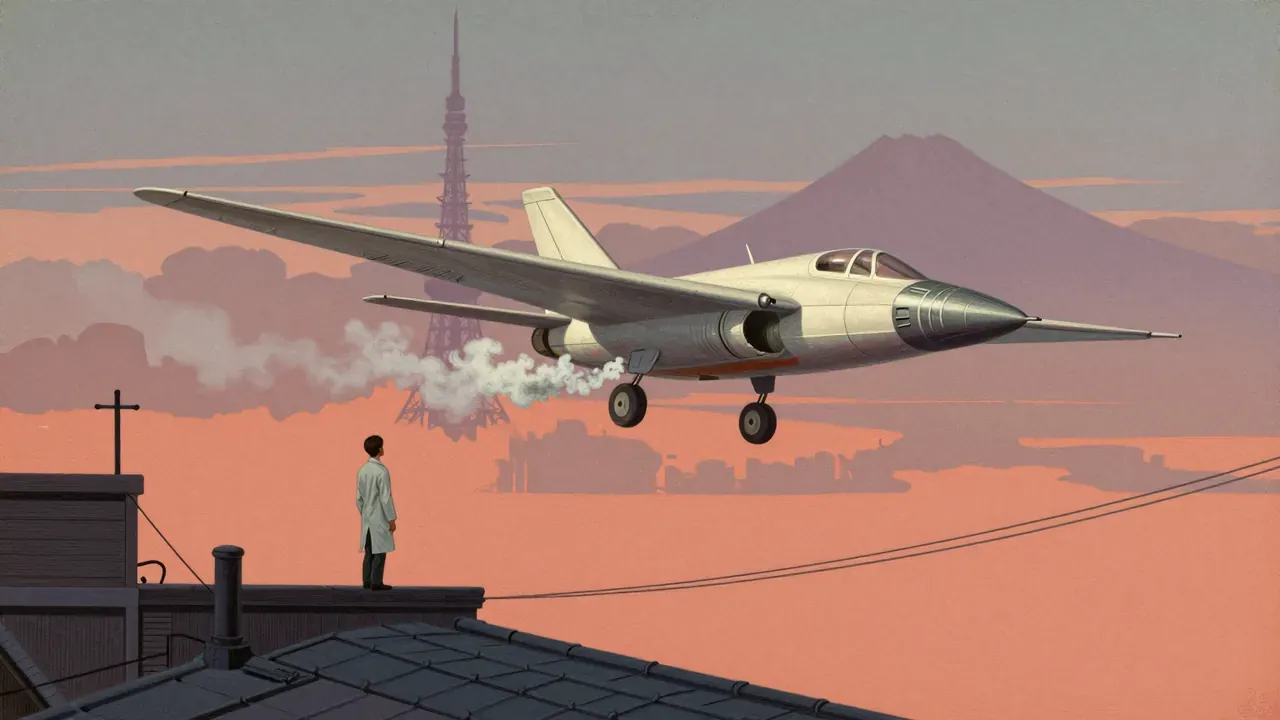
A fictionalised account of aeronautical engineer Jiro Horikoshi, who dreamed of flight but could only design the machines rather than pilot them himself. Hayao Miyazaki's 2013 film pairs a delicate romance with the uncomfortable fact of what Horikoshi's designs became.

13:00

Weathering with You

Makoto Shinkai · 2019

Hodaka, a runaway sixteen-year-old scraping by in Tokyo, teams up with Hina, an orphaned girl who can part the rain with a prayer, to sell her ability as a paid service during an unusually long, disaster-scale downpour. Shinkai's follow-up to Your Name, again scored by Radwimps, pushes his interest in weather and disaster further than its predecessor by making the couple's happiness and the city's survival mutually exclusive, and then letting a teenager choose.

13:00

Your Name

Makoto Shinkai · 2016

A Tokyo boy and a rural girl who have never met begin waking up in each other's bodies, building a friendship across the swap before a hidden twist reveals the stakes are far higher than a shared inconvenience. Makoto Shinkai wrote, directed, shot and edited the film after visiting a village destroyed by the 2011 tsunami, and Your Name became the first entry in what critics now call his disaster trilogy, and briefly the highest-grossing Japanese film ever made.