filmbriefs
Topic

Avant-garde

Being early, and the risk that comes with it.

44
in film
13:00
average
572 min
in total
164
across the network
Avant-garde across the network →
All briefs44
13:00

À propos de Nice

Jean Vigo · 1930

Jean Vigo’s 1930 debut À propos de Nice is a 25-minute silent documentary shot in Nice by Boris Kaufman and edited by Vigo. It juxtaposes images of bourgeois leisure — casinos, promenades, motor races — with scenes of working-class life — laundry, street play, factory labour — to expose social fracture without commentary. Structured as a visual essay, it avoids travelogue conventions and relies on rhythmic editing, low-angle framing, and stark contrasts to make its case. Though abstracted and deliberately unspecific, its formal rigour and polemical clarity remain potent.
13:00

A Woman Is a Woman

Jean-Luc Godard · 1961

Jean-Luc Godard’s 1961 colour debut is a self-aware, formally restless romantic comedy starring Anna Karina as Angéla, an exotic dancer determined to have a child. Shot in Paris by Raoul Coutard and scored by Michel Legrand, it uses musical interludes, abrupt edits, and stylised dialogue to interrogate genre conventions, gender roles, and the language of desire — all without relinquishing its wit or warmth.

13:00

Blow Up My Town

Chantal Akerman · 1968

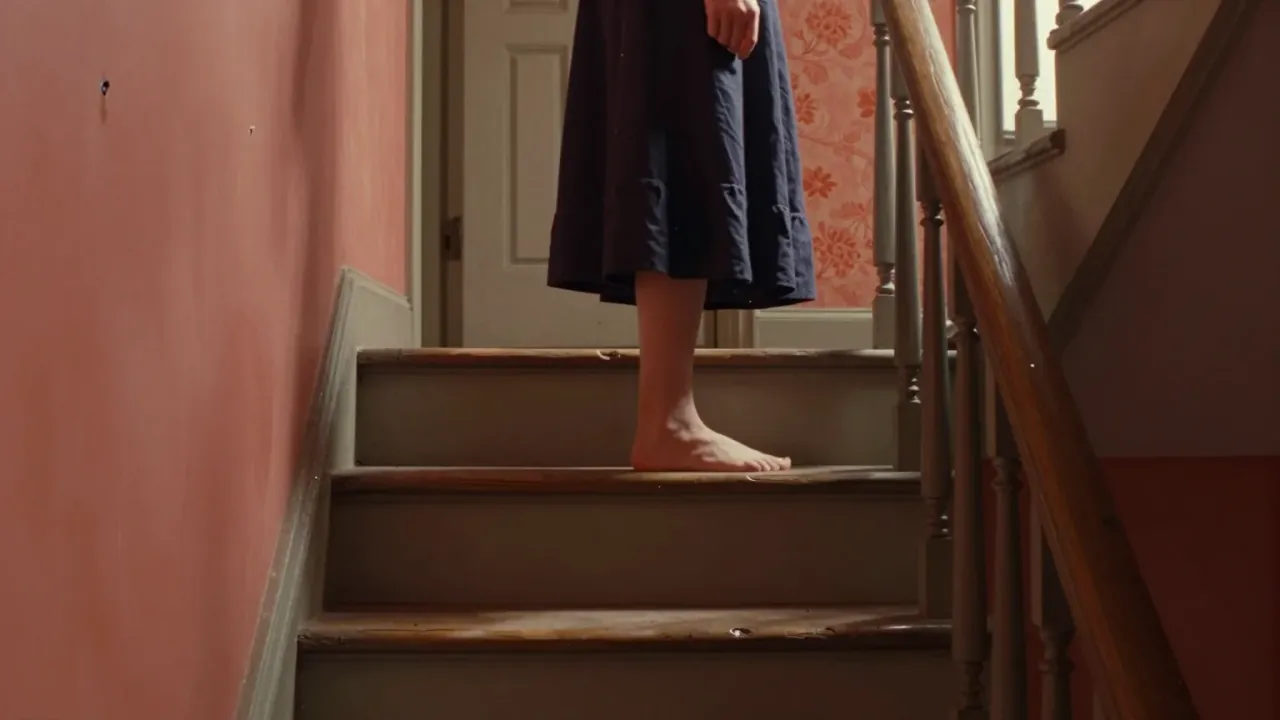
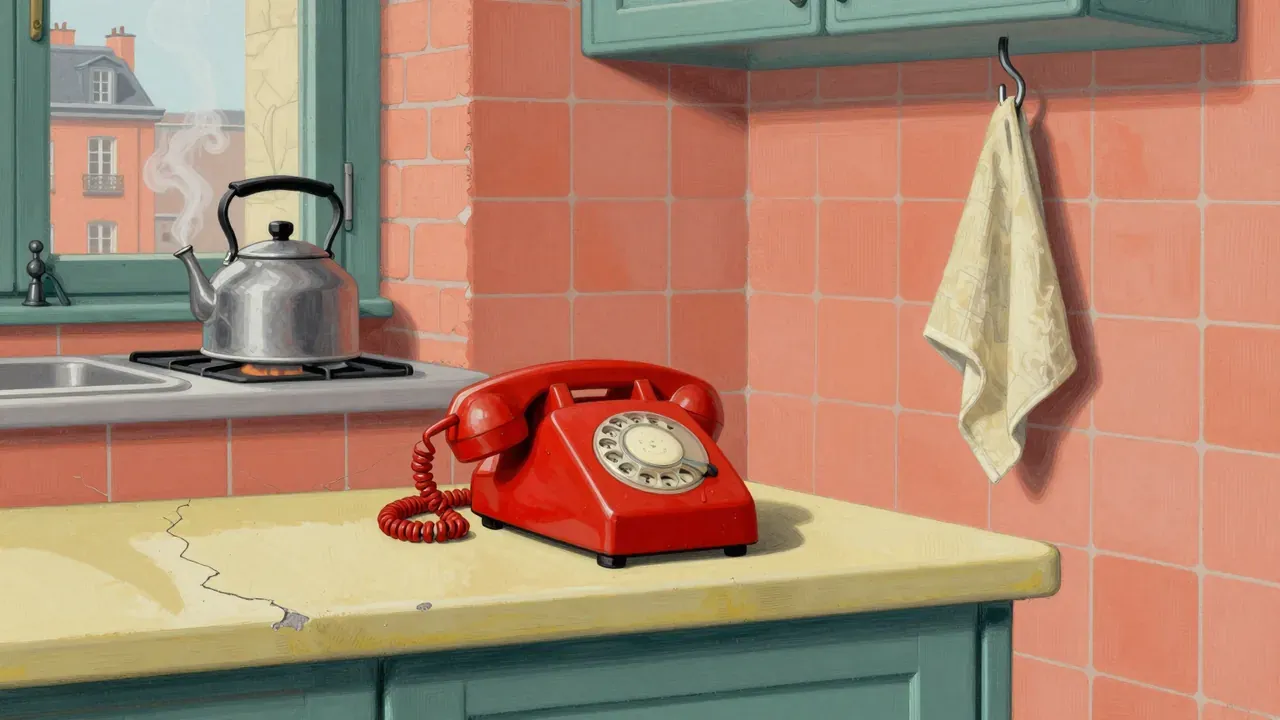
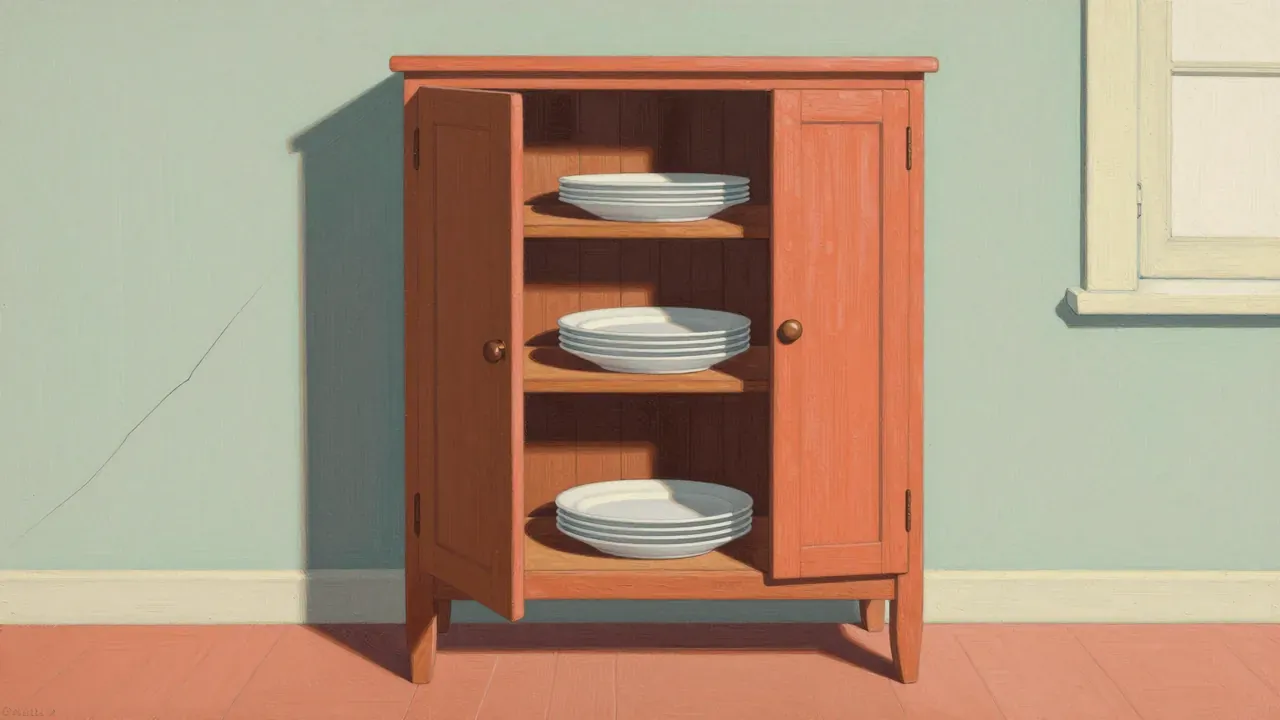
Blow Up My Town is a 13-minute Belgian short film directed by and starring Chantal Akerman, released in 1968. Filmed in French in a single domestic interior with no edits or soundtrack, it follows a solitary woman performing mundane kitchen tasks before an off-screen explosion ends the film. It belongs to Akerman’s early structuralist period, sharing concerns with time, repetition, and the charged ordinariness of domestic space. Though obscure and formally austere, it functions as a precise calibration of attention — less a story than a sustained observation of how routine holds latent force.

13:00

Borderline

Kenneth Macpherson · 1930

Borderline (1930), written and directed by Kenneth Macpherson, is a silent British-Swiss drama starring Paul and Eslanda Robeson and H.D. Set in a Swiss guesthouse, it traces an interracial love triangle amid local hostility, using Eisensteinian montage and Pabst-influenced psychological framing. Restored in 2006 and again in 2010 with new soundtracks, it remains a demanding, formally rigorous work — less concerned with storytelling than with how cinema constructs meaning around race, gender, and social boundary-making.

13:00

Brand upon the Brain!

Guy Maddin · 2006

Guy Maddin’s 2006 silent-film pastiche follows a man revisiting his childhood home — a lighthouse-orphanage — triggering twelve chapters of repressed memory. Filled with Freudian horror, surreal ritual, and maternal vampirism, it uses stylised performance, intertitles, and Jason Staczek’s score to build a world where trauma repeats like a scratched record. Narrated on screen by Isabella Rossellini, it is arthouse cinema at its most formally committed and emotionally raw.

13:00

Chafed Elbows

Robert Downey Sr. · 1966

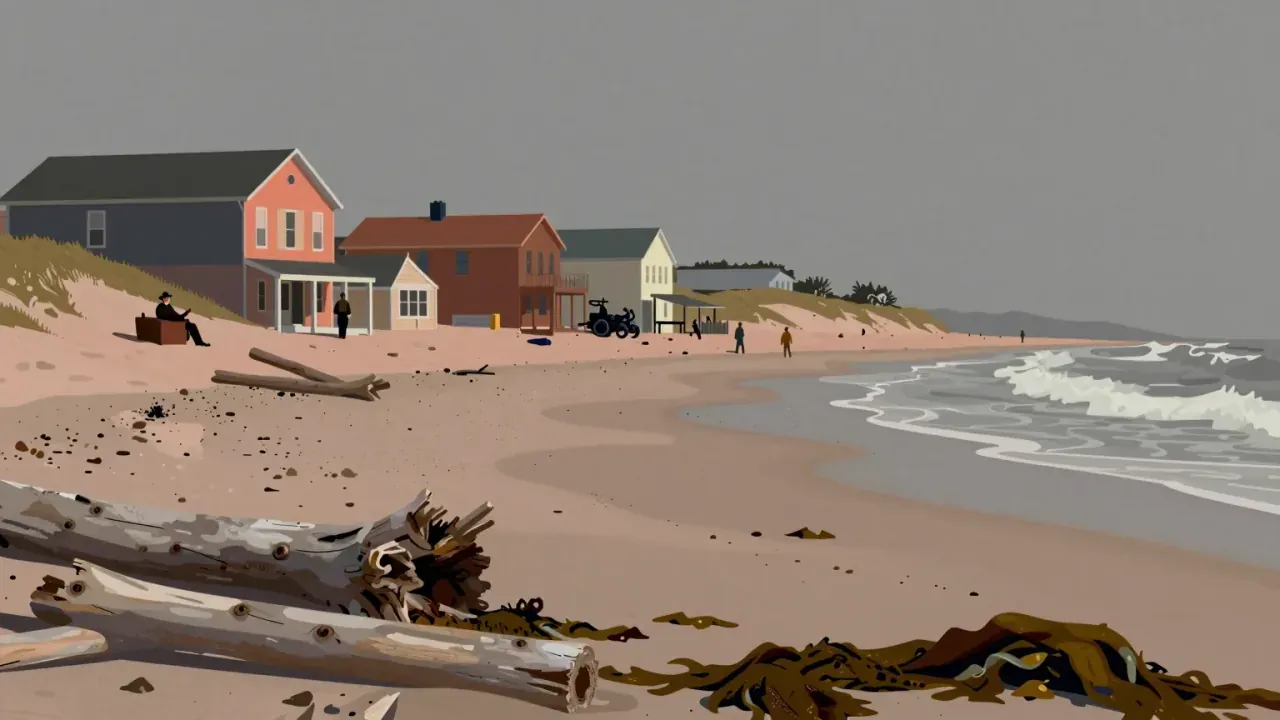
Robert Downey Sr.’s 1966 underground comedy Chafed Elbows uses still photography, post-dubbed dialogue, and radical role doubling to dismantle narrative cinema from within. Shot for $12,000, mostly on 35mm stills developed at Walgreens, it follows Walter Dinsmore’s hallucinatory day at the 1964 World’s Fair — a sequence of grotesque, satirical episodes held together by rhythm and repetition rather than logic. Though technically crude and structurally fractured, it remains a pivotal work of American experimental film: abrasive, intelligent, and deliberately unsustainable as entertainment.
13:00

Double Suicide: Japanese Summer

Nagisa Ōshima · 1967

Double Suicide: Japanese Summer (1967), directed by Nagisa Ōshima, is a stark, symbol-laden drama in which a young woman named Nejiko is imprisoned by yakuza after witnessing them unearth buried weapons. Stylised rather than realistic, it uses theatrical roles (Televi, Oni, Omocha), flat lighting by Yasuhiro Yoshioka, and a dissonant score by Hikaru Hayashi to examine coercion, gendered control, and the banality of violence. With no exposition or psychological backstory, it relies on repetition, gesture, and spatial constraint to make ideology visible — not as idea, but as practice.

13:00

Every Man for Himself

Jean-Luc Godard · 1980

Every Man for Himself (1980) is Jean-Luc Godard’s rigorously structured drama, composed in four parts like a musical work. Following three protagonists — a filmmaker, a journalist, and a sex worker — across intersecting lives in Switzerland, it examines alienation, commodification, and the erosion of time and intimacy under capitalism. Shot by Renato Berta and William Lubtchansky, edited by Godard himself, and scored by Gabriel Yared, it employs deliberate decelerations, sparse dialogue, and the recurring aria Suicidio! as structural motif. Nathalie Baye won the César Award for Best Supporting Actress.

13:00

Forty Guns

Samuel Fuller · 1957

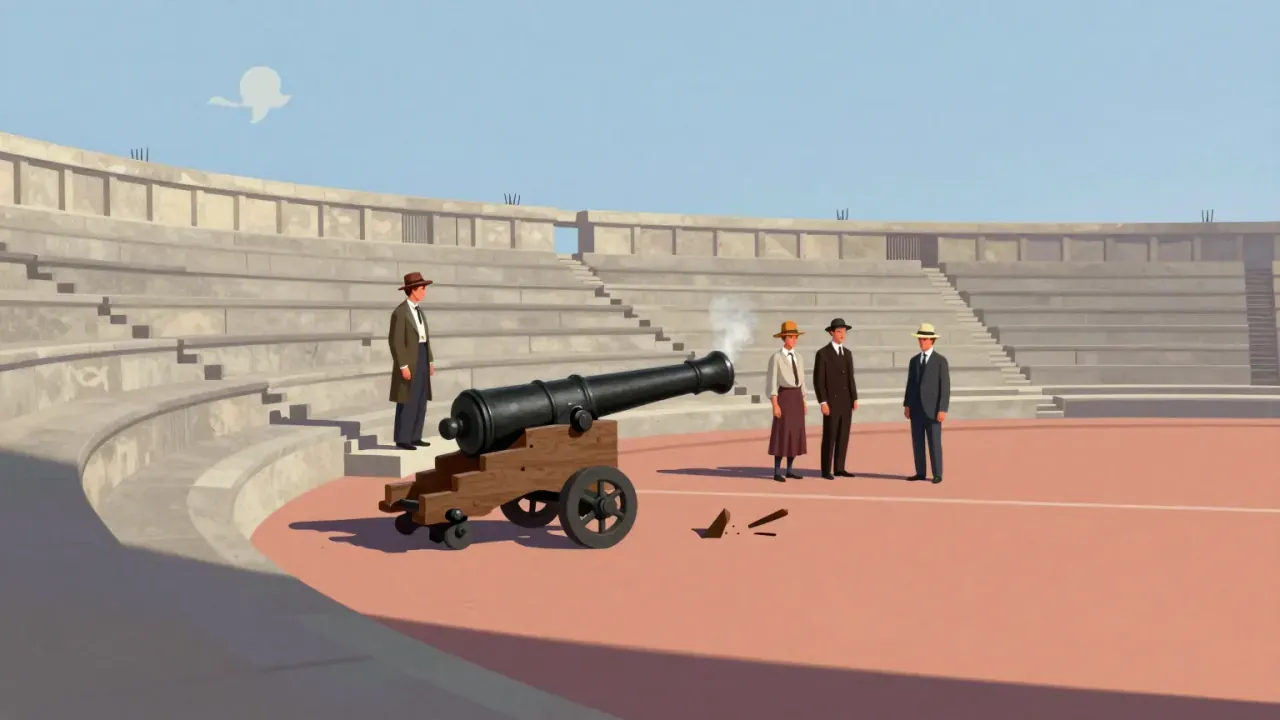
Samuel Fuller’s 1957 Forty Guns is a lean, black-and-white Western filmed in CinemaScope, starring Barbara Stanwyck as Jessica Drummond, a landowner who rules Tombstone with forty hired guns. Griff Bonnell (Barry Sullivan) arrives to enforce federal law, not settle scores — and finds himself negotiating not with outlaws but with systems: debt, inheritance, jurisdiction. Fuller’s direction is precise, Joseph F. Biroc’s cinematography exploits width for irony not spectacle, and the film’s moral architecture refuses easy binaries. It is less about taming the frontier than transferring authority — from family to state, from whip to warrant.
13:00

Gummo

Harmony Korine · 1997

Harmony Korine’s 1997 debut is an experimental collage of life in a tornado-ravaged Midwestern town, shot in Nashville with non-actors, fragmented formats, and zero narrative scaffolding. It privileges texture over story, presence over psychology, and ambiguity over judgment — landing as a singular, abrasive, and deeply felt portrait of adolescence and poverty on the American periphery.

13:00

Hôtel Monterey

Chantal Akerman · 1972

Chantal Akerman’s 1972 debut feature is a silent, sixty-five-minute documentary shot in fixed long takes inside New York’s Hotel Monterey. With Babette Mangolte’s precise cinematography, it maps the building’s corridors, rooms and roof without narration, music or commentary — treating architecture as a sequence of visual propositions about time, space and perception.

13:00

India Song

Marguerite Duras · 1975

Marguerite Duras’s 1975 India Song is a radically elliptical drama set in 1930s Calcutta but filmed in decaying French châteaux and apartments. Delphine Seyrig’s voice narrates the life of Anne-Marie Stretter, wife of the French ambassador, over slow, empty images. Bruno Nuytten’s cinematography avoids intimacy; Carlos d’Alessio’s score hovers beneath dialogue; all performances are pre-recorded and detached. It is less a narrative than a sonic and spatial composition — austere, hypnotic, and uncompromising.

13:00

Je Tu Il Elle

Chantal Akerman · 1974

Chantal Akerman’s 1974 debut is a rigorously minimal French drama following Julie — played by Akerman — through three phases: solitary withdrawal, a silent hitchhike with a talkative truck driver, and a quiet reunion with her ex-lover. Shot in long takes with no score or expressive lighting, it treats duration, gesture and silence as primary materials. Its historical significance lies in its unadorned depiction of lesbian intimacy and its foundational role in slow cinema and feminist film practice.

13:00

King Lear

Jean-Luc Godard · 1987

Jean-Luc Godard’s 1987 King Lear is a ninety-minute essay-film shot in Switzerland, using only shards of Shakespeare’s text alongside quotations from Weil, Bresson, Woolf, and others. It rejects narrative continuity, linear character arcs, and cinematic convention in favour of repetition, silence, and deliberate disjunction. Funded by Cannon Films and shot alongside denim commercials, it treats money, copyright, and authorship as structural elements. Norman Mailer’s abandoned script and departure mid-production are woven into its fabric. The film is less about Lear than about the conditions under which any cultural work can be made—or remembered—after catastrophe.

13:00

La chambre

Chantal Akerman · 1972

Chantal Akerman’s 1972 short La chambre is an eleven-minute, single-take study of a woman moving silently within a bare bedroom. Shot in black-and-white with no editing, no score, and no dialogue, it tests the limits of attention, duration, and cinematic presence. Its power lies not in narrative or psychology, but in the accumulated weight of stillness and the material reality of the frame.

13:00

Le 15/8

Chantal Akerman · 1973

Le 15/8 is a 1973 Belgian essay-film by Chantal Akerman, shot in black-and-white on 16mm in a Brussels apartment. Over thirty-two minutes and seven static takes, it observes a young woman’s uneventful afternoon — eating, reading, gazing — with no dialogue, music, or narrative. Its power lies in duration, silence, and rigorous attention to light, space, and repetition. A foundational work of structural and feminist avant-garde cinema, it asks the viewer to inhabit time rather than consume it.
13:00

Limite

Mário Peixoto · 1931

A 1931 Brazilian silent experimental drama directed, written, and produced by Mário Peixoto, Limite follows three unnamed figures adrift in a rowboat while fragmented flashbacks reveal their fractured pasts. Shot on the coast near Rio de Janeiro by cinematographer Edgar Brasil and edited by Peixoto himself, the film uses rhythm, high-contrast imagery, and associative montage to evoke psychological stasis rather than narrative progression. Long considered lost, it was restored from a single deteriorating nitrate print between 1966 and 1978. Though it had minimal contemporary reception, it is now widely regarded as the greatest Brazilian film — a landmark of avant-garde cinema and a singular meditation on limit, memory, and endurance.

13:00

Lions Love

Agnès Varda · 1969

Lions Love (1969), directed by Agnès Varda, is an English-language French arthouse comedy filmed in Los Angeles. It follows a fictional throuple — played by Viva, Gerome Ragni, and James Rado — hosting filmmaker Shirley Clarke in their Beverly Hills home. Blending scripted scenes, documentary insertions, and meta-cinematic interventions, the film interrogates authorship, countercultural commodification, and the gendered labour of collaboration. With a score by Joseph Byrd and editing by Robert Dalva, it sustains a deliberate tonal ambiguity, refusing satire or nostalgia in favour of structural scrutiny. Though demanding and referential, it rewards attentive viewing as a precise, unsentimental portrait of a pivotal cultural moment.

13:00

News from Home

Chantal Akerman · 1976

News from Home (1976) is a French-language documentary by Chantal Akerman, composed of extended static shots of New York City locations — subway platforms, ferry decks, city streets — accompanied by Akerman’s voice reading letters from her mother written between 1971 and 1973. Shot by Babette Mangolte and edited by Francine Sandberg, it is a study in duration, alienation, and the quiet labour of correspondence across distance.

13:00

Performance

Donald Cammell, Nicolas Roeg · 1970

A violent East London gang enforcer, on the run after killing a rival, hides in the Notting Hill home of a reclusive rock star. What follows is less a thriller than a psychological and formal investigation into performance, identity, and the porous line between role and self. Directed by Donald Cammell and Nicolas Roeg, and starring James Fox and Mick Jagger, the 1970 British film uses fractured editing, dissonant sound, and deliberate ambiguity to unsettle narrative expectation and challenge assumptions about masculinity, class, and authenticity.

13:00

Pink Flamingos

John Waters · 1972

John Waters’ 1972 cult landmark Pink Flamingos stars Divine as Babs Johnson, a self-proclaimed criminal who must defend her title as 'the filthiest person alive' against rivals. Filmed in Baltimore on a $10,000 budget, it uses deliberate crudeness — in performance, editing, sound, and subject matter — as both aesthetic and ethical stance. Though notorious for its extremity, its power lies in its unwavering consistency: every frame, line, and edit serves the same uncompromising logic.

13:00

Querelle

Rainer Werner Fassbinder · 1982

Rainer Werner Fassbinder’s 1982 Querelle is a highly stylised, studio-bound adaptation of Jean Genet’s novel, starring Brad Davis as a murderous sailor navigating a closed world of erotic power games. Shot in lurid expressionist colour, it privileges symbolic repetition and artificial lighting over narrative logic or psychological realism. Though divisive, it stands as Fassbinder’s most uncompromising formal statement — a film less about story than about the weight of gesture, colour, and silence.

13:00

Rumble Fish

Francis Ford Coppola · 1983

Francis Ford Coppola’s 1983 adaptation of S. E. Hinton’s novel is a formally rigorous, high-contrast black-and-white fable about adolescent longing, imitation, and time. Starring Matt Dillon and Mickey Rourke, it treats Rusty James’s worship of his enigmatic brother as a ritual rather than a relationship — sustained by Stephen H. Burum’s expressionist cinematography and Stewart Copeland’s percussive, location-recorded score.

13:00

Sing a Song of Sex

Nagisa Ōshima · 1967

Sing a Song of Sex (1967), directed by Nagisa Ōshima, follows four Tokyo high school seniors over a single day—February 11, 1967—as they drift between exams, fantasies, drinking, and competitive singing. Structured as a musical collage rather than a linear narrative, it centres on the shunka folk song Yosakoi Bushi and explores frustrated male desire, generational disaffection, and the submerged Korean roots of Japanese identity. With improvised performances, overlapping sound design, and deliberate narrative gaps, it treats song as both archive and weapon.

13:00

Testament of Orpheus

Jean Cocteau · 1960

Testament of Orpheus (1960) is Jean Cocteau’s black-and-white fantasy film starring himself as an 18th-century poet moving through a mythic France. With cameos from Picasso, Marais, Brynner and others, it forms the third part of his Orphic Trilogy. Structured as a series of symbolic vignettes rather than a narrative, it reflects on mortality, authorship and artistic legacy through repetition, doubling and formal restraint. Georges Auric composed the score; Marie-Josèphe Yoyotte edited it. It is an essay-film in cinematic form — elliptical, self-referential, and addressed to those already familiar with Cocteau’s work.

13:00

The American Soldier

Rainer Werner Fassbinder · 1970

Rainer Werner Fassbinder’s 1970 drama The American Soldier follows Ricky, a German-American Vietnam veteran turned contract killer working for renegade Munich police. Shot in stark, frontal compositions by Dietrich Lohmann and edited with metronomic restraint by Thea Eymèsz, the film strips away psychology and suspense to expose the administrative logic of violence. Its themes — complicity, procedural detachment, language as control — are enacted, not explained. A demanding, formally rigorous work from Fassbinder’s early arthouse period.

13:00

The Blood of a Poet

Jean Cocteau · 1932

Jean Cocteau’s 1932 debut feature is a 55-minute avant-garde fantasy structured in four discontinuous sections. An artist sketches a mouth that migrates to his palm, then to a statue’s lips; he passes through a mirror into a hotel where he is instructed to shoot himself; a marble snowball kills a boy; a card game unfolds over the corpse while a guardian angel absorbs him and departs. Shot by Georges Périnal, scored by Georges Auric, and narrated by Cocteau, it avoids psychology and narrative logic in favour of symbolic recurrence and formal rigour. Financed by Charles de Noailles, it was delayed over fears of blasphemy and remains the first part of Cocteau’s Orphic Trilogy.

13:00

The Color of Pomegranates

Sergei Parajanov · 1969

Sergei Parajanov’s 1969 Armenian-language film is a non-narrative, tableau-based meditation on the 18th-century poet Sayat-Nova. Shot across medieval monasteries in Armenia, Georgia, and Azerbaijan, it replaces dialogue with symbolic imagery, ritual gesture, and saturated colour. Restored in 2014 to align with Parajanov’s original vision, it remains deliberately opaque — a work of visual poetry rooted in Armenian manuscript tradition, queer sensibility, and resistance to Soviet cultural suppression.

13:00

The Velvet Underground

Todd Haynes · 2021

Todd Haynes’s 2021 documentary examines the Velvet Underground not as a rock band but as a convergence of avant-garde film, minimalist composition, and 1960s New York counterculture. Built from newly shot interviews and rigorously curated archival material — much of it silent, scratched, or degraded — the film privileges texture, timing, and material constraint over narrative or biography. It foregrounds the roles of Andy Warhol, Jonas Mekas, and the Factory milieu while leaving gaps around later line-up changes and musical evolution. Edward Lachman’s cinematography and Affonso Gonçalves’s editing sustain a deliberate, almost tactile pace.

13:00

Touki Bouki

Djibril Diop Mambéty · 1973

Djibril Diop Mambéty’s 1973 Senegalese drama follows Mory and Anta as they dream of Paris, steal to get there, and fail at the last moment. Shot in Wolof with a $30,000 budget, it uses jump cuts, dissonant sound collage, and folk symbolism to explore postcolonial aspiration, mobility, and self-sabotage — not as ideas, but as embodied, rhythmic conditions.

13:00

W.R.: Mysteries of the Organism

Dušan Makavejev · 1971

Dušan Makavejev’s 1971 W.R.: Mysteries of the Organism intercuts documentary, satire and archival footage to test Wilhelm Reich’s theories of sexual energy and social control. Shot in Serbia and New York, it links Yugoslav socialism, Soviet propaganda and American counterculture through montage — not narrative — arguing that repression of the body sustains repression of the state. Banned in Yugoslavia for 16 years, it remains a rigorous, unsettling demonstration of how ideology lives in the nerves, not just the mind.

13:00

Daisies

Věra Chytilová, Rudolf Jaroš · 1966

A 1966 Czechoslovak avant-garde landmark, Daisies follows two young women named Marie as they enact escalating acts of sabotage — against men, meals, manners, and meaning. Co-directed by Věra Chytilová and Rudolf Jaroš, it deploys rapid-fire editing, shifting colour palettes, and deliberately artificial performances to dismantle patriarchal and socialist realist conventions. Banned upon release for its 'nihilism', it remains a fiercely intelligent, formally audacious assault on well-mannered spectatorship — less a film to follow than one to withstand and reassemble.

13:00

Last Year at Marienbad

Alain Resnais · 1961

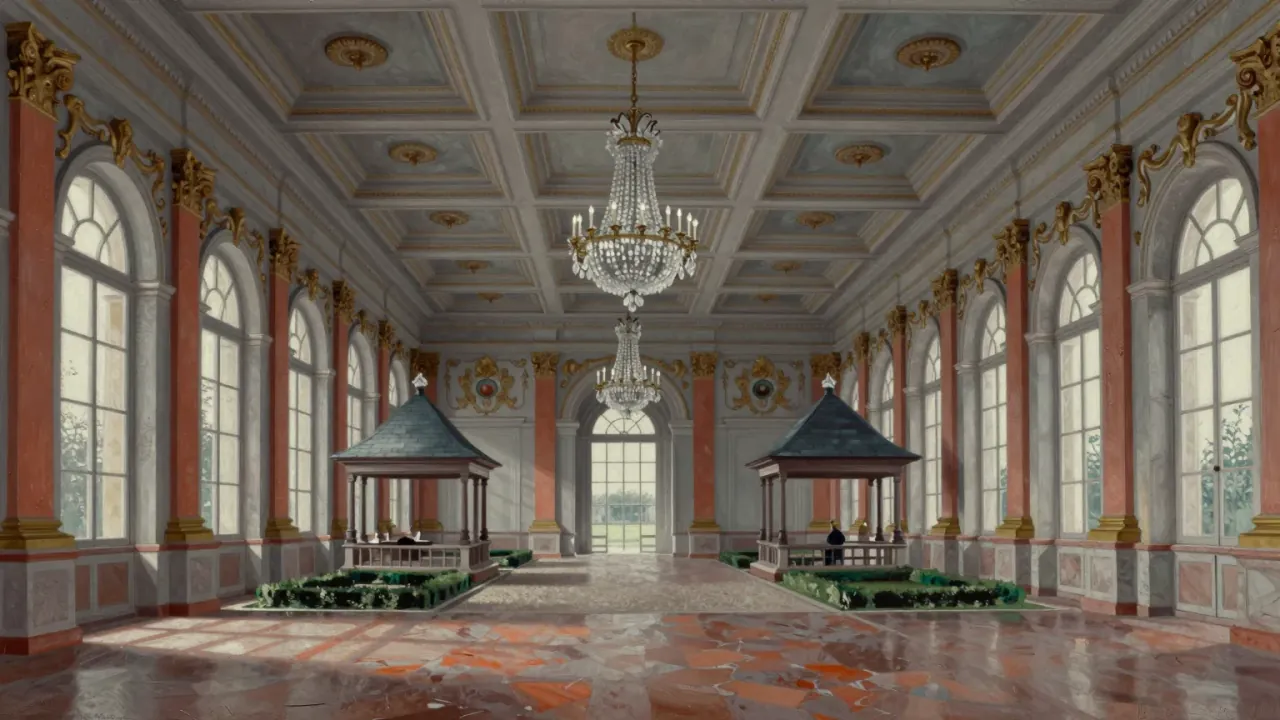
Last Year at Marienbad (1961) is a French avant-garde drama directed by Alain Resnais from a screenplay by Alain Robbe-Grillet. Set in an ornate, unnamed hotel, it follows a man’s insistent claim that he and a woman met there the previous year — a claim she denies. With no named characters, nonlinear editing, repetitive dialogue and meticulously composed black-and-white imagery, it explores memory, persuasion and the instability of time. Shot in Munich palaces using Dyaliscope widescreen, it won the Golden Lion at Venice and remains a landmark of modernist cinema.

13:00

Man with a Movie Camera

Dziga Vertov · 1929

Man with a Movie Camera (1929) is a Soviet silent documentary directed by Dziga Vertov, filmed by Mikhail Kaufman and edited by Vertov and Yelizaveta Svilova. Shot across Moscow, Kiev, Kharkov and Odessa, it presents urban life through radical montage, self-reflexive technique and zero intertitles — aiming to forge a pure cinematic language. With over 1,775 shots in 68 minutes, it remains a foundational essay-film on perception, machinery and the modern city.

13:00

Meshes of the Afternoon

Maya Deren, Alexandr Hackenschmied · 1943

A fourteen-minute 1943 American experimental film directed by Maya Deren and Alexandr Hackenschmied, starring Deren and shot by Hackenschmied. It uses repetition, recursive editing, and shifting subjectivity to map the interior logic of anxiety and dissociation—not as metaphor but as cinematic structure. Silent on release, later scored by Teiji Ito. Preserved in the US National Film Registry for cultural and aesthetic significance.

13:00

Arsenal

Oleksandr Dovzhenko · 1929

Oleksandr Dovzhenko’s 1929 silent film Arsenal reimagines the 1918 Kiev Arsenal Uprising as a mythic struggle, using expressionist imagery, non-linear editing, and stark physical performance. Shot by Danylo Demutskyi and edited by Dovzhenko himself, it privileges gesture over exposition and symbol over summary. Though demanding and historically dense, it remains a landmark of Ukrainian avant-garde cinema — less a history lesson than a visceral, rhythmic invocation of collective will.

13:00

At Land

Maya Deren · 1944

Maya Deren’s 1944 silent short At Land is a fifteen-minute experimental film in which Deren, playing a solitary woman, traverses a series of uncanny locations — beach, dining room, forest, covered interior — encountering doubles and shifting figures. Shot on Long Island, it uses precise editing, physical performance and repetition to explore identity not as essence but as embodied action. There is no dialogue, no score, no exposition — only movement, recurrence and resistance.

13:00

Entr'acte

René Clair · 1924

A 1924 French Dada short directed by René Clair, made as a prologue and entr’acte for the Ballets Suédois production of Relâche. Twenty-two minutes of silent, non-narrative experimentation: reverse motion, tilted frames, rooftop absurdities, and Erik Satie’s score. Cameos by Duchamp, Man Ray, Satie, and Picabia. It treats cinema as a site of playful sabotage — not storytelling, but syntax-breaking.

13:00

Europa

Lars von Trier · 1991

Lars von Trier’s 1991 arthouse drama Europa uses stark black-and-white cinematography, surreal superimpositions, and second-person narration to tell the story of an American railway conductor drawn into the moral quicksand of occupied Germany. Set against a fictional railway network named Zentropa, the film explores complicity, betrayal, and the impossibility of neutrality in a compromised world. Its formal rigour is uncompromising; its emotional register, deliberately austere.

13:00

Mishima: A Life in Four Chapters

Paul Schrader · 1985

Paul Schrader’s 1985 film interweaves Yukio Mishima’s final day with biographical flashbacks and dramatisations of three of his novels, organised into four colour-coded chapters. Shot in Japan with a rigorous visual syntax, it privileges form over exposition, using John Bailey’s cinematography, Philip Glass’s score and Eiko Ishioka’s production design to render Mishima’s aesthetic absolutism as cinematic grammar. It was banned in Japan until 2025.

13:00

October: Ten Days That Shook the World

Grigori Aleksandrov, Sergei Eisenstein · 1927

October: Ten Days That Shook the World (1927) is a Soviet silent film commissioned for the tenth anniversary of the Bolshevik Revolution. Directed by Sergei Eisenstein and Grigori Aleksandrov, it dramatises the uprising through intellectual montage — juxtaposing images to generate ideas rather than narrative. Eduard Tisse’s stark cinematography and Eisenstein’s rigorous editing construct revolution as rhythm, mass, and inevitability. Though criticised at the time for opacity and formalism, it remains a foundational work of avant-garde cinema and political filmmaking.

13:00

Strike

Sergei Eisenstein · 1925

Sergei Eisenstein’s 1925 debut is a Soviet silent propaganda film depicting a 1903 factory strike. Using rapid montage, symbolic cross-cutting (notably workers and slaughtered cattle), and stylised performances, it advances a Marxist analysis of labour, provocation and state violence. Shot by Eduard Tisse and edited by Eisenstein himself, it prioritises ideological clarity over psychological realism. Though initially confusing to audiences, it is now regarded as a foundational work of avant-garde cinema and a key text in film theory.

13:00

The Mirror

Andrei Tarkovsky · 1975

Andrei Tarkovsky’s 1975 film The Mirror is a non-linear, autobiographical essay in image and sound. Shot by Georgy Rerberg and scored by Eduard Artemyev, it weaves childhood recollection, wartime newsreel, poetic voiceover, and maternal presence into a single, flowing meditation on time, inheritance, and perception. Margarita Terekhova plays dual roles; Oleg Yankovsky appears only in voiceover. With around 200 shots across 108 minutes, its rhythm is durational, not dramatic. Released under constraint by Mosfilm, it polarised Soviet critics before becoming widely regarded as Tarkovsky’s most intimate work.

13:00

Un Chien Andalou

Luis Buñuel · 1929

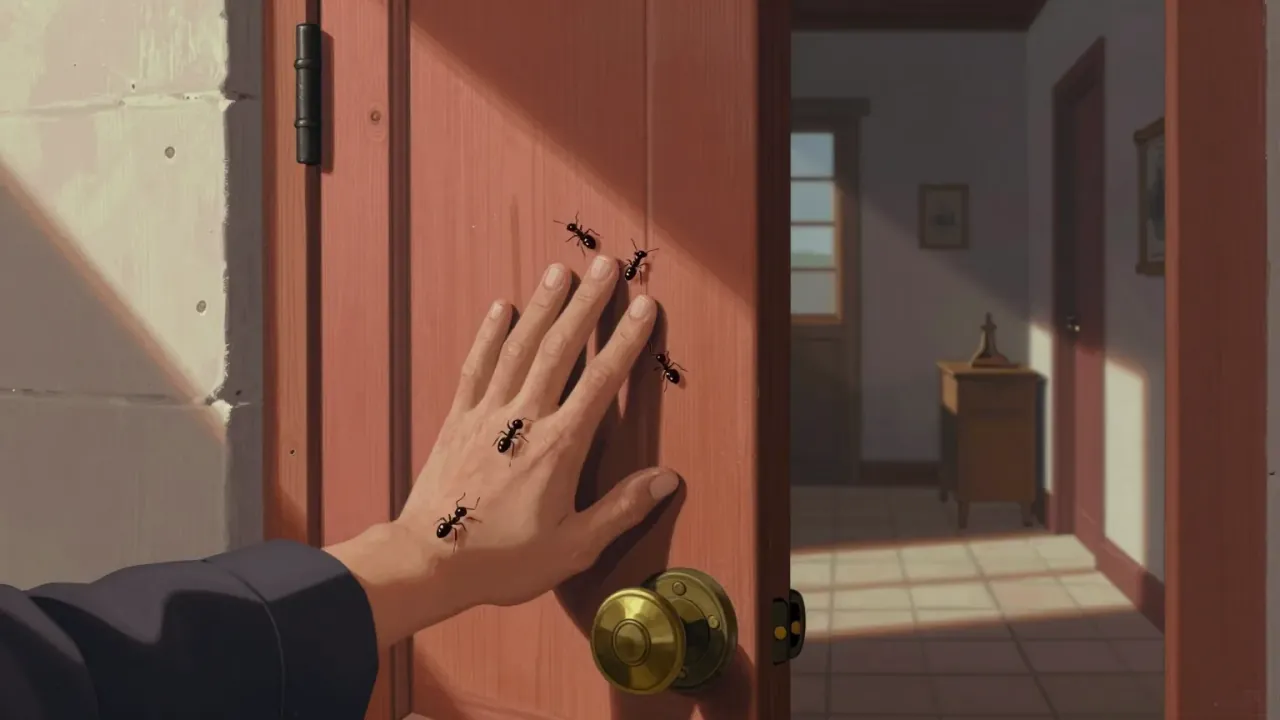
A 1929 French silent short co-written and directed by Luis Buñuel and Salvador Dalí, Un Chien Andalou rejects narrative, chronology and symbolism in favour of dream-logic assembled from two shared dreams. Filmed in black-and-white over ten days, it deploys stark imagery — a sliced eye, ants from a hand, pianos dragging dead donkeys — with clinical precision. Its sixteen minutes offer no resolution, no character psychology, no moral framework: only a sustained, principled refusal of sense.