Saved
Topic

The eighties

Deregulation, synthesisers and the arrival of the modern consumer.

38
in film
13:00
average
494 min
in total
268
across the network
The eighties across the network →
All briefs38
13:00

After Hours

Martin Scorsese · 1985

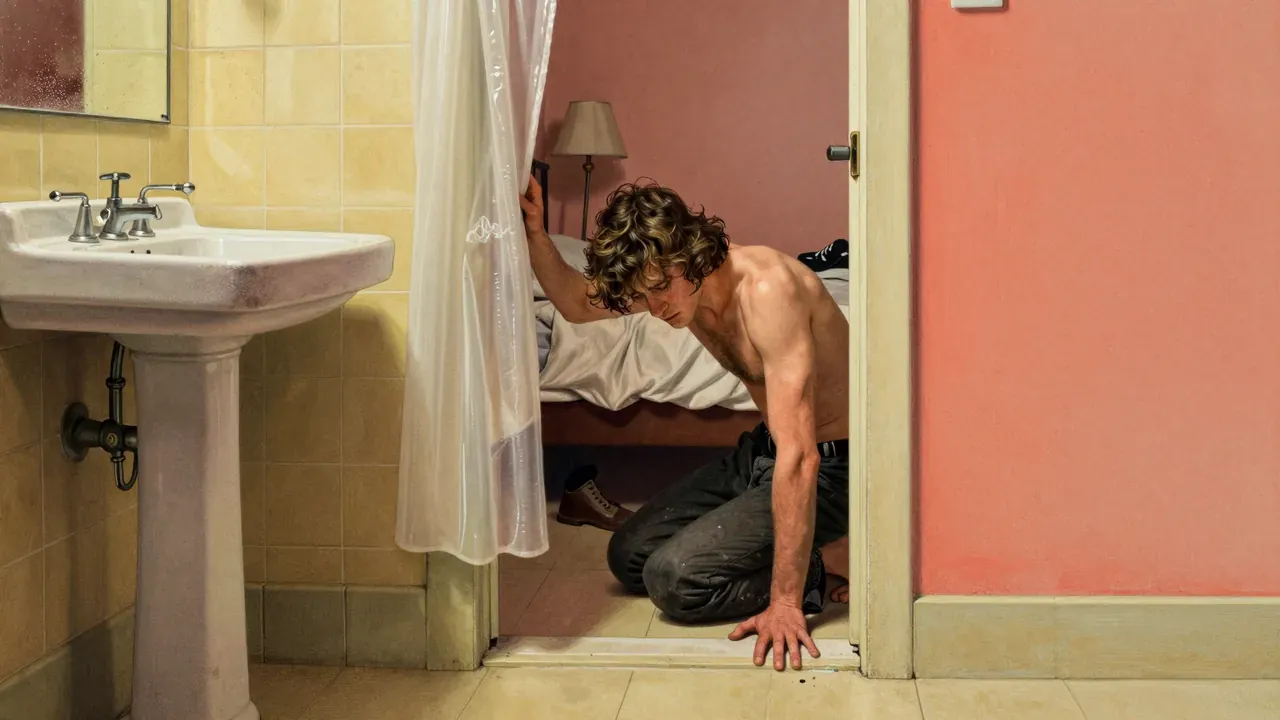
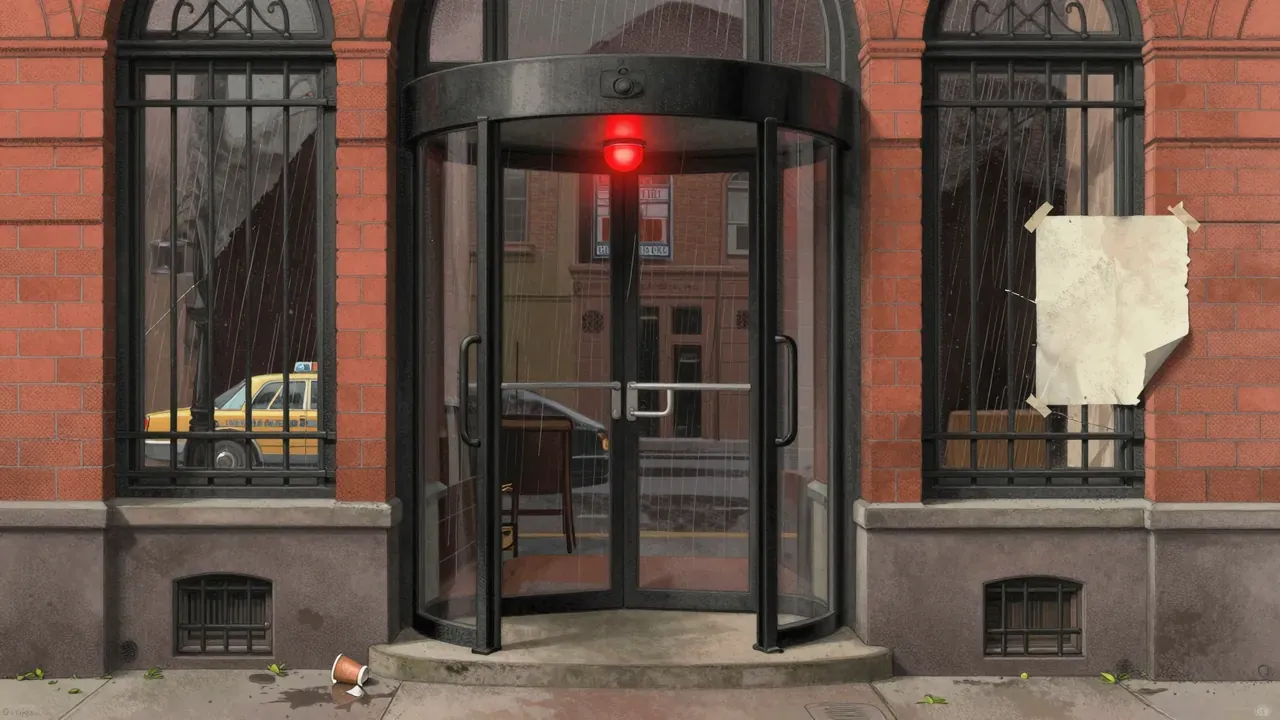
Martin Scorsese’s 1985 black comedy follows office worker Paul Hackett through a single, increasingly surreal night in SoHo. Stranded without money, misunderstood at every turn, and hunted by neighbours, he careens from one absurd crisis to the next — until the plaster hardens, the van doors fly open, and he crashes, barefoot and broken, into his office at dawn. Michael Ballhaus’s tight cinematography, Thelma Schoonmaker’s razor-sharp editing, and Howard Shore’s nervy score sustain a tone of escalating, inescapable farce.

13:00

All of Us Strangers

Andrew Haigh · 2023

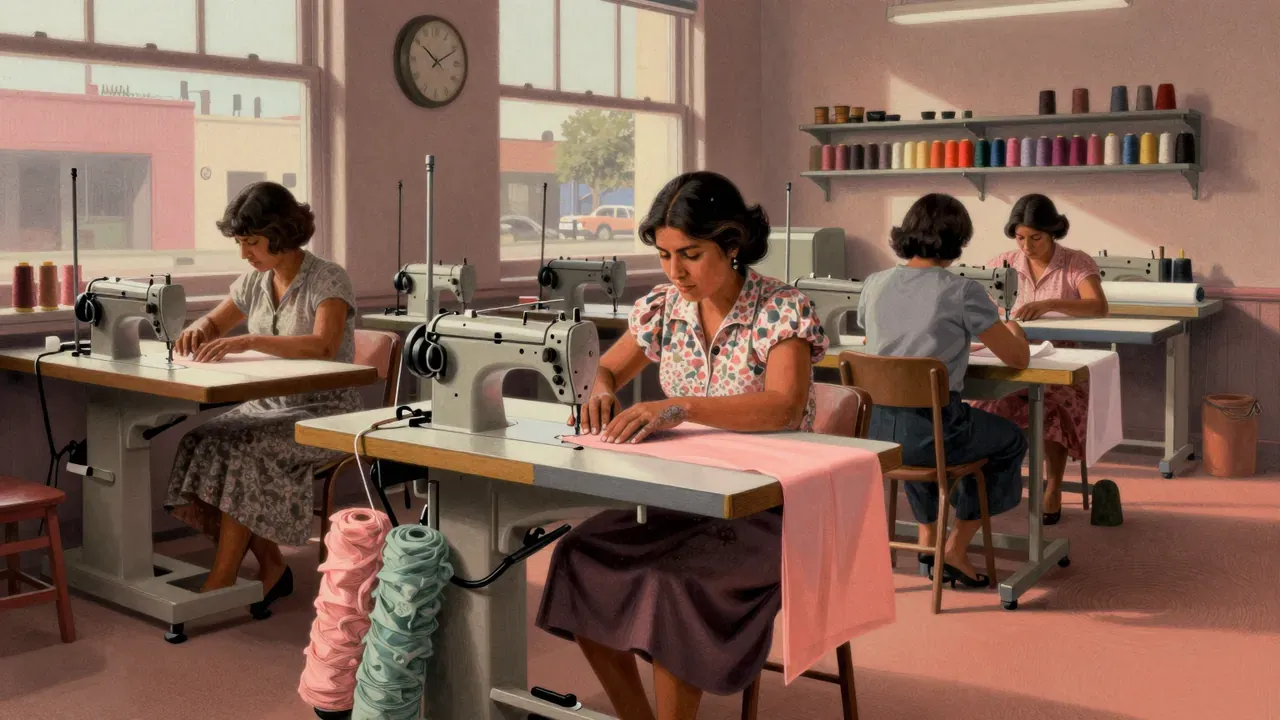
Andrew Haigh’s All of Us Strangers follows a lonely screenwriter who reconnects with his deceased parents and begins a relationship with a mysterious neighbour. Set in contemporary London and rooted in the emotional textures of 1980s Britain, the film uses fantasy not as escape but as a means to examine unresolved grief, queer identity, and the quiet violence of familial silence. With restrained performances, precise cinematography, and a carefully curated soundtrack, it builds its power through stillness and repetition rather than revelation.
13:00

And the Pursuit of Happiness

Louis Malle · 1986

And the Pursuit of Happiness (1986) is a television documentary directed by Louis Malle for HBO’s America Undercover series. Shot in the mid-1980s, it profiles six immigrants — including General José R. Somoza, poet Derek Walcott, and physicist Franklin Chang-Díaz — as they navigate work, language, and belonging in the United States. Narrated by Malle, the film avoids commentary or advocacy, favouring sustained observation and unvarnished interview. Released on Independence Day 1986, it screened at Cannes in 1987 and won a Peabody Award in 1989.

13:00

Ariel

Aki Kaurismäki · 1988

Aki Kaurismäki’s 1988 drama follows a displaced Finnish miner, Taisto Kasurinen, as he drifts from Lapland to Helsinki, surviving eviction, robbery, imprisonment, and finally a bank heist — all with deadpan reserve and minimal dialogue. Shot by Timo Salminen in muted tones and edited with deliberate stillness, the film treats economic abandonment as atmosphere rather than crisis, and resilience as routine rather than triumph.

13:00

As Tears Go By

Wong Kar-wai · 1988

Wong Kar-wai’s 1988 debut follows Wah, a Mong Kok triad enforcer, as he tries to manage his volatile friend Fly while growing close to his cousin Ngor, who visits from Lantau Island. Shot in naturalistic tones by Andrew Lau and edited with deliberate slowness by William Chang, the film grounds crime-drama tropes in quiet consequence rather than spectacle. Its power lies in restraint: in Andy Lau’s muted performance, Maggie Cheung’s understated presence, and the unforced contrast between urban claustrophobia and island stillness. Though structurally uneven in its second half, it establishes Wong’s enduring concerns — time, loyalty, and the geography of longing.

13:00

Border Radio

Allison Anders · 1987

Border Radio is a low-budget 1987 American road movie directed by Allison Anders, documenting the fraying edges of West Coast punk and cowpunk culture. Following unpaid musicians who rob a club and flee toward Mexico, the film prioritises texture over plot, using non-professional performers and diegetic music to evoke a specific time and place — not as nostalgia, but as lived, unvarnished reality.

13:00

Boy Meets Girl

Leos Carax · 1984

Leos Carax’s 1984 debut is a black-and-white French drama following Alex, a jaded aspiring filmmaker, and Mireille, a woman teetering on self-erasure, as their paths intersect in a heat-struck Paris. Built on eavesdropping, misdirection, and withheld emotion, it privileges texture over trajectory—using tight framing, sparse sound, and restrained performances to evoke post-adolescent stasis. Though structurally reliant on coincidence and stylistically indebted to the French New Wave, its emotional precision and formal control mark an unmistakable arrival.

13:00

Broadcast News

James L. Brooks · 1987

Broadcast News (1987), written and directed by James L. Brooks, follows a Washington, D.C. television news producer torn between a brilliant but socially inept reporter and a telegenic but intellectually shallow anchor. Set against the shifting ethics of 1980s network news, it uses workplace realism, precise performances, and understated craft to explore ambition, integrity, and the quiet costs of professional excellence.

13:00

Bull Durham

Ron Shelton · 1988

Ron Shelton’s 1988 romantic comedy follows a veteran catcher, a rookie pitcher, and a baseball-obsessed teacher in the Durham Bulls minor-league team. Grounded in precise detail and unhurried pacing, it explores mentorship, obsolescence, and the rituals that give shape to transient lives — all without resorting to sentiment or spectacle.

13:00

Choose Me

Alan Rudolph · 1984

Alan Rudolph’s Choose Me is a 1984 romantic comedy-drama set in a neon-lit Los Angeles bar, where a drifter, a bar owner, and a radio host orbit each other in a cycle of concealment and confession. Shot in three weeks on a modest budget, it favours mood and gesture over exposition, with performances that withhold as much as they reveal. Its themes—self-deception, persona, and urban isolation—are sustained through Jan Kiesser’s dusky cinematography and Phil Woods’ smoky score. Though structurally loose and emotionally elusive, it coheres as a singular, unhurried tone poem about choosing, again and again, without certainty.

13:00

Drugstore Cowboy

Gus Van Sant · 1989

Set in 1971 Portland, Drugstore Cowboy follows Bob Hughes and his crew as they rob pharmacies to sustain their heroin habits. When a death forces Bob to confront consequences, he attempts sobriety — only to circle back, not in despair, but with grim, ironic resolve. Gus Van Sant’s second feature avoids moralising, instead observing addiction as a structure of time, labour and loyalty. Shot by Robert Yeoman, scored by Elliot Goldenthal, and anchored by Matt Dillon’s restrained lead performance, it remains a benchmark of American indie realism.

13:00

Eastern Condors

Sammo Hung · 1987

Sammo Hung’s 1987 Eastern Condors transplants the American commando-mission template into Hong Kong action cinema, following twelve convicts dropped into Vietnam to destroy a missile bunker. Directed by Hung and choreographed by him and Yuen Woo-ping, it prioritises physical storytelling over narrative nuance: stunts, timing, and ensemble coordination anchor the film, while its geopolitical framework remains functional, not interrogated. Shot in the Philippines, scored by Jonathan Lee, and released by Orange Sky Golden Harvest, it is a work of disciplined genre translation — earnest, unshowy, and built for the body before the mind.

13:00

Fast Times at Ridgemont High

Amy Heckerling · 1982

Fast Times at Ridgemont High (1982) is Amy Heckerling’s feature debut, adapted by Cameron Crowe from his immersive non-fiction study of Clairemont High. Set over one school year in the San Fernando Valley, it tracks Stacy Hamilton’s freshman year, Brad’s senior drift, Spicoli’s stoner defiance, and Rat’s nervous courtship — all without narrative hierarchy or moral framing. Shot with documentary restraint by Matthew F. Leonetti and edited for rhythm not revelation, it treats adolescence as a series of low-stakes rehearsals, not a crucible. Its authenticity lies in patience, not accuracy.

13:00

Fearless Hyena Part II

Lo Wei · 1983

Fearless Hyena Part II (1983) is a fractured Hong Kong martial arts film directed by Lo Wei, written by Jackie Chan, and released after Chan broke his contract to join Golden Harvest. With Chan absent for much of the shoot, the film relies on doubles, reused material, and disjointed editing. Its plot — two cousins avenging their slain fathers — is undercut by narrative incoherence, tonal whiplash, and visible production strain. Yet its absurdity and historical significance as a case study in studio power make it more revealing than entertaining.

13:00

Godzilla vs. Biollante

Kazuki Ōmori · 1989

Godzilla vs. Biollante (1989) is the second Heisei-era Godzilla film, directed and written by Kazuki Ōmori. It follows corporate and military efforts to weaponise Godzilla’s cells, resulting in Biollante — a creature born from the fusion of those cells with human and plant DNA. Starring Kenpachirō Satsuma and Megumi Odaka, it departs from nuclear allegory toward biotech ethics, using grounded special effects, deliberate pacing, and Koichi Sugiyama’s score to explore inheritance, loss, and the instability of life’s boundaries.

13:00

Hollywood Shuffle

Robert Townsend · 1987

Hollywood Shuffle is a 1987 semi-autobiographical satire directed by Robert Townsend, following Bobby Taylor as he navigates Hollywood’s demand for stereotypical Black roles. Shot on a $100,000 budget over two and a half years, it uses vignettes, parodies, and daydreams to expose how race is commodified in casting, writing, and performance. Though praised for its sharp humour and technical ingenuity, it draws criticism for reproducing sexist and homophobic stereotypes it otherwise critiques. The film ends not with success but with quiet recalibration — Bobby filming a US Postal Service PSA.

13:00

How to Get Ahead in Advertising

Bruce Robinson · 1989

Bruce Robinson’s 1989 black comedy follows an ad executive whose nervous breakdown produces a sentient boil — his conscience made manifest. Starring Richard E. Grant, Rachel Ward and Richard Wilson, it is a strident, visually restrained assault on Thatcher-era consumerism, built on repetition, rhetorical fury and practical-effects grotesquerie. Its power lies in its refusal to soften its argument — or its imagery.

13:00

Lost in America

Albert Brooks · 1985

Albert Brooks’s 1985 road comedy follows a Los Angeles couple who quit their jobs, sell their house, and set off in a Winnebago to 'drop out' — only to lose their savings in Las Vegas and end up working dead-end jobs in rural Arizona. With dry precision, the film charts the collapse of their countercultural fantasy under the weight of real-world logistics, language, and class structure. It is a satire of self-deception disguised as liberation, built on understated performances, unshowy craft, and a script that treats ideology as infrastructure.

13:00

Meantime

Mike Leigh · 1983

Mike Leigh’s 1983 Meantime observes four days in an East London working-class family amid rising unemployment and social fragmentation. With Tim Roth, Phil Daniels, Gary Oldman, and Pam Ferris, it uses rigorous rehearsal-based performance and unadorned cinematography to render austerity as atmosphere, not argument — a precise, unsentimental study of endurance in the early Thatcher years.

13:00

My Beautiful Laundrette

Stephen Frears · 1985

Stephen Frears’ 1985 film, written by Hanif Kureishi, follows Omar — a British-Pakistani man in South London — as he renews a laundrette with Johnny, his childhood friend and lover. Set against Thatcher-era austerity and community tensions, it balances romance, entrepreneurship, and intergenerational conflict with understated craft and unforced specificity. Shot on 16 mm, it was expanded from a Channel 4 commission into an international success.

13:00

My Lucky Stars

Sammo Hung · 1985

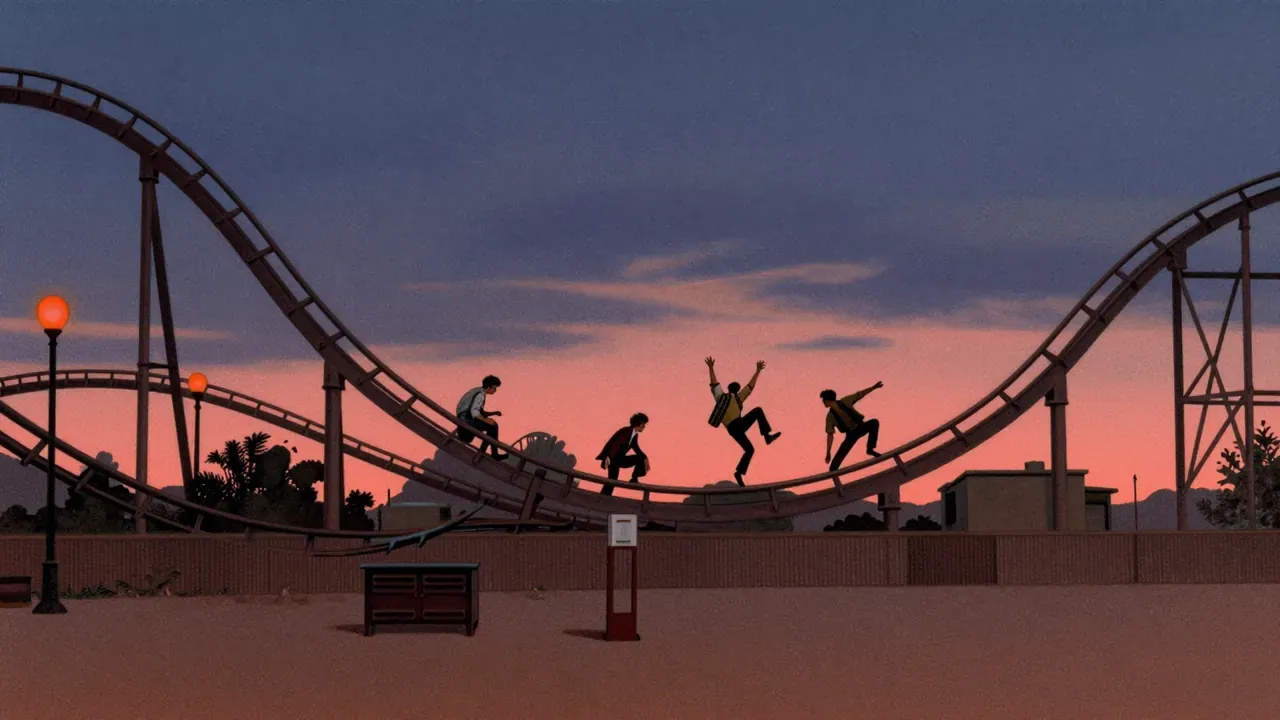
My Lucky Stars (1985) is a Hong Kong action comedy directed by Sammo Hung, starring Hung, Jackie Chan, Yuen Biao, Eric Tsang, Stanley Fung, Richard Ng, Charlie Chin, and Sibelle Hu. Built around the 'Five Lucky Stars' troupe, it follows their reluctant deployment to Tokyo to rescue a kidnapped officer from a yakuza group operating beneath an amusement park. Though Jackie Chan’s role is brief, the film showcases tightly coordinated group choreography, broad but precise comic timing, and inventive use of Fuji-Q Highland’s architecture. It prioritises physical logic over narrative coherence and communal rhythm over individual arc.

13:00

Police Story 2

Jackie Chan · 1988

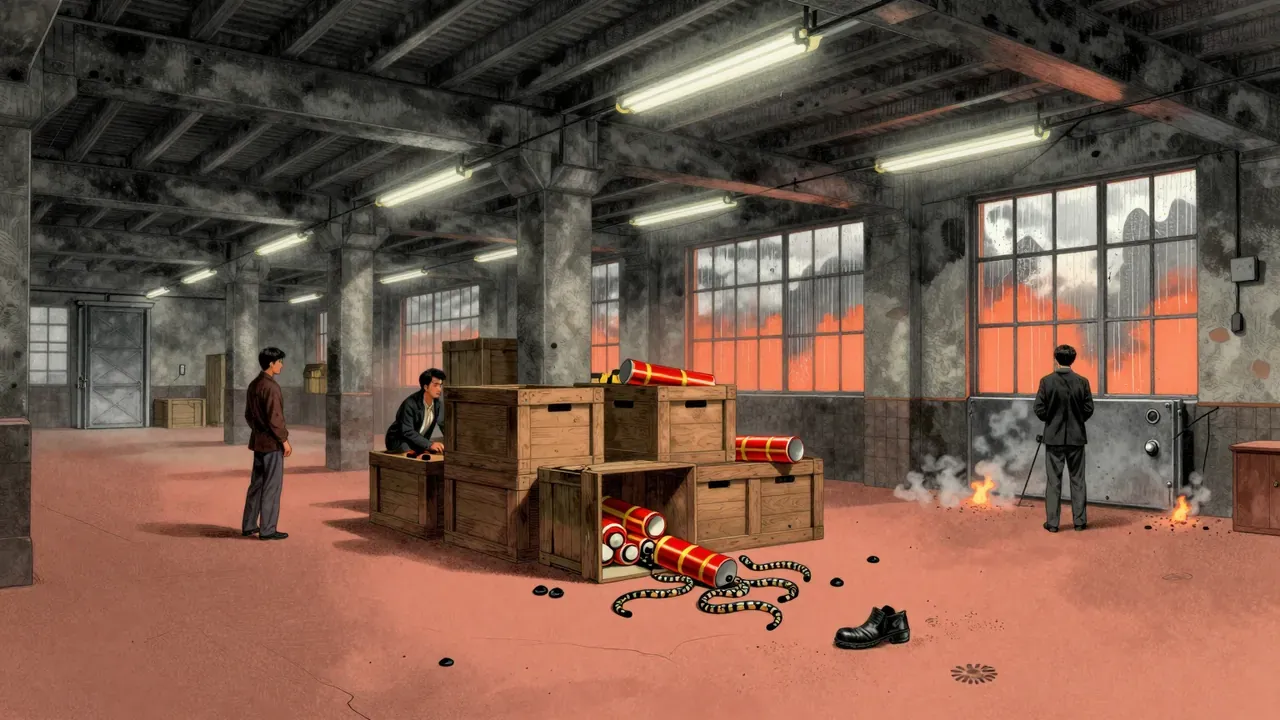
Jackie Chan’s 1988 sequel trades the first film’s procedural texture for streamlined stunt logic: Ka-kui is demoted, provoked, resigns, then re-enters a bomb plot that culminates in the mall explosion and fireworks warehouse finale. Written by Chan and Edward Tang, shot by Arthur Wong, and awarded Best Action Choreography at the 1989 Hong Kong Film Awards, it delivers physical clarity over psychological depth — a film where every punch lands because the ground beneath it was measured first.

13:00

Polyester

John Waters · 1981

John Waters’s 1981 satire Polyester mimics Douglas Sirk’s melodramas to lampoon suburban life, moral panic, and the ‘woman’s picture’ genre. Starring Divine as a crumbling housewife in Baltimore, it deploys Odorama — a scratch-and-sniff gimmick — as both narrative device and audience provocation. With precise lighting, deadpan performances, and a tightly wound plot, it sustains a tone of controlled absurdity. Its final act falters under cartoonish violence, but its formal rigour and thematic bite make it a singular, unsentimental portrait of consumption masquerading as care.

13:00

Sid and Nancy

Alex Cox · 1986

A 1986 British biographical drama directed by Alex Cox, Sid and Nancy traces the final years of Sex Pistols bassist Sid Vicious and his girlfriend Nancy Spungen. Starring Gary Oldman and Chloe Webb, it depicts their descent into heroin addiction across London and New York, filmed by Roger Deakins in a tightly framed, high-contrast style. Though critically praised and now cult-acclaimed, it failed to recoup its $4 million budget. The film avoids myth-making, opting instead for visceral, unvarnished observation of mutual erosion — with no redemption, explanation, or narrative distance.

13:00

The Big Chill

Lawrence Kasdan · 1983

The Big Chill follows eight former University of Michigan students reuniting in Beaufort, South Carolina, after the suicide of their friend Alex. Over a weekend, conversations, silences, and a soul-heavy soundtrack reveal how their 1960s idealism has settled into early-1980s compromises — in love, work, and self-understanding. Directed by Lawrence Kasdan and shot by John Bailey, it relies on ensemble performance and atmospheric craft rather than plot mechanics. Though its portrait of baby boomer disillusionment remains culturally resonant, its structural gaps and tonal consistency divide opinion. Selected for the National Film Registry in 2025, it endures as a study in emotional realism over narrative resolution.

13:00

The Last Days of Disco

Whit Stillman · 1998

Whit Stillman’s 1998 drama follows a group of Ivy League graduates navigating Manhattan’s early-1980s club scene. Built on extended dialogue rather than plot, it examines how class, ideology, and self-presentation shape relationships in a world where moral certainty masks uncertainty. With flat lighting, restrained editing, and performances tuned to verbal nuance, it offers a dry, observant portrait of privilege in transition — one that rewards attention to subtext over spectacle.

13:00

The Lure

Agnieszka Smoczyńska · 2015

Agnieszka Smoczyńska’s 2015 debut is a Polish musical horror film set in a 1980s Warsaw nightclub, following two sirens who perform, love, and devour. Blending gothic metal, bodily realism, and Andersen’s fable, it literalises female adolescence, immigration, and assimilation — with tails removed, voices lost, and hearts consumed. Produced by Warsaw Documentary Film Studio, scored by Ballady i Romanse, and shot by Jakub Kijowski.

13:00

The Squid and the Whale

Noah Baumbach · 2005

Set in 1986 Brooklyn, The Squid and the Whale follows two brothers navigating their parents’ bitter separation. Bernard, a failing novelist, clings to intellectual superiority; Joan, his wife, emerges as a writer in her own right. Their sons absorb the conflict differently: Walt mimics his father’s arrogance and dishonesty; Frank rebels in smaller, messier ways. Shot on Super 16 with tight, handheld framing, the film sustains a claustrophobic intimacy, using music, silence and overlapping dialogue to convey emotional erosion. Semi-autobiographical and formally rigorous, it offers no redemption—only recognition.

13:00

Videodrome

David Cronenberg · 1983

David Cronenberg’s 1983 body horror film follows a Toronto TV executive who discovers a mysterious broadcast signal that induces violent hallucinations and physical mutations. Shot in Toronto with a $6m budget, it uses practical effects, analog video textures, and Howard Shore’s synth score to construct a world where media literally rewires the body. Though a box-office failure, it has endured as a cult touchstone for its fusion of psychosexual theory and visceral craft.

13:00

Women on the Verge of a Nervous Breakdown

Pedro Almodóvar · 1988

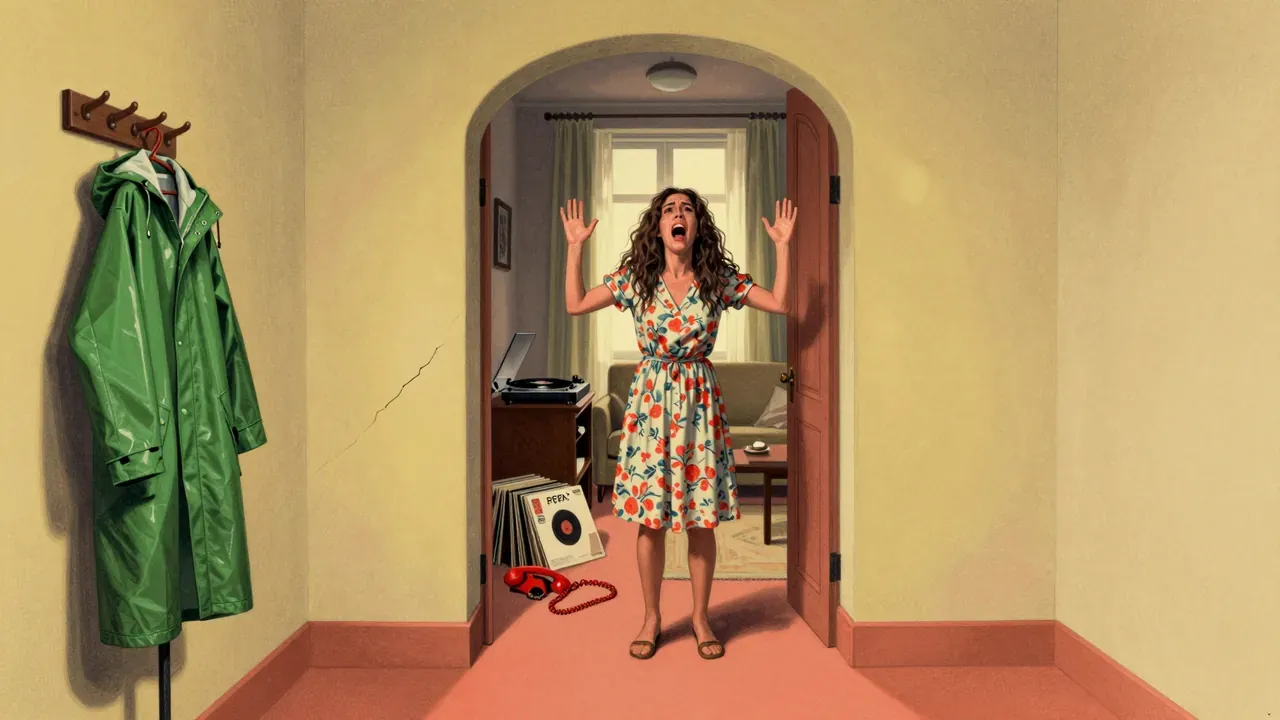
Pedro Almodóvar’s 1988 black comedy follows Pepa, a voice actress abandoned by her lover, as she navigates a day of escalating chaos in her Madrid apartment. With Carmen Maura at its centre, the film uses saturated colour, rapid editing, and tightly coiled farce to explore female agency, communication failure, and emotional extremity as rational response — not breakdown.

13:00

A Better Tomorrow

John Woo · 1986

John Woo’s 1986 crime film redefined Hong Kong action cinema by fusing wuxia ethics with urban fatalism. Ti Lung, Leslie Cheung, and Chow Yun-fat play three men bound by blood, betrayal, and bullets. Its influence on 'heroic bloodshed' is foundational; its emotional logic remains uncompromising.

13:00

Top Gun

Tony Scott · 1986

A 1986 Paramount action film directed by Tony Scott, Top Gun follows naval aviator Pete ‘Maverick’ Mitchell through the Navy’s elite fighter weapons school. Built around real F-14 flight footage and a synth-heavy score, it prioritises kinetic clarity and visual rhythm over psychological depth or political nuance. Though critically mixed on release, its formal coherence and cultural resonance have secured its status as a defining artefact of 1980s studio filmmaking.

13:00

Working Girl

Mike Nichols · 1988

Working Girl (1988), directed by Mike Nichols, follows Tess McGill, a Staten Island secretary with a night-school business degree, as she navigates corporate Manhattan. After being fired from one brokerage, she lands a job with Katharine Parker at Petty Marsh — only to discover her boss intends to steal her idea for a radio-network acquisition. When Katharine breaks her leg, Tess steps in, borrows her wardrobe, and executes the deal herself. Melanie Griffith, Harrison Ford, and Sigourney Weaver anchor a tightly written, visually controlled film that treats ambition as procedural, not mythical — and success as earned, narrow, and reversible.

13:00

Beetlejuice

Tim Burton · 1988

Beetlejuice (1988) is Tim Burton’s gothic comedy horror about a recently deceased couple who hire a chaotic bio-exorcist to scare away their home’s new occupants. With Michael Keaton, Alec Baldwin, Geena Davis, and Winona Ryder, it builds its world from deliberate artifice — stop-motion, saturated colour, Elfman’s calypso-infused score — and treats the afterlife as a malfunctioning bureaucracy. Its strength lies in tonal consistency and visual wit, not psychological realism or causal clarity.

13:00

Gregory's Girl

Bill Forsyth · 1981

A 1981 Scottish romantic comedy written and directed by Bill Forsyth, set in a Cumbernauld secondary school. Gregory Underwood, a teenage footballer, develops a quiet crush on Dorothy, a new player who replaces him on the pitch. His attempts to connect with her unfold through miscommunications, interventions by friends and family, and small, unremarkable moments of connection. Shot on a £200,000 budget, it favours observational realism over plot mechanics, and remains notable for its gentle, unsentimental portrayal of teenage vulnerability.

13:00

Near Dark

Kathryn Bigelow · 1987

Near Dark (1987) is Kathryn Bigelow’s solo directorial debut: a neo-Western horror film about a young Oklahoma man drawn into a nomadic family of vampires. Shot by Adam Greenberg and scored by Tangerine Dream, it fuses frontier iconography with bodily horror, treating vampirism as irreversible social adoption rather than supernatural affliction. Though it underperformed commercially, its atmospheric precision, committed performances — particularly from Lance Henriksen and Bill Paxton — and genre-blending ambition have secured its status as a cult landmark.

13:00

Pee-wee's Big Adventure

Tim Burton · 1985

Tim Burton’s 1985 debut, written by Paul Reubens and Phil Hartman, follows Pee-wee Herman’s cross-state quest to recover his beloved Schwinn bicycle. Shot in California and Texas, it merges Reubens’ stage persona with Burton’s emerging visual style, anchored by Danny Elfman’s first film score. Structured like a children’s fable but executed with adult precision, it treats American landmarks as literal stages and childhood logic as a valid operating system. Its cult status rests on consistency of tone, not thematic complexity.

13:00

Something Wild

Jonathan Demme · 1986

Jonathan Demme’s 1986 film follows an uptight investment banker drawn into the chaotic orbit of a woman who shifts identities as easily as she shifts lanes. What begins as flirtation becomes a road trip, then a reckoning — with class, masculinity, and the quiet violence built into everyday American life. Anchored by Melanie Griffith’s layered performance and Jeff Daniels’ tightly wound transformation, it balances quirky charm with genuine unease, using genre not as container but as provocation.