filmbriefs
Topic

Dystopia

The future as a warning, usually about the present.

27
in film
13:00
average
351 min
in total
69
across the network
Dystopia across the network →
All briefs27
13:00

A Clockwork Orange

Stanley Kubrick · 1971

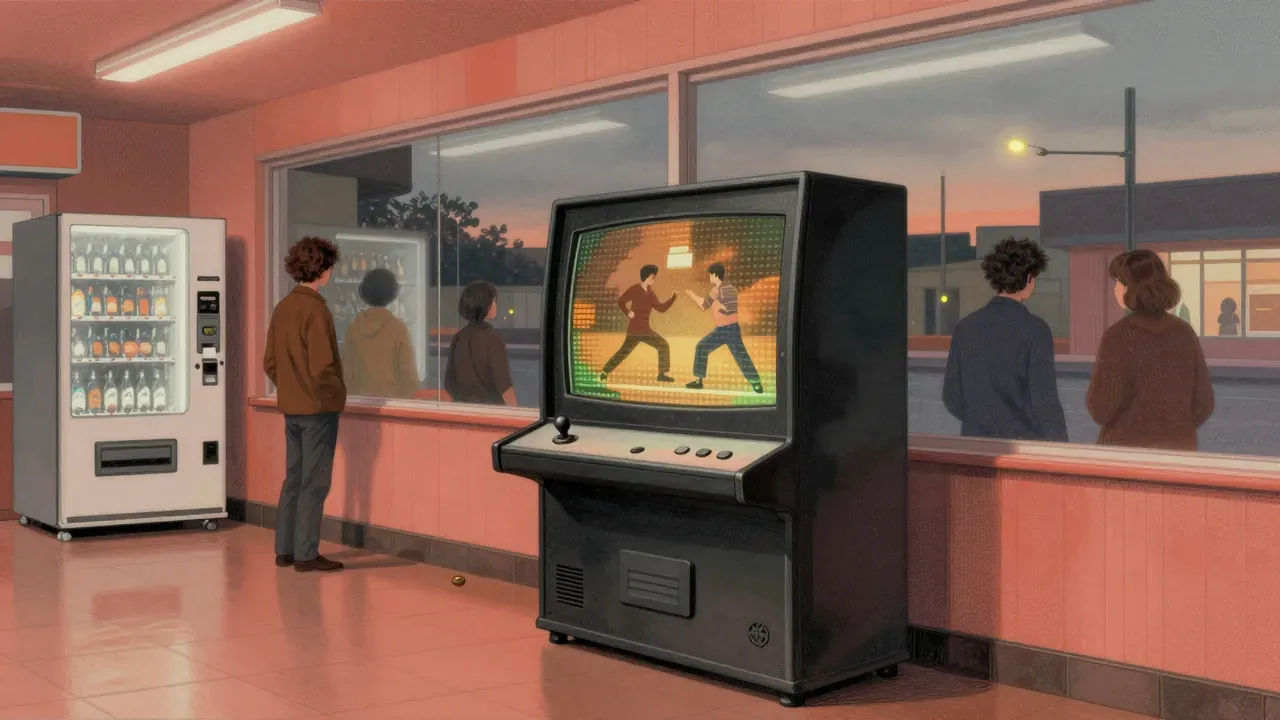
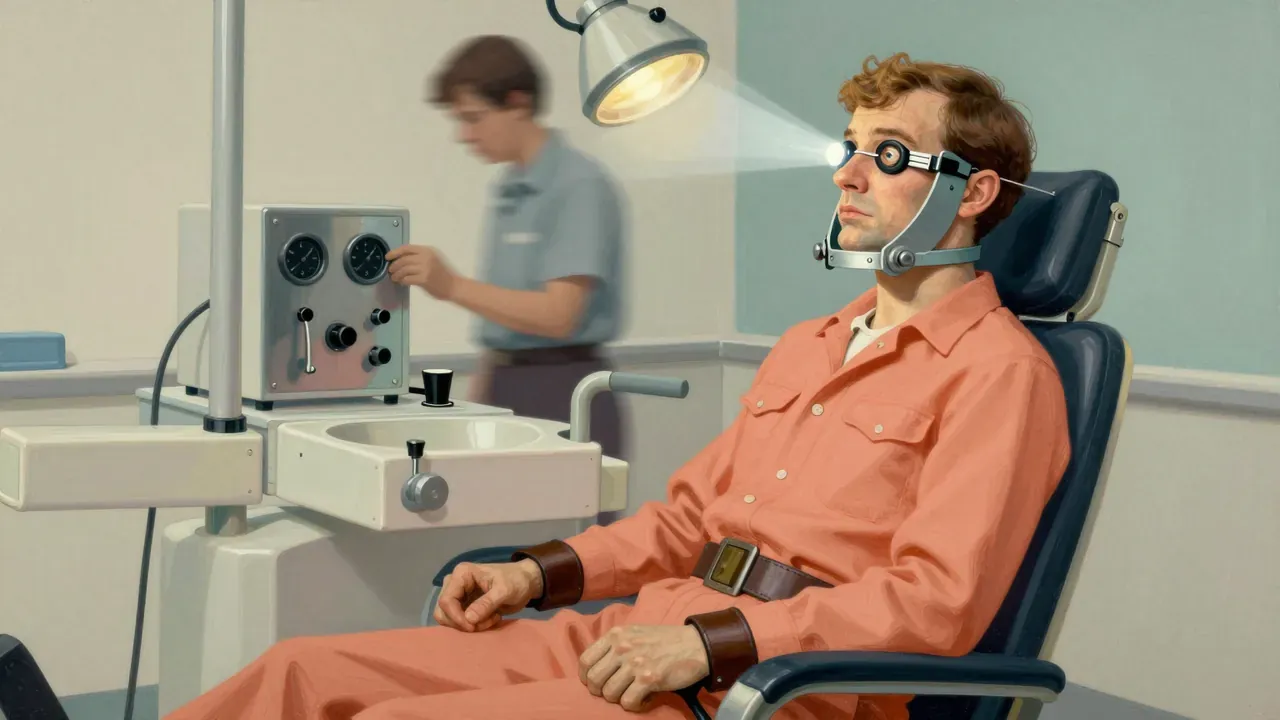
Stanley Kubrick’s 1971 adaptation of Anthony Burgess’s novel follows Alex DeLarge, a charismatic teenage delinquent subjected to state-mandated aversion therapy. Stylised, unsettling, and formally exacting, it interrogates free will, coercion, and the aestheticisation of power through John Alcott’s cinematography, Wendy Carlos’s electronic score, and Malcolm McDowell’s indelible performance.
13:00

Alphaville

Jean-Luc Godard · 1965

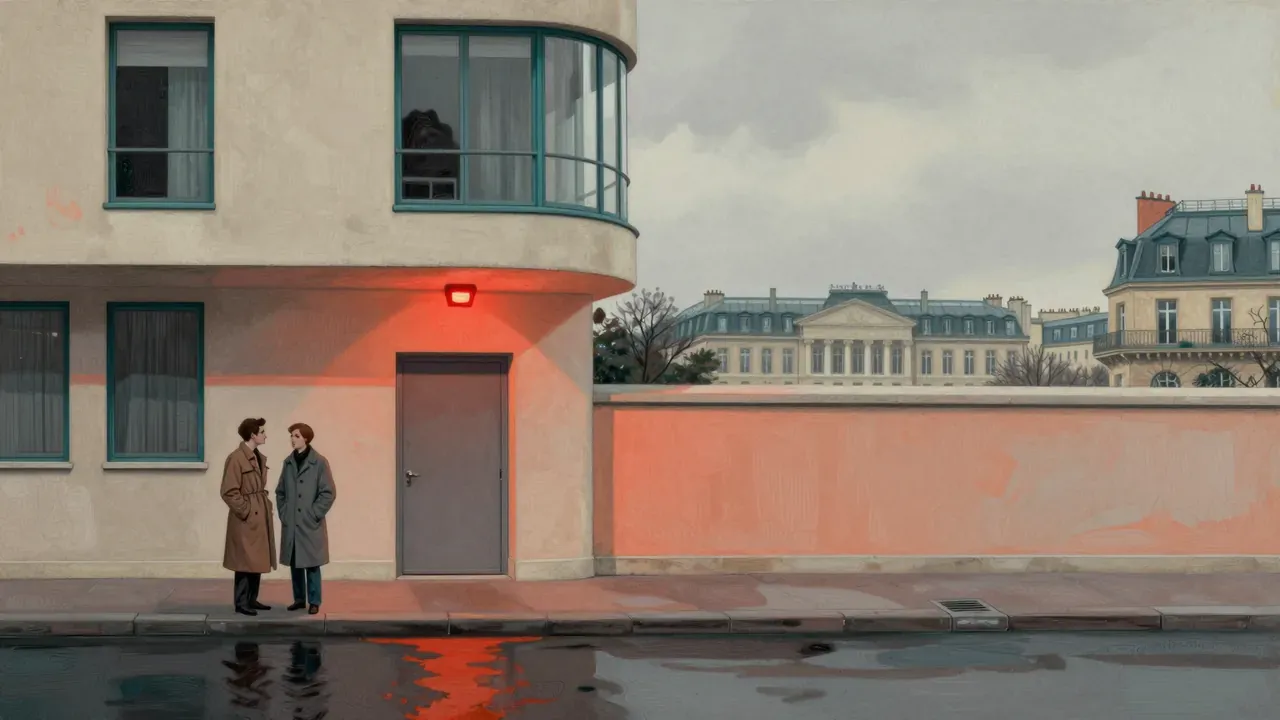
Jean-Luc Godard’s 1965 Alphaville transplants American detective Lemmy Caution into a nameless, near-future city ruled by Alpha 60, a sentient computer that bans emotion, poetry, and questioning. Shot on real Paris locations with no futuristic props, it merges film noir and dystopian satire to interrogate language, control, and the persistence of feeling. Eddie Constantine and Anna Karina star; Raoul Coutard shot it, Agnès Guillemot edited it, Paul Misraki scored it. It won the Golden Bear at Berlin in 1965.

13:00

Brazil

Terry Gilliam · 1985

A 1985 dystopian satire directed by Terry Gilliam, Brazil follows Sam Lowry, a low-ranking bureaucrat in a decaying, anachronistic state, as he navigates absurd administrative logic, misfiled arrest warrants, and increasingly unstable fantasies. With Jonathan Pryce, Robert De Niro, Katherine Helmond and Michael Palin, it uses retro-futurist design, black comedy and Kafkaesque structure to dissect technocracy, surveillance and institutional incompetence — not as future threats, but as present habits dressed in tweed and duct tape.

13:00

Executioners

Johnnie To, Ching Siu-tung · 1993

Executioners reunites Michelle Yeoh, Anita Mui and Maggie Cheung in a post-apocalyptic Hong Kong where water scarcity and social collapse test their evolving definitions of duty. Directed by Johnnie To and Ching Siu-tung, it prioritises ethical recalibration over martial escalation — with Yeoh tutoring a disfigured former enemy, Mui balancing motherhood and latent power, and Cheung reluctantly embracing collective responsibility. Its strengths lie in restrained performances and atmospheric world-weariness; its weaknesses in underwritten antagonists and uneven tonal discipline.

13:00

Goke, Body Snatcher from Hell

Hajime Satō · 1968

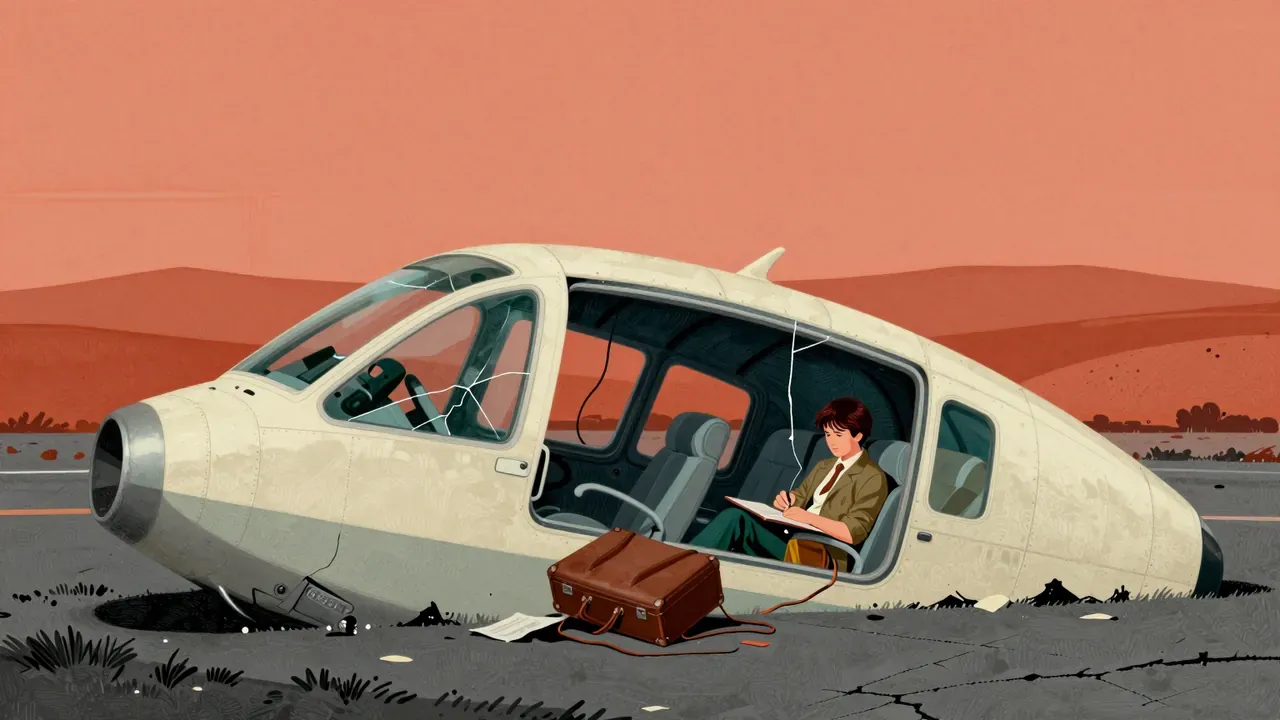
Goke, Body Snatcher from Hell (1968), directed by Hajime Satō, follows survivors of a plane crash on a deserted island who are hunted by a vampiric alien entity. With minimal exposition and stark visuals, it charts their rapid moral collapse under pressure — betrayals, sacrifices and self-preservation escalate until only two remain, walking across a dead world beneath an orbital fleet. Shunsuke Kikuchi’s score and practical effects reinforce its clinical, allegorical tone.

13:00

Jubilee

Derek Jarman · 1978

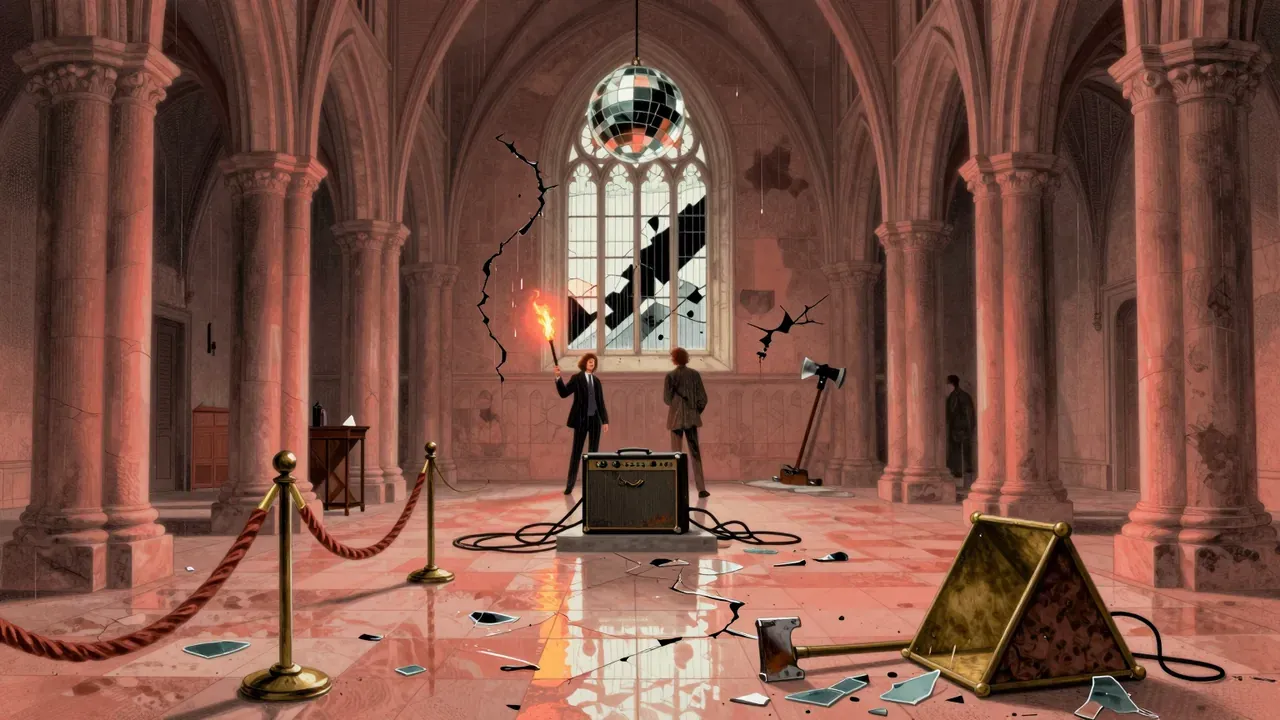
Derek Jarman’s 1978 Jubilee transplants Queen Elizabeth I into a decaying, punk-saturated 1970s London. Shot on location in Blitz-damaged neighbourhoods, it follows a nihilistic gang—Amyl Nitrate, Bod, Chaos, Crabs and Mad—through acts of violence, commodification and petty rebellion, all observed by Elizabeth, John Dee and Ariel. With Brian Eno’s ambient score and Peter Middleton’s raw cinematography, the film rejects narrative fluency in favour of texture, rupture and mythic collapse. Now a cult classic, it remains a stark, unresolved portrait of national exhaustion.

13:00

Kung Fu Master

Agnès Varda, Gordon Chan · 1988

Kung Fu Master (1988), co-directed by Agnès Varda and Gordon Chan and written by Jane Birkin, follows Mary-Jane, a woman in her forties, as she becomes emotionally entangled with Julien, a fourteen-year-old boy. Built around real-life family members and shot with observational restraint, the film avoids moral framing in favour of precise, unhurried attention to gesture, silence, and domestic space. Its power lies in what it refuses: explanation, escalation, catharsis. The narrative culminates not in confrontation but in divergence — memory, consequence, and time operating on irreconcilable terms.

13:00

La Jetée

Chris Marker · 1962

A 28-minute French photomontage from 1962, La Jetée tells a post-nuclear time-travel story almost entirely through still black-and-white photographs, linked by voice-over narration and a sparse orchestral score. Its protagonist is sent from a ruined Paris to the past and future, bound by a childhood memory of a woman on an airport jetty — a memory that proves to be his own death. Built as a photo novel, not a film, it treats time as recursive, memory as architectural, and perception as the only continuous medium across stillness.

13:00

Le Havre

Aki Kaurismäki · 2011

Aki Kaurismäki’s 2011 French-language drama follows Marcel Marx, a shoeshiner in the port city of Le Havre, who shelters Idrissa, an unaccompanied African boy evading immigration authorities. Shot in Kaurismäki’s signature deadpan style — flat lighting, sparse dialogue, deliberate pacing — the film frames solidarity as ordinary, not heroic. Timo Salminen’s cinematography and The Renegades’ restrained score reinforce its calm moral architecture. Though its thematic clarity and formal control earn widespread acclaim, its avoidance of psychological depth, particularly around Idrissa, leaves some relationships unresolved. Winner of the Louis Delluc Prize and the FIPRESCI Award at Cannes, it is a work of quiet conviction, not easy comfort.

13:00

Mauvais sang

Leos Carax · 1986

Leos Carax’s 1986 film sets a near-future Paris where a mysterious illness kills those who have sex without emotional connection. A teenage boy is drawn into a heist for a forbidden serum, falling for his employer’s lover and confronting the cost of feeling—or refusing to. Stylised, sombre and physically intense, it privileges mood, gesture and musical counterpoint over exposition or worldbuilding.

13:00

Nineteen Eighty-Four

Michael Radford · 1984

Michael Radford’s 1984 is a literal, location-precise rendering of Orwell’s novel, filmed in London and Wiltshire during April–June 1984. With John Hurt as Winston Smith and Richard Burton’s final performance as O’Brien, it uses bleach bypass cinematography to create a desaturated, airless world. The film prioritises textual fidelity over interpretation, building dread through accumulation rather than spectacle. Though criticised for emotional reserve and ideological flatness, it remains a benchmark of disciplined adaptation.

13:00

RoboCop

Paul Verhoeven · 1987

A 1987 science-fiction action film directed by Paul Verhoeven, set in a bankrupt, corporatised Detroit. After police officer Alex Murphy is killed and rebuilt as the cyborg law enforcer RoboCop, he begins to recover fragments of his past while enforcing the directives of the megacorporation Omni Consumer Products. Written by Edward Neumeier and Michael Miner, it uses stylised violence, satirical media interludes, and practical effects to interrogate identity, surveillance, and late-capitalist governance.

13:00

The Model Couple

William Klein · 1977

William Klein’s 1977 film follows a 'model couple' subjected to relentless observation in a state-run experiment designed to engineer future society. With deadpan performances, sterile cinematography, and a score that veers between lounge jazz and electronic unease, it satirises surveillance capitalism, bureaucratic theatre, and media-driven reality before those terms existed — not through prophecy, but through forensic mimicry of their logic.

13:00

The Seventh Continent

Michael Haneke · 1989

Michael Haneke’s 1989 debut follows an Austrian family over three years as they live, then methodically erase, their middle-class existence. Using repetition, silence, and clinical precision, the film charts their descent not into madness but into consistency — culminating in a planned, passionless suicide. Its power lies in what it refuses: explanation, empathy, relief.

13:00

The Soft Skin

François Truffaut · 1964

François Truffaut’s 1964 drama follows Pierre Lachenay, a married writer and lecturer, as he begins an affair with a young flight attendant. Shot on location in Paris, Reims and Lisbon by Raoul Coutard, the film observes the slow, unceremonious collapse of Pierre’s double life — not through melodrama, but through accumulated silences, evasions and logistical missteps. Its power lies in its restraint: no voiceover, no score-driven emotion, no moral framing. The ending arrives with shocking abruptness, underscoring the film’s central concern — not why people fall apart, but how quietly they do so.

13:00

Delicatessen

Marc Caro, Jean-Pierre Jeunet · 1991

Delicatessen (1991) is a French fantasy film set in a dilapidated Parisian apartment block where food is scarce and the ground-floor butcher doubles as landlord and killer. Unemployed clown Louison takes a job at the shop, falls for the butcher’s daughter Julie, and unwittingly becomes the object of both affection and appetite among the tenants. With production design that won a European Film Award and a visual style rooted in Brassaï’s monochrome grit, the film sustains a precise, tactile dystopia — one where resistance grows in sewers and romance blooms over shared chores. Directed by Marc Caro and Jean-Pierre Jeunet, it is a debut of uncommon control and dark invention.

13:00

Metropolis

Fritz Lang · 1927

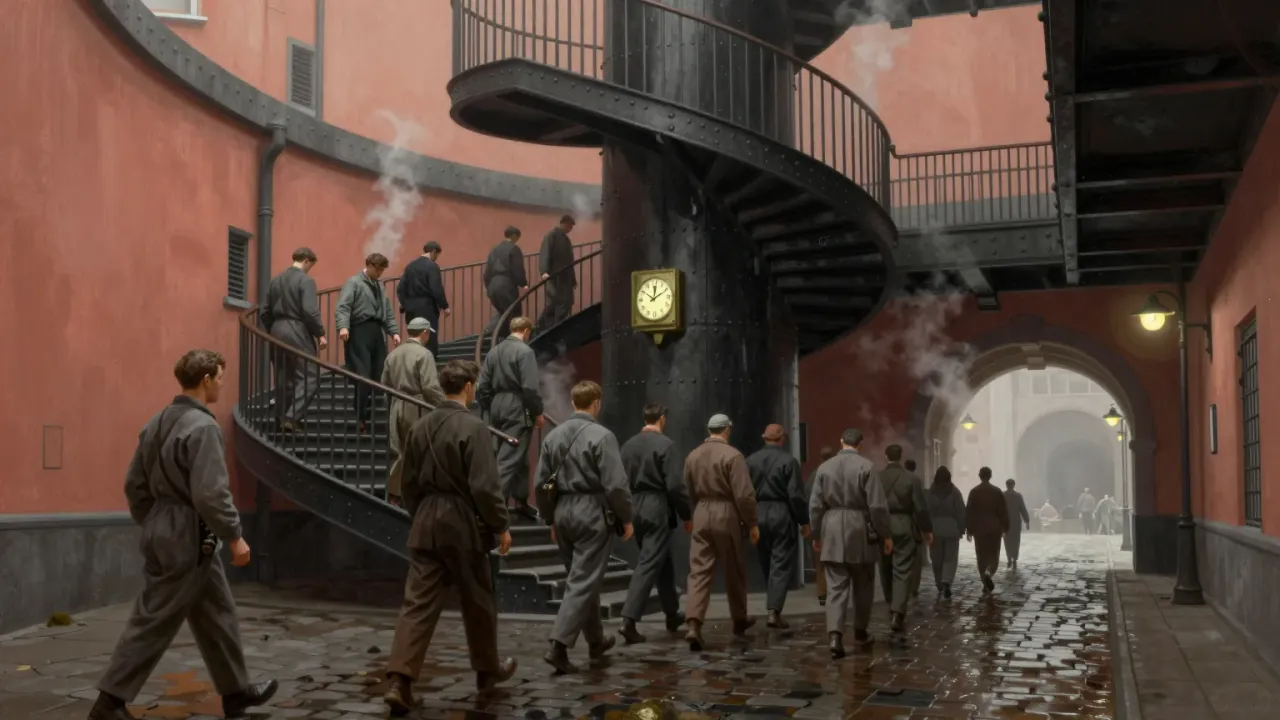
Fritz Lang’s 1927 silent science-fiction film Metropolis stages class division as vertical geography — elites above, workers below — using expressionist design, pioneering special effects, and gruelling physical production. Its moral is stated plainly: 'The Mediator Between the Head and the Hands Must Be the Heart.' Though criticised then and since for schematic politics and narrative naivety, its formal authority, spatial imagination, and material intensity make it foundational. The 2010 restoration recovers nearly all of Lang’s original cut.

13:00

Planet of the Apes

Tim Burton · 2001

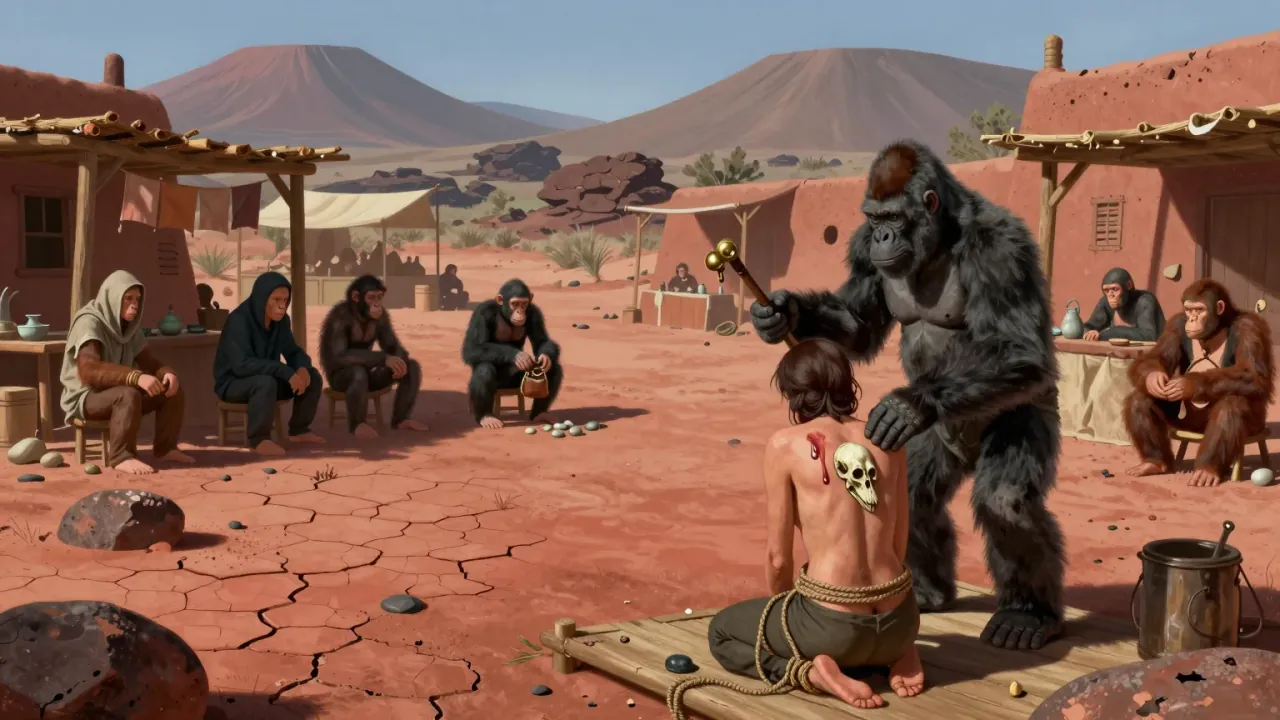
Tim Burton’s 2001 Planet of the Apes is a visually rich, commercially successful remake that prioritises creature design, production scale, and tonal consistency over narrative coherence or thematic depth. Starring Mark Wahlberg and Helena Bonham Carter, it recasts the ape-dominated world as a tactile, myth-saturated empire — impressive in execution, thin in conception. Critics noted its craft and score but faulted its script and ending. It earned $362 million worldwide but was not followed by a sequel.

13:00

Strange Days

Kathryn Bigelow · 1995

Kathryn Bigelow’s 1995 science fiction thriller, set in a gritty, near-future Los Angeles, follows a black-market dealer of recorded memories (SQUID) who uncovers a conspiracy tied to police violence, racial injustice, and sexual assault. Anchored by Ralph Fiennes and Angela Bassett, it merges noir structure with dystopian texture, using immersive point-of-view sequences and a brooding electronic score to explore surveillance, memory, and power. Though a box-office failure, its formal rigour and thematic prescience have earned it enduring critical reassessment.

13:00

The Element of Crime

Lars von Trier · 1984

Lars von Trier’s 1984 debut is a neo-noir experiment shot almost entirely in sodium-vapour light, following a detective who replicates a serial killer’s movements to solve a case — only to absorb his compulsions. With its decaying European cityscapes, repetitive motifs, and hypnotic pacing, the film frames investigation as psychological possession rather than rational deduction.

13:00

The Matrix

Lilly Wachowski · 1999

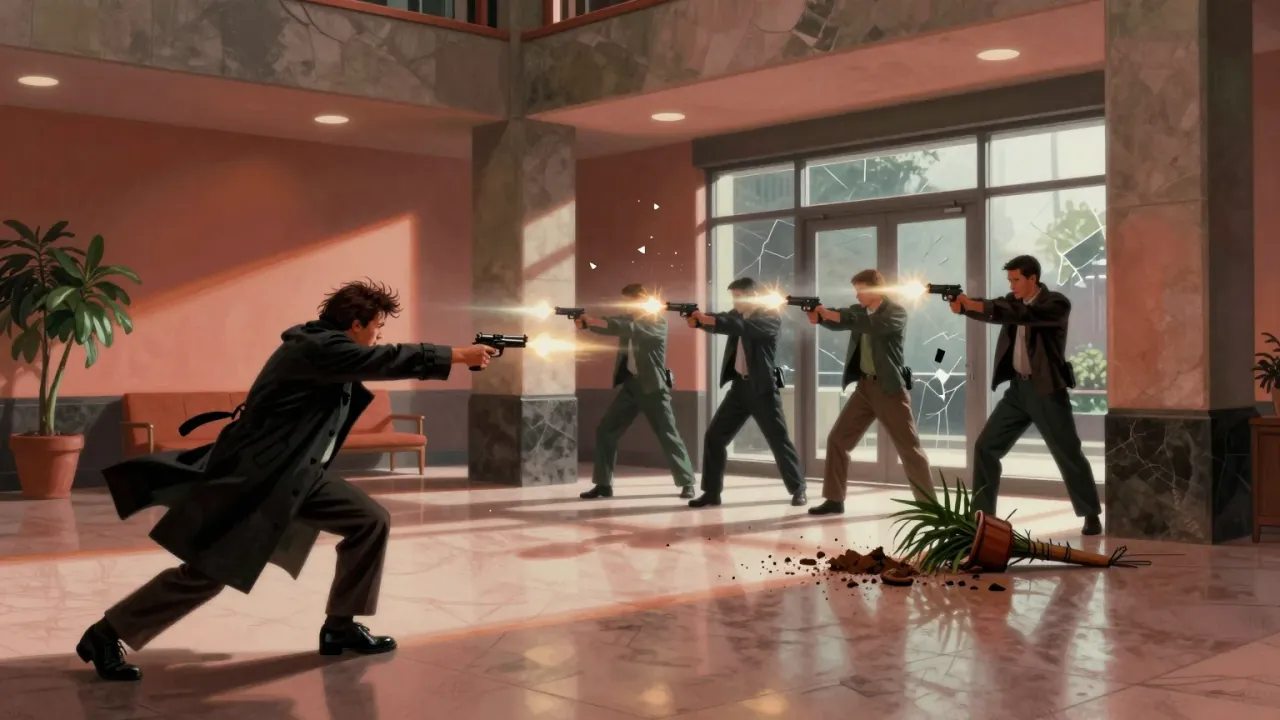
The Matrix is a 1999 science-fiction thriller directed by Lilly Wachowski, starring Keanu Reeves as Neo, a computer hacker who discovers reality is a machine-generated simulation. Guided by Morpheus (Laurence Fishburne) and Trinity (Carrie-Anne Moss), he joins a rebellion against sentient machines. Built on rigorous martial arts choreography, innovative visual effects including 'bullet time', and a green-tinged visual grammar, the film treats perception as infrastructure and freedom as embodied practice. It won four Academy Awards, including Best Visual Effects and Best Film Editing, and remains culturally resonant for its fusion of philosophy, action, and formal invention.

13:00

Akira

Katsuhiro Otomo · 1988

Akira is Katsuhiro Otomo's 1988 adaptation of his own unfinished manga, following biker-gang leader Kaneda as he tries to stop his friend Tetsuo, whose collision with an escaped psychic child leaves him with telekinetic power that threatens to destroy Neo-Tokyo. A landmark of Japanese animation on its original release, it has grown into one of the most influential science-fiction films of its era.

13:00

Blade Runner

Ridley Scott · 1982

Ridley Scott's 1982 science fiction film, adapted from Philip K. Dick's novel, sends former police officer Rick Deckard after a group of fugitive synthetic humans, or replicants, hiding in a decaying future Los Angeles. Shot by Jordan Cronenweth with a score by Vangelis, it underperformed on release and split critics over its pacing, only to be reissued in seven different versions and become one of the defining works of neo-noir and cyberpunk cinema.

13:00

Blade Runner 2049

Denis Villeneuve · 2017

Thirty-five years after Ridley Scott's original, Denis Villeneuve's sequel sends replicant blade runner K into a discovery that threatens the order between humans and the synthetics who serve them, with Harrison Ford's Deckard drawn back into the search. Visually enormous and emotionally patient, it won over critics but not, relative to its cost, box offices.

13:00

Flow

Gints Zilbalodis · 2024

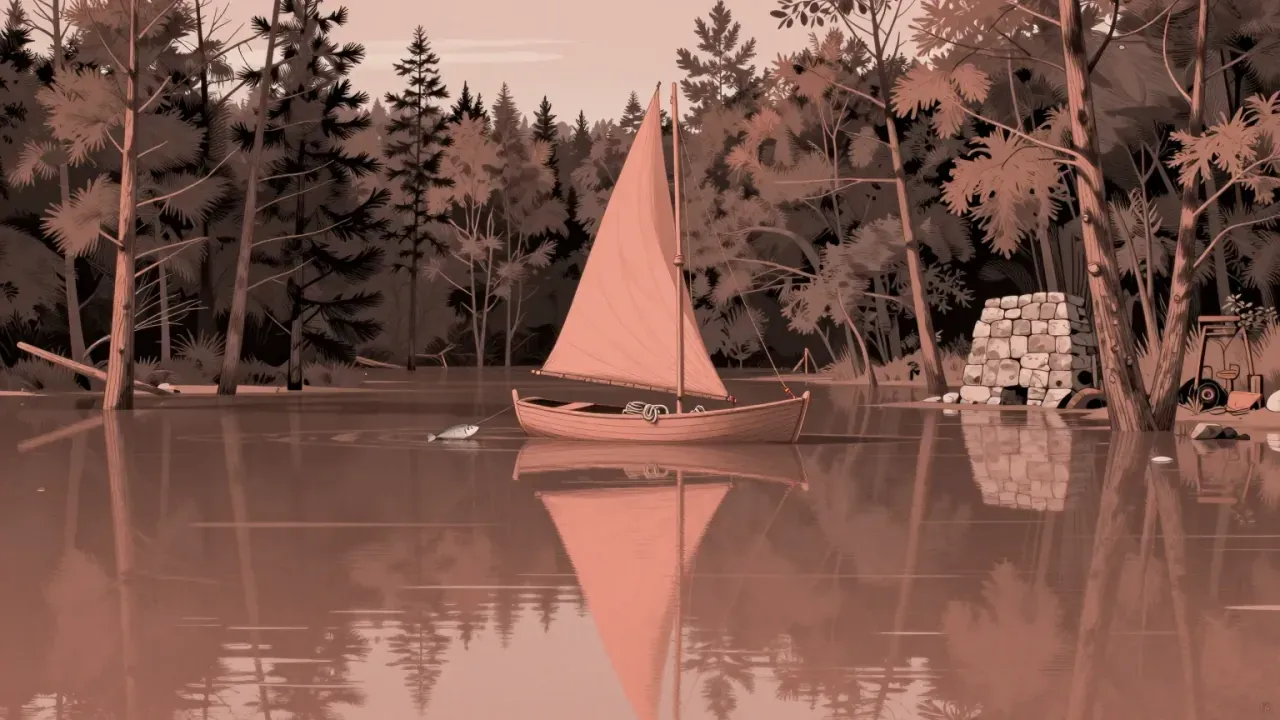
A solitary cat, fleeing dogs and a sudden flood, ends up sharing a small boat with a capybara, a lemur, a secretarybird and a dog as the water keeps rising around a seemingly abandoned world. Gints Zilbalodis made the film with no storyboards and no dialogue, animating it in the free software Blender over five and a half years on a budget of 3.5 million euros.

13:00

Nausicaä of the Valley of the Wind

Hayao Miyazaki · 1984

A thousand years after industrial civilisation collapsed, Princess Nausicaä tries to keep her small valley out of a war between an empire determined to burn a toxic jungle and the giant insects that guard it. Miyazaki wrote and directed the film from his own still-unfinished manga, with only sixteen chapters of story to draw from and a production schedule of nine months on a budget under a million dollars, working with composer Joe Hisaishi for the first time and with the minor studio Topcraft rather than a major animation house.

13:00

The Matrix Revolutions

Lilly Wachowski · 2003

The Wachowskis' 2003 conclusion to the Matrix trilogy sends Neo into the machine city to end humanity's war with the machines while Zion faces a final assault and Agent Smith threatens to overwrite both worlds. Shot back to back with The Matrix Reloaded and released the same year, it opened to the widest simultaneous release of its time and grossed $427.3 million, but drew a marked drop in critical reception, with reviewers praising the visual effects while faulting the film's characterisation and climax.