The look of it
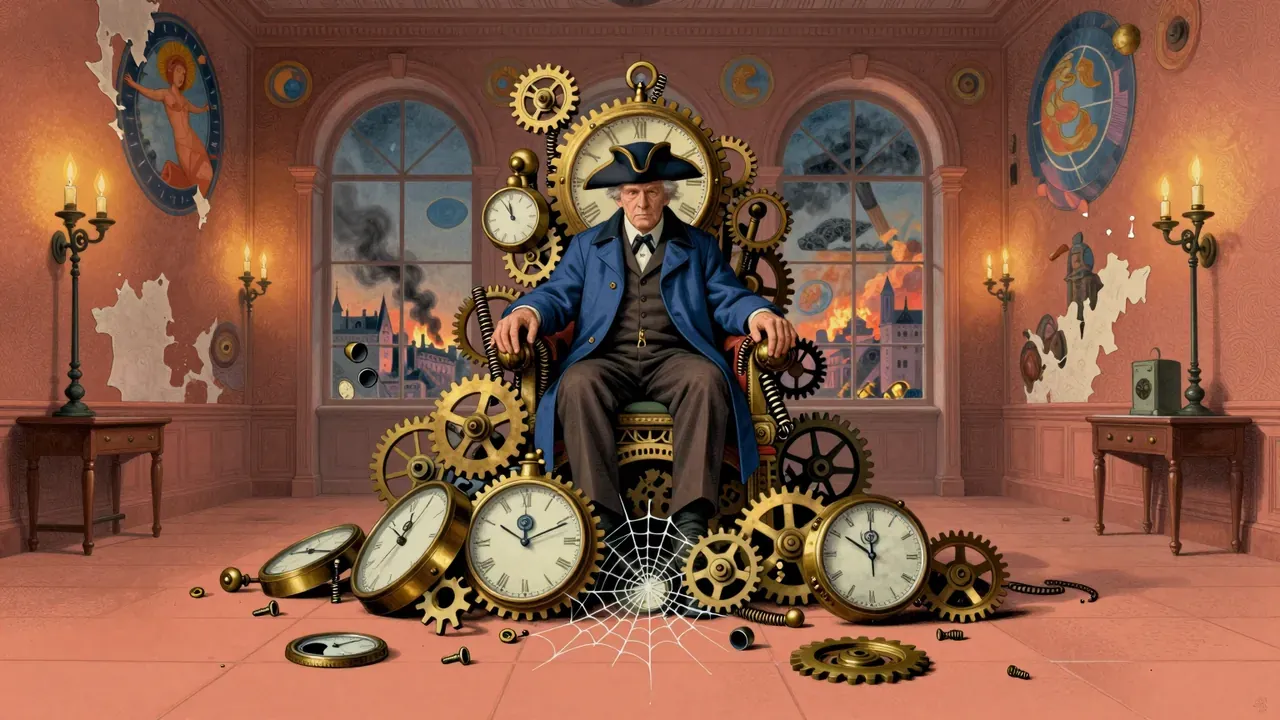
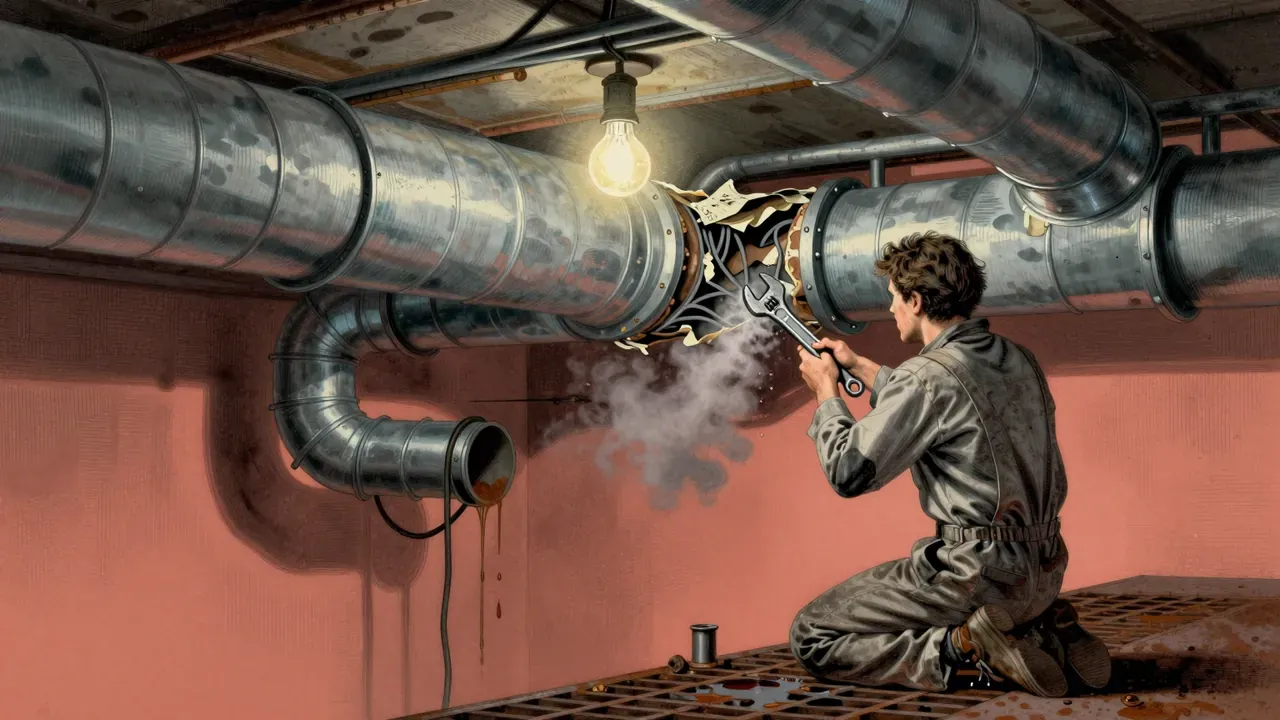
Brazil is a dystopian satire set in an unnamed, anachronistic 20th-century state where bureaucracy functions as both infrastructure and punishment. It does not project forward into speculative futurism but collapses time: pneumatic tubes feed paperwork into clattering ducts beside Art Deco lobbies and noir-shadowed stairwells; elevators stall mid-ascent while clerks file forms for crimes that have not yet occurred. The film’s aim is not to warn about a coming totalitarianism but to anatomise the absurdity already embedded in administrative logic — the way systems generate error, then treat correction as rebellion. Its tone is black comedy rooted in Kafka and Orwell, though it departs from both by refusing moral clarity or redemptive resolution. Terry Gilliam, with Tom Stoppard and Charles McKeown, constructs a world where the machinery of control is visibly shoddy, its operators bored or gleeful, and its victims bureaucratically misfiled before they are even apprehended. It treats surveillance, debt-based justice, and technocratic incompetence not as future threats but as present habits dressed in rubber stamps and tweed.
The shape of the story
The story follows Sam Lowry, a low-grade Ministry of Information clerk played by Jonathan Pryce with quiet, accumulating desperation. His day-to-day involves correcting typographical errors on arrest warrants — until one misfiling condemns an innocent heating engineer, Mr Buttle, and sets off a chain of escalating interventions. Robert De Niro appears briefly but decisively as Tuttle, a rogue repairman who dismantles bureaucratic logic with a screwdriver and a grin. Katherine Helmond’s Ida Lowry wears prosthetic facial appliances that make her resemble a melted waxwork; Ian Holm plays Sam’s boss with clipped, reptilian calm. Roger Pratt’s cinematography favours tight frames, skewed angles, and deep-focus clutter: corridors recede into vanishing points choked with ducting, desks vanish under paper avalanches. Michael Kamen’s score layers orchestral grandeur with wheezing brass and theremin warble, reinforcing the dissonance between official pomp and operational chaos. Julian Doyle’s editing stitches dream sequences — soaring over clouds in winged chairs — against grimy reality with abrupt, jarring cuts, never letting fantasy feel safe or sustained.
What sticks to the fingers
What lands is the film’s tactile sense of decay: the grease on a typewriter key, the hum of a failing air-conditioning unit, the slow peel of adhesive from Katherine Helmond’s face mask. The satire holds because its targets are still recognisable — forms that demand signatures before granting access, departments that exist only to refer you elsewhere, supervisors who praise initiative while punishing deviation. The bureaucratic language is precise and hollow: ‘Form 27B-6’, ‘Department of Records, Subsection Gamma’, ‘the unauthorised use of imagination’. Even minor characters land: Bob Hoskins’ menacing but oddly courteous security chief, Peter Vaughan’s weary, pipe-smoking torturer, Michael Palin’s Jack Lint — polite, efficient, and utterly devoid of conscience. The production design avoids sleek futurism in favour of what Gilliam called ‘a view of what the 1980s might have looked like as viewed from the perspective of a 1940s filmmaker’: riveted metal, Bakelite telephones, steam-pipe logic. This retro-futurism gives the absurdity weight — it feels built, not sketched.
Where the light doesn’t reach
What does not land is the emotional through-line of Sam’s infatuation with Jill Layton, played by Kim Greist. Her character lacks dimension beyond function: she is either a cipher of hope or a narrative device to trigger Sam’s final break. Gilliam reportedly cut or re-edited her scenes due to dissatisfaction with the performance, and the edits leave her motivations and agency underdeveloped. The dream sequences, while visually striking, grow repetitive in their iconography — white robes, floating, harp glissandi — without deepening Sam’s interiority. Some tonal shifts falter: the transition from bureaucratic farce to psychological collapse feels less earned than inevitable, relying on pacing rather than psychological accumulation. The film’s resistance to exposition also works against clarity: viewers unfamiliar with Kafka or Orwell may read the Ministry’s logic as arbitrary rather than systemic. And while the ending’s ambiguity is deliberate, its resemblance to ‘An Occurrence at Owl Creek Bridge’ risks feeling like a structural echo rather than a thematic culmination — a flourish that prioritises form over felt consequence.
The engine beneath the noise
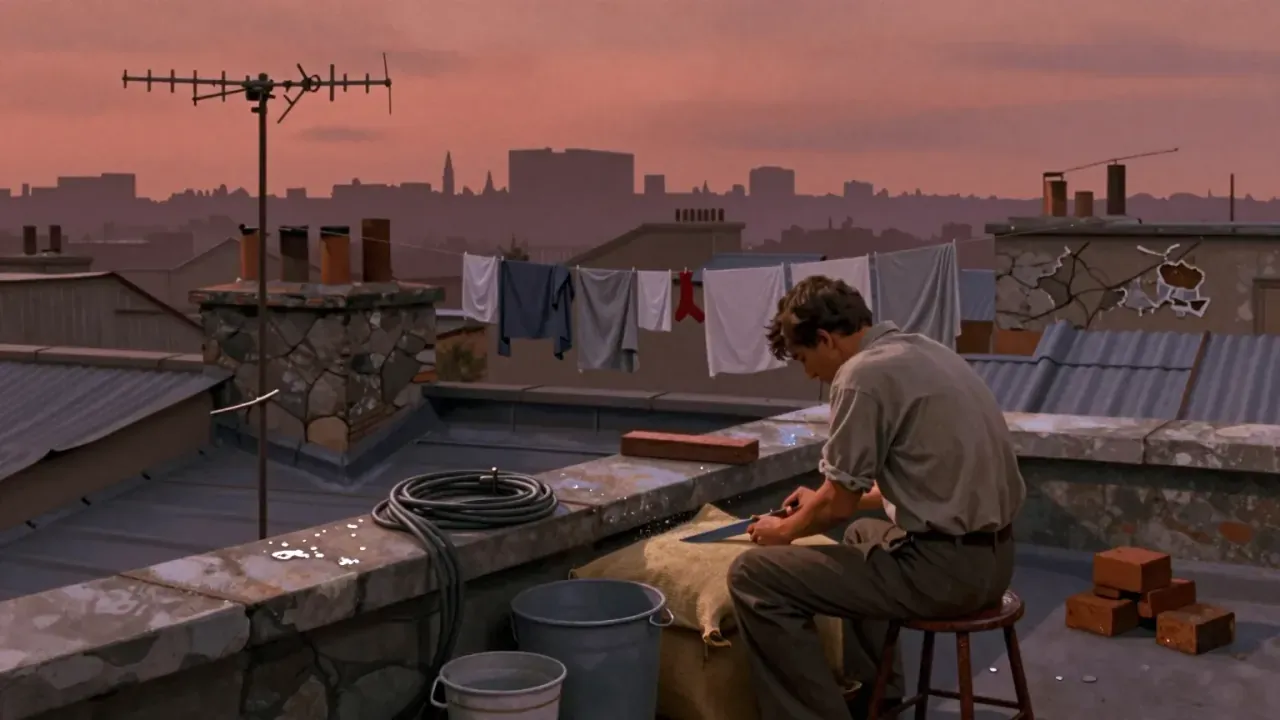
The themes that matter are not surveillance or authoritarianism in the abstract, but the banality of procedural violence: how filing cabinets become instruments of erasure, how a misplaced decimal point authorises torture, how compliance is rewarded with incremental dehumanisation. Brazil interrogates the myth of competence — the idea that systems fail only through individual error, when in fact their design guarantees failure as routine. It treats imagination not as escape but as evidence of non-conformity, punishable by re-education or lobotomy. Class is rendered physically: Sam lives in a cramped flat with peeling wallpaper and a malfunctioning lift; his mother inhabits a gilded, airless penthouse where plastic surgery and cocktail parties mask terminal emptiness. The film’s critique of corporate statism is grounded in infrastructure — not ideology but the rust on a ventilation grille, the jammed gears of a document shredder, the way a single pneumatic tube can carry both love letters and arrest warrants. Its enduring relevance lies in how little the machinery has changed, only the labels on the dials.
Who walks through the door
This film is for viewers who tolerate long takes, visual density, and endings that withhold catharsis — those who find humour in entropy and resonance in bureaucratic dread. It suits readers of Kafka, fans of German Expressionist composition, and anyone who has ever filled out Form 27B-6. It is not for viewers who require clear moral anchors, linear cause-and-effect, or protagonists whose choices drive the plot forward. Those who dislike irony as a structural principle, or who expect satire to offer solutions rather than symptoms, will find it exhausting. A viewer expecting sci-fi spectacle or action will be disappointed: there are no chases, no battles, no heroes who win. Someone who values emotional transparency over stylistic coherence may reject its coldness. The verdict would shift if the film anchored Sam’s descent more firmly in psychology than in aesthetic escalation — but that is not its aim. Its refusal to comfort is part of its argument.
The weight of the hours
Yes, it is worth your evening — but only if you watch it whole, undistracted, and accept that its rewards are cumulative, not immediate. Its 142 minutes unfold like a Rube Goldberg machine: each scene adds another gear, another lever, another whirring, ill-fitting component. You need time for the design to settle, for the repetitions to register as pattern rather than redundancy. Viewers who skip ahead or pause frequently will miss the rhythm of its absurdity — the way a single shot of a ceiling fan spinning too slowly echoes across three separate scenes. It repays attention, not admiration. Those who watch for plot alone will leave frustrated; those who watch for texture, tone, and the sheer physicality of its world-building will find it richly sustained. Its value lies in how completely it realises a vision — not as prophecy, but as diagnosis. To dismiss it as ‘too weird’ or ‘too long’ is to mistake its method for its flaw. It is demanding, yes — but never dishonest about what it asks.