filmbriefs
Topic

Ritual

Repeated action doing work that argument cannot.

26
in film
13:00
average
338 min
in total
96
across the network
Ritual across the network →
All briefs26
13:00

Beyond the Hills

Cristian Mungiu · 2012

Beyond the Hills (2012), directed by Cristian Mungiu, follows two orphaned Romanian women — one newly professed at an Orthodox convent, the other arriving from Germany seeking reunion — as their bond unravels under the weight of doctrine, isolation, and escalating restraint. Based on real events surrounding the 2005 Tanacu exorcism, it unfolds with clinical restraint: long takes, muted sound, no score, and performances that withhold explanation. The film builds not to revelation but to consequence — a death that arrives not with fanfare, but as the logical endpoint of unchallenged assumptions.

13:00

Bogeyman

G. Aravindan · 1979

G. Aravindan’s 1979 Bogeyman (Kummatty) is a lyrical Malayalam fantasy following a boy named Chindan whose encounter with a wandering masked man blurs the line between folklore and lived reality. Shot by Shaji N. Karun and scored by M. G. Radhakrishnan, it unfolds in unhurried, observational rhythms across a Kerala village, culminating in literal transformation — children become animals, one remains a dog, and only witnessing restores him. Awarded Kerala’s Best Children’s Film, it resists explanation in favour of sensory fidelity and quiet moral weight.

13:00

El Amor brujo

Carlos Saura · 1986

Carlos Saura’s 1986 El Amor brujo adapts Manuel de Falla’s ballet into a tightly wound flamenco drama starring Antonio Gades and Cristina Hoyos. Set in Andalusia, it follows Candela, haunted by her dead husband’s ghost, whose release requires a ritual dance with the woman he loved in life. Shot by Teodoro Escamilla and choreographed by María Pagès, the film subordinates narrative to rhythm, dialogue to zapateado, and psychology to physical repetition — making it less a ghost story than a study in embodied memory.

13:00

Exotica

Atom Egoyan · 1994

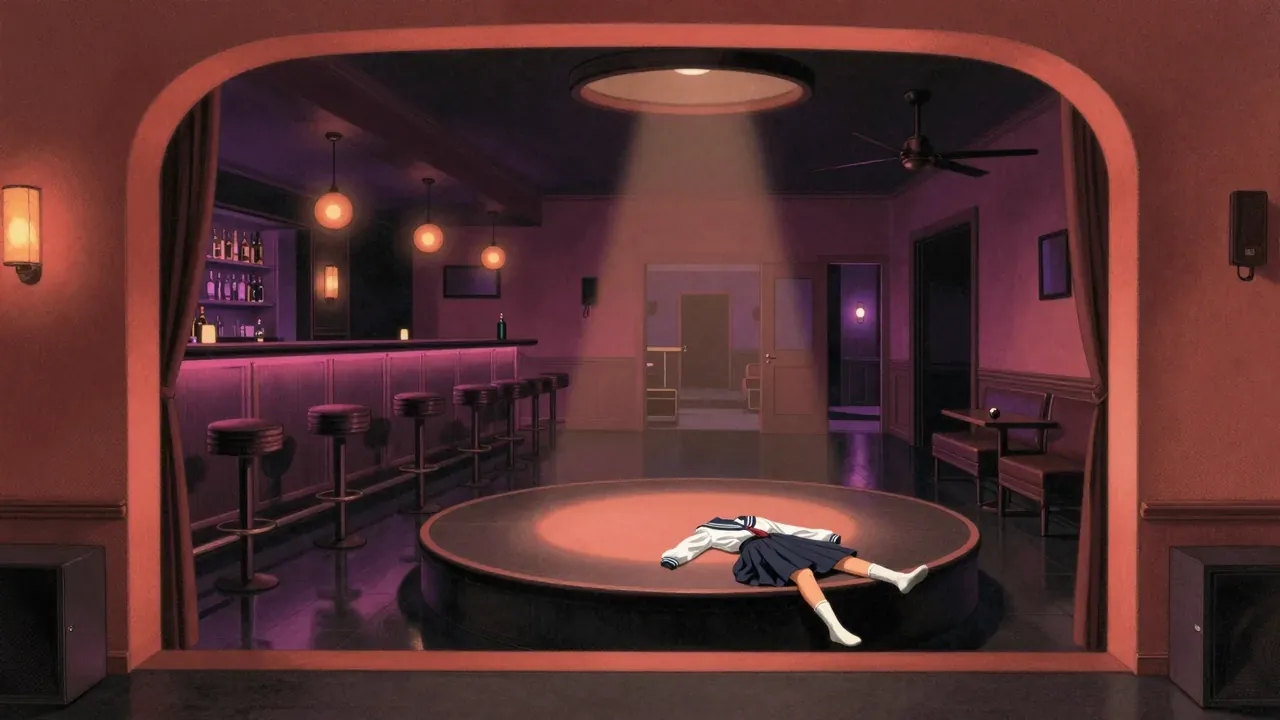
Atom Egoyan’s 1994 Canadian drama Exotica unfolds in and around a Toronto strip club, tracing the restrained, overlapping lives of a grieving tax auditor, a dancer, a club owner, and a bird smuggler. Structured like a striptease — withholding, then revealing — it treats the club as ritual space rather than spectacle, using Paul Sarossy’s precise cinematography, Mychael Danna’s layered score, and Susan Shipton’s deliberate editing to explore how trauma reshapes memory, time, and connection. It won Best Canadian Film at TIFF and the Genie for Best Picture.

13:00

I Walked with a Zombie

Jacques Tourneur · 1943

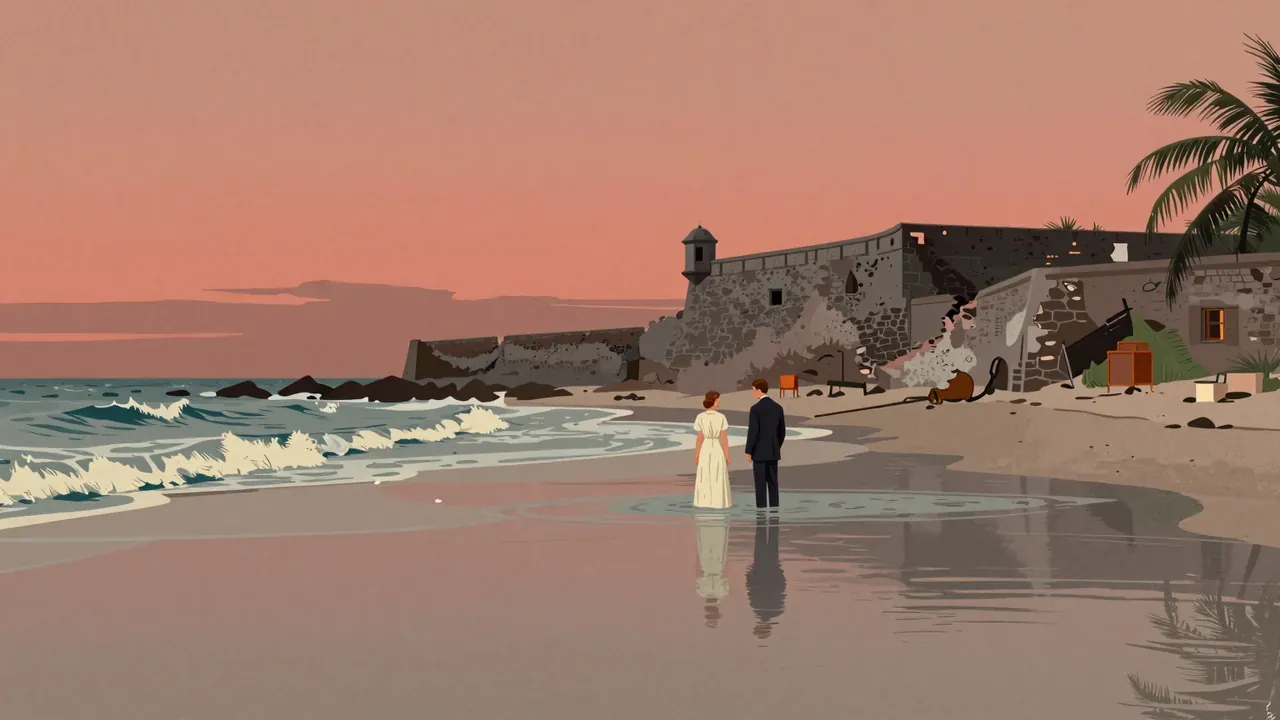
I Walked with a Zombie (1943), directed by Jacques Tourneur and produced by Val Lewton, follows a Canadian nurse who travels to a Caribbean sugar plantation and becomes entangled in the mystery of her employer’s catatonic wife. Shot on a shoestring budget, it sustains dread through atmosphere, implication, and moral ambiguity rather than gore or spectacle. Drawing on Charlotte Brontë’s Jane Eyre and Inez Wallace’s article on Haitian 'zombies', it treats Vodou as a system of belief entwined with power and history — not exotic fantasy. Its strength lies in its restrained craft, evocative cinematography, and unflinching engagement with colonial legacy, though its narrative vagueness may frustrate some viewers.

13:00

Kuroneko

Kaneto Shindō · 1968

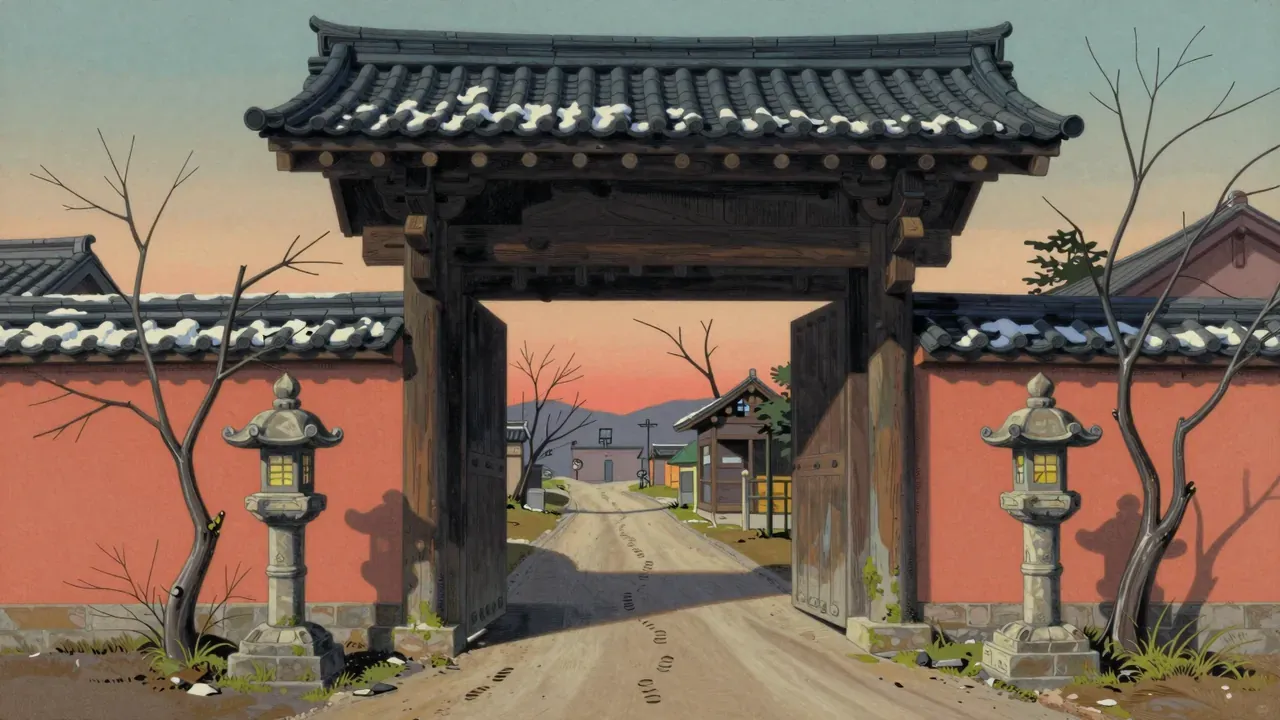
Kaneto Shindō’s 1968 Kuroneko is a black-and-white jidaigeki horror film about two women who return as vengeful spirits after being raped and murdered by samurai. Set in feudal Japan during civil war, it follows their spectral seductions and killings, and the tragic confrontation with the son-husband who must destroy them — even as he loves them. Stylised with Noh and kabuki techniques, shot by Kiyomi Kuroda, and scored by Hikaru Hayashi, it is a study in restraint, doubling, and irreversible consequence.

13:00

Les Vacances de Monsieur Hulot

Jacques Tati · 1953

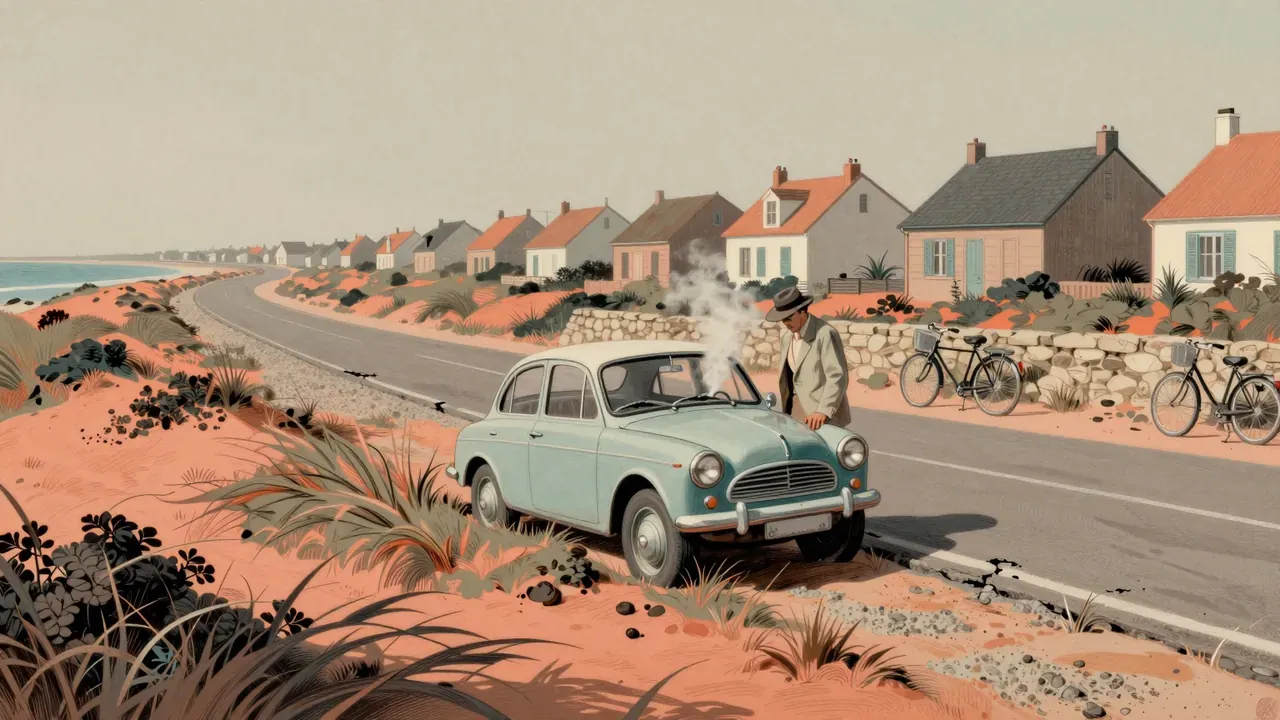
Jacques Tati’s 1953 comedy observes a French seaside resort through the quiet chaos introduced by Monsieur Hulot — a tall, pipe-smoking man whose well-meaning clumsiness exposes the fragility of middle-class ritual. Shot in black and white in Saint-Marc-sur-Mer, it builds humour from choreographed movement, layered sound, and precise framing rather than dialogue or plot. With minimal spoken words and a jazz score by Alain Romans, the film treats human behaviour as pattern, not psychology — finding comedy in repetition, timing, and the gap between intention and outcome.

13:00

Medea

Pier Paolo Pasolini · 1969

Pier Paolo Pasolini’s 1969 Medea stars Maria Callas in her sole film role, adapting Euripides’ play as an anthropological re-enactment rather than a psychological drama. Shot across Turkey, Syria, and Italy, it uses distinct colour schemes, non-Western music, and ritual pacing to embody three civilisations — Colchis, Iolcus, and Corinth — as competing cosmologies. Callas’s Medea is a force of nature, her infanticide a final assertion of sovereignty over meaning in a world that has abandoned her epistemology.

13:00

Muna Moto

Jean-Pierre Dikongué Pipa · 1975

A 1975 Cameroonian drama by Jean-Pierre Dikongué Pipa, set in a rural community where Ngando’s love for Ndomé is undone by the unyielding requirement of dowry payment. When she bears his child, the village arranges her marriage to his uncle — a man who can fulfil the custom. Ngando’s final act is to take his daughter on the day of the feast. Shot in French with minimal music or camera movement, the film observes ritual, silence, and social consequence without explanation or judgement.

13:00

No Bears

Jafar Panahi · 2022

Jafar Panahi’s No Bears (2022) is a self-reflexive Iranian drama shot secretly in rural Iran. Playing a fictionalised version of himself, Panahi directs a docudrama remotely from a border village while becoming embroiled in a local scandal over a rumoured photograph. The film intercuts this with footage of the actors he oversees — a couple attempting to flee the country — and holds both narratives in unresolved tension. It explores censorship, communal control, and the ethics of representation without recourse to exposition or resolution.

13:00

Pale Flower

Masahiro Shinoda · 1964

Masahiro Shinoda’s 1964 yakuza drama follows Muraki, a hitman released from prison, drawn into a fatal attraction with Saeko, a thrill-seeking gambler. Set against Tokyo’s underground gambling dens and nocturnal streets, the film replaces plot with rhythm, silence with tension, and character psychology with physical precision. Tōru Takemitsu’s dissonant score and Shinsaku Himeda’s restrained cinematography deepen its mood of existential exhaustion. It is a foundational Japanese New Wave work — austere, hypnotic, and unrelenting in its formal control.

13:00

Patriotism

Yukio Mishima, Masaki Dōmoto · 1965

Patriotism (1966) is a thirty-minute silent black-and-white short directed by Yukio Mishima and Masaki Dōmoto, adapting Mishima’s 1960 story. It depicts the final hours of a young army officer and his wife after the 1936 Tokyo coup attempt, culminating in their joint suicide. Shot in two days with stark Noh-influenced staging, it uses static frames, high-contrast cinematography by Kimio Watanabe, and intertitles to render devotion, ritual, and mortality as inseparable. Richard Wagner’s music accompanies some screenings, though the film itself is silent. Rediscovered in 2005 after Mishima’s widow ordered its destruction, it remains a singular, uncompromising work of formal and philosophical austerity.

13:00

Powaqqatsi

Godfrey Reggio · 1988

A 1988 non-narrative documentary directed by Godfrey Reggio, Powaqqatsi observes labour, ritual and urban flux across Africa, Asia and Latin America, scored by Philip Glass. With no dialogue or exposition, it builds meaning through rhythm, scale and repetition — proposing transition, not progress or decay, as its central condition.

13:00

The Ballad of Narayama

Keisuke Kinoshita · 1958

Keisuke Kinoshita’s 1958 adaptation of Shichirō Fukazawa’s story presents the fictional practice of ubasute — abandoning elders on Mount Narayama — not as barbarism but as a disciplined, communal rite. Stylised like kabuki theatre, with stark black-and-white cinematography by Tatsuo Suzuki and a restrained, chant-like score by Ichirō Saitō, the film follows Orin (Kinuyo Tanaka) in her final month before ascent. Its power lies in formal unity and moral austerity, refusing psychology or judgement in favour of ritual precision. Though divisive at Venice in 1958, it has since been recognised as a landmark of Japanese arthouse cinema.

13:00

The Funeral

Jūzō Itami · 1984

Jūzō Itami’s 1984 debut follows a Tokyo family preparing for a traditional Japanese funeral over three days. With Tsutomu Yamazaki and Nobuko Miyamoto, it observes ritual, grief and social performance with quiet precision — finding comedy not in mockery but in the stubborn persistence of form amid loss.

13:00

The Moment of Truth

Francesco Rosi · 1965

Francesco Rosi’s 1965 drama follows Miguel Romero, a young man from rural poverty who abandons farming for bullfighting in search of dignity and recognition. Shot with restrained realism by Di Venanzo, De Santis and Parolin, and performed largely by real bullfighters including Miguelín himself, the film avoids mythmaking in favour of procedural observation — tracing how ritual, class and visibility reshape identity. Linda Christian appears as an ambiguous outsider. Its themes centre on substitution, erasure and the cost of becoming legible in a hierarchical world.

13:00

The Rite

Ingmar Bergman · 1969

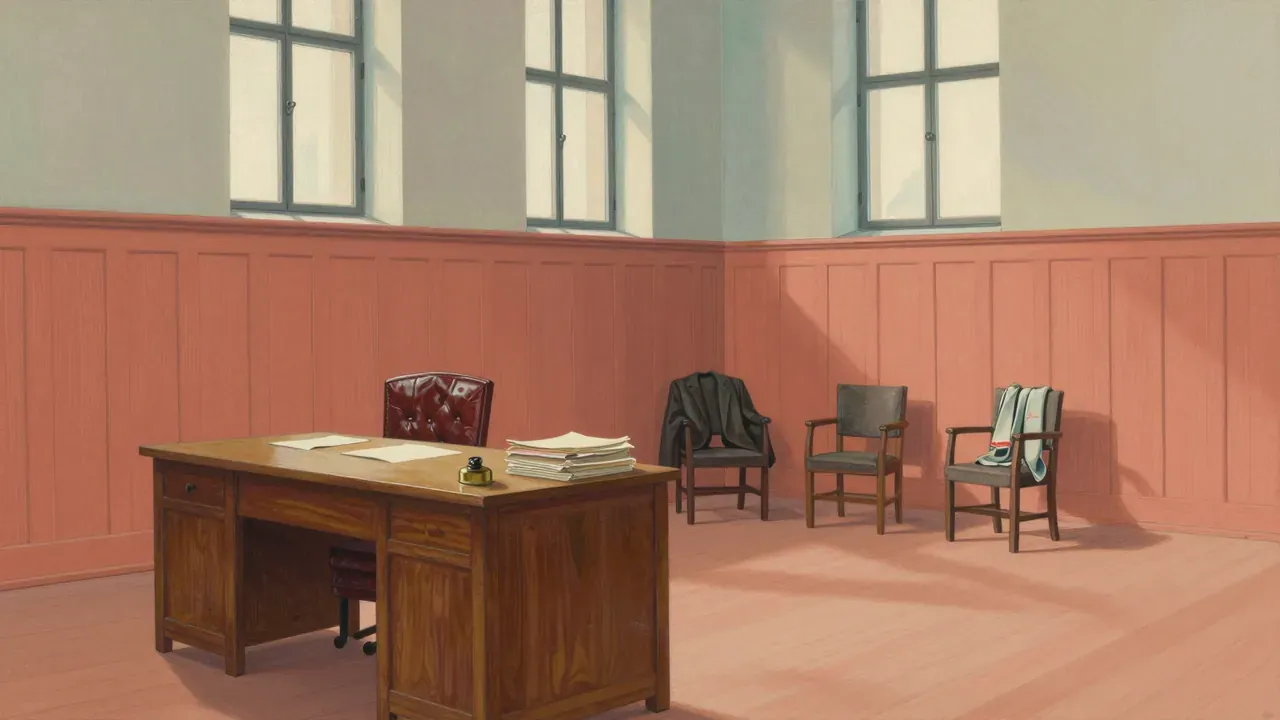
Ingmar Bergman’s 1969 television film The Rite confines three actors and a judge to a single office, where questions of obscenity give way to deeper reckonings of guilt, desire, and performance. Shot by Sven Nykvist in stark, unbroken takes, it relies on vocal nuance and spatial tension rather than plot. Gunnar Björnstrand, Anders Ek, and Ingrid Thulin navigate layered relationships under Erik Hell’s implacable scrutiny — until the line between witness and participant dissolves.

13:00

The Taking of Power by Louis XIV

Roberto Rossellini · 1966

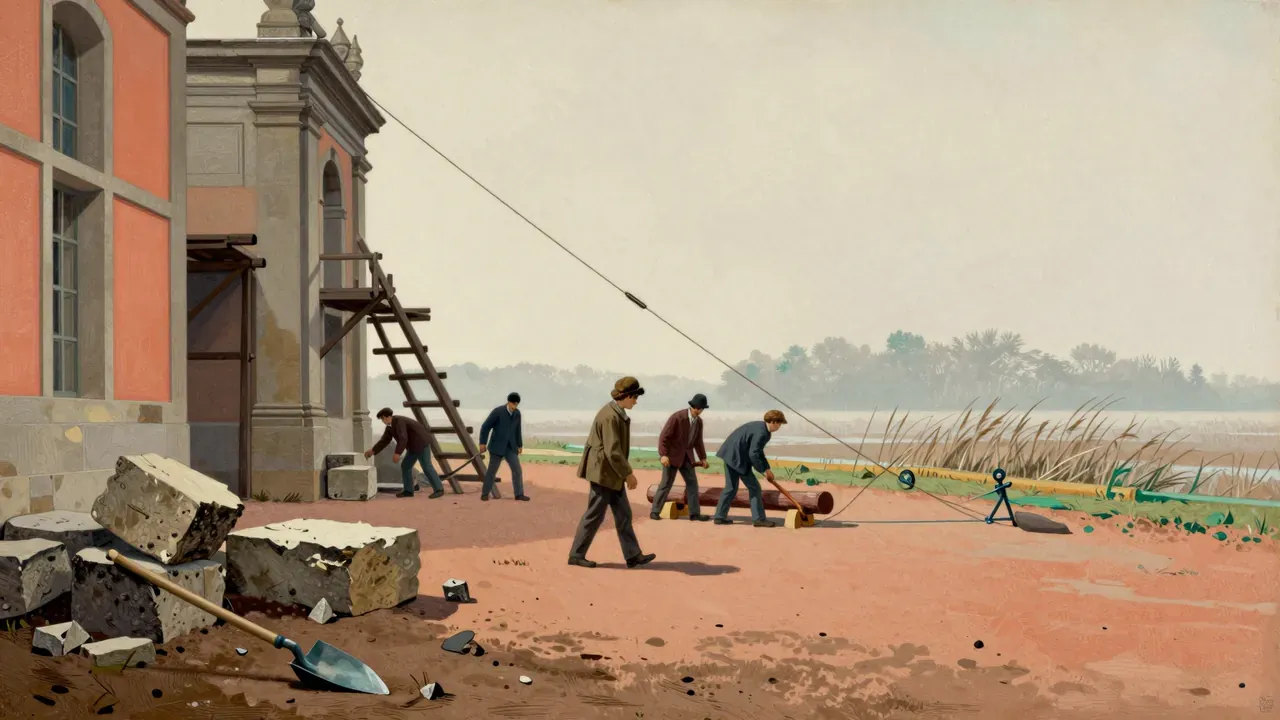
Roberto Rossellini’s 1966 television film charts Louis XIV’s consolidation of power not through battle or charisma, but through administrative rigour, spatial control, and ceremonial discipline. Shot in 23 days with non-professional actors and restrained cinematography, it presents the birth of the modern French state as a slow, procedural accumulation — where tax reform, Versailles’ construction, and the arrest of Fouquet are all moments in the same system. Its power lies in its austerity: no score, no close-ups, no moralising — just the steady, unsettling logic of institutional control.

13:00

The Wind Will Carry Us

Abbas Kiarostami · 1999

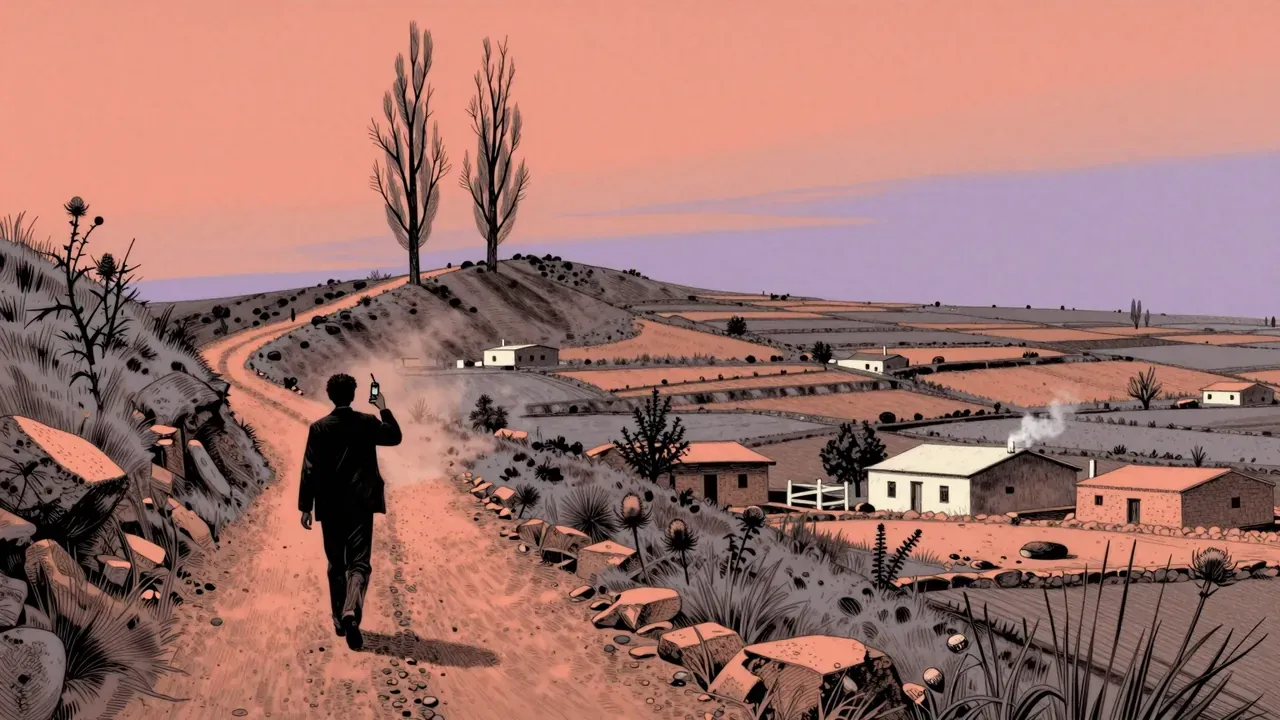
Abbas Kiarostami’s 1999 film follows a Tehran filmmaker who travels to a Kurdish village to document funeral rites for a dying woman. She does not die. Instead, the film unfolds in the suspended time between expectation and event — shaped by mobile signal, hilltop cemetery visits, a boy’s questions, and the quiet persistence of daily life. Shot by Mahmoud Kalari, edited and written by Kiarostami, it is a study in patience, mediation, and the weight of what remains unsaid.

13:00

Zatoichi Goes to the Fire Festival

Kenji Misumi · 1970

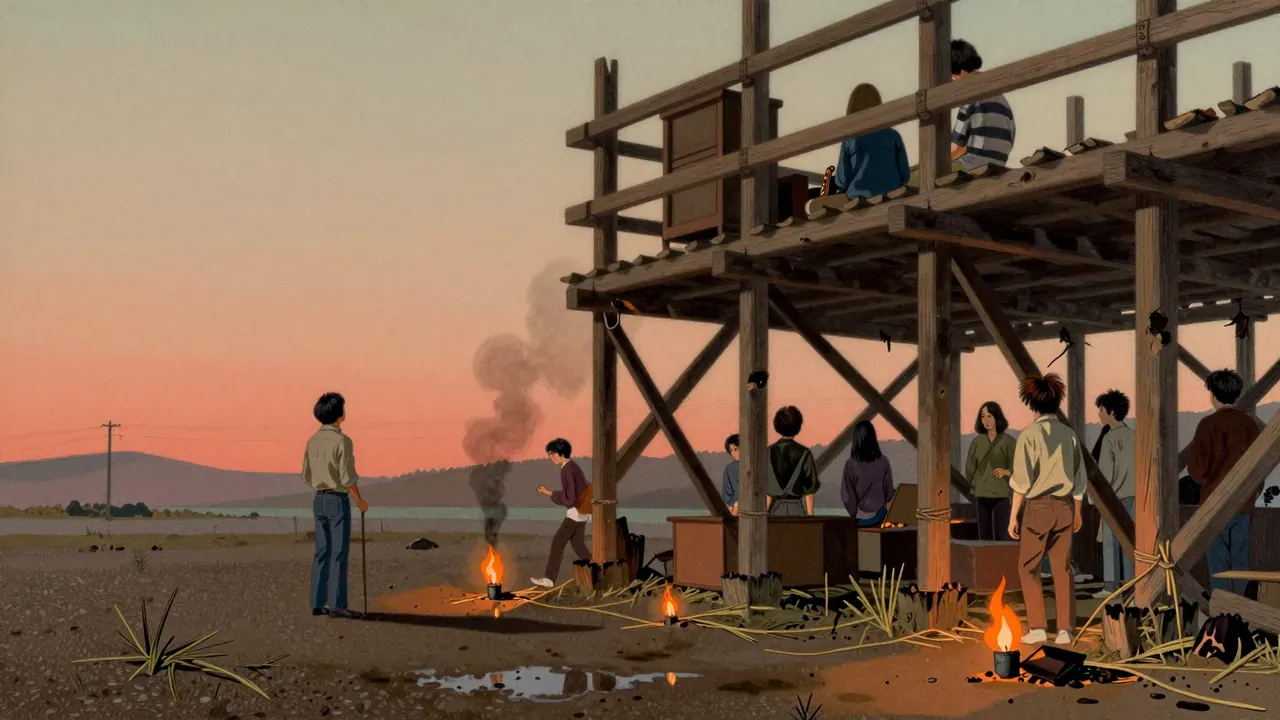
Zatoichi Goes to the Fire Festival (1970), directed by Kenji Misumi and starring Shintarō Katsu, is the twenty-first and Misumi’s final entry in the original Zatoichi series. Set in the late Edo period, it follows the blind swordsman as he confronts Yamikubo, a rival blind warlord who rules through fear and tribute. With cinematography by Kazuo Miyagawa and music by Akira Ifukube, the film uses the Fire Festival as both backdrop and moral crucible. It is a study in restraint — in performance, editing, and philosophy — closing a chapter not with spectacle but with accumulated weight.

13:00

Raise the Red Lantern

Zhang Yimou · 1991

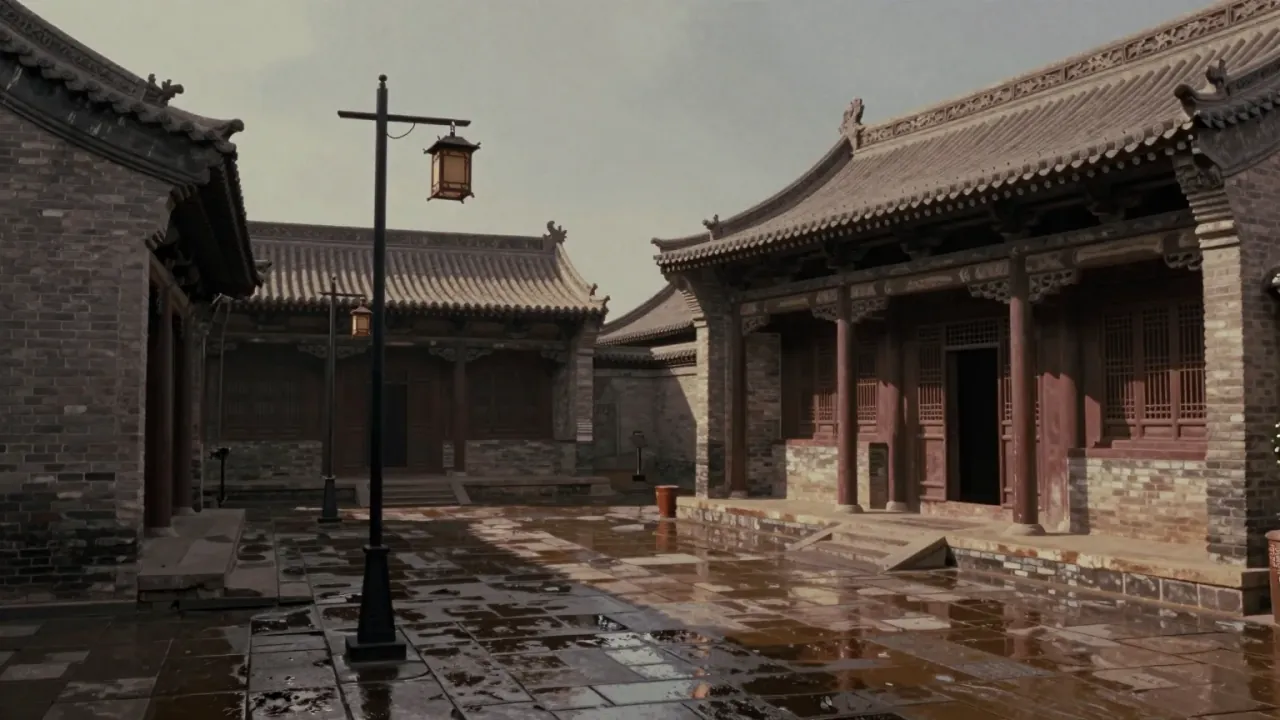
A 1991 Mandarin-language period drama directed by Zhang Yimou and adapted by Ni Zhen from Su Tong’s novella, Raise the Red Lantern follows Songlian (Gong Li), a young woman forced into becoming the fourth wife of a wealthy patriarch in 1920s Republican China. Set within the rigid confines of the Qiao Family Compound, the film charts her gradual subjection to a system where status is signalled by red lanterns, nightly visits, and foot massages — all governed by unspoken rules and silent hierarchies. Zhao Fei’s cinematography, Zhao Jiping’s score and Gong Li’s restrained performance cohere into a portrait of enclosure, repetition and eroded agency.

13:00

Devi

Satyajit Ray · 1960

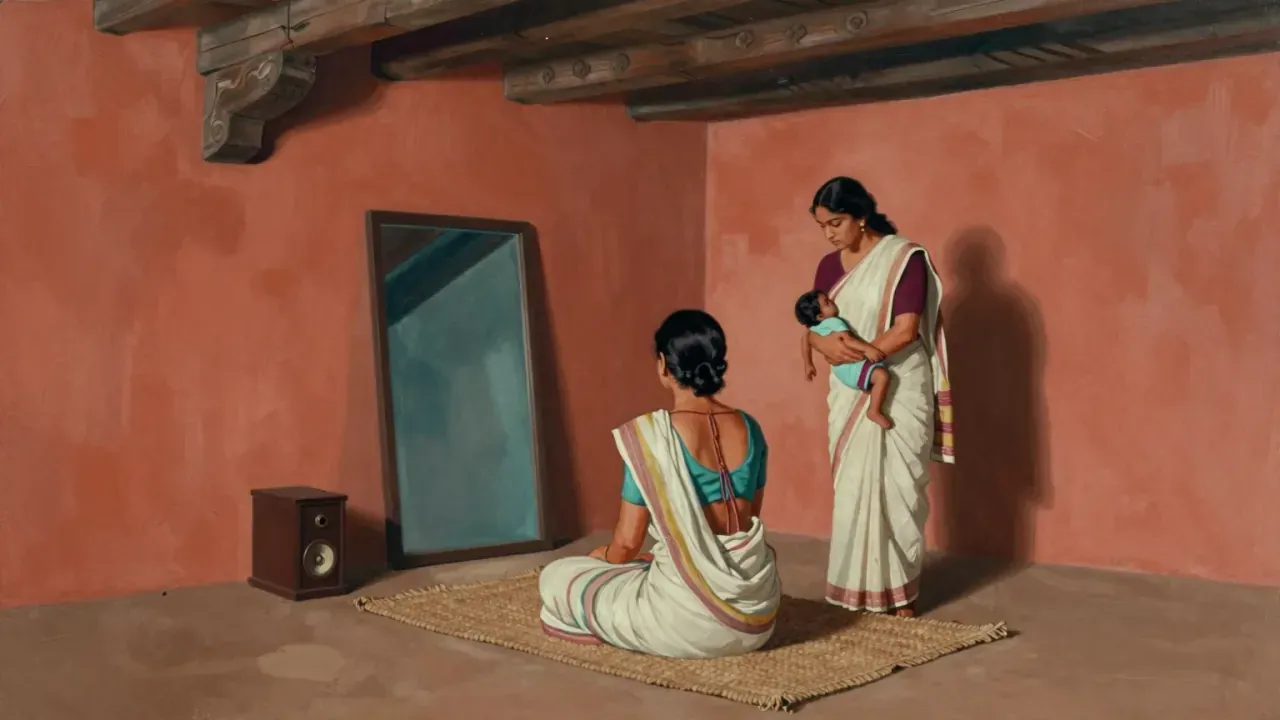
Satyajit Ray’s 1960 Bengali drama Devi follows Doyamoyee, a young wife declared a goddess incarnate by her father-in-law after a dream. Set in 19th-century rural Bengal, the film charts her slow erasure as ritual replaces relationship, silence replaces speech, and worship replaces care. With restrained performances, Subrata Mitra’s understated cinematography, and Ali Akbar Khan’s sparse score, it builds tension through stillness and accumulation — not spectacle. The result is a precise, unsentimental anatomy of how social certainty can extinguish personhood.

13:00

Eat Drink Man Woman

Ang Lee · 1994

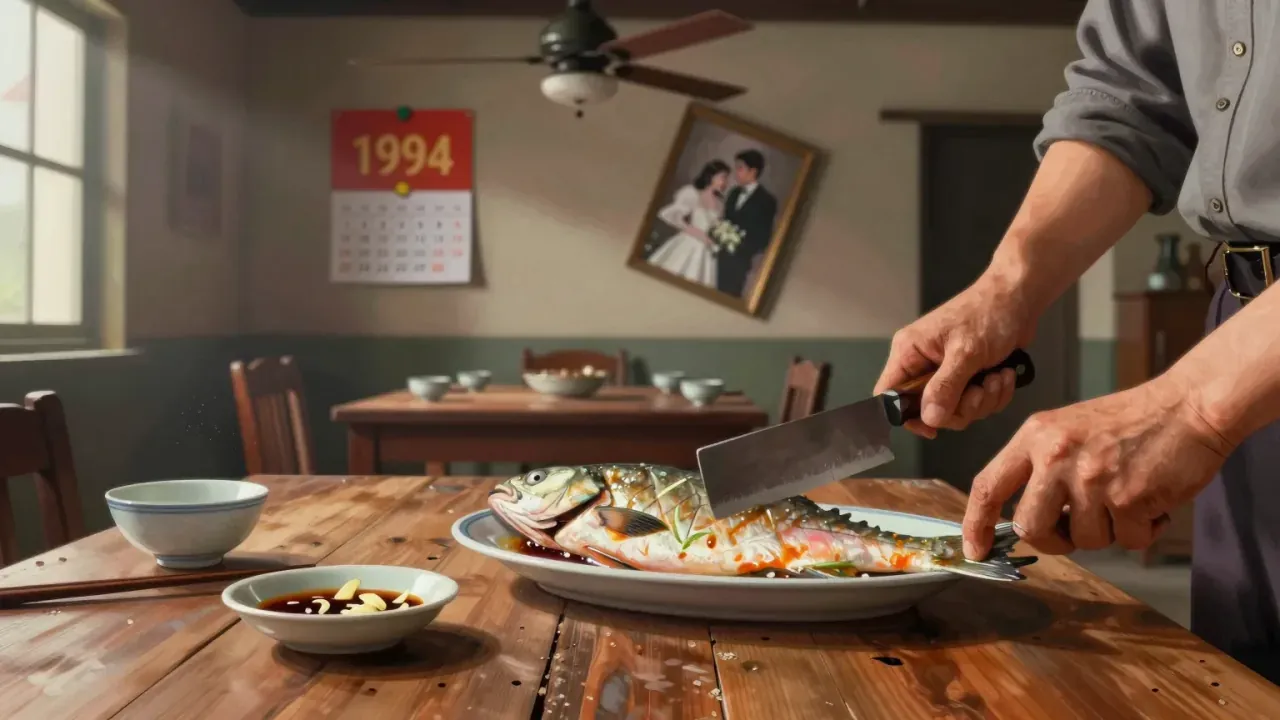
Set in 1990s Taipei, Eat Drink Man Woman follows Zhu, a retired chef and widower, and his three daughters as their weekly Sunday meals become the stage for shifting desires, unspoken tensions, and gradual reinvention. Directed by Ang Lee, the film treats food, faith, career, and love as interwoven strands of daily life — not symbols, but substances. Its strength lies in specificity: Mandarin dialogue, Taipei locations, culinary detail, and performances that resist caricature. While Jia-Ning’s storyline feels underdeveloped, the film’s emotional logic remains coherent and deeply humane.

13:00

The Green Knight

David Lowery · 2021

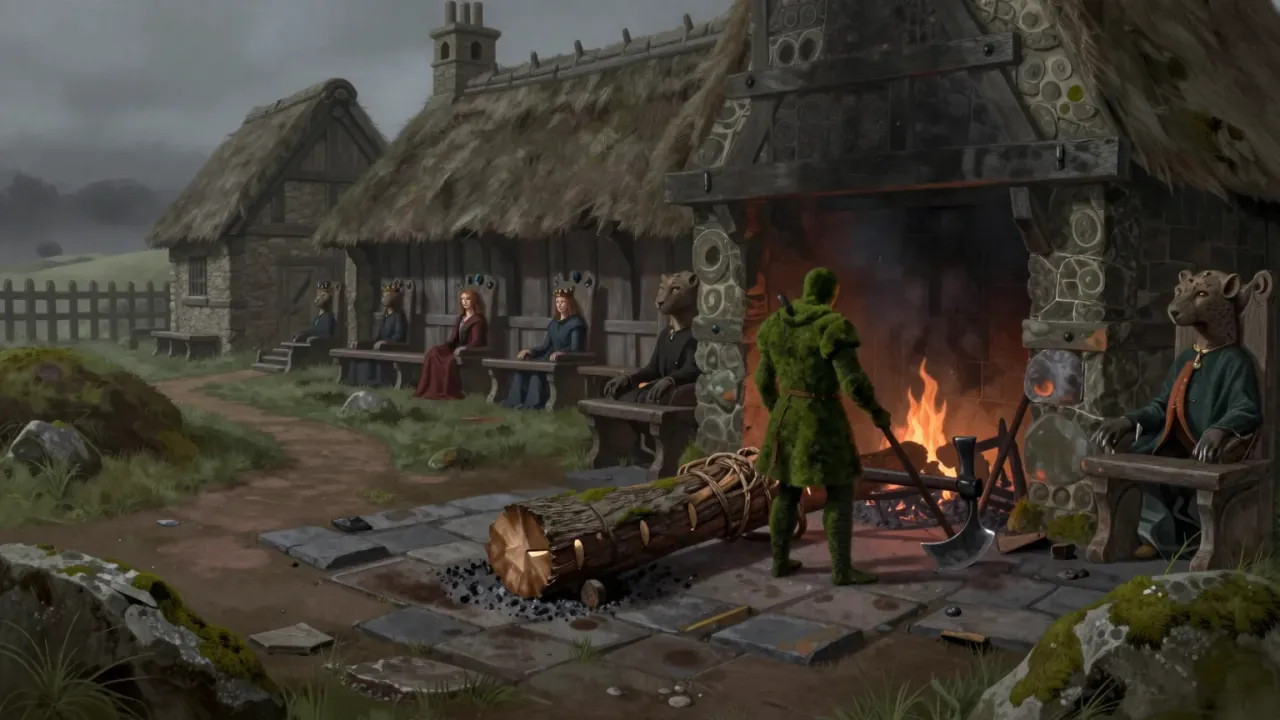
David Lowery’s The Green Knight reimagines the 14th-century poem as a visually dense, deliberately paced speculative fiction film. Dev Patel stars as Gawain, whose year-long journey to keep a supernatural bargain unfolds through ritualised encounters, practical effects, and a refusal of narrative resolution. Shot in Ireland with hand-painted sets and wood-grain prosthetics, it privileges texture over exposition and ambiguity over catharsis.

13:00

The Man Who Would Be King

John Huston · 1975

John Huston’s 1975 film adapts Kipling’s novella into a morally austere, visually grounded account of two British ex-soldiers who impersonate gods in Kafiristan. Michael Caine and Sean Connery anchor a story about ritual, sovereignty, and the material conditions of belief — shot in Morocco and France, scored by Maurice Jarre, and edited with deliberate restraint. It avoids moralising, instead tracing the slow, logical erosion of a lie until only consequence remains.

13:00

The Northman

Robert Eggers · 2022

Robert Eggers’ The Northman adapts the Amleth legend into a stark, sensory-driven saga of fate and vengeance. Shot across Iceland and Northern Ireland, it follows Alexander Skarsgård’s Amleth as he fulfils a childhood oath to kill his uncle, played by Claes Bang. With Jarin Blaschke’s austere cinematography and Vessel’s drone-heavy score, the film prioritises ritual over psychology and texture over exposition. Though critically praised, it underperformed commercially and divides audiences on its emotional austerity.