filmbriefs
Topic

Gender

Roles, expectations and the fights over who assigns them.

26
in film
13:00
average
338 min
in total
63
across the network
Gender across the network →
All briefs26
13:00

A Special Day

Ettore Scola · 1977

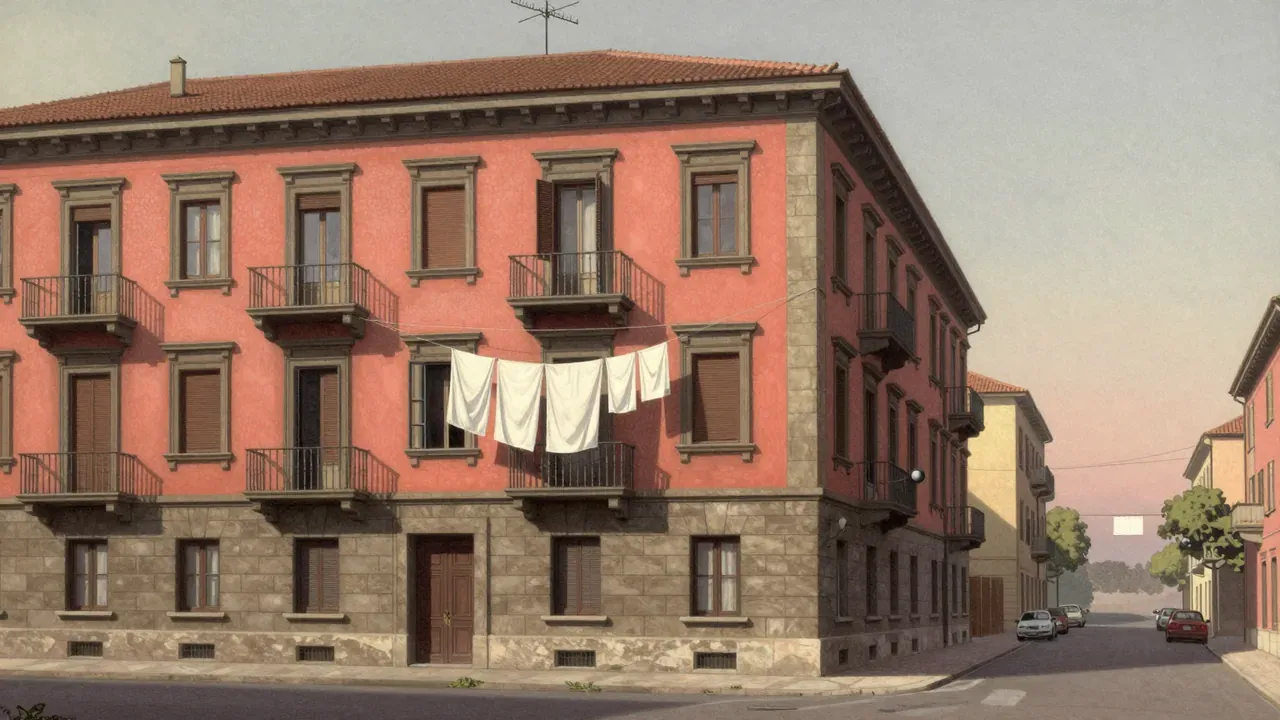
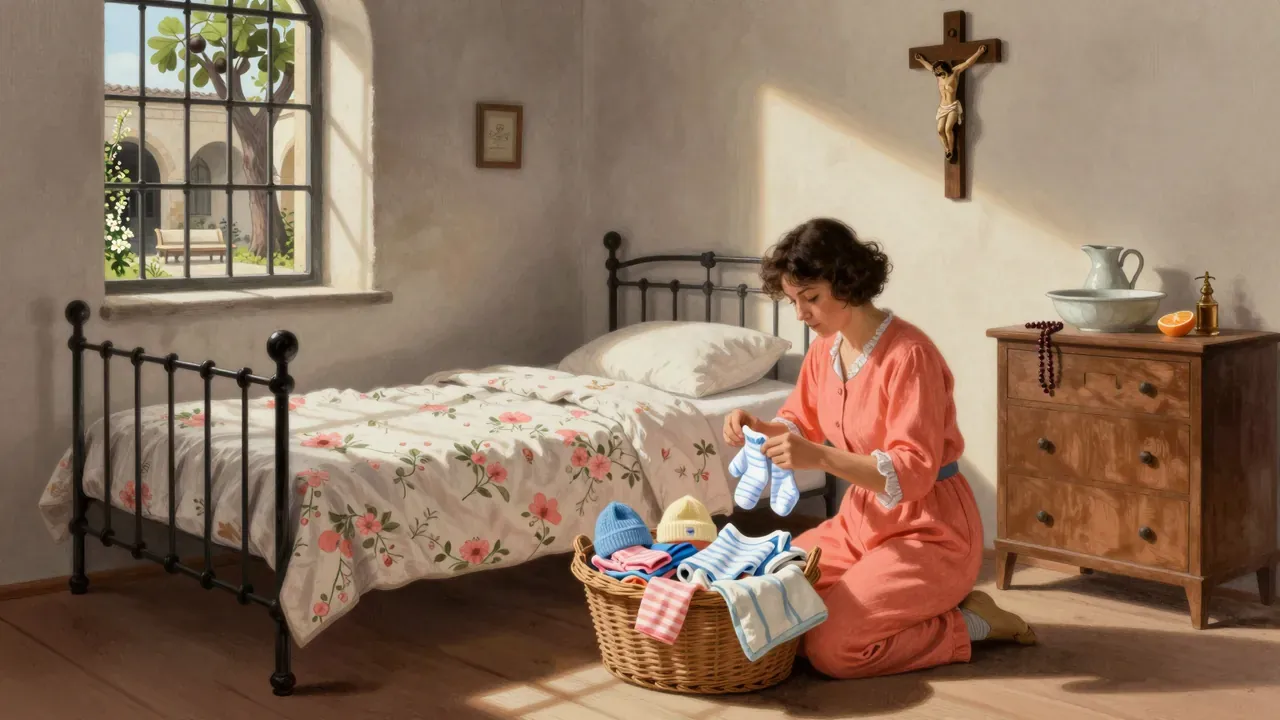
Set in Rome on 4 May 1938 — the day Hitler visits Mussolini — A Special Day confines itself to a single apartment building where a housewife and a dismissed gay radio broadcaster spend an afternoon together. Directed by Ettore Scola and starring Sophia Loren and Marcello Mastroianni, it uses muted colour, deep focus, and restrained performances to explore gender, sexuality, and quiet dissent under fascism.
13:00

All About My Mother

Pedro Almodóvar · 1999

Pedro Almodóvar’s 1999 film follows a nurse who, after her son’s death, seeks his transgender parent in Barcelona and becomes entwined with a community of women and men navigating illness, faith, performance, and motherhood. Shot in Spanish, it uses saturated colour, theatrical reference, and deliberate narrative coincidence to affirm care across difference — not as ideal but as daily, embodied practice.

13:00

Black River

Masaki Kobayashi · 1957

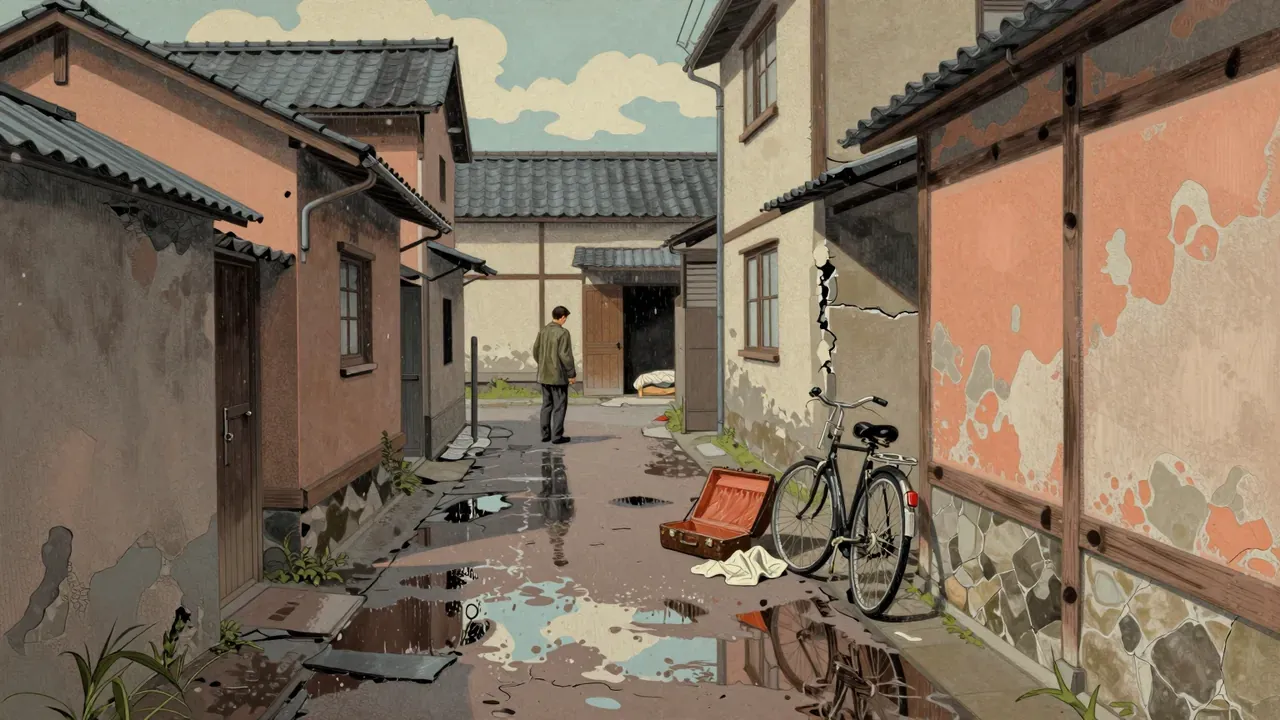
Masaki Kobayashi’s 1957 drama Black River follows a university student and a waitress in a Tokyo district shadowed by a US military base. When she is raped by a local gangster and forced into a coercive relationship, and when both are evicted as part of a development scheme, their fragile bond culminates in an act of desperate, unsentimental violence. Shot with stark realism and performed with restrained intensity, the film treats systemic oppression as atmosphere rather than argument.

13:00

Cairo Station

Youssef Chahine · 1958

Youssef Chahine’s 1958 Cairo Station is a tightly wound drama set in Cairo’s main train station, following Qinawi — a lame newspaper seller whose obsession with a cold-drink vendor curdles into violence amid a backdrop of union organising and urban anonymity. Shot in Egyptian Arabic with neorealist restraint and noir-inflected tension, it treats environment as psychology made visible. Though initially controversial in Egypt, it has since been recognised as a landmark of Arab and world cinema.

13:00

Desperate Living

John Waters · 1977

John Waters’ 1977 Desperate Living is the third and most formally controlled entry in his Trash Trilogy: a black comedy set in Mortville, a shantytown exile colony ruled by a fascist queen. Made without Divine and shot on scavenged sets in rural Maryland, it trades shock for sustained tone — using deadpan performances, flimsy production design, and bureaucratic absurdity to dissect power, gender, and class. Its cult status rests not on laughter, but on its unwavering commitment to a world where cruelty wears a clipboard and revolution smells of roasting pork.

13:00

Drylongso

Cauleen Smith · 1998

A 1998 Oakland-set drama following Pica Sullivan, a Black photography student documenting young men she fears are disappearing. Shot on 16mm, it balances intimate portraiture with ambient dread, treating safety, gender, and community as daily practices rather than plot points. Restored and re-released in 2023, it remains a precise, unsentimental portrait of ordinary resilience.

13:00

Hedwig and the Angry Inch

John Cameron Mitchell · 2001

John Cameron Mitchell’s 2001 film adapts his stage musical as a mythic, musically charged portrait of Hedwig Robinson: an East German trans woman, rock frontwoman, and reluctant philosopher. Shot with gritty immediacy by Frankie DeMarco and scored by Stephen Trask, it moves between roadside gigs and fractured memory, using Plato, punk, and botched surgery to explore origin, theft, and the violence of translation. Though its metaphysical finale falters, its performances, craft, and thematic rigour make it a durable arthouse landmark.

13:00

His Girl Friday

Howard Hawks · 1940

Howard Hawks’s 1940 comedy His Girl Friday recasts The Front Page as a battle of wits between ex-spouses Walter Burns and Hildy Johnson, a newspaper editor and reporter whose professional rivalry reignites as a romantic one. Shot at breakneck speed with overlapping dialogue, it privileges competence over sentiment and friction over harmony. Though formally dazzling and historically influential, it sidesteps the racial and ethical weight of its source material, treating injustice as backdrop rather than subject.

13:00

Masculin Féminin

Jean-Luc Godard · 1966

Jean-Luc Godard’s 1966 Masculin Féminin follows Paul—a young idealist navigating love, work, and politics in Paris—as a loose sequence of interviews, encounters, and interruptions. Shot in black-and-white with natural light and minimal crew, it treats youth culture as a field of study, not a story. Its structure mimics opinion polling: questions posed, answers recorded, conclusions withheld. Starring Jean-Pierre Léaud, Chantal Goya, Marlène Jobert, and Catherine-Isabelle Duport, it remains one of Godard’s most formally rigorous and thematically restless works.

13:00

Orlando, My Political Biography

Paul B. Preciado · 2023

Paul B. Preciado’s 2023 documentary brings together 26 trans and non-binary participants—from age eight to seventy—to collectively reinterpret Virginia Woolf’s Orlando. Shot in France and structured around testimony, reenactment, and mythic staging, it treats gender transition as inseparable from law, medicine, and power. Victor Zébo’s cinematography and Yotam Ben-David’s editing sustain a deliberate, unhurried rhythm that privileges multiplicity over singularity. The film premiered at Berlinale, where it won the Teddy Award for Best Documentary.

13:00

Paris Is Burning

Jennie Livingston · 1990

Paris Is Burning is a 1990 documentary filmed over seven years in New York City, centring on Black and Latino gay and transgender participants in the city’s ball scene. Directed by Jennie Livingston and edited by Jonathan Oppenheim, it combines vérité footage of balls with intimate interviews, letting subjects define terms like ‘house’, ‘shade’, and ‘realness’ on their own terms. It documents voguing’s origins, the formation of chosen families, and the material realities of poverty, AIDS, and transphobic violence. Funded through ten separate sources and shot on 16mm, it was awarded the Sundance Grand Jury Prize for Best Documentary in 1991 and added to the US National Film Registry in 2016.

13:00

Some Like It Hot

Billy Wilder · 1959

Some Like It Hot is a 1959 Prohibition-era romantic comedy about two musicians who dress as women to escape gangsters, join an all-female band, and fall for its lead singer. Directed by Billy Wilder and starring Marilyn Monroe, Tony Curtis and Jack Lemmon, it uses disguise as both plot device and thematic lens, sustaining laughter through precise timing, physical performance and escalating absurdity. Shot in black and white after colour tests failed, it balances crime, romance and farce without resolving their tensions — and remains effective not as nostalgia, but as engineered comedy.

13:00

The Crying Game

Neil Jordan · 1992

Neil Jordan’s 1992 drama follows an IRA volunteer who, after a killing he cannot undo, flees to London and falls for the lover of the man he failed to save. Its famous revelation reshapes everything that comes before—not as twist, but as recalibration. Shot with restraint by Ian Wilson and performed with quiet precision by Stephen Rea and Jaye Davidson, it remains a study in how ethics emerge from proximity, not principle.

13:00

The Life of Oharu

Kenji Mizoguchi · 1952

Kenji Mizoguchi’s 1952 film follows Oharu, a noblewoman whose life disintegrates after a forbidden romance, forcing her through successive roles — concubine, courtesan, servant, wife, nun, prostitute — each ending in expulsion. Adapted from Ihara Saikaku, it uses long takes, restrained performance, and sparse design to trace how Edo-period Japan’s hierarchies erase women not with violence but with quiet, repeated exclusion.

13:00

The Love Parade

Ernst Lubitsch · 1929

Ernst Lubitsch’s 1929 debut sound film stars Maurice Chevalier and Jeanette MacDonald as a queen and her reluctant consort in the fictional kingdom of Sylvania. Built on a French stage farce, it uses operetta conventions, witty dialogue, and Victor Schertzinger’s songs to explore power, gender, and the performance of authority. Though technically inventive and tonally assured, its satire is limited by its hollow setting and reliance on archetype over depth. A landmark of early Hollywood musical craftsmanship — elegant, intelligent, and knowingly artificial.

13:00

Tootsie

Sydney Pollack · 1982

A struggling New York actor disguises himself as a woman to land a soap opera role, then finds his assumptions about gender, work, and relationships upended by the sheer effort of sustaining the performance. Directed by Sydney Pollack and starring Dustin Hoffman, Jessica Lange, and Teri Garr, it balances sharp social observation with grounded comic timing and emotional honesty.

13:00

Town Bloody Hall

D. A. Pennebaker · 1979

Town Bloody Hall documents a volatile 1971 New York panel featuring Norman Mailer and feminist thinkers Germaine Greer, Jill Johnston, Diana Trilling and Jacqueline Ceballos. Filmed by D. A. Pennebaker and edited with minimal intervention, it preserves the debate’s rhythms, interruptions and ideological fractures without commentary or context. Released in 1979, it stands as a stark, unvarnished artefact of second-wave feminism’s internal and external confrontations.

13:00

Woman of the Year

George Stevens · 1942

Woman of the Year (1942), directed by George Stevens, pairs Spencer Tracy and Katharine Hepburn for the first time in a romantic comedy about a globe-trotting political columnist and a down-to-earth sportswriter whose marriage strains under mismatched expectations. Written by Ring Lardner Jr. and Michael Kanin, with uncredited revisions by John Lee Mahin, the film balances sparkling dialogue and precise performances against a structurally compromised ending. It won the Academy Award for Best Original Screenplay and was added to the National Film Registry in 1999.

13:00

Offside

Jafar Panahi · 2006

Offside (2006), directed by Jafar Panahi, follows a group of Iranian women arrested for trying to enter Azadi Stadium to watch a World Cup qualifier. Confined to a rooftop holding pen, they listen to the match through soldiers’ commentary and the distant roar of the crowd. Shot during the actual Iran–Bahrain game, the film blends documentary immediacy with scripted tension, examining gender exclusion through proximity, boredom, and fleeting solidarity — not protest or resolution.

13:00

Laurence Anyways

Xavier Dolan · 2012

Laurence Anyways (2012) is Xavier Dolan’s 168-minute French-language drama following Laurence Alia’s gender transition and her enduring, turbulent bond with Fred Bellair across twelve years in Montreal. Shot by Yves Bélanger and edited by Dolan, it balances intimate performance — Melvil Poupaud and Suzanne Clément anchor the film — with formal rigour and emotional restraint. It won Best Canadian Film at TIFF and the Queer Palm at Cannes.

13:00

Light of My Life

Casey Affleck · 2019

Casey Affleck’s Light of My Life is a restrained, low-key post-apocalyptic drama set in British Columbia, following a father and his daughter as they evade male raiders in a world where most women have died. Shot by Adam Arkapaw and scored by Daniel Hart, it prioritises behavioural realism over exposition or action, building emotional resonance through gesture, routine and withheld information.

13:00

Beauty and the Beast

Gary Trousdale, Kirk Wise · 1991

Gary Trousdale and Kirk Wise's 1991 musical retelling of the French fairy tale follows Belle as she trades her freedom for her father's release and slowly reconsiders the beast holding her captive. Written from a completed script by Linda Woolverton and scored by Howard Ashman and Alan Menken, it became the first animated film nominated for the Academy Award for Best Picture.

13:00

Howl's Moving Castle

Hayao Miyazaki · 2004

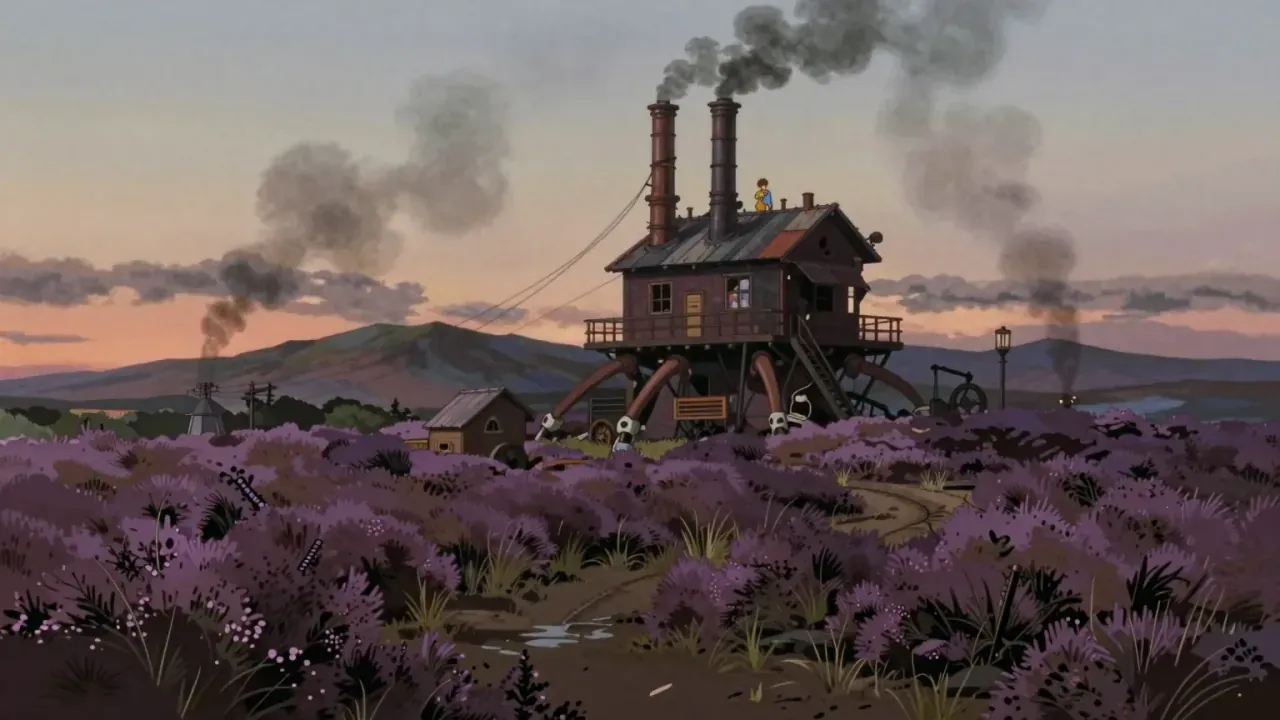
Howl's Moving Castle adapts Diana Wynne Jones's novel about a young milliner cursed into old age by a witch, who ends up living in a wizard's walking castle as a war between two kingdoms escalates around them. Hayao Miyazaki directed the film for Studio Ghibli after an earlier director departed, and it took $236 million against a $24 million budget, becoming one of the most commercially successful Japanese films ever made and winning a Nebula Award for Best Script.

13:00

Mulan

Barry Cook, Tony Bancroft · 1998

Mulan follows a young woman who takes her ailing father's place in an Imperial army conscription by posing as a man, running that story through the machinery of a late-90s Disney musical. Directed by Barry Cook and Tony Bancroft and produced largely at Disney's Florida studio, it paired a $90 million budget with $304 million in worldwide takings and the Annie Award for Best Animated Feature.

13:00

The Little Mermaid

John Musker, Ron Clements · 1989

John Musker and Ron Clements's 1989 adaptation of Hans Christian Andersen's fairy tale follows mermaid princess Ariel as she trades her voice to the sea witch Ursula for a chance at life on land and a human prince's love. Built around a Broadway-style score by Howard Ashman and Alan Menken, it became Disney's biggest hit in years and is widely credited with launching the Disney Renaissance.

13:00

The Silence of the Lambs

Jonathan Demme · 1991

Jonathan Demme's 1991 thriller sends FBI trainee Clarice Starling to interview imprisoned psychiatrist and cannibal Hannibal Lecter for insight into a serial killer skinning his victims. Adapted by Ted Tally from Thomas Harris's novel and shot by Tak Fujimoto, it swept the Academy Awards' top five categories, a feat achieved by only three films, and remains the only horror film to win Best Picture.