filmbriefs
Topic

Abstraction

Leaving the visible world behind, on purpose.

22
in film
13:00
average
286 min
in total
407
across the network
Abstraction across the network →
All briefs22
13:00

71 Fragments of a Chronology of Chance

Michael Haneke · 1994

Michael Haneke’s 1994 Austrian drama arranges thirty-seven fragmented scenes — intercuts of Viennese lives, real news footage, and black pauses — into a chronology that culminates in a bank shooting. Shot by Christian Berger and edited by Marie Homolkova, it avoids psychology and music, presenting migration, isolation, and mediated violence as systemic conditions rather than personal tragedies. Set in Vienna between October and December 1993, it forms the final part of Haneke’s early trilogy. Winner of the Sitges Film Festival’s Best Feature and Best Screenplay awards, and the Gold Hugo at Chicago.
13:00

Being There

Hal Ashby · 1979

Hal Ashby’s 1979 adaptation of Jerzy Kosiński’s novel follows Chauncey Gardiner, a sheltered gardener mistaken for a sage after stepping into Washington society. Peter Sellers delivers a performance of radical stillness, while the film’s craft — cinematography, editing, score — enforces a tone of calm, unblinking observation. It is satire without ridicule, comedy without punchlines, and a portrait of meaning-making as collective fiction.

13:00

King Lear

Jean-Luc Godard · 1987

Jean-Luc Godard’s 1987 King Lear is a ninety-minute essay-film shot in Switzerland, using only shards of Shakespeare’s text alongside quotations from Weil, Bresson, Woolf, and others. It rejects narrative continuity, linear character arcs, and cinematic convention in favour of repetition, silence, and deliberate disjunction. Funded by Cannon Films and shot alongside denim commercials, it treats money, copyright, and authorship as structural elements. Norman Mailer’s abandoned script and departure mid-production are woven into its fabric. The film is less about Lear than about the conditions under which any cultural work can be made—or remembered—after catastrophe.

13:00

Naqoyqatsi

Godfrey Reggio · 2002

Naqoyqatsi (2002), the final film in Godfrey Reggio’s Qatsi trilogy, uses digitally manipulated archive footage and Philip Glass’s cello-led score to argue that modern life operates under a regime of ‘civilized violence’: abstraction, competition, and technological acceleration displacing embodied reality. Edited by Jon Kane and produced by Reggio, it abandons the observational style of its predecessors for a collage of stock, surveillance, and CGI imagery. Its reception was divided — critics called it the trilogy’s weakest — yet its formal rigour and thematic persistence make it a singular, unsettling document of early-digital consciousness.

13:00

Orderly or Disorderly

Abbas Kiarostami · 1981

Orderly or Disorderly is a seventeen-minute 1981 Iranian short film by Abbas Kiarostami. Using a single courtyard, two groups of children and young adults, and a static camera, it compares structured and unstructured movement — one group walking in line, the other moving freely. There is no dialogue beyond instruction, no music, no editing within sequences. The film is a precise, quiet study of social patterning, asking what emerges when rules are given, withdrawn, or merely drawn on the ground.

13:00

Punch-Drunk Love

Paul Thomas Anderson · 2002

Paul Thomas Anderson’s 2002 film stars Adam Sandler as Barry Egan, a socially anxious novelty-plunger entrepreneur in Los Angeles whose life fractures and reforms around an unexpected romance with Emily Watson’s Lena. Shot in 95 tightly controlled minutes, it uses Jon Brion’s dissonant score, Jeremy Blake’s abstract interludes, and a meticulously restrained performance from Sandler to explore loneliness, familial pressure, and love as destabilising force — not resolution.

13:00

Sans Soleil

Chris Marker · 1983

Sans Soleil (1983) is Chris Marker’s 100-minute French essay-film, structured around letters from a fictional cameraman and narrated by Florence Delay. Shot on silent 16mm and edited with found footage from Japan, Guinea-Bissau, Iceland and Paris, it explores memory’s fragility through juxtaposition, colourisation and Moog-scored stillness — not as documentary exposition but as a sustained, self-aware meditation on what images remember and forget.

13:00

So Can I

Abbas Kiarostami · 1975

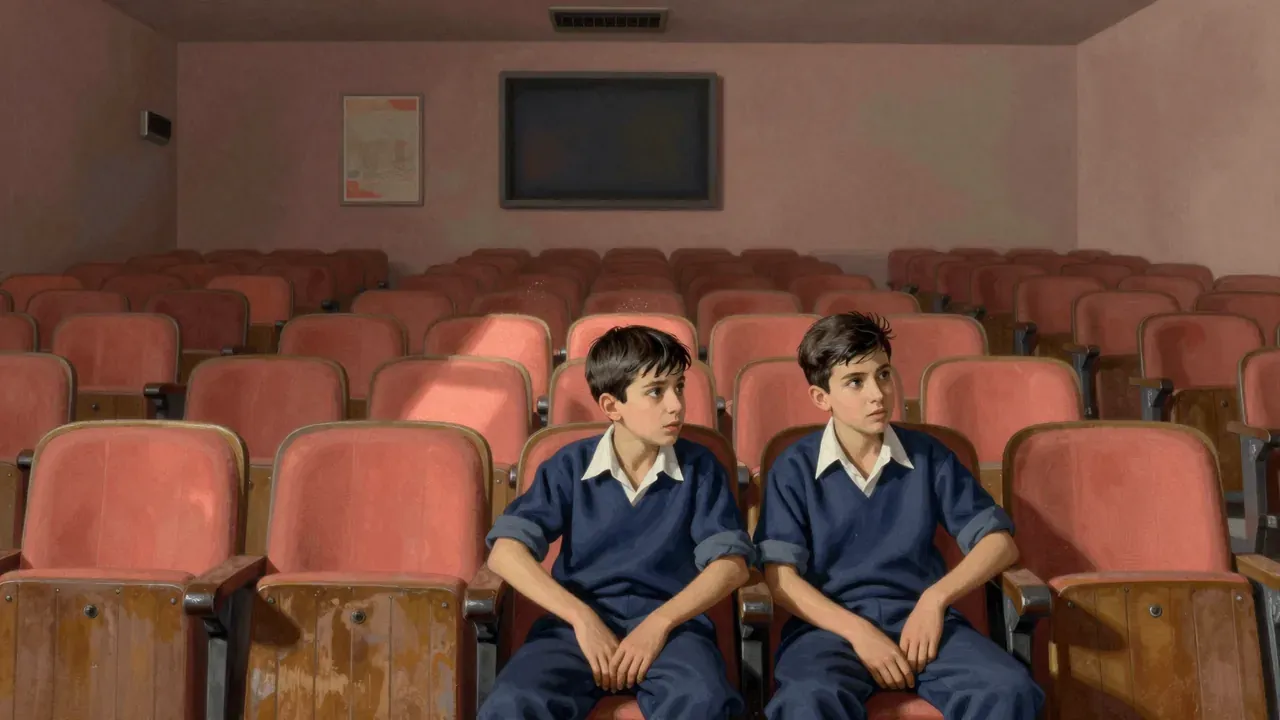
So Can I (1975) is a seventeen-minute Iranian short by Abbas Kiarostami, following two boys watching an educational cartoon. One boy repeatedly asserts 'So can I' in response to animals’ actions—until birds fly across the screen, and he falls silent. The film ends with an aeroplane circling overhead. Made for Kanun, it treats childhood cognition with formal rigour: no narration, no adult presence, no resolution—only repetition, silence, and a single, resonant visual rupture.

13:00

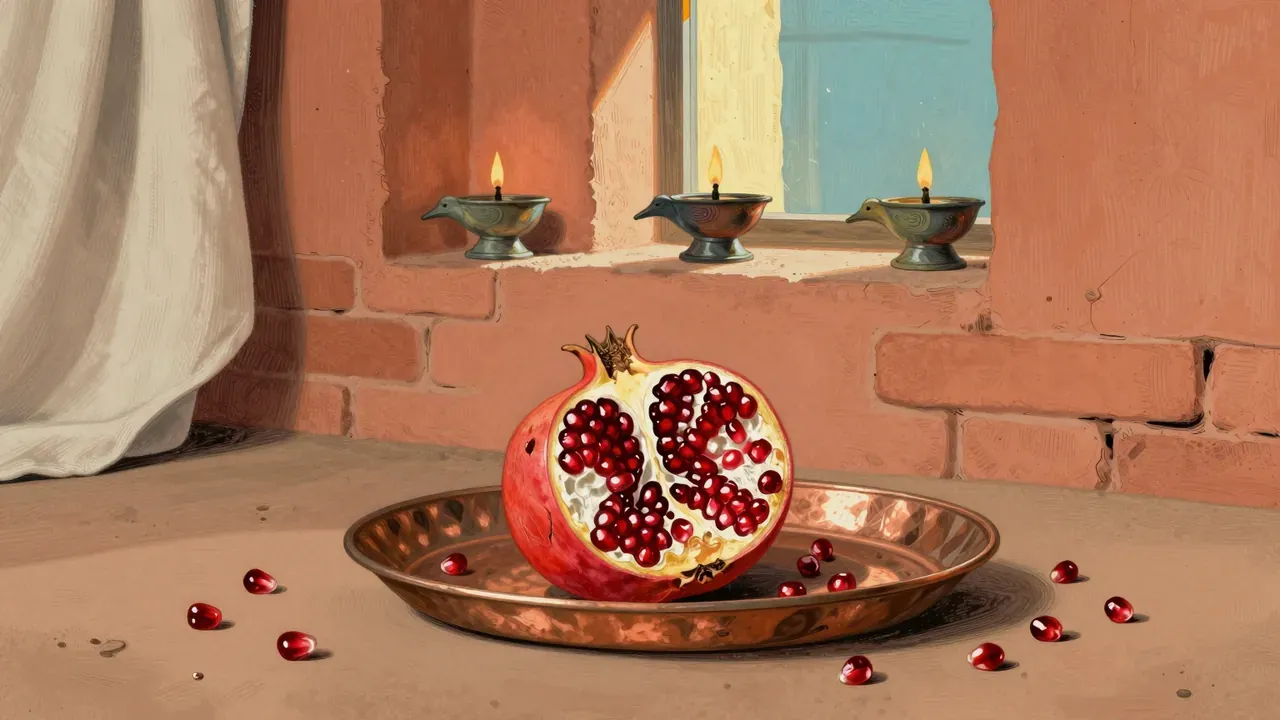
The Color of Pomegranates

Sergei Parajanov · 1969

Sergei Parajanov’s 1969 Armenian-language film is a non-narrative, tableau-based meditation on the 18th-century poet Sayat-Nova. Shot across medieval monasteries in Armenia, Georgia, and Azerbaijan, it replaces dialogue with symbolic imagery, ritual gesture, and saturated colour. Restored in 2014 to align with Parajanov’s original vision, it remains deliberately opaque — a work of visual poetry rooted in Armenian manuscript tradition, queer sensibility, and resistance to Soviet cultural suppression.

13:00

The French Dispatch

Wes Anderson · 2021

Wes Anderson’s 2021 anthology film presents the final issue of a fictional American newspaper’s Paris bureau as a series of formally exact, stylistically distinct journalistic features. Shot in 1.37:1 on 35 mm in Angoulême, it honours mid-century magazine aesthetics, French New Wave syntax, and the physical texture of print — treating journalism as craft, not just content.

13:00

The Shout

Jerzy Skolimowski · 1978

Jerzy Skolimowski’s 1978 adaptation of Robert Graves’s short story is a formally rigorous British horror film set on the North Devon coast. Alan Bates plays Crossley, a mysterious drifter who claims to wield a lethal 'terror shout'; John Hurt and Susannah York play the composer and wife whose secluded life he disrupts. Shot by Mike Molloy and scored by Tony Banks, it sustains psychological unease through precise sound design, muted natural light, and restrained performances — winning the Grand Prix at Cannes but dividing critics over its enigmatic conclusion.

13:00

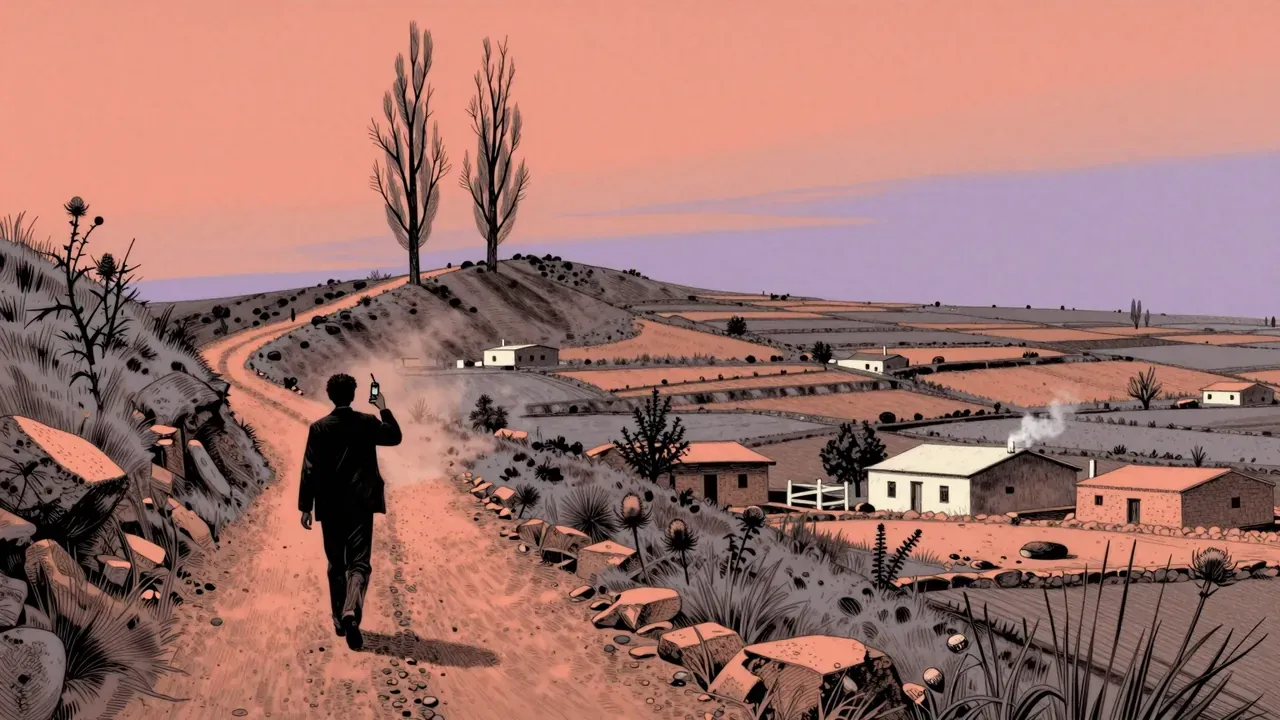
The Wind Will Carry Us

Abbas Kiarostami · 1999

Abbas Kiarostami’s 1999 film follows a Tehran filmmaker who travels to a Kurdish village to document funeral rites for a dying woman. She does not die. Instead, the film unfolds in the suspended time between expectation and event — shaped by mobile signal, hilltop cemetery visits, a boy’s questions, and the quiet persistence of daily life. Shot by Mahmoud Kalari, edited and written by Kiarostami, it is a study in patience, mediation, and the weight of what remains unsaid.

13:00

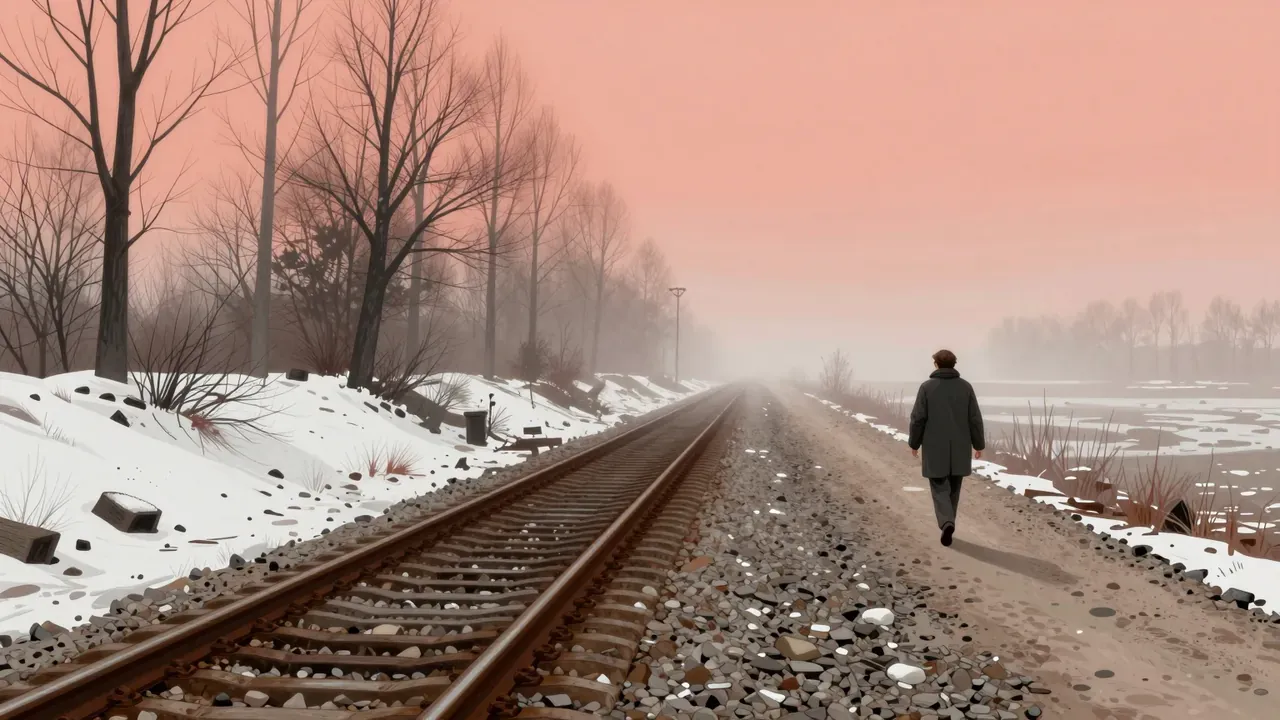
Werckmeister Harmonies

Béla Tarr, Ágnes Hranitzky · 2000

Werckmeister Harmonies is a 2000 Hungarian arthouse drama directed by Béla Tarr and Ágnes Hranitzky, adapted from László Krasznahorkai’s novel. Shot in black-and-white across thirty-nine long takes, it follows János Valuska and his uncle György Eszter in a desolate winter town unsettled by a sinister circus and its rotting whale. The film explores entropy, failed idealism and mob psychology through atmosphere and duration rather than exposition or narrative drive.

13:00

Barton Fink

Joel Coen, Ethan Coen · 1991

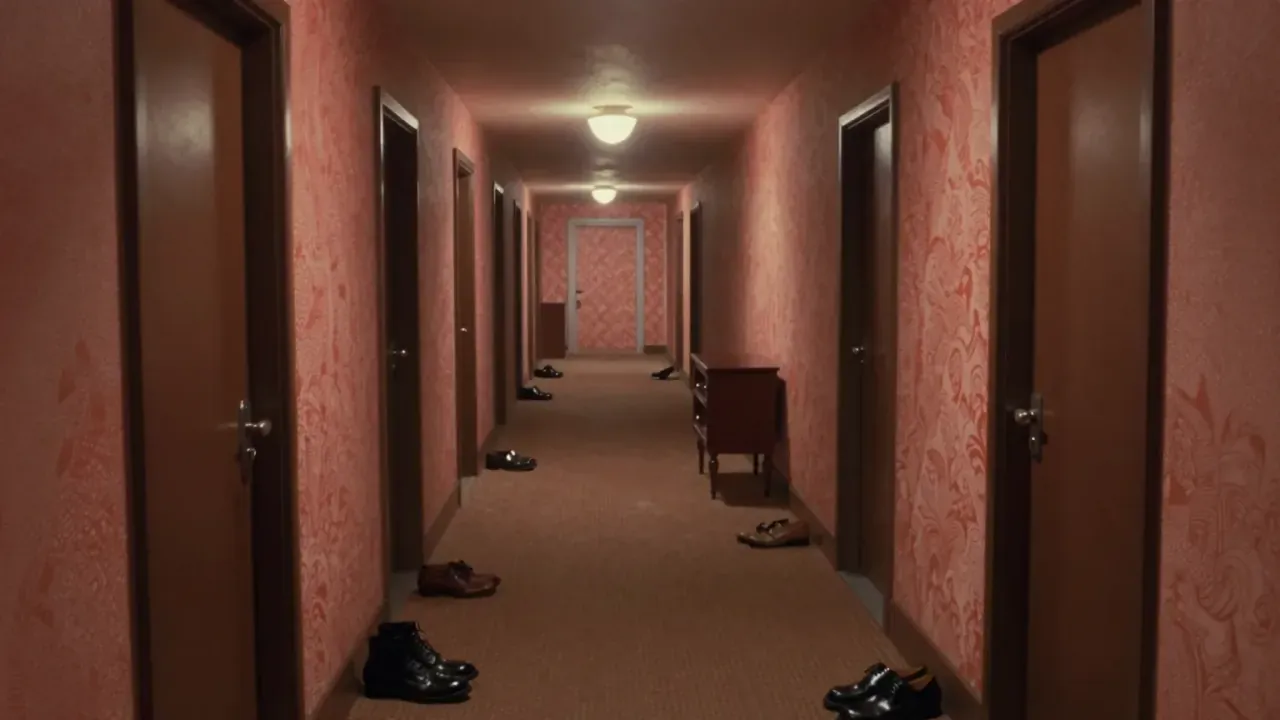
Barton Fink (1991) is a neo-noir arthouse thriller set in 1941, following a New York playwright’s unsettling stay at the decaying Hotel Earle while writing for a Hollywood studio. Directed by Joel and Ethan Coen, it stars John Turturro and John Goodman, with cinematography by Roger Deakins and music by Carter Burwell. Its power lies in sustained atmosphere, recursive imagery, and psychological compression — less a narrative than a meticulously constructed state of mind.

13:00

Holy Motors

Leos Carax · 2012

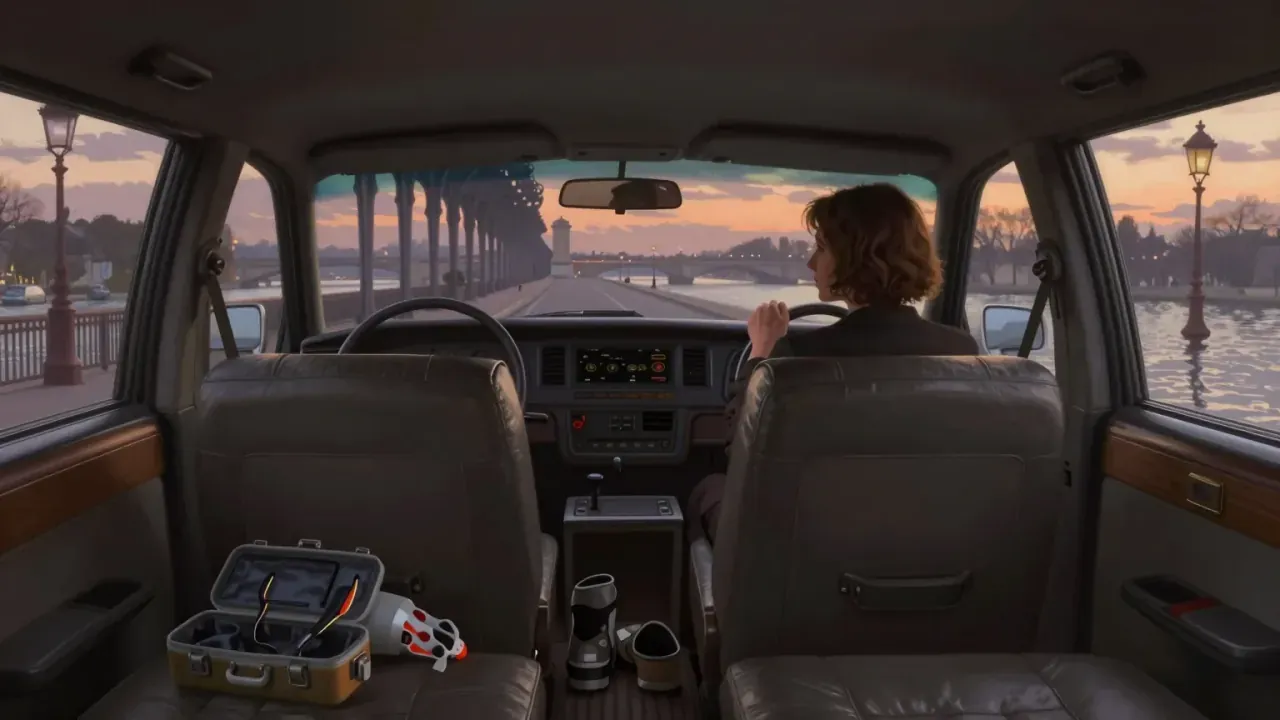
A man named Oscar spends a day in Paris performing nine radically different roles — beggar, assassin, dying patriarch, sewer-dweller — in a white limousine driven by Céline. There are no cameras, no audiences, no explanations. Directed by Leos Carax and starring Denis Lavant, the film treats acting as endurance, identity as costume, and technology as both tool and tomb. Shot digitally in Paris, it premiered at Cannes in 2012 and won Best Feature at Sitges.

13:00

Certified Copy

Abbas Kiarostami · 2010

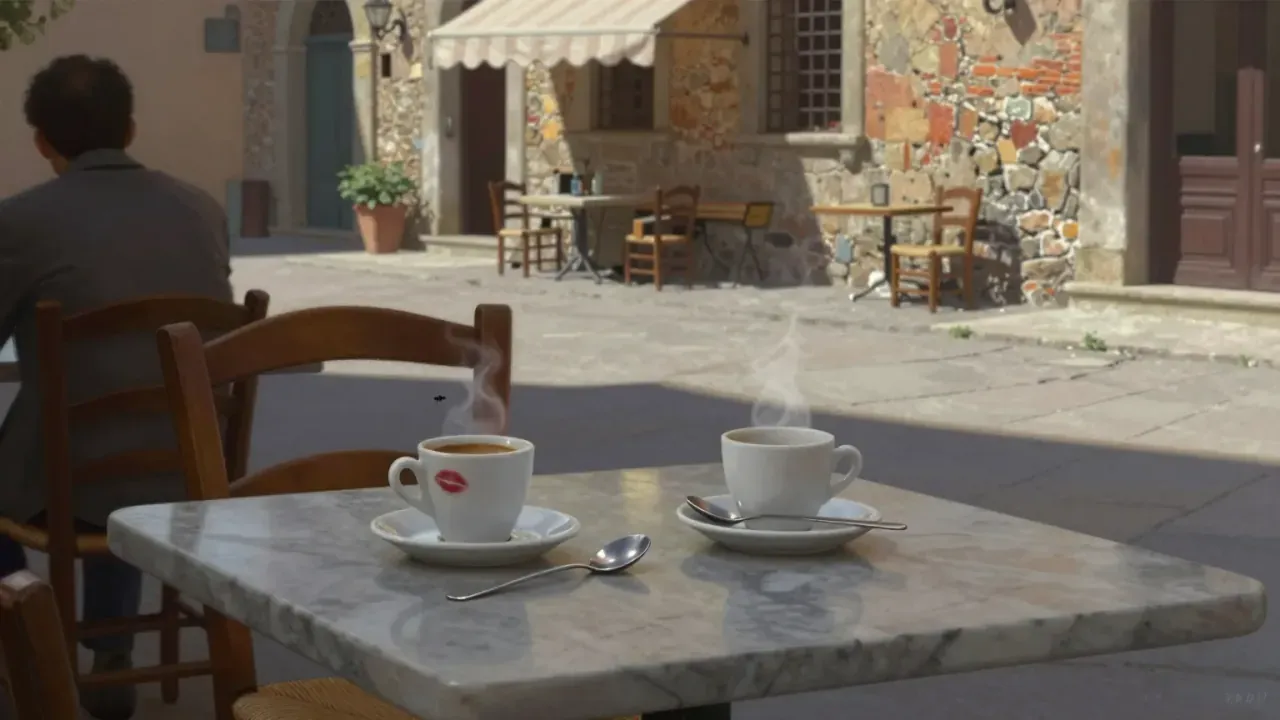
Abbas Kiarostami’s 2010 film follows a British writer and a French antiques dealer through a single day in Tuscany. Their conversation begins as polite intellectual exchange, then slips — without announcement — into the rhythms of a long-married couple. Shot in natural light with minimal intervention, the film tests how identity, memory and intimacy are sustained not by fact but by repetition, gesture and shared silence.

13:00

Entr'acte

René Clair · 1924

A 1924 French Dada short directed by René Clair, made as a prologue and entr’acte for the Ballets Suédois production of Relâche. Twenty-two minutes of silent, non-narrative experimentation: reverse motion, tilted frames, rooftop absurdities, and Erik Satie’s score. Cameos by Duchamp, Man Ray, Satie, and Picabia. It treats cinema as a site of playful sabotage — not storytelling, but syntax-breaking.

13:00

Mother!

Darren Aronofsky · 2017

Darren Aronofsky’s Mother! is a psychological horror film structured as a closed-loop parable: a woman’s domestic peace unravels under successive invasions, culminating in annihilation and cyclical rebirth. Shot in tight proximity to Jennifer Lawrence’s performance, scored with near-total silence, and driven by escalating symbolic violation, it functions less as story than as sustained sensory provocation. Its themes—ecological violation, artistic narcissism, theological recursion—are delivered without irony or ambiguity. Critical reception was divided: many admired its formal rigour and intensity; others found its allegory reductive and its relentlessness exhausting. It grossed $44.5m on a $30m budget.

13:00

Notre musique

Jean-Luc Godard · 2004

Jean-Luc Godard’s 2004 essay-film Notre musique uses Dante’s tripartite structure — Hell, Purgatory, Heaven — to examine how violence, language, and image condition moral perception. Set around a Sarajevo arts conference, it stages encounters between Israeli and Palestinian voices, philosophers and poets, while critiquing cinematic conventions like shot/reverse shot. Julien Hirsch’s restrained cinematography and Godard’s elliptical editing foreground ethics over exposition. Though formally demanding and emotionally austere, it rewards sustained attention with a rare rigour in thinking through representation itself.

13:00

Red Desert

Michelangelo Antonioni · 1964

Michelangelo Antonioni’s 1964 colour debut follows Giuliana, a woman adrift in the industrial landscape of post-war Ravenna. Shot by Carlo Di Palma and starring Monica Vitti, it renders her disorientation not through exposition but through manipulated hues, flattened perspectives and layered industrial sound. A Golden Lion winner, it resists diagnosis, preferring to make perception itself the subject.

13:00

Shoot the Piano Player

François Truffaut · 1960

François Truffaut’s 1960 second feature adapts David Goodis’s Down There into a grainy, kinetic neo-noir starring Charles Aznavour as a pianist hiding from fame and grief. Shot on location in Paris and the Alps by Raoul Coutard, edited with jarring cuts and voice-over digressions, and scored by Georges Delerue, it balances burlesque gangsters with quiet despair. Its themes — anonymity, misrecognition, love as shelter — unfold through mood and gesture more than plot. Though narratively loose, its emotional logic holds firm.

13:00

The Cabinet of Dr. Caligari

Robert Wiene · 1920

A 1920 German silent film directed by Robert Wiene, written by Hans Janowitz and Carl Mayer, and designed by Hermann Warm, Walter Reimann and Walter Röhrig. It tells of a hypnotist and his somnambulist through a fractured frame story, using radically distorted sets, high-contrast lighting and stylised performance to argue against irrational authority. Made at Babelsberg Studio, it remains foundational to expressionist cinema, horror and arthouse film.