filmbriefs
Topic

Screenwriting

The blueprint everyone rewrites and nobody credits.

24
in film
13:00
average
312 min
in total
26
across the network
Screenwriting across the network →
All briefs24
13:00

Buchanan Rides Alone

Budd Boetticher, Harry Joe Brown · 1958

Buchanan Rides Alone (1958) is a tightly wound Western starring Randolph Scott as a lone drifter caught in a corrupt border town run by the Agry family. Directed by Budd Boetticher and Harry Joe Brown, written by Charles Lang, and shot by Lucien Ballard, it uses sparse dialogue, confined spaces, and deliberate pacing to explore jurisdiction, consent, and quiet resistance. At 78 minutes, it prioritises behavioural precision over plot escalation, anchoring its themes in posture, framing, and silence.

13:00

Comanche Station

Budd Boetticher, Randolph Scott · 1960

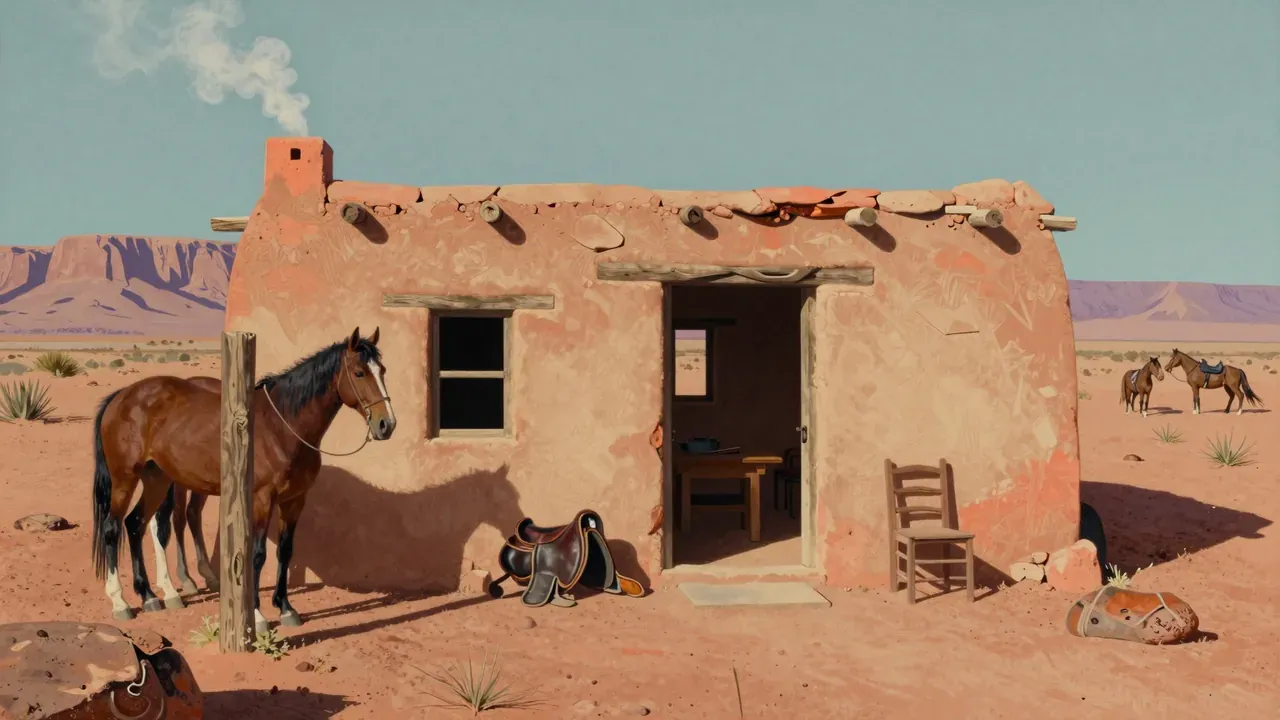
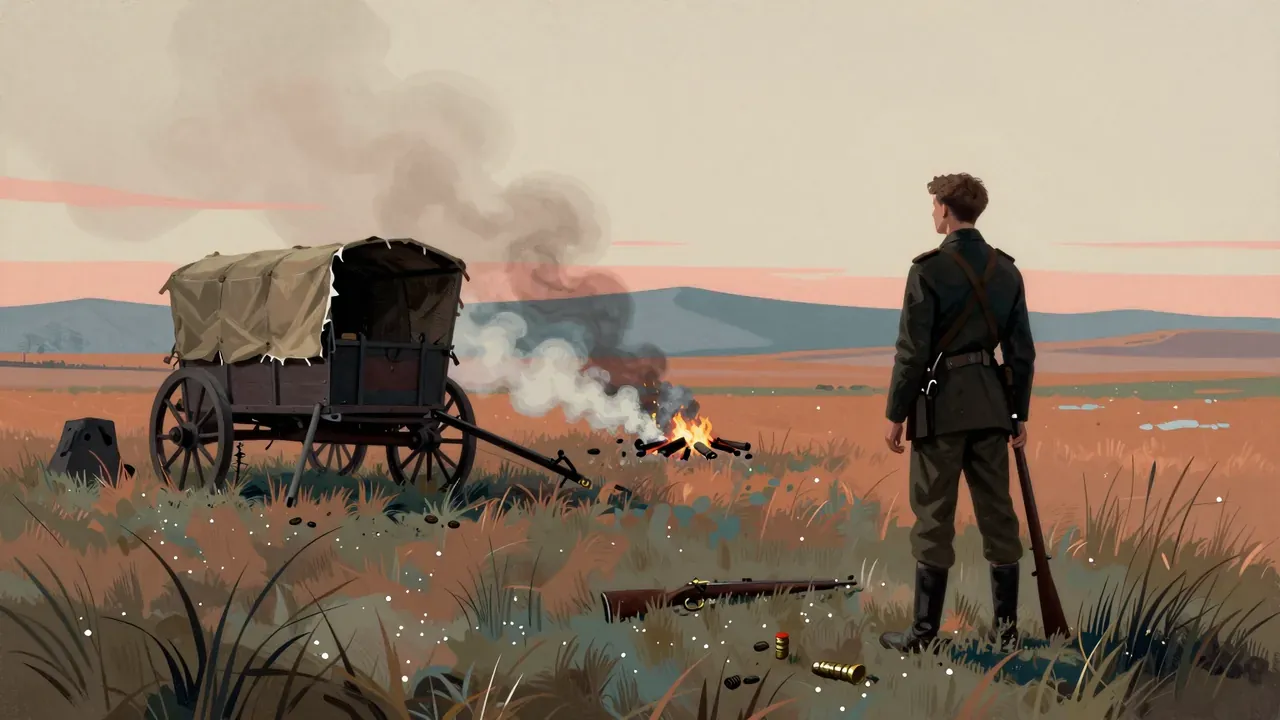
A retired Texas Ranger tracks a Comanche raiding party to rescue a woman abducted years earlier. Joined by two morally divergent men, he crosses hostile terrain toward an uncertain settlement — all in 74 taut, unadorned minutes. Directed by Budd Boetticher and starring Randolph Scott, it is the penultimate film of the Ranown cycle: lean, taciturn, and resolutely uninterested in explaining itself.

13:00

Epidemic

Lars von Trier · 1987

Lars von Trier’s 1987 metafictional horror Epidemic follows two screenwriters drafting a script about a plague while a real outbreak begins to mirror their fiction. Shot on 16mm, structured across five days, and starring von Trier and Niels Vørsel as themselves, it treats narrative as a vector and authorship as contagion — the second instalment of the Europa trilogy.

13:00

Godzilla vs. Megalon

Jun Fukuda · 1973

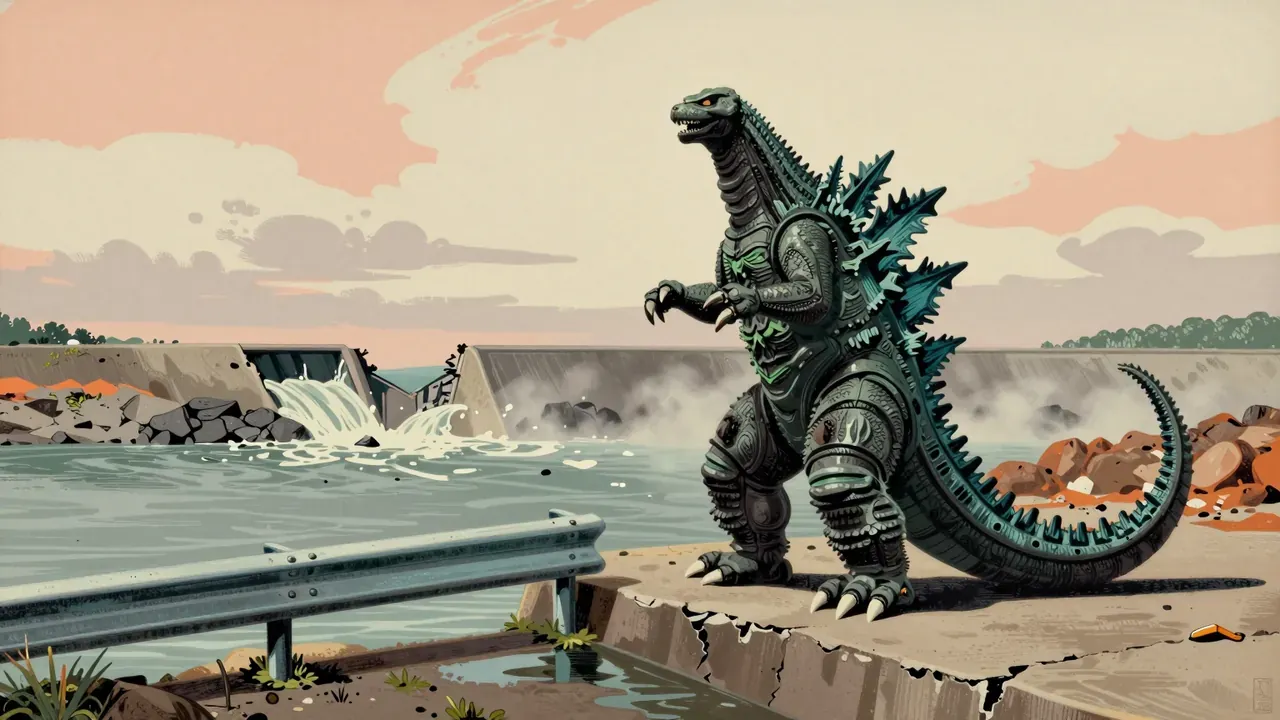
A 1973 Toho kaiju film, Godzilla vs. Megalon introduces Jet Jaguar amid a thin plot involving undersea aliens, recycled effects footage, and a famously clumsy Godzilla suit. Made quickly to replace a cancelled project, it leans into juvenile adventure tone and mechanical spectacle over thematic depth. Its enduring appeal lies less in quality than in transparency — every constraint, every shortcut, every act of faith in rubber and wire is on display.

13:00

Le Doulos

Jean-Pierre Melville · 1962

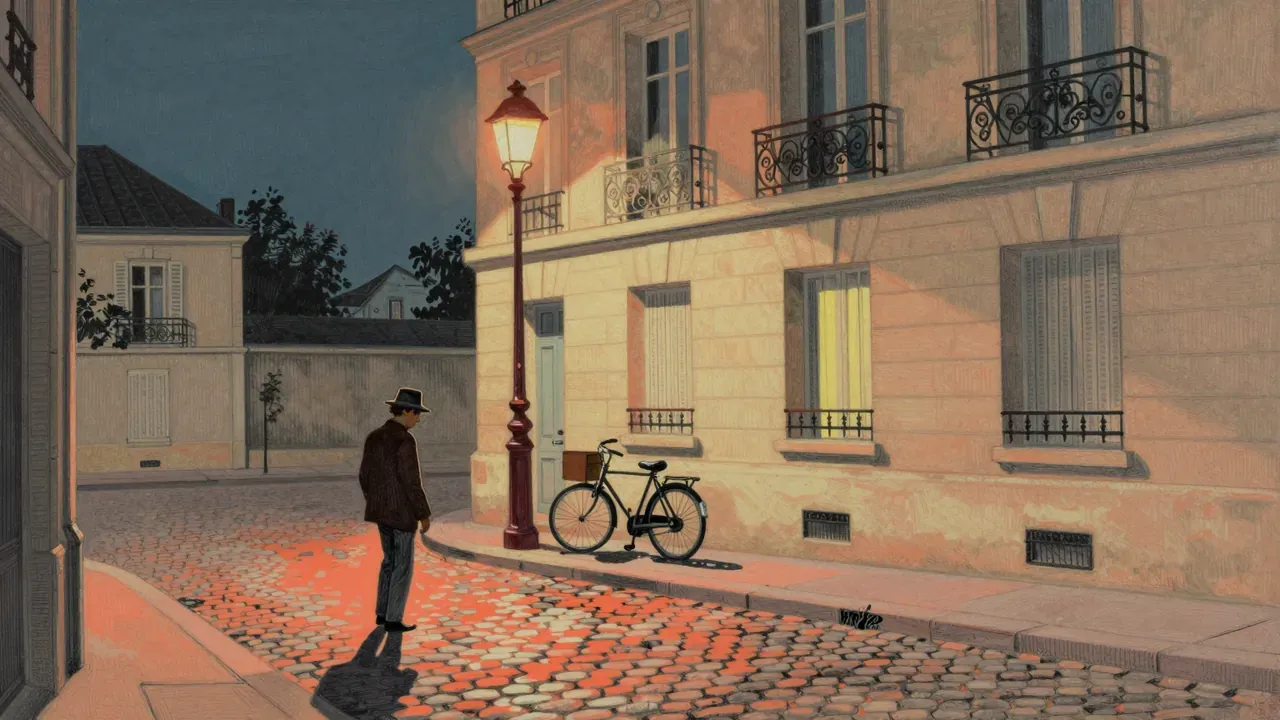
Jean-Pierre Melville’s 1962 crime film Le Doulos follows Maurice Faugel and Silien through a web of murder, deception, and mistaken identity. Adapted from Pierre Lesou’s novel, it uses stark cinematography, elliptical editing, and functional dialogue to construct a closed system of cause and effect — where truth is assigned, not revealed, and loyalty is procedural, not emotional.

13:00

Love Letter

Kinuyo Tanaka · 1953

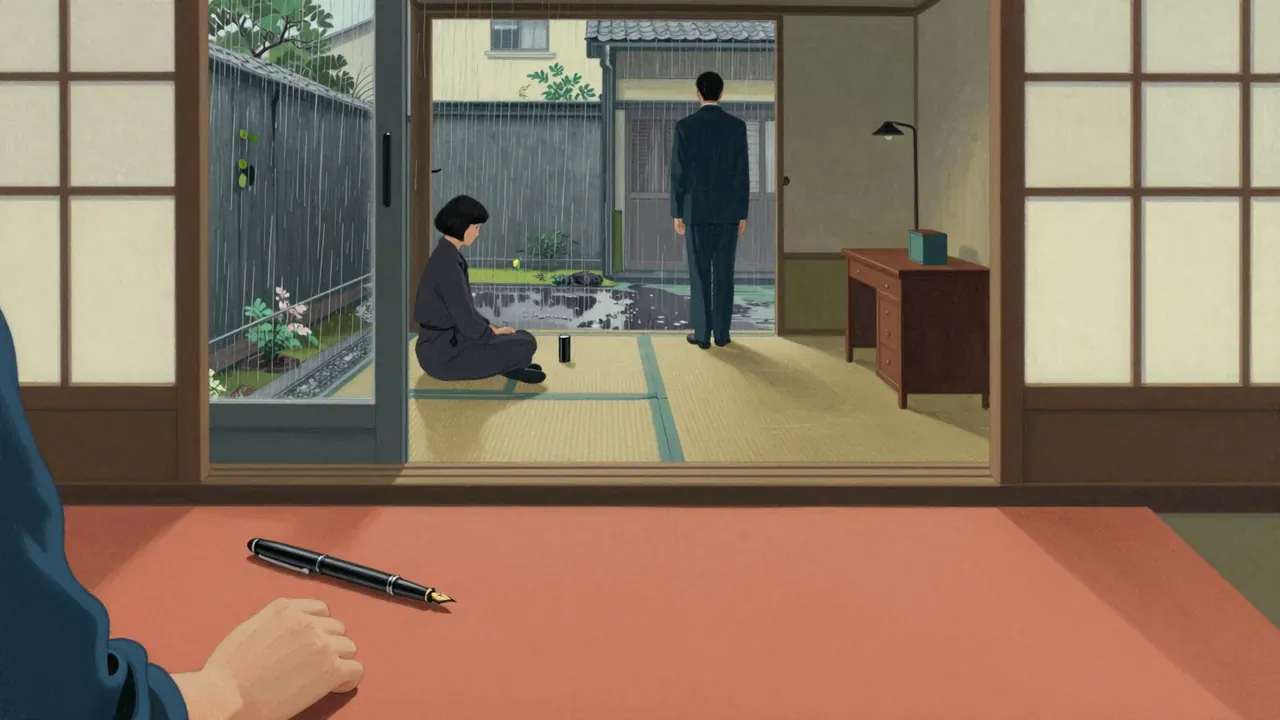
Kinuyo Tanaka’s 1953 directorial debut — adapted by Keisuke Kinoshita from Fumio Niwa’s novel — follows a returning veteran navigating family expectation, unspoken grief, and tentative reconnection in postwar Tokyo. Shot by Hiroshi Suzuki and scored by Ichirō Saitō, it trades plot for psychological texture, building meaning through restraint, repetition, and the weight of unsaid things.

13:00

One-Eyed Jacks

Marlon Brando · 1961

Marlon Brando’s 1961 Western One-Eyed Jacks follows Rio, a bandit seeking revenge on his former mentor Dad Longworth, now sheriff of Monterey. Shot in VistaVision across California and Mexico, it foregrounds psychological tension over action, with Brando starring and directing. Though critically mixed on release and commercially disappointing, its reputation has deepened over decades for its atmospheric realism, complex male relationships, and formal restraint. Restored in 4K in 2016, it remains Brando’s only film behind the camera.

13:00

Ride Lonesome

Budd Boetticher · 1959

Ride Lonesome (1959), directed by Budd Boetticher and starring Randolph Scott, is the fourth of the Ranown Westerns — a tightly constructed, Eastmancolor CinemaScope film shot on location in Lone Pine. Bounty hunter Ben Brigade captures a wanted man, then becomes entangled with outlaws and a widow at a besieged swing station, all while drawing closer to a confrontation with the killer of his wife. With a lean script by Burt Kennedy and disciplined craft from cinematographer Charles Lawton Jr. and editor Jerome Thoms, it sustains tension through restraint, silence, and unblinking moral arithmetic.

13:00

The Gunfighter

Henry King · 1950

The Gunfighter (1950) follows Jimmy Ringo, a legendary gunfighter seeking reconciliation with his estranged wife and son in a small Western town. His reputation precedes him, drawing vengeful challengers and forcing old friends to confront shared pasts. Directed by Henry King and starring Gregory Peck, it rejects genre spectacle in favour of psychological compression, using precise framing, restrained performance, and tightly wound structure to explore fame, fatigue, and the impossibility of escape.

13:00

The Palm Beach Story

Preston Sturges · 1942

Preston Sturges’ 1942 romantic comedy follows a woman who leaves her broke husband to seek fortune, only to become entangled with a millionaire and his eccentric club. Written, directed, and produced under the studio system, it sustains a high-wire tone of social satire through rapid dialogue, precise editing, and unwavering commitment to its own absurd rules.

13:00

The Philadelphia Story

George Cukor · 1940

George Cukor’s 1940 romantic comedy adapts Philip Barry’s play with surgical fidelity, following Katharine Hepburn’s Tracy Lord as she navigates remarriage, journalism, and self-reckoning within Philadelphia high society. Written by Donald Ogden Stewart, shot by Joseph Ruttenberg, and performed with precise wit by Hepburn, Cary Grant, and James Stewart, it exemplifies the ‘comedy of remarriage’ genre — elegant, verbally dense, and emotionally contained. Though insulated from broader social forces, its focus on performance, privilege, and self-knowledge remains quietly radical in its restraint.

13:00

The Player

Robert Altman · 1992

Robert Altman’s 1992 film follows studio executive Griffin Mill, who kills a screenwriter he wrongly believes is threatening him. Set against the backdrop of Los Angeles studio culture, the film uses deadpan performance, long takes and layered cameos to dissect how narrative logic, professional survival and moral evasion intertwine in the film industry.

13:00

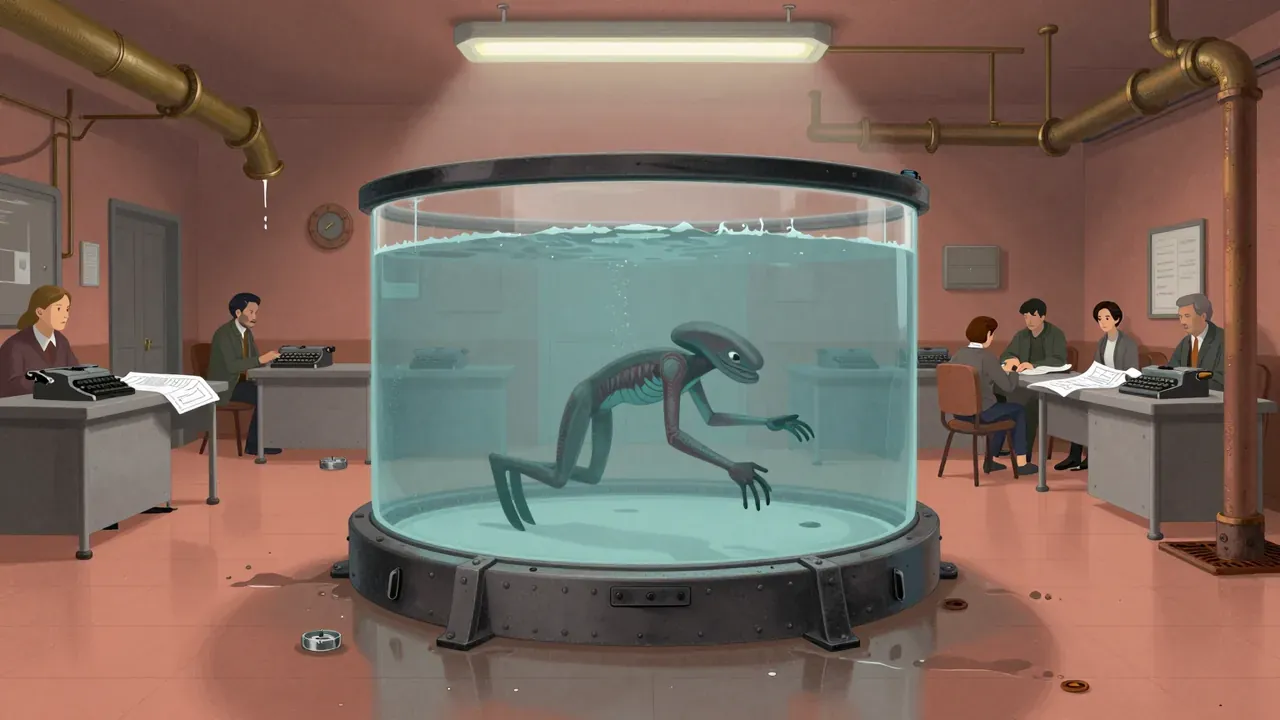
The Shape of Water

Guillermo del Toro · 2017

Set in 1962 Baltimore, The Shape of Water follows Elisa, a mute cleaner at a high-security lab, who forms a bond with an amphibious creature slated for dissection. Directed by Guillermo del Toro and co-written with Vanessa Taylor, the film uses period realism and lush, water-saturated visuals to frame a tender, politically charged romance. Sally Hawkins and Doug Jones lead a cast that includes Michael Shannon, Octavia Spencer and Richard Jenkins. Dan Laustsen’s cinematography and Alexandre Desplat’s Oscar-winning score deepen its immersive, tactile world. Though its pacing and symbolic density divide viewers, its emotional conviction and formal coherence make it a singular achievement in romantic fantasy.

13:00

Winchester '73

Anthony Mann · 1950

Winchester ’73 (1950), directed by Anthony Mann and starring James Stewart, follows the turbulent passage of a prized Winchester 1873 rifle through seven owners across the American frontier. Structured as a chain of cause and effect rather than a linear quest, it foregrounds economy of form, psychological restraint, and moral ambiguity over myth or spectacle. Though groundbreaking in its use of the 'object-as-plot-engine' and influential on later genre filmmaking, its depiction of Indigenous characters remains reductive and its secondary roles underdeveloped. It rewards attentive, unsentimental viewing.

13:00

You Can Count on Me

Kenneth Lonergan · 2000

Kenneth Lonergan’s 2000 debut follows Sammy, a single mother and bank officer in the Catskills, as her drifting younger brother Terry arrives after years of silence. Their reunion exposes old fractures and fragile affections, played out in quiet rooms, rain-slicked streets, and the unremarkable routines of small-town life. With Laura Linney and Mark Ruffalo delivering restrained, deeply observed performances, the film builds meaning through accumulation rather than incident—honouring the weight of what goes unsaid.

13:00

Barton Fink

Joel Coen, Ethan Coen · 1991

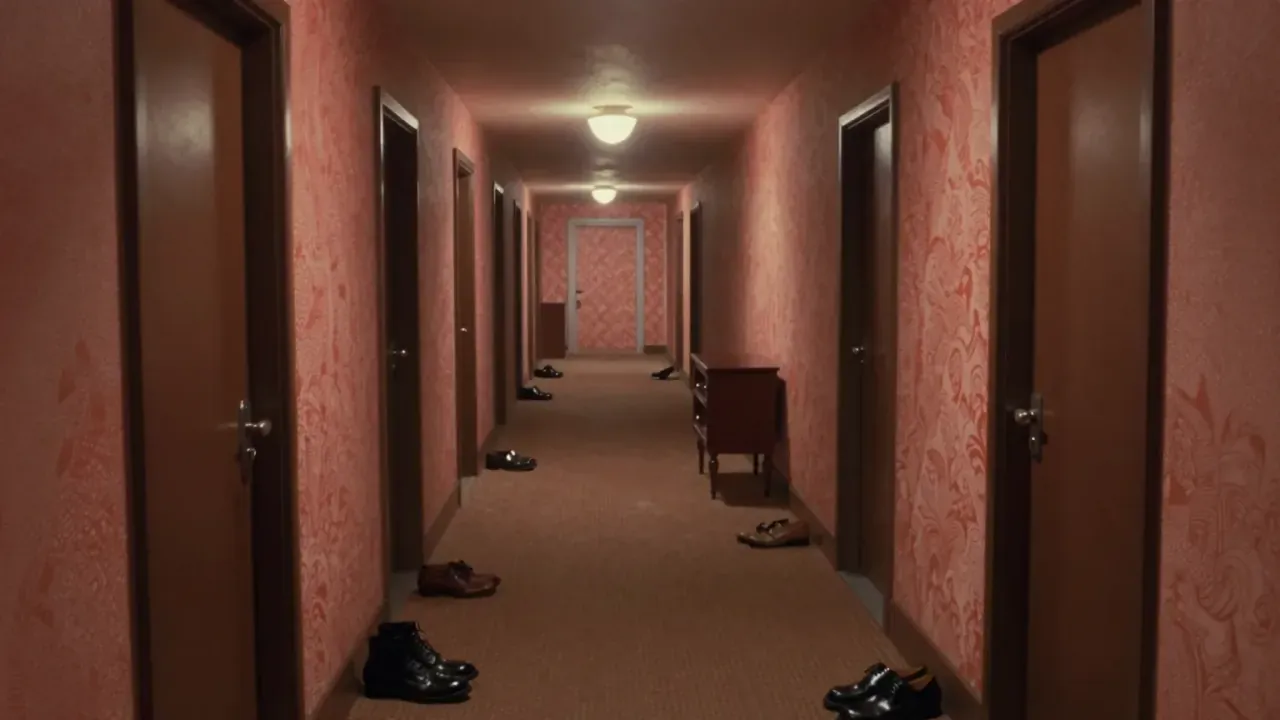
Barton Fink (1991) is a neo-noir arthouse thriller set in 1941, following a New York playwright’s unsettling stay at the decaying Hotel Earle while writing for a Hollywood studio. Directed by Joel and Ethan Coen, it stars John Turturro and John Goodman, with cinematography by Roger Deakins and music by Carter Burwell. Its power lies in sustained atmosphere, recursive imagery, and psychological compression — less a narrative than a meticulously constructed state of mind.

13:00

It Happened One Night

Frank Capra · 1934

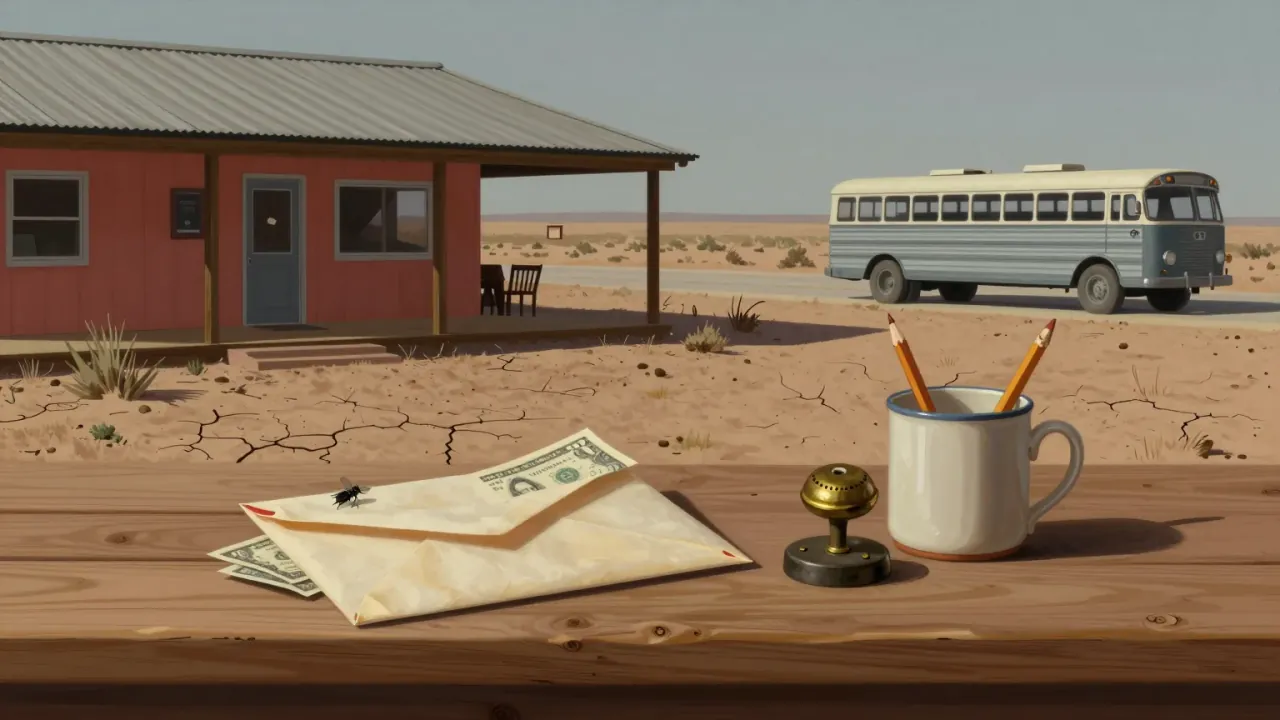
A 1934 romantic comedy starring Claudette Colbert and Clark Gable, directed by Frank Capra. A runaway heiress and a jobless reporter share a cross-country bus journey, negotiating class, gender and growing affection under tight comic constraints. Adapted from a short story, it won the Academy Award 'Big Five' and remains a benchmark of economical, actor-led storytelling.

13:00

Miller's Crossing

Ethan Coen, Joel Coen · 1990

A 1990 neo-noir gangster film directed by the Coen brothers, set in an unnamed Prohibition-era city. Gabriel Byrne stars as Tom Reagan, a strategist caught between rival mob bosses Albert Finney and Jon Polito. Built on Hammett’s The Glass Key, it prioritises formal rigour over emotional exposition — its dialogue elliptical, its violence understated, its moral universe amoral. Shot in New Orleans by Barry Sonnenfeld, with a restrained score by Carter Burwell, it is a study in control: of image, rhythm, and implication.

13:00

Shakespeare in Love

John Madden · 1998

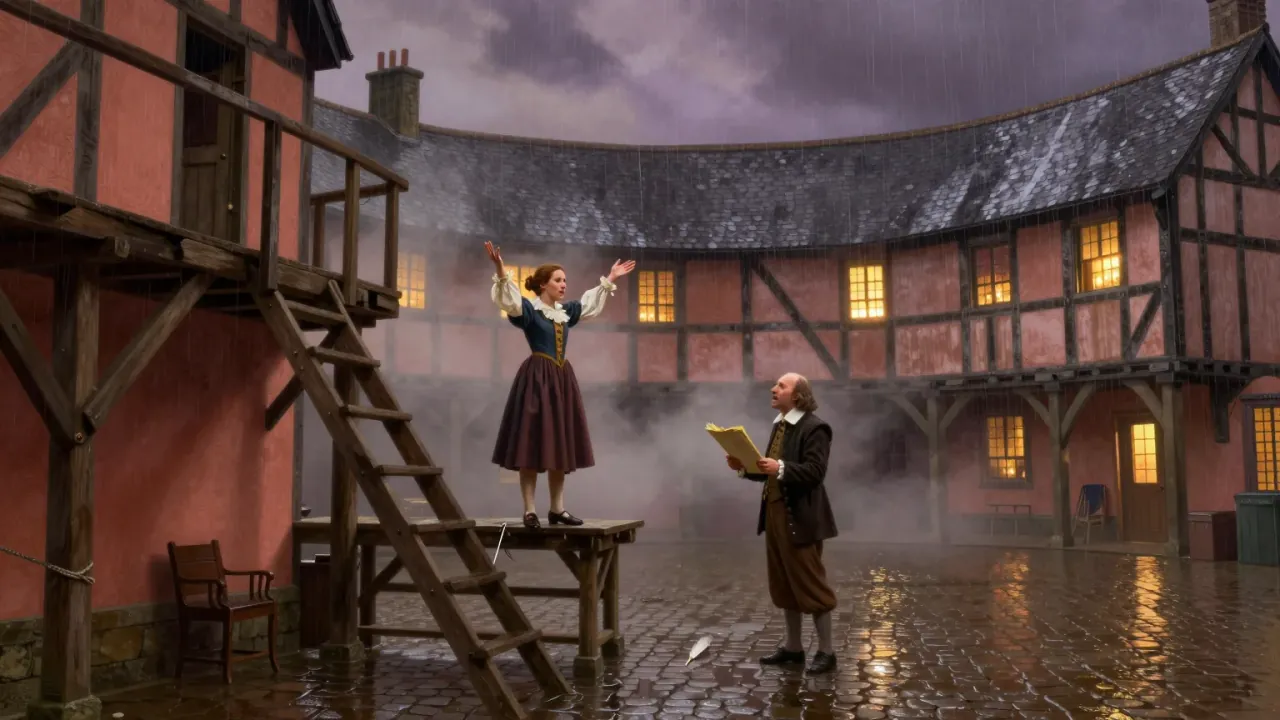
Shakespeare in Love (1998) imagines a love affair between a blocked William Shakespeare and the noblewoman Viola de Lesseps, whose secret presence in his company inspires Romeo and Juliet. Directed by John Madden and written by Marc Norman and Tom Stoppard, it blends period detail with theatrical wit, winning seven Academy Awards including Best Picture and Best Actress. Its strength lies in craft and chemistry; its limitation, in narrative convenience that softens moral and emotional stakes.

13:00

Singin' in the Rain

Gene Kelly, Stanley Donen · 1952

Singin’ in the Rain (1952) is a Metro-Goldwyn-Mayer musical directed by Gene Kelly and Stanley Donen, set during Hollywood’s transition from silent films to sound. With a script by Betty Comden and Adolph Green, it follows a leading man, his vaudevillian friend and a rising actress as they salvage a failing production by turning it into a musical. Built around pre-existing songs by Nacio Herb Brown and Arthur Freed, the film treats song-and-dance as narrative logic, not decoration. Its enduring reputation rests on choreographic precision, structural wit and an unironic belief in collective skill — not nostalgia.

13:00

Casablanca

Michael Curtiz · 1942

A 1942 Warner Bros. romantic drama set in Vichy-controlled Casablanca, where American expatriate Rick Blaine must choose between rekindling a wartime romance with Ilsa Lund and helping her husband, resistance leader Victor Laszlo, escape to continue fighting the Nazis. Directed by Michael Curtiz, written by Julius and Philip Epstein, Howard Koch and Casey Robinson, and starring Humphrey Bogart and Ingrid Bergman, it is a tightly constructed studio picture whose enduring power lies in its moral economy, disciplined craft and refusal to separate personal longing from political consequence.

13:00

Out of the Past

Jacques Tourneur · 1947

A former private eye living quietly in rural California is drawn back into his violent past when a gambling kingpin summons him to Lake Tahoe. What follows is a tightly wound descent through memory, betrayal, and double-crosses, anchored by Robert Mitchum’s weary performance and Nicholas Musuraca’s shadow-drenched cinematography. Adapted from Daniel Mainwaring’s novel and directed by Jacques Tourneur, the film sustains a mood of inescapable consequence across its 97-minute runtime.

13:00

Sholay

Ramesh Sippy · 1975

A 1975 Hindi-language dacoit western directed by Ramesh Sippy, Sholay follows two outlaws hired to eliminate a ruthless bandit in a rural Indian village. Built on Salim-Javed’s tightly wound script, Dwarka Divecha’s stark cinematography, and R. D. Burman’s iconic score, it synthesises Spaghetti Western pacing, samurai film gravitas, and Indian folk idioms into a mythic, 204-minute epic. Its enduring power lies in formal discipline — in gesture, silence, and repetition — rather than psychological realism or moral ambiguity.

13:00

Toy Story

John Lasseter · 1995

Toy Story follows Woody, a cowboy doll who becomes territorial once space ranger toy Buzz Lightyear replaces him as a boy's favourite. John Lasseter directed the first entirely computer-animated feature and the first film produced by the newly founded Pixar, working from a script substantially rewritten after Disney rejected early story reels as too flat. Made on a $30 million budget under a deal that gave Disney full ownership of the characters, the film earned $373.6 million and became the first animated feature nominated for the Academy Award for Best Original Screenplay.